The Complete Football Stats Tracker
A Systematic Approach to Recording, Analyzing, and Reporting Individual Player Performance
You're drowning in scattered notes, incomplete spreadsheets, and inconsistent data that makes meaningful player analysis nearly impossible.
207 pages11 chaptersOct 23, 2025American Football
About this book
Without a systematic approach to tracking football statistics, you're missing critical insights that could transform how you understand player performance and team dynamics. This book provides a comprehensive, step-by-step methodology for recording and analyzing individual player statistics across every phase of football. You'll discover how to build efficient tracking systems for offensive plays, defensive stops, and special teams contributions that capture not just basic counts but meaningful performance metrics. Learn to calculate advanced statistics like yards per carry, defensive stop rates, and field goal accuracy while understanding the context that makes these numbers meaningful. From setting up your initial database structure to generating insightful season summaries, you'll gain practical frameworks for real-time game tracking and post-game analysis. Whether you're supporting a high school team or managing your own football program, you'll develop the skills to turn raw game data into actionable intelligence that drives player development and strategic decision-making.
Table of contents
- IntroductionWhy Individual Player Statistics Matter, Common Challenges in Football Stat Tracking, How This Book Will Help YouRead below
- Chapter 1: Building Your Stat Tracking FoundationEssential Statistics Every Tracker Should Record, Developing a Consistent Tracking Philosophy, Choosing Your Tools and Setting Up Your System, Creating a Sustainable Database Structure
- Chapter 2: Tracking Offensive Player StatisticsQuarterback Performance Metrics, Running Back and Rushing Statistics, Receiver and Pass-Catching Data, Offensive Line Performance Indicators
- Chapter 3: Recording Defensive Player PerformanceTackles, Assists, and Tackle Quality, Pass Defense and Coverage Statistics, Sacks, Pressures, and Quarterback Disruption, Calculating Defensive Stop Rates
- Chapter 4: Special Teams Statistics and AnalysisField Goal and Extra Point Accuracy, Punting Statistics and Net Yardage, Kick and Punt Return Averages, Coverage Team Performance Tracking
- Chapter 5: Advanced Performance MetricsYards Per Carry and Efficiency Calculations, Down and Distance Performance Analysis, Field Position Impact on Statistics
- Chapter 6: Real-Time Game Tracking MethodsPre-Game Preparation and Setup, Recording Statistics During Live Action, Maintaining Accuracy Under Pressure, Creating Quick Reference Tracking Sheets
- Chapter 7: Post-Game Analysis and VerificationVerifying and Cleaning Your Game Data, Using Film Review to Confirm Statistics, Common Errors and How to Correct Them
- Chapter 8: Building Comprehensive Player ProfilesCreating Individual Player Dashboards, Identifying Player Strengths and Weaknesses, Tracking Performance Trends Over Time, Comparing Players Within Position Groups
- Chapter 9: Preparing Game Reports and SummariesStructuring Effective Game Reports, Highlighting Key Performer Statistics, Visual Presentation of Statistical Data
- Chapter 10: Season-Long Tracking and SummariesMaintaining Cumulative Season Statistics, Tracking Milestones and Career Achievements, Creating Comprehensive Season Summary Reports, Year-Over-Year Performance Comparisons
- Chapter 11: Using Statistics for Game PlanningAnalyzing Opponent Player Statistics, Identifying Key Matchups Through Data, Applying Statistical Insights to Strategy
- ConclusionYour Implementation Plan, Continuous Improvement of Your System
Introduction
Every Friday night under the stadium lights, thousands of plays unfold across football fields. Quarterbacks throw passes, running backs break tackles, defensive backs deflect crucial third-down attempts, and special teams units flip field position. Each of these moments represents a data point that tells a story about individual player performance. Yet most of this valuable information disappears into memory, captured only in scattered notes or incomplete spreadsheets that make meaningful analysis nearly impossible. Without a systematic approach to tracking these statistics, coaches and educators miss critical insights that could transform player development and team strategy.
The challenge isn't simply recording numbers. Anyone can count how many times a running back carries the ball or how many tackles a linebacker makes. The real difficulty lies in creating a comprehensive system that captures meaningful performance data consistently across games and seasons, organizes that information in ways that reveal patterns and trends, and transforms raw numbers into actionable intelligence. This requires understanding not just what to track, but how to track it, when context matters, and how different statistics relate to actual on-field performance. The difference between basic stat counting and effective performance tracking is the difference between knowing a player had fifteen carries and understanding that those fifteen carries averaged 6.2 yards per attempt on first and second down but only 2.1 yards on third and short situations.
This book provides a complete framework for building and maintaining an individual player statistics system that serves multiple purposes simultaneously. You'll learn to track data during live game action, verify and enhance that information through post-game analysis, build comprehensive player profiles that reveal strengths and development areas, generate insightful game reports, and maintain season-long databases that enable powerful longitudinal analysis. Whether you're supporting a high school team, managing statistics for a youth program, or developing your skills as an educator interested in football analytics, this systematic approach will transform how you understand and communicate player performance.
The methodology presented here recognizes that effective stat tracking serves different audiences with different needs. Coaches need quick access to performance trends that inform game planning and substitution decisions. Players benefit from concrete feedback that shows their progress and identifies specific areas for improvement. Parents and community members appreciate clear, comprehensive reports that celebrate achievements and document the season. Administrators require accurate records for awards, recognition, and program evaluation. A well-designed tracking system serves all these purposes without requiring separate data collection efforts for each audience.
Throughout this book, you'll discover practical frameworks built around the three core phases of football: offense, defense, and special teams. Each phase requires different statistics, different tracking methods, and different analytical approaches. You'll learn which metrics matter most for each position, how to calculate advanced statistics that reveal efficiency and effectiveness, and how to organize your data so that both real-time access and long-term analysis become straightforward. The goal isn't to track every conceivable statistic, but to build a sustainable system that captures the information most valuable for understanding player performance and team dynamics.
Why Individual Player Statistics Matter
Individual player statistics provide objective evidence of performance that transcends subjective impressions and memory biases. Coaches naturally remember the spectacular touchdown catch or the crucial fourth-quarter interception, but systematic stat tracking reveals the consistent contributions that often go unnoticed. The offensive lineman who successfully blocks on 47 of 50 plays doesn't generate highlight-reel moments, yet his performance directly impacts every offensive statistic the team generates. The defensive back who allows only three completions in eight targets, all for minimal yardage, demonstrates excellence that might be invisible without detailed tracking. Statistics illuminate these hidden contributions and ensure that recognition and development opportunities align with actual performance rather than memorable moments.
Performance data creates a foundation for meaningful player development conversations. When you can show a running back that his yards per carry average increases from 3.2 to 5.8 when he hits the hole decisively rather than dancing behind the line, you've provided concrete feedback that connects specific behaviors to measurable outcomes. Similarly, demonstrating to a linebacker that his tackle success rate drops significantly when he takes poor angles gives him a clear development target. These conversations become collaborative problem-solving sessions rather than subjective critiques because the data provides common ground for discussion. Players respond more positively to development feedback when it's anchored in objective evidence rather than general impressions.
Statistics enable fair and transparent recognition systems that build team culture and individual motivation. When you establish clear criteria for awards like offensive player of the game, defensive player of the week, or season-long recognition, players understand what excellence looks like and how their contributions are evaluated. This transparency prevents the perception that recognition is arbitrary or based on favoritism. Consider a situation where two linebackers both record ten tackles in a game, but detailed tracking reveals that one made eight solo tackles with three tackles for loss while the other made three solo tackles and seven assists with no tackles for loss. The statistics provide objective justification for recognizing the first player's more impactful performance.
Comprehensive player statistics support strategic decision-making at multiple levels. Game planning becomes more sophisticated when you can identify that an opponent's star running back averages 7.1 yards per carry on outside zone plays but only 3.4 yards per carry on inside runs. Substitution decisions improve when you know which backup defensive end has the highest pressure rate in passing situations. Personnel grouping choices become data-informed when you can compare the yards per play average for different receiver combinations. These strategic applications transform statistics from historical records into predictive tools that inform future decisions. The data doesn't make decisions for you, but it provides evidence that makes your decisions more informed and defensible.
Long-term player tracking creates valuable historical records that serve multiple purposes beyond immediate game analysis. Season summaries document achievements for college recruiting profiles, scholarship applications, and awards nominations. Multi-year tracking reveals development trajectories that help younger players understand realistic progression timelines. Historical data enables program evaluation by showing whether player performance metrics improve over time as coaching and training methods evolve. These longitudinal benefits compound over seasons, making the initial investment in systematic tracking increasingly valuable. A comprehensive database built over three or four seasons becomes an irreplaceable resource for understanding program trends and individual player development patterns.
Statistics also facilitate communication with stakeholders who aren't present at every practice and game. Parents appreciate detailed performance reports that go beyond simple game summaries to show their child's specific contributions and development. School administrators can better understand program success when presented with comprehensive performance data rather than just win-loss records. Community supporters engage more deeply when they can follow individual player achievements throughout the season. Local media can write more informed and interesting stories when provided with detailed statistics and context. This broader communication function extends the impact of your tracking efforts beyond the immediate team environment.
Perhaps most importantly, systematic stat tracking develops analytical thinking skills that benefit everyone involved in the process. Learning to track statistics requires attention to detail, consistency, and understanding of cause-and-effect relationships in football. Analyzing the data develops critical thinking about what numbers mean, how context affects interpretation, and how different metrics relate to each other. These analytical skills transfer to other domains, making stat tracking an educational activity that teaches valuable cognitive skills alongside football knowledge. For educators particularly, this dual benefit makes comprehensive stat tracking a worthwhile investment of time and effort.
The cumulative effect of these benefits transforms how teams understand performance and make decisions. Rather than relying on general impressions, memorable plays, or incomplete information, you build a culture of evidence-based evaluation and continuous improvement. Players learn that consistent performance matters more than occasional spectacular plays. Coaches gain confidence in their personnel decisions because they're supported by objective data. The entire program develops a more sophisticated understanding of what drives success on the football field. This cultural transformation represents the ultimate value of systematic individual player statistics tracking.
Common Challenges in Football Stat Tracking
The speed and complexity of football create immediate challenges for anyone attempting to track individual player statistics during live action. Unlike baseball, where plays have clear beginnings and endings with natural pauses between them, football features continuous action with twenty-two players moving simultaneously. A single play might involve a quarterback reading the defense, a running back executing a fake before releasing into a pass route, five offensive linemen each engaged with different defenders, and multiple receivers running coordinated routes. Capturing the relevant statistics for even a subset of these players requires quick observation, rapid recording, and the ability to identify which actions matter most for your tracking purposes. Many well-intentioned tracking efforts fail because they attempt to capture too much information too quickly, resulting in incomplete or inaccurate data.
Consistency represents another significant challenge, particularly when multiple people contribute to stat tracking over time. One person might credit a tackle to any player who touches the ball carrier, while another reserves tackle credit only for the player who brings the runner down. These definitional inconsistencies make season-long statistics unreliable and comparisons between games meaningless. The problem compounds when tracking more subjective statistics like pass breakups, where one observer might credit a defensive back for a breakup when the quarterback simply threw an inaccurate pass. Without clear, documented definitions and consistent application of those definitions, your statistical database becomes a collection of incomparable numbers rather than a coherent performance record. Establishing and maintaining consistency requires explicit protocols and regular calibration among everyone involved in tracking.
Organizational challenges plague many stat tracking efforts, particularly as data accumulates across multiple games and seasons. Scattered spreadsheets, inconsistent file naming conventions, and lack of standardized formats make it difficult to aggregate statistics or conduct meaningful analysis. You might have one spreadsheet for offensive statistics and another for defensive statistics, with no easy way to see a complete picture of a two-way player's contributions. Game-by-game files might use different column orders or abbreviations, requiring manual reformatting before you can combine data. These organizational problems waste enormous amounts of time and often result in abandoning analytical efforts because extracting insights from poorly organized data becomes too frustrating. The solution requires establishing a clear database structure from the beginning, but many trackers don't recognize this need until they're already drowning in disorganized information.
Context capture presents a subtle but critical challenge that many tracking systems overlook. Recording that a running back gained five yards provides incomplete information without knowing whether that gain came on first-and-ten from midfield or third-and-two from the opponent's five-yard line. The same five-yard gain represents completely different levels of success in these different situations. Similarly, a defensive back allowing a ten-yard completion means something very different on third-and-fifteen versus third-and-five. Effective stat tracking must capture not just what happened, but the situation in which it happened. However, recording down, distance, field position, score, and time remaining for every play significantly increases the complexity of real-time tracking. Many systems either ignore context entirely or attempt to capture so much contextual information that the tracking becomes unmanageable.
The challenge of tracking less visible contributions affects defensive and offensive line statistics particularly severely. While skill position statistics like rushing yards, receiving yards, and tackles are relatively straightforward to observe and record, evaluating line play requires understanding assignments, recognizing successful blocks that don't result in obvious outcomes, and identifying which defender beat which blocker on unsuccessful plays. A running back might gain only two yards because his intended hole never opened, or he might gain eight yards despite poor blocking because of exceptional individual effort. Without tracking the quality of blocking, the statistics tell an incomplete story. Similarly, defensive line statistics often focus only on sacks and tackles for loss, ignoring the pressures, double-teams absorbed, and gap integrity that contribute significantly to defensive success but don't appear in traditional stat lines.
Technology decisions create their own set of challenges. Paper-based tracking offers simplicity and reliability—no batteries die, no software crashes, and no learning curve for basic recording. However, paper systems require manual data entry for analysis, make real-time aggregation impossible, and create storage and organization challenges. Digital tracking using tablets or laptops enables immediate calculations and easier data management but introduces technical failure points, requires more expensive equipment, and may have steeper learning curves. Specialized stat tracking software offers powerful features but often comes with subscription costs, platform limitations, and the risk that the software becomes unsupported or incompatible with future systems. Choosing the right tools requires balancing immediate usability, long-term sustainability, budget constraints, and analytical capabilities.
Time constraints represent perhaps the most universal challenge. Comprehensive stat tracking requires significant time investment during games, additional time for post-game verification and data entry, and ongoing time for analysis and report generation. For educators and volunteers already managing multiple responsibilities, finding this time can seem impossible. The temptation to cut corners—skipping verification, tracking fewer statistics, or abandoning analysis—undermines the entire system's value. Yet attempting to maintain an overly ambitious tracking system leads to burnout and eventual abandonment. The solution requires designing a system that matches your available time while still capturing the most valuable information. This means making strategic choices about which statistics matter most and which analytical processes provide the greatest return on time invested.
Accuracy verification presents ongoing challenges because football statistics often lack the definitive verification sources available in other sports. Baseball has pitch-by-pitch data and video review for every play. Basketball has shot charts and possession-by-possession tracking. Football, particularly at high school and youth levels, often lacks comprehensive video coverage or official statistics for comparison. You might have sideline video that doesn't show the entire field, making it impossible to verify what happened away from the ball. Or you might have no video at all, leaving your live tracking as the only record of what occurred. This lack of verification sources means errors can persist undetected, gradually corrupting your database. Developing internal verification processes and cross-checking methods becomes essential, but these processes add to the time burden.
Finally, the challenge of translating statistics into actionable insights prevents many tracking systems from achieving their full potential. Collecting data is only valuable if that data informs decisions and drives improvement. However, moving from raw numbers to meaningful insights requires analytical skills, football knowledge, and understanding of statistical interpretation. A player's declining tackle total might indicate reduced playing time, scheme changes that move him away from the ball, improved opponent game planning, or actual performance decline. Distinguishing among these explanations requires context that goes beyond the numbers themselves. Many stat trackers successfully collect comprehensive data but struggle to extract the insights that make that data valuable. Developing this analytical capability is as important as developing efficient tracking methods.
How This Book Will Help You
This book provides a systematic, phase-by-phase approach to building a comprehensive individual player statistics tracking system that addresses each of the challenges outlined above. Rather than presenting a single rigid system that you must adopt wholesale, you'll learn flexible frameworks and principles that you can adapt to your specific situation, available resources, and tracking goals. The methodology recognizes that a high school varsity program with multiple assistants and video equipment has different capabilities than a youth program relying on parent volunteers. You'll discover how to scale the system to match your context while maintaining the core principles that make stat tracking valuable and sustainable.
The book organizes content around the three fundamental phases of football—offense, defense, and special teams—because this structure mirrors how the game actually works and how coaching staffs typically divide responsibilities. Within each phase, you'll learn which statistics matter most for different positions, how to define those statistics consistently, and how to track them efficiently during live action. For example, the offensive tracking chapter breaks down quarterback statistics separately from running back statistics and receiving statistics because each position requires different metrics and tracking approaches. This phase-and-position organization makes it easy to find the specific information you need without wading through irrelevant content.
Each chapter provides concrete, actionable guidance rather than abstract theory. You'll find specific tracking sheet templates, step-by-step processes for recording statistics during games, detailed calculation methods for advanced metrics, and practical examples drawn from real tracking situations. When the book discusses tracking quarterback statistics, you'll see exactly what information to record on each play, how to organize that information for quick reference, and how to calculate completion percentage, yards per attempt, and passer rating after the game. When covering defensive statistics, you'll learn precise definitions for solo tackles versus assists, how to credit tackles for loss, and methods for tracking pass breakups and quarterback pressures. This specificity eliminates guesswork and provides clear implementation guidance.
The book addresses both real-time tracking during games and post-game analysis and verification, recognizing that these serve different purposes and require different approaches. Real-time tracking prioritizes speed and capturing essential information while the action unfolds. Post-game analysis allows for more detailed review, error correction, and calculation of advanced metrics that would be impossible to compute during live action. You'll learn how to design your real-time tracking system to capture the minimum necessary information efficiently, then enhance that data through post-game processes. This two-phase approach balances the competing demands of comprehensive data collection and practical feasibility during fast-paced games.
Special attention goes to database structure and organization because these foundational decisions determine whether your tracking system remains sustainable over multiple seasons. You'll learn how to structure spreadsheets or databases so that adding new games requires minimal effort, aggregating season statistics happens automatically, and generating reports becomes straightforward. The book provides specific guidance on naming conventions, file organization, data validation, and backup procedures. These organizational elements might seem mundane compared to the excitement of tracking game statistics, but they're what separate successful long-term tracking systems from abandoned efforts that collapse under their own disorganization. Getting the structure right from the beginning saves countless hours of frustration later.
The book emphasizes context throughout, teaching you not just what statistics to track but how to capture the situational information that makes those statistics meaningful. You'll learn efficient methods for recording down and distance, field position, and game situation without overwhelming your real-time tracking capacity. The chapters on advanced metrics show how to analyze performance in different situations—first down versus third down, red zone versus midfield, winning versus losing game scripts. This contextual approach transforms simple counting statistics into sophisticated performance analysis that reveals patterns invisible in aggregate numbers. Understanding context also helps you avoid common misinterpretations that occur when statistics are analyzed without considering the situations in which they were generated.
Practical examples and case studies appear throughout the book to illustrate concepts and demonstrate application. You'll see how tracking quarterback statistics reveals that a player's completion percentage drops significantly on passes beyond fifteen yards, suggesting a development focus on deep ball accuracy. You'll examine how defensive statistics show that a linebacker's tackle total is high but his stop rate is low, indicating he's making tackles downfield after significant gains rather than at or behind the line of scrimmage. These examples show how statistics translate into actionable insights rather than just interesting numbers. The case studies also demonstrate common pitfalls and how to avoid them, learning from mistakes others have made so you don't have to repeat them.
The book provides specific guidance for different skill levels and resource situations. If you're new to stat tracking, you'll find clear starting points that establish a basic but valuable system you can expand over time. If you're already tracking statistics but struggling with organization or analysis, you'll discover methods for improving your existing system without starting over completely. If you have limited resources, you'll learn which statistics provide the most value for the least tracking effort. If you have more resources available, you'll find guidance on expanding your system to capture more detailed information and conduct more sophisticated analysis. This flexibility ensures the book remains useful regardless of your starting point or constraints.
Throughout the book, you'll develop not just tracking skills but analytical thinking about what statistics mean and how they relate to actual football performance. You'll learn to ask critical questions: Does this statistic actually measure what I think it measures? What context do I need to interpret this number correctly? How might this metric be misleading? What other information would help me understand this player's performance more completely? This analytical framework prevents the common trap of collecting statistics without understanding their limitations or proper interpretation. The goal is developing sophisticated statistical literacy that makes you a more effective analyst, not just a more efficient data collector.
Finally, the book addresses the ultimate purpose of stat tracking: using data to drive improvement. The chapters on game planning, player development, and season analysis show how to translate statistical insights into coaching decisions, practice priorities, and strategic adjustments. You'll learn how to identify opponent tendencies through statistical analysis, how to use performance data in player development conversations, and how to track progress toward specific improvement goals. This connection between data collection and practical application ensures that your tracking efforts serve meaningful purposes rather than becoming an end in themselves. The statistics become tools for improvement, not just records of what happened.
By working through this book systematically, you'll build a comprehensive stat tracking system tailored to your specific needs and constraints. You'll develop the skills to collect accurate data efficiently, organize that data for easy access and analysis, calculate meaningful performance metrics, and translate statistical insights into actionable intelligence. Whether you're starting from scratch or improving an existing system, you'll gain practical frameworks and specific techniques that make individual player statistics tracking manageable, sustainable, and genuinely valuable for player development and team success. The journey from scattered notes to systematic performance analysis begins with understanding what to track, how to track it, and why it matters—exactly what the following chapters will teach you.
This is the end of the free sample. The full book has 11 chapters.
Want this book written for you?
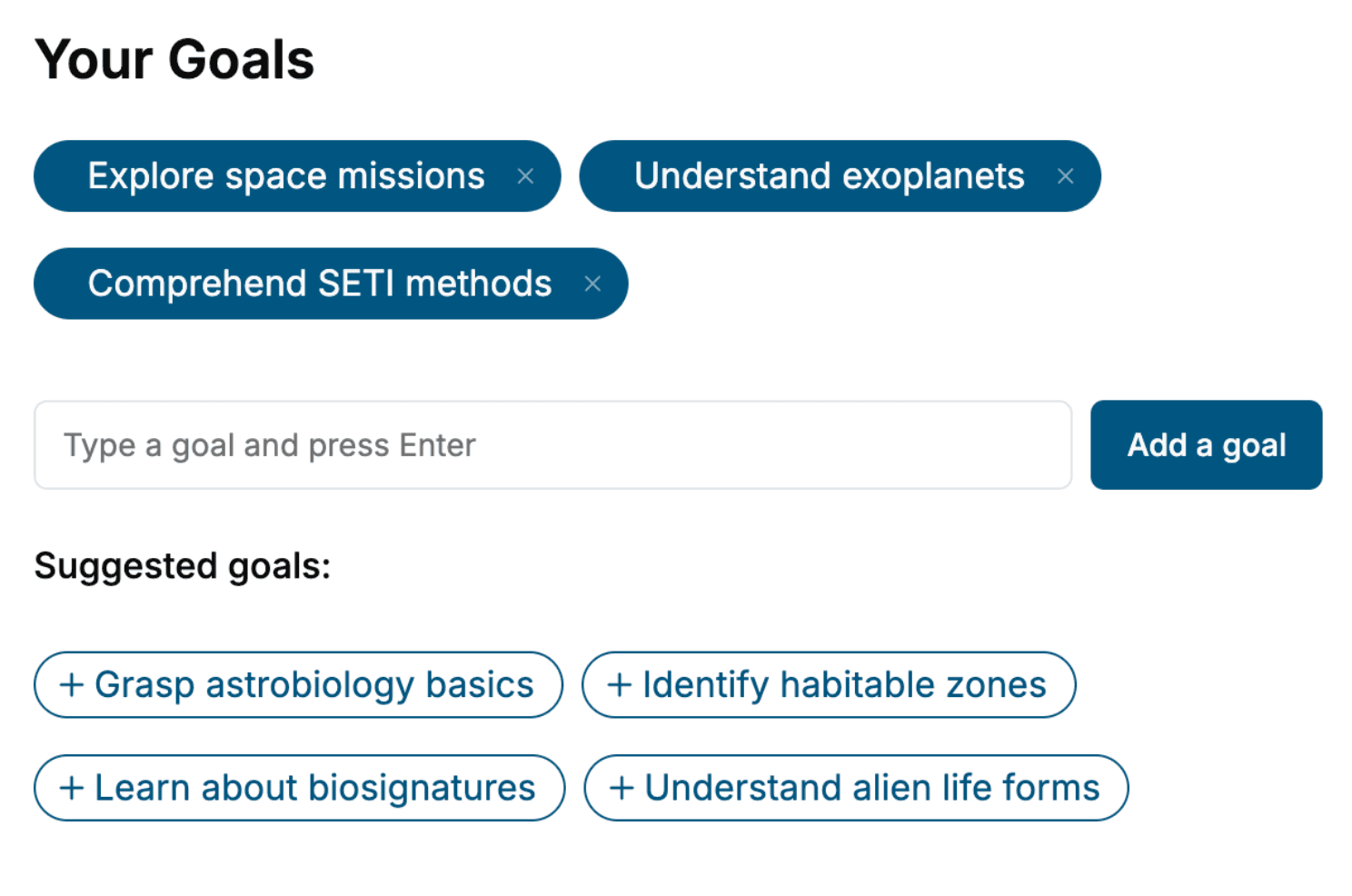
Tell us your goals and background, and get your own version of this book, tailored by AI to you.


Benefits of AI-tailored books
- Read one book, not ten:
- all the American Football knowledge you need, gathered into a single book.
- Save days of learning:
- tell us your goals, choose your topics, and the whole book is built around them.
- Learn effortlessly:
- American Football book written for your specific background and expertise.
- Understand at a glance:
- includes charts, tables, timelines, checklists, decision trees, and more.
- Stay current:
- written the day you order it, not years ago.
- Trust what you read:
- every book is checked for accuracy, with real research when your subject needs it.
Create your unique book in 3 steps
- 1. Select your focus
Select the focus of your American Football book and share your background
- 2. Personalize your book
Specify your goals and choose sub-topics to include
- 3. Get your tailored book
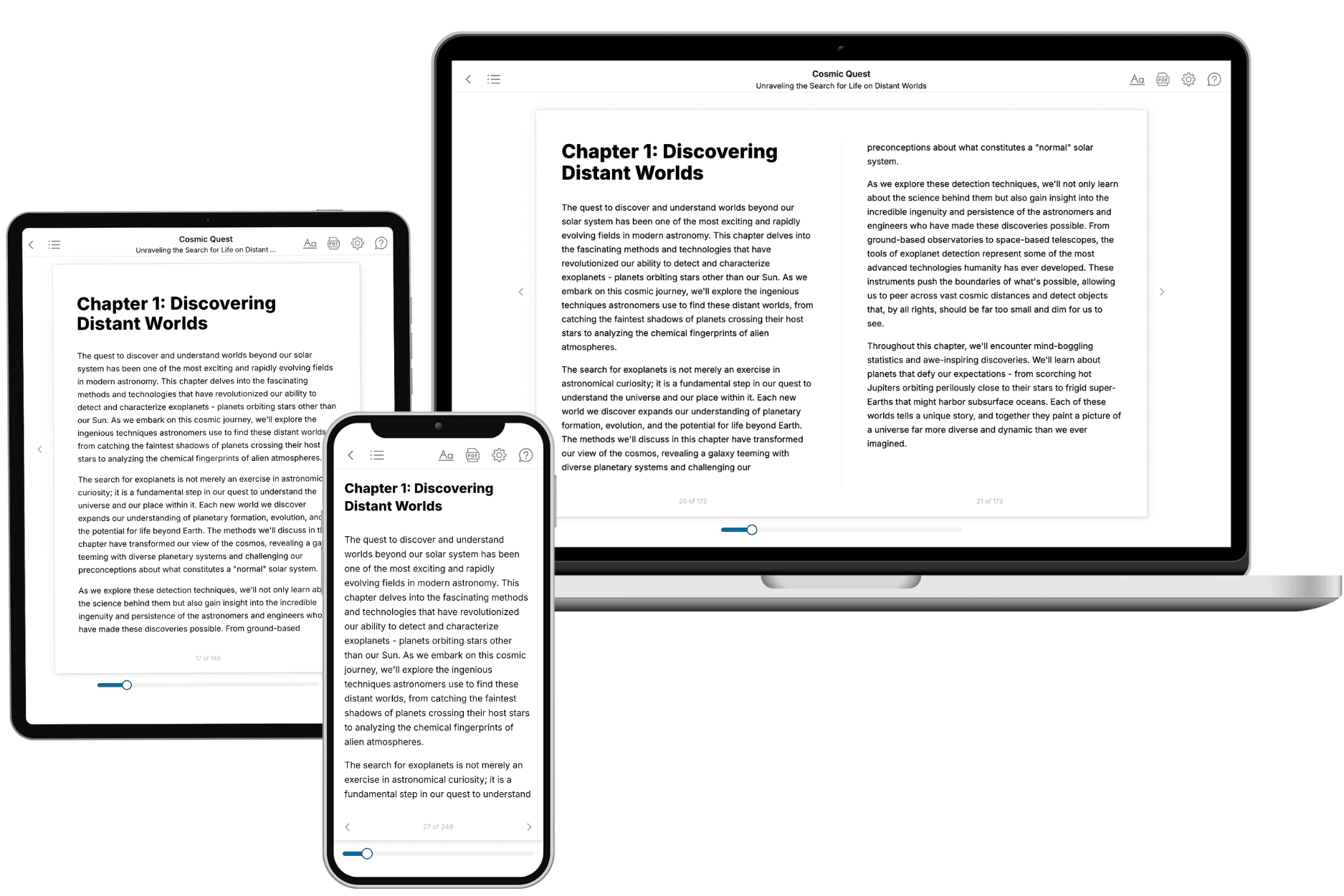
Your book is ready in 10 minutes. Read it online, download as EPUB or PDF, or send to Kindle.

Frequently asked questions
- What is TailoredRead?
TailoredRead creates complete, full-length nonfiction ebooks, written specifically for you. Tell us what you want to learn and why, and TailoredRead writes you a complete ebook on it, with charts, tables, and diagrams throughout. Read it online, on Kindle, or on any e-reader, or download it as a PDF or EPUB. Every book is written fresh the day you order it.
- How is the book tailored to me?
Before anything is written, you answer a few short questions about your goals, your background, and the topics you care about. Your book is then planned around your answers: written at your level, focused on your goals, and covering the topics you chose, instead of the one-size-fits-all book a store sells everyone.
- Will it read like generic AI content?
No. Your book isn't a chat transcript: it's planned chapter by chapter before a single word is written, told in a clear book voice, and explains ideas visually with charts, tables, and diagrams. After writing, every book goes through an editorial pass that polishes chapters so the book reads consistent from start to finish. Judge for yourself: browse thousands of sample books on our Explore Books page.
- How accurate is the content?
Our AI first checks whether your subject needs live research. Niche and fast-moving subjects are researched before writing, and the book plan and chapters are grounded in what it finds. After writing, every book goes through a quality pass that checks its facts and consistency, and researched books list their sources in a Notes section at the back.
- How long is the book?
You choose the length: Comprehensive (250-300 pages), Detailed (150-200 pages), Essential (70-100 pages), or Short (30-50 pages).
- Does the book include visuals?
Yes. Every book includes visual elements such as timelines, checklists, step-by-step guides, decision trees, comparison tables, and matrices, and many include bar charts. A typical book includes dozens of these visual elements.
- Can I read it on Kindle? What formats can I download?
Yes. Every book can be read in our online reader or downloaded as a PDF or EPUB. The EPUB can be opened with Kindle, Apple Books, Kobo, and any e-reader. The Commercial and Author licenses also include an editable Word (DOCX) and Markdown download.
- How much does it cost?
About the price of a regular ebook. The exact price depends on your book's length and complexity, from $2 for the shortest books to $35 for the most comprehensive, and it's shown when you review your book, before you commit to anything. Each book is a one-time purchase, yours to keep, no subscription. Licenses that let you share, teach, or publish your book range from $35.99 to $49.99.
- Can I preview the book before purchasing?
Before you pay, you'll see what your book will cover: the title, a detailed description, the estimated length, and the complete chapter-by-chapter table of contents, so you know what you're getting before you decide. The full text itself is written after you purchase.
- How long does it take to create a book?
About 10 minutes. You can start reading the opening chapters while the rest is still being written.