The Complete Guide to Bermuda Golf Courses
Master the Island's Premier Courses and Elevate Your Game in Paradise
What if your next golf vacation could combine championship-level courses with pristine island beauty and unforgettable experiences?
207 pages10 chaptersAug 3, 2026Golf
About this book
Bermuda's five premier golf courses represent some of the most challenging and rewarding layouts in the world, yet many golfers approach them unprepared. This guide provides everything you need to know before you arrive: detailed course-by-course breakdowns, strategic insights for each hole, preparation techniques for Bermuda's unique playing conditions, and practical planning advice. Whether you're a seasoned golfer seeking new challenges or a travel enthusiast looking to combine golf with island exploration, you'll discover how to navigate Bermuda's elevation changes, trade winds, and distinctive grass types. Learn from local experts, understand what makes each course special, and develop a game plan that maximizes your performance and enjoyment. This comprehensive resource transforms your Bermuda golf experience from a bucket-list item into a masterfully executed adventure.
Table of contents
- IntroductionWhy Bermuda Golf Matters, What Makes Bermuda Unique, How to Use This GuideRead below
- Chapter 1: Bermuda Golf: The Island's Golfing HeritageA Brief History of Golf in Bermuda, The Five Championship Courses, Understanding Bermuda's Golf Culture
- Chapter 2: Playing Conditions: Mastering Bermuda's Unique EnvironmentElevation, Terrain, and Course Layout, Trade Winds and Weather Patterns, Bermuda Grass and Green Conditions, Seasonal Variations and Best Times to Play
- Chapter 3: Castle Harbour Golf Club: The Island's Most Challenging CourseCourse Overview and History, Layout and Signature Holes, Strategic Approach and Playing Tips
- Chapter 4: Ocean View Golf Club: Coastal Beauty and Strategic PlayCourse Overview and Character, Notable Holes and Design Features, Tactical Approaches for Success
- Chapter 5: Riddells Bay Golf Club: Historic Charm and PlayabilityCourse Overview and Heritage, Course Design and Key Holes, Playing Riddells Bay Effectively
- Chapter 6: Belmont Hills Golf Club: Modern Design and AccessibilityCourse Overview and Modern Features, Layout and Hole-by-Hole Strategy, Maximizing Your Belmont Hills Experience
- Chapter 7: St. George's Golf Club: The Island's Newest CourseCourse Overview and Development, Contemporary Design and Challenges, Playing Strategy and Course Management
- Chapter 8: Preparing Your Game: Fitness, Equipment, and Mental StrategyPhysical Conditioning for Bermuda Golf, Equipment Selection and Adjustments, Mental Strategy and Course Management, Pre-Trip Practice Routines
- Chapter 9: Planning Your Bermuda Golf Trip: Logistics and BudgetingWhen to Visit: Seasonal Considerations, Accommodations and Transportation, Booking Tee Times and Course Access, Budgeting and Cost Management
- Chapter 10: Local Knowledge: Insider Tips and Cultural ImmersionCourse Etiquette and Local Customs, Insider Tips from Local Golfers, Beyond Golf: Island Experiences and Culture
- ConclusionYour Bermuda Golf Journey Awaits
- Appendix: Quick Reference GuideCourse Contact Information and Websites, Golf Terminology and Bermuda-Specific Terms, Additional Resources and Further Reading
Introduction
Fewer than 1,000 miles off the coast of North Carolina, a 21-square-mile island sits in the Atlantic and hosts more golf courses per square mile than almost anywhere else on earth. Bermuda punches well above its weight in the golf world. Its five championship courses have drawn serious players for well over a century, and the island's combination of ocean scenery, challenging terrain, and distinctive playing conditions has made it a destination that golfers return to again and again. Yet most visitors arrive without a real understanding of what they're walking into.
The gap between enjoying a round in Bermuda and truly playing well there is wider than most golfers expect. The trade winds shift your ball mid-flight in ways that feel almost personal. The Bermuda grass on the greens grabs your putts and redirects them based on a grain direction that isn't always obvious at first glance. The elevation changes on courses like Castle Harbour Golf Club demand a different kind of club selection than anything you'd encounter on a flat parkland layout back home. These aren't obstacles to fear. They're puzzles to solve, and solving them is most of the fun.
This guide exists to close that gap. Whether you're mapping out your first Bermuda golf trip or returning to tackle a course that got the better of you last time, the pages ahead give you the course knowledge, strategic frameworks, and practical planning tools to make the most of every round. The goal isn't just lower scores, though that's a welcome side effect. The goal is a richer, more confident experience on some of the most beautiful and demanding golf terrain in the world.
Why Bermuda Golf Matters
Golf and Bermuda have been intertwined for so long that it's difficult to imagine the island without the sport. The first golf club on the island was established in the late nineteenth century, making Bermuda one of the earliest golf destinations in the Western Hemisphere. That history isn't just trivia. It shaped the culture, the course designs, and the expectations that local golfers bring to every round. When you tee it up in Bermuda, you're stepping into a tradition that predates most of the famous courses in the United States.[1]
The island's golfing reputation rests on more than nostalgia. Each of the five championship courses offers something genuinely distinct. Castle Harbour Golf Club delivers the most dramatic elevation changes and the most demanding test of ball-striking on the island. Ocean View Golf Club puts the Atlantic Ocean directly in your line of sight on multiple holes, turning wind management into a survival skill. Riddells Bay Golf Club carries a classic, almost timeless layout that rewards patience and course management over raw power. Belmont Hills Golf Club blends modern design thinking with accessibility, making it a strong choice for a wide range of handicaps. St. George's Golf Club, the newest of the five, brings a contemporary design sensibility and a set of challenges that feel fresh even to experienced Bermuda visitors.
What ties all five courses together is the island itself. The pink-sand beaches, the turquoise water visible from nearly every elevated tee box, the pastel-colored houses dotting the hillsides — these aren't just backdrop. They're part of the experience. Golf in Bermuda is immersive in a way that a round at a landlocked resort simply cannot replicate. The environment demands your attention and rewards it with scenery that makes even a double bogey feel like a reasonable trade.
Beyond the scenery, Bermuda golf matters because it genuinely tests your game in ways that expose weaknesses you might not know you have. Players who rely on distance over accuracy struggle with the tight fairways and punishing rough. Players who never think about wind find themselves making club selections that are off by two or three clubs. Players who haven't practiced putting on grainy surfaces three-putt greens they should be reading easily. The island is an honest examiner, and the golfers who leave with the best scores are almost always the ones who prepared specifically for what Bermuda demands.
There's also a social dimension worth acknowledging. Bermuda's golf community is tight-knit and genuinely welcoming to visiting players who show up with the right attitude. Local golfers take pride in their courses and enjoy sharing knowledge about them. A conversation at the 19th hole can turn into an invitation to play with a local member the next morning, which is an experience that no guidebook can fully replicate but that this one can help you earn by giving you the vocabulary and the context to engage meaningfully.
The practical stakes are real, too. A Bermuda golf trip represents a meaningful investment of time and money. Green fees at the island's top courses are not inexpensive, and flights, accommodations, and transportation add up quickly. Arriving unprepared means paying full price for a frustrating experience. Arriving well-prepared means getting full value from every round, every hole, and every moment on the island.
Bermuda golf isn't just a destination. It's a specific kind of test that rewards preparation, punishes assumptions, and delivers experiences that stay with you long after you've returned your rental clubs and caught your flight home.
What Makes Bermuda Unique
The first thing most golfers notice when they step onto a Bermuda course is the grass. Bermuda grass is not the same as the bent grass or fescue you find on most North American and European courses. It grows in a specific direction, creating what golfers call grain, and that grain has a dramatic effect on how your ball rolls on the greens. Putts hit with the grain run faster and farther than you expect. Putts hit against the grain slow down and stop short. Putts hit across the grain break toward the direction the grass is growing, sometimes overriding the slope entirely. Learning to read grain is not optional in Bermuda. It's the single most important putting skill you can develop before you arrive.
The trade winds are the second defining feature of Bermuda golf. These winds blow consistently from the southwest for much of the year, but they shift in direction and intensity throughout the day and across different parts of the island. A hole that plays downwind in the morning can play directly into the wind by afternoon. The elevation changes on courses like Castle Harbour Golf Club amplify the wind's effect, because you're often hitting from an exposed hilltop tee into a valley or across a ridge where the air moves differently than it does at ground level. Experienced Bermuda golfers don't just check the wind at address. They watch the trees, the flag, and the water surface to build a complete picture of what the air is doing at every point along the ball's flight path.
The terrain itself is unlike anything on the mainland. Bermuda is a coral island, and its topography reflects that origin. The land rises and falls sharply, creating dramatic elevation changes within short distances. A par-4 that looks straightforward on a scorecard might involve a blind tee shot over a ridge, a downhill approach to a green tucked against a hillside, and a putting surface that tilts toward the ocean. These aren't design quirks. They're the natural landscape of the island, and the best course architects in Bermuda's history worked with that landscape rather than against it.
The climate adds another layer of complexity. Bermuda sits in a subtropical zone, which means warm temperatures year-round but also humidity, occasional fog, and the ever-present possibility of a passing shower. The seasonal golf window matters here. The spring months, roughly March through May, offer some of the most consistent playing conditions, with moderate temperatures and manageable winds. Summer brings heat and humidity that can make walking a hilly course genuinely taxing. The fall months offer a second window of excellent conditions before the winter winds pick up. Understanding when to visit is as important as understanding how to play once you're there.
The compactness of the island creates a logistical reality that shapes the entire golf experience. All five championship courses are within a relatively short distance of each other, which means you can realistically play multiple courses in a single trip without spending hours in transit. Bermuda's road network is narrow and the speed limit is low, so travel times are measured in minutes rather than hours. This compactness also means that the courses share the same weather systems, the same grass types, and many of the same design influences. Playing all five in a single trip gives you a coherent picture of Bermuda golf as a whole, not just a collection of isolated experiences.
One more element sets Bermuda apart: the visual drama. On the mainland, a beautiful golf course might offer mountain views or forest scenery. In Bermuda, the ocean is almost always visible. Tee boxes perched above the Atlantic, fairways that run along cliff edges, greens framed by turquoise water — these are standard features, not exceptional ones. That visual richness affects your psychology on the course. It's easy to get distracted by the scenery, and it's equally easy to let the exposure of a clifftop tee box create anxiety that tightens your swing. Managing your attention and your emotions in that environment is a skill, and it's one that the mental preparation section of this guide addresses directly.
Taken together, these factors — the grain, the trade winds, the terrain, the climate, and the visual drama — create a playing environment that is genuinely unlike anywhere else. That's not marketing language. It's a practical reality that shapes every decision you make on the course, from club selection to putting line to pre-shot routine. The golfers who understand these factors before they arrive are the ones who leave with the best stories and the best scorecards.
How to Use This Guide
This guide is organized to serve you at every stage of your Bermuda golf experience, from the earliest planning decisions to the final putt on your last round. The structure moves from broad context to specific detail, so you can read it straight through or jump to the sections most relevant to where you are in your planning process. Either approach works, though reading the environmental and conditions chapters before the course-specific chapters will make the course breakdowns significantly more useful.
The opening chapters establish the foundation. The chapter on Bermuda golf heritage gives you the historical and cultural context that makes the island's courses feel like more than just layouts on a map. The chapter on playing conditions covers the four forces that shape every round in Bermuda: elevation and terrain, trade winds and weather, Bermuda grass and green conditions, and seasonal variations. These two chapters together give you the mental model you need to absorb the course-specific information that follows.
The five course chapters form the core of the guide. Each one follows a consistent structure:
- An overview of the course's character, history, and what makes it distinct from the other four
- A detailed look at the layout, including signature holes and the design logic behind them
- A strategic framework for playing the course well, including specific adjustments for wind, grain, and terrain
You don't need to read all five course chapters before your trip. If you've already booked tee times at two specific courses, focus on those chapters first and use the others as reference material. If you're still deciding which courses to play, reading all five will help you prioritize based on your skill level, your interests, and the kind of experience you're looking for.
The preparation chapter covers three areas that most golf travel guides skip entirely: physical conditioning, equipment selection, and mental strategy. These aren't generic fitness tips. They're specific recommendations built around the demands of Bermuda's courses. Walking a hilly course like Castle Harbour Golf Club in summer heat requires a different level of cardiovascular preparation than a flat resort course. Choosing the right ball for Bermuda's wind conditions is a different calculation than choosing a ball for calm conditions at sea level. The pre-trip practice routine section gives you a structured six-week plan for sharpening the specific skills that Bermuda will test most severely.
The planning chapter handles the logistics that can make or break a golf trip regardless of how well you play. It covers:
- The best times of year to visit based on weather, course conditions, and crowd levels
- Accommodation options and how proximity to specific courses affects your daily schedule
- How tee-time booking works in Bermuda, including lead times and the differences between public and private access
- A realistic budget framework that accounts for green fees, transportation, equipment rental, and the inevitable post-round meal at the clubhouse
The local knowledge chapter is the one that separates a good trip from a great one. Golf etiquette in Bermuda has specific local dimensions that differ from what you might be used to at home. The insider tips section draws on the kind of course-specific knowledge that local golfers accumulate over years of play — the kind of information that doesn't appear on any official course guide. The final section on island experiences beyond golf acknowledges that Bermuda offers more than fairways and greens, and that the best golf trips weave the sport into a broader experience of the island's culture, food, and natural beauty.
A few practical notes on how to get the most from the course chapters specifically. Each course chapter includes references to specific holes and design features. If you have access to a course's official yardage guide or scorecard before your trip, reading the relevant chapter alongside that material will sharpen your mental picture considerably. Many of Bermuda's courses also offer virtual tours or aerial photography on their websites, and cross-referencing those images with the strategic advice in this guide is one of the most effective forms of pre-trip preparation available.
The appendix at the back of the guide contains contact information for all five courses, a glossary of golf terminology and Bermuda-specific terms, and a list of additional resources for further reading. The glossary is particularly useful if you're newer to the sport or unfamiliar with terms like grain, course management, or trade winds in a golf context. These terms appear throughout the guide, and having a clear definition in hand makes the strategic advice much easier to apply.
One final thought on approach. The best way to use this guide is not to memorize it but to internalize its frameworks. Bermuda will surprise you. The wind will do something unexpected on a hole you thought you understood. A green will break in a direction that contradicts the slope you read from the fairway. A course that looked manageable on paper will reveal a difficulty you didn't anticipate. The golfers who handle those surprises best are the ones who understand the underlying principles well enough to adapt in the moment. That's what this guide is designed to give you: not a script, but a set of tools that work even when the island decides to improvise.
Notes
Introduction
- 1. Bermuda Tourism Authority, "Bermuda Golf," bermudatourism.com, 2023
This is the end of the free sample. The full book has 10 chapters.
Want this book written for you?
Tell us your goals and background, and get your own version of this book, tailored by AI to you.


Benefits of AI-tailored books
- Read one book, not ten:
- all the Golf knowledge you need, gathered into a single book.
- Save days of learning:
- tell us your goals, choose your topics, and the whole book is built around them.
- Learn effortlessly:
- Golf book written for your specific background and expertise.
- Understand at a glance:
- includes charts, tables, timelines, checklists, decision trees, and more.
- Stay current:
- written the day you order it, not years ago.
- Trust what you read:
- every book is checked for accuracy, with real research when your subject needs it.
Create your unique book in 3 steps
- 1. Select your focus
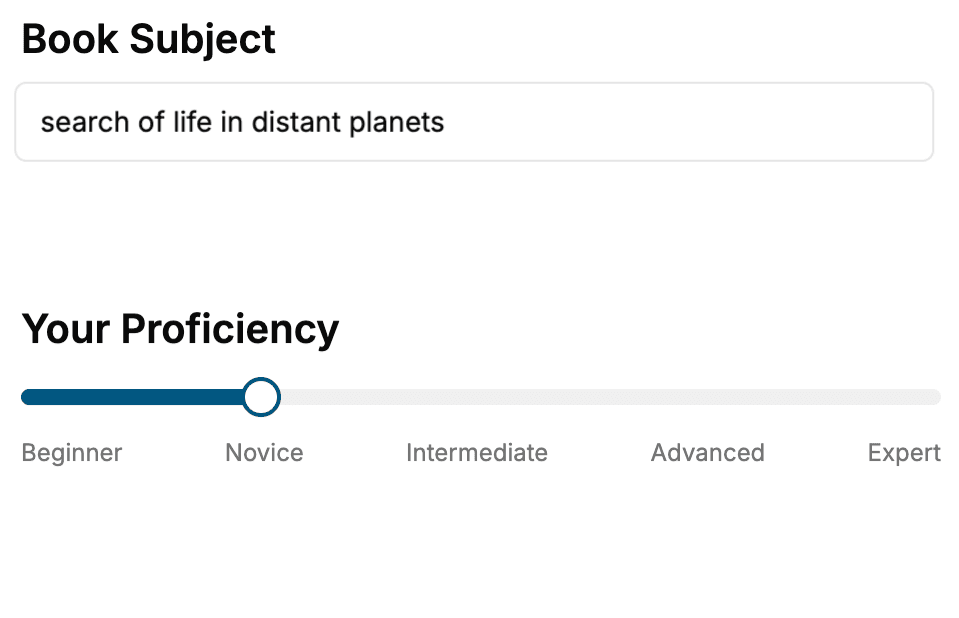
Select the focus of your Golf book and share your background
- 2. Personalize your book
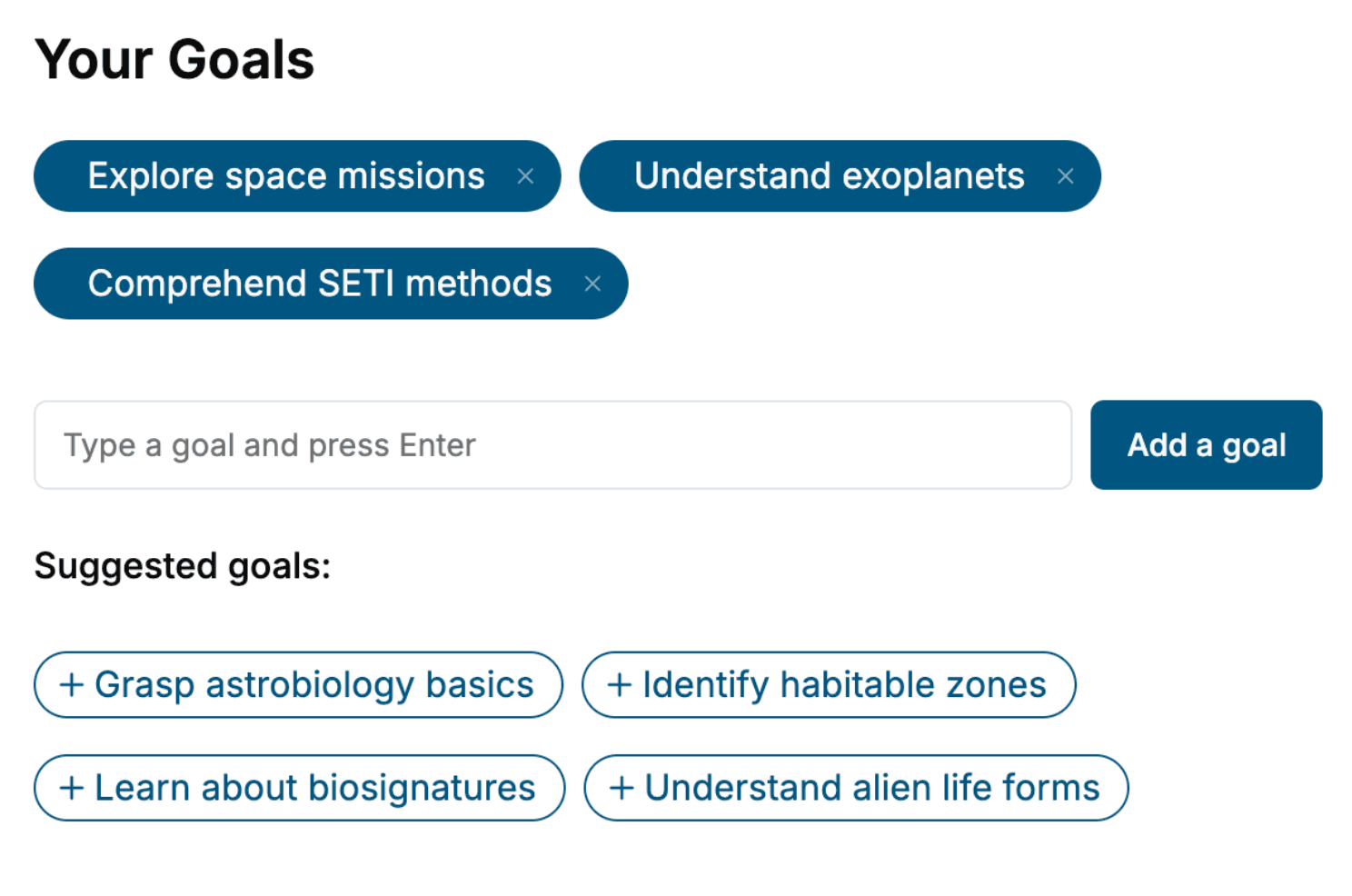
Specify your goals and choose sub-topics to include
- 3. Get your tailored book
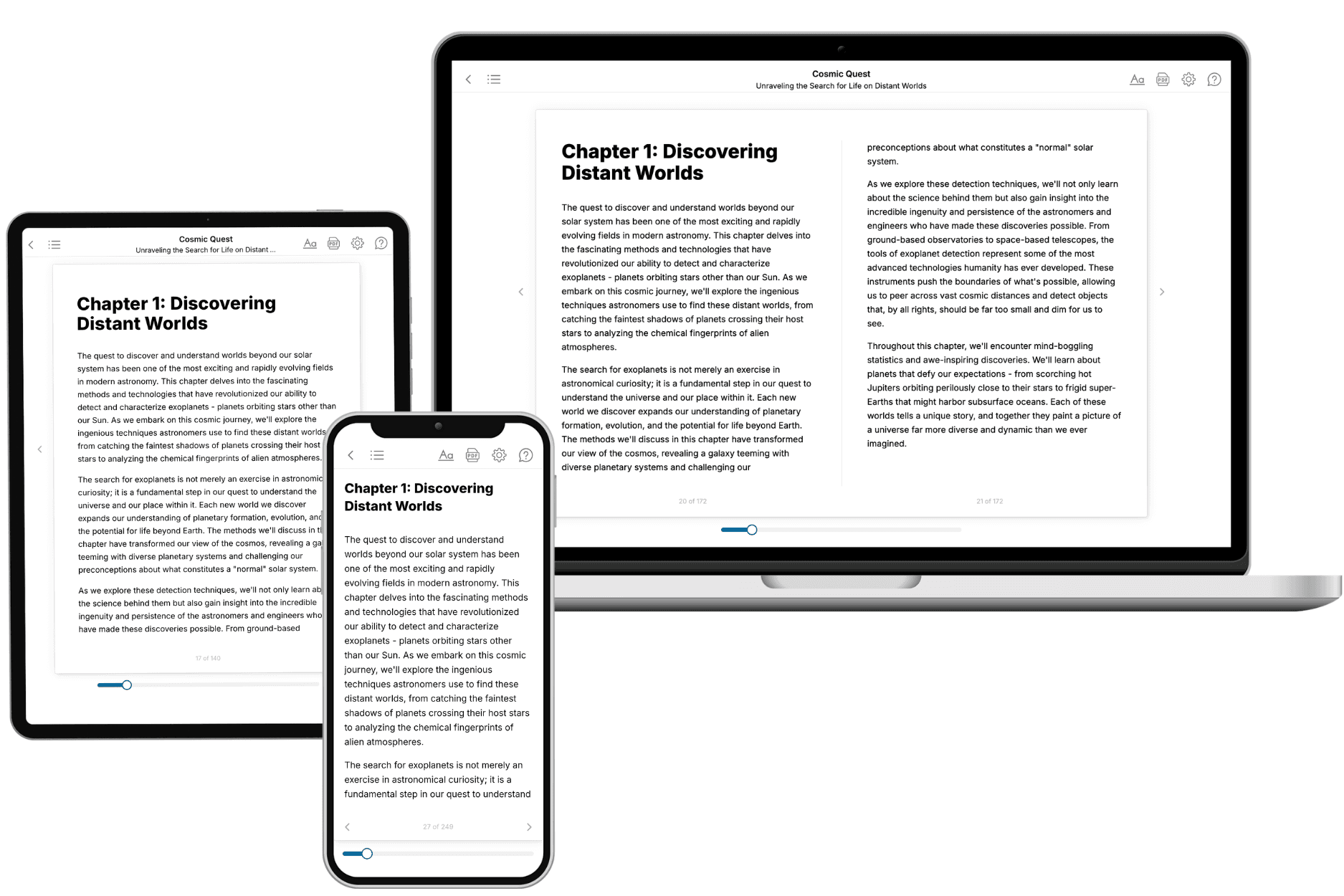
Your book is ready in 10 minutes. Read it online, download as EPUB or PDF, or send to Kindle.
Frequently asked questions
- What is TailoredRead?
TailoredRead creates complete, full-length nonfiction ebooks, written specifically for you. Tell us what you want to learn and why, and TailoredRead writes you a complete ebook on it, with charts, tables, and diagrams throughout. Read it online, on Kindle, or on any e-reader, or download it as a PDF or EPUB. Every book is written fresh the day you order it.
- How is the book tailored to me?
Before anything is written, you answer a few short questions about your goals, your background, and the topics you care about. Your book is then planned around your answers: written at your level, focused on your goals, and covering the topics you chose, instead of the one-size-fits-all book a store sells everyone.
- Will it read like generic AI content?
No. Your book isn't a chat transcript: it's planned chapter by chapter before a single word is written, told in a clear book voice, and explains ideas visually with charts, tables, and diagrams. After writing, every book goes through an editorial pass that polishes chapters so the book reads consistent from start to finish. Judge for yourself: browse thousands of sample books on our Explore Books page.
- How accurate is the content?
Our AI first checks whether your subject needs live research. Niche and fast-moving subjects are researched before writing, and the book plan and chapters are grounded in what it finds. After writing, every book goes through a quality pass that checks its facts and consistency, and researched books list their sources in a Notes section at the back.
- How long is the book?
You choose the length: Comprehensive (250-300 pages), Detailed (150-200 pages), Essential (70-100 pages), or Short (30-50 pages).
- Does the book include visuals?
Yes. Every book includes visual elements such as timelines, checklists, step-by-step guides, decision trees, comparison tables, and matrices, and many include bar charts. A typical book includes dozens of these visual elements.
- Can I read it on Kindle? What formats can I download?
Yes. Every book can be read in our online reader or downloaded as a PDF or EPUB. The EPUB can be opened with Kindle, Apple Books, Kobo, and any e-reader. The Commercial and Author licenses also include an editable Word (DOCX) and Markdown download.
- How much does it cost?
About the price of a regular ebook. The exact price depends on your book's length and complexity, from $2 for the shortest books to $35 for the most comprehensive, and it's shown when you review your book, before you commit to anything. Each book is a one-time purchase, yours to keep, no subscription. Licenses that let you share, teach, or publish your book range from $35.99 to $49.99.
- Can I preview the book before purchasing?
Before you pay, you'll see what your book will cover: the title, a detailed description, the estimated length, and the complete chapter-by-chapter table of contents, so you know what you're getting before you decide. The full text itself is written after you purchase.
- How long does it take to create a book?
About 10 minutes. You can start reading the opening chapters while the rest is still being written.