The Complete Guide to Boise Theaters
Discover the Best Venues, Shows, and Entertainment Experiences in Idaho's Capital
Imagine stepping into Boise's thriving cultural scene, confidently navigating world-class theaters and discovering performances that captivate and inspire you.
191 pages9 chaptersFeb 23, 2026Theater
About this book
Whether you're a first-time visitor or a longtime resident, this guide unlocks the full spectrum of theatrical experiences available in Idaho's capital city. From the ornate historic venues that have hosted performances for generations to cutting-edge contemporary theaters pushing artistic boundaries, you'll learn exactly where to go, what to expect, and how to make the most of every visit. Discover insider tips on securing the best seats, understanding each venue's unique character, planning your evening around dining and parking, and finding shows that match your tastes. This comprehensive resource transforms you from a casual observer into a confident theater enthusiast who knows Boise's entertainment landscape inside and out.
Table of contents
- IntroductionWhy Theater Matters in Boise, How to Use This Guide, What You'll DiscoverRead below
- Chapter 1: The Boise Theater LandscapeA Brief History of Boise Theater, Theater Districts and Neighborhoods, Types of Theater Venues, The Cultural Significance of Live Performance
- Chapter 2: Major Theater VenuesHistoric Theaters and Their Stories, Contemporary Performance Spaces, Intimate and Black-Box Theaters, Outdoor and Alternative Venues
- Chapter 3: Understanding Boise's Theater ProgrammingBroadway and Touring Productions, Local Theater Companies and Productions, Seasonal Programming and Special Events
- Chapter 4: Planning Your Theater VisitFinding Shows and Checking Schedules, Ticketing Strategies and Best Practices, Budget Planning and Cost Considerations, Accessibility Options and Special Services
- Chapter 5: Logistics and the Theater ExperienceParking and Transportation Options, Dining and Pre-Theater Entertainment, Arriving Early and Navigating Venues, Post-Show Activities and Discussions
- Chapter 6: Theater Etiquette and PreparationDress Code and Audience Expectations, Respectful Behavior During Performances, Preparing Yourself for the Show
- Chapter 7: Exploring Different Theater Genres and StylesMusicals, Comedies, and Light Entertainment, Drama and Classic Theater, Experimental and Contemporary Theater, Family and Children's Theater
- Chapter 8: Building Your Theater-Going HabitFinding Your Theater Preferences, Season Subscriptions and Membership Benefits, Engaging with Boise's Theater Community
- Chapter 9: Insider Tips and Hidden GemsLesser-Known Venues Worth Exploring, Special Experiences and Unique Opportunities, Local Recommendations and Favorites
- ConclusionYour Theater Journey Begins
- Quick Reference Guide
Introduction
Boise is not a city that announces itself loudly. It sits quietly in the high desert of southwestern Idaho, framed by foothills and threaded through with the Boise River, and it tends to surprise people who arrive expecting something small and unremarkable. What they find instead is a city with genuine cultural ambition, a downtown that hums with creative energy, and a theater scene that punches well above its weight. From grand historic venues that have been welcoming audiences for over a century to intimate black-box spaces where experimental work pushes boundaries, Boise offers a remarkable range of live performance experiences that most visitors never fully discover.
This guide exists because that discovery gap is real. Many people who live in or visit Boise know that there are theaters here, but they don't know which ones suit their tastes, how to find the best seats, where to park without stress, or how to build an evening around a show. They miss productions they would have loved simply because they didn't know where to look. Others feel uncertain about theater etiquette or intimidated by venues they've never visited before. This guide addresses all of that directly, giving you the practical knowledge and confidence to explore Boise's theatrical landscape on your own terms.
Whether you're a traveler spending a few days in the city and looking for a memorable evening out, or a longtime Boise resident who has driven past the Morrison Center a hundred times without ever going inside, this guide is built for you. It covers the full spectrum of what Boise's theater scene has to offer, from Broadway touring productions and beloved local companies to outdoor performances and hidden neighborhood venues. By the time you finish reading, you'll have a clear, confident picture of where to go, what to expect, and how to make every theater visit genuinely enjoyable.
Why Theater Matters in Boise
Live theater is one of the oldest forms of human storytelling, and it remains one of the most powerful. Unlike film or television, theater happens in real time, in a shared physical space, between performers and an audience that breathes the same air. That immediacy creates something that recorded media simply cannot replicate. When an actor delivers a line ten feet away from you, when the lighting shifts and the music swells, when a story lands in a way that makes the entire room go quiet, you feel it in a way that stays with you. That experience is what keeps people coming back to theaters year after year.
In Boise specifically, theater plays a meaningful role in the city's cultural identity. The arts community here is tightly knit and deeply committed. Local theater companies have been producing original work and staging beloved classics for decades, building audiences and developing talent that sometimes goes on to national stages. The presence of institutions like the Morrison Center for the Performing Arts and the Idaho Shakespeare Festival gives the city a cultural anchor that shapes how residents think about their community and what it can offer.[1]
Theater also serves a social function that matters in a city like Boise. It brings people together across different backgrounds and perspectives, placing them in the same room to witness the same story. A production that explores grief, joy, injustice, or love creates a shared reference point for an audience that might otherwise have little in common. In a city that has grown rapidly over the past two decades, that kind of shared cultural experience helps build community in ways that are hard to quantify but easy to feel.
For visitors, theater offers something that no restaurant or hiking trail can provide: a window into the creative soul of a place. The stories a city chooses to tell on its stages, the companies it supports, and the venues it maintains all reflect what that community values. Attending a performance in Boise gives you a richer, more textured understanding of the city than almost any other single activity. It's not just entertainment. It's a form of cultural immersion that most travel guides overlook entirely.
There's also a practical argument for theater that often goes unspoken. Attending live performances is genuinely good for you. Research consistently shows that engagement with the arts reduces stress, increases empathy, and improves overall well-being.[2] Sitting in a darkened theater, fully present with a story unfolding in front of you, is one of the few activities in modern life that demands your complete attention and rewards it generously. That's a rare and valuable thing.
Finally, supporting Boise's theaters matters for the health of the scene itself. Local theater companies operate on tight budgets, and ticket sales directly fund the next production, the next season, and the next generation of performers and directors. When you buy a ticket to a local show, you're not just purchasing an evening's entertainment. You're investing in the continued vitality of a cultural ecosystem that makes Boise a better, more interesting place to live and visit. That's a meaningful act, even if it doesn't feel like one when you're just looking for something fun to do on a Friday night.
How to Use This Guide
This guide is designed to be useful in multiple ways, depending on where you are in your theater-going journey. You can read it straight through from beginning to end to build a comprehensive understanding of Boise's theater scene. Or you can jump directly to the chapters most relevant to your immediate needs. Both approaches work, and the guide is structured to support either one.
Here's a quick map of what each section covers, so you can navigate efficiently:
- Chapter 1: The Boise Theater Landscape gives you historical context and an overview of the city's theater geography, including which neighborhoods host which types of venues.
- Chapter 2: Major Theater Venues profiles the most significant performance spaces in the city, from grand historic theaters to intimate black-box rooms.
- Chapter 3: Understanding Boise's Theater Programming explains the types of shows you'll find, including Broadway touring productions, local company work, and seasonal events.
- Chapter 4: Planning Your Theater Visit covers the practical side of finding shows, buying tickets, managing your budget, and understanding accessibility options.
- Chapter 5: Logistics and the Theater Experience handles parking, transportation, dining, and everything else that surrounds the performance itself.
- Chapter 6: Theater Etiquette and Preparation addresses dress codes, audience behavior, and how to prepare yourself to get the most out of any show.
- Chapter 7: Exploring Different Theater Genres and Styles helps you understand the range of theatrical forms available and find the ones that match your tastes.
- Chapter 8: Building Your Theater-Going Habit offers guidance on subscriptions, memberships, and deepening your engagement with Boise's arts community.
- Chapter 9: Insider Tips and Hidden Gems shares lesser-known venues, special experiences, and local recommendations that most guides miss entirely.
If you're a first-time visitor to Boise with just one or two evenings available, start with Chapter 2 to identify the right venue, then jump to Chapter 4 for ticketing and Chapter 5 for logistics. That combination will get you to a great show with minimal friction. If you're a local resident looking to deepen your engagement with the theater scene, Chapters 7, 8, and 9 will be especially valuable, since they focus on expanding your range and connecting you with the broader community.
Throughout the guide, you'll find practical frameworks, specific examples, and actionable advice rather than vague generalizations. When a venue has particular quirks worth knowing about, those are noted. When a ticketing strategy saves you money or stress, it's explained in concrete terms. The goal is always to give you information you can actually use, not just background reading that sounds informative but doesn't change what you do.
The Quick Reference Guide at the back of the book is worth bookmarking. It consolidates key venue addresses, website links, parking information, and scheduling resources into a single easy-to-scan section. When you're standing on a street corner trying to remember where the theater is or what time the box office opens, that's the section to flip to. It's designed for exactly those moments when you need information fast and don't have time to search through chapters.
One important note about the information in this guide: theater programming, ticket prices, and venue details change regularly. Seasons shift, companies evolve, and venues occasionally undergo renovations or changes in management. Always verify current schedules and pricing directly with the venue or through their official website before making plans. The frameworks and venue profiles in this guide are built to remain useful over time, but specific show listings and prices should always be confirmed with a current source.
Finally, treat this guide as a starting point rather than a final word. Boise's theater scene is alive and constantly evolving. New companies emerge, new venues open, and established institutions take creative risks that change what they offer. The best way to stay current is to engage directly with the community, follow local theater companies on social media, sign up for venue newsletters, and talk to people who share your enthusiasm for live performance. This guide gives you the foundation. Your own exploration builds on top of it.
What You'll Discover
By the time you've worked through this guide, you'll have a genuinely different relationship with Boise's theater scene than you do right now. That's not a vague promise. It's a specific outcome built on the concrete knowledge and practical tools this guide provides. Here's a preview of the most valuable things you'll take away.
You'll develop a clear mental map of Boise's theater geography. Right now, you might know that there are theaters downtown, but the distinctions between venues probably feel blurry. After reading this guide, you'll know the difference between the Morrison Center's grand proscenium stage and the Idaho Shakespeare Festival's outdoor amphitheater. You'll understand why the Treefort Music Fest and the Boise Contemporary Theater occupy very different cultural spaces, and you'll know which neighborhoods to head to depending on the kind of experience you're looking for.
You'll also learn how to read a theater season and identify shows worth your time and money. Boise's venues publish their seasons months in advance, and knowing how to interpret that programming, understanding what a "world premiere" means versus a "touring production," recognizing which local companies specialize in which genres, gives you a significant advantage when planning your calendar. You won't just react to whatever happens to be showing when you have a free evening. You'll be able to plan ahead for the productions that genuinely excite you.
The practical logistics chapters will eliminate a lot of the friction that keeps people from attending theater as often as they'd like. Consider a common scenario:
You want to see a show at the Morrison Center on a Saturday night. You're not sure where to park, you don't know if there's a good restaurant nearby, and you're worried about arriving late and missing the start. Those uncertainties add up to enough stress that you talk yourself out of going. This guide removes every one of those obstacles with specific, actionable information.
You'll discover that Boise has a much wider range of theatrical experiences than most people realize. The city's theater scene isn't just Broadway touring shows and Shakespeare in the park, though both of those are excellent. It also includes:
- Intimate black-box productions where you're close enough to see the sweat on an actor's brow
- Experimental works that challenge conventional storytelling in genuinely surprising ways
- Family-friendly productions designed to introduce children to live performance
- Comedy shows and improv nights that offer a completely different kind of theatrical energy
- Outdoor performances that combine the beauty of Boise's natural setting with live storytelling
- Community theater productions that showcase local talent in neighborhood venues
Each of these formats offers a distinct experience, and part of what this guide does is help you understand which ones align with your interests and which ones might surprise you in ways you didn't expect. Many people who think they don't enjoy theater have simply never found the right format. A person who finds a three-hour classical drama exhausting might be completely captivated by a sharp, fast-moving comedy in an intimate space. This guide helps you find your entry point.
You'll also gain an understanding of theater etiquette that makes the experience better for everyone, including yourself. This isn't about rigid rules or making theater feel intimidating. It's about knowing what to expect so you can relax and enjoy the show without worrying about whether you're doing something wrong. Simple things, like when to arrive, what to do if you need to leave your seat, and how to respond to a performance, make a real difference in how comfortable and engaged you feel during a show.
Perhaps most importantly, you'll come away with a sense of how to build a genuine relationship with Boise's theater community over time. Attending a single show is a pleasant evening. Developing a habit of regular theater attendance, exploring different venues and genres, getting to know the companies and artists who make up the scene, transforms into something much richer. It becomes a meaningful part of how you experience the city and connect with the people in it. That's the deeper promise of this guide, and it's one that Boise's theater scene is more than capable of delivering on.[3]
Boise is ready to surprise you. Its theaters are waiting. The only thing left is to walk through the door, find your seat, and let the lights go down.
Notes
Introduction
- 1. Morrison Center for the Performing Arts, Boise State University. Official venue history and programming overview. morrisoncenter.com
- 2. D. Fancourt and S. Finn, What is the evidence on the role of the arts in improving health and well-being?, World Health Organization Regional Office for Europe, 2019
- 3. National Endowment for the Arts, Survey of Public Participation in the Arts. arts.gov, 2022
This is the end of the free sample. The full book has 9 chapters.
Want this book written for you?
Tell us your goals and background, and get your own version of this book, tailored by AI to you.


Benefits of AI-tailored books
- Read one book, not ten:
- all the Theater knowledge you need, gathered into a single book.
- Save days of learning:
- tell us your goals, choose your topics, and the whole book is built around them.
- Learn effortlessly:
- Theater book written for your specific background and expertise.
- Understand at a glance:
- includes charts, tables, timelines, checklists, decision trees, and more.
- Stay current:
- written the day you order it, not years ago.
- Trust what you read:
- every book is checked for accuracy, with real research when your subject needs it.
Create your unique book in 3 steps
- 1. Select your focus
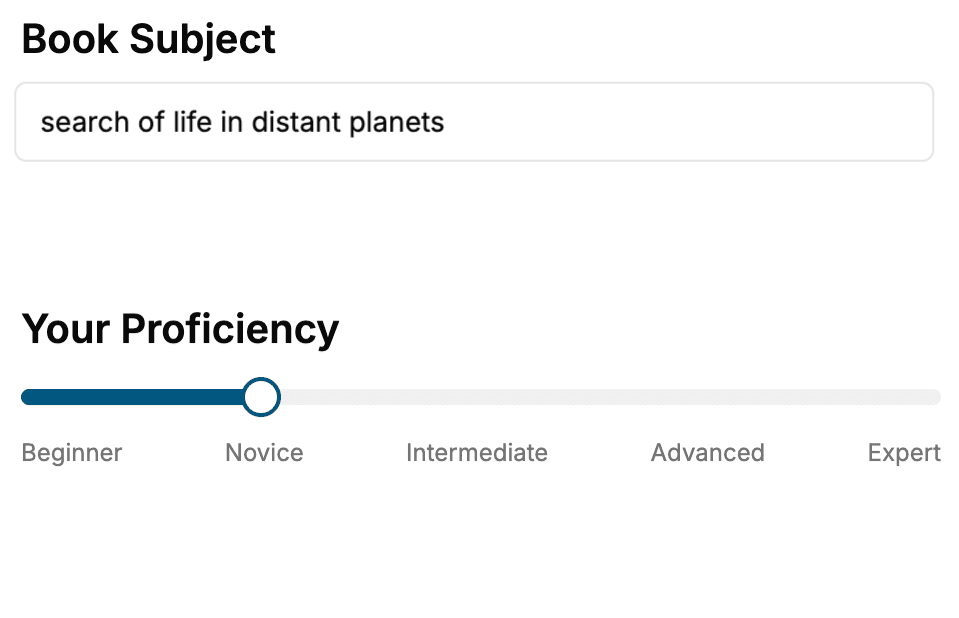
Select the focus of your Theater book and share your background
- 2. Personalize your book
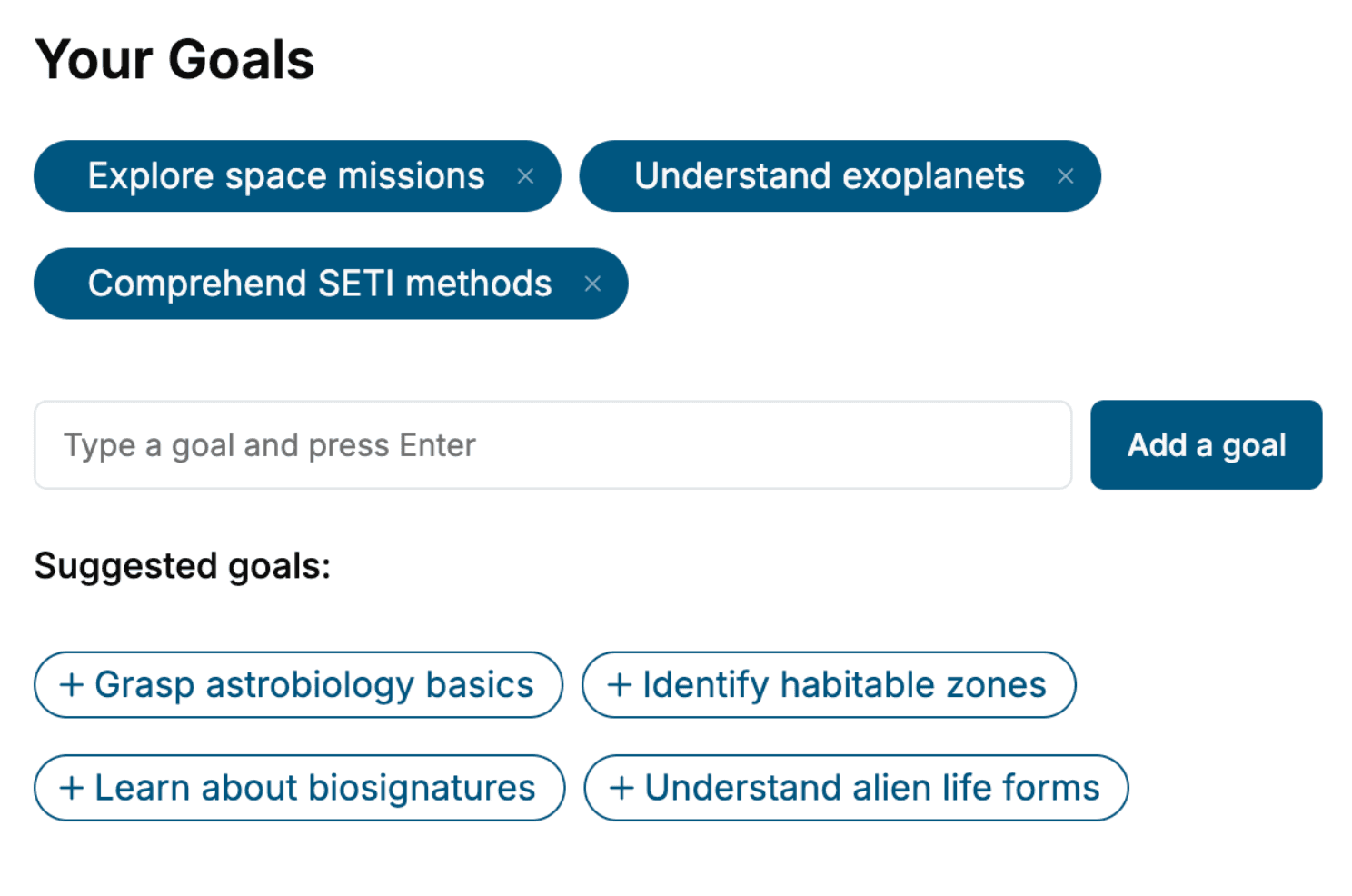
Specify your goals and choose sub-topics to include
- 3. Get your tailored book
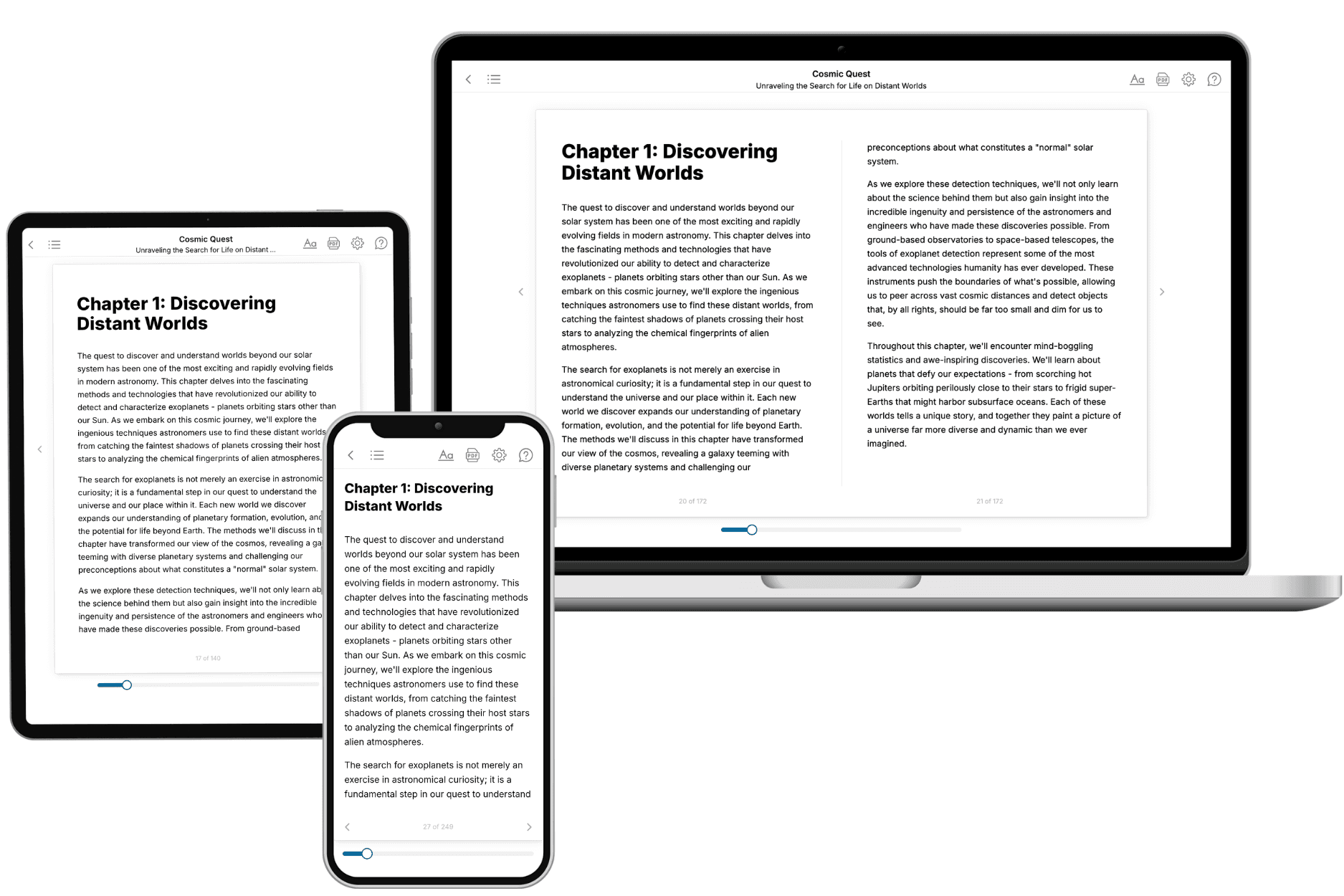
Your book is ready in 10 minutes. Read it online, download as EPUB or PDF, or send to Kindle.
Frequently asked questions
- What is TailoredRead?
TailoredRead creates complete, full-length nonfiction ebooks, written specifically for you. Tell us what you want to learn and why, and TailoredRead writes you a complete ebook on it, with charts, tables, and diagrams throughout. Read it online, on Kindle, or on any e-reader, or download it as a PDF or EPUB. Every book is written fresh the day you order it.
- How is the book tailored to me?
Before anything is written, you answer a few short questions about your goals, your background, and the topics you care about. Your book is then planned around your answers: written at your level, focused on your goals, and covering the topics you chose, instead of the one-size-fits-all book a store sells everyone.
- Will it read like generic AI content?
No. Your book isn't a chat transcript: it's planned chapter by chapter before a single word is written, told in a clear book voice, and explains ideas visually with charts, tables, and diagrams. After writing, every book goes through an editorial pass that polishes chapters so the book reads consistent from start to finish. Judge for yourself: browse thousands of sample books on our Explore Books page.
- How accurate is the content?
Our AI first checks whether your subject needs live research. Niche and fast-moving subjects are researched before writing, and the book plan and chapters are grounded in what it finds. After writing, every book goes through a quality pass that checks its facts and consistency, and researched books list their sources in a Notes section at the back.
- How long is the book?
You choose the length: Comprehensive (250-300 pages), Detailed (150-200 pages), Essential (70-100 pages), or Short (30-50 pages).
- Does the book include visuals?
Yes. Every book includes charts, tables, and diagrams: timelines, checklists, step-by-step guides, decision trees, comparison tables, matrices, and bar charts. A typical book includes dozens of these visual elements.
- Can I read it on Kindle? What formats can I download?
Yes. Every book can be read in our online reader or downloaded as a PDF or EPUB. The EPUB can be opened with Kindle, Apple Books, Kobo, and any e-reader. The Commercial and Author licenses also include an editable Word (DOCX) and Markdown download.
- How much does it cost?
About the price of a regular ebook. The exact price depends on your book's length and complexity, from $2 for the shortest books to $35 for the most comprehensive, and it's shown when you review your book, before you commit to anything. Each book is a one-time purchase, yours to keep, no subscription. Licenses that let you share, teach, or publish your book range from $35.99 to $49.99.
- Can I preview the book before purchasing?
Before you pay, you'll see what your book will cover: the title, a detailed description, the estimated length, and the complete chapter-by-chapter table of contents, so you know what you're getting before you decide. The full text itself is written after you purchase.
- How long does it take to create a book?
About 10 minutes. You can start reading the opening chapters while the rest is still being written.