The Complete Guide to Ohio State Park Camping
Discover Hidden Gems, Master the Basics, and Plan Your Perfect Outdoor Adventure
Planning a camping trip to Ohio's state parks can feel overwhelming when you don't know where to start or which parks match your needs.
191 pages9 chaptersApr 6, 2026Camping
About this book
With dozens of parks scattered across the state, each offering different landscapes, amenities, and experiences, choosing the right destination and preparing properly takes real knowledge. This guide cuts through the confusion by providing everything you need to plan and execute successful camping adventures in Ohio. You'll discover how to select parks based on your interests and skill level, understand what to expect at different locations, master essential camping skills, and learn insider tips that experienced campers use. Whether you're planning a summer lakeside getaway, a fall forest retreat, or a spring hiking adventure, this book equips you with practical strategies, detailed park information, and proven techniques to make your Ohio camping experiences memorable and enjoyable.
Table of contents
- IntroductionWhy Ohio's State Parks Are Worth Exploring, What You'll Learn in This Guide, How to Use This Book for Maximum BenefitRead below
- Chapter 1: Understanding Ohio's State Park SystemOverview of Ohio's 75 State Parks, Geographic Regions and Their Characteristics, Different Park Types and What They Offer
- Chapter 2: Choosing the Right Park for Your NeedsAssessing Your Camping Goals and Preferences, Matching Parks to Your Experience Level, Evaluating Available Activities and Amenities, Selecting Parks Based on Season and Weather
- Chapter 3: Planning Your Camping TripDetermining Timing and Trip Duration, Navigating Ohio's Reservation System, Creating a Realistic Budget, Pre-Trip Planning Checklist
- Chapter 4: Essential Camping Gear and EquipmentChoosing the Right Tent for Ohio Conditions, Sleeping Bags, Pads, and Bedding Essentials, Cooking Gear and Food Storage Solutions, Maintaining and Storing Your Equipment
- Chapter 5: Campsite Selection and SetupEvaluating Campsites Within Parks, Strategic Tent Placement and Camp Layout, Safety and Comfort Considerations
- Chapter 6: Camping Skills and TechniquesFire Building and Safety Practices, Outdoor Cooking and Food Preparation, Water Access and Purification, Leave No Trace and Waste Management
- Chapter 7: Wildlife, Weather, and SafetyUnderstanding Ohio Wildlife and Safe Practices, Preparing for Ohio's Variable Weather, Emergency Preparedness and First Aid
- Chapter 8: Seasonal Camping StrategiesSpring Camping: Opportunities and Challenges, Summer Camping: Heat, Crowds, and Strategies, Fall Camping: Ideal Conditions and Planning, Winter Camping: Advanced Techniques and Considerations
- Chapter 9: Beyond Camping: Activities and AttractionsHiking Trails and Nature Exploration, Water Sports and Fishing Opportunities, Nearby Towns and Regional Attractions
- ConclusionStarting Your Ohio Camping Adventure
- Appendix: Quick Reference GuideOhio State Parks Directory with Contact Information, Complete Camping Packing List, Helpful Resources and Further Reading
Introduction
Ohio doesn't always make the top of people's camping bucket lists. When most outdoor enthusiasts think about iconic camping destinations, their minds jump to the Rockies, the Smokies, or the Pacific Northwest. But that assumption leaves one of the Midwest's most rewarding and accessible camping landscapes almost entirely to those who already know its secrets. Ohio's state park system is genuinely impressive, covering more than 200,000 acres of forests, lakeshores, river valleys, and glacially carved terrain that surprises nearly everyone who takes the time to explore it.[1]
The challenge isn't finding a reason to camp in Ohio. The challenge is knowing where to start. With 75 state parks spread across the state, each offering a different mix of landscapes, amenities, and activities, the options can feel overwhelming before you've even packed a bag. Some parks sit on sprawling reservoirs with full-service marinas and sandy beaches. Others tuck into quiet forested hollows where you might go an entire weekend without seeing another camper. Knowing which park fits your goals, your experience level, and your preferred style of outdoor adventure makes the difference between a trip you'll talk about for years and one you'd rather forget.
This guide exists to close that knowledge gap. It's built for people who already have some camping experience under their belts but want to go deeper, plan smarter, and discover what Ohio's parks genuinely have to offer beyond the obvious choices. You'll find practical, specific guidance here rather than vague encouragement. Every chapter is designed to give you something you can actually use, whether that's a framework for choosing the right park, a strategy for securing a good campsite, or a technique for staying comfortable when the weather doesn't cooperate. Ohio's state parks reward the prepared camper, and this book is here to make sure that's exactly what you are.
Why Ohio's State Parks Are Worth Exploring
Ohio sits at a geographic crossroads that most people don't fully appreciate. The state's landscape was shaped by glaciers that retreated roughly 12,000 years ago, leaving behind a patchwork of terrain that ranges from flat, fertile plains in the northwest to rugged, deeply forested hills in the southeast. That variety is exactly what makes Ohio's state parks so interesting. You can camp beside a clear glacial lake one weekend and hike through sandstone gorges the next, all without leaving the state.
The sheer accessibility of Ohio's parks is another major advantage. More than 11 million people live within a two-hour drive of at least one Ohio state park.[2] That proximity means you don't need to burn a week of vacation time or spend a fortune on travel just to get a quality outdoor experience. A Friday afternoon departure can have you set up at a campsite before dark, with a full weekend of hiking, paddling, or simply sitting by a fire ahead of you. For people with busy schedules, that kind of efficiency matters enormously.
The cost factor is equally compelling. Ohio state park campsite fees are among the most affordable in the region, with most standard electric sites running between $25 and $35 per night and non-electric sites often available for under $20.[3] Compare that to private campgrounds or national park sites in popular destinations, and the value becomes obvious. You're not sacrificing quality for that price, either. Many Ohio state parks offer well-maintained facilities, clean restrooms, and amenities that rival far more expensive options.
Beyond the practical advantages, Ohio's parks hold genuine natural beauty that deserves recognition. Hocking Hills State Park draws visitors from across the country to see its dramatic recess caves and waterfalls. Mohican State Park offers some of the finest forest camping in the Midwest, with towering hemlocks and a clear-running river. Pymatuning State Park on the Pennsylvania border hosts one of the largest inland lakes in the eastern United States. These aren't consolation prizes for people who couldn't get to a more famous destination. They're destinations worth seeking out on their own terms.
Ohio's parks also support an impressive range of activities beyond basic camping. The state maintains hundreds of miles of hiking trails, extensive fishing opportunities across dozens of lakes and rivers, boat launches and rental facilities, mountain biking trails, horseback riding areas, and even disc golf courses at select locations. That activity diversity means a single park can satisfy a group with very different interests, which is a practical advantage that experienced campers genuinely appreciate.
Wildlife watching adds another layer of appeal. Ohio sits along the Atlantic Flyway, making it a significant stopover for migratory birds each spring and fall.[4] Bald eagles have made a remarkable comeback along Lake Erie's shoreline. White-tailed deer, wild turkey, great blue herons, and river otters are regular sights in many parks. For campers who enjoy connecting with the natural world beyond just sleeping outdoors, Ohio's parks offer consistent and rewarding wildlife encounters throughout the year.
Perhaps most importantly, Ohio's state parks are genuinely underutilized compared to their quality. While Hocking Hills gets significant attention, dozens of other parks remain relatively uncrowded even on summer weekends. That means you can find solitude, quiet campsites, and unhurried trail experiences that are increasingly hard to come by in more famous outdoor destinations. Knowing which parks to target and when to visit them is a skill this guide will help you develop.
What You'll Learn in This Guide
This book is organized to take you from the big picture down to the practical details, covering everything you need to plan and execute a successful Ohio state park camping trip. Each chapter builds on the previous one, but the structure also allows you to jump directly to the topics most relevant to your current situation. Here's a clear picture of what each section covers and what you'll be able to do with that knowledge.
Understanding the park system comes first. Chapter 1 gives you a working knowledge of Ohio's 75 state parks, how they're organized geographically, and what distinguishes different park types from one another. You'll learn why the parks in the unglaciated southeast feel so different from those in the lake-influenced northeast, and how that geography shapes what each park offers. This foundation makes every subsequent decision easier and more informed.
Choosing the right park is the subject of Chapter 2, and it's one of the most valuable skills this guide develops. The chapter walks you through a practical framework for matching parks to your specific goals, experience level, and preferred activities. You'll learn how to evaluate parks based on what you actually want from a trip rather than just picking the most famous name on the list. Concrete examples show how different camper profiles lead to different ideal destinations.
Trip planning mechanics get thorough coverage in Chapter 3. Ohio's reservation system has specific quirks and timing considerations that can make or break your ability to get the site you want. You'll learn exactly how the system works, when to book for different parks and seasons, and how to build a realistic budget that accounts for all the costs involved. A pre-trip checklist at the end of the chapter gives you a practical tool to use before every outing.
Chapters 4 and 5 cover gear and campsite setup in detail. Rather than generic gear lists, these chapters focus specifically on what works in Ohio's conditions, from the humid summers to the unpredictable spring weather to the cold, damp falls. You'll learn how to evaluate individual campsites within a park, how to position your tent for comfort and safety, and how to set up a camp layout that makes daily life easier and more enjoyable.
Core camping skills are the focus of Chapter 6. Fire building, outdoor cooking, water management, and Leave No Trace practices all get practical, step-by-step treatment. These aren't beginner basics presented at a surface level. They're intermediate-to-advanced techniques explained clearly, with specific examples drawn from Ohio park conditions. Chapter 7 then covers wildlife awareness, weather preparation, and emergency response, giving you the safety knowledge that confident campers rely on.
Seasonal strategies in Chapter 8 are where this guide goes beyond what most camping resources offer. Each season in Ohio presents a genuinely different camping experience, with distinct advantages and challenges. You'll learn specific techniques for staying comfortable in summer heat, making the most of fall foliage season, handling spring mud and rain, and even approaching winter camping if you're ready to extend your season. Chapter 9 rounds out the guide by covering the activities and attractions that make Ohio parks worth visiting beyond the campsite itself.
The goal of this guide is simple: to give you enough specific, practical knowledge that you can walk into any Ohio state park camping situation with confidence, make good decisions on the fly, and come home with experiences worth repeating.
Throughout every chapter, you'll find concrete examples, specific park references, and actionable advice rather than vague generalizations. Where numbers matter, they're included. Where common mistakes trip people up, those mistakes are named and addressed directly. The aim is to give you the kind of knowledge that usually only comes from years of trial and error, compressed into a format you can actually use before your next trip.
How to Use This Book for Maximum Benefit
Getting the most out of this guide depends on how you approach it, and that approach should match where you are in your planning process. If you're starting from scratch with no specific park in mind, reading the book front to back makes the most sense. The chapters are sequenced to build your knowledge progressively, starting with the big picture and moving toward increasingly specific details. By the time you reach the later chapters on skills and seasonal strategies, you'll have the context to apply that information effectively.
If you already have a trip in mind and a park selected, a more targeted approach works better. Start with Chapter 3 to make sure your planning and reservation strategy is solid. Then move to Chapter 5 for campsite selection guidance specific to your chosen park type, and Chapter 8 for the seasonal strategies relevant to when you're going. Use the Appendix's park directory to pull up contact information and confirm current amenities and regulations before you leave. This targeted approach lets you extract maximum value quickly when time is short.
The Appendix deserves special attention regardless of how you use the rest of the book. The complete packing list is designed to be printed or saved to your phone and used as a literal checklist before every trip. The park directory gives you a quick-reference resource for contact information, key amenities, and reservation details across all 75 parks. The resources section points you toward current, regularly updated sources for information that changes over time, like fee schedules, trail conditions, and seasonal closures.
Pay attention to the specific park examples used throughout the chapters. These aren't random illustrations. They're chosen to represent the range of experiences available across Ohio's park system, from the most popular destinations to genuinely undervisited gems. When a chapter uses Hocking Hills as an example of a high-demand park with competitive reservations, that's directly applicable knowledge. When it references Tar Hollow State Park as a quieter alternative in the same region, that's an actionable tip you can use immediately.
Consider keeping notes as you read, particularly in the chapters on park selection and seasonal strategies. Your preferences, priorities, and constraints are unique, and the frameworks in this guide are designed to be applied to your specific situation rather than followed as rigid rules. Jotting down parks that sound appealing, questions you want to research further, or gear items you realize you're missing will make the reading process more productive and give you a personalized planning resource to refer back to.
One practical suggestion: read Chapter 7 on wildlife, weather, and safety before your first trip, even if you skip other chapters initially. Safety knowledge is the one area where gaps in preparation can have real consequences. Ohio's weather can shift dramatically within a single day, and knowing how to respond to a fast-moving thunderstorm or an unexpected cold snap is more important than knowing which campsite has the best lake view. The rest of the guide enhances your experience; Chapter 7 helps ensure you have one to enhance.
Finally, treat this guide as a starting point rather than a final authority on any specific park. Ohio's state parks are managed by the Ohio Department of Natural Resources (ODNR), and conditions, fees, amenities, and regulations do change over time. The ODNR website and the Ohio State Parks reservation portal are your best sources for current, park-specific information. This guide gives you the knowledge framework to interpret and act on that information effectively. Used together, they give you everything you need to plan trips that consistently deliver.
The parks are out there, and they're genuinely worth your time. Whether you're planning your first Ohio state park trip or your fiftieth, the goal of this guide is to make each one better than the last. That starts with understanding what you're working with, and that's exactly where the next chapter begins.
Notes
Introduction
- 1. Ohio Department of Natural Resources, Division of Parks and Watercraft. 'Ohio State Parks Overview.' odnr.ohio.gov.
- 2. Ohio Department of Natural Resources. 'State Parks Fast Facts.' odnr.ohio.gov.
- 3. Ohio Department of Natural Resources. 'Camping Fees and Reservations.' ReserveAmerica/Ohio State Parks portal.
- 4. Ohio Division of Wildlife. 'Birding in Ohio.' ohiodnr.gov.
This is the end of the free sample. The full book has 9 chapters.
Want this book written for you?
Tell us your goals and background, and get your own version of this book, tailored by AI to you.


Benefits of AI-tailored books
- Read one book, not ten:
- all the Camping knowledge you need, gathered into a single book.
- Save days of learning:
- tell us your goals, choose your topics, and the whole book is built around them.
- Learn effortlessly:
- Camping book written for your specific background and expertise.
- Understand at a glance:
- includes charts, tables, timelines, checklists, decision trees, and more.
- Stay current:
- written the day you order it, not years ago.
- Trust what you read:
- every book is checked for accuracy, with real research when your subject needs it.
Create your unique book in 3 steps
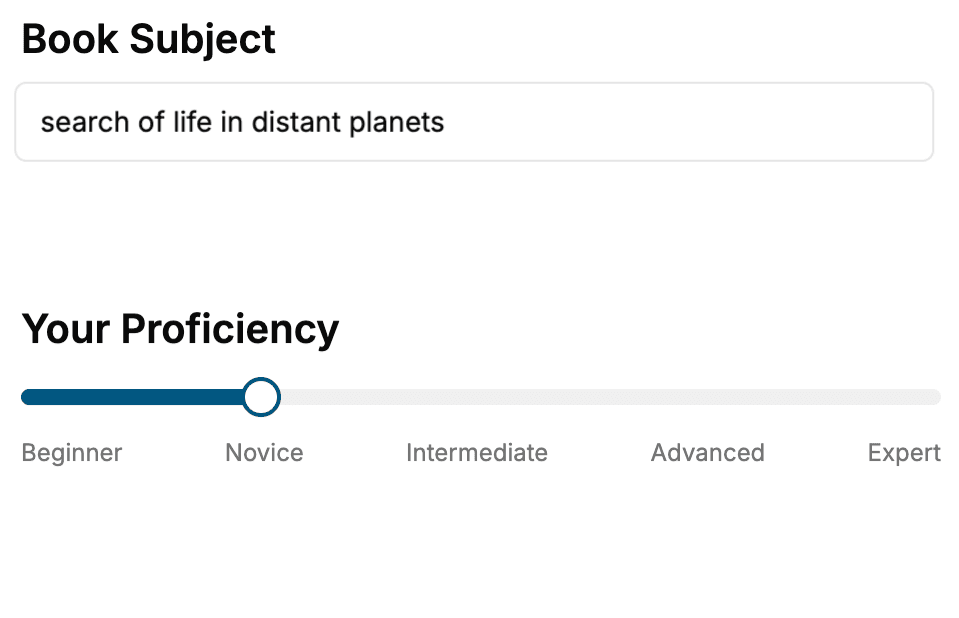
- 1. Select your focus
Select the focus of your Camping book and share your background
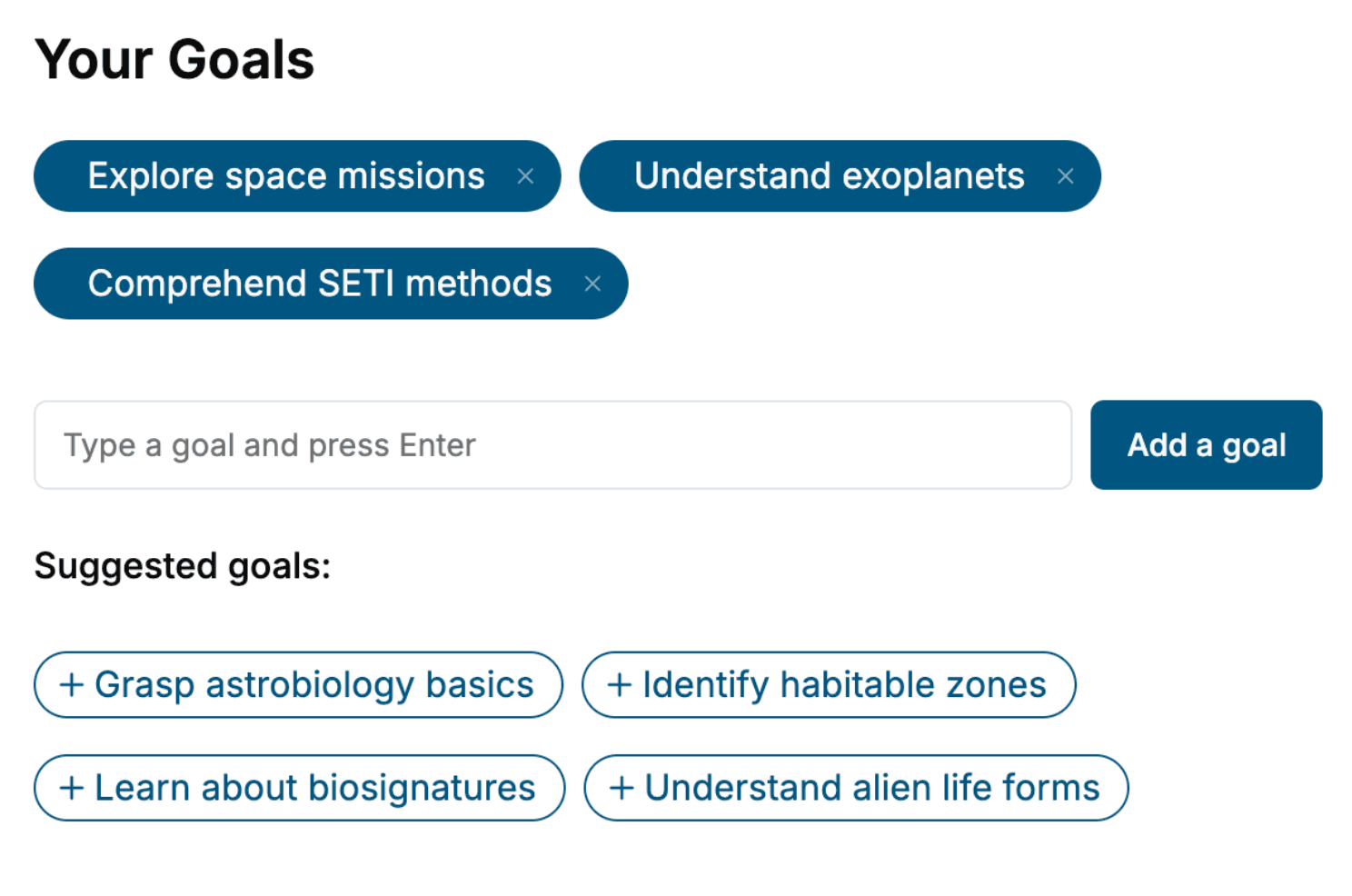
- 2. Personalize your book
Specify your goals and choose sub-topics to include
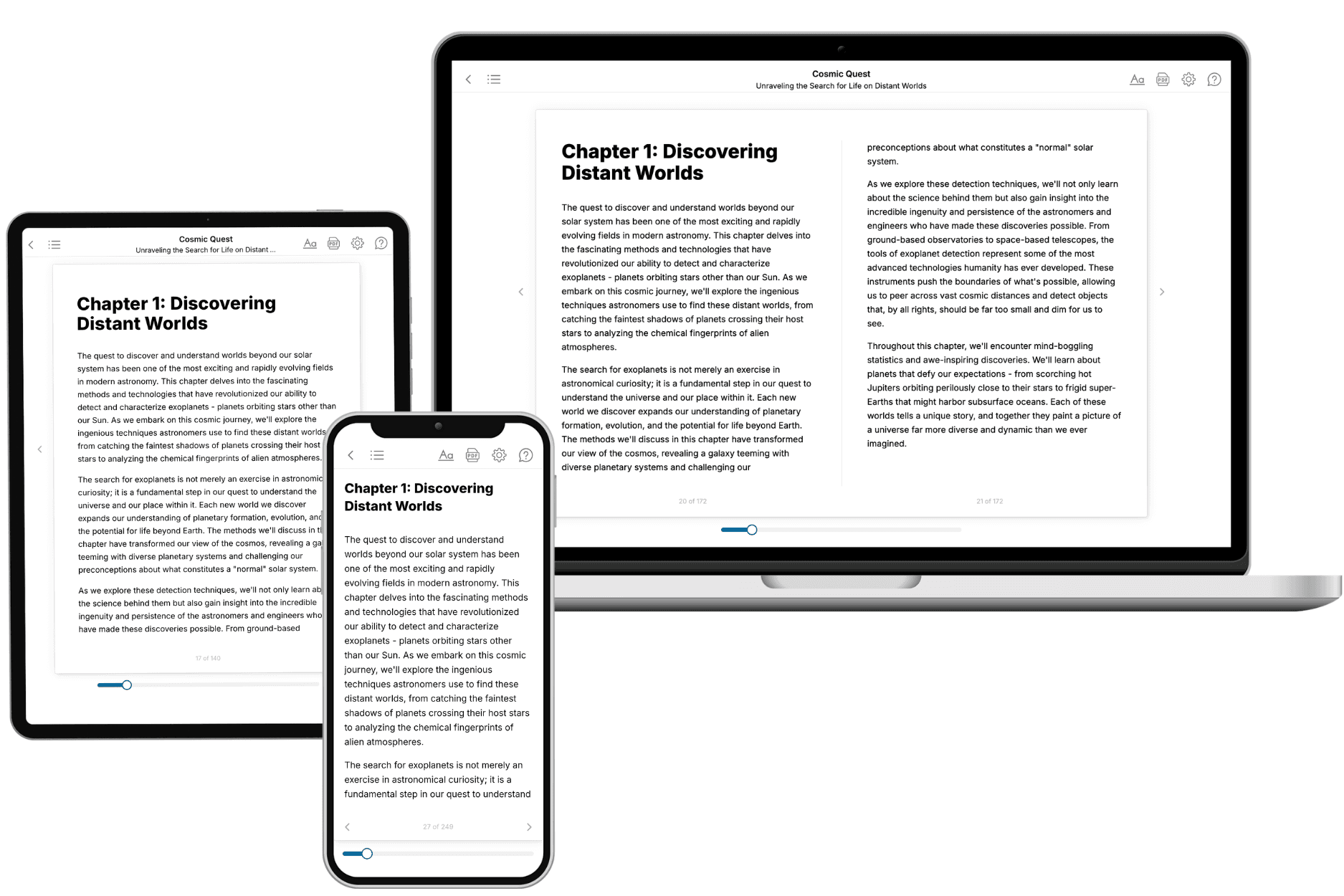
- 3. Get your tailored book
Your book is ready in 10 minutes. Read it online, download as EPUB or PDF, or send to Kindle.
Frequently asked questions
- What is TailoredRead?
TailoredRead creates complete, full-length nonfiction ebooks, written specifically for you. Tell us what you want to learn and why, and TailoredRead writes you a complete ebook on it, with charts, tables, and diagrams throughout. Read it online, on Kindle, or on any e-reader, or download it as a PDF or EPUB. Every book is written fresh the day you order it.
- How is the book tailored to me?
Before anything is written, you answer a few short questions about your goals, your background, and the topics you care about. Your book is then planned around your answers: written at your level, focused on your goals, and covering the topics you chose, instead of the one-size-fits-all book a store sells everyone.
- Will it read like generic AI content?
No. Your book isn't a chat transcript: it's planned chapter by chapter before a single word is written, told in a clear book voice, and explains ideas visually with charts, tables, and diagrams. After writing, every book goes through an editorial pass that polishes chapters so the book reads consistent from start to finish. Judge for yourself: browse thousands of sample books on our Explore Books page.
- How accurate is the content?
Our AI first checks whether your subject needs live research. Niche and fast-moving subjects are researched before writing, and the book plan and chapters are grounded in what it finds. After writing, every book goes through a quality pass that checks its facts and consistency, and researched books list their sources in a Notes section at the back.
- How long is the book?
You choose the length: Comprehensive (250-300 pages), Detailed (150-200 pages), Essential (70-100 pages), or Short (30-50 pages).
- Does the book include visuals?
Yes. Every book includes visual elements such as timelines, checklists, step-by-step guides, decision trees, comparison tables, and matrices, and many include bar charts. A typical book includes dozens of these visual elements.
- Can I read it on Kindle? What formats can I download?
Yes. Every book can be read in our online reader or downloaded as a PDF or EPUB. The EPUB can be opened with Kindle, Apple Books, Kobo, and any e-reader. The Commercial and Author licenses also include an editable Word (DOCX) and Markdown download.
- How much does it cost?
About the price of a regular ebook. The exact price depends on your book's length and complexity, from $2 for the shortest books to $35 for the most comprehensive, and it's shown when you review your book, before you commit to anything. Each book is a one-time purchase, yours to keep, no subscription. Licenses that let you share, teach, or publish your book range from $35.99 to $49.99.
- Can I preview the book before purchasing?
Before you pay, you'll see what your book will cover: the title, a detailed description, the estimated length, and the complete chapter-by-chapter table of contents, so you know what you're getting before you decide. The full text itself is written after you purchase.
- How long does it take to create a book?
About 10 minutes. You can start reading the opening chapters while the rest is still being written.