The Complete Guide to Zen Buddhism
From Ancient Wisdom to Modern Practice - Mastering Meditation, Philosophy, and the Path to Inner Peace
Achieve lasting inner peace and emotional balance through the profound wisdom of Zen Buddhism.
300 pages18 chaptersOct 14, 2025Buddhism
About this book
This comprehensive guide bridges ancient teachings with practical modern application, offering you a clear path to develop the equanimity and spiritual wisdom you seek. You'll discover the essential foundations of Buddhist philosophy, from the Four Noble Truths to the subtle teachings on emptiness, while learning proven meditation techniques that transform both sitting practice and daily activities. Through detailed exploration of Dogen's revolutionary insights, Nagarjuna's profound philosophy, and the rich history of Chan Buddhism's development from India to China, you'll gain deep understanding of this transformative tradition. The book provides step-by-step guidance for both sitting and walking meditation, practical advice for participating in intensive retreat practice, and clear explanations of the Bodhisattva Vow and Buddhist precepts. You'll also explore the beautiful world of Zen poetry and discover how these concise verses capture profound spiritual truths. Whether you're seeking to improve focus and concentration, develop emotional resilience, or deepen your spiritual practice, this guide offers the tools and wisdom you need to cultivate genuine transformation. Each chapter builds upon the previous, creating a cohesive learning experience that honors both the intellectual and experiential aspects of Zen practice.
Table of contents
- IntroductionThe Essence of Zen Buddhism, Balancing Practice and Study, How to Use This Book, Preparing for Your JourneyRead below
- Chapter 1: Foundations of Buddhist WisdomUnderstanding the Four Noble Truths, The Nature of Suffering (Dukkha), The Origin of Suffering, The Cessation and the Path
- Chapter 2: The Middle Way PhilosophyAvoiding Extremes, Practical Balance in Daily Life, Beyond Spiritual Materialism, The Middle Way in Meditation Practice
- Chapter 3: Buddhist Origins in IndiaThe Buddha's Awakening, Early Buddhist Teachings, The Formation of the Sangha, Development of Buddhist Schools
- Chapter 4: Nagarjuna's Revolutionary TeachingsIntroduction to Emptiness (Śūnyatā), Dependent Origination, The Two Truths Doctrine, The Middle Way of Philosophy
- Chapter 5: Chan Buddhism's Journey to ChinaThe Transmission to the East, Bodhidharma and the Founding Legend, Adaptation to Chinese Culture, The Early Chan Masters
- Chapter 6: The Five Ranks TeachingUnderstanding the Five Ranks, The Absolute within the Relative, The Relative within the Absolute, Coming from within the Absolute, Arrival at Mutual Integration, Unity Attained
- Chapter 7: Dogen's Life and Revolutionary VisionEarly Years and Spiritual Quest, Journey to China and Awakening, Return to Japan and Teaching, Founding Eiheiji Temple
- Chapter 8: Key Chapters of the ShobogenzoBendowa: The Way of Endeavor, Genjokoan: Actualizing the Fundamental Point, Uji: Being-Time, Zazengi: Rules for Meditation
- Chapter 9: Mastering Sitting Meditation (Zazen)Establishing Proper Posture, Breathing and Awareness, Working with Arising Thoughts, Shikantaza: Just Sitting
- Chapter 10: The Art of Walking MeditationKinhin: Formal Walking Practice, Cultivating Mindful Movement, Integrating Walking Practice into Daily Life, Outdoor Walking Meditation
- Chapter 11: Understanding Emptiness in PracticeCommon Misconceptions about Emptiness, Interdependence as Reality, Examining the Sense of Self, Emptiness and Compassion
- Chapter 12: Developing Focus and ConcentrationTraining Attention, Overcoming Common Obstacles, Building Sustained Practice, From Concentration to Wisdom
- Chapter 13: Cultivating Emotional BalanceUnderstanding Emotions in Buddhism, Developing Equanimity, Working with Difficult Emotions, Transforming Emotions into Wisdom
- Chapter 14: The Bodhisattva Vow and Compassionate ActionUnderstanding the Bodhisattva Vow, The Four Great Vows, Expressing Compassion in Daily Life, Balancing Wisdom and Compassion
- Chapter 15: Living the Buddhist PreceptsThe Foundation of Ethical Living, The Five Basic Precepts, Precepts as Spiritual Practice, Ethics and Wisdom Integration
- Chapter 16: The Wisdom of Zen PoetryThe Zen Poetry Tradition, Analysis of Famous Zen Poems, Poetry as Spiritual Practice, Creating Your Own Zen Poetry
- Chapter 17: Sesshin: Intensive Retreat PracticePreparing for Intensive Practice, The Rhythm of Retreat Life, Working with Retreat Challenges, Integrating Retreat Insights
- Chapter 18: Integrating Zen into Daily LifeBringing Mindfulness to Daily Activities, Work as Spiritual Practice, Relationships as Dharma Practice, Maintaining Continuous Practice
Introduction
Zen Buddhism offers a profound path to inner peace and spiritual awakening that has transformed countless lives across more than fifteen centuries. This ancient tradition, which emerged from the meeting of Indian Buddhist wisdom and Chinese philosophical insight, provides practical tools for navigating the complexities of modern existence while cultivating deep spiritual understanding. Unlike many religious or philosophical systems that rely primarily on belief or intellectual study, Zen emphasizes direct experience and embodied practice as the foundation for genuine transformation.
The journey you are about to embark upon bridges the gap between scholarly understanding and lived experience, offering both the philosophical depth necessary for intellectual comprehension and the practical guidance essential for authentic spiritual development. This comprehensive approach recognizes that true wisdom emerges not from study alone, nor from practice without understanding, but from the dynamic integration of both elements. Through careful exploration of foundational teachings, historical development, and time-tested meditation techniques, you will develop the skills and insights necessary to establish a sustainable and transformative Zen practice.
Modern life presents unique challenges that make the ancient wisdom of Zen particularly relevant today. The constant stimulation of digital technology, the pressure of accelerated social and economic change, and the widespread sense of disconnection from meaning and purpose create conditions of suffering that Buddhist teachings address with remarkable precision. The Four Noble Truths, the Middle Way philosophy, and the practice of mindful awareness offer concrete methods for working skillfully with stress, anxiety, and the fundamental dissatisfaction that characterizes much of contemporary experience. This book will show you how these timeless principles can be applied practically to create greater emotional balance, mental clarity, and spiritual fulfillment in your daily life.
The Essence of Zen Buddhism
Zen Buddhism represents a unique approach to spiritual awakening that emphasizes direct pointing to the human mind and seeing into one's true nature. This tradition, known as Chan in China and Zen in Japan, developed as a response to overly intellectual approaches to Buddhist study that had become disconnected from the immediate reality of human experience. The essence of Zen lies not in complex philosophical speculation but in the simple, direct recognition of what is already present in each moment of awareness. This recognition requires neither special knowledge nor extraordinary circumstances, but rather a willingness to look deeply into the nature of experience itself.
The fundamental insight of Zen Buddhism centers on the understanding that enlightenment and ordinary mind are not separate. This revolutionary perspective challenges the common assumption that spiritual awakening requires achieving some special state of consciousness or escaping from the conditions of everyday life. Instead, Zen teaches that the very mind with which you read these words, the awareness that experiences thoughts and emotions, and the consciousness that perceives the world around you is itself the Buddha-nature that all spiritual practice seeks to realize. This insight transforms the entire approach to spiritual development from one of acquisition to one of recognition.
Central to Zen practice is the cultivation of present-moment awareness through meditation and mindful activity. This awareness is not a passive state of relaxation but an active engagement with reality as it unfolds moment by moment. Through sitting meditation (zazen), walking meditation (kinhin), and the integration of mindfulness into daily activities, practitioners develop the capacity to remain present with whatever arises in experience without being overwhelmed by it. This presence becomes the foundation for wisdom, compassion, and skillful action in all aspects of life.
The teaching methods of Zen are designed to bypass conceptual understanding and point directly to immediate experience. Traditional approaches include:
- Koan study - paradoxical anecdotes or riddles that exhaust rational thinking
- Dharma combat - rapid exchanges that test understanding beyond words
- Silent sitting - extended periods of meditation without object or goal
- Work practice - mindful engagement with daily tasks as spiritual training
- Teacher-student dialogue - direct transmission of understanding through personal interaction
The historical development of Zen demonstrates how spiritual wisdom adapts to different cultural contexts while maintaining its essential insights. From its origins in Indian Buddhism through its flowering in Chinese Chan and Japanese Zen, this tradition has consistently emphasized the importance of authentic realization over mere intellectual understanding. Great masters like Bodhidharma, Huineng, Dogen, and Hakuin each contributed unique perspectives while maintaining fidelity to the core insight that awakening is available in this very moment through direct recognition of one's true nature.
Contemporary Zen practice maintains this emphasis on direct experience while adapting to modern circumstances and psychological understanding. Today's practitioners benefit from centuries of refined teaching methods combined with contemporary insights into meditation, neuroscience, and psychology. This integration allows for a more comprehensive approach to spiritual development that honors both the transcendent insights of traditional Zen and the practical needs of people living in complex modern societies. The result is a path that is both deeply rooted in authentic tradition and fully relevant to contemporary life.
The ultimate goal of Zen practice is not to achieve some future state of enlightenment but to recognize the enlightened nature that is already present in ordinary experience. This recognition brings about a fundamental shift in how life is experienced and lived. Rather than constantly seeking satisfaction in external circumstances or future achievements, practitioners discover a source of peace and fulfillment that is independent of changing conditions. This discovery does not lead to withdrawal from the world but to more skillful and compassionate engagement with life's challenges and opportunities.
Understanding the essence of Zen Buddhism provides the foundation for all subsequent study and practice. This understanding is not merely intellectual but must be embodied through consistent meditation practice and mindful living. As you progress through this book, each chapter will build upon this fundamental insight, showing how the various aspects of Zen teaching and practice all point toward the same essential recognition. The philosophical teachings, historical developments, meditation instructions, and practical applications all serve the single purpose of revealing what is already present and available in your immediate experience.
Balancing Practice and Study
The relationship between intellectual study and experiential practice represents one of the most crucial aspects of authentic Zen development. While Zen is famous for its emphasis on direct experience over scholarly learning, this does not mean that study is irrelevant or counterproductive. Rather, the tradition teaches that study and practice must be integrated in a way that allows each to inform and deepen the other. Intellectual understanding provides the conceptual framework necessary for navigating the path, while meditation practice offers the direct experience that transforms concepts into living wisdom.
Many beginning students fall into the trap of believing that Zen practice requires abandoning all intellectual engagement with the teachings. This misunderstanding often leads to a kind of anti-intellectual spirituality that actually impedes genuine development. Without proper understanding of fundamental concepts like the Four Noble Truths, emptiness, and the Middle Way, practitioners may engage in meditation techniques without comprehending their purpose or context. This can result in spiritual bypassing, where meditation becomes a form of escapism rather than a tool for genuine transformation and insight.
Conversely, purely intellectual engagement with Buddhist philosophy, while valuable, cannot by itself produce the transformation that Zen promises. Reading about emptiness is fundamentally different from directly experiencing the interdependent nature of phenomena. Understanding the concept of non-self intellectually does not automatically free one from the suffering caused by ego-clinging. The integration of study and practice ensures that intellectual insights become embodied wisdom rather than mere conceptual knowledge.
Effective integration of study and practice follows several key principles:
- Study to inform practice - Use philosophical understanding to guide and deepen meditation
- Practice to verify study - Test intellectual insights against direct experience
- Maintain beginner's mind - Approach both study and practice with openness and curiosity
- Avoid spiritual materialism - Don't collect teachings or experiences as achievements
- Seek qualified guidance - Work with experienced teachers who embody both wisdom and compassion
- Balance effort and ease - Avoid both laziness and excessive striving in both domains
The historical example of Dogen Zenji illustrates the ideal integration of study and practice. Before his enlightenment experience in China, Dogen was already a accomplished scholar of Buddhist philosophy, having mastered the Tendai teachings at Mount Hiei. However, he recognized that intellectual understanding alone was insufficient for genuine realization. His journey to China and intensive practice under Master Rujing demonstrated his commitment to experiential verification of his studies. Upon returning to Japan, Dogen's teaching and writing in works like the Shobogenzo show how profound philosophical insight can emerge from the marriage of deep study and authentic practice.
In practical terms, balancing study and practice means establishing a daily routine that includes both elements. A typical approach might involve beginning each day with sitting meditation, followed by study of classical texts or contemporary teachings, and concluding with walking meditation or mindful activity. The key is to approach study as a form of practice itself, reading slowly and contemplatively rather than trying to accumulate information. Similarly, meditation practice should be informed by understanding, so that you know why you are practicing particular techniques and how they relate to the overall path of awakening.
The integration of study and practice also extends to how you engage with this book. Rather than reading it purely for information, approach each chapter as an opportunity for contemplation and practical application. After reading about the Four Noble Truths, spend time in meditation reflecting on how suffering manifests in your own experience. When studying the teachings on emptiness, examine your direct experience to see if you can recognize the interdependent nature of phenomena. This active engagement transforms reading from passive consumption into active spiritual practice.
Contemporary neuroscience research supports the traditional Zen emphasis on integrating conceptual learning with experiential practice. Studies show that meditation practice literally changes brain structure in ways that support emotional regulation, attention, and self-awareness[1]. However, these changes are enhanced when practice is combined with proper understanding of what meditation is designed to accomplish. The combination of intellectual framework and experiential training creates optimal conditions for both psychological well-being and spiritual development.
As you progress in your study and practice, you will discover that the apparent distinction between intellectual understanding and direct experience begins to dissolve. Advanced practitioners often report that philosophical concepts become lived realities rather than abstract ideas. The teaching on impermanence, for example, transforms from a doctrine to be believed into a directly perceived characteristic of all experience. This integration represents the fruition of balanced study and practice, where wisdom becomes embodied rather than merely conceptual.
How to Use This Book
This comprehensive guide is structured to provide both systematic learning and practical application, allowing you to develop a thorough understanding of Zen Buddhism while establishing a sustainable meditation practice. The book follows a carefully designed progression that moves from foundational concepts through historical development to advanced practice techniques and daily life integration. Each chapter builds upon previous material while also standing alone as a complete exploration of its particular topic. This structure allows for both sequential reading and selective study based on your current interests and needs.
The opening chapters focus on philosophical foundations that provide the conceptual framework necessary for understanding all subsequent material. Beginning with the Four Noble Truths and the Middle Way philosophy, these chapters establish the basic Buddhist worldview that underlies Zen practice. Rather than presenting these teachings as abstract doctrines, the text emphasizes their practical relevance for understanding the nature of suffering and the path to liberation. Each philosophical concept is accompanied by meditation exercises and reflection questions that help you explore these ideas experientially rather than merely intellectually.
The historical sections trace the development of Zen from its Indian Buddhist origins through its Chinese Chan flowering to its Japanese refinement. These chapters are not merely academic exercises but serve to show how the essential insights of Zen have been preserved and transmitted across cultures and centuries. Understanding this historical development helps you appreciate the depth and authenticity of the tradition while also seeing how it has adapted to different cultural contexts. This historical perspective provides confidence in the teachings while also showing how they can be relevant to contemporary circumstances.
The practical instruction chapters form the heart of the book, providing detailed guidance for establishing and deepening your meditation practice. These sections include:
- Step-by-step meditation instructions with troubleshooting guidance for common difficulties
- Progressive training sequences that allow you to develop skills gradually and sustainably
- Integration exercises that help you apply meditation insights to daily activities
- Assessment tools for evaluating your progress and identifying areas for development
- Adaptation guidelines for modifying practices to suit your individual circumstances and needs
To maximize the benefit of your study, approach each chapter with what Zen calls beginner's mind - an attitude of openness, curiosity, and willingness to be surprised. Even if you have previous experience with meditation or Buddhist study, try to read with fresh eyes, allowing new insights to emerge. Take time to practice the exercises and techniques described in each chapter before moving on to the next. This experiential engagement is essential for transforming intellectual understanding into embodied wisdom.
The book includes numerous practical exercises designed to help you apply the teachings immediately. These range from simple breathing techniques that can be practiced anywhere to more advanced meditation methods that require dedicated sitting time. Start with the basic practices and gradually incorporate more advanced techniques as your skill and understanding develop. Remember that consistency is more important than intensity - a daily practice of twenty minutes is more beneficial than occasional longer sessions.
Each chapter concludes with reflection questions and practical applications that help you integrate the material into your daily life. These exercises are not merely academic but are designed to facilitate genuine insight and transformation. Keep a practice journal to record your experiences, insights, and questions as you work through the book. This written reflection helps consolidate learning and provides a record of your development over time.
The book is designed to serve as both an initial learning resource and an ongoing reference for your continued practice. As your understanding deepens, you will find new layers of meaning in chapters you have read before. The classical Zen texts and teachings discussed throughout the book can serve as subjects for ongoing study and contemplation throughout your spiritual journey. Consider returning to earlier chapters periodically to see how your understanding has evolved and to discover insights you may have missed initially.
While the book provides comprehensive guidance, it cannot replace the value of working with qualified teachers and practicing with a supportive community. Use this book as preparation for finding authentic instruction and as a supplement to, rather than replacement for, direct guidance from experienced practitioners. The teachings presented here represent the collective wisdom of many generations of Zen masters, but they must be verified and embodied through your own practice and experience.
Finally, remember that the ultimate purpose of studying Zen Buddhism is not to accumulate knowledge but to realize your own Buddha-nature and express that realization through compassionate action in the world. Let this practical orientation guide your engagement with the material, always asking not just What does this mean?
but How can this understanding transform my life and benefit others?
This approach ensures that your study serves the authentic purpose of Zen practice: the liberation of all beings from suffering.
Preparing for Your Journey
Beginning a serious study and practice of Zen Buddhism represents a significant commitment that will likely transform your understanding of yourself and your relationship to the world. This transformation, while ultimately liberating, can also be challenging as it requires examining deeply held assumptions about the nature of reality, identity, and meaning. Proper preparation helps ensure that you approach this journey with realistic expectations, adequate support, and the practical resources necessary for sustained practice. Taking time to establish the right conditions for study and practice will pay dividends throughout your spiritual development.
The first aspect of preparation involves creating a suitable physical environment for meditation practice. While Zen emphasizes that enlightenment is available anywhere and anytime, having a dedicated space for formal practice supports the development of consistent habits and deeper states of concentration. This space need not be elaborate - a quiet corner of a room with a cushion or chair and minimal distractions is sufficient. The key elements include:
- Quietude - Choose a location with minimal noise and interruption
- Cleanliness - Keep the space tidy and free from clutter
- Simplicity - Avoid excessive decoration or stimulating objects
- Comfort - Ensure adequate temperature and ventilation
- Consistency - Use the same space regularly to build associative conditioning
Equally important is preparing your mental and emotional landscape for the insights and challenges that Zen practice will bring. Buddhist meditation is not merely a relaxation technique but a profound investigation into the nature of mind and reality. This investigation will likely reveal aspects of your psychological conditioning that may be uncomfortable to confront. Preparing for this process involves developing realistic expectations about the path ahead, including understanding that spiritual development is rarely linear and often involves periods of difficulty or confusion.
Establishing a realistic daily schedule represents another crucial aspect of preparation. Zen practice emphasizes consistency over intensity, so it is better to commit to a modest daily practice that you can maintain than to begin with ambitious goals that prove unsustainable. A beginning practice might include:
- Morning sitting meditation - 10-20 minutes upon waking
- Evening study period - 15-30 minutes reading and reflection
- Mindful daily activity - Choosing one routine task for mindful attention
- Weekly longer session - Extended sitting or walking meditation
- Monthly retreat day - Several hours of intensive practice
Building a support network enhances both motivation and understanding throughout your Zen journey. While much of the actual practice is solitary, having connections with others who share similar interests provides encouragement, guidance, and accountability. This support might come from local meditation groups, online communities, workshops, or retreats. Even if you cannot find others practicing specifically in the Zen tradition, connecting with people engaged in serious meditation practice of any authentic tradition can be beneficial. The key is finding others who approach spiritual practice with sincerity and commitment rather than casual interest.
Preparing your approach to study involves developing skills for engaging with classical Buddhist texts and contemporary teachings. Zen literature often employs paradoxical language, poetic imagery, and non-linear logic that can be challenging for minds accustomed to conventional rational discourse. Developing comfort with ambiguity, metaphor, and multiple layers of meaning will enhance your ability to benefit from traditional teachings. Practice reading slowly and contemplatively, allowing time for reflection and integration rather than trying to consume information quickly.
Physical preparation includes attending to your health and well-being in ways that support sustained meditation practice. Regular exercise, adequate sleep, and proper nutrition create the bodily conditions that facilitate mental clarity and emotional stability. While Zen does not require perfect health, taking reasonable care of your physical condition shows respect for the body as the vehicle for spiritual development. Pay particular attention to posture and any physical limitations that might affect your ability to sit comfortably for extended periods.
Finally, prepare yourself psychologically for the long-term nature of authentic spiritual development. Zen Buddhism is not a quick fix for life's problems but a comprehensive path of transformation that unfolds over years and decades. While benefits often appear relatively quickly in the form of increased calm and clarity, the deeper insights and transformations that Zen promises require sustained commitment and patience. Approaching the path with what Buddhists call joyful effort - enthusiasm tempered by realistic expectations - helps maintain motivation through both the inspiring and challenging phases of practice.
As you prepare to begin this journey, remember that thousands of practitioners throughout history have walked this same path and achieved the liberation and wisdom that Zen promises. The teachings and practices presented in this book represent the distilled wisdom of many generations of accomplished masters who have verified these methods through their own experience. Trust in the path while also maintaining the healthy skepticism that motivates you to test the teachings through your own practice and experience. This balance of faith and inquiry represents the ideal attitude for approaching Zen Buddhism as both a subject of study and a way of life.
Notes
Introduction
- 1. A. Lutz and others, "Attention regulation and monitoring in meditation," Trends in Cognitive Sciences, 2008
This is the end of the free sample. The full book has 18 chapters.
Want this book written for you?
Tell us your goals and background, and get your own version of this book, tailored by AI to you.


Benefits of AI-tailored books
- Read one book, not ten:
- all the Buddhism knowledge you need, gathered into a single book.
- Save days of learning:
- tell us your goals, choose your topics, and the whole book is built around them.
- Learn effortlessly:
- Buddhism book written for your specific background and expertise.
- Understand at a glance:
- includes charts, tables, timelines, checklists, decision trees, and more.
- Stay current:
- written the day you order it, not years ago.
- Trust what you read:
- every book is checked for accuracy, with real research when your subject needs it.
Create your unique book in 3 steps
- 1. Select your focus
Select the focus of your Buddhism book and share your background
- 2. Personalize your book
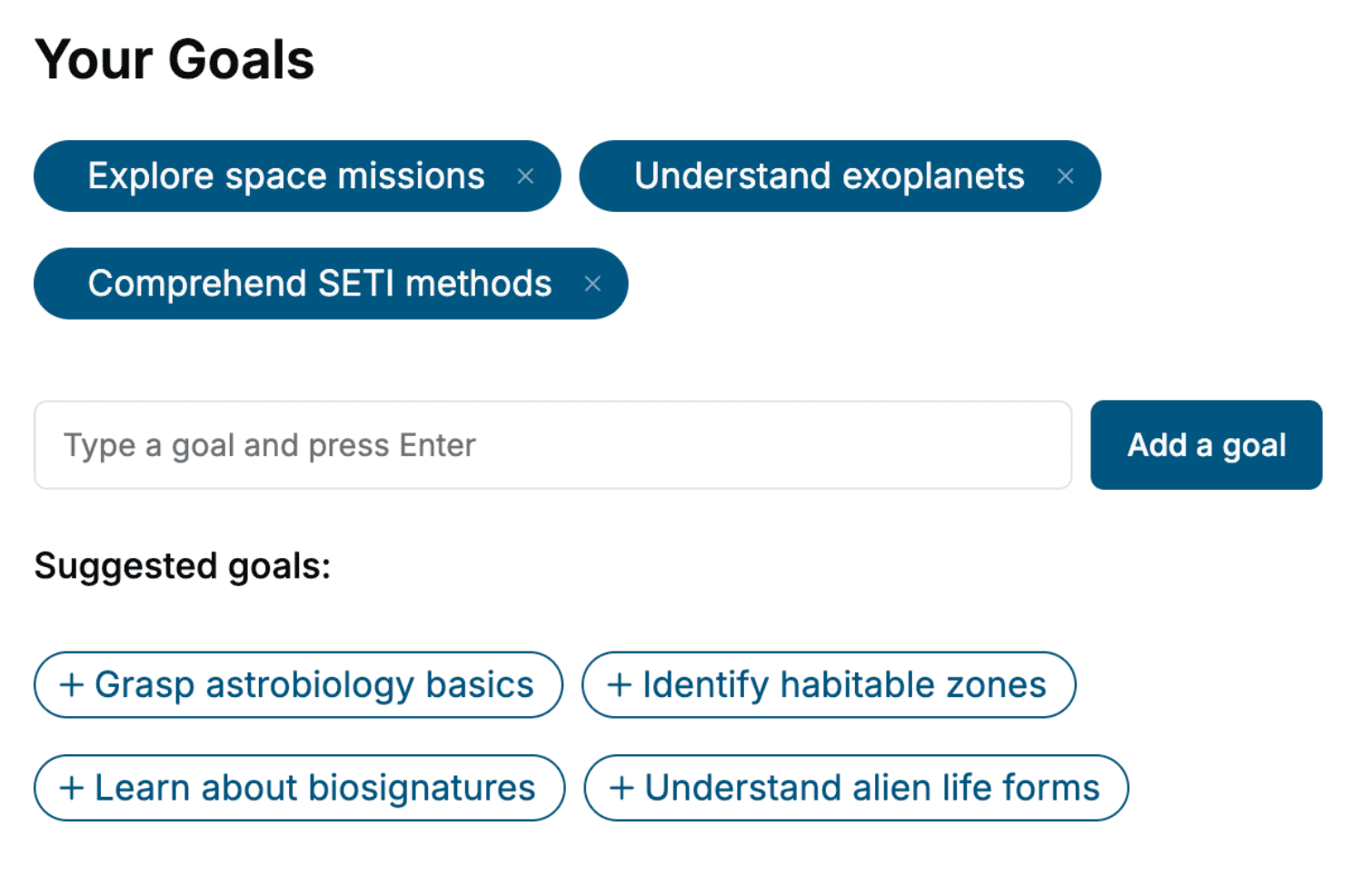
Specify your goals and choose sub-topics to include
- 3. Get your tailored book
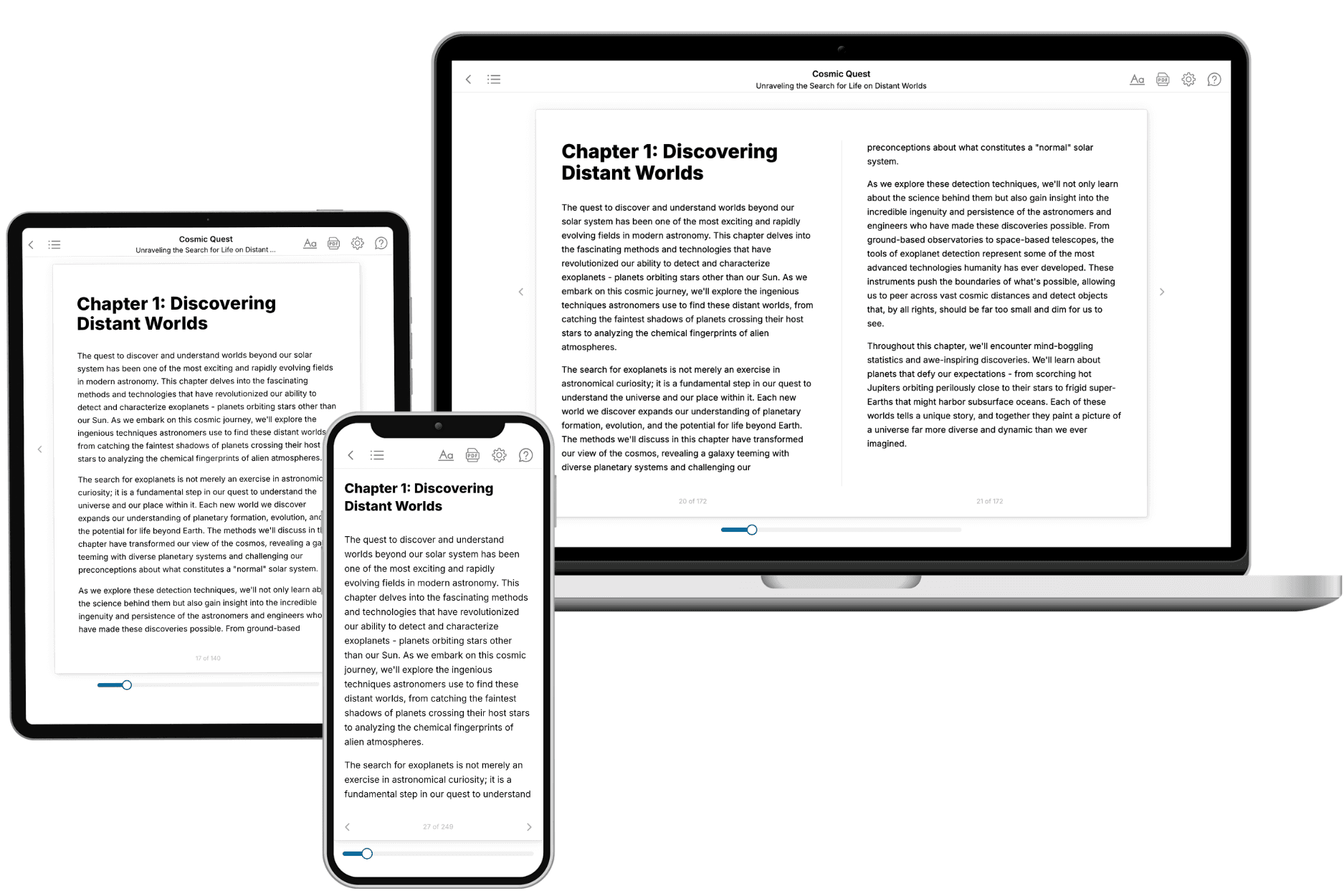
Your book is ready in 10 minutes. Read it online, download as EPUB or PDF, or send to Kindle.

Frequently asked questions
- What is TailoredRead?
TailoredRead creates complete, full-length nonfiction ebooks, written specifically for you. Tell us what you want to learn and why, and TailoredRead writes you a complete ebook on it, with charts, tables, and diagrams throughout. Read it online, on Kindle, or on any e-reader, or download it as a PDF or EPUB. Every book is written fresh the day you order it.
- How is the book tailored to me?
Before anything is written, you answer a few short questions about your goals, your background, and the topics you care about. Your book is then planned around your answers: written at your level, focused on your goals, and covering the topics you chose, instead of the one-size-fits-all book a store sells everyone.
- Will it read like generic AI content?
No. Your book isn't a chat transcript: it's planned chapter by chapter before a single word is written, told in a clear book voice, and explains ideas visually with charts, tables, and diagrams. After writing, every book goes through an editorial pass that polishes chapters so the book reads consistent from start to finish. Judge for yourself: browse thousands of sample books on our Explore Books page.
- How accurate is the content?
Our AI first checks whether your subject needs live research. Niche and fast-moving subjects are researched before writing, and the book plan and chapters are grounded in what it finds. After writing, every book goes through a quality pass that checks its facts and consistency, and researched books list their sources in a Notes section at the back.
- How long is the book?
You choose the length: Comprehensive (250-300 pages), Detailed (150-200 pages), Essential (70-100 pages), or Short (30-50 pages).
- Does the book include visuals?
Yes. Every book includes charts, tables, and diagrams: timelines, checklists, step-by-step guides, decision trees, comparison tables, matrices, and bar charts. A typical book includes dozens of these visual elements.
- Can I read it on Kindle? What formats can I download?
Yes. Every book can be read in our online reader or downloaded as a PDF or EPUB. The EPUB can be opened with Kindle, Apple Books, Kobo, and any e-reader. The Commercial and Author licenses also include an editable Word (DOCX) and Markdown download.
- How much does it cost?
About the price of a regular ebook. The exact price depends on your book's length and complexity, from $2 for the shortest books to $35 for the most comprehensive, and it's shown when you review your book, before you commit to anything. Each book is a one-time purchase, yours to keep, no subscription. Licenses that let you share, teach, or publish your book range from $35.99 to $49.99.
- Can I preview the book before purchasing?
Before you pay, you'll see what your book will cover: the title, a detailed description, the estimated length, and the complete chapter-by-chapter table of contents, so you know what you're getting before you decide. The full text itself is written after you purchase.
- How long does it take to create a book?
About 10 minutes. You can start reading the opening chapters while the rest is still being written.