The Complete Homemade Ice Cream Guide
Master Classic and Creative Flavors with Simple Techniques and Essential Equipment
Imagine serving homemade ice cream that rivals your favorite ice cream shop—creamy, flavorful, and made with ingredients you chose yourself.
207 pages9 chaptersDec 3, 2025Desserts Baking
About this book
This comprehensive guide transforms you from a curious baker into a confident ice cream maker, whether you own an ice cream machine or prefer no-churn methods. You'll discover that homemade ice cream isn't complicated; it requires understanding a few key principles and mastering essential techniques. From classic vanilla and chocolate to adventurous flavors like lavender honey and brown butter sage, you'll learn how to develop recipes that match your taste preferences. Each chapter builds your skills progressively, starting with equipment and ingredients, moving through fundamental techniques, and advancing to creative flavor combinations and presentation ideas. Packed with troubleshooting tips, ingredient substitutions, and storage guidance, this book ensures your homemade ice cream stays perfect from freezer to bowl. Whether you're making ice cream for a summer gathering or exploring a new creative outlet, you'll find the knowledge and confidence to succeed.
Table of contents
- IntroductionWhy Make Ice Cream at Home, What You'll Learn in This Book, How to Use This GuideRead below
- Chapter 1: Essential Equipment and IngredientsChoosing Your Ice Cream Machine, Essential Tools and Gadgets, Selecting Quality Ingredients, Understanding Ingredient Ratios
- Chapter 2: The Science Behind Smooth Ice CreamEmulsification and Texture, How Freezing Point Depression Works, Air Incorporation and Overrun, Preventing Ice Crystals
- Chapter 3: Mastering the Custard BaseCustard Base Fundamentals, Tempering Eggs Safely, Achieving Perfect Cooking Temperatures, Proper Cooling and Chilling Techniques
- Chapter 4: Classic Flavors and VariationsVanilla: The Foundation Flavor, Chocolate Ice Cream Variations, Fresh Fruit Ice Creams, Easy Flavor Modifications
- Chapter 5: Advanced Flavor DevelopmentInfusing Flavors into Your Base, Creating Complementary Flavor Combinations, Using Spices and Herbs Effectively, Layering and Swirl Techniques
- Chapter 6: No-Churn and Alternative MethodsNo-Churn Ice Cream Fundamentals, The Whipped Cream Method, Making Gelato and Sorbet
- Chapter 7: Troubleshooting and Common MistakesFixing Texture Issues, Addressing Flavor Concerns, Churning and Freezing Problems, Prevention Strategies
- Chapter 8: Storage, Serving, and PresentationStoring Ice Cream for Maximum Freshness, Serving Ice Cream Perfectly, Creative Presentation and Plating, Pairing Ice Cream with Other Desserts
- Chapter 9: Dietary Variations and SubstitutionsDairy-Free Ice Cream Alternatives, Lower-Fat and Lighter Options, Using Sugar Substitutes
- ConclusionYour Ice Cream Journey Begins
- Appendix: Quick Reference Recipes
- Glossary of Ice Cream Terms
Introduction
There's something magical about homemade ice cream that store-bought versions simply can't replicate. The rich, creamy texture that melts perfectly on your tongue. The pure, intense flavors that come from real vanilla beans, fresh fruit, or premium chocolate. The satisfaction of creating something extraordinary with your own hands. If you've ever tasted truly exceptional homemade ice cream, you know exactly what sets it apart. If you haven't, you're about to discover a world of frozen desserts that will transform how you think about ice cream forever.
Making ice cream at home might seem intimidating at first. You might imagine complicated equipment, precise scientific measurements, and hours of difficult work. The truth is far more encouraging. With a few essential tools, quality ingredients, and an understanding of basic principles, you can create ice cream that rivals or surpasses what you'd find in premium ice cream shops. The techniques aren't difficult—they just require attention to detail and patience. Once you master the fundamentals, you'll find yourself experimenting with flavors, adjusting recipes to your preferences, and confidently troubleshooting any issues that arise.
This book is designed specifically for home bakers and dessert enthusiasts who already understand basic baking principles and want to expand into ice cream making. You don't need professional culinary training or expensive equipment. What you need is curiosity, willingness to learn, and a desire to create impressive frozen treats. Whether you're planning to make ice cream for summer gatherings, special occasions, or simply because you love the creative process, this guide will give you the knowledge and confidence to succeed. You'll move beyond simply following recipes to understanding why techniques work, which empowers you to create your own unique flavors and adapt recipes to your taste.
Throughout this book, you'll find practical, actionable guidance that respects your time and intelligence. Each chapter builds progressively on previous knowledge, starting with equipment and ingredients, moving through fundamental techniques, and advancing to creative applications. You'll discover troubleshooting solutions for common problems, learn how to adjust recipes for dietary needs, and explore both traditional churned methods and convenient no-churn alternatives. Most importantly, you'll gain the understanding needed to make ice cream making a regular part of your dessert repertoire rather than an occasional ambitious project.
Why Make Ice Cream at Home
The most compelling reason to make ice cream at home is complete control over ingredients. When you make ice cream yourself, you choose exactly what goes into every batch. You can use organic cream from local dairies, real vanilla beans instead of artificial flavoring, and fresh seasonal fruit at peak ripeness. You avoid the stabilizers, artificial colors, and preservatives that commercial manufacturers add to extend shelf life and reduce costs. For people with food sensitivities or allergies, homemade ice cream offers the security of knowing precisely what each batch contains. You can eliminate specific allergens, adjust sugar levels, or create completely dairy-free versions that still taste exceptional.
Beyond ingredient control, homemade ice cream delivers superior flavor and texture that commercial products struggle to match. Commercial ice cream often contains significant amounts of air (called overrun) to increase volume and reduce ingredient costs—some brands contain up to 100% overrun, meaning half of what you're buying is air. Homemade ice cream typically has much lower overrun, resulting in denser, creamier texture with more intense flavor. The difference is immediately noticeable. When you taste homemade vanilla made with real vanilla beans and high-quality cream, the depth and complexity of flavor makes standard vanilla ice cream seem flat and one-dimensional by comparison.
The creative possibilities of homemade ice cream are virtually unlimited. You're not restricted to the flavors available in stores or limited by what manufacturers think will appeal to mass markets. Want to make brown butter sage ice cream? Lavender honey with candied lemon peel? Roasted strawberry with black pepper? You can create these flavors and countless others. You can adjust sweetness levels to your preference, make flavors more or less intense, and combine ingredients in ways that reflect your personal taste. This creative freedom transforms ice cream making from a simple cooking task into an expressive culinary art form.
From a practical standpoint, homemade ice cream is often more economical than premium store-bought options. While basic commercial ice cream is inexpensive, the premium brands that use quality ingredients comparable to what you'd use at home can cost eight to twelve dollars per pint. A batch of homemade ice cream typically yields about one and a half quarts (three pints) and costs between ten and fifteen dollars in ingredients, depending on what you're making. That's roughly three to five dollars per pint for ice cream that matches or exceeds the quality of the most expensive store brands. The initial investment in an ice cream maker pays for itself within a dozen batches, and basic models cost less than fifty dollars.
Making ice cream at home also provides impressive results for entertaining. Serving homemade ice cream at dinner parties or family gatherings creates memorable experiences that guests genuinely appreciate. There's something special about presenting a dessert you made completely from scratch, especially when it's something as universally loved as ice cream. The conversation that follows—questions about how you made it, what ingredients you used, and whether you'll share the recipe—adds to the social enjoyment of the meal. Homemade ice cream elevates ordinary occasions into special events.
Finally, the process itself is genuinely enjoyable and satisfying. Unlike some cooking projects that require constant attention and create stress, ice cream making has a relaxed, methodical rhythm. You prepare the base, let it chill overnight, churn it the next day, and freeze it until firm. Each step is straightforward and forgiving. The transformation from liquid custard to frozen dessert feels almost magical, especially when you're watching it happen in your ice cream maker. There's deep satisfaction in mastering a new skill and creating something delicious that brings joy to others. For many home cooks, ice cream making becomes a favorite creative outlet precisely because it combines technical skill with artistic expression in a relatively low-stress process.
The benefits extend beyond the immediate pleasure of eating great ice cream. As you develop your skills, you'll find that understanding ice cream science improves your overall baking knowledge. The principles of emulsification, temperature control, and ingredient ratios apply to many other desserts. You'll become more confident working with custards, more skilled at balancing flavors, and more intuitive about how ingredients interact. These skills transfer directly to making pastry cream, crème brûlée, panna cotta, and numerous other desserts. Ice cream making becomes a gateway to broader culinary competence.
What You'll Learn in This Book
This book is structured to build your ice cream-making skills progressively, starting with foundational knowledge and advancing to sophisticated techniques. Chapter 1 covers essential equipment and ingredients, helping you understand what you actually need versus what's optional. You'll learn about different types of ice cream makers, from budget-friendly models to professional-grade machines, and discover which basic tools make the process easier. The chapter also explains how to select quality ingredients and understand the ratios that create proper ice cream texture. You'll know exactly what to buy before you start your first batch.
Chapter 2 demystifies the science behind smooth, creamy ice cream. You'll understand emulsification—how fat and water combine to create stable mixtures—and learn why this matters for texture. The chapter explains freezing point depression, which determines how soft or hard your ice cream becomes, and covers air incorporation (overrun) that affects density and mouthfeel. Most importantly, you'll learn what causes ice crystals and how to prevent them, which is the key to professional-quality texture. This scientific foundation transforms you from someone who follows recipes to someone who understands why recipes work.
In Chapter 3, you'll master the custard base, which is the foundation of most premium ice cream. The chapter provides detailed, step-by-step guidance for making custard bases, with particular attention to tempering eggs—the technique that prevents scrambling and creates smooth texture. You'll learn to recognize proper cooking temperatures by visual and tactile cues, not just thermometer readings. The chapter also covers cooling and chilling techniques that affect final texture and explains why overnight chilling produces better results than quick cooling methods. By the end of this chapter, you'll be confident making custard bases consistently.
Chapter 4 focuses on classic flavors that form the foundation of your ice cream repertoire. You'll learn to make exceptional vanilla ice cream using different vanilla products (beans, extract, and paste) and understand how each affects flavor. The chocolate section covers variations from light milk chocolate to intense dark chocolate, including techniques for incorporating cocoa powder versus melted chocolate. The fruit ice cream section explains how to handle fresh, frozen, and cooked fruit, addressing the water content issues that can create icy texture. You'll also discover simple modifications that create dozens of variations from basic recipes.
Once you've mastered classics, Chapter 5 advances to sophisticated flavor development. You'll learn infusion techniques for incorporating herbs, spices, tea, and coffee into your base without leaving unwanted particles. The chapter provides frameworks for creating complementary flavor combinations—understanding which flavors enhance each other and which clash. You'll discover how to use spices and herbs effectively, including proper quantities and preparation methods. The section on layering and swirls teaches you to create visual interest and flavor complexity through ribbons of sauce, crunchy inclusions, and marbled effects.
Chapter 6 presents no-churn and alternative methods for making frozen desserts without an ice cream maker. You'll learn the whipped cream method that creates surprisingly good texture through manual techniques. The chapter covers the differences between ice cream, gelato, and sorbet, with specific recipes and techniques for each. These alternatives are valuable when you don't have an ice cream maker, when you want faster results, or when you're making dairy-free versions. The methods are different from traditional churning but produce excellent results when executed properly.
Chapter 7 addresses troubleshooting and common mistakes, providing solutions for problems you're likely to encounter. The texture section helps you fix issues like iciness, graininess, or excessive hardness. You'll learn what causes flavor problems like muted taste or off-flavors and how to prevent them. The churning and freezing section addresses issues like butter formation, inadequate freezing, or mixture that won't thicken. Most importantly, the prevention strategies help you avoid problems before they occur by understanding the underlying causes. This chapter serves as your reference guide when something doesn't turn out as expected.
Chapter 8 covers storage, serving, and presentation—the final steps that ensure your ice cream reaches the table in perfect condition. You'll learn proper storage techniques that maintain texture and prevent freezer burn, including container selection and temperature management. The serving section explains how to achieve perfect scoopability and proper serving temperatures. You'll discover creative presentation ideas that make your ice cream visually impressive, from simple plating techniques to elaborate dessert compositions. The pairing suggestions help you combine ice cream with other desserts, creating complete dessert experiences.
Chapter 9 explores dietary variations and substitutions, enabling you to make ice cream for various dietary needs. The dairy-free section covers alternative milks and creams, explaining which work best and how to adjust recipes for optimal results. You'll learn to make lower-fat versions that still taste good by understanding which ingredients you can reduce and which are essential. The sugar substitutes section addresses both artificial and natural alternatives, with honest assessments of how each affects flavor and texture. These adaptations expand your ability to serve ice cream to guests with different dietary requirements.
Throughout every chapter, you'll find practical examples, specific techniques, and actionable advice rather than vague theory. Each concept includes concrete applications you can implement immediately. The book respects your intelligence and existing baking knowledge while providing the specific information you need to succeed with ice cream. By the time you finish, you'll have comprehensive knowledge that enables you to make any style of ice cream confidently, troubleshoot problems independently, and create your own unique recipes.
How to Use This Guide
This book is designed for progressive learning, with each chapter building on previous knowledge. If you're completely new to ice cream making, start with Chapter 1 and work through sequentially. The early chapters establish foundational concepts that later chapters assume you understand. If you skip directly to advanced flavor development without understanding custard basics, you'll miss critical context that makes the advanced techniques successful. However, if you already have ice cream-making experience, you can use the table of contents to jump directly to chapters addressing your specific interests or challenges. The book works both as a complete course and as a reference guide.
For your first ice cream project, follow this recommended approach. Read Chapters 1 through 3 completely before starting, even if you're eager to begin. These chapters take only an hour or two to read and provide essential knowledge that prevents common beginner mistakes. Then choose a simple recipe from Chapter 4—vanilla or chocolate are ideal starting points. Follow the recipe exactly as written for your first batch, resisting the temptation to modify or substitute ingredients. This establishes a baseline for what properly made ice cream should taste and feel like. Once you've successfully made one or two basic recipes, you'll have the practical experience to understand more advanced concepts and the confidence to experiment.
The book includes several types of practical content designed for different learning needs:
- Step-by-step processes that walk you through techniques in detail, with specific actions at each stage
- Troubleshooting guides that help you diagnose and fix problems when results don't match expectations
- Comparison explanations that clarify differences between similar ingredients, equipment, or techniques
- Framework concepts that help you understand principles rather than just memorizing recipes
- Practical examples that illustrate concepts with specific, concrete scenarios
- Prevention strategies that help you avoid problems before they occur
Pay special attention to emphasized terms and concepts throughout the book. Terms in bold indicate key concepts that are essential to understanding ice cream making. Terms in italics introduce new vocabulary or emphasize important distinctions. When you encounter these emphasized terms, make sure you understand them before continuing—they're highlighted because they're genuinely important, not just for decoration. The book also uses specific formatting for different types of information: blockquotes highlight important principles or examples, lists break down complex processes into manageable steps, and code formatting indicates precise measurements or formulas.
The book's recipe approach differs from traditional cookbooks. Rather than providing dozens of complete recipes, this guide teaches you to master a few foundational recipes and then modify them confidently. You'll find detailed recipes for basic vanilla, chocolate, and fruit ice creams, along with frameworks for creating variations. This approach is more valuable than a collection of fifty specific recipes because it enables you to create unlimited variations based on your preferences and available ingredients. Once you understand the principles, you can adapt any recipe you find elsewhere or create entirely new flavors based on your imagination.
Use the appendix and glossary as quick-reference tools. The appendix contains streamlined versions of essential recipes without the detailed explanations found in the main chapters—perfect for when you've made a recipe several times and just need a quick reminder of quantities and steps. The glossary defines ice cream-specific terms and techniques, serving as a reference when you encounter unfamiliar vocabulary. These sections are designed for efficiency, giving you the information you need without requiring you to search through entire chapters.
Consider keeping a simple ice cream journal as you work through the book. Note which recipes you've tried, what modifications you made, and how the results turned out. Record problems you encountered and solutions that worked. This personal reference becomes increasingly valuable as you gain experience, helping you remember successful experiments and avoid repeating mistakes. Your journal doesn't need to be elaborate—a simple notebook with dates, recipe names, and brief notes is sufficient. Over time, this record documents your progression from beginner to confident ice cream maker.
The book assumes you have basic baking knowledge and equipment. You should be comfortable using measuring cups and spoons, understand the difference between volume and weight measurements, and know basic cooking techniques like heating liquids and whisking. You should have access to a stove, refrigerator, and freezer. Beyond these basics, Chapter 1 explains exactly what additional equipment you need. If you encounter techniques or terms you're unfamiliar with, the glossary provides definitions, and the main text explains processes in detail. The book doesn't assume professional culinary training—just the practical knowledge that comes from regular home baking.
Finally, approach ice cream making with patience and realistic expectations. Your first batch might not be perfect, and that's completely normal. Ice cream making involves several variables—ingredient quality, equipment differences, ambient temperature, and technique execution—that affect results. Each batch teaches you something, and your skills improve with practice. Don't be discouraged if early attempts are merely good rather than exceptional. Even imperfect homemade ice cream usually tastes better than average store-bought versions. As you gain experience, you'll develop intuition about how mixtures should look and feel at different stages, and your results will become consistently excellent. The journey from beginner to skilled ice cream maker is enjoyable in itself, not just a means to an end.
This is the end of the free sample. The full book has 9 chapters.
Want this book written for you?
Tell us your goals and background, and get your own version of this book, tailored by AI to you.


Benefits of AI-tailored books
- Read one book, not ten:
- all the Desserts Baking knowledge you need, gathered into a single book.
- Save days of learning:
- tell us your goals, choose your topics, and the whole book is built around them.
- Learn effortlessly:
- Desserts Baking book written for your specific background and expertise.
- Understand at a glance:
- includes charts, tables, timelines, checklists, decision trees, and more.
- Stay current:
- written the day you order it, not years ago.
- Trust what you read:
- every book is checked for accuracy, with real research when your subject needs it.
Create your unique book in 3 steps
- 1. Select your focus
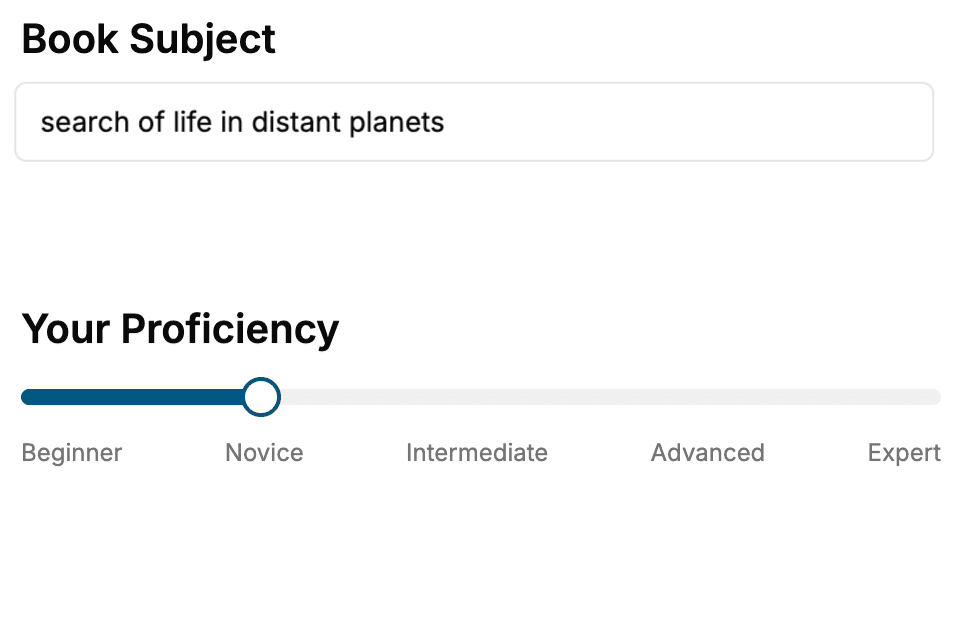
Select the focus of your Desserts Baking book and share your background
- 2. Personalize your book
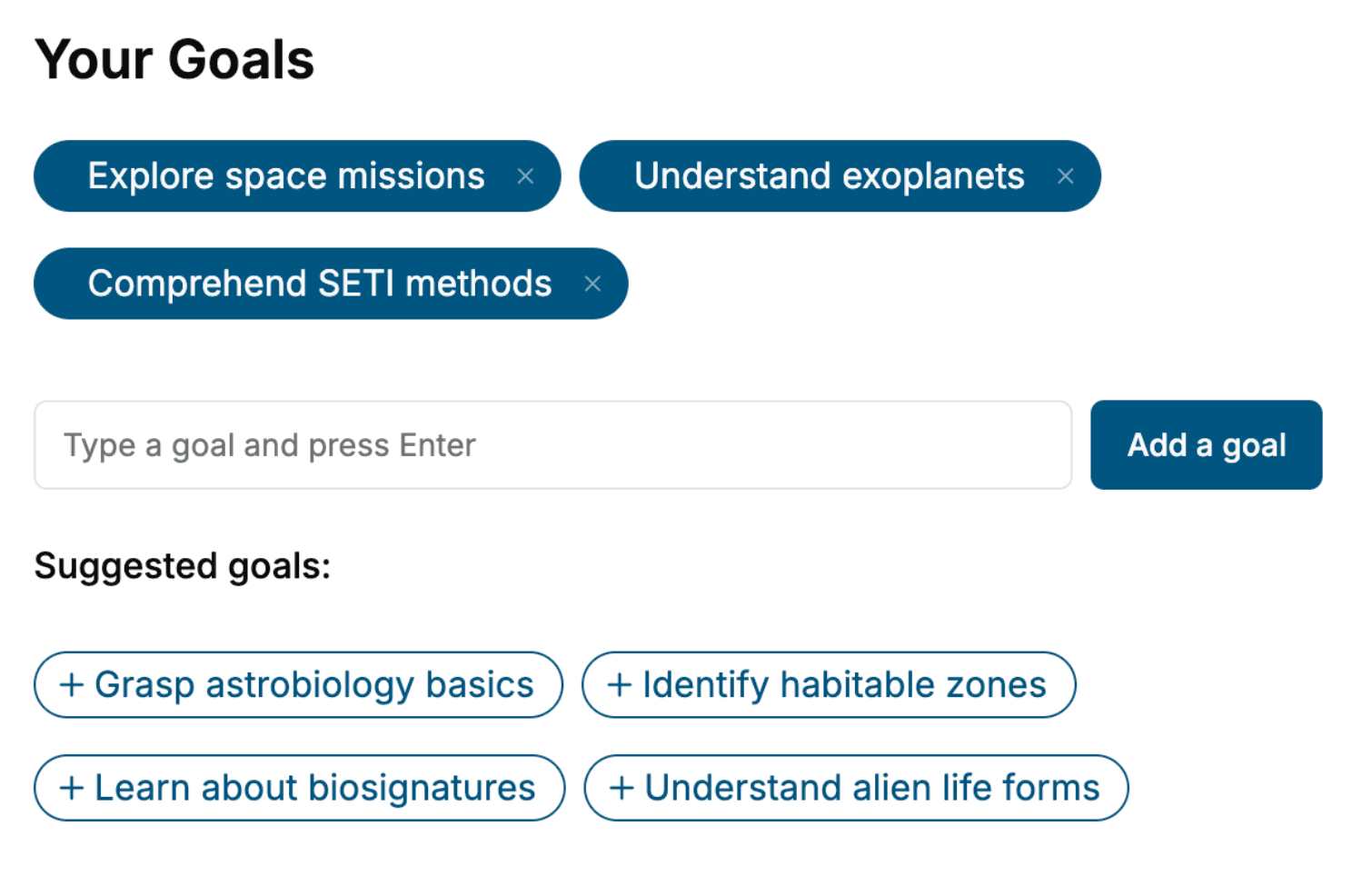
Specify your goals and choose sub-topics to include
- 3. Get your tailored book
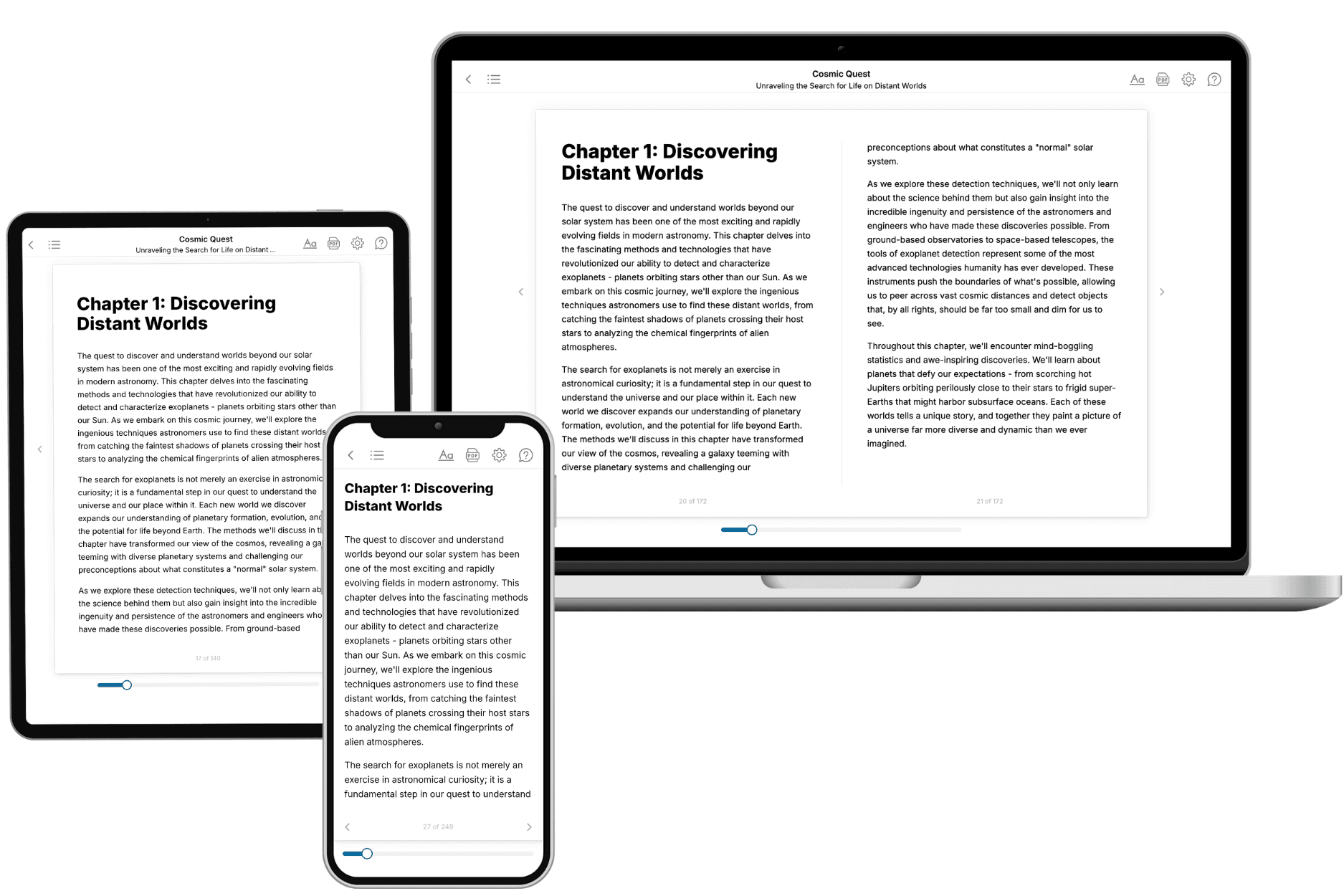
Your book is ready in 10 minutes. Read it online, download as EPUB or PDF, or send to Kindle.
Frequently asked questions
- What is TailoredRead?
TailoredRead creates complete, full-length nonfiction ebooks, written specifically for you. Tell us what you want to learn and why, and TailoredRead writes you a complete ebook on it, with charts, tables, and diagrams throughout. Read it online, on Kindle, or on any e-reader, or download it as a PDF or EPUB. Every book is written fresh the day you order it.
- How is the book tailored to me?
Before anything is written, you answer a few short questions about your goals, your background, and the topics you care about. Your book is then planned around your answers: written at your level, focused on your goals, and covering the topics you chose, instead of the one-size-fits-all book a store sells everyone.
- Will it read like generic AI content?
No. Your book isn't a chat transcript: it's planned chapter by chapter before a single word is written, told in a clear book voice, and explains ideas visually with charts, tables, and diagrams. After writing, every book goes through an editorial pass that polishes chapters so the book reads consistent from start to finish. Judge for yourself: browse thousands of sample books on our Explore Books page.
- How accurate is the content?
Our AI first checks whether your subject needs live research. Niche and fast-moving subjects are researched before writing, and the book plan and chapters are grounded in what it finds. After writing, every book goes through a quality pass that checks its facts and consistency, and researched books list their sources in a Notes section at the back.
- How long is the book?
You choose the length: Comprehensive (250-300 pages), Detailed (150-200 pages), Essential (70-100 pages), or Short (30-50 pages).
- Does the book include visuals?
Yes. Every book includes charts, tables, and diagrams: timelines, checklists, step-by-step guides, decision trees, comparison tables, matrices, and bar charts. A typical book includes dozens of these visual elements.
- Can I read it on Kindle? What formats can I download?
Yes. Every book can be read in our online reader or downloaded as a PDF or EPUB. The EPUB can be opened with Kindle, Apple Books, Kobo, and any e-reader. The Commercial and Author licenses also include an editable Word (DOCX) and Markdown download.
- How much does it cost?
About the price of a regular ebook. The exact price depends on your book's length and complexity, from $2 for the shortest books to $35 for the most comprehensive, and it's shown when you review your book, before you commit to anything. Each book is a one-time purchase, yours to keep, no subscription. Licenses that let you share, teach, or publish your book range from $35.99 to $49.99.
- Can I preview the book before purchasing?
Before you pay, you'll see what your book will cover: the title, a detailed description, the estimated length, and the complete chapter-by-chapter table of contents, so you know what you're getting before you decide. The full text itself is written after you purchase.
- How long does it take to create a book?
About 10 minutes. You can start reading the opening chapters while the rest is still being written.