The Complete Mountain Biking Route Guide
Discover, Navigate, and Master Trails from Beginner to Advanced
Discover the mountain biking routes that match your skill level and riding style.
191 pages9 chaptersJan 6, 2026Mountain Biking
About this book
This comprehensive guide takes you beyond basic trail riding, showing you how to research, plan, and navigate routes with confidence. Learn to read trail classifications, interpret elevation profiles, and use modern navigation tools effectively. Explore how different regions—from alpine peaks to desert landscapes—offer distinct riding experiences and challenges. Build practical skills for route planning, including weather assessment, gear preparation, and safety considerations. Connect with local trail communities and learn how to evaluate trail conditions before you ride. Whether you're expanding beyond your home trails or planning a biking adventure in unfamiliar territory, this guide provides the knowledge and frameworks you need to find great routes, ride them safely, and continuously improve your trail-riding abilities. Master the art of route discovery and become a confident, capable mountain biker.
Table of contents
- IntroductionWhy Route Selection Matters, How to Use This Guide, Your Riding Journey AheadRead below
- Chapter 1: Understanding Trail Classifications and Difficulty RatingsGlobal Difficulty Rating Systems, Identifying Terrain Types and Features, Reading and Interpreting Elevation Profiles
- Chapter 2: Planning Your Route: Research and PreparationFinding Reliable Trail Information Sources, Assessing Weather and Seasonal Conditions, Preparing Gear and Equipment for Your Route
- Chapter 3: Navigation Skills for Trail ConfidenceMap Reading and Trail Interpretation, Using GPS and Digital Navigation Tools, Landmark Recognition and Route Confirmation
- Chapter 4: Regional Route Characteristics and StylesAlpine and Mountain Routes, Forest and Woodland Trails, Desert and Arid Region Routes, Coastal and Lowland Trails
- Chapter 5: Discovering New Routes and Hidden GemsOnline Trail Platforms and Databases, Connecting with Local Trail Communities, Using Guidebooks and Regional Resources
- Chapter 6: Evaluating Trail Conditions Before You RideReading and Interpreting Condition Reports, Understanding Seasonal Trail Changes, Making Real-Time Weather Assessments
- Chapter 7: Safety, Etiquette, and Environmental ResponsibilityEssential Trail Safety Practices, Mountain Biking Etiquette and Trail Courtesy, Protecting Trails and Natural Environments
- Chapter 8: Building Your Personal Trail DatabaseTracking and Recording Your Rides, Organizing Routes by Region and Difficulty, Sharing Routes and Building Community Knowledge
- Chapter 9: Advanced Route Planning and Multi-Day AdventuresPlanning Multi-Day Trail Adventures, Managing Logistics and Accommodation, Building Progressive Route Challenges
- ConclusionYour Path to Continuous Growth, Taking Your Next Steps
- Appendix: Quick Reference ResourcesRecommended Trail Apps and Websites, Mountain Biking Terminology Glossary
Introduction
Mountain biking transforms when you move beyond familiar trails and start exploring new routes with confidence. You've likely experienced the thrill of discovering a perfect section of singletrack or the satisfaction of completing a challenging climb. But finding those experiences consistently requires more than just showing up at a trailhead. It demands knowledge of how trails are classified, skills to navigate unfamiliar terrain, and the ability to match routes to your current abilities while pushing your limits appropriately. This guide provides the frameworks and practical tools you need to become an independent, confident route finder and trail explorer.
The difference between intermediate riders who plateau and those who continue progressing often comes down to route selection. Riding the same local trails repeatedly builds comfort but limits growth. Conversely, jumping into routes far beyond your skill level creates frustration and safety risks. The sweet spot lies in systematically expanding your trail repertoire—choosing routes that challenge you appropriately, expose you to different terrain types, and build specific skills. This requires understanding what makes trails difficult, how to research conditions before you ride, and how to interpret the information available through apps, websites, and local communities.
Modern mountain bikers have unprecedented access to trail information through digital platforms, GPS devices, and online communities. Yet this abundance of data can overwhelm rather than clarify. Trail ratings vary between regions and countries. Elevation profiles don't always reveal technical difficulty. User reviews range from helpful to misleading. Weather conditions change trail characteristics dramatically. This guide cuts through the noise, teaching you how to evaluate information critically, combine multiple sources effectively, and make informed decisions about which routes to ride and when. You'll learn to plan rides that match your goals, whether that's building endurance, practicing technical skills, or simply enjoying scenic terrain.
Beyond individual ride planning, this guide helps you develop a systematic approach to trail discovery and documentation. Building your personal trail database—complete with notes on conditions, difficulty assessments, and memorable features—creates a valuable resource for future rides and helps you track your progression over time. You'll learn how different geographic regions offer distinct riding experiences, from alpine descents to desert slickrock to coastal forest trails. Understanding these regional characteristics helps you prepare appropriately and set realistic expectations when exploring new areas.
Safety, etiquette, and environmental responsibility form the foundation of sustainable mountain biking. As you explore more trails, you become part of a broader community that depends on shared knowledge and mutual respect. This guide emphasizes not just finding great routes, but riding them responsibly—understanding right-of-way rules, minimizing environmental impact, and contributing positively to trail communities. These practices ensure trails remain accessible and well-maintained for everyone.
Why Route Selection Matters
Route selection directly impacts your safety, enjoyment, and skill development as a mountain biker. Choosing trails that match your current abilities while providing appropriate challenges creates the conditions for flow states—those moments when you're fully engaged, riding smoothly, and pushing your limits without overwhelming fear or boredom. When routes are too easy, you miss opportunities to develop new skills. When they're too difficult, you spend more time walking your bike than riding, which builds frustration rather than competence. The right route at the right time accelerates your progression and keeps mountain biking exciting.
Different routes develop different skills in measurable ways. A route with sustained climbing builds cardiovascular endurance and teaches pacing strategies. Technical descents with rock gardens and root sections improve bike handling and line choice. Flowing singletrack with bermed corners develops cornering technique and speed management. Exposure to varied terrain types makes you a more versatile rider. If you only ride smooth, groomed trails, you'll struggle when encountering natural obstacles. If you only ride technical terrain, you may lack the fitness for longer adventures. Strategic route selection ensures balanced development across all aspects of mountain biking.
Route knowledge also determines how much of your riding time you actually spend riding versus navigating, backtracking, or dealing with unexpected obstacles. Getting lost on unfamiliar trails wastes time and energy. Arriving at a trailhead unprepared for the conditions—whether that's muddy trails after rain, snow at higher elevations, or extreme heat in exposed areas—can turn an anticipated adventure into a survival situation. Understanding how to research routes thoroughly, interpret trail information accurately, and prepare appropriately transforms your riding experience from reactive to proactive.
The psychological aspect of route selection matters as much as the physical. Confidence comes from knowing you've chosen a route within your capabilities and prepared adequately for its challenges. This confidence allows you to ride more aggressively, attempt features you might otherwise avoid, and recover more quickly from mistakes. Conversely, uncertainty about whether you can complete a route or handle its technical sections creates tension that affects your riding. Your body tightens, your decision-making slows, and you're more likely to make errors. Proper route selection and preparation eliminate much of this uncertainty.
Route diversity also prevents burnout and maintains long-term motivation. Even the best local trail becomes routine after dozens of rides. Discovering new routes—whether in your region or during travel—reignites the excitement that drew you to mountain biking initially. Each new trail system presents unique features, different scenery, and novel challenges. This variety keeps your mind engaged and your skills sharp. Riders who continuously explore new routes tend to stay active in the sport longer than those who limit themselves to familiar territory.
From a practical standpoint, understanding route characteristics helps you make better decisions about when and where to ride based on available time, current fitness levels, and weather conditions. A two-hour window on a weekday evening requires different route selection than a full Saturday. Hot summer afternoons call for shaded forest trails rather than exposed ridgelines. Early season riding means choosing lower-elevation routes where snow has melted. These considerations seem obvious, but many riders default to familiar trails without considering whether better options exist for their current circumstances.
Finally, route selection affects your impact on trail systems and the broader mountain biking community. Riding trails when they're too wet causes erosion and damage that requires extensive maintenance. Exceeding your skill level on crowded trails creates hazards for other users. Ignoring trail closures or restrictions jeopardizes access for all riders. Understanding how to choose appropriate routes includes knowing when not to ride certain trails, which demonstrates the responsibility that maintains positive relationships between mountain bikers, land managers, and other trail users.
The cumulative effect of consistently good route selection compounds over time. Each well-chosen ride builds specific skills, increases your trail knowledge, expands your comfort zone, and creates positive experiences that motivate continued riding. Over months and years, this systematic approach transforms intermediate riders into advanced ones—not through any single epic ride, but through the accumulated wisdom of hundreds of appropriate route choices. This guide provides the framework for making those choices effectively.
How to Use This Guide
This guide is structured to build your route-finding and navigation capabilities progressively, starting with foundational knowledge and advancing to complex planning scenarios. You can read it sequentially for comprehensive understanding, or jump to specific chapters addressing your immediate needs. Each chapter focuses on a distinct aspect of route discovery and planning, with practical examples and actionable frameworks you can apply immediately. The content assumes you have basic mountain biking skills and some trail experience, but doesn't require advanced technical abilities or extensive geographic knowledge.
Chapter 1 establishes the foundation by explaining trail classification systems used globally. You'll learn how difficulty ratings work, what they measure, and why the same trail might receive different ratings in different systems. This chapter teaches you to interpret terrain descriptions, understand what various trail features entail, and read elevation profiles to predict the physical demands of a route. These skills are essential for evaluating whether a trail matches your current abilities. The chapter includes comparison tables showing how different rating systems correspond, helping you translate between systems when riding in new regions.
Chapter 2 focuses on the research and preparation phase before you ride. You'll discover how to find reliable trail information, evaluate source credibility, and cross-reference multiple sources for accuracy. The chapter covers weather assessment techniques specific to mountain biking, including how temperature, precipitation, and wind affect trail conditions differently across terrain types. You'll learn systematic approaches to gear preparation based on route characteristics, ensuring you carry appropriate equipment without overpacking. This chapter includes checklists and decision frameworks you can reference before every ride.
Chapter 3 develops your navigation skills through practical instruction on map reading, GPS usage, and landmark recognition. You'll learn to orient maps to terrain, identify key features that confirm your location, and use digital tools effectively without becoming dependent on them. The chapter addresses common navigation challenges like trail intersections, unmarked junctions, and situations where trails don't match map data. These skills build the confidence to explore unfamiliar trails without anxiety about getting lost. Specific examples demonstrate navigation techniques in various scenarios, from dense forests to open desert terrain.
Chapter 4 explores how different geographic regions create distinct riding experiences and challenges. You'll understand what makes alpine trails different from coastal routes, how desert riding requires different preparation than forest trails, and what seasonal variations mean for each region type. This knowledge helps you set appropriate expectations when traveling to new areas and prepares you for regional characteristics you haven't encountered locally. The chapter includes specific examples from well-known trail systems in each region type, illustrating the concepts with real-world references.
Chapters 5 and 6 work together to help you discover new routes and evaluate their current conditions. Chapter 5 covers the tools and communities available for trail discovery, from popular apps and websites to local riding groups and traditional guidebooks. You'll learn how to use each resource type effectively and understand their respective strengths and limitations. Chapter 6 teaches you to assess trail conditions before riding, interpreting condition reports, understanding seasonal impacts, and making real-time weather assessments. These chapters transform you from someone who rides whatever trails others recommend to someone who actively discovers and evaluates routes independently.
Chapter 7 addresses the responsibilities that come with trail access. You'll learn essential safety practices for various scenarios, understand trail etiquette that keeps interactions with other users positive, and discover how your riding choices impact trail sustainability. This chapter emphasizes that being a skilled route finder includes knowing how to ride responsibly, which protects both your safety and continued trail access for the entire mountain biking community. The content includes specific protocols for different situations, from encountering hikers on shared trails to responding to mechanical issues in remote locations.
Chapter 8 provides systems for documenting your rides and building a personal trail database. You'll learn what information to record, how to organize routes for easy reference, and methods for sharing your knowledge with others. This chapter helps you create a valuable resource that grows more useful over time, capturing details you'd otherwise forget and enabling you to make better recommendations to fellow riders. The organizational frameworks presented work whether you prefer digital tools or traditional notebooks, focusing on the information structure rather than specific applications.
Chapter 9 advances to multi-day adventures and progressive challenge planning. You'll learn how to link routes into longer adventures, manage logistics like accommodation and vehicle shuttles, and design progressive challenges that systematically build your capabilities. This chapter is particularly valuable if you're planning destination riding trips or want to set ambitious goals that require months of preparation. The planning frameworks scale from weekend adventures to week-long expeditions, with specific considerations for each duration.
Throughout the guide, you'll find practical examples drawn from diverse trail systems and riding scenarios. These examples illustrate concepts concretely rather than abstractly, showing how principles apply in real situations. Blockquotes highlight key insights, important warnings, and memorable guidelines. Lists break down complex processes into manageable steps. The goal is to make every concept immediately applicable, so you can start improving your route selection and planning with your very next ride.
Use this guide as a reference you return to repeatedly as your skills and ambitions grow. Early chapters may seem basic initially but reveal deeper insights as you gain experience. Later chapters might feel advanced at first but become accessible as you apply earlier concepts. The frameworks and checklists are designed for repeated use, helping you develop consistent habits that become automatic over time. Consider marking sections particularly relevant to your current goals, and revisit them as those goals evolve. The most effective way to use this guide is to read a chapter, apply its concepts on several rides, then move to the next chapter once those skills feel comfortable.
Your Riding Journey Ahead
Your development as a mountain biker follows a predictable progression, though the timeline varies individually. Most riders begin on easy, well-maintained trails close to home, gradually building confidence and basic skills. The intermediate phase—where you likely find yourself now—involves expanding beyond those familiar trails, tackling more challenging terrain, and developing the fitness and technical skills for longer, more demanding routes. The advanced phase isn't defined by riding the hardest trails available, but by the ability to assess any trail accurately, prepare appropriately, and ride it confidently. This guide accelerates your progression through the intermediate phase and establishes the foundation for advanced capabilities.
The journey ahead involves both expanding your geographic range and deepening your understanding of trails you've already ridden. You'll discover that trails you thought you knew well reveal new characteristics when you understand what to look for. That local trail you've ridden dozens of times becomes a training ground for specific skills when you approach it with intention. Meanwhile, trails in new regions become less intimidating when you can accurately assess their difficulty and prepare appropriately. This dual expansion—deeper local knowledge and broader geographic exploration—creates a rich, varied riding experience that sustains long-term engagement with the sport.
Expect your relationship with technology to evolve as you apply the concepts in this guide. Initially, you might rely heavily on GPS devices and trail apps for navigation and route information. Over time, you'll develop intuition about trail characteristics, better judgment about information reliability, and stronger map-reading skills that make you less dependent on digital tools. This doesn't mean abandoning technology—modern tools provide valuable capabilities—but rather using them more effectively as supplements to your own knowledge rather than replacements for it. The goal is confident independence, where technology enhances your capabilities rather than limiting them.
Your risk assessment abilities will sharpen significantly as you gain experience with diverse routes. You'll develop better judgment about which challenges are within your current capabilities and which require more preparation or skill development. This improved assessment reduces both the frequency of situations where you're in over your head and the tendency to avoid challenges you're actually ready for. The result is more time spent in that productive zone where you're challenged but not overwhelmed, which is where the most enjoyable riding and fastest skill development occur.
Community connections will likely become more important as you explore new routes and regions. You'll discover that local riders possess invaluable knowledge about trail conditions, seasonal variations, and hidden gems that don't appear in guidebooks or apps. Building relationships with riders in different areas creates a network that enhances your riding experiences everywhere. You'll also find opportunities to contribute your own knowledge, helping newer riders discover great routes and avoid common mistakes. This reciprocal knowledge sharing strengthens the entire mountain biking community and often leads to lasting friendships.
Physical fitness improvements will follow naturally from riding more diverse routes. Different trails stress different energy systems and muscle groups. Sustained climbing builds aerobic capacity and muscular endurance. Technical terrain develops power and explosive strength. Long rides increase overall stamina. By systematically exploring varied routes rather than repeating the same trails, you'll develop more balanced fitness that translates to better performance across all riding situations. You'll also discover which aspects of fitness limit your current performance, allowing you to train more effectively.
Your gear choices will become more intentional as you understand how different routes demand different equipment. You'll learn which items are essential for specific trail types and conditions, and which are unnecessary weight. This knowledge helps you pack efficiently, carrying everything you need without burdening yourself with excess. You'll also develop preferences for specific gear based on your riding style and the routes you frequent most. These preferences emerge from experience rather than marketing, resulting in a kit that truly serves your needs.
Mental resilience grows alongside physical capabilities when you regularly challenge yourself with new routes. Each unfamiliar trail requires problem-solving, adaptation, and persistence. You'll encounter unexpected obstacles, navigate confusing trail junctions, and push through moments of doubt about whether you can complete a route. Successfully handling these challenges builds confidence that extends beyond mountain biking. You'll develop a mindset that views difficulties as interesting problems to solve rather than insurmountable barriers, which serves you well both on and off the bike.
The ultimate goal isn't to ride every trail or visit every destination, but to develop the knowledge and skills that make you capable of riding confidently wherever you choose to go. This capability creates freedom—the freedom to explore new areas without anxiety, to make spontaneous riding decisions based on current conditions, and to continuously find routes that match your evolving abilities and interests. You'll never stop discovering new trails or learning new aspects of route planning, which keeps mountain biking perpetually engaging. This guide provides the foundation for that lifelong journey of discovery and growth.
As you work through this guide and apply its concepts, remember that progression isn't linear. Some weeks you'll feel like you're advancing rapidly, discovering great new routes and riding with confidence. Other times you'll struggle with trails that should be within your abilities, or you'll make poor route choices despite careful planning. This variability is normal and doesn't indicate regression. Mountain biking skills develop through accumulated experience, and that experience necessarily includes both successes and setbacks. The frameworks in this guide help you learn from both, extracting lessons that inform future decisions and accelerate your overall development. Trust the process, stay consistent, and enjoy the journey.
This is the end of the free sample. The full book has 9 chapters.
Want this book written for you?
Tell us your goals and background, and get your own version of this book, tailored by AI to you.


Benefits of AI-tailored books
- Read one book, not ten:
- all the Mountain Biking knowledge you need, gathered into a single book.
- Save days of learning:
- tell us your goals, choose your topics, and the whole book is built around them.
- Learn effortlessly:
- Mountain Biking book written for your specific background and expertise.
- Understand at a glance:
- includes charts, tables, timelines, checklists, decision trees, and more.
- Stay current:
- written the day you order it, not years ago.
- Trust what you read:
- every book is checked for accuracy, with real research when your subject needs it.
Create your unique book in 3 steps
- 1. Select your focus
Select the focus of your Mountain Biking book and share your background
- 2. Personalize your book
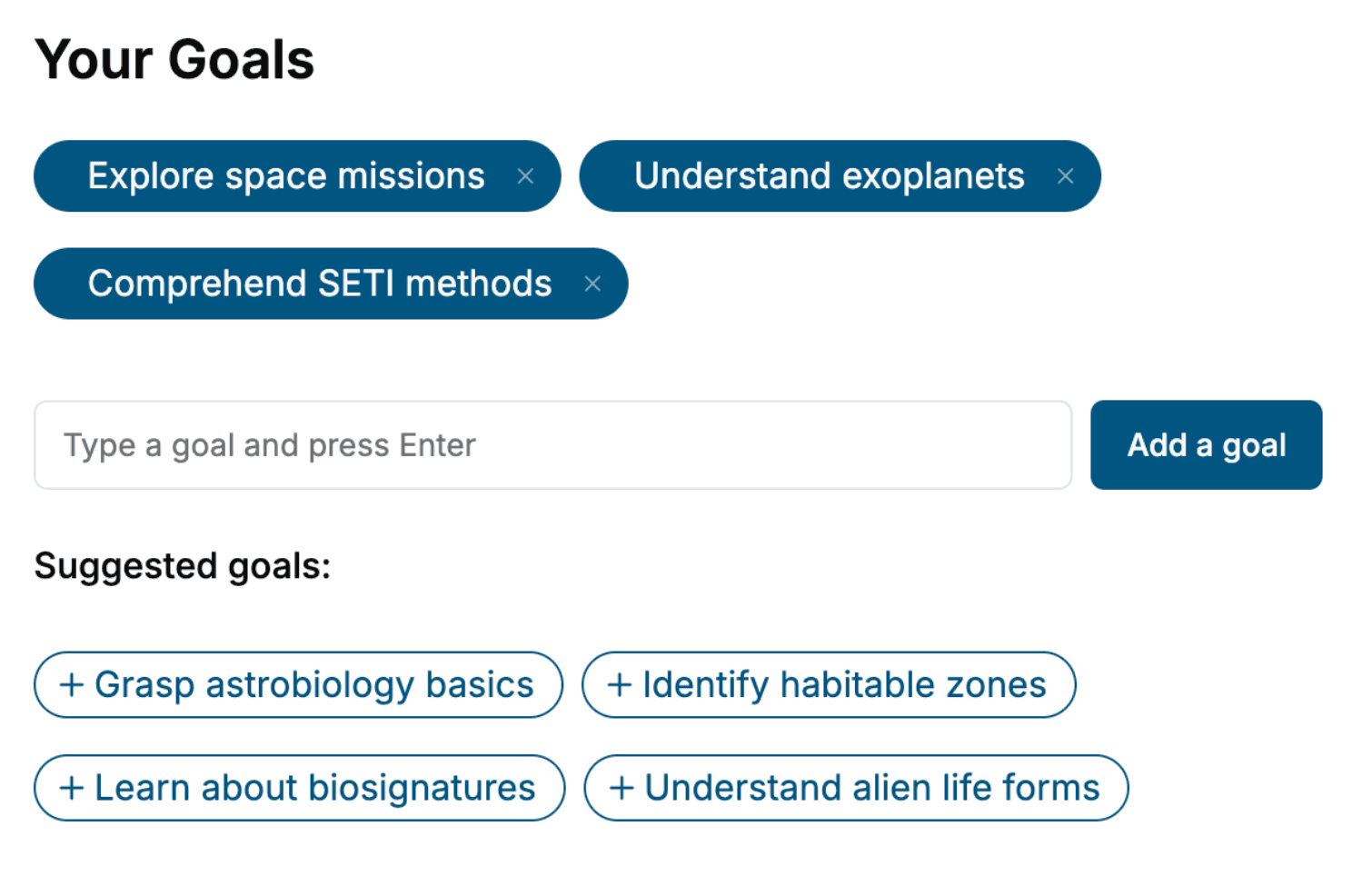
Specify your goals and choose sub-topics to include
- 3. Get your tailored book
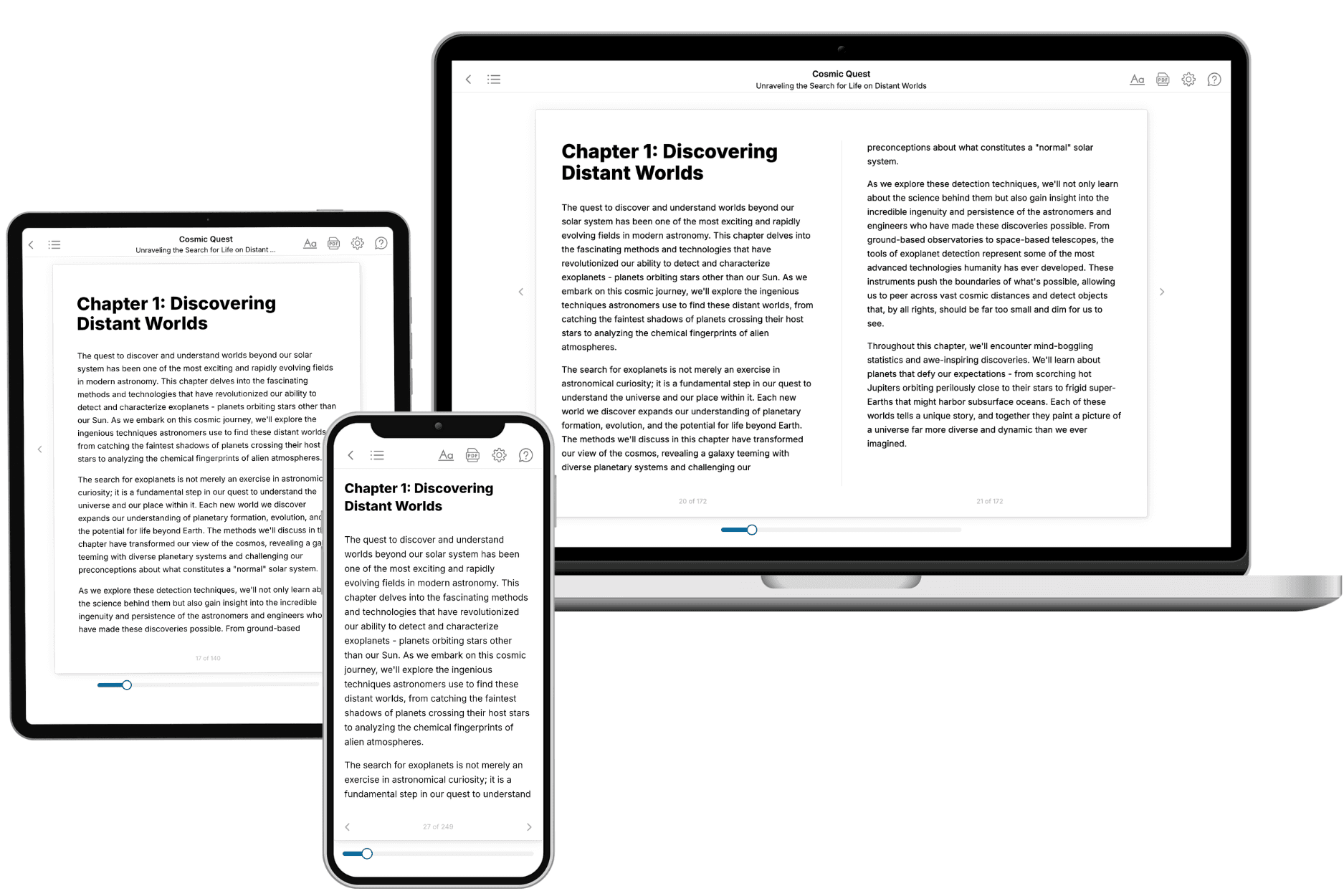
Your book is ready in 10 minutes. Read it online, download as EPUB or PDF, or send to Kindle.

Frequently asked questions
- What is TailoredRead?
TailoredRead creates complete, full-length nonfiction ebooks, written specifically for you. Tell us what you want to learn and why, and TailoredRead writes you a complete ebook on it, with charts, tables, and diagrams throughout. Read it online, on Kindle, or on any e-reader, or download it as a PDF or EPUB. Every book is written fresh the day you order it.
- How is the book tailored to me?
Before anything is written, you answer a few short questions about your goals, your background, and the topics you care about. Your book is then planned around your answers: written at your level, focused on your goals, and covering the topics you chose, instead of the one-size-fits-all book a store sells everyone.
- Will it read like generic AI content?
No. Your book isn't a chat transcript: it's planned chapter by chapter before a single word is written, told in a clear book voice, and explains ideas visually with charts, tables, and diagrams. After writing, every book goes through an editorial pass that polishes chapters so the book reads consistent from start to finish. Judge for yourself: browse thousands of sample books on our Explore Books page.
- How accurate is the content?
Our AI first checks whether your subject needs live research. Niche and fast-moving subjects are researched before writing, and the book plan and chapters are grounded in what it finds. After writing, every book goes through a quality pass that checks its facts and consistency, and researched books list their sources in a Notes section at the back.
- How long is the book?
You choose the length: Comprehensive (250-300 pages), Detailed (150-200 pages), Essential (70-100 pages), or Short (30-50 pages).
- Does the book include visuals?
Yes. Every book includes charts, tables, and diagrams: timelines, checklists, step-by-step guides, decision trees, comparison tables, matrices, and bar charts. A typical book includes dozens of these visual elements.
- Can I read it on Kindle? What formats can I download?
Yes. Every book can be read in our online reader or downloaded as a PDF or EPUB. The EPUB can be opened with Kindle, Apple Books, Kobo, and any e-reader. The Commercial and Author licenses also include an editable Word (DOCX) and Markdown download.
- How much does it cost?
About the price of a regular ebook. The exact price depends on your book's length and complexity, from $2 for the shortest books to $35 for the most comprehensive, and it's shown when you review your book, before you commit to anything. Each book is a one-time purchase, yours to keep, no subscription. Licenses that let you share, teach, or publish your book range from $35.99 to $49.99.
- Can I preview the book before purchasing?
Before you pay, you'll see what your book will cover: the title, a detailed description, the estimated length, and the complete chapter-by-chapter table of contents, so you know what you're getting before you decide. The full text itself is written after you purchase.
- How long does it take to create a book?
About 10 minutes. You can start reading the opening chapters while the rest is still being written.