The Complete New Zealand Travel Guide
Plan Your Perfect Trip with Insider Tips, Budget Strategies, and Hidden Gems
Master the art of planning an unforgettable New Zealand adventure without breaking the bank.
222 pages11 chaptersEnglishJul 11, 2026New Zealand Travel Guide
About this book
This guide walks you through every decision point—from choosing between North and South Island regions to selecting accommodations that match your budget and style. You'll discover how to navigate transportation options, identify top attractions worth your time and money, and uncover hidden gems that locals love. Learn practical strategies for managing your travel budget across all categories, from lodging to activities. Understand hiking trail difficulty ratings to safely pursue outdoor adventures suited to your fitness level. Explore wine regions, plan visits to iconic sites like Hobbiton, and create flexible itineraries that adapt to weather and spontaneous discoveries. Whether you're a budget backpacker or seeking mid-range comfort, this book provides the insider knowledge and actionable frameworks you need to design a personalized New Zealand experience that maximizes value and minimizes stress.
Table of contents
- IntroductionWhy New Zealand Should Be Your Next Destination, How to Use This Guide, The Planning Framework: From Dream to RealityRead below
- Chapter 1: Understanding New Zealand's Geography and RegionsNorth Island: Geothermal Wonders and Urban Centers, South Island: Mountains, Fjords, and Adventure, Regional Highlights and What Each Area Offers
- Chapter 2: Timing Your Trip: Seasons, Weather, and CrowdsSeasonal Breakdown: Summer, Autumn, Winter, and Spring, Weather Patterns and What to Pack, Peak Season vs. Shoulder Season: Cost and Experience Trade-offs
- Chapter 3: Creating Your Flexible ItineraryItinerary Basics: Duration, Pace, and Route Planning, Customizing Your Travel Pace for Maximum Enjoyment, Building Flexibility Into Your Plans
- Chapter 4: Budget Management: Spending Smart Across All CategoriesBreaking Down Your Budget: Where Money Goes, Daily Cost Estimates by Travel Style, Money-Saving Strategies Without Sacrificing Experiences
- Chapter 5: Accommodation Choices: From Budget to LuxuryTypes of Accommodations: Hostels, Motels, Hotels, and Lodges, Finding Affordable Lodging Without Compromising Comfort, Booking Strategies and Timing for Best Rates
- Chapter 6: Transportation: Getting Around New ZealandSelf-Driving: Renting a Car and Road Trip Essentials, Public Transportation: Buses, Trains, and Ferries, Choosing the Right Transportation Method for Your Trip
- Chapter 7: Top Attractions and Must-See DestinationsIconic Attractions Worth Your Time and Money, Visiting Hobbiton: Booking, Timing, and Expectations, Strategic Attraction Planning to Maximize Value
- Chapter 8: Outdoor Activities and Hiking AdventuresUnderstanding Hiking Trail Difficulty Ratings and Classifications, Popular Hikes Across North and South Islands, Safety, Preparation, and Gear for Outdoor Adventures
- Chapter 9: Wine Regions and Culinary ExperiencesMajor Wine Regions: Marlborough, Central Otago, and Beyond, Wine Tasting Experiences and Vineyard Visits, Local Food Culture and Budget-Friendly Dining
- Chapter 10: Hidden Gems and Local ExperiencesOff-the-Beaten-Path Destinations and Activities, Connecting with Locals and Authentic Experiences, How to Discover Hidden Gems During Your Trip
- Chapter 11: Practical Essentials and Final PreparationsVisas, Documents, and Travel Insurance, Packing Checklist and What to Bring, Pre-Trip Checklist: Final Steps Before You Go
- ConclusionYour New Zealand Adventure Awaits
- Frequently Asked Questions
Introduction
There is a moment that almost every traveler to New Zealand describes in the same way. You step off the plane, clear customs, and drive out of the airport into a landscape that looks like it was designed by someone who had never heard the word "ordinary." Rolling green hills, volcanic peaks, coastlines that shift from black sand to golden dunes within a single afternoon drive. It is the kind of place that makes you feel like you have arrived somewhere genuinely different from anywhere else on earth. That feeling is not just tourism marketing. It is real, and this guide exists to help you experience it fully.
New Zealand sits in the southwestern Pacific Ocean, roughly 2,000 kilometers southeast of Australia. It is made up of two main islands, the North Island and the South Island, along with dozens of smaller islands scattered around them. Despite its relatively compact size, the country packs in an extraordinary range of landscapes, climates, and experiences. You can walk through subtropical forests in the morning, visit an active geothermal field by afternoon, and watch the sun set over a glacier-carved fjord the following evening. Very few destinations on earth offer that kind of variety within a single trip.
Planning a trip to New Zealand, however, can feel overwhelming at first. The country is not cheap. Distances between attractions are longer than they look on a map. The weather changes fast and does not always cooperate with carefully laid plans. Accommodation options range from world-class luxury lodges to basic backpacker hostels, and knowing which one suits your needs and budget requires some research. Transportation choices involve real trade-offs between cost, flexibility, and convenience. This guide was built to cut through that complexity and give you a clear, practical framework for making every major decision before and during your trip.
Whether you are a first-time visitor trying to figure out where to even begin, or someone who has been dreaming about New Zealand for years and is finally ready to make it happen, this book meets you where you are. It covers everything from understanding the country's distinct regions to booking the right accommodation, choosing how to get around, finding hidden gems that most tourists miss, and managing your budget without giving up the experiences that matter most. Think of it as the planning partner you wish you had when you first started searching for flights.
Why New Zealand Should Be Your Next Destination
New Zealand consistently ranks among the world's top travel destinations, and the reasons go well beyond its famous scenery. The country offers a rare combination of natural beauty, outdoor adventure, cultural richness, and genuine safety that is hard to find anywhere else. According to the Global Peace Index, New Zealand has ranked among the top five most peaceful countries in the world for multiple consecutive years.[1] For solo travelers, families, and first-timers especially, that sense of security makes a meaningful difference to the overall experience.
The outdoor adventure options here are genuinely world-class. New Zealand is widely credited as the birthplace of commercial bungee jumping, and the adventure tourism industry that grew from that origin has expanded into one of the most diverse and well-regulated in the world. You can go skydiving over Queenstown, kayak through the Marlborough Sounds, hike the Tongariro Alpine Crossing, or surf the breaks along the Raglan coastline. These are not niche activities reserved for extreme athletes. Most of them are accessible to people with average fitness and no prior experience, provided you choose the right level and prepare properly.
The cultural dimension of New Zealand travel is equally compelling. Māori culture is not a museum exhibit here. It is a living, evolving part of national identity that you encounter in place names, food, art, performance, and everyday conversation. Engaging with Māori culture through a reputable cultural experience, such as a hāngi meal or a guided tour of a marae (a traditional meeting ground), adds a layer of depth to any trip that pure sightseeing cannot replicate. Many of these experiences are available at various price points, making them accessible regardless of your budget.
New Zealand's food and wine scene has matured significantly over the past two decades. The Marlborough region produces Sauvignon Blanc that is recognized globally as among the finest expressions of that grape variety. Central Otago Pinot Noir has earned serious international acclaim. Beyond wine, the country's restaurant culture in cities like Auckland, Wellington, and Queenstown reflects a confident, locally-sourced approach to cooking that draws on Pacific, Asian, and European influences. You do not need to spend a fortune to eat well here, but you do need to know where to look.
The practical logistics of visiting New Zealand are also more manageable than many travelers expect. English is the primary language, which removes a significant communication barrier. The road network is well-maintained and clearly signed. Healthcare standards are high. The tourism infrastructure, from booking systems to visitor information centers, is organized and reliable. These factors combine to make New Zealand one of the more forgiving destinations for first-time international travelers who are still building their confidence on the road.
Perhaps most importantly, New Zealand rewards the traveler who takes time to slow down. The country's greatest experiences are rarely the ones you rush through. A morning spent watching mist lift off Lake Wanaka, a conversation with a farmer at a roadside stall in Hawke's Bay, a quiet walk through a beech forest in Fiordland with no one else on the trail. These moments do not cost much. They just require the willingness to be present, and a plan that gives you enough breathing room to let them happen.
New Zealand is not just a destination. It is a reminder that the world still contains places that feel genuinely wild, genuinely welcoming, and genuinely worth the journey.
The country also offers strong value for travelers who plan strategically. Yes, New Zealand is more expensive than Southeast Asia or Eastern Europe. But compared to other high-income, English-speaking destinations with comparable natural beauty, such as Switzerland or Norway, it offers significantly more flexibility for budget-conscious travelers. Free camping options, affordable hostel networks, and a culture of outdoor recreation that costs nothing beyond your gear mean that a rewarding trip is achievable across a wide range of budgets.
How to Use This Guide
This guide is designed to be used in stages, not read cover to cover in a single sitting. The chapters follow the natural arc of trip planning, starting with the big-picture decisions and moving progressively toward the finer details. If you are just beginning to think about a New Zealand trip, start at the beginning and work forward. If you already have flights booked and a rough itinerary in mind, jump directly to the chapters that address your current planning gaps.
Here is a quick map of what each section covers and when it becomes most useful:
- Chapters 1 and 2 cover geography, regions, and timing. Read these early, ideally before you book flights, because they will influence which parts of the country you prioritize and when you choose to visit.
- Chapter 3 walks through itinerary building. Use it once you have a rough sense of your trip duration and the regions you want to visit.
- Chapter 4 covers budget management. Read this before you start booking anything, so you have a realistic financial framework in place.
- Chapters 5 and 6 address accommodation and transportation. These are your two biggest logistical decisions after flights, and they interact with each other in important ways.
- Chapters 7 through 10 cover attractions, outdoor activities, wine regions, and hidden gems. Dip into these as you build out the specific activities and experiences within your itinerary.
- Chapter 11 handles practical essentials like visas, packing, and pre-departure checklists. Return to this chapter in the final weeks before you leave.
Throughout the guide, you will find specific examples, cost estimates, and practical frameworks rather than vague generalizations. When a hike is described as suitable for beginners, that assessment is based on the official New Zealand Department of Conservation grading system, not a subjective opinion. When a budget figure is given, it reflects real costs at the time of writing, with notes on where prices tend to fluctuate. The goal is to give you information you can actually use, not just inspiration.
Cost estimates in this guide are presented in New Zealand dollars (NZD) unless otherwise noted. Exchange rates shift over time, so treat these figures as relative benchmarks rather than precise predictions. As a general reference point, one New Zealand dollar has historically traded at roughly 0.55 to 0.65 US dollars, though you should check current rates before your trip.[2] The relative cost comparisons between options, such as hostels versus motels, or peak season versus shoulder season, remain valid regardless of exchange rate fluctuations.
This guide does not try to tell you exactly what to do every day. New Zealand travel is too personal and too weather-dependent for a rigid day-by-day script to be genuinely useful. Instead, the focus is on giving you the frameworks, knowledge, and decision-making tools to build a trip that fits your specific interests, fitness level, budget, and travel style. Two people can read this book and come away with completely different itineraries, and both of those itineraries can be exactly right for the person who designed them.
A few practical notes on how information is presented throughout the book. Specific attractions, accommodations, and operators are mentioned by name where they represent genuinely useful examples or widely recognized benchmarks. These mentions are not endorsements or paid placements. They are included because they illustrate a point clearly or because they are well-established enough that most travelers will encounter them during their own research. Always verify current pricing, availability, and operating hours directly with the provider before your trip, as these details change regularly.
Finally, this guide treats you as a capable adult who can make good decisions when given good information. It will not tell you that New Zealand is dangerous or that you need to be afraid of anything. It will flag genuine safety considerations where they exist, particularly around outdoor activities and weather, because those considerations are real and ignoring them can ruin a trip or worse. But the overall tone is one of encouragement. New Zealand is an extraordinary place, and with the right preparation, your trip there can be one of the best experiences of your life.
The Planning Framework: From Dream to Reality
Most New Zealand trips fail to reach their potential not because of bad luck, but because of poor sequencing in the planning process. People book flights before they understand the geography, choose accommodation before they decide on transportation, and build itineraries before they set a realistic budget. The result is a trip full of avoidable compromises. The planning framework outlined here is designed to prevent that by giving you a clear sequence of decisions to work through, each one building on the last.
Think of trip planning as having three distinct phases. The first phase is orientation, where you build your foundational understanding of the destination. The second phase is structure, where you make the big logistical decisions that shape the entire trip. The third phase is detail, where you fill in the specifics and prepare for departure. Rushing through the first two phases to get to the exciting detail work is the most common planning mistake, and it is entirely avoidable.
Here is how those three phases map onto your planning timeline:
- Orientation phase (start here, before booking anything):
- Understand New Zealand's two main islands and key regions
- Decide on your approximate travel dates and trip duration
- Set a realistic total budget for the entire trip
- Identify your top three to five must-have experiences
- Structure phase (after orientation, before detailed booking):
- Book flights and determine your entry and exit points
- Choose your primary transportation method (rental car, campervan, public transport, or a combination)
- Sketch a rough route that connects your priority destinations
- Decide on your accommodation style and book key nights in advance
- Detail phase (final weeks before departure):
- Book specific activities and attractions that require advance reservations
- Confirm all accommodation bookings and transportation arrangements
- Prepare documents, travel insurance, and packing
- Build a day-by-day itinerary with built-in flexibility
One of the most important early decisions is how long you will spend in New Zealand. The minimum trip length that allows you to experience both islands meaningfully is around two weeks. Three weeks is significantly better. Four weeks or more allows you to slow down, explore regional areas in depth, and have the kind of spontaneous experiences that become the stories you tell for years afterward. If you only have ten days, it is better to focus on one island well than to rush through both poorly. This guide will help you make that call based on your specific priorities.
Budget setting deserves its own early attention because it shapes every subsequent decision. A traveler with a daily budget of NZD $80 will make very different choices about accommodation, transportation, and activities than someone working with NZD $200 per day. Neither budget produces a bad trip, but they produce very different trips, and the planning process for each looks quite different. Chapter 4 breaks down realistic daily cost estimates across multiple travel styles, giving you a concrete starting point for your own budget calculations.
The question of what to prioritize is deeply personal, but it helps to think in terms of categories rather than specific attractions. Ask yourself which of the following matters most to you on this trip:
- Outdoor adventure (hiking, water sports, extreme activities)
- Natural scenery (landscapes, wildlife, national parks)
- Cultural experiences (Māori culture, local communities, history)
- Food and wine (restaurants, vineyards, local markets)
- Urban exploration (cities, galleries, nightlife, architecture)
- Relaxation and slow travel (beaches, small towns, unhurried pace)
Your answers to those questions should drive your route planning more than any "top ten things to do in New Zealand" list. The Tongariro Alpine Crossing is genuinely spectacular, but if you are not a hiker and have no interest in becoming one, spending a day on it is not the best use of your time. Conversely, if outdoor adventure is your primary motivation, you might happily skip Auckland's urban attractions entirely and head straight for the South Island's adventure hub of Queenstown. This guide will help you build a trip around your actual interests, not a generic template.
Weather and flexibility deserve special mention in any New Zealand planning framework. The country's weather is famously unpredictable, particularly on the South Island's West Coast and in alpine areas. Building buffer days into your itinerary is not a luxury. It is a practical necessity. A rigid schedule that leaves no room for a weather delay or an unexpected discovery is a schedule that will cause stress. The chapters on itinerary building and seasonal planning will give you specific strategies for building that flexibility in without wasting time or money.
Finally, remember that the best New Zealand trips are rarely the most perfectly planned ones. They are the ones where the traveler arrived well-informed, made smart foundational decisions, and then stayed open to what the country offered along the way. This guide gives you the foundation. New Zealand provides the rest. The combination, when you get it right, is genuinely hard to beat.
This is the end of the free sample. The full book has 11 chapters.
Want this book written for you?
Tell us your goals and background, and get your own version of this book, tailored by AI to you.


Benefits of AI-tailored books
- Read one book, not ten:
- all the New Zealand Travel Guide knowledge you need, gathered into a single book.
- Save days of learning:
- tell us your goals, choose your topics, and the whole book is built around them.
- Learn effortlessly:
- New Zealand Travel Guide book written for your specific background and expertise.
- Understand at a glance:
- includes charts, tables, timelines, checklists, decision trees, and more.
- Stay current:
- written the day you order it, not years ago.
- Trust what you read:
- every book is checked for accuracy, with real research when your subject needs it.
Create your unique book in 3 steps
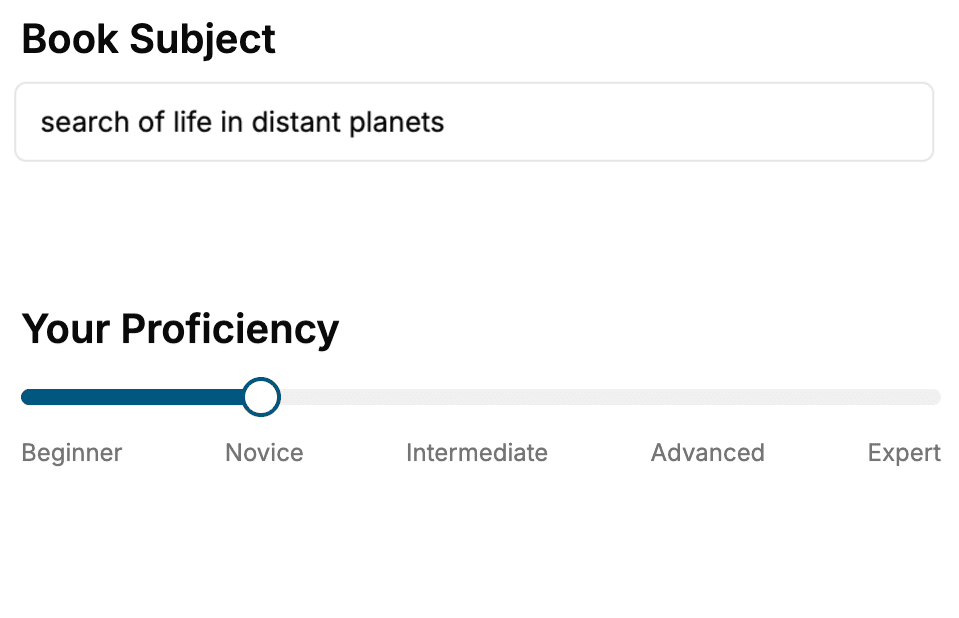
- 1. Select your focus
Select the focus of your New Zealand Travel Guide book and share your background
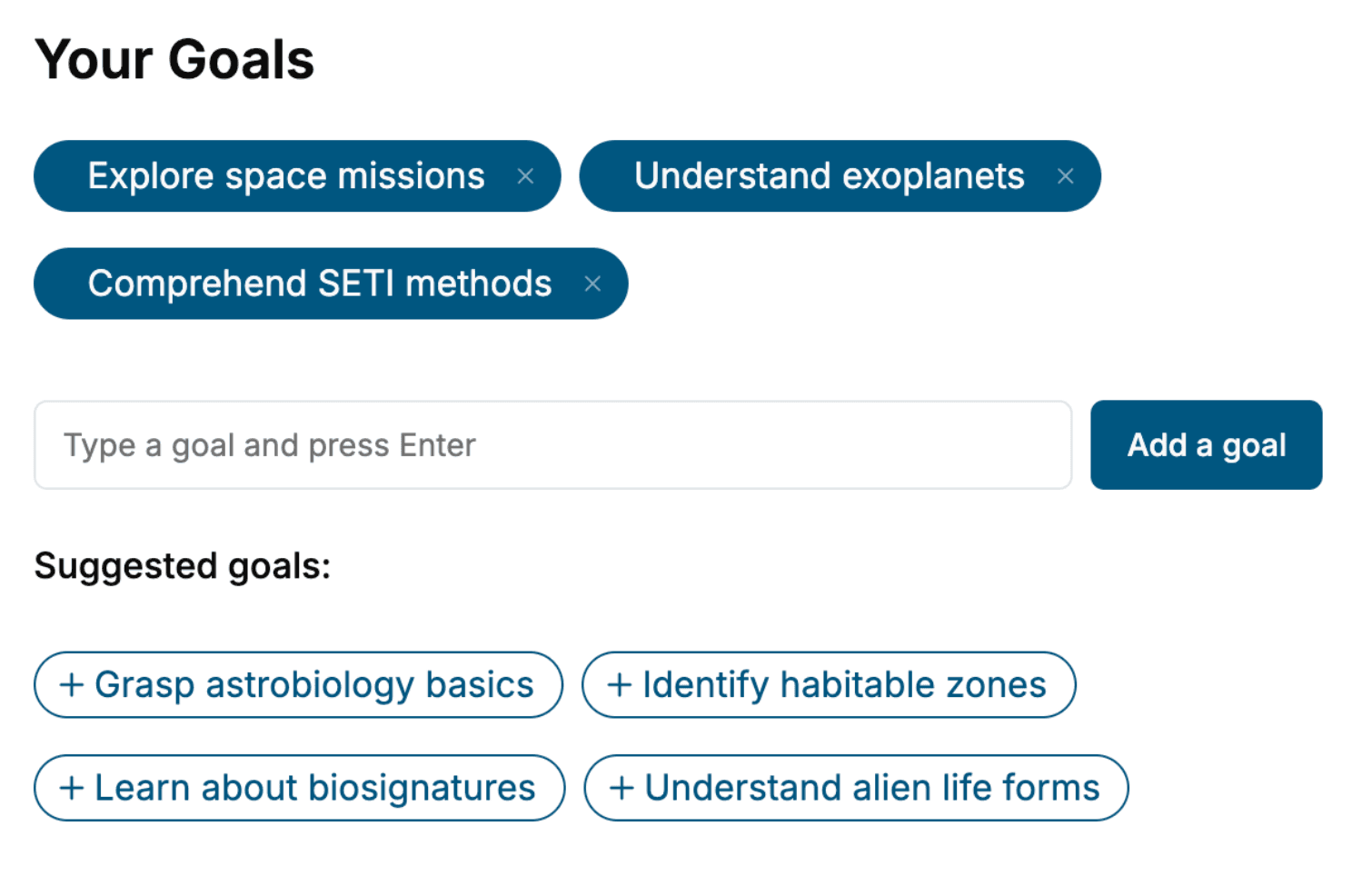
- 2. Personalize your book
Specify your goals and choose sub-topics to include
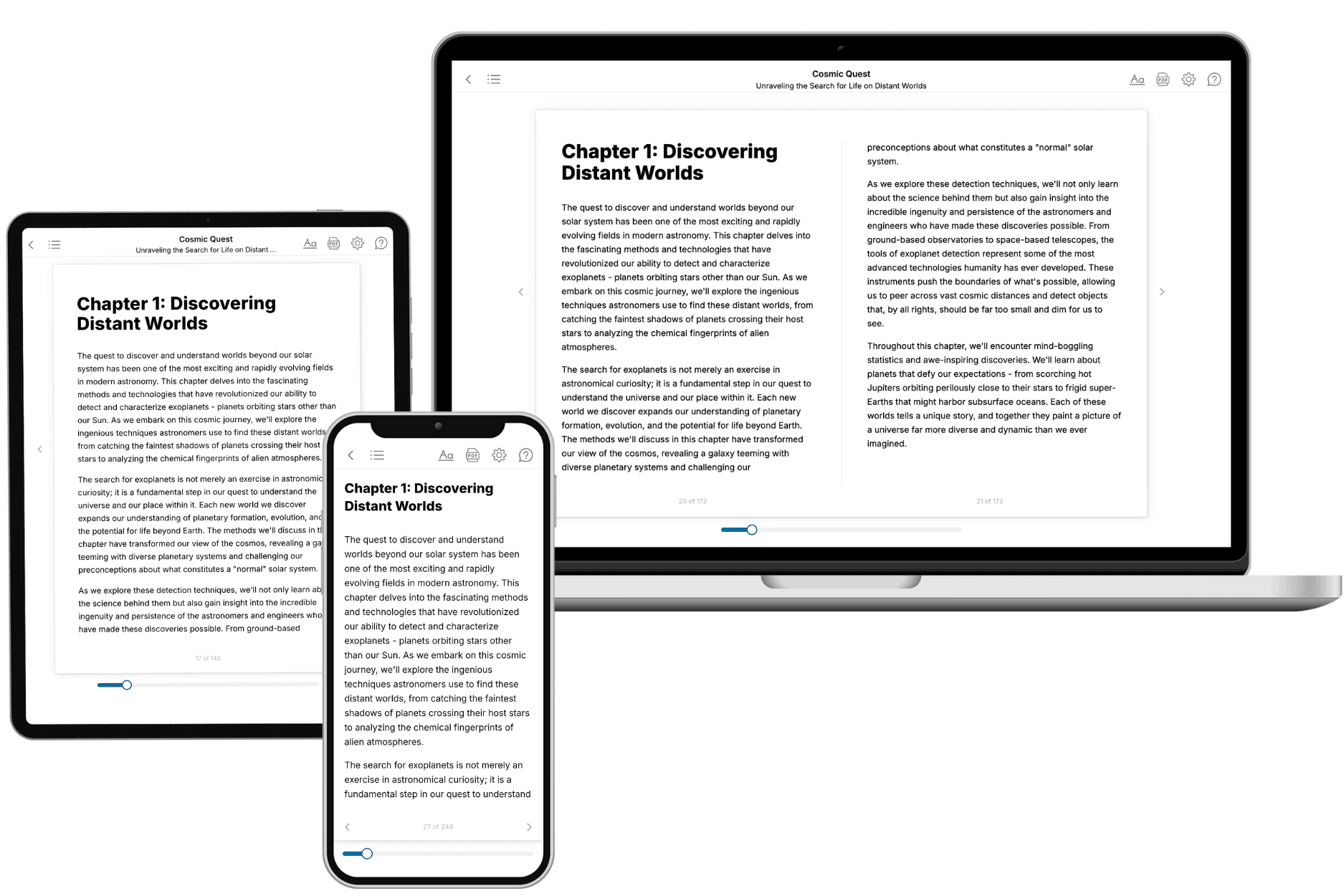
- 3. Get your tailored book
Your book is ready in 10 minutes. Read it online, download as EPUB or PDF, or send to Kindle.
Frequently asked questions
- What is TailoredRead?
TailoredRead creates complete, full-length nonfiction ebooks, written specifically for you. Tell us what you want to learn and why, and TailoredRead writes you a complete ebook on it, with charts, tables, and diagrams throughout. Read it online, on Kindle, or on any e-reader, or download it as a PDF or EPUB. Every book is written fresh the day you order it.
- How is the book tailored to me?
Before anything is written, you answer a few short questions about your goals, your background, and the topics you care about. Your book is then planned around your answers: written at your level, focused on your goals, and covering the topics you chose, instead of the one-size-fits-all book a store sells everyone.
- Will it read like generic AI content?
No. Your book isn't a chat transcript: it's planned chapter by chapter before a single word is written, told in a clear book voice, and explains ideas visually with charts, tables, and diagrams. After writing, every book goes through an editorial pass that polishes chapters so the book reads consistent from start to finish. Judge for yourself: browse thousands of sample books on our Explore Books page.
- How accurate is the content?
Our AI first checks whether your subject needs live research. Niche and fast-moving subjects are researched before writing, and the book plan and chapters are grounded in what it finds. After writing, every book goes through a quality pass that checks its facts and consistency, and researched books list their sources in a Notes section at the back.
- How long is the book?
You choose the length: Comprehensive (250-300 pages), Detailed (150-200 pages), Essential (70-100 pages), or Short (30-50 pages).
- Does the book include visuals?
Yes. Every book includes charts, tables, and diagrams: timelines, checklists, step-by-step guides, decision trees, comparison tables, matrices, and bar charts. A typical book includes dozens of these visual elements.
- Can I read it on Kindle? What formats can I download?
Yes. Every book can be read in our online reader or downloaded as a PDF or EPUB. The EPUB can be opened with Kindle, Apple Books, Kobo, and any e-reader. The Commercial and Author licenses also include an editable Word (DOCX) and Markdown download.
- How much does it cost?
About the price of a regular ebook. The exact price depends on your book's length and complexity, from $2 for the shortest books to $35 for the most comprehensive, and it's shown when you review your book, before you commit to anything. Each book is a one-time purchase, yours to keep, no subscription. Licenses that let you share, teach, or publish your book range from $35.99 to $49.99.
- Can I preview the book before purchasing?
Before you pay, you'll see what your book will cover: the title, a detailed description, the estimated length, and the complete chapter-by-chapter table of contents, so you know what you're getting before you decide. The full text itself is written after you purchase.
- How long does it take to create a book?
About 10 minutes. You can start reading the opening chapters while the rest is still being written.