The Complete Painting Guide
Master Professional Techniques for Flawless Interior and Exterior Results
Achieve professional-quality paint finishes on every surface in your home without hiring expensive contractors.
207 pages9 chaptersMar 13, 2026Home Painting
About this book
This comprehensive guide walks you through every step of the painting process, from selecting the right materials to applying the final coat with confidence. You'll learn proven techniques used by professional painters, discover how to avoid costly mistakes, and master both basic and advanced painting methods. Whether you're refreshing a single room or tackling your entire home's interior and exterior, this book provides the practical knowledge and step-by-step instructions you need. Understand paint chemistry, surface preparation secrets, tool selection, and application techniques that transform ordinary walls into beautifully finished spaces. With clear explanations, practical tips, and troubleshooting guidance, you'll develop the skills to handle any painting project with professional results and lasting durability.
Table of contents
- IntroductionWhy Painting Skills Matter for Your Home, What You'll Learn in This Guide, How to Use This Book for Maximum ResultsRead below
- Chapter 1: Painting FundamentalsUnderstanding Different Paint Types, Paint Finishes and When to Use Them, Quality Grades and What They Mean
- Chapter 2: Surface Preparation EssentialsAssessing Your Surfaces Before Painting, Cleaning and Degreasing Methods, Repairing Holes, Cracks, and Damage, Sanding and Smoothing Techniques
- Chapter 3: Tools and Equipment SelectionChoosing the Right Brushes, Selecting Rollers and Covers, Essential Supplies and Accessories
- Chapter 4: Interior Painting TechniquesPreparing Rooms for Interior Painting, Proper Wall Painting Methods and Patterns, Painting Trim, Baseboards, and Ceilings, Solving Common Interior Painting Problems
- Chapter 5: Exterior Painting TechniquesPreparing Exterior Surfaces, Weather and Environmental Factors, Exterior Application Techniques, Addressing Exterior Painting Challenges
- Chapter 6: Brush and Roller MasteryBrush Techniques and Stroke Patterns, Roller Techniques for Even Coverage, Maintaining and Cleaning Your Tools
- Chapter 7: Paint Chemistry and Application ScienceUnderstanding Paint Composition, How Paint Dries and Cures, Factors Affecting Paint Adhesion
- Chapter 8: Advanced Painting TechniquesCreating Specialty Finishes and Effects, Stenciling and Pattern Application, Faux Painting and Decorative Techniques, Creating Textured Paint Effects
- Chapter 9: Troubleshooting and SolutionsCommon Painting Mistakes and Prevention, Fixing Paint Application Problems, Assessing and Improving Paint Quality
- ConclusionYour Painting Journey Ahead
- Quick Reference Guide
- Glossary of Painting Terms
Introduction
There is a moment every homeowner knows well. You step back from a freshly painted wall, roller still in hand, and something feels off. Maybe the color looks streaky in the afternoon light. Maybe the paint is already peeling at the edges, or the trim looks like it was done by someone in a hurry, because it was. That moment of disappointment is frustrating, especially when you've spent a full weekend and a fair amount of money trying to do things right. The good news is that this experience is almost always the result of skipped steps and missing knowledge, not a lack of talent.
Professional painters don't produce better results because they have some secret gift. They produce better results because they understand the process from start to finish. They know which surfaces need priming and which don't. They know how humidity affects drying time, why cheap brushes leave marks, and how to cut a clean line along a ceiling without tape. These are learnable skills, and this guide exists to teach them to you in plain, practical language. Every technique covered here is used by working professionals on real job sites every day.
Painting is one of the highest-return home improvement projects you can take on yourself. According to Remodeling Magazine's Cost vs. Value report, exterior painting consistently delivers some of the strongest returns of any home improvement investment, often recouping more than 50% of its cost in added home value.[1] Interior painting is even more impactful on day-to-day livability. A well-executed paint job transforms how a space feels, how light moves through a room, and how much pride you take in your home. Doing it yourself, and doing it well, saves you thousands of dollars while giving you complete control over the outcome.
This guide is built for homeowners and DIY enthusiasts who already have some painting experience but want to move beyond the basics. You've probably painted a room or two before. You know how to open a can and roll paint onto a wall. What this book offers is the deeper layer of knowledge that separates a passable paint job from a truly professional one. From understanding paint chemistry to mastering brush technique, from surface preparation to specialty finishes, every chapter is designed to build your confidence and sharpen your results.
Why Painting Skills Matter for Your Home
Paint is the single most visible finish in any home. It covers more surface area than flooring, cabinetry, or any other material in your living space. When paint looks good, everything else looks better. When it looks bad, even expensive furniture and fixtures can't compensate. This is why painting skills have an outsized impact on how your home is perceived, both by guests and by potential buyers if you ever decide to sell.
The financial case for learning to paint well is straightforward. A professional painter typically charges between $2 and $6 per square foot for interior work, and exterior projects can run significantly higher depending on the size and complexity of the home.[2] For a 2,000-square-foot home, that adds up quickly. Homeowners who develop solid painting skills can redirect that money toward better materials, higher-quality paint, or other projects entirely. The savings compound over time, because a well-maintained paint job also protects surfaces from moisture, UV damage, and wear, reducing the frequency and cost of future repairs.
Beyond the financial benefits, there is a real satisfaction in doing this kind of work yourself. Painting is one of the few home improvement skills where the results are immediately visible and deeply personal. You choose the colors, control the quality, and live with the outcome every day. When you know what you're doing, that outcome can be genuinely beautiful. When you don't, it becomes a source of ongoing frustration. This guide is designed to make sure your experience falls firmly in the first category.
Painting skills also protect your home in ways that go beyond aesthetics. Exterior paint acts as a barrier against moisture infiltration, which is one of the leading causes of structural damage in residential buildings. Interior paint, when properly applied over sealed surfaces, resists mold, staining, and everyday wear. A paint job done correctly, with proper surface preparation and the right products, can last 10 to 15 years on interior surfaces and 7 to 10 years on exterior ones.[3] A paint job done poorly might start failing within two or three years.
There is also a practical ripple effect to developing painting skills. Once you understand surface preparation, you start to see your home differently. You notice when caulk is cracking around window frames before water gets in. You catch early signs of peeling that signal a moisture problem underneath. You understand why certain rooms feel damp or why paint never seems to stick in a particular corner. Painting knowledge connects to broader home maintenance awareness in ways that make you a more capable and informed homeowner overall.
Finally, painting is a skill that scales. Once you've mastered the fundamentals on a single bedroom, you can apply those same principles to every room in your house, to your exterior siding, to your garage, to your fence. The knowledge transfers completely. Every project you complete builds on the last, and the quality of your work improves with each one. This guide gives you the foundation to keep growing long after you've finished reading it.
What You'll Learn in This Guide
This guide covers the full arc of a professional paint job, from the moment you assess a surface to the final inspection of your finished work. Each chapter builds on the previous one, so by the time you reach the advanced techniques section, you'll have the foundational knowledge to understand and apply those methods correctly. Here is a clear picture of what each major section covers and why it matters.
Painting Fundamentals opens the book by breaking down the world of paint itself. You'll learn the difference between latex and oil-based paints, when to use each, and what the various finish levels (flat, eggshell, satin, semi-gloss, and gloss) actually mean for your project. You'll also learn how to read paint quality grades so you can make smart purchasing decisions without overspending or cutting corners in the wrong places.
Surface Preparation is the chapter that separates good paint jobs from great ones. Most painting failures, including peeling, bubbling, and poor adhesion, trace back to inadequate surface prep. This section walks you through assessing surfaces for damage, cleaning and degreasing properly, repairing holes and cracks, and sanding to the right level of smoothness. These steps are unglamorous but absolutely critical, and this guide treats them with the seriousness they deserve.
Tools and Equipment covers brush and roller selection in detail, because the tools you use have a direct impact on your results. A cheap brush leaves bristle marks. The wrong roller nap leaves texture where you want smoothness, or fails to fill texture where you need coverage. This section helps you build a toolkit that works for your specific projects without wasting money on things you don't need.
The Interior and Exterior Painting chapters get into the practical mechanics of application. You'll learn room preparation sequences, proper painting order (ceiling first, then walls, then trim), stroke patterns for even coverage, and how to handle the specific challenges of exterior surfaces like wood siding, stucco, and masonry. Weather considerations, including temperature and humidity windows for exterior work, are covered in detail because environmental factors have a bigger impact on paint performance than most people realize.
Brush and Roller Mastery goes deeper into technique, covering the specific angles, pressures, and stroke patterns that produce smooth, even results. This is where many intermediate painters find the biggest gains. Small adjustments in how you hold a brush or load a roller can dramatically change the quality of your finish. The chapter also covers tool cleaning and maintenance, which extends the life of your equipment and keeps it performing at its best.
Paint Chemistry gives you the scientific background to understand why paint behaves the way it does. You'll learn how paint dries and cures (they're different processes), what affects adhesion, and how to use that knowledge to troubleshoot problems and make better product choices. This isn't a chemistry lecture; it's practical knowledge that helps you make smarter decisions on every project.
The Advanced Techniques chapter opens up the creative side of painting. Specialty finishes, stenciling, faux painting, and textured effects are all covered with step-by-step guidance. These techniques require practice, but they're more accessible than most people think, and they can transform ordinary surfaces into genuine design features.
Finally, the Troubleshooting and Solutions chapter addresses what to do when things go wrong. Paint runs, lap marks, uneven coverage, color bleed-through, and adhesion failures all have specific causes and specific fixes. This section helps you diagnose problems accurately and correct them efficiently, so a setback doesn't turn into a complete redo.
Every chapter in this guide is built around a single principle: understanding why something works makes you far more capable than simply following instructions. When you understand the reasoning behind each technique, you can adapt to unexpected situations, troubleshoot problems on the fly, and make confident decisions without needing to look everything up.
How to Use This Book for Maximum Results
This guide is designed to be used in two ways: as a complete course you read from beginning to end, and as a practical reference you return to before and during specific projects. Both approaches are valid, and the book is structured to support both. If you're new to the more technical aspects of painting, reading straight through will give you the most complete picture. If you're preparing for a specific project right now, you can jump to the relevant chapters and use the rest as background reading.
Before you start any project, the most valuable thing you can do is read the relevant chapter in full before picking up a brush. This sounds obvious, but it's a step most people skip. They skim the instructions, start painting, and then encounter a problem that the chapter would have helped them avoid. Reading ahead takes 20 to 30 minutes and can save you hours of rework. Make it a habit for every project, no matter how familiar the task feels.
Here is a practical approach to using this guide for a typical interior room project:
- Read Chapter 1 (Fundamentals) to confirm you're selecting the right paint type and finish for the room.
- Read Chapter 2 (Surface Preparation) and assess your walls before buying anything.
- Read Chapter 3 (Tools and Equipment) and check your existing tools against the recommendations.
- Read Chapter 4 (Interior Painting) in full before you move any furniture.
- Read Chapter 6 (Brush and Roller Mastery) to refresh your technique before you start applying paint.
- Keep Chapter 9 (Troubleshooting) bookmarked for quick reference during the project.
For exterior projects, the same logic applies, but add Chapter 5 (Exterior Painting) and Chapter 7 (Paint Chemistry) to your pre-project reading list. Exterior work involves more variables, including weather, surface porosity, and longer drying windows, so the additional background knowledge pays off significantly.
Pay close attention to the examples and case studies throughout the book. These aren't decorative additions. They illustrate exactly how the principles play out in real situations, including what goes wrong when steps are skipped and what right looks like when everything comes together. The more vividly you can picture the correct technique before you attempt it, the better your results will be.
The Quick Reference Guide at the back of the book is designed for use during active projects. It summarizes key measurements, drying times, coverage rates, and technique reminders in a format you can check quickly without flipping through chapters. Print it out or keep it open on your phone while you work. The Glossary is there for any term that feels unfamiliar as you read. Painting has its own vocabulary, and knowing the terminology helps you communicate clearly when buying products or asking for advice at a paint store.
One of the most important things to understand about developing painting skills is that reading and doing work together. This guide gives you the knowledge, but the skill comes from applying it. Your first project after reading this book will be better than anything you've done before. Your second will be better still. Don't wait until you feel completely ready before starting. Use the guide to prepare thoroughly, then trust the process and learn from what you observe as you work.
A few practical notes before you dive in. Throughout this guide, specific product types are recommended based on their performance characteristics, not brand loyalty. Paint technology evolves, and the best product for your project depends on your specific surface, climate, and goals. When in doubt, talk to the staff at a dedicated paint store (not a big-box hardware store) because they typically have deeper product knowledge and can help you match the right product to your specific situation. Also, always read the manufacturer's instructions on any paint or primer you purchase. This guide provides general best practices, but manufacturer specifications take precedence for drying times, recoat windows, and application temperatures.
Safety is worth mentioning briefly here. Painting involves chemical products, and proper ventilation is essential for any interior work. Open windows, use fans to move air through the space, and take breaks in fresh air during long painting sessions. Wear gloves when handling paint strippers or strong cleaning agents, and use a respirator (not just a dust mask) when sanding surfaces that may contain old paint. Lead paint is a real concern in homes built before 1978, and if you suspect your home has lead-based paint, test before sanding or scraping. Test kits are inexpensive and widely available, and the precautions for working with lead paint are straightforward once you know what you're dealing with.[4]
This guide is comprehensive, but it's also meant to be encouraging. Painting is genuinely one of the most accessible home improvement skills there is. The tools are affordable, the learning curve is manageable, and the results are immediately visible. Every professional painter started exactly where you are now, with a brush in hand and a wall in front of them. The difference between a beginner and a professional is knowledge, practice, and attention to detail. This book gives you the knowledge. The practice and attention are yours to bring. Let's get started.
Notes
Introduction
- 1. Remodeling Magazine, Cost vs. Value Report 2023, remodeling.hw.net
- 2. HomeAdvisor, How Much Does It Cost to Paint a House? homeadvisor.com, 2023
- 3. Paint Quality Institute, How Long Should Paint Last? paintquality.com
- 4. U.S. Environmental Protection Agency, Lead in Paint, Dust, and Soil, epa.gov/lead
This is the end of the free sample. The full book has 9 chapters.
Want this book written for you?
Tell us your goals and background, and get your own version of this book, tailored by AI to you.


Benefits of AI-tailored books
- Read one book, not ten:
- all the Home Painting knowledge you need, gathered into a single book.
- Save days of learning:
- tell us your goals, choose your topics, and the whole book is built around them.
- Learn effortlessly:
- Home Painting book written for your specific background and expertise.
- Understand at a glance:
- includes charts, tables, timelines, checklists, decision trees, and more.
- Stay current:
- written the day you order it, not years ago.
- Trust what you read:
- every book is checked for accuracy, with real research when your subject needs it.
Create your unique book in 3 steps
- 1. Select your focus
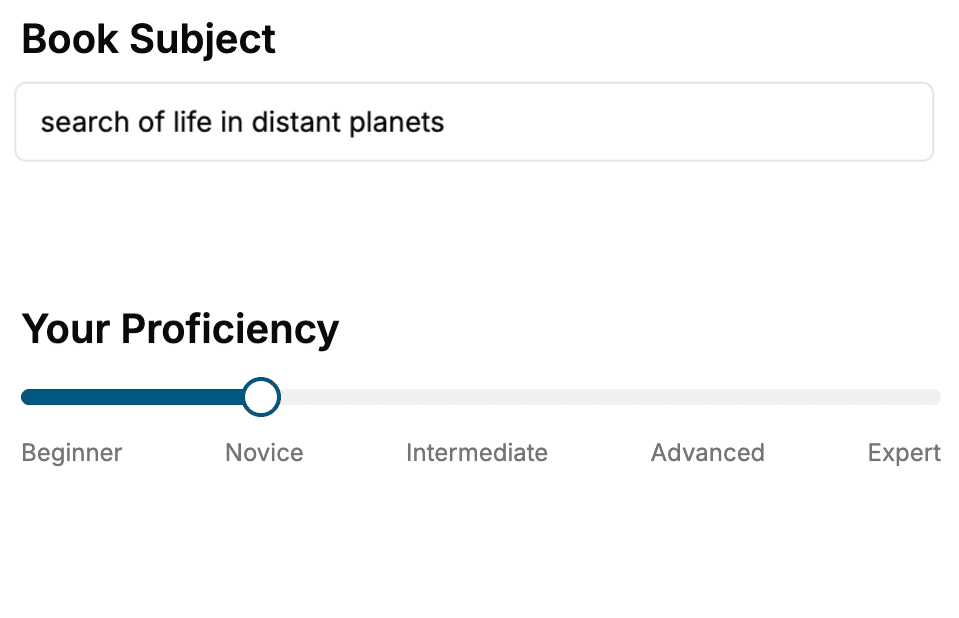
Select the focus of your Home Painting book and share your background
- 2. Personalize your book
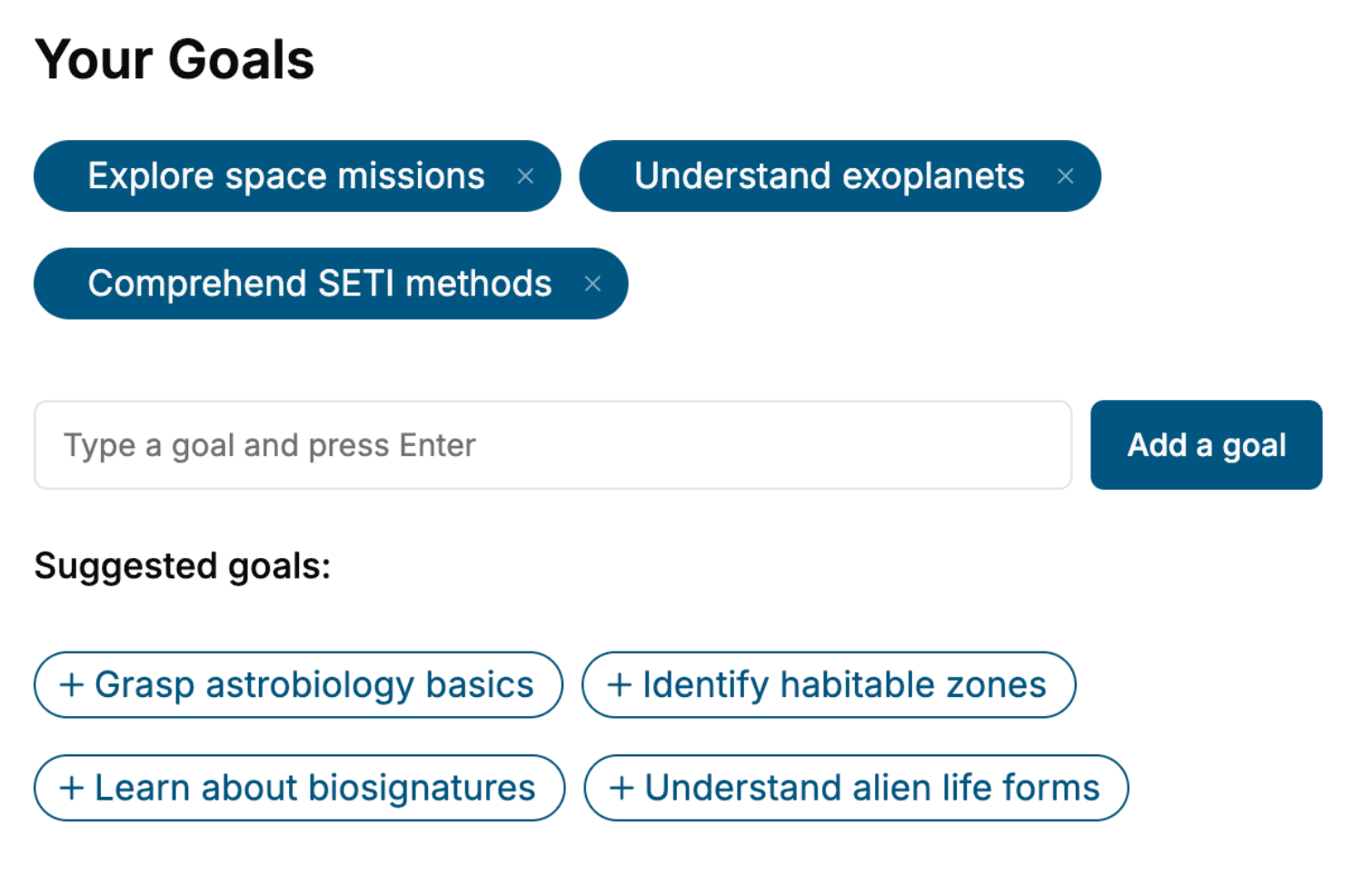
Specify your goals and choose sub-topics to include
- 3. Get your tailored book
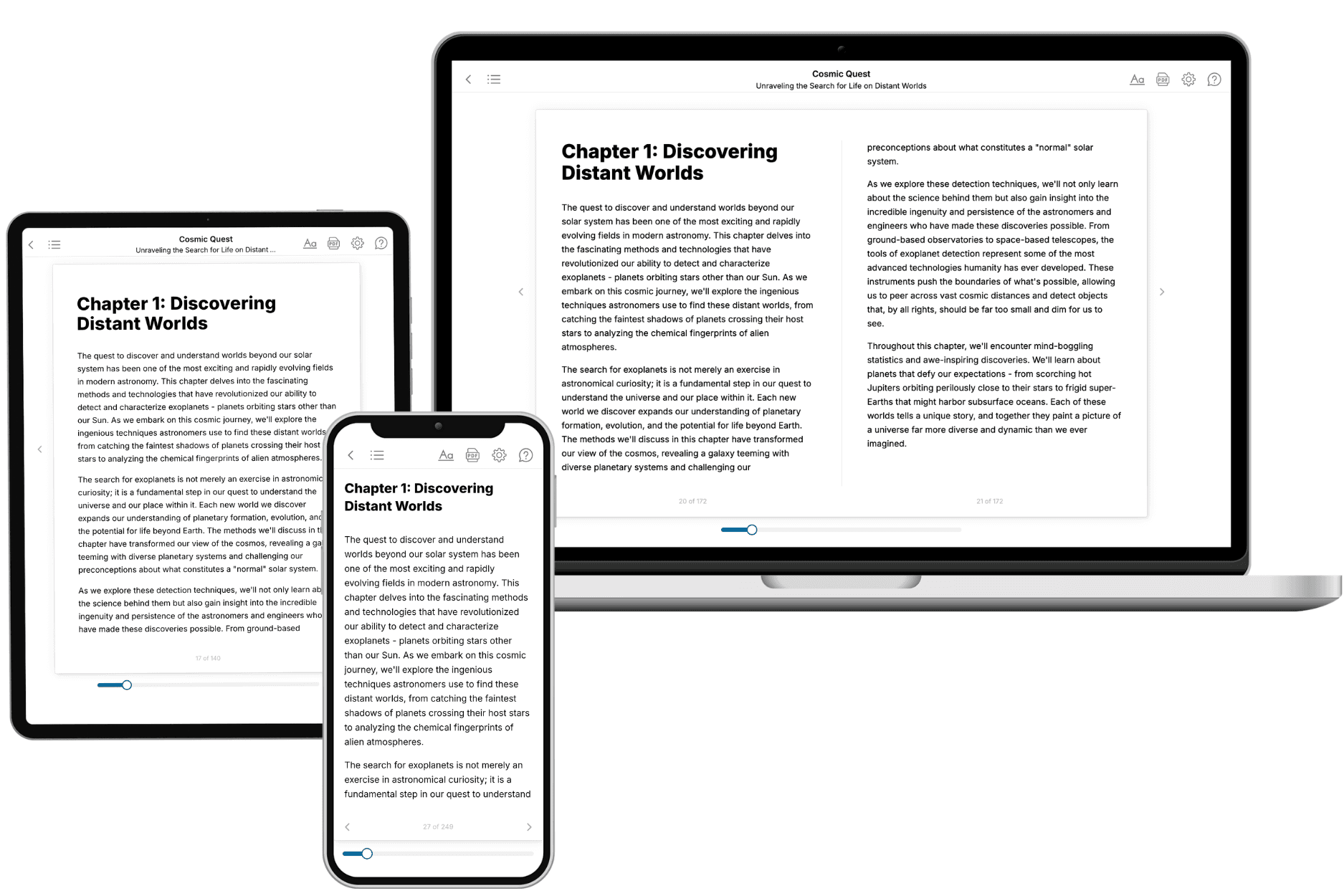
Your book is ready in 10 minutes. Read it online, download as EPUB or PDF, or send to Kindle.
Frequently asked questions
- What is TailoredRead?
TailoredRead creates complete, full-length nonfiction ebooks, written specifically for you. Tell us what you want to learn and why, and TailoredRead writes you a complete ebook on it, with charts, tables, and diagrams throughout. Read it online, on Kindle, or on any e-reader, or download it as a PDF or EPUB. Every book is written fresh the day you order it.
- How is the book tailored to me?
Before anything is written, you answer a few short questions about your goals, your background, and the topics you care about. Your book is then planned around your answers: written at your level, focused on your goals, and covering the topics you chose, instead of the one-size-fits-all book a store sells everyone.
- Will it read like generic AI content?
No. Your book isn't a chat transcript: it's planned chapter by chapter before a single word is written, told in a clear book voice, and explains ideas visually with charts, tables, and diagrams. After writing, every book goes through an editorial pass that polishes chapters so the book reads consistent from start to finish. Judge for yourself: browse thousands of sample books on our Explore Books page.
- How accurate is the content?
Our AI first checks whether your subject needs live research. Niche and fast-moving subjects are researched before writing, and the book plan and chapters are grounded in what it finds. After writing, every book goes through a quality pass that checks its facts and consistency, and researched books list their sources in a Notes section at the back.
- How long is the book?
You choose the length: Comprehensive (250-300 pages), Detailed (150-200 pages), Essential (70-100 pages), or Short (30-50 pages).
- Does the book include visuals?
Yes. Every book includes visual elements such as timelines, checklists, step-by-step guides, decision trees, comparison tables, and matrices, and many include bar charts. A typical book includes dozens of these visual elements.
- Can I read it on Kindle? What formats can I download?
Yes. Every book can be read in our online reader or downloaded as a PDF or EPUB. The EPUB can be opened with Kindle, Apple Books, Kobo, and any e-reader. The Commercial and Author licenses also include an editable Word (DOCX) and Markdown download.
- How much does it cost?
About the price of a regular ebook. The exact price depends on your book's length and complexity, from $2 for the shortest books to $35 for the most comprehensive, and it's shown when you review your book, before you commit to anything. Each book is a one-time purchase, yours to keep, no subscription. Licenses that let you share, teach, or publish your book range from $35.99 to $49.99.
- Can I preview the book before purchasing?
Before you pay, you'll see what your book will cover: the title, a detailed description, the estimated length, and the complete chapter-by-chapter table of contents, so you know what you're getting before you decide. The full text itself is written after you purchase.
- How long does it take to create a book?
About 10 minutes. You can start reading the opening chapters while the rest is still being written.