The Complete Pierogi Mastery
Authentic Polish Recipes, Techniques, and Stories from Eastern Europe's Most Beloved Dumpling
Most home cooks believe pierogi are difficult to make and require special equipment or years of practice.
207 pages9 chaptersEnglishNov 14, 2025Eastern European Cooking
About this book
In reality, mastering authentic Polish pierogi is entirely achievable with the right guidance and understanding of fundamental techniques. This comprehensive guide walks you through every aspect of pierogi-making, from mixing the perfect dough to executing flawless folds and exploring traditional fillings that have been passed down through generations. You'll discover why the dough-to-filling ratio matters, how to prevent common mistakes like soggy or tough pierogi, and which cooking methods work best for different occasions. Beyond recipes, you'll explore the cultural significance of pierogi in Polish celebrations and everyday life, learning how regional variations reflect the diverse landscapes and traditions of Eastern Europe. Whether you're preparing pierogi for family gatherings or simply want to expand your cooking skills, this book provides the knowledge and confidence to create restaurant-quality dumplings in your own kitchen.
Table of contents
- IntroductionWhy Pierogi Matter: A Culinary and Cultural Journey, How to Use This Book, Essential Tools and Ingredients You'll NeedRead below
- Chapter 1: The Foundation: Understanding Pierogi DoughThe Science Behind Perfect Dough, Selecting and Measuring Your Ingredients, Mixing, Kneading, and Resting Techniques, Troubleshooting Common Dough Problems
- Chapter 2: Classic Fillings: Potato, Cheese, and BeyondThe Iconic Potato and Cheese Filling, Variations on the Classic: Caramelized Onions and Herbs, Savory Meat Fillings: Pork, Beef, and Mushroom, Preparing and Seasoning Fillings for Maximum Flavor
- Chapter 3: Seasonal and Regional FillingsSpring and Summer Vegetable Fillings, Sweet Fruit Fillings: Plums, Apples, and Berries, Regional Specialties Across Poland and Eastern Europe
- Chapter 4: The Art of Folding and ShapingRolling Dough to the Perfect Thickness, Cutting Uniform Circles and Portioning Filling, Mastering the Fold: Techniques for Perfect Seals, Traditional Shapes and Modern Variations
- Chapter 5: Cooking Methods: Boiling, Frying, and BakingThe Traditional Boiling Method, Pan-Frying for Crispy Edges and Golden Texture, Baking and Roasting: Modern Alternatives, Timing, Temperature, and Doneness Indicators
- Chapter 6: Toppings and AccompanimentsCaramelized Onions: The Essential Topping, Sour Cream, Fresh Herbs, and Garnishes, Traditional Pairings and Serving Suggestions
- Chapter 7: Storage, Freezing, and Make-Ahead StrategiesStoring Fresh Pierogi Before Cooking, Freezing Pierogi: Methods and Best Practices, Batch Cooking and Meal Prep Strategies, Reheating Frozen Pierogi Without Compromising Quality
- Chapter 8: Pierogi in Polish Culture and CelebrationsThe History and Evolution of Pierogi, Pierogi in Polish Holidays and Family Traditions, Stories and Traditions from Different Polish Regions
- Chapter 9: Recipes: From Beginner to AdvancedBeginner-Friendly Recipes to Start Your Journey, Intermediate Recipes: Building Your Skills, Advanced Recipes and Creative Combinations, Special Occasion and Celebration Pierogi
- ConclusionYour Pierogi Mastery Journey Ahead
- Glossary of Terms
- Further Reading and Resources
Introduction
Pierogi represent far more than simple dumplings filled with potatoes or cheese. These crescent-shaped parcels of dough carry centuries of Polish tradition, family memories, and culinary wisdom passed down through generations. When you learn to make authentic pierogi, you're not just acquiring a new cooking skill—you're connecting with a cultural heritage that spans Eastern Europe and has touched millions of lives across continents. The process of mixing dough, preparing fillings, and folding each pierogi by hand creates a meditative rhythm that has brought families together around kitchen tables for hundreds of years.
Many home cooks hesitate to attempt pierogi, believing they require specialized equipment, years of practice, or secret family knowledge unavailable to outsiders. This misconception has prevented countless people from experiencing the satisfaction of creating these dumplings from scratch. The truth is that pierogi-making relies on fundamental cooking principles that any intermediate home cook can master with proper guidance and practice. The techniques involve straightforward steps: creating a tender dough, preparing flavorful fillings, executing proper folds, and choosing appropriate cooking methods. Once you understand these core elements, you'll discover that pierogi are remarkably forgiving and adaptable to your schedule, preferences, and available ingredients.
This book provides comprehensive instruction on every aspect of pierogi preparation, from the science behind perfect dough hydration to the cultural significance of specific fillings in Polish celebrations. You'll learn not only how to make pierogi but why certain techniques produce superior results. Each chapter builds upon previous knowledge, creating a complete framework for understanding these beloved dumplings. Whether you're preparing a simple weeknight dinner or planning an elaborate holiday feast, the skills and recipes in these pages will give you the confidence to create restaurant-quality pierogi in your own kitchen. The journey from novice to accomplished pierogi maker is shorter than you might imagine, and the rewards—both culinary and cultural—are substantial.
Why Pierogi Matter: A Culinary and Cultural Journey
Pierogi occupy a unique position in Polish cuisine as both everyday comfort food and celebratory centerpiece. Unlike dishes reserved exclusively for special occasions, pierogi appear at family dinners, holiday gatherings, church festivals, and restaurant menus throughout Poland and Polish communities worldwide. This versatility stems from their adaptable nature—the same basic dough can encase savory potato fillings for dinner, sweet fruit fillings for dessert, or luxurious meat and mushroom combinations for festive meals. The dough-to-filling ratio creates a satisfying balance that feels substantial without being heavy, making pierogi appropriate for any season or occasion. Their popularity has endured for centuries precisely because they adapt to available ingredients, regional preferences, and changing tastes while maintaining their essential character.
The cultural significance of pierogi extends beyond their culinary appeal into the realm of identity and heritage. For Polish families, the act of making pierogi together represents a tangible connection to ancestors and homeland. Grandmothers teach granddaughters the proper folding technique, mothers pass down secret seasoning combinations, and families develop their own variations that become part of their unique story. These traditions have survived immigration, war, and cultural upheaval because pierogi-making creates physical memories—the feel of dough between your fingers, the aroma of caramelized onions, the satisfaction of a perfectly sealed edge. When Polish immigrants established communities in North America, Australia, and Western Europe, pierogi became a way to maintain cultural identity and share their heritage with new neighbors.
From a culinary perspective, pierogi demonstrate sophisticated cooking principles disguised as simple peasant food. The dough requires understanding gluten development, hydration ratios, and resting periods to achieve the ideal tender texture that holds together during boiling without becoming tough or gummy. Filling preparation involves balancing moisture content, seasoning intensity, and texture to create combinations that complement rather than overwhelm the delicate dough. The cooking process demands attention to timing, temperature, and technique to produce pierogi that are cooked through but not waterlogged, with optional pan-frying adding textural contrast. These elements combine to create a dish that rewards careful attention while remaining accessible to home cooks willing to learn fundamental techniques.
The regional diversity of pierogi across Poland and Eastern Europe reveals how geography, climate, and local ingredients shape culinary traditions. Coastal regions incorporate fish and seafood into their fillings, while mountainous areas favor hearty meat and potato combinations that provide sustenance for physical labor. Agricultural regions showcase seasonal vegetables and fruits, creating pierogi that change with the harvest calendar. These variations aren't merely different recipes—they represent distinct cultural identities within the broader Polish tradition. Understanding these regional differences enriches your appreciation of pierogi and provides inspiration for creating your own variations based on local ingredients and personal preferences.
Pierogi also serve as an excellent vehicle for developing broader cooking skills that transfer to other cuisines and dishes. The dough-making process teaches principles applicable to pasta, dumplings, and pastries from around the world. Filling preparation develops your ability to balance flavors, adjust seasoning, and work with different ingredient textures. The folding and sealing techniques build manual dexterity and attention to detail that improve all aspects of cooking. Even the cooking methods—boiling, pan-frying, and baking—represent fundamental techniques used across countless dishes. By mastering pierogi, you're simultaneously building a foundation for culinary exploration that extends far beyond this single dish.
The modern revival of interest in traditional foods and handmade cooking has brought pierogi renewed attention from food enthusiasts, chefs, and home cooks seeking authentic culinary experiences. Restaurants now feature creative pierogi variations that honor traditional techniques while incorporating contemporary ingredients and presentations. Food festivals celebrate pierogi with competitions, demonstrations, and tastings that attract thousands of participants. This renewed interest creates an ideal moment to learn authentic pierogi-making, as resources, ingredients, and community support are more accessible than ever before. You're joining a global community of pierogi enthusiasts who appreciate both the traditional roots and innovative possibilities of these remarkable dumplings.
Perhaps most importantly, pierogi-making offers a respite from the rushed, convenience-focused approach that dominates modern cooking. The process requires time, attention, and physical engagement that cannot be rushed or automated. This deliberate pace creates space for reflection, conversation, and connection—whether you're working alone or with family and friends. The repetitive motions of rolling, filling, and folding produce a meditative state that many cooks find deeply satisfying. In an era of meal kits and delivery apps, choosing to make pierogi from scratch represents a commitment to craft, tradition, and the intrinsic value of handmade food. This book will guide you through that journey, providing the knowledge and confidence to create pierogi that honor their heritage while reflecting your own culinary voice.
How to Use This Book
This book follows a logical progression that mirrors the actual process of making pierogi, beginning with foundational knowledge and advancing through increasingly complex techniques and recipes. Each chapter builds upon previous information, creating a comprehensive framework for understanding every aspect of pierogi preparation. If you're new to pierogi-making, working through the chapters sequentially will provide the most effective learning experience. The early chapters establish essential techniques and principles that later chapters assume you understand. However, experienced cooks may choose to skip directly to specific topics of interest, using the detailed table of contents and cross-references to navigate efficiently. The book's structure accommodates both approaches, serving as both a complete course and a reference guide.
The first three chapters focus on the two fundamental components of pierogi: dough and fillings. Chapter 1 explores dough science, ingredient selection, and mixing techniques that produce the ideal tender texture. You'll learn why certain flour types work better than others, how hydration affects dough behavior, and what proper gluten development looks and feels like. Chapters 2 and 3 cover traditional and seasonal fillings, from the iconic potato and cheese combination to creative vegetable, meat, and fruit variations. These chapters provide specific recipes while also teaching principles for developing your own filling combinations. Mastering these foundational elements ensures success with all subsequent techniques and recipes, regardless of complexity or creativity.
Chapters 4 and 5 address the physical techniques of shaping and cooking pierogi. Chapter 4 details rolling, cutting, filling, and folding methods that create properly sealed pierogi with consistent size and appearance. You'll learn multiple folding techniques, from the classic half-moon shape to decorative variations used for special occasions. Chapter 5 explores different cooking methods—boiling, pan-frying, and baking—explaining when each approach works best and how to execute it properly. These chapters include troubleshooting sections that address common problems like dough tearing, filling leakage, and uneven cooking. The detailed instructions and visual descriptions ensure you can replicate techniques successfully even without prior experience.
The middle chapters provide practical information on accompaniments, storage, and cultural context. Chapter 6 covers traditional toppings and serving suggestions that complement pierogi without overwhelming their delicate flavors. Chapter 7 addresses storage, freezing, and make-ahead strategies that allow you to prepare pierogi in advance for busy weeknights or large gatherings. Chapter 8 explores the cultural and historical significance of pierogi in Polish traditions, providing context that enriches your understanding and appreciation. These chapters transform pierogi-making from a simple cooking task into a comprehensive culinary practice that connects technique, flavor, and culture. The information here helps you plan menus, organize cooking sessions, and share pierogi with others in ways that honor their heritage.
Chapter 9 presents a collection of complete recipes organized by difficulty level, from beginner-friendly versions that build confidence to advanced combinations that challenge experienced cooks. Each recipe includes detailed instructions, timing estimates, and serving suggestions. The recipes demonstrate how the techniques and principles from earlier chapters combine to create specific dishes. You'll find traditional recipes that have remained unchanged for generations alongside contemporary variations that incorporate modern ingredients and presentations. This chapter serves as both a practical cookbook and a source of inspiration for developing your own pierogi creations. The progression from simple to complex recipes provides a clear path for skill development over time.
Throughout the book, you'll encounter several types of supplementary information designed to enhance your learning and success:
- Practical tips highlight specific techniques, shortcuts, or insights that improve results
- Troubleshooting guidance addresses common problems and their solutions
- Variations suggest modifications to recipes and techniques for different preferences or ingredients
- Cultural notes provide context about traditions, regional differences, and historical significance
- Make-ahead instructions explain how to prepare components or complete dishes in advance
- Scaling information helps you adjust recipes for different serving sizes or batch cooking
The book concludes with reference materials including a glossary of Polish and cooking terms, a guide to further reading and resources, and a comprehensive index. The glossary ensures you understand specialized vocabulary without interrupting the flow of instruction. The resources section points you toward additional learning opportunities, ingredient sources, and community connections. The index allows quick reference when you need to locate specific information, techniques, or recipes. Together, these elements transform the book from a one-time read into a lasting reference that supports your pierogi-making journey for years to come. Keep the book in your kitchen where you can consult it easily during cooking sessions, and don't hesitate to mark pages, add notes, or adapt recipes to suit your preferences and discoveries.
Essential Tools and Ingredients You'll Need
Making authentic pierogi requires surprisingly few specialized tools, and you likely already own most of what you need. The essential equipment list includes items found in most intermediate home kitchens: a large mixing bowl for dough preparation, a rolling pin for flattening dough to the proper thickness, a round cutter or drinking glass for cutting uniform circles, and a large pot for boiling. A clean work surface—preferably wood or marble—provides an ideal area for rolling and shaping. You'll also need a slotted spoon or spider strainer for removing pierogi from boiling water, a large skillet for optional pan-frying, and sheet pans for holding assembled pierogi before cooking. These basic tools handle all aspects of pierogi preparation from start to finish, proving that technique matters far more than equipment.
While specialized tools aren't necessary, a few optional items can streamline the process and improve consistency, particularly when making large batches. A pasta machine or dough sheeter rolls dough to uniform thickness more quickly than a rolling pin, though it requires practice to achieve the right texture. Pierogi molds or presses create perfectly shaped and sealed dumplings in seconds, making them valuable for batch cooking or when preparing pierogi with children. A bench scraper helps manage dough during rolling and cutting, while also keeping your work surface clean. A kitchen scale ensures accurate ingredient measurements, particularly important for dough where precise ratios affect texture. These tools represent worthwhile investments if you plan to make pierogi regularly, but they're entirely optional for occasional cooking or learning basic techniques.
The ingredient list for basic pierogi dough contains just four components: all-purpose flour, eggs, water, and salt. This simplicity means quality matters significantly—each ingredient contributes directly to the final texture and flavor. All-purpose flour with a protein content between 10-12% provides the ideal balance of structure and tenderness. Eggs add richness, color, and binding strength, with room-temperature eggs incorporating more easily into dough. Water hydrates the flour and activates gluten development, with the exact amount varying based on flour absorption and humidity. Salt enhances flavor and strengthens gluten structure. Some recipes include sour cream, butter, or oil for additional richness and tenderness, but the four basic ingredients produce excellent results when handled properly.
Filling ingredients vary dramatically based on the specific recipe, but certain staples appear repeatedly across traditional preparations. For savory pierogi, you'll frequently use:
- Potatoes—russet or Yukon gold varieties that mash smoothly without becoming gluey
- Cheese—farmer's cheese, quark, or ricotta for traditional fillings, plus aged cheddar for flavor
- Onions—yellow onions for caramelizing and mixing into fillings
- Mushrooms—dried wild mushrooms for intense flavor, fresh mushrooms for texture
- Sauerkraut—well-drained and chopped for tangy fillings
- Ground meat—pork, beef, or combinations for hearty fillings
Seasoning and flavoring ingredients deserve careful attention, as pierogi fillings require more assertive seasoning than you might expect. The dough itself contains minimal salt, meaning fillings must provide most of the dish's flavor. Black pepper, white pepper, and fresh herbs like dill, parsley, and chives appear frequently in savory fillings. Garlic adds depth to meat and vegetable combinations, while nutmeg complements cheese-based fillings. For sweet pierogi, cinnamon, vanilla, and lemon zest enhance fruit flavors without overwhelming them. Salt remains crucial even in sweet fillings, as it balances sweetness and intensifies fruit flavors. Taste fillings before assembling pierogi and adjust seasoning generously—the dough will dilute flavors significantly, so fillings should taste slightly over-seasoned on their own.
Topping and accompaniment ingredients complete the pierogi experience, transforming simple dumplings into a complete dish. Butter serves as the foundation for most toppings, providing richness and helping other ingredients adhere to pierogi surfaces. Onions—sliced and slowly caramelized until golden and sweet—represent the most traditional and beloved topping. Sour cream offers cooling contrast and tangy flavor, while fresh herbs add brightness and visual appeal. Bacon or pork cracklings contribute savory crunch and smoky depth. For sweet pierogi, additional butter, cinnamon sugar, and fresh fruit compotes provide appropriate accompaniments. These toppings aren't mere garnishes—they're integral components that balance flavors and textures, making them essential to the complete pierogi experience.
Ingredient quality significantly impacts final results, particularly for components that play starring roles. Flour freshness affects hydration and gluten development, so purchase flour from stores with high turnover and store it properly in airtight containers. Eggs from local farms or high-quality sources produce richer color and better texture than standard supermarket eggs. Potatoes should be starchy varieties that mash smoothly without releasing excess moisture or becoming gluey. Cheese quality matters enormously—seek out authentic farmer's cheese from Eastern European markets when possible, as it provides the traditional texture and tang that ricotta or cottage cheese cannot replicate. These quality considerations don't require expensive specialty ingredients, but they do reward attention and thoughtful sourcing. As you develop your pierogi-making skills, you'll discover which ingredients most significantly affect your results and where quality investments provide the greatest returns.
Organizing your workspace and ingredients before beginning preparation—a practice called mise en place—dramatically improves the pierogi-making experience. Measure and prepare all dough ingredients before mixing, ensuring everything is at the proper temperature. Prepare fillings completely and allow them to cool before assembly, as warm fillings make dough difficult to handle and seal. Clear a large work surface for rolling and shaping, lightly flouring it to prevent sticking. Set up an assembly line with rolled dough, prepared filling, and sheet pans for holding finished pierogi. This organization prevents rushed decisions, reduces mistakes, and creates a calm, efficient workflow. Pierogi-making involves multiple steps that flow more smoothly when you're not simultaneously searching for ingredients or clearing workspace. The time invested in preparation pays dividends in reduced stress and improved results, making the entire process more enjoyable and successful.
This is the end of the free sample. The full book has 9 chapters.
Want this book written for you?
Tell us your goals and background, and get your own version of this book, tailored by AI to you.


Benefits of AI-tailored books
- Read one book, not ten:
- all the Eastern European Cooking knowledge you need, gathered into a single book.
- Save days of learning:
- tell us your goals, choose your topics, and the whole book is built around them.
- Learn effortlessly:
- Eastern European Cooking book written for your specific background and expertise.
- Understand at a glance:
- includes charts, tables, timelines, checklists, decision trees, and more.
- Stay current:
- written the day you order it, not years ago.
- Trust what you read:
- every book is checked for accuracy, with real research when your subject needs it.
Create your unique book in 3 steps
- 1. Select your focus
Select the focus of your Eastern European Cooking book and share your background
- 2. Personalize your book
Specify your goals and choose sub-topics to include
- 3. Get your tailored book
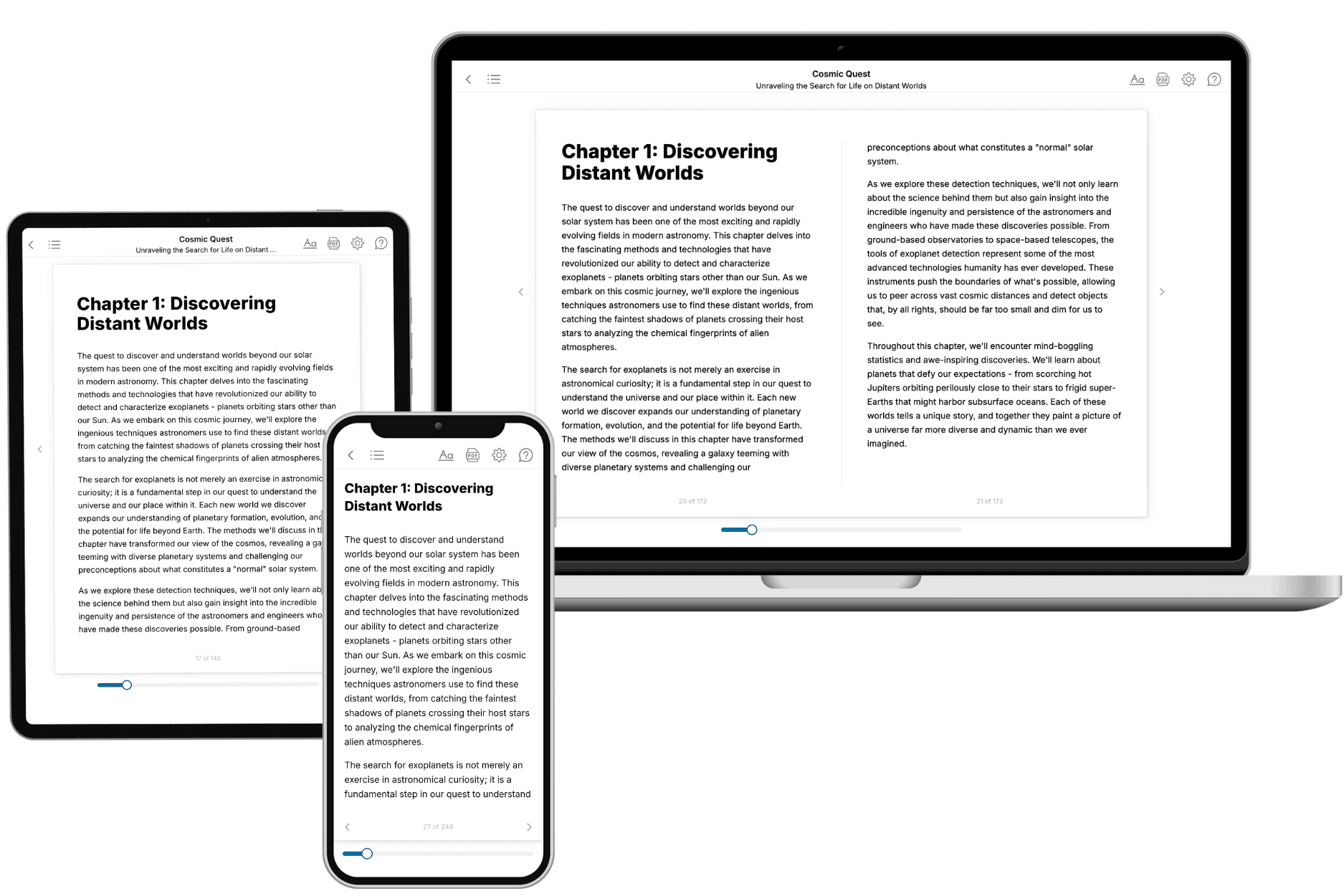
Your book is ready in 10 minutes. Read it online, download as EPUB or PDF, or send to Kindle.

Frequently asked questions
- What is TailoredRead?
TailoredRead creates complete, full-length nonfiction ebooks, written specifically for you. Tell us what you want to learn and why, and TailoredRead writes you a complete ebook on it, with charts, tables, and diagrams throughout. Read it online, on Kindle, or on any e-reader, or download it as a PDF or EPUB. Every book is written fresh the day you order it.
- How is the book tailored to me?
Before anything is written, you answer a few short questions about your goals, your background, and the topics you care about. Your book is then planned around your answers: written at your level, focused on your goals, and covering the topics you chose, instead of the one-size-fits-all book a store sells everyone.
- Will it read like generic AI content?
No. Your book isn't a chat transcript: it's planned chapter by chapter before a single word is written, told in a clear book voice, and explains ideas visually with charts, tables, and diagrams. After writing, every book goes through an editorial pass that polishes chapters so the book reads consistent from start to finish. Judge for yourself: browse thousands of sample books on our Explore Books page.
- How accurate is the content?
Our AI first checks whether your subject needs live research. Niche and fast-moving subjects are researched before writing, and the book plan and chapters are grounded in what it finds. After writing, every book goes through a quality pass that checks its facts and consistency, and researched books list their sources in a Notes section at the back.
- How long is the book?
You choose the length: Comprehensive (250-300 pages), Detailed (150-200 pages), Essential (70-100 pages), or Short (30-50 pages).
- Does the book include visuals?
Yes. Every book includes charts, tables, and diagrams: timelines, checklists, step-by-step guides, decision trees, comparison tables, matrices, and bar charts. A typical book includes dozens of these visual elements.
- Can I read it on Kindle? What formats can I download?
Yes. Every book can be read in our online reader or downloaded as a PDF or EPUB. The EPUB can be opened with Kindle, Apple Books, Kobo, and any e-reader. The Commercial and Author licenses also include an editable Word (DOCX) and Markdown download.
- How much does it cost?
About the price of a regular ebook. The exact price depends on your book's length and complexity, from $2 for the shortest books to $35 for the most comprehensive, and it's shown when you review your book, before you commit to anything. Each book is a one-time purchase, yours to keep, no subscription. Licenses that let you share, teach, or publish your book range from $35.99 to $49.99.
- Can I preview the book before purchasing?
Before you pay, you'll see what your book will cover: the title, a detailed description, the estimated length, and the complete chapter-by-chapter table of contents, so you know what you're getting before you decide. The full text itself is written after you purchase.
- How long does it take to create a book?
About 10 minutes. You can start reading the opening chapters while the rest is still being written.