The Complete Sewing Mastery Guide
From Threading Your First Machine to Creating Couture-Quality Garments
Staring at your sewing machine wondering where to even begin can feel overwhelming when you want to create beautiful clothing for yourself and your family.
300 pages18 chaptersSep 25, 2025Sewing
About this book
This comprehensive guide takes you step-by-step from complete beginner to accomplished seamstress, eliminating the guesswork and frustration that stops most people from developing their sewing skills. You'll start with the absolute basics—threading your machine, understanding tension, and mastering essential hand stitches—before progressing through increasingly sophisticated techniques. Learn to read and create patterns, work with different fabric types from cotton to silk to stretchy knits, and use specialized tools like sergers and various presser feet. The book covers everything from simple repairs and hemming to designing your own dresses, nightgowns, and pajamas. Advanced chapters introduce you to professional tailoring methods, couture techniques, and draping skills that will have you creating custom-fitted garments that look and feel expensive. Each technique is explained clearly with practical applications, so you can immediately put your new skills to use on real projects. Whether you want to save money on clothing, express your creativity, or simply enjoy the satisfaction of making beautiful things with your hands, this guide provides all the knowledge and confidence you need to become the skilled seamstress you've always wanted to be.
Table of contents
- IntroductionYour Sewing Journey Begins, How This Book Works, Building Skills Progressively, What You Need to Get StartedRead below
- Chapter 1: Sewing Machine FundamentalsUnderstanding Your Machine's Parts, Basic Machine Threading, Bobbin Threading and Winding, Making Your First Stitches
- Chapter 2: Essential Hand Stitch TechniquesThe Backstitch Method, Running Stitch and Variations, Hand Hemming Techniques, Finishing and Decorative Hand Stitches
- Chapter 3: Sewing Machine Accessories and ToolsUnderstanding Presser Foot Types, Zipper Foot Usage and Applications, Specialty Feet for Advanced Techniques, Essential Sewing Notions and Their Uses
- Chapter 4: Machine Tension and TroubleshootingUnderstanding Machine Tension, Diagnosing and Fixing Tension Problems, Common Machine Problems and Solutions, Basic Machine Maintenance
- Chapter 5: Understanding Fabrics and Their PropertiesCotton Fabric Properties and Uses, Working with Silk and Delicate Fabrics, Knit Fabric Handling and Techniques, Fabric Care and Preparation
- Chapter 6: Pattern Reading and UnderstandingPattern Reading Basics, Understanding Pattern Symbols and Markings, Seam Allowances and Cutting Guidelines, Efficient Pattern Layout on Fabric
- Chapter 7: Basic Garment Construction TechniquesBasic Seaming Techniques, French Seam Technique for Professional Finish, Dart Construction and Shaping, Machine Hemming Techniques
- Chapter 8: Your First Simple ProjectsPajama Pattern Basics and Construction, Simple Nightgown Construction, Mending Torn Seams and Basic Repairs, Simple Alterations and Adjustments
- Chapter 9: Simple Dress ConstructionA-Line Dress Pattern and Layout, Basic Dress Assembly Techniques, Sleeve Attachment Methods, Finishing Touches for Dresses
- Chapter 10: Introduction to Serger UseSerger Setup Guide and Threading, Basic Serger Operations, Overlock Stitching Techniques, When and How to Use Your Serger
- Chapter 11: Working with Knit FabricsJersey Knit Sewing Fundamentals, Stretch Stitches and Techniques, Seaming Knit Fabrics Properly, Finishing Techniques for Knits
- Chapter 12: Creating Your Own PatternsCreating Simple Patterns from Scratch, Creating Patterns from Existing Clothing, Making Pattern Adjustments for Fit, Pattern Storage and Organization
- Chapter 13: Simple Clothing Design PrinciplesBasic Design Elements and Principles, Simple Dress Design Concepts, Color and Fabric Coordination, Adapting Styles to Your Body Type
- Chapter 14: Basic Draping MethodsUnderstanding Draping Fundamentals, Basic Draping Techniques on Dress Form, Draping Techniques Without a Dress Form, Converting Draped Designs to Patterns
- Chapter 15: Basic Tailoring SkillsUnderstanding Tailoring Principles, Using Interfacing for Structure, Professional Pressing Techniques, Adding Tailored Details and Finishes
- Chapter 16: Advanced Construction TechniquesMaking and Using Bias Tape, Button Selection and Professional Attachment, Installing Invisible Zippers, Creating Bound Buttonholes
- Chapter 17: Introduction to Couture TechniquesUnderstanding Couture Construction, Hand Padding and Shaping Techniques, Couture Seaming and Finishing, Adding Couture Details and Embellishments
- Chapter 18: Sewing Vintage-Style ClothingWorking with Vintage Patterns, Traditional Sewing Techniques, Choosing Fabrics for Vintage Styles, Authentic Vintage Finishing Touches
Introduction
Every accomplished seamstress started exactly where you are right now—looking at a sewing machine with curiosity, perhaps some trepidation, and a vision of creating beautiful clothing for herself and her family. The journey from complete beginner to skilled seamstress might seem daunting, but it's entirely achievable with the right guidance and systematic approach. This book will take you step-by-step through every skill you need, from threading your first machine to creating couture-quality garments that rival expensive store-bought clothing. You'll discover that sewing is not just a practical skill for saving money on clothing, but a deeply satisfying creative outlet that allows you to express your personal style while providing exactly what your family needs.
The beauty of learning to sew lies in its immediate practicality combined with unlimited creative potential. Unlike many hobbies that produce items you might not actually use, every sewing skill you develop has direct application to your daily life. You can start by hemming pants that are too long, progress to making comfortable pajamas for your children, and eventually design and create custom dresses that fit your body perfectly. Each project builds upon previous skills while introducing new techniques, creating a natural progression that prevents you from feeling overwhelmed. The satisfaction of wearing something you made with your own hands, or seeing your child's face light up when they put on pajamas you created just for them, provides motivation that carries you through the learning process.
Modern sewing combines traditional techniques that have been refined over centuries with contemporary tools and materials that make the process more accessible than ever before. Your sewing machine, whether it's a basic model or a more advanced computerized version, is capable of producing professional-quality results once you understand its capabilities and learn to use it properly. The key is building a solid foundation of fundamental skills before moving on to more complex techniques. This systematic approach ensures that you develop the muscle memory, problem-solving abilities, and technical knowledge needed to tackle increasingly challenging projects with confidence. By the end of this journey, you'll have the skills to create everything from simple repairs to elaborate formal wear.
Your Sewing Journey Begins
Starting your sewing journey as a complete beginner requires understanding that this is a skill-building process rather than a quick fix for your clothing needs. Your first attempts at threading a machine or sewing a straight seam might feel clumsy, but this is completely normal and expected. Professional seamstresses didn't develop their expertise overnight, and neither will you. However, the advantage of learning systematically is that each small success builds confidence for the next challenge. Your first successfully hemmed garment will feel like a major victory, and it should—you've just learned a skill that will save you money and frustration for the rest of your life. The key is to celebrate these early wins while maintaining realistic expectations about the learning curve ahead.
The progression from beginner to advanced seamstress follows a predictable pattern that this book mirrors in its structure. You'll begin with mechanical skills like operating your sewing machine, understanding tension, and creating basic stitches. These foundational abilities must become second nature before you can focus on more creative aspects like design and fit. Think of it like learning to drive a car—you need to master the basic controls before you can navigate complex traffic situations. Once machine operation becomes automatic, you'll move into fabric selection, pattern reading, and construction techniques. Each phase builds naturally on the previous one, ensuring you never feel lost or unprepared for the next challenge.
Your personal sewing journey will be unique based on your interests, available time, and specific goals. Some people are drawn to practical projects like children's clothing and household items, while others gravitate toward fashion sewing and creative design. Both paths are equally valid and will teach you valuable skills. The important thing is to start with projects that genuinely interest you, as this motivation will carry you through the inevitable frustrations that come with learning any new skill. If you're excited about making pajamas for your family, start there rather than forcing yourself through projects that don't inspire you. Passion for your projects makes the learning process enjoyable rather than tedious.
Setting realistic expectations for your sewing journey prevents discouragement and helps you appreciate your progress. Your first garments won't look like they came from an expensive boutique, and that's perfectly fine. They'll be functional, made with love, and represent significant personal achievement. Each project teaches lessons that improve the next one, creating a natural progression toward more polished results. Many beginners make the mistake of comparing their early work to professional garments or advanced sewists' projects they see online. This comparison is unfair and counterproductive. Instead, compare your current work to your previous projects, celebrating the improvements in technique, finish quality, and problem-solving ability that develop with each completed item.
The emotional rewards of sewing often surprise beginners who initially approach it as a purely practical skill. There's something deeply satisfying about creating useful, beautiful items with your hands in our increasingly digital world. The meditative quality of hand stitching, the problem-solving challenge of fitting a pattern, and the creative expression involved in choosing fabrics and design details all contribute to a sense of accomplishment that goes far beyond the finished garment. Many sewists describe their craft as therapeutic, providing a mental break from daily stresses while producing tangible results. This emotional connection to your work often becomes as important as the practical benefits, transforming sewing from a money-saving necessity into a beloved hobby.
Your sewing journey will also connect you to a rich tradition of needlework that spans cultures and centuries. The techniques you'll learn have been passed down through generations of women who used these skills to clothe their families and express their creativity. Understanding this historical context adds depth to your learning experience and connects you to a global community of makers. Modern sewing communities, both online and in-person, provide support, inspiration, and friendship that enhance the solitary aspects of the craft. You'll find that other sewists are generous with advice, eager to share techniques, and genuinely excited about your progress and projects.
The practical benefits of developing sewing skills extend far beyond creating new garments. You'll gain the ability to alter clothing for better fit, repair damaged items instead of discarding them, and customize store-bought pieces to better suit your style. These skills become increasingly valuable as you develop a more discerning eye for quality construction and fit. You'll start noticing details in ready-to-wear clothing that you never saw before, understanding why some garments wear well while others fall apart quickly. This knowledge makes you a smarter consumer even when you're not making your own clothes, helping you choose pieces that will last and fit well.
As your skills develop, you'll discover that sewing provides solutions to clothing challenges that the ready-to-wear market doesn't address well. If you're particularly tall, short, or have proportions that don't match standard sizing, learning to sew opens up possibilities for clothing that actually fits your body. You can create garments in exactly the colors and styles you prefer, using fabrics that feel good against your skin and suit your lifestyle. This customization aspect becomes increasingly important as you develop your personal style and understand what works best for your body and preferences. The ability to create exactly what you want, rather than settling for what's available in stores, is one of sewing's greatest long-term benefits.
How This Book Works
This book is structured as a comprehensive learning system that takes you from absolute beginner to advanced seamstress through carefully sequenced chapters that build upon each other. Unlike pattern instructions that assume existing knowledge, every technique is explained from the ground up with clear step-by-step instructions and practical examples. Each chapter focuses on a specific skill set while reinforcing previously learned techniques, ensuring that your knowledge base becomes solid and comprehensive. The progression is designed to prevent you from feeling overwhelmed while maintaining steady forward momentum toward more advanced skills. You'll never encounter a technique that requires knowledge you haven't already developed in previous chapters.
The early chapters focus intensively on machine operation and basic techniques because these form the foundation for everything that follows. You'll spend considerable time learning to thread your machine properly, understand tension settings, and troubleshoot common problems. This might seem tedious when you're eager to start making clothes, but mastering these fundamentals prevents countless hours of frustration later. Think of these chapters as your sewing boot camp—intensive training that prepares you for more complex challenges ahead. Once these skills become automatic, you'll be able to focus on creative and technical aspects of garment construction without worrying about basic machine operation.
Each chapter includes multiple practical examples and real-world applications to help you understand not just how to perform techniques, but when and why to use them. Rather than simply describing how to sew a French seam, you'll learn which projects benefit from this technique and how it compares to other seaming methods. This contextual approach helps you develop judgment and decision-making skills that are crucial for independent sewing. You'll understand the reasoning behind different approaches, enabling you to adapt techniques to your specific projects and preferences rather than blindly following instructions.
The book's structure allows for flexible learning approaches depending on your goals and available time. If you're primarily interested in basic alterations and repairs, you can focus on the foundational chapters and selected advanced techniques. Those interested in fashion sewing will want to work through the entire progression, paying special attention to pattern creation and design chapters. Each chapter is designed to be useful on its own while contributing to the overall learning progression. This means you can return to specific chapters as reference material when working on projects, using the book as both learning tool and ongoing resource.
Practical projects are integrated throughout the book rather than relegated to separate chapters, ensuring that you apply new techniques immediately rather than accumulating theoretical knowledge without practice. Each major technique is accompanied by suggested projects that reinforce the skill while creating useful items. These projects are chosen specifically for their educational value and practical application, progressing from simple items like pillowcases and pajamas to more complex garments like dresses and tailored pieces. The project suggestions include variations and modifications that allow you to customize them to your preferences and skill level.
Troubleshooting guidance is woven throughout every chapter because problems and mistakes are an inevitable part of learning to sew. Rather than treating errors as failures, this book approaches them as learning opportunities that develop your problem-solving skills. You'll learn to diagnose common issues like tension problems, skipped stitches, and fitting challenges, along with systematic approaches to resolving them. This troubleshooting knowledge is often what separates confident sewists from those who abandon projects when problems arise. Understanding that problems are normal and solvable removes much of the frustration from the learning process.
The book's approach emphasizes understanding principles rather than memorizing specific instructions, enabling you to adapt techniques to different situations and projects. Instead of providing rigid rules, you'll learn the underlying reasons why certain approaches work better in specific circumstances. This principle-based learning develops your ability to think through sewing challenges independently, making you a more versatile and confident seamstress. You'll understand how to modify techniques for different fabrics, adjust methods for various project requirements, and combine skills in creative ways that aren't explicitly covered in any single chapter.
Visual learning is supported through detailed descriptions that help you understand what successful techniques should look like and feel like as you work. Since this is a text-based guide, special attention is paid to describing the tactile and visual cues that indicate proper technique execution. You'll learn to recognize the sound of proper machine operation, the feel of correct tension, and the appearance of well-executed seams. These sensory descriptions help bridge the gap between written instruction and hands-on learning, giving you the confidence to know when you're performing techniques correctly.
Building Skills Progressively
The skill progression in this book follows a carefully designed sequence that ensures each new technique builds logically on previously mastered abilities. This systematic approach prevents the common beginner mistake of jumping to advanced projects before developing adequate foundational skills. You'll start with basic machine operation and hand stitching, progress through fabric selection and pattern reading, advance to garment construction techniques, and finally explore design and couture methods. Each level introduces new challenges while reinforcing earlier learning, creating a solid skill base that supports increasingly complex projects. This progression mirrors the traditional apprenticeship model used by professional seamstresses, adapted for self-directed learning.
The foundational level focuses on developing muscle memory and mechanical skills that must become automatic before you can tackle creative challenges. Threading your machine, maintaining proper tension, and sewing straight seams need to become second nature so you can focus on pattern matching, fit adjustments, and design decisions in later projects. This is similar to learning a musical instrument—you must master basic fingering and rhythm before attempting complex pieces. The time invested in perfecting these fundamentals pays dividends throughout your sewing journey, preventing technical problems from interfering with creative expression. Many advanced techniques are simply combinations of these basic skills applied in sophisticated ways.
Intermediate skills bridge the gap between basic machine operation and actual garment construction, introducing concepts like fabric behavior, pattern layout, and construction sequence. You'll learn to read fabric grain, understand how different materials behave under the needle, and plan project steps for efficient workflow. These skills require both technical knowledge and practical experience to develop fully. The intermediate phase is where many beginners struggle because the projects become more complex while the skills are still developing. Understanding that this phase requires patience and practice helps you persist through the challenges rather than becoming discouraged by temporary setbacks.
Advanced skill development focuses on refinement, customization, and creative problem-solving rather than learning entirely new techniques. You'll take basic skills you've mastered and apply them in sophisticated ways, combining multiple techniques to achieve professional-quality results. Advanced sewists aren't necessarily using different tools or methods than intermediate sewists—they're using the same techniques with greater precision, better judgment, and more creative application. This level is characterized by the ability to adapt patterns, troubleshoot complex problems independently, and achieve consistent, polished results across different types of projects.
The progression includes regular skill assessment opportunities that help you gauge your readiness for more advanced techniques. These aren't formal tests, but rather project milestones that demonstrate mastery of key concepts. For example, successfully completing a simple dress with professional-looking seams and proper fit indicates readiness for more complex garment construction. Being able to troubleshoot tension problems independently shows you've mastered machine operation fundamentals. These milestones help you build confidence while ensuring you don't advance too quickly and become overwhelmed by techniques that require skills you haven't fully developed.
Skill building in sewing is not always linear—you might master some advanced techniques while still struggling with certain basics. This is completely normal and reflects the diverse nature of sewing skills. You might excel at precise hand stitching but struggle with machine tension, or master complex pattern alterations while still working on consistent seam allowances. The book's structure accommodates this natural variation by treating each skill area thoroughly while showing how they interconnect. You can strengthen weak areas while continuing to develop strengths, creating a well-rounded skill set over time.
Practice recommendations are integrated throughout the skill progression to help you develop proficiency efficiently. Rather than suggesting generic practice exercises, the book recommends specific projects and techniques that reinforce learning while creating useful items. You'll understand how much practice different skills typically require and how to structure your learning time for maximum benefit. Some techniques, like basic seaming, become proficient quickly with focused practice, while others, like pattern fitting, require extended experience across multiple projects. Understanding these different learning curves helps you set realistic expectations and plan your skill development effectively.
The skill progression also addresses the mental and creative aspects of sewing that develop alongside technical abilities. As your technical skills become more automatic, you'll have mental capacity available for design decisions, creative problem-solving, and artistic expression. This evolution from technical focus to creative focus is a natural part of skill development that transforms sewing from a challenging learning experience into an enjoyable creative outlet. Understanding this progression helps you appreciate the journey and recognize that the technical challenges you face as a beginner are temporary obstacles rather than permanent limitations.
What You Need to Get Started
Starting your sewing journey requires some basic equipment, but you don't need to invest in expensive tools before you know whether you'll enjoy the craft. A basic sewing machine, fundamental notions, and a small selection of beginner-friendly fabrics will get you started on your first projects. Many beginners make the mistake of either buying too much equipment upfront or trying to work with inadequate tools that make learning unnecessarily difficult. The key is finding the middle ground—quality basics that will serve you well without breaking your budget. You can always upgrade and expand your tool collection as your skills and interests develop.
Your sewing machine is the most important investment, but it doesn't need to be the most expensive model available. A reliable basic machine that can handle straight stitches, zigzag stitches, and buttonholes will serve you well through most of this book's projects. Look for a machine with adjustable stitch length and width, variable speed control, and the ability to use different presser feet. Computerized features and decorative stitches are nice to have but not essential for learning fundamental skills. A well-maintained used machine from a reputable brand often provides better value than a new budget model with limited capabilities. The most important factors are reliability, ease of threading, and clear tension adjustment.
Essential notions for beginning sewists include a variety of items that support accurate measuring, cutting, and construction:
- Sharp fabric scissors that are used only for fabric (never paper)
- Small embroidery scissors for detailed work and thread trimming
- Seam ripper for correcting mistakes without damaging fabric
- Measuring tape for body measurements and pattern adjustments
- Clear ruler for straight-line measurements and seam allowances
- Pins and pin cushion for holding pattern pieces and fabric layers
- Hand sewing needles in various sizes for different thread weights
- Machine needles appropriate for different fabric types
Thread selection for beginners should focus on quality all-purpose polyester thread in basic colors rather than accumulating a large collection of specialty threads. Good quality thread prevents many common sewing problems and produces better results than bargain thread that breaks frequently or creates tension issues. Start with basic colors like white, black, navy, and a few neutrals that coordinate with your planned projects. As you develop preferences for specific fabric types and project styles, you can expand your thread collection to include specialty threads for particular applications. Quality thread is a small investment that significantly impacts your sewing success and enjoyment.
Fabric selection for your first projects should prioritize ease of handling over fashion considerations. Cotton quilting fabrics are ideal for beginners because they're stable, forgiving, and easy to press. They don't stretch unexpectedly, fray excessively, or require special handling techniques that can frustrate new sewists. Avoid slippery fabrics like silk, stretchy knits, or loosely woven materials until you've mastered basic techniques on more cooperative fabrics. Start with solid colors or simple prints that don't require pattern matching, allowing you to focus on construction techniques rather than design challenges. You can always remake favorite projects in more challenging fabrics once your skills develop.
Your workspace setup significantly impacts your sewing success and enjoyment, but it doesn't require a dedicated sewing room. A stable table at comfortable height, good lighting, and adequate storage for your supplies create a functional sewing area in any space. The key requirements are:
- Stable surface that doesn't vibrate when the machine runs
- Comfortable seating at appropriate height for the work surface
- Good lighting that eliminates shadows on your work area
- Easy access to frequently used tools and supplies
- Adequate space for cutting fabric and laying out pattern pieces
- Storage system that keeps supplies organized and easily accessible
Pattern selection for your first projects should emphasize clear instructions and simple construction over fashionable styling. Look for patterns specifically designed for beginners, which typically include more detailed instructions and avoid complex techniques like set-in sleeves or intricate fitting requirements. Simple pajamas, basic skirts, and loose-fitting tops provide excellent learning opportunities without overwhelming technical challenges. Many pattern companies offer beginner-friendly lines with step-by-step photos and detailed explanations that supplement the standard instruction format. Starting with well-designed beginner patterns builds confidence and teaches proper construction sequence.
Budget considerations for starting sewists should focus on quality basics rather than quantity of supplies. It's better to buy fewer, higher-quality tools that will serve you well than to accumulate many cheap tools that create frustration and poor results. Set a realistic budget that allows for a decent sewing machine, essential notions, and fabric for several practice projects. Remember that sewing supplies are an investment that pays dividends over time through money saved on clothing purchases and alterations. Many sewists find that their hobby pays for itself within the first year through practical applications, making the initial investment worthwhile even from a purely financial perspective.
This is the end of the free sample. The full book has 18 chapters.
Want this book written for you?
Tell us your goals and background, and get your own version of this book, tailored by AI to you.


Benefits of AI-tailored books
- Read one book, not ten:
- all the Sewing knowledge you need, gathered into a single book.
- Save days of learning:
- tell us your goals, choose your topics, and the whole book is built around them.
- Learn effortlessly:
- Sewing book written for your specific background and expertise.
- Understand at a glance:
- includes charts, tables, timelines, checklists, decision trees, and more.
- Stay current:
- written the day you order it, not years ago.
- Trust what you read:
- every book is checked for accuracy, with real research when your subject needs it.
Create your unique book in 3 steps
- 1. Select your focus
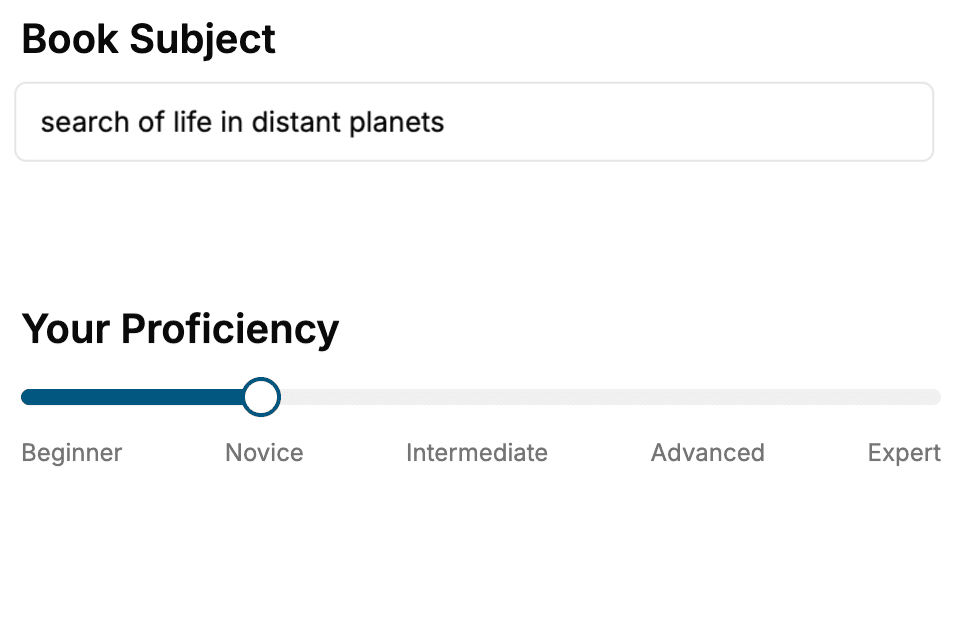
Select the focus of your Sewing book and share your background
- 2. Personalize your book
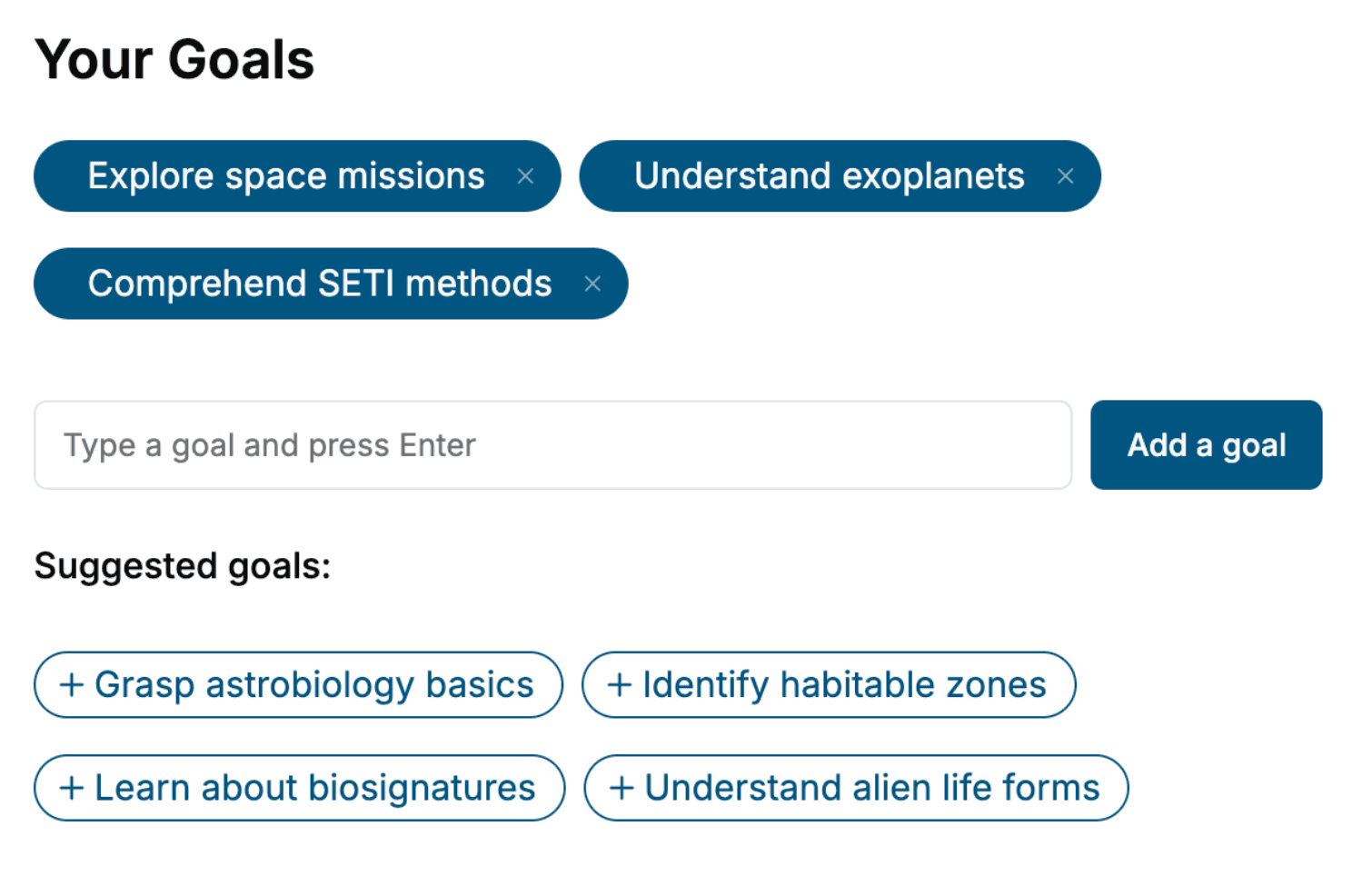
Specify your goals and choose sub-topics to include
- 3. Get your tailored book
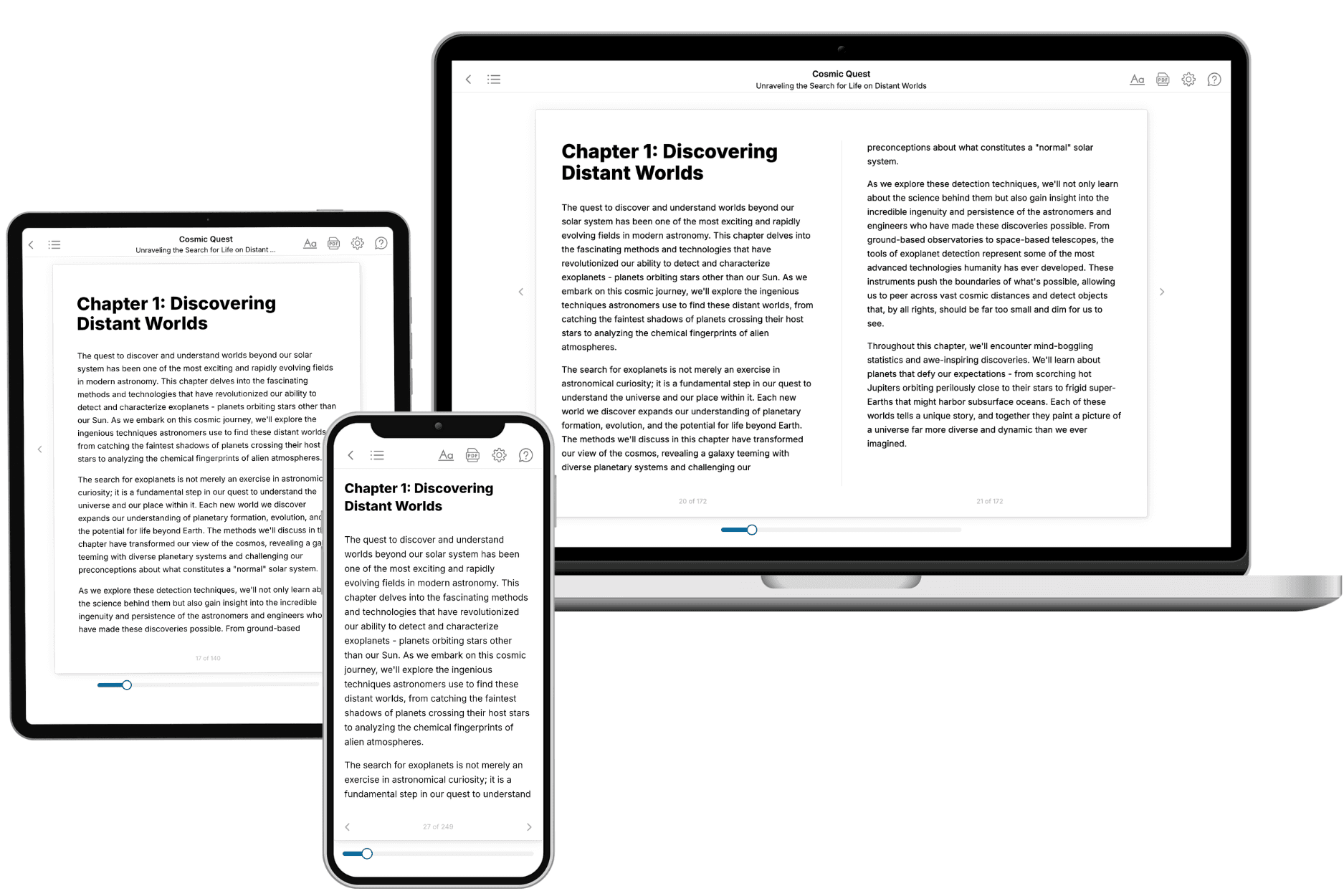
Your book is ready in 10 minutes. Read it online, download as EPUB or PDF, or send to Kindle.
Frequently asked questions
- What is TailoredRead?
TailoredRead creates complete, full-length nonfiction ebooks, written specifically for you. Tell us what you want to learn and why, and TailoredRead writes you a complete ebook on it, with charts, tables, and diagrams throughout. Read it online, on Kindle, or on any e-reader, or download it as a PDF or EPUB. Every book is written fresh the day you order it.
- How is the book tailored to me?
Before anything is written, you answer a few short questions about your goals, your background, and the topics you care about. Your book is then planned around your answers: written at your level, focused on your goals, and covering the topics you chose, instead of the one-size-fits-all book a store sells everyone.
- Will it read like generic AI content?
No. Your book isn't a chat transcript: it's planned chapter by chapter before a single word is written, told in a clear book voice, and explains ideas visually with charts, tables, and diagrams. After writing, every book goes through an editorial pass that polishes chapters so the book reads consistent from start to finish. Judge for yourself: browse thousands of sample books on our Explore Books page.
- How accurate is the content?
Our AI first checks whether your subject needs live research. Niche and fast-moving subjects are researched before writing, and the book plan and chapters are grounded in what it finds. After writing, every book goes through a quality pass that checks its facts and consistency, and researched books list their sources in a Notes section at the back.
- How long is the book?
You choose the length: Comprehensive (250-300 pages), Detailed (150-200 pages), Essential (70-100 pages), or Short (30-50 pages).
- Does the book include visuals?
Yes. Every book includes charts, tables, and diagrams: timelines, checklists, step-by-step guides, decision trees, comparison tables, matrices, and bar charts. A typical book includes dozens of these visual elements.
- Can I read it on Kindle? What formats can I download?
Yes. Every book can be read in our online reader or downloaded as a PDF or EPUB. The EPUB can be opened with Kindle, Apple Books, Kobo, and any e-reader. The Commercial and Author licenses also include an editable Word (DOCX) and Markdown download.
- How much does it cost?
About the price of a regular ebook. The exact price depends on your book's length and complexity, from $2 for the shortest books to $35 for the most comprehensive, and it's shown when you review your book, before you commit to anything. Each book is a one-time purchase, yours to keep, no subscription. Licenses that let you share, teach, or publish your book range from $35.99 to $49.99.
- Can I preview the book before purchasing?
Before you pay, you'll see what your book will cover: the title, a detailed description, the estimated length, and the complete chapter-by-chapter table of contents, so you know what you're getting before you decide. The full text itself is written after you purchase.
- How long does it take to create a book?
About 10 minutes. You can start reading the opening chapters while the rest is still being written.