The Conservative Mosaic
Unraveling the Complexities of Right-Wing Political Thought
Dive into the intricate world of conservative ideology with "The Conservative Mosaic: Unraveling the Complexities of Right-Wing Political Thought." This comprehensive guide takes you on an intellectual exploration of the multifaceted nature of conservatism, from its classical roots to its modern manifestations.
284 pages14 chaptersApr 1, 2025Politics
About this book
As you navigate through the pages, you'll gain a nuanced understanding of the various strands of conservative thought, including classical liberalism, traditionalism, and the principles of limited government. You'll explore the delicate balance between individual liberty and societal values, and how these concepts have shaped conservative ideologies over time. The book offers a deep dive into the moral foundations of conservatism, the influence of key conservative intellectuals, and the evolution of right-wing movements. You'll examine the interplay between different conservative approaches, such as fiscal conservatism, social conservatism, and neoconservatism, and how they contribute to the broader conservative landscape. Whether you're a political science enthusiast or a student of governance, this book equips you with the tools to analyze and compare various political theories within the conservative spectrum. By the end, you'll have a robust framework for understanding the complexities of conservative thought and its role in shaping political systems and democracies around the world.
Table of contents
- IntroductionOverview of Conservative Thought, The Importance of Understanding Conservatism, Structure of the BookRead below
- Chapter 1: Foundations of Conservative ThoughtClassical Liberalism and Its Influence, Burkean Conservatism: The Role of Tradition, The Principle of Limited Government, Individual Liberty in Conservative Philosophy
- Chapter 2: Moral Foundations of ConservatismIntroduction to Moral Foundations Theory, Core Conservative Values, The Concept of Family Values, Moral Authority and Social Order
- Chapter 3: Economic Principles in Conservative ThoughtFree Market Principles, Fiscal Conservatism and Economic Policy, The Role of Government in the Economy, Property Rights and Economic Freedom
- Chapter 4: Social ConservatismTraditional Values and Social Norms, The Role of Religion in Politics, Preserving Social Institutions, Cultural Conservatism and Identity
- Chapter 5: Conservative Approaches to Political StructuresFederalism and Decentralization, Separation of Powers, Localism and Community Governance, Constitutionalism and the Rule of Law
- Chapter 6: Key Conservative Intellectuals and Their IdeasEdmund Burke and Traditional Conservatism, Friedrich Hayek and Classical Liberalism, Russell Kirk and American Conservatism, Modern Conservative Thinkers
- Chapter 7: Conservative Movements and Their EvolutionThe Old Right and Its Legacy, The Rise of Neoconservatism, Paleoconservatism and Traditional Values, Fusionism: Bridging Different Conservative Strands
- Chapter 8: Conservative Populism and NationalismThe Appeal of Populism in Conservative Politics, Nationalism and Its Relationship with Conservatism, Anti-Establishment Sentiment in Right-Wing Movements, Challenges and Criticisms of Conservative Populism
- Chapter 9: Conservative DemocracyConservative Interpretations of Democratic Principles, Majority Rule and Protection of Minority Rights, Civic Participation and Responsibility, Conservative Views on Electoral Systems
- Chapter 10: Originalism and Constitutional InterpretationDefining Originalism, Critiques and Defenses of Originalism, Originalism in Practice, Originalism vs. Living Constitutionalism
- Chapter 11: Conservative Approaches to EducationConservative Philosophy of Education, School Choice and Educational Freedom, Curriculum Debates and Traditional Knowledge, Conservatism in Higher Education
- Chapter 12: Conservative Foreign PolicyDefining National Interest, Debates on Interventionism, International Alliances and Sovereignty, Economic Diplomacy and Free Trade
- Chapter 13: Conservatism vs. LiberalismCore Ideological Differences, Contrasting Policy Approaches, Areas of Common Ground, The Political Spectrum and Its Limitations
- Chapter 14: The Future of Conservative ThoughtEmerging Challenges for Conservatism, New Conservative Thinkers and Ideas, Conservatism in a Global Context, Adapting Conservative Principles for the Future
- ConclusionRecapitulation of Key Ideas, The Importance of Understanding Conservative Thought
- Glossary of Key Terms
- Suggested Further Reading
Introduction
In the complex tapestry of political thought, conservatism stands as a rich and multifaceted ideology that has shaped governments, societies, and individual worldviews for centuries. As you embark on this exploration of conservative thought, you'll discover that it is far more than a simple set of political beliefs or policy preferences. Rather, conservatism represents a profound way of understanding human nature, society, and the role of government in our lives. This introduction aims to provide you with a comprehensive overview of conservative thought, emphasizing its importance in the broader context of political theory, and outlining the structure of the journey ahead.
Conservative ideology, at its core, is rooted in a deep respect for tradition, a belief in the importance of social order, and a commitment to individual liberty. However, as you'll come to understand, these foundational principles manifest in various ways across different strands of conservative thought. From classical liberalism to traditionalism, from fiscal conservatism to social conservatism, the conservative mosaic is composed of diverse and sometimes competing ideas. This diversity is not a weakness but a strength, reflecting the complex nature of human societies and the challenges they face.
As you delve deeper into this book, you'll encounter the ideas of seminal conservative thinkers such as Edmund Burke, often considered the father of modern conservatism, and Friedrich Hayek, whose defense of free markets has been influential in shaping conservative economic thought. You'll also explore how conservative principles have been applied to various policy areas, from education to foreign policy, and how they've evolved in response to changing social and political landscapes.
Understanding conservatism is not just an academic exercise; it's crucial for anyone seeking to comprehend the political forces shaping our world today. Whether you align yourself with conservative ideals or not, gaining a nuanced understanding of this political philosophy will enhance your ability to engage in meaningful political discourse and make informed decisions as a citizen in a democratic society.
This book is designed to guide you through the intricate world of conservative thought, providing you with the tools to analyze, compare, and critically evaluate different conservative ideologies. By the end of this journey, you'll have a robust framework for understanding the complexities of right-wing political thought and its role in shaping political systems and democracies around the world.
Overview of Conservative Thought
Conservative thought, in its broadest sense, encompasses a wide range of political philosophies and ideologies that share certain core principles. At the heart of conservatism lies a fundamental belief in the importance of preserving traditional institutions, values, and practices that have stood the test of time. This preservation is not seen as mere nostalgia, but as a recognition of the accumulated wisdom of generations and the stabilizing force of continuity in society. Conservative thinkers argue that radical change, however well-intentioned, often leads to unforeseen negative consequences and social upheaval.
One of the key tenets of conservative thought is the concept of ordered liberty. This principle suggests that true freedom can only exist within a framework of law and social order. Conservatives generally believe that human nature is imperfect and that social institutions, including government, religion, and family, play a crucial role in channeling human behavior towards productive and virtuous ends. This view stands in contrast to more utopian ideologies that believe in the perfectibility of human nature through social engineering.
Another fundamental aspect of conservative thought is the emphasis on individual responsibility and limited government. Conservatives typically argue that individuals, families, and local communities are better equipped to solve social problems than distant bureaucracies. This principle is often expressed through support for free-market economics, which conservatives view as the most efficient and just way to allocate resources and create prosperity. However, it's important to note that conservative thought is not monolithic, and there are ongoing debates within conservative circles about the proper role and size of government.
Conservative thought also places great importance on the concept of natural rights and the rule of law. Many conservatives believe in the existence of inalienable rights that are not granted by government but are inherent to human beings. The role of government, in this view, is to protect these rights rather than to create or expand them. This belief often translates into a strong emphasis on constitutionalism and the idea that government power should be limited and clearly defined.
In the realm of social issues, conservative thought often emphasizes the importance of traditional moral values and social norms. This aspect of conservatism is particularly evident in discussions around family structure, education, and cultural issues. However, it's crucial to understand that there is significant diversity within conservative thought on these matters, with some conservatives advocating for a more libertarian approach that minimizes government involvement in personal matters.
Conservative thought has evolved significantly over time, adapting to changing social, economic, and political realities. For instance, the rise of neoconservatism in the late 20th century brought a more interventionist foreign policy stance to some conservative circles, while the emergence of populist movements in recent years has challenged some traditional conservative orthodoxies. These developments highlight the dynamic nature of conservative thought and its capacity for internal debate and evolution.
As you delve deeper into conservative thought, you'll encounter various strands and sub-ideologies, each with its own nuances and emphases. These include classical liberalism, with its focus on individual liberty and free markets; traditionalist conservatism, which places greater emphasis on social order and moral values; and fusionism, which attempts to reconcile different conservative strands. Understanding these different facets of conservative thought is crucial for grasping the full complexity of right-wing political philosophy.
It's also important to recognize that conservative thought is not limited to any one country or culture. While this book will often draw examples from American and British conservatism due to their influential nature, conservative principles can be found in political movements worldwide. Each culture and nation has its own unique conservative tradition, shaped by its history, values, and social structures.
As you progress through this book, you'll gain a deeper understanding of how these various aspects of conservative thought interact, sometimes harmoniously and sometimes in tension with each other. You'll explore how conservative principles are applied to specific policy areas, how they've shaped political movements and parties, and how they continue to influence debates on governance and social issues in the modern world.
By the end of this overview, you should have a solid foundation for understanding the breadth and depth of conservative thought. This understanding will serve as a crucial framework as we delve into more specific aspects of conservatism in the chapters that follow.
The Importance of Understanding Conservatism
Understanding conservatism is not merely an academic exercise; it is a crucial component of political literacy in today's complex and often polarized world. Regardless of your personal political leanings, gaining a comprehensive understanding of conservative thought is essential for several reasons. First and foremost, conservatism has been and continues to be a major force in shaping political landscapes across the globe. From the policies of Ronald Reagan in the United States to Margaret Thatcher in the United Kingdom, conservative ideas have had profound impacts on governance, economic systems, and social structures in many countries.
Moreover, understanding conservatism is vital for engaging in informed and productive political discourse. In an era of increasing political polarization, it's all too easy to caricature or misrepresent opposing viewpoints. By developing a nuanced understanding of conservative thought, you'll be better equipped to engage in meaningful dialogue with those who hold different political views. This understanding can help bridge ideological divides and foster more constructive political debates, which are essential for the health of any democratic society.
From an analytical perspective, studying conservatism provides valuable insights into the complexities of political theory and governance. Conservative thought offers a unique lens through which to examine fundamental questions about the nature of society, the role of government, and the balance between individual liberty and social order. Even if you don't personally agree with conservative principles, understanding them can sharpen your critical thinking skills and deepen your overall comprehension of political philosophy.
Furthermore, understanding conservatism is crucial for making sense of current political events and trends. Many of today's most pressing political debates - from discussions about economic policy and the size of government to debates about social issues and cultural values - are deeply influenced by conservative ideas. By grasping the underlying principles of conservative thought, you'll be better equipped to analyze these debates and form well-reasoned opinions on complex political issues.
It's also worth noting that conservatism, like any political ideology, is not monolithic. There are numerous strands of conservative thought, some of which are in tension with each other. Understanding these different facets of conservatism can provide valuable insights into the internal debates and dynamics within right-wing political movements. This knowledge can be particularly useful for predicting and interpreting political trends and shifts within conservative parties and movements.
In addition, studying conservatism can provide valuable historical context for understanding the development of modern political systems. Many of the institutions and principles that we take for granted in liberal democracies - such as the separation of powers, the rule of law, and the protection of property rights - have been significantly influenced by conservative thinkers. Understanding the conservative perspective on these issues can provide a richer appreciation of their historical development and ongoing importance.
For those interested in public policy, understanding conservative thought is essential for grasping the rationale behind many policy proposals and decisions. Conservative approaches to issues such as economic management, social welfare, education, and foreign policy often differ significantly from liberal or progressive approaches. By understanding the conservative perspective, you'll be better equipped to analyze policy debates and evaluate the potential impacts of different policy choices.
Moreover, in an increasingly globalized world, understanding conservatism can provide valuable insights into political dynamics in different countries. While conservative thought may manifest differently in various cultural contexts, many of its core principles are shared across borders. This understanding can be particularly useful for those interested in international relations or comparative politics.
Lastly, for those who may be skeptical of conservative ideas, studying them in depth can provide a valuable opportunity for intellectual growth and challenge. Engaging seriously with ideas that you may disagree with can help refine your own political philosophy and strengthen your ability to articulate and defend your own views. It can also lead to unexpected insights and areas of common ground, fostering a more nuanced and less polarized approach to political thinking.
In conclusion, understanding conservatism is a vital component of political literacy in the modern world. Whether you're a student of political science, a policy maker, a journalist, or simply a engaged citizen, a thorough grasp of conservative thought will enhance your ability to navigate and contribute to political discourse. As we proceed through this book, keep in mind that the goal is not to convert you to conservative ideology, but to provide you with the knowledge and analytical tools to engage critically and thoughtfully with conservative ideas and their impact on our political landscape.
Structure of the Book
This book is designed to provide you with a comprehensive and systematic exploration of conservative thought. The structure has been carefully crafted to guide you through the complex landscape of conservative ideology, starting with its foundational principles and progressing to its applications in various aspects of governance and policy. Each chapter builds upon the knowledge gained in previous sections, allowing for a deepening understanding as you progress through the book.
We begin with the "Foundations of Conservative Thought" in Chapter 1. This chapter lays the groundwork for your understanding by exploring the core principles that underpin conservative ideology. You'll delve into the influence of classical liberalism, the Burkean tradition of conservatism, and the fundamental concepts of limited government and individual liberty. This chapter is crucial as it provides the conceptual framework that informs all subsequent discussions of conservative thought.
Chapter 2 focuses on the "Moral Foundations of Conservatism." Here, you'll explore the ethical and philosophical underpinnings of conservative ideology. This chapter introduces you to Moral Foundations Theory and examines how core conservative values, concepts of family values, and ideas about moral authority and social order shape conservative worldviews. Understanding these moral foundations is essential for grasping the motivations behind many conservative policy positions.
The book then moves on to more specific aspects of conservative thought. Chapter 3 delves into "Economic Principles in Conservative Thought," examining concepts such as free market principles, fiscal conservatism, and property rights. This chapter provides crucial insights into conservative approaches to economic policy and the role of government in the economy.
Chapter 4 explores "Social Conservatism," focusing on traditional values, the role of religion in politics, and cultural conservatism. This chapter helps you understand the social and cultural dimensions of conservative ideology, which often play a significant role in shaping conservative policy positions on a range of issues.
In Chapter 5, we examine "Conservative Approaches to Political Structures." This chapter covers topics such as federalism, separation of powers, and constitutionalism, providing you with an understanding of how conservative principles translate into preferences for specific political and governmental structures.
Chapter 6 introduces you to "Key Conservative Intellectuals and Their Ideas." This chapter provides biographical and intellectual context, exploring the contributions of influential thinkers like Edmund Burke, Friedrich Hayek, and Russell Kirk. Understanding the ideas of these key figures is crucial for grasping the intellectual history and development of conservative thought.
The book then moves to examine the evolution and diversity within conservative thought. Chapter 7 covers "Conservative Movements and Their Evolution," tracing the development of various strands of conservatism from the Old Right to modern manifestations. Chapter 8 explores "Conservative Populism and Nationalism," examining how these forces have interacted with and sometimes challenged traditional conservative thought.
Chapters 9 through 12 focus on specific areas of policy and governance, exploring conservative approaches to democracy, constitutional interpretation, education, and foreign policy. These chapters provide concrete examples of how conservative principles are applied to real-world issues and policy debates.
Chapter 13, "Conservatism vs. Liberalism," offers a comparative perspective, helping you understand how conservative thought relates to and differs from liberal ideology. This comparison aids in situating conservatism within the broader spectrum of political thought.
The final chapter, "The Future of Conservative Thought," looks ahead to emerging challenges and new directions in conservative ideology. This forward-looking perspective helps you understand how conservative thought continues to evolve and adapt to changing social, economic, and political realities.
Throughout the book, you'll find that each chapter is structured to provide a clear and logical progression of ideas. Key concepts are introduced and explained, followed by more detailed discussions and analysis. Real-world examples and case studies are used to illustrate theoretical points, helping you connect abstract ideas to concrete political realities.
Additionally, each chapter concludes with a summary of key points and thought-provoking questions for further reflection. These elements are designed to reinforce your learning and encourage critical thinking about the material presented.
The book also includes a comprehensive glossary of key terms and a suggested further reading list. These resources are invaluable for deepening your understanding and providing direction for additional study on topics that particularly interest you.
By following this structured approach, you'll develop a comprehensive understanding of conservative thought, from its philosophical foundations to its practical applications in modern politics. Whether you're new to the study of political ideology or looking to deepen your existing knowledge, this book provides a thorough and accessible exploration of conservative thought in all its complexity and diversity.
This is the end of the free sample. The full book has 14 chapters.
Want this book written for you?
Tell us your goals and background, and get your own version of this book, tailored by AI to you.


Benefits of AI-tailored books
- Read one book, not ten:
- all the Politics knowledge you need, gathered into a single book.
- Save days of learning:
- tell us your goals, choose your topics, and the whole book is built around them.
- Learn effortlessly:
- Politics book written for your specific background and expertise.
- Understand at a glance:
- includes charts, tables, timelines, checklists, decision trees, and more.
- Stay current:
- written the day you order it, not years ago.
- Trust what you read:
- every book is checked for accuracy, with real research when your subject needs it.
Create your unique book in 3 steps
- 1. Select your focus
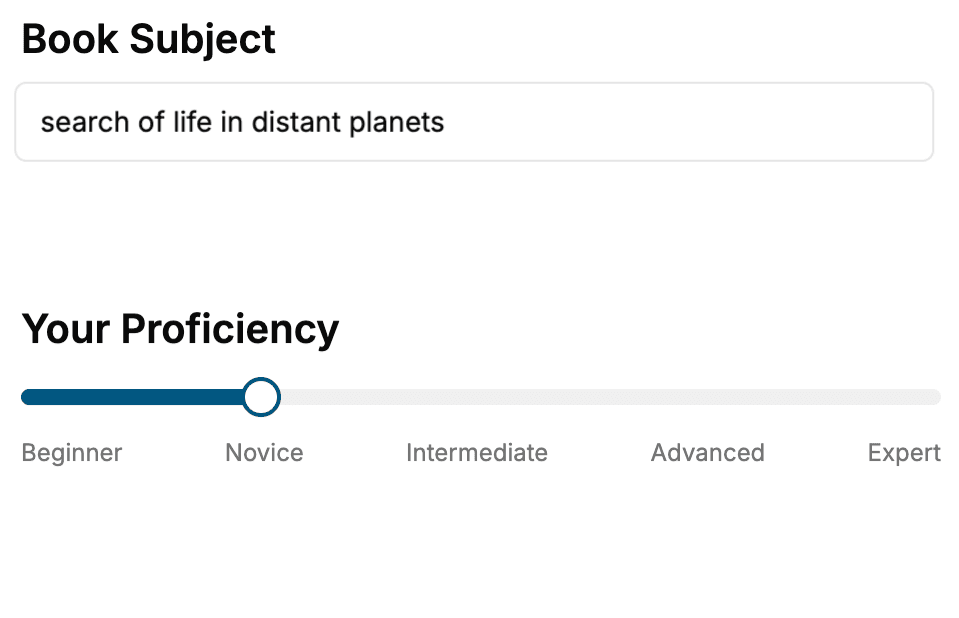
Select the focus of your Politics book and share your background
- 2. Personalize your book
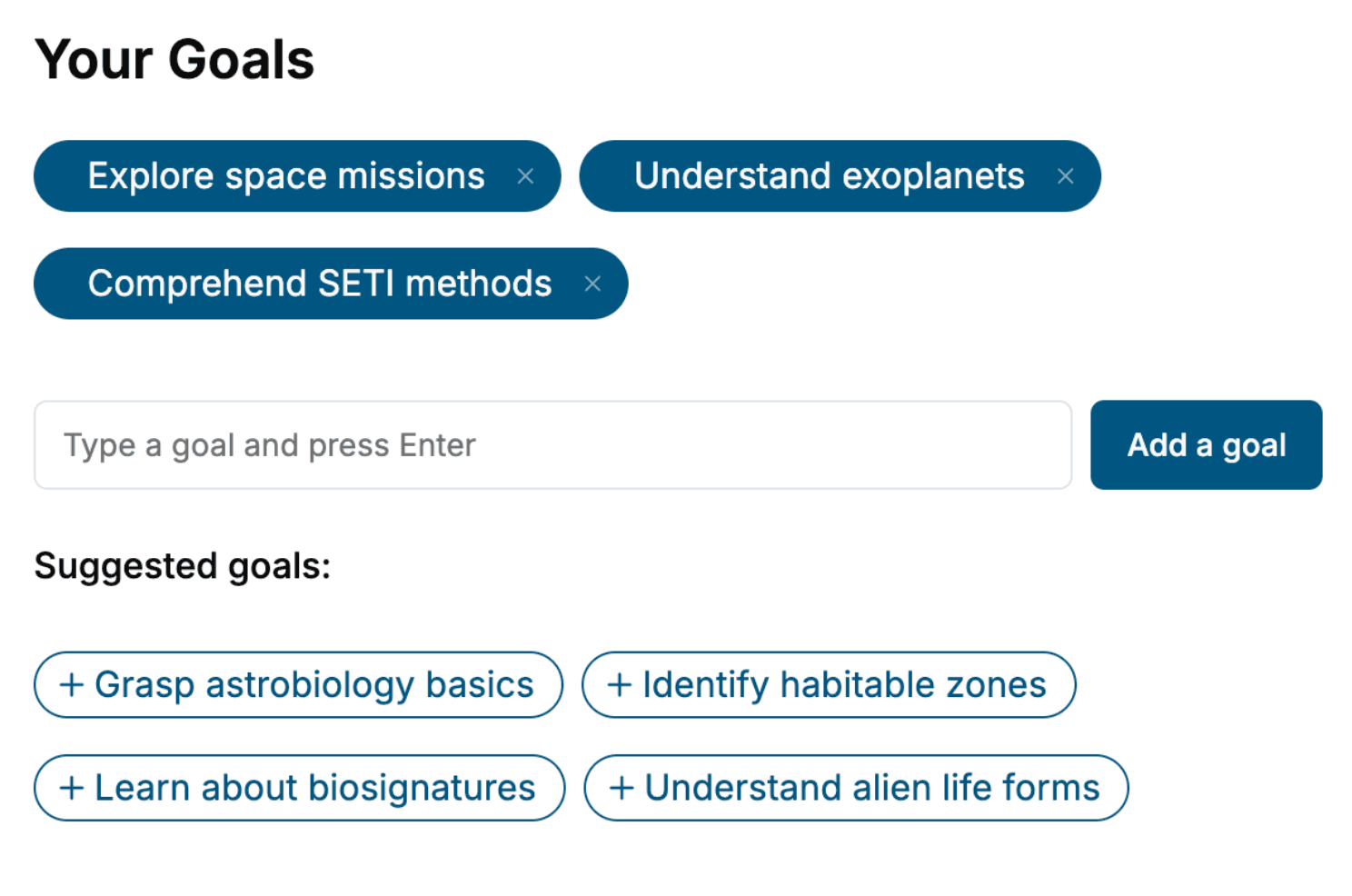
Specify your goals and choose sub-topics to include
- 3. Get your tailored book
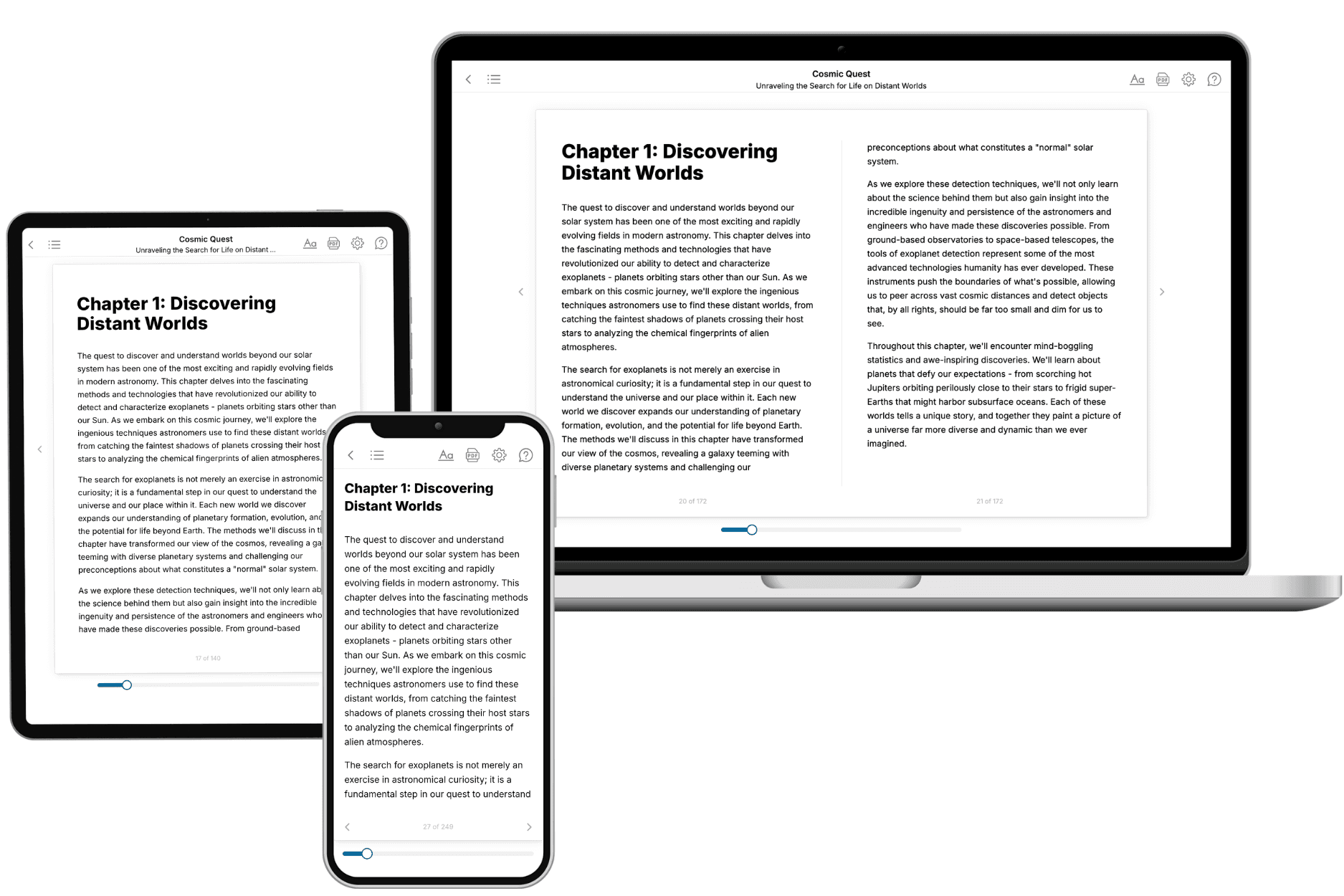
Your book is ready in 10 minutes. Read it online, download as EPUB or PDF, or send to Kindle.
Frequently asked questions
- What is TailoredRead?
TailoredRead creates complete, full-length nonfiction ebooks, written specifically for you. Tell us what you want to learn and why, and TailoredRead writes you a complete ebook on it, with charts, tables, and diagrams throughout. Read it online, on Kindle, or on any e-reader, or download it as a PDF or EPUB. Every book is written fresh the day you order it.
- How is the book tailored to me?
Before anything is written, you answer a few short questions about your goals, your background, and the topics you care about. Your book is then planned around your answers: written at your level, focused on your goals, and covering the topics you chose, instead of the one-size-fits-all book a store sells everyone.
- Will it read like generic AI content?
No. Your book isn't a chat transcript: it's planned chapter by chapter before a single word is written, told in a clear book voice, and explains ideas visually with charts, tables, and diagrams. After writing, every book goes through an editorial pass that polishes chapters so the book reads consistent from start to finish. Judge for yourself: browse thousands of sample books on our Explore Books page.
- How accurate is the content?
Our AI first checks whether your subject needs live research. Niche and fast-moving subjects are researched before writing, and the book plan and chapters are grounded in what it finds. After writing, every book goes through a quality pass that checks its facts and consistency, and researched books list their sources in a Notes section at the back.
- How long is the book?
You choose the length: Comprehensive (250-300 pages), Detailed (150-200 pages), Essential (70-100 pages), or Short (30-50 pages).
- Does the book include visuals?
Yes. Every book includes visual elements such as timelines, checklists, step-by-step guides, decision trees, comparison tables, and matrices, and many include bar charts. A typical book includes dozens of these visual elements.
- Can I read it on Kindle? What formats can I download?
Yes. Every book can be read in our online reader or downloaded as a PDF or EPUB. The EPUB can be opened with Kindle, Apple Books, Kobo, and any e-reader. The Commercial and Author licenses also include an editable Word (DOCX) and Markdown download.
- How much does it cost?
About the price of a regular ebook. The exact price depends on your book's length and complexity, from $2 for the shortest books to $35 for the most comprehensive, and it's shown when you review your book, before you commit to anything. Each book is a one-time purchase, yours to keep, no subscription. Licenses that let you share, teach, or publish your book range from $35.99 to $49.99.
- Can I preview the book before purchasing?
Before you pay, you'll see what your book will cover: the title, a detailed description, the estimated length, and the complete chapter-by-chapter table of contents, so you know what you're getting before you decide. The full text itself is written after you purchase.
- How long does it take to create a book?
About 10 minutes. You can start reading the opening chapters while the rest is still being written.