The Content Marketing Playbook
Build Authority, Attract Customers, and Grow Your Business Through Strategic Content
This practical guide walks you through building a content marketing strategy that actually drives business results.
207 pages9 chaptersMay 11, 2026Content Marketing
About this book
You'll start by understanding your audience at a deeper level—not just demographics, but their challenges, questions, and how they make decisions. From there, you'll learn how to map content to each stage of the customer journey, create a sustainable production system, and measure what matters. The book covers everything from developing your content pillars and choosing the right formats, to mastering SEO fundamentals, building distribution channels, and analyzing performance data. Whether you're starting from scratch or refining an existing program, you'll discover how to create content that attracts the right people, establishes your authority, and converts readers into customers. Real-world examples and actionable frameworks help you move from strategy to execution immediately.
Table of contents
- IntroductionWhy Content Marketing Matters Now More Than Ever, What You'll Learn in This Book, How to Use This Book for Maximum ImpactRead below
- Chapter 1: Understanding Content Marketing FundamentalsDefining Content Marketing and Its Core Principles, Content Marketing vs. Traditional Advertising, Setting Realistic ROI Expectations and Timelines
- Chapter 2: Know Your Audience Inside and OutConducting Deep Audience Research, Creating Detailed Buyer Personas, Mapping the Customer Journey and Decision Process, Identifying Pain Points and Unmet Needs
- Chapter 3: Developing Your Content StrategyEstablishing Your Content Pillars and Themes, Aligning Content with Business Goals, Analyzing Competitor Content and Finding Your Angle, Positioning Your Brand as a Thought Leader
- Chapter 4: Choosing the Right Content FormatsOverview of Content Formats and Their Strengths, Blog Articles and Long-Form Content, Video Content and Visual Storytelling, Podcasts, Infographics, Case Studies, and More
- Chapter 5: Mastering SEO for Content MarketingSEO Fundamentals Every Content Marketer Needs, Keyword Research and Search Intent Analysis, On-Page Optimization and Technical SEO Basics, Building Authority Through Links and Backlinks
- Chapter 6: Building Your Content Production SystemCreating and Managing Your Editorial Calendar, Establishing Workflows and Production Processes, Building or Outsourcing Your Content Team, Setting Quality Standards and Review Processes
- Chapter 7: Distribution and Promotion StrategiesLeveraging Your Owned Channels, Social Media Distribution and Engagement, Email Marketing and Newsletter Strategies, Paid Promotion and Amplification Tactics
- Chapter 8: Measuring Performance and Optimizing ResultsIdentifying Key Metrics and KPIs, Setting Up Analytics and Tracking Systems, Analyzing Data and Drawing Actionable Insights, The Continuous Optimization Cycle
- Chapter 9: Repurposing and Scaling Your ContentRepurposing Content Across Formats and Channels, Creating Content Clusters and Pillar Pages, Scaling Production Without Sacrificing Quality
- ConclusionKey Takeaways and Your Next Steps, Building Your Long-Term Content Marketing Vision
- Glossary
- Further Reading and Resources
Introduction
Something has shifted in the way people find businesses, make purchasing decisions, and decide who to trust. The old playbook, built on interruption and repetition, is losing its grip. Buyers now research extensively before they ever speak to a salesperson. They read articles, watch videos, compare options, and form opinions long before a brand even knows they exist. The businesses winning in this environment are not necessarily the ones with the biggest ad budgets. They are the ones that show up consistently with useful, relevant, and trustworthy content.
Content marketing is not a new idea. Brands have been publishing magazines, guides, and educational materials for well over a century. What has changed is the scale, the accessibility, and the measurability of it all. A small business today can reach the same audience as a major corporation, provided it creates content that genuinely serves that audience's needs. The playing field has leveled in ways that were unimaginable just two decades ago. That is both an enormous opportunity and a significant challenge, because the competition for attention has never been fiercer.
This book exists because most content marketing advice falls into one of two traps. Either it stays too abstract, offering high-level principles without showing you how to actually execute them, or it goes too tactical, giving you a list of tips without the strategic framework to make those tips work together. What you need is both: a clear strategic foundation and the practical tools to build on it. That is exactly what this playbook delivers. Every chapter moves from concept to application, so you can take what you learn and put it to work immediately.
Whether you are building a content program from scratch or trying to get more out of an existing one, the frameworks and examples in these pages will help you make smarter decisions. You will learn how to understand your audience at a level most marketers never reach, how to create content that earns trust and drives action, and how to measure results in a way that connects directly to business growth. This is not about publishing more content. It is about publishing the right content, in the right places, for the right people, at the right time.
Why Content Marketing Matters Now More Than Ever
The numbers tell a compelling story. Studies consistently show that buyers complete a significant portion of their decision-making process before engaging with a vendor directly. Research from Gartner found that B2B buyers spend only about 17% of their total purchase journey actually meeting with potential suppliers.[1] The rest of that time is spent reading, researching, and forming opinions independently. If your brand is not present during that research phase, you are essentially invisible during the most critical part of the buying process.
Traditional advertising has not disappeared, but its effectiveness has eroded in measurable ways. Ad-blocking software is now used by roughly 42% of internet users globally.[2] Banner blindness, the tendency for people to unconsciously ignore display ads, is well-documented in user experience research. Even when ads are seen, they are often met with skepticism. People have grown accustomed to filtering out promotional messages, which means paid interruption is working harder for less return than it once did. Content marketing works differently because it earns attention rather than demanding it.
Trust has become the most valuable currency in modern marketing. Edelman's annual Trust Barometer consistently shows that consumers trust experts, peers, and credible sources far more than they trust branded advertising.[3] When your business publishes content that genuinely helps people solve problems, answer questions, or make better decisions, you are building exactly the kind of trust that advertising cannot buy. That trust translates into preference, loyalty, and word-of-mouth referrals that compound over time.
Search engines have also fundamentally changed how content marketing works. Google processes more than 8.5 billion searches per day.[4] Every one of those searches represents a person looking for information, a solution, or a product. When your content appears in those results, you are reaching people at the exact moment they are actively seeking what you offer. That kind of intent-driven visibility is extraordinarily valuable, and it is built through consistent, high-quality content creation over time.
The competitive landscape has also intensified in ways that make content marketing more important, not less. As more businesses recognize the value of content, the bar for quality keeps rising. Generic, thin content that once ranked easily in search results is now buried under more comprehensive, better-researched alternatives. This might sound discouraging, but it is actually good news for businesses willing to invest in doing content marketing properly. The gap between mediocre content and excellent content is widening, which means the rewards for getting it right are growing too.
Social media has added another dimension to why content matters. Platforms like LinkedIn, YouTube, Instagram, and TikTok have given brands direct access to audiences without requiring a media budget. Organic reach on these platforms rewards content that educates, entertains, or inspires. A single well-crafted piece of content can reach thousands of potential customers at virtually no cost. When that content is part of a coherent strategy, the cumulative effect builds brand awareness, authority, and audience loyalty in ways that paid campaigns alone cannot replicate.
Perhaps most importantly, content marketing creates compounding returns. A well-optimized blog post published today can continue driving traffic and generating leads for years. An email newsletter builds a subscriber base that grows more valuable over time. A library of helpful videos establishes expertise that attracts new viewers long after the original production cost has been recovered. Unlike paid advertising, which stops the moment you stop paying, content assets keep working. That compounding effect is what makes content marketing one of the highest-ROI investments a business can make over the long term.
Content marketing costs 62% less than traditional marketing and generates approximately three times as many leads.[5] For businesses looking to grow efficiently, that ratio is hard to ignore.
The businesses that understand this are already pulling ahead. They are building audiences, earning trust, and creating content ecosystems that attract customers consistently. The businesses that treat content as an afterthought, or that publish sporadically without a strategy, are falling further behind. The gap between these two groups is growing every year. This book is designed to put you firmly in the first group.
What You'll Learn in This Book
This playbook is organized to take you through the full arc of building a content marketing program, from foundational strategy to day-to-day execution and ongoing optimization. Each chapter builds on the previous one, so by the time you reach the end, you will have a complete, integrated system rather than a collection of disconnected tactics. Here is a clear picture of what each section covers and why it matters.
Chapter 1: Understanding Content Marketing Fundamentals. Before building a strategy, you need a clear definition of what content marketing actually is and what it is not. This chapter cuts through the noise and establishes the core principles that separate effective content programs from ones that waste time and money. You will also learn how to set realistic expectations for timelines and ROI, which is critical for maintaining momentum and securing internal buy-in.
Chapter 2: Know Your Audience Inside and Out. Audience understanding is the foundation of everything else. This chapter goes well beyond basic demographics to show you how to conduct deep audience research, build detailed buyer personas, and map the customer journey from first awareness to final purchase. You will learn specific techniques for uncovering the real questions, fears, and motivations that drive your audience's decisions.
Chapter 3: Developing Your Content Strategy. Strategy is where most content programs either succeed or fail. This chapter walks you through establishing content pillars, aligning your content with specific business goals, analyzing what competitors are doing, and positioning your brand as a genuine thought leader in your space. You will leave this chapter with a clear strategic framework to guide every content decision you make.
Chapter 4: Choosing the Right Content Formats. Not all content formats are created equal, and the right choice depends on your audience, your goals, and your resources. This chapter covers the full spectrum of formats, from blog articles and long-form guides to video, podcasts, infographics, and case studies. You will learn which formats work best at each stage of the customer journey and how to choose the ones that fit your specific situation.
Chapter 5: Mastering SEO for Content Marketing. Search engine optimization and content marketing are inseparable. This chapter covers the SEO fundamentals every content marketer needs to understand, including keyword research, search intent analysis, on-page optimization, and link building. You do not need to be a technical SEO expert to apply these principles, but you do need to understand them well enough to make smart content decisions.
Chapter 6: Building Your Content Production System. Great strategy means nothing without consistent execution. This chapter shows you how to build the operational infrastructure that makes consistent content production possible, including editorial calendars, workflow processes, team structures, and quality standards. Whether you are a solo marketer or leading a team, you will find practical systems that fit your situation.
Chapter 7: Distribution and Promotion Strategies. Creating content is only half the job. Getting it in front of the right people is the other half. This chapter covers owned channels, social media distribution, email marketing, and paid promotion tactics. You will learn the principle that the best content marketers spend as much time distributing content as they do creating it, and you will see exactly how to put that principle into practice.
Chapter 8: Measuring Performance and Optimizing Results. Data is what separates strategic content marketing from guesswork. This chapter covers the key metrics that actually matter, how to set up proper analytics and tracking, and how to analyze data in ways that lead to better decisions. You will also learn the continuous optimization cycle that keeps your content program improving over time.
Chapter 9: Repurposing and Scaling Your Content. The most efficient content programs do not just create more content. They get more value from the content they already have. This chapter covers repurposing strategies, content clusters, pillar pages, and scaling production without sacrificing quality. You will learn how to build a content ecosystem where each piece reinforces the others and where your investment in one format pays dividends across many.
How to Use This Book for Maximum Impact
This book is designed to be both a cover-to-cover read and a practical reference you return to repeatedly. If you are new to content marketing or building a program from scratch, reading it in order will give you the clearest path forward. Each chapter lays groundwork that the next chapter builds on, so the sequential approach will help you develop a coherent strategy rather than a patchwork of tactics. If you already have an existing content program, you may want to jump to the chapters most relevant to your current challenges and then fill in the gaps as needed.
Throughout the book, you will find several recurring elements designed to make the content as actionable as possible. Look for these specifically:
- Frameworks and templates: Structured tools you can adapt and apply directly to your own situation, from audience research templates to editorial calendar formats.
- Real-world examples: Specific cases that illustrate how the concepts work in practice, drawn from a range of industries and business sizes.
- Common mistakes: Clear descriptions of what not to do, so you can avoid the pitfalls that derail many content programs before they gain traction.
- Action steps: Concrete next steps at the end of key sections, so you always know what to do with what you have just learned.
One of the most important things you can do as you read is resist the urge to implement everything at once. Content marketing is a system, and systems work best when they are built deliberately rather than assembled in a rush. A common mistake is to read a chapter on SEO, immediately overhaul your entire website, then read a chapter on social media and pivot your entire distribution strategy, all before any of the earlier changes have had time to produce results. That kind of reactive approach creates chaos and makes it impossible to know what is actually working.
Instead, consider working through the book in phases. A practical approach looks like this:
- Phase 1 (Weeks 1-2): Strategy foundation. Read Chapters 1 through 3 and complete the audience research and strategy exercises before moving on. Do not start creating content yet.
- Phase 2 (Weeks 3-4): Format and SEO decisions. Read Chapters 4 and 5, then make deliberate decisions about which formats and keywords to prioritize based on your strategy.
- Phase 3 (Weeks 5-6): Production system setup. Read Chapter 6 and build your editorial calendar and workflow before publishing your first piece of content.
- Phase 4 (Ongoing): Publish, distribute, measure, optimize. Read Chapters 7 through 9 and implement distribution, measurement, and repurposing as your content library grows.
This phased approach is not rigid. Your specific situation may require adjustments. But the underlying principle is sound: build the foundation before you build the house. Businesses that skip the strategy phase and jump straight to content creation almost always end up with a scattered library of content that does not serve a coherent purpose. The time you invest in strategy upfront will save you enormous amounts of time and money later.
It is also worth being honest about timelines. Content marketing is a long-term investment. Most programs take three to six months to show meaningful results, and the compounding benefits really start to accumulate after twelve to eighteen months of consistent effort.[6] If you are expecting overnight results, you will be disappointed and likely give up before the program has a chance to work. If you understand that you are building an asset that grows in value over time, you will have the patience to stay consistent through the early months when results are modest.
The businesses that succeed with content marketing are not necessarily the ones with the biggest teams or the largest budgets. They are the ones that commit to a clear strategy, execute it consistently, measure what matters, and keep improving. A solo marketer with a focused strategy and a realistic publishing schedule will outperform a large team publishing random content without direction. Quality, consistency, and strategic alignment beat volume every time.
As you work through this book, keep your specific business context in mind. The principles here are universal, but the application will look different depending on your industry, your audience, your resources, and your goals. A B2B software company targeting enterprise buyers will build a very different content program than a local service business targeting homeowners. Both can succeed with content marketing, but they will use different formats, different channels, and different metrics. Use the frameworks in this book as starting points, then adapt them to fit your reality.
Finally, do not underestimate the value of consistency over perfection. Many content programs stall because the people running them are waiting until everything is perfect before they publish. The first blog post does not need to be flawless. The first email newsletter does not need to be a masterpiece. What matters is that you start, that you learn from what you publish, and that you keep improving. The best content marketers are not the ones who get everything right from the beginning. They are the ones who build a system, stay consistent, and get better over time.
The goal of this book is not to give you a perfect plan. It is to give you the knowledge, frameworks, and tools to build your own plan, execute it with confidence, and adapt it as you learn what works for your specific audience and business.
Content marketing done well is one of the most powerful growth engines available to any business. It builds authority that advertising cannot buy, attracts customers who are already looking for what you offer, and creates assets that keep delivering value long after the initial investment. The businesses that figure this out and commit to it consistently are the ones that build lasting competitive advantages. That is what this playbook is designed to help you do. Now, let's get started.
Notes
Introduction
- 1. Gartner, The New B2B Buying Journey, Gartner Research, 2019
- 2. PageFair, Global Ad Blocking Report, PageFair Research, 2023
- 3. Edelman, Edelman Trust Barometer, Edelman Global Communications, 2023
- 4. Internet Live Stats, Google Search Statistics. internetlivestats.com, 2023
- 5. DemandMetric, Content Marketing Infographic, DemandMetric Research Corporation, 2022
- 6. Content Marketing Institute, "B2B Content Marketing Benchmarks, Budgets, and Trends," Content Marketing Institute Annual Report, 2023
This is the end of the free sample. The full book has 9 chapters.
Want this book written for you?
Tell us your goals and background, and get your own version of this book, tailored by AI to you.


Benefits of AI-tailored books
- Read one book, not ten:
- all the Content Marketing knowledge you need, gathered into a single book.
- Save days of learning:
- tell us your goals, choose your topics, and the whole book is built around them.
- Learn effortlessly:
- Content Marketing book written for your specific background and expertise.
- Understand at a glance:
- includes charts, tables, timelines, checklists, decision trees, and more.
- Stay current:
- written the day you order it, not years ago.
- Trust what you read:
- every book is checked for accuracy, with real research when your subject needs it.
Create your unique book in 3 steps
- 1. Select your focus
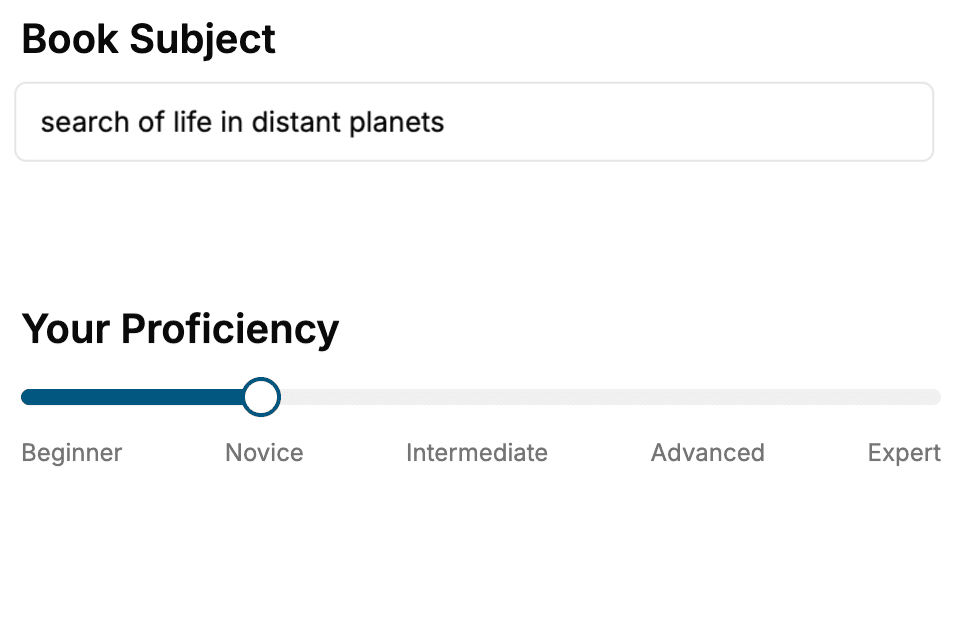
Select the focus of your Content Marketing book and share your background
- 2. Personalize your book
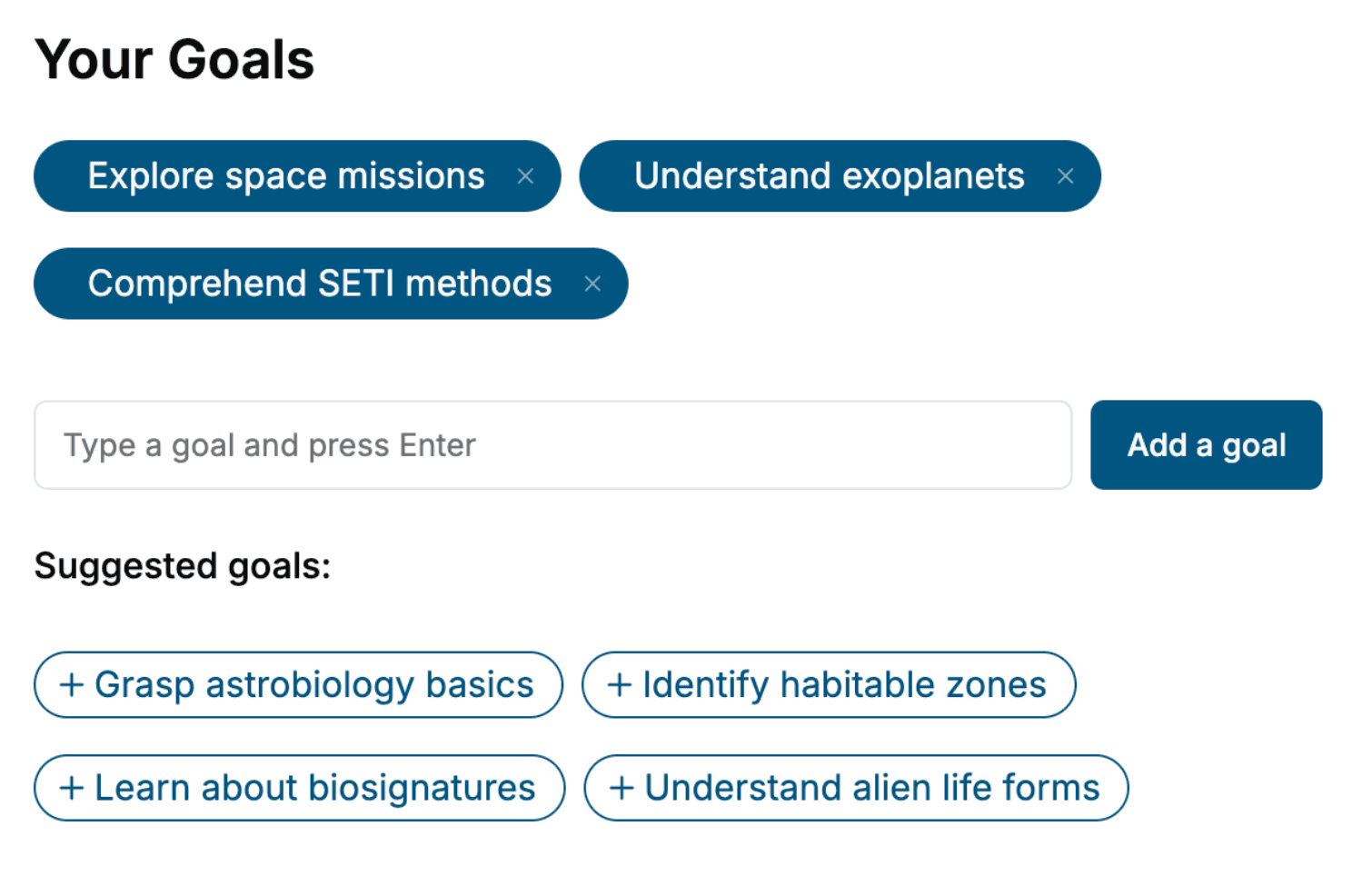
Specify your goals and choose sub-topics to include
- 3. Get your tailored book
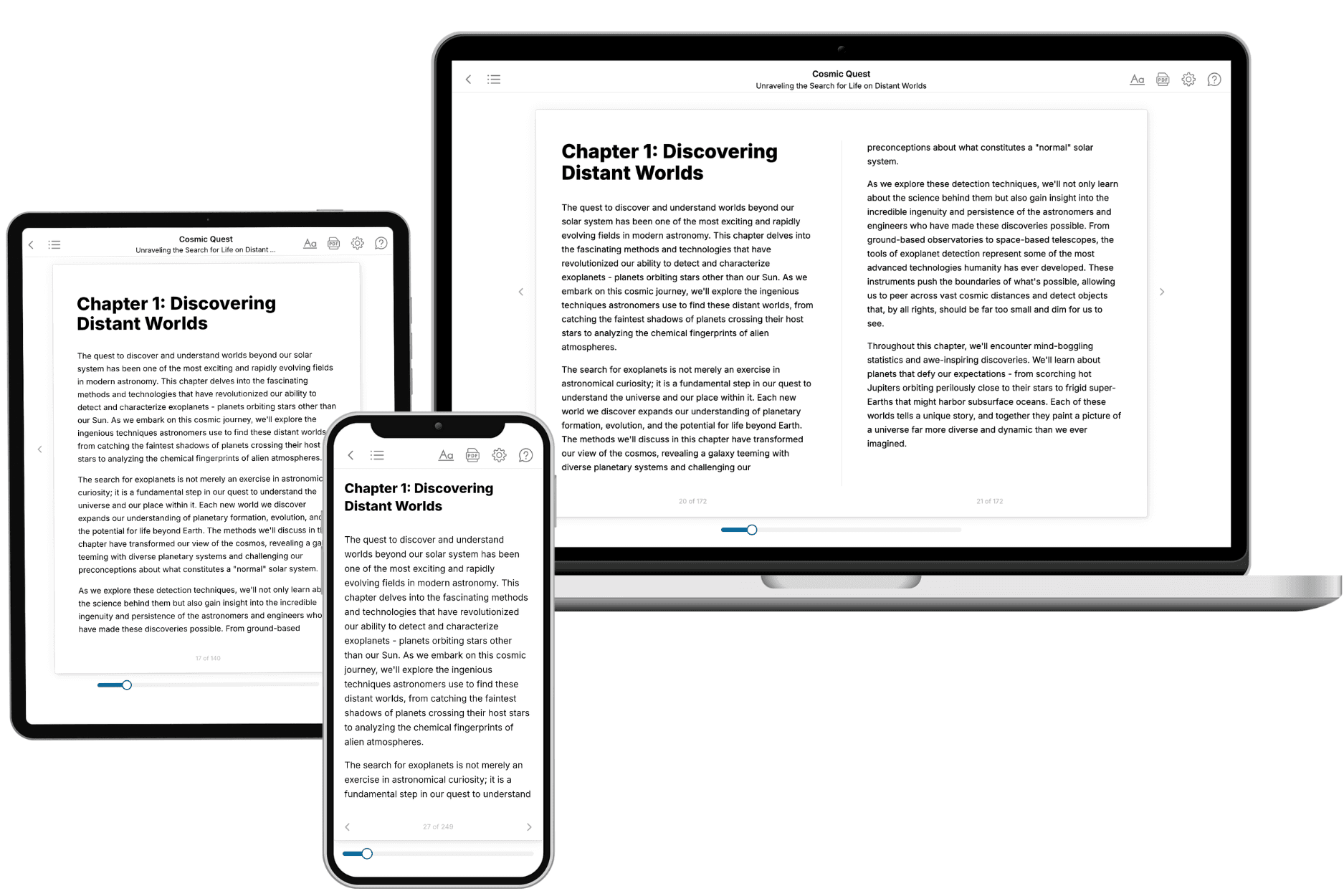
Your book is ready in 10 minutes. Read it online, download as EPUB or PDF, or send to Kindle.
Frequently asked questions
- What is TailoredRead?
TailoredRead creates complete, full-length nonfiction ebooks, written specifically for you. Tell us what you want to learn and why, and TailoredRead writes you a complete ebook on it, with charts, tables, and diagrams throughout. Read it online, on Kindle, or on any e-reader, or download it as a PDF or EPUB. Every book is written fresh the day you order it.
- How is the book tailored to me?
Before anything is written, you answer a few short questions about your goals, your background, and the topics you care about. Your book is then planned around your answers: written at your level, focused on your goals, and covering the topics you chose, instead of the one-size-fits-all book a store sells everyone.
- Will it read like generic AI content?
No. Your book isn't a chat transcript: it's planned chapter by chapter before a single word is written, told in a clear book voice, and explains ideas visually with charts, tables, and diagrams. After writing, every book goes through an editorial pass that polishes chapters so the book reads consistent from start to finish. Judge for yourself: browse thousands of sample books on our Explore Books page.
- How accurate is the content?
Our AI first checks whether your subject needs live research. Niche and fast-moving subjects are researched before writing, and the book plan and chapters are grounded in what it finds. After writing, every book goes through a quality pass that checks its facts and consistency, and researched books list their sources in a Notes section at the back.
- How long is the book?
You choose the length: Comprehensive (250-300 pages), Detailed (150-200 pages), Essential (70-100 pages), or Short (30-50 pages).
- Does the book include visuals?
Yes. Every book includes charts, tables, and diagrams: timelines, checklists, step-by-step guides, decision trees, comparison tables, matrices, and bar charts. A typical book includes dozens of these visual elements.
- Can I read it on Kindle? What formats can I download?
Yes. Every book can be read in our online reader or downloaded as a PDF or EPUB. The EPUB can be opened with Kindle, Apple Books, Kobo, and any e-reader. The Commercial and Author licenses also include an editable Word (DOCX) and Markdown download.
- How much does it cost?
About the price of a regular ebook. The exact price depends on your book's length and complexity, from $2 for the shortest books to $35 for the most comprehensive, and it's shown when you review your book, before you commit to anything. Each book is a one-time purchase, yours to keep, no subscription. Licenses that let you share, teach, or publish your book range from $35.99 to $49.99.
- Can I preview the book before purchasing?
Before you pay, you'll see what your book will cover: the title, a detailed description, the estimated length, and the complete chapter-by-chapter table of contents, so you know what you're getting before you decide. The full text itself is written after you purchase.
- How long does it take to create a book?
About 10 minutes. You can start reading the opening chapters while the rest is still being written.