Corfu Dassia Beach
Your Complete Guide to Greece's Most Enchanting Coastal Destination
What if your next beach vacation could combine pristine Mediterranean waters, authentic Greek culture, and practical convenience all in one destination?
207 pages9 chaptersJul 5, 2026Greece Travel Guide
About this book
Corfu Dassia Beach delivers exactly that—a stunning coastal gem that welcomes everyone from relaxation seekers to adventure enthusiasts. This guide cuts through the noise of generic travel advice to give you insider knowledge about what makes Dassia special, how to navigate it like a local, and how to create memories that last far beyond your return home. You'll discover the best times to visit, where to stay based on your preferences and budget, which restaurants serve genuine Corfiot flavors, and how to balance beach time with cultural exploration. Whether you're planning your first Greek island experience or returning for another visit, this comprehensive resource provides the practical details and local insights you need to make informed decisions and experience Dassia Beach authentically.
Table of contents
- IntroductionWhy Dassia Beach Stands Out, How to Use This Guide, What to Expect During Your VisitRead below
- Chapter 1: Planning Your VisitBest Time to Visit: Seasons and Weather, How Long Should You Stay?, Budget Planning and Cost Expectations, Travel Documents and Practical Requirements
- Chapter 2: Getting There and AroundFlights and Airport Options, Ground Transportation and Transfers, Getting Around Dassia and Corfu, Parking and Logistics at the Beach
- Chapter 3: Where to StayLuxury Resorts and High-End Hotels, Mid-Range Hotels and Boutique Options, Budget-Friendly Accommodations and Alternatives, Choosing Your Perfect Location in Dassia
- Chapter 4: The Beach ExperienceUnderstanding Dassia Beach's Layout and Features, Amenities, Facilities, and Beach Clubs, Water Conditions and Safety Information, Beach Etiquette and Local Customs
- Chapter 5: Dining and Local CuisineAuthentic Corfiot Cuisine and Specialties, Beachfront Restaurants and Tavernas, Local Favorites Beyond the Beach, Dining Tips and Practical Advice
- Chapter 6: Activities and Water SportsWater Sports and Beach Activities, Snorkeling, Diving, and Marine Exploration, Land-Based Activities and Recreation
- Chapter 7: Exploring Beyond the BeachNearby Villages and Local Communities, Cultural and Historical Sites, Day Trip Ideas and Excursions
- Chapter 8: Practical Information and TipsMoney, Payments, and Currency Exchange, Health, Safety, and Emergency Services, Communication and Internet Access, Local Customs and Cultural Sensitivity
- Chapter 9: Insider Secrets and Local KnowledgeHidden Spots and Lesser-Known Gems, Avoiding Crowds and Finding Solitude, Tips from Local Residents and Frequent Visitors
- ConclusionMaking the Most of Your Dassia Experience
- Frequently Asked Questions
- Further Reading and Resources
Introduction
There is a stretch of coastline on the northeastern edge of Corfu that has a way of stopping people mid-step. The water shifts from pale turquoise near the shore to a deeper, richer blue further out, and the pebbled beach catches the light in a way that feels almost deliberate. Olive trees press close to the hillside behind it, and the air carries that particular mix of salt, pine, and warm stone that you only find in the Ionian Islands. This is Dassia Beach, and if you have not been there yet, this guide exists to make sure your first visit is everything it should be.
Corfu is one of Greece's most visited islands, drawing well over a million tourists each year to its mix of Venetian architecture, lush green landscapes, and crystalline waters.[1] Within that busy island, Dassia sits in a sweet spot. It is close enough to Corfu Town to be genuinely convenient, yet far enough removed from the most crowded resort strips to feel like a real place rather than a tourist production. The village behind the beach has its own rhythm, its own tavernas, and its own regulars who have been coming back season after season for decades.
This guide was built around a single goal: giving you the practical, honest, and specific information you need to plan a visit that actually matches your expectations. That means going beyond the standard advice about sunscreen and comfortable shoes. It means telling you which months bring the best weather without the worst crowds, which restaurants are worth the walk, and what the water conditions are actually like for swimming versus snorkeling. Whether you are arriving for a long weekend or a two-week stay, the chapters ahead are organized to help you find exactly what you need, when you need it.
One thing worth saying upfront: Dassia rewards the traveler who takes a little time to understand it. It is not a destination that announces itself loudly. Its appeal is quieter and more layered than the big resort beaches further south. The more you know before you arrive, the more you will notice and appreciate once you are there. That is the spirit behind every section of this guide.
Why Dassia Beach Stands Out
Ask anyone who has visited multiple beaches on Corfu what makes Dassia different, and you will hear a few things come up repeatedly. The setting is genuinely beautiful, but that alone does not separate it from dozens of other Ionian beaches. What sets Dassia apart is the combination of factors that rarely appear together in one place: natural scenery, practical accessibility, a working local community, and a range of accommodation and dining options that serve different budgets without feeling fragmented.
The beach itself stretches for roughly two kilometers along a sheltered bay, which means the water stays relatively calm even when the wind picks up elsewhere on the island. The bay's orientation protects it from the strong northwesterly winds that can make some of Corfu's more exposed beaches uncomfortable in the afternoon. For families with young children, or for anyone who simply wants to swim without fighting waves, this is a meaningful advantage that is easy to overlook until you experience it firsthand.
The shoreline is a mix of fine pebbles and coarse sand, which keeps the water exceptionally clear. Unlike purely sandy beaches, where foot traffic stirs up sediment, Dassia's pebbly base means visibility underwater stays good throughout the day. Snorkelers and casual swimmers both benefit from this. The water quality here consistently meets European Blue Flag standards, which is a reliable indicator of cleanliness and safety.[2]
Beyond the physical beach, Dassia's location on the northeastern coast places it within easy reach of some of Corfu's most interesting inland areas. The village of Dassia itself sits just above the beach and has a genuine local character. You will find family-run tavernas where the menu changes based on what came in fresh that morning, small shops selling local olive oil and honey, and a pace of life that has not been entirely reshaped around tourism. This is increasingly rare on popular Greek islands, and it is worth protecting by engaging with it respectfully.
Dassia also benefits from being positioned along the main coastal road that connects Corfu Town to the northern resorts. This makes it easy to use as a base for exploring the rest of the island. You can be in Corfu Town in under 20 minutes by car, reach the dramatic cliffs of the north in about 40 minutes, and access quieter inland villages in between. For travelers who want a beach base without sacrificing access to the broader island, Dassia's location is close to ideal.
Dassia is the kind of place that experienced Greek island travelers tend to recommend quietly, as if sharing a secret. It has the beauty of the more famous beaches without the infrastructure that sometimes makes those beaches feel like outdoor shopping malls.
The accommodation landscape around Dassia reflects this balance well. Within a short distance of the beach, you will find everything from well-regarded luxury resorts with full spa facilities to small family-run apartments where the owner will tell you which taverna is best on a given night. This range means Dassia genuinely works for different types of travelers, not just those with large budgets or those willing to sacrifice comfort for savings.
Finally, Dassia has a track record of consistency. Travelers who visited ten or fifteen years ago and return today generally find that the things they loved are still there. The beach has not been overdeveloped. The local tavernas have not all been replaced by international chains. The water is still clear. In a region where rapid tourism development has changed the character of many destinations within a single decade, this kind of stability is worth noting and worth valuing.
How to Use This Guide
This guide is organized to match the way most people actually plan a trip. It starts with the big decisions, moves through the logistics, and then gets into the details of what to do and experience once you arrive. You do not need to read it cover to cover before your trip, though doing so will give you the fullest picture. More practically, you can jump directly to the chapters most relevant to where you are in your planning process.
Here is a quick map of how the chapters are structured, so you can navigate efficiently:
- Planning Your Visit (Chapter 1): Covers timing, trip length, budgeting, and travel documents. Start here if you are in the early stages of deciding when and how to go.
- Getting There and Around (Chapter 2): Covers flights, airport transfers, local transport, and parking. Essential reading before you book anything.
- Where to Stay (Chapter 3): Breaks down accommodation options by budget and style, with guidance on choosing the right location within Dassia.
- The Beach Experience (Chapter 4): Covers the beach layout, amenities, water conditions, and local customs. Read this before you arrive so you know what to expect on day one.
- Dining and Local Cuisine (Chapter 5): Introduces Corfiot food culture and provides specific guidance on where to eat and what to order.
- Activities and Water Sports (Chapter 6): Details the range of active options available, from jet skiing to hiking.
- Exploring Beyond the Beach (Chapter 7): Covers nearby villages, cultural sites, and day trip ideas for when you want to see more of Corfu.
- Practical Information and Tips (Chapter 8): Addresses money, health, communication, and cultural etiquette. Useful to review before departure.
- Insider Secrets and Local Knowledge (Chapter 9): Shares the kind of information that usually only comes from repeat visitors or locals.
If you are planning your first trip to Corfu and have not yet booked anything, reading Chapters 1 and 2 first will save you time and potentially money. Those chapters address the decisions that have the biggest downstream impact on your experience, including which season to visit and how to get from the airport to Dassia without overpaying for a transfer.
If you have already booked your flights and accommodation and are now focused on what to do once you arrive, Chapters 4 through 7 will be most immediately useful. They are written to be practical and specific, with real examples rather than vague suggestions. When a restaurant is worth visiting, this guide says so directly and explains why. When a water sport is better suited to experienced participants, that is noted clearly.
The Practical Information chapter (Chapter 8) is worth reading in full at some point before you travel, even if it feels like background material. Understanding how payments work, what the local health facilities are like, and how to navigate cultural expectations will make your day-to-day experience smoother in ways that are hard to quantify but easy to feel.
Throughout the guide, you will find specific examples, approximate costs, and practical tips set apart from the main text. These are designed to be easy to scan when you are on the ground and need a quick answer. The goal is for this guide to be useful both as pre-trip reading and as a reference you can return to during your stay.
One important note on information currency: prices, operating hours, and specific business details change over time. The figures and details in this guide reflect conditions as of the most recent research period, but it is always worth confirming specifics directly with hotels, restaurants, and activity providers before making firm plans. The structural information about the beach, the local area, and the broader travel logistics tends to be more stable and can be relied upon with greater confidence.
What to Expect During Your Visit
Setting realistic expectations before a trip is one of the most underrated parts of travel planning. Dassia Beach is genuinely wonderful, but it is not a fantasy destination that exists outside the normal conditions of real travel. Understanding what it actually offers, and what it does not, will help you arrive with the right mindset and leave with the right memories.
The first thing to understand is that Dassia is a working beach destination, not a private resort. During peak season, which runs roughly from late June through August, the beach gets busy. Sun loungers fill up by mid-morning on the most popular sections. The main coastal road carries regular traffic. Restaurants near the beach can have waits in the evening. None of this is unusual for a well-regarded Mediterranean beach in summer, but it is worth knowing so you can plan around it rather than be surprised by it.
The shoulder seasons, particularly May, early June, and September, offer a noticeably different experience. The weather is still warm and reliably sunny, the water is comfortable for swimming, and the beach is significantly less crowded. Many experienced travelers to Corfu consider September the best month of the year to visit Dassia specifically. The summer heat has softened slightly, the tourist numbers have dropped, and the local community has more time and energy for genuine interaction with visitors.
In terms of the physical environment, here is what a typical day at Dassia looks like during peak season:
- Morning (7:00–10:00): The beach is quiet and cool. This is the best time for a peaceful swim and to claim a good spot if you want a sun lounger in a prime location.
- Late morning (10:00–13:00): Beach clubs open, water sports operators set up, and the beach fills steadily. The water is calm and clear.
- Afternoon (13:00–17:00): Peak heat and peak crowds. The sea breeze usually picks up slightly, which provides some relief. This is prime time for water sports and swimming.
- Late afternoon (17:00–20:00): Crowds thin as people return to their accommodations. The light becomes golden and the temperature drops to a very comfortable level. Many locals consider this the best time to be on the beach.
- Evening: The beach itself quiets down, but the tavernas and restaurants along the waterfront come alive. Dinner in Greece typically starts later than in northern Europe or North America, with most locals eating between 9:00 and 11:00 PM.
The water temperature at Dassia follows a predictable seasonal pattern. In May, the sea is around 19–20°C (66–68°F), which is refreshing but comfortable for most swimmers. By July and August, it reaches 25–27°C (77–81°F), which is warm enough for extended swimming without any discomfort. September sees temperatures around 23–24°C (73–75°F), still very pleasant for swimming well into the month.[3]
From a cultural standpoint, Dassia sits within a broader Corfiot context that is worth understanding before you arrive. Corfu has a distinct identity within Greece, shaped by centuries of Venetian rule, British administration, and French influence. This history shows up in the architecture of Corfu Town, in the local cuisine, and in certain social customs that differ subtly from mainland Greek culture. The people of Corfu are generally warm and welcoming toward visitors, particularly those who make even small efforts to engage respectfully with local customs.
Language is rarely a barrier at Dassia. English is widely spoken in hotels, restaurants, and tourist-facing businesses throughout the area. However, learning a few basic Greek phrases, such as kalimera (good morning), efharisto (thank you), and parakalo (please/you're welcome), will be noticed and appreciated. It signals respect and often leads to warmer interactions and occasionally better service.
One practical expectation to set: Dassia is not a destination with a packed schedule of organized activities and entertainment. If you are looking for a resort experience with nightly shows, organized excursions every day, and a full activity program, you may find Dassia's pace too relaxed. Its appeal is more about quality of place than quantity of programming. The beach, the food, the water, the light, and the surrounding landscape are the main attractions. The best experiences here tend to be unscheduled: a long lunch that stretches into the afternoon, a spontaneous walk up into the olive groves, a conversation with the owner of a small taverna who has been cooking the same recipes for thirty years.
That said, there is plenty to do for those who want activity. Water sports, boat trips, hiking, cycling, and day trips to Corfu Town and beyond all provide structure and variety. The key is that Dassia works best when you let it set the pace rather than trying to impose a rigid itinerary on it. Arrive with a loose plan, stay open to what each day offers, and you will almost certainly leave wishing you had stayed longer.
Notes
Introduction
- 1. "Greek National Tourism Organisation (GNTO)," Annual Tourism Statistics Report, 2023
- 2. Foundation for Environmental Education (FEE), "Blue Flag Programme," Greece Beach Listings, 2023
- 3. Hellenic National Meteorological Service (HNMS), Ionian Sea Surface Temperature Data, Corfu Station, 2022-2023.
This is the end of the free sample. The full book has 9 chapters.
Want this book written for you?
Tell us your goals and background, and get your own version of this book, tailored by AI to you.


Benefits of AI-tailored books
- Read one book, not ten:
- all the Greece Travel Guide knowledge you need, gathered into a single book.
- Save days of learning:
- tell us your goals, choose your topics, and the whole book is built around them.
- Learn effortlessly:
- Greece Travel Guide book written for your specific background and expertise.
- Understand at a glance:
- includes charts, tables, timelines, checklists, decision trees, and more.
- Stay current:
- written the day you order it, not years ago.
- Trust what you read:
- every book is checked for accuracy, with real research when your subject needs it.
Create your unique book in 3 steps
- 1. Select your focus
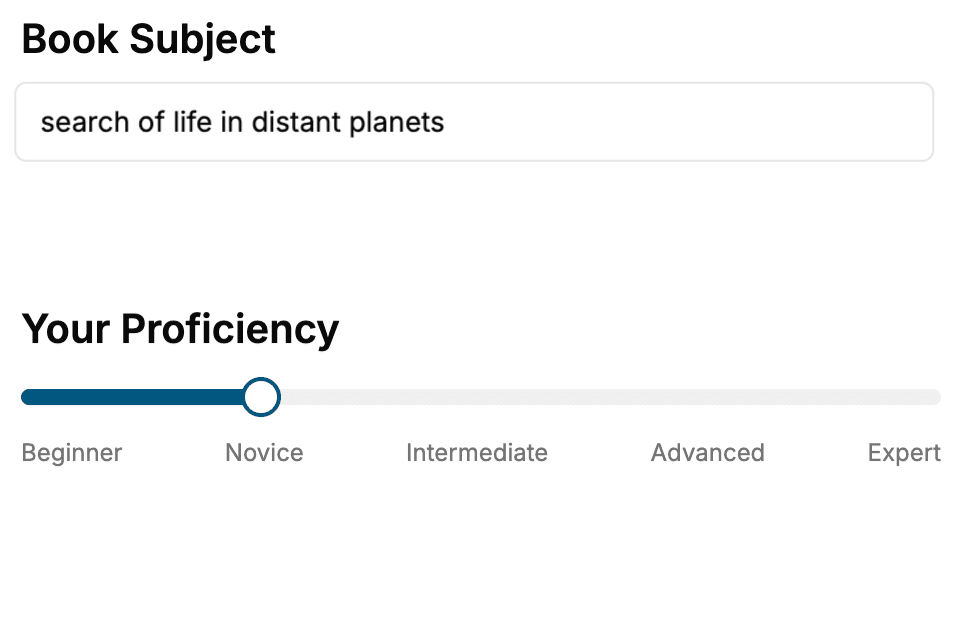
Select the focus of your Greece Travel Guide book and share your background
- 2. Personalize your book
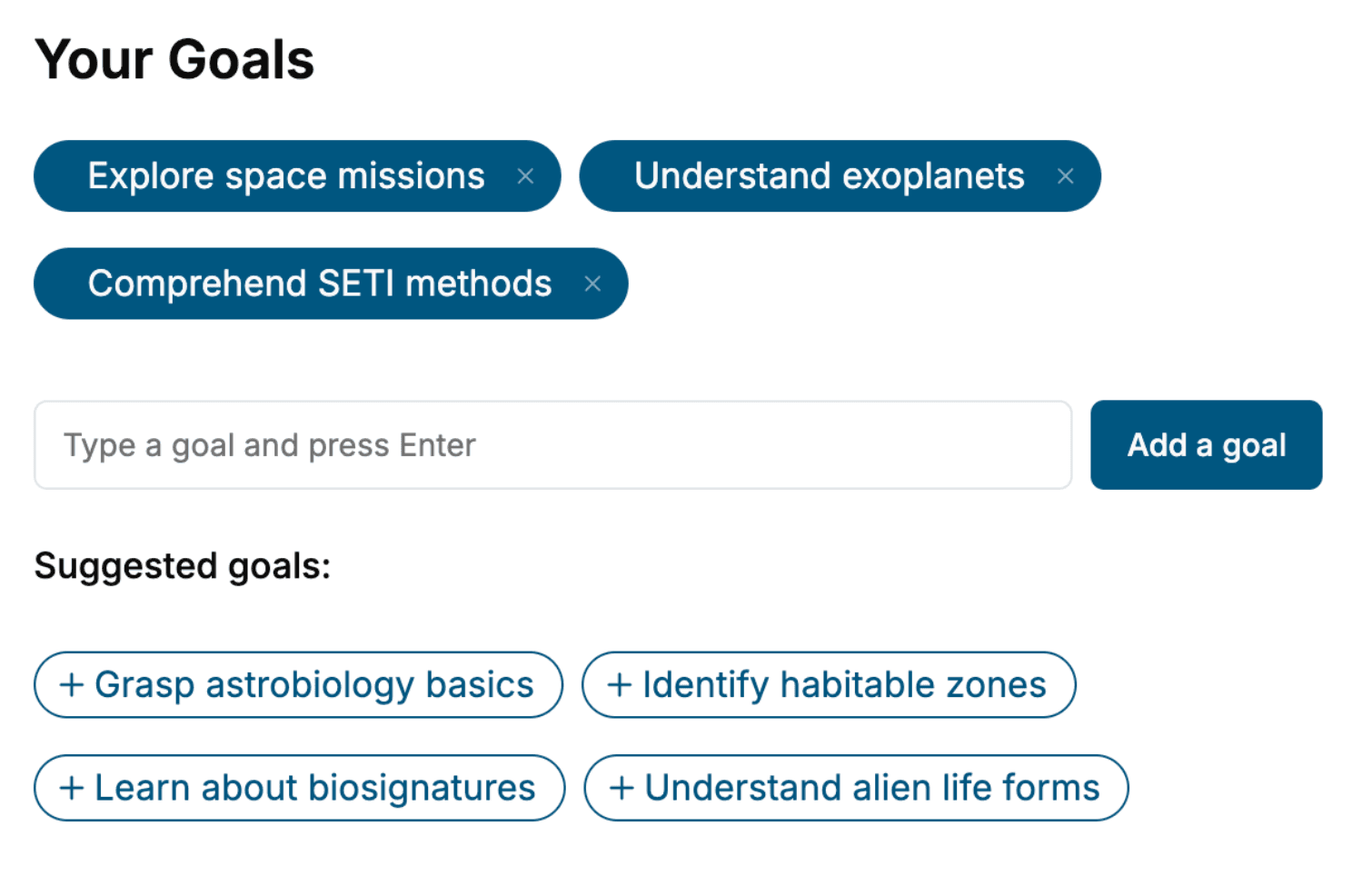
Specify your goals and choose sub-topics to include
- 3. Get your tailored book
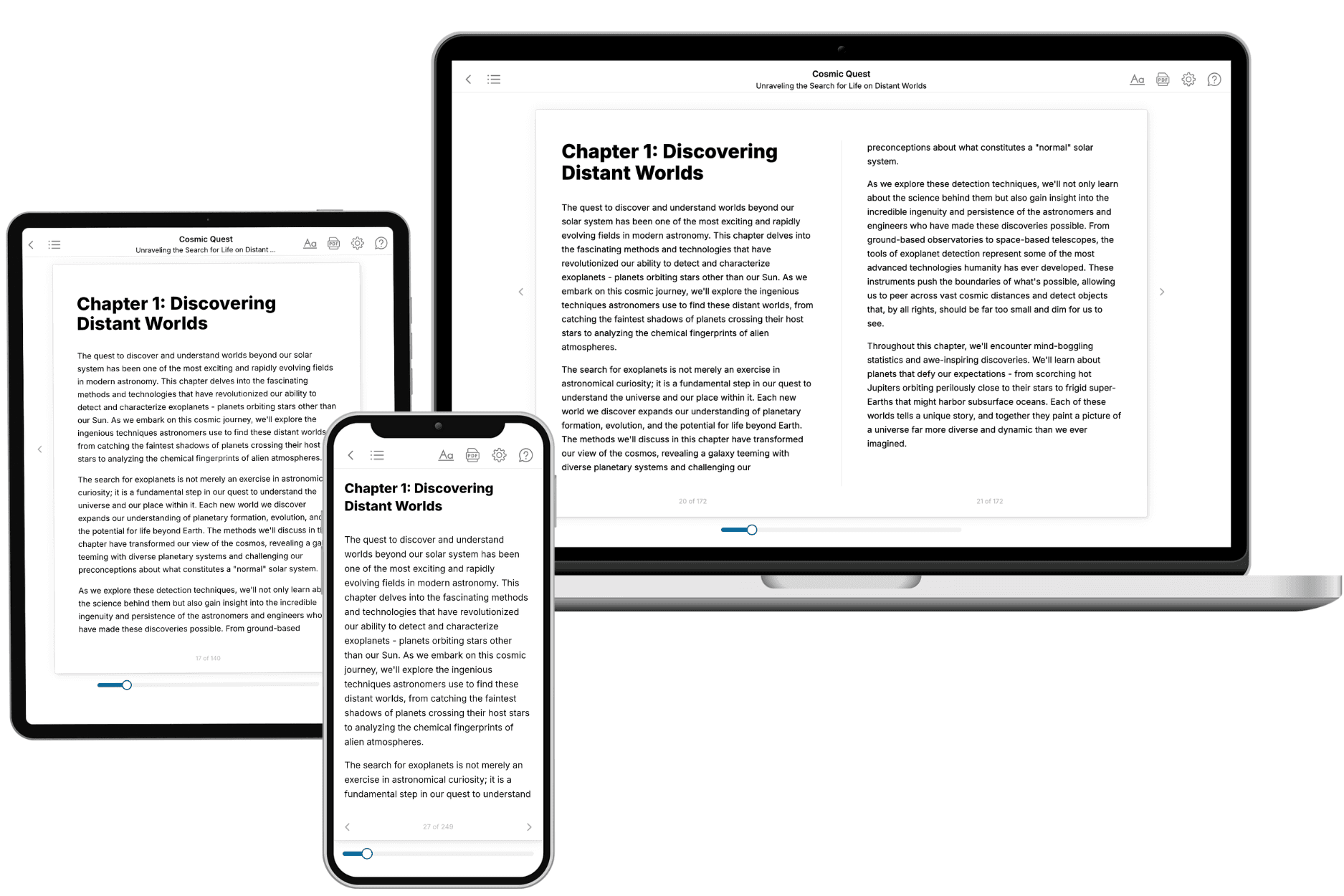
Your book is ready in 10 minutes. Read it online, download as EPUB or PDF, or send to Kindle.
Frequently asked questions
- What is TailoredRead?
TailoredRead creates complete, full-length nonfiction ebooks, written specifically for you. Tell us what you want to learn and why, and TailoredRead writes you a complete ebook on it, with charts, tables, and diagrams throughout. Read it online, on Kindle, or on any e-reader, or download it as a PDF or EPUB. Every book is written fresh the day you order it.
- How is the book tailored to me?
Before anything is written, you answer a few short questions about your goals, your background, and the topics you care about. Your book is then planned around your answers: written at your level, focused on your goals, and covering the topics you chose, instead of the one-size-fits-all book a store sells everyone.
- Will it read like generic AI content?
No. Your book isn't a chat transcript: it's planned chapter by chapter before a single word is written, told in a clear book voice, and explains ideas visually with charts, tables, and diagrams. After writing, every book goes through an editorial pass that polishes chapters so the book reads consistent from start to finish. Judge for yourself: browse thousands of sample books on our Explore Books page.
- How accurate is the content?
Our AI first checks whether your subject needs live research. Niche and fast-moving subjects are researched before writing, and the book plan and chapters are grounded in what it finds. After writing, every book goes through a quality pass that checks its facts and consistency, and researched books list their sources in a Notes section at the back.
- How long is the book?
You choose the length: Comprehensive (250-300 pages), Detailed (150-200 pages), Essential (70-100 pages), or Short (30-50 pages).
- Does the book include visuals?
Yes. Every book includes charts, tables, and diagrams: timelines, checklists, step-by-step guides, decision trees, comparison tables, matrices, and bar charts. A typical book includes dozens of these visual elements.
- Can I read it on Kindle? What formats can I download?
Yes. Every book can be read in our online reader or downloaded as a PDF or EPUB. The EPUB can be opened with Kindle, Apple Books, Kobo, and any e-reader. The Commercial and Author licenses also include an editable Word (DOCX) and Markdown download.
- How much does it cost?
About the price of a regular ebook. The exact price depends on your book's length and complexity, from $2 for the shortest books to $35 for the most comprehensive, and it's shown when you review your book, before you commit to anything. Each book is a one-time purchase, yours to keep, no subscription. Licenses that let you share, teach, or publish your book range from $35.99 to $49.99.
- Can I preview the book before purchasing?
Before you pay, you'll see what your book will cover: the title, a detailed description, the estimated length, and the complete chapter-by-chapter table of contents, so you know what you're getting before you decide. The full text itself is written after you purchase.
- How long does it take to create a book?
About 10 minutes. You can start reading the opening chapters while the rest is still being written.