Cracking the Code
A Practical Guide to Understanding and Using English Idioms
Ever felt lost in conversation when native English speakers use phrases that don't make literal sense?
269 pages13 chaptersDec 7, 2024English Idioms
About this book
You're not alone. Many language learners struggle with idioms and expressions that seem to defy logic but are essential for true fluency. "Cracking the Code" is your key to unlocking the world of English idioms. This comprehensive guide takes you beyond textbook English, diving deep into the colorful and often puzzling world of idiomatic language. You'll discover the origins of common expressions, learn how to use them naturally in conversation, and gain the confidence to understand native speakers in various contexts. From "barking up the wrong tree" to "hitting the nail on the head," this book breaks down hundreds of idioms into easily digestible explanations and practical examples. You'll learn not just what these phrases mean, but when and how to use them appropriately. With engaging exercises, real-life dialogues, and cultural insights, you'll quickly find yourself speaking English with newfound fluency and cultural awareness. Whether you're preparing for a job interview, planning to study abroad, or simply want to enjoy English movies and literature without constant pauses to look up phrases, "Cracking the Code" is your indispensable companion on the journey to true English mastery.
Table of contents
- IntroductionWhy Idioms Matter, How to Use This Book, What Exactly Is an Idiom?, The Role of Idioms in Fluent CommunicationRead below
- Chapter 1: The Basics of IdiomsStructure and Components of Idioms, Literal vs. Figurative Meanings, Origins and Evolution of Idioms, Categories of Idioms
- Chapter 2: Common English IdiomsAnimal-related Idioms, Color Idioms, Body Part Idioms, Food and Drink Idioms
- Chapter 3: Idioms in ContextIdioms in Formal Settings, Idioms in Casual Conversations, Idioms in Business English, Idioms in Academic English
- Chapter 4: Regional Variations in IdiomsBritish English Idioms, American English Idioms, Australian English Idioms, Canadian English Idioms
- Chapter 5: The Origins of Popular IdiomsIdioms with Historical Origins, Idioms from Literature, Idioms from Sports, Nautical Idioms
- Chapter 6: Using Idioms EffectivelyUnderstanding Context Clues, Choosing the Right Tone, Cultural Sensitivity in Idiom Usage, Avoiding Overuse of Idioms
- Chapter 7: Practicing with IdiomsIncorporating Idioms in Conversations, Using Idioms in Writing, Recognizing Idioms in Speech, Role-play Scenarios with Idioms
- Chapter 8: Common Mistakes with IdiomsMisinterpreting Idiom Meanings, Using Idioms Incorrectly, Cultural Misunderstandings with Idioms, Pitfalls of Literal Translations
- Chapter 9: The Evolution of IdiomsEmerging Modern Idioms, Outdated and Obsolete Idioms, Internet and Technology-inspired Idioms, Idioms with Changing Meanings
- Chapter 10: Idioms and CultureHow Idioms Reflect Cultural Values, Humor and Idioms, Taboos and Sensitive Topics in Idioms, Cross-cultural Comparisons of Idioms
- Chapter 11: Strategies for Idiom MasteryMemory Techniques for Learning Idioms, Learning Idioms in Context, Using Media to Learn Idioms, Language Exchange and Idiom Practice
- Chapter 12: Idioms and Language FluencySounding More Natural with Idioms, Cultural Integration Through Idiomatic Language, Building Confidence in Language Use, Advanced Communication Skills with Idioms
- Chapter 13: Resources for Further LearningIdiom Dictionaries and References, Online Tools and Apps for Idiom Learning, Language Learning Podcasts featuring Idioms, Books and Literature Rich in Idiomatic Expressions
- Conclusion
- Glossary of Terms
- Appendix: Idiom Quick Reference Guide
Introduction
Welcome to "Cracking the Code: A Practical Guide to Understanding and Using English Idioms." This book is your key to unlocking the vibrant and often perplexing world of English idiomatic expressions. As an intermediate English language learner, you've already built a solid foundation in the language. Now, you're ready to take your skills to the next level by mastering the art of idiomatic speech. This introduction will set the stage for your journey into the colorful realm of English idioms, explaining why they matter, how to use this book effectively, what exactly constitutes an idiom, and the crucial role these expressions play in fluent communication.
Throughout this book, you'll discover that idioms are far more than just quirky phrases. They are the lifeblood of natural, everyday English, offering insights into culture, history, and ways of thinking. By the time you finish this guide, you'll not only understand hundreds of common idioms but also feel confident using them in various contexts. Whether you're preparing for a job interview, planning to study abroad, or simply want to enjoy English-language media without constant confusion, this book will be your trusted companion.
Remember, mastering idioms is a journey, not a destination. It requires patience, practice, and a willingness to embrace the sometimes illogical nature of these expressions. But with each idiom you learn, you'll find yourself one step closer to true fluency and cultural understanding. So, let's dive in and start "cracking the code" of English idioms together!
Why Idioms Matter
Imagine you're having a conversation with a native English speaker, and they suddenly say, "It's raining cats and dogs." You look out the window, confused, expecting to see pets falling from the sky. This scenario illustrates why understanding idioms is crucial for effective communication in English. Idioms are an integral part of the language, used frequently in both casual conversations and formal settings. They add color, nuance, and cultural depth to communication, often expressing complex ideas succinctly and memorably.
Idioms matter because they reflect the heart and soul of a language. They encapsulate cultural wisdom, historical events, and shared experiences of English-speaking communities. When you understand and can use idioms appropriately, you're not just speaking the language; you're tapping into its cultural essence. This deeper level of language proficiency can significantly enhance your ability to connect with native speakers, understand subtle meanings in conversations, and express yourself more vividly and precisely.
Moreover, idioms often convey emotions and attitudes that might be difficult to express otherwise. For instance, saying someone is "walking on eggshells" immediately conjures an image of cautious, delicate behavior in a tense situation. This vivid imagery is far more impactful than simply saying someone is being careful. By mastering idioms, you gain access to a rich palette of expressions that can make your English more engaging, persuasive, and nuanced.
In professional settings, understanding idioms can be particularly advantageous. Many business and academic discussions are peppered with idiomatic expressions. Phrases like "thinking outside the box," "hitting the ground running," or "the ball is in your court" are commonplace in meetings and presentations. Being familiar with these expressions not only helps you understand the discussion better but also allows you to participate more fully and confidently.
Furthermore, idioms often appear in literature, media, and popular culture. From classic novels to modern TV shows, idiomatic expressions are woven into the fabric of English-language storytelling. By understanding these phrases, you'll be able to appreciate literature more deeply, enjoy movies and TV shows without constant confusion, and engage more meaningfully with English-language media.
Idioms also play a crucial role in humor and social bonding. Many jokes, puns, and witty remarks rely on idiomatic expressions or play with their meanings. Being able to understand and participate in this type of wordplay can help you build stronger social connections and feel more at ease in English-speaking environments. It's often these lighthearted moments of shared humor that can make you feel truly part of a language community.
Learning idioms is not just about memorizing phrases; it's about gaining insight into the way native speakers think and express themselves. Many idioms have fascinating origins rooted in history, literature, or cultural practices. For example, the phrase "to turn a blind eye" is said to come from the actions of Admiral Horatio Nelson, who allegedly held a telescope to his blind eye to avoid seeing a signal to withdraw during a naval battle. Understanding these origins can deepen your appreciation of the language and provide interesting conversation topics.
It's important to note that while idioms are prevalent in English, they can vary significantly across different English-speaking regions. American, British, Australian, and Canadian English, among others, each have their own unique sets of idiomatic expressions. Learning these regional variations can enhance your understanding of different English-speaking cultures and help you navigate diverse English-language environments more effectively.
Lastly, mastering idioms can significantly boost your confidence in using English. When you can understand and use these expressions naturally, you'll feel more like an insider in the language. This confidence can translate into more fluid conversations, better performance in English-language exams, and a greater sense of comfort in immersive English environments. As you progress in your idiom mastery, you'll likely find yourself thinking in English more often, a key indicator of advanced language proficiency.
In conclusion, idioms matter because they are the spice of the English language, adding flavor, depth, and cultural richness to communication. They are tools for more precise and vivid expression, keys to understanding subtle meanings, and bridges to deeper cultural comprehension. By embarking on this journey to master English idioms, you're not just learning phrases; you're unlocking a new level of language proficiency that will enhance your ability to communicate, connect, and thrive in English-speaking contexts.
How to Use This Book
"Cracking the Code: A Practical Guide to Understanding and Using English Idioms" is designed to be your comprehensive companion in mastering idiomatic expressions. To get the most out of this book, it's important to approach it with a strategic mindset and utilize its various features effectively. This section will guide you through the structure of the book and provide tips on how to use it to maximize your learning and retention of English idioms.
First and foremost, it's crucial to understand that this book is not meant to be read straight through like a novel. Instead, it's a resource that you'll want to engage with actively and return to repeatedly as you progress in your language learning journey. The book is structured to facilitate both systematic learning and quick reference, allowing you to tailor your approach based on your current needs and learning style.
The chapters in this book are organized thematically, starting with the basics of idioms and progressing through various categories, contexts, and aspects of idiomatic usage. Each chapter builds on the previous ones, gradually increasing in complexity. However, feel free to jump between chapters based on your interests or immediate needs. For instance, if you're preparing for a job interview, you might want to focus on the chapter about business idioms first.
Within each chapter, you'll find clear explanations of idioms, their meanings, and usage examples. Pay close attention to the context provided for each idiom, as this is crucial for understanding when and how to use these expressions appropriately. The book also includes etymology or origin stories for many idioms, which can help you remember them better and provide interesting cultural insights.
One effective way to use this book is to set a goal of learning a certain number of new idioms each week. You might start with five to ten idioms per week, gradually increasing this number as you become more comfortable. After reading about an idiom, try to create your own sentences using it. This active engagement will help cement the idiom in your memory and build your confidence in using it.
Throughout the book, you'll find practice exercises and quizzes. Don't skip these! They are designed to reinforce your learning and help you apply the idioms in context. Try to complete these exercises without referring back to the explanations first. This will help you gauge your understanding and retention. After attempting the exercises, review your answers and revisit any idioms you found challenging.
The book also includes real-life dialogues and scenarios that demonstrate how idioms are used in everyday conversations. Read these aloud, paying attention to how the idioms fit naturally into speech. You might even want to practice these dialogues with a language partner or record yourself to improve your pronunciation and intonation when using idioms.
As you progress through the book, make use of the glossary and quick reference guide in the appendix. These tools are invaluable for quick lookups and reviews. Consider creating flashcards for idioms you find particularly useful or challenging. You can use these for quick study sessions throughout your day.
Another effective strategy is to keep an "idiom journal." As you encounter new idioms in the book or in your daily life, jot them down in this journal along with their meanings and example sentences. Regularly reviewing this journal can help reinforce your learning and provide a personal reference tailored to your experiences.
Don't hesitate to use the book in conjunction with other resources. The chapter on "Resources for Further Learning" provides suggestions for complementary tools like online dictionaries, apps, and podcasts. Integrating these resources with your book study can enhance your learning experience and provide additional contexts for the idioms you're learning.
Remember that learning idioms is an ongoing process. Even native speakers continue to learn new idiomatic expressions throughout their lives. Be patient with yourself and celebrate your progress. As you become more comfortable with idioms, challenge yourself to use them in your own speech and writing. Start with low-stakes situations, like casual conversations with language exchange partners, before using them in more formal contexts.
Finally, make the learning process enjoyable. The world of idioms is full of humor, creativity, and cultural insights. Approach each new expression with curiosity about its origin and usage. Share interesting idioms you learn with friends or on language learning forums. The more you engage with and enjoy the process, the more naturally you'll absorb and retain these colorful expressions.
By following these guidelines and actively engaging with the content of this book, you'll find yourself steadily expanding your idiomatic vocabulary and enhancing your overall English fluency. Remember, the goal is not just to understand idioms when you hear them, but to incorporate them naturally into your own language use. With consistent practice and the structured approach provided in this book, you'll be well on your way to cracking the code of English idioms and expressing yourself with the confidence and nuance of a native speaker.
What Exactly Is an Idiom?
Before delving deeper into the world of English idioms, it's crucial to have a clear understanding of what exactly constitutes an idiom. At its core, an idiom is a phrase or expression whose meaning cannot be deduced from the literal definitions of the words it contains. In other words, idioms are linguistic puzzles where the whole is greater than the sum of its parts. This unique characteristic is what makes idioms both fascinating and challenging for language learners.
To illustrate this concept, let's consider the idiom "it's raining cats and dogs." If you were to interpret this phrase literally, you might expect to see household pets falling from the sky. However, native English speakers understand that this expression simply means it's raining very heavily. This disconnect between the literal meaning of the words and the understood meaning of the phrase as a whole is the hallmark of an idiom.
Idioms can take various forms in the English language. They can be prepositional phrases, like "in the nick of time" (meaning just in time). They can be verbal phrases, such as "to kick the bucket" (meaning to die). Some idioms are complete sentences, like "the cat's out of the bag" (meaning a secret has been revealed). Regardless of their grammatical structure, all idioms share the characteristic of having a figurative meaning that differs from their literal interpretation.
It's important to note that idioms are not the same as other figurative language devices, although there can be some overlap. Metaphors, for instance, make direct comparisons between two unlike things, while idioms don't necessarily do this. Similes use "like" or "as" to make comparisons, which idioms typically don't. Proverbs are short, well-known sayings that state a general truth or piece of advice, and while some idioms can be proverbial, not all proverbs are idioms.
The origins of idioms are diverse and often rooted in cultural, historical, or literary contexts. Some idioms have clear origins that can be traced back to specific events or practices. For example, the phrase "to pass with flying colors" originates from the naval practice of ships flying their colors (flags) to signal victory as they returned to port. Other idioms have more obscure origins, and their exact beginnings may be lost to time. This historical and cultural backdrop adds depth to idioms, making them not just linguistic features but also windows into the collective experiences and mindset of English-speaking societies.
One of the challenges in learning idioms is that they often defy the usual rules of grammar or logic. For instance, the idiom "it's raining cats and dogs" uses the present continuous tense, but you wouldn't say "it was raining cats and dogs" to describe heavy rain in the past. Instead, you would say "it rained cats and dogs." These quirks in usage can be confusing for language learners but are second nature to native speakers.
Another important aspect of idioms is their fixedness. While language is generally flexible, allowing speakers to rearrange words and substitute synonyms, idioms are often rigid in their structure. Changing the words or order of an idiom can result in losing its idiomatic meaning. For example, while "it's raining cats and dogs" is a well-known idiom, saying "it's raining dogs and cats" or "it's raining cats and puppies" would sound strange to a native speaker and lose its idiomatic sense.
Idioms also vary in their transparency, or how easily their meaning can be guessed from their constituent words. Some idioms, like "to lend a hand" (meaning to help), are relatively transparent and their meanings can often be inferred from context. Others, like "to kick the bucket" (meaning to die), are completely opaque and their meanings must be learned separately from their literal interpretations.
It's worth noting that idioms are not static; they evolve over time. New idioms emerge, often influenced by popular culture, technology, or current events. For instance, "to go viral" is a relatively new idiom that has emerged with the rise of social media. Conversely, some idioms fall out of use or change meaning over time. This dynamic nature of idioms reflects the living, evolving character of language itself.
Understanding what constitutes an idiom is the first step in mastering these expressions. As you progress through this book, you'll encounter a wide variety of idioms, each with its own unique flavor and usage. Remember that while the concept of an idiom might seem straightforward, the nuances of when and how to use them correctly require practice and exposure to natural language contexts.
In conclusion, an idiom is a phrase whose meaning cannot be determined by the literal definition of the words it contains. It's a linguistic unit that carries cultural, historical, and sometimes whimsical significance beyond its surface-level interpretation. As you embark on your journey to master English idioms, keep in mind that each idiom you learn is not just a new phrase, but a key to understanding the rich tapestry of English language and culture. By grasping the nature of idioms, you're setting the foundation for a deeper, more nuanced understanding of English expression.
The Role of Idioms in Fluent Communication
Idioms play a pivotal role in fluent communication, serving as linguistic bridges that connect formal language structures with the more colorful, expressive aspects of everyday speech. Understanding and using idioms effectively can significantly enhance your ability to communicate naturally and confidently in English. This section will explore the various ways in which idioms contribute to fluent communication and why mastering them is crucial for advanced language proficiency.
First and foremost, idioms add depth and nuance to language. They allow speakers to express complex ideas succinctly, often conveying emotions, attitudes, or situations more vividly than literal language could. For instance, saying someone is "walking on thin ice" immediately conjures an image of precariousness and danger that would take several sentences to describe literally. This ability to pack a lot of meaning into a short phrase makes idioms invaluable tools for efficient and impactful communication.
Idioms also play a significant role in establishing and maintaining the flow of conversation. Native speakers often use idioms as conversational shortcuts, relying on shared cultural understanding to convey meaning quickly. For a non-native speaker, being able to understand and use these shortcuts can greatly enhance the naturalness and fluidity of their communication. It allows for smoother transitions between topics and helps in maintaining the rhythm of casual conversations.
Moreover, idioms serve as cultural touchstones, reflecting shared experiences, history, and values of English-speaking communities. When you use an idiom correctly, you're not just demonstrating language proficiency; you're also showing cultural awareness. This can be particularly important in social and professional settings where fitting in and building rapport are crucial. Understanding cultural references embedded in idioms can help you navigate social situations more effectively and build stronger connections with native speakers.
In professional contexts, the ability to understand and use idioms can be a significant advantage. Many business discussions and negotiations are laden with idiomatic expressions. Phrases like "to cut corners," "to be on the same page," or "to think outside the box" are commonplace in corporate environments. Being fluent in these expressions can help you participate more fully in meetings, understand subtle implications in business communications, and express your ideas more persuasively.
Idioms also play a crucial role in informal and humorous communication. Many jokes, puns, and witty remarks rely on the playful use or subversion of idiomatic expressions. Being able to understand and participate in this type of wordplay can significantly enhance your ability to engage in casual, friendly conversations and to appreciate English-language humor fully. This aspect of language use is often challenging for non-native speakers but is essential for truly fluent communication.
Furthermore, idioms contribute to the expressiveness and creativity of language use. They allow speakers to add color and personality to their speech, making their communication more engaging and memorable. For instance, instead of saying "it rained heavily," using the idiom "it rained cats and dogs" adds a touch of whimsy and vividness to the description. This creative aspect of idiom use can help you express yourself more distinctively and make your speech or writing more impactful.
It's important to note that the role of idioms in fluent communication extends beyond just using them correctly. It also involves understanding when not to use them. In formal writing or very serious discussions, overuse of idioms can be inappropriate. Part of mastering idioms is developing the judgment to know when they enhance communication and when they might detract from it. This nuanced understanding is a hallmark of advanced language proficiency.
Idioms also serve as indicators of language proficiency and cultural integration. When a non-native speaker uses idioms naturally and appropriately, it often signals to native speakers a high level of language mastery and cultural understanding. This can lead to more open and in-depth conversations, as native speakers may feel more comfortable using colloquial language and cultural references.
In the context of global communication, understanding idioms from various English-speaking regions can be particularly valuable. English, as a global language, has developed distinct idiomatic expressions in different parts of the world. Being familiar with idioms used in American, British, Australian, and other varieties of English can enhance your ability to communicate effectively in diverse international settings.
Lastly, mastering idioms can significantly boost confidence in language use. When you can understand and use idiomatic expressions naturally, you're likely to feel more at ease in a wide range of communication situations. This confidence can translate into more fluent speech, better listening comprehension, and an overall more positive experience in English-language interactions.
In conclusion, idioms play a multifaceted and crucial role in fluent communication. They enhance expressiveness, facilitate cultural connection, add depth and efficiency to language use, and serve as markers of advanced proficiency. By mastering idioms, you're not just learning phrases; you're acquiring tools that will allow you to communicate more naturally, effectively, and confidently in English. As you progress through this book and incorporate more idioms into your language repertoire, you'll likely find your communication becoming more nuanced, engaging, and fluent, bringing you closer to the goal of native-like proficiency in English.
This is the end of the free sample. The full book has 13 chapters.
Want this book written for you?
Tell us your goals and background, and get your own version of this book, tailored by AI to you.


Benefits of AI-tailored books
- Read one book, not ten:
- all the English Idioms knowledge you need, gathered into a single book.
- Save days of learning:
- tell us your goals, choose your topics, and the whole book is built around them.
- Learn effortlessly:
- English Idioms book written for your specific background and expertise.
- Understand at a glance:
- includes charts, tables, timelines, checklists, decision trees, and more.
- Stay current:
- written the day you order it, not years ago.
- Trust what you read:
- every book is checked for accuracy, with real research when your subject needs it.
Create your unique book in 3 steps
- 1. Select your focus
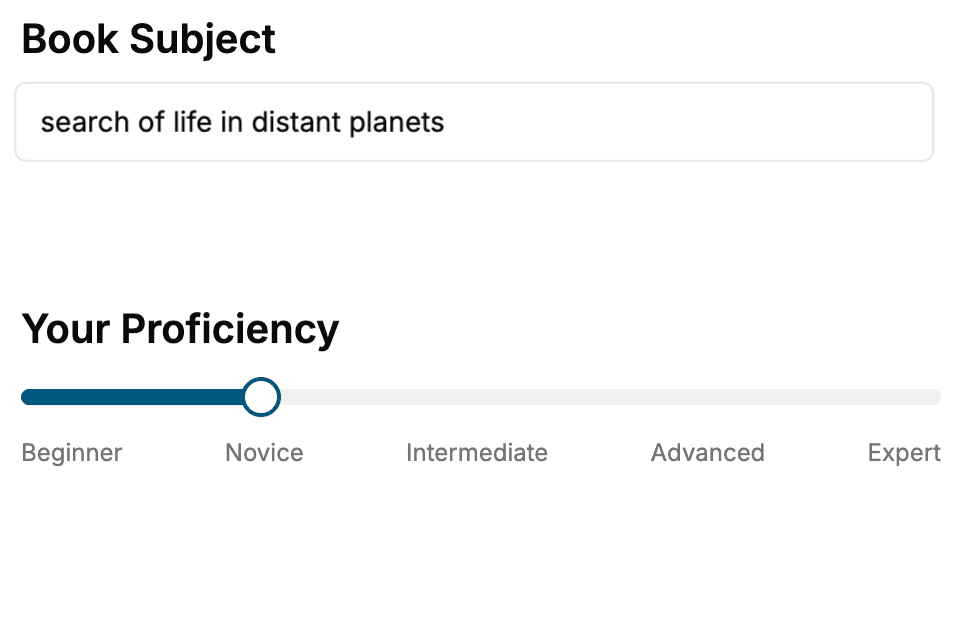
Select the focus of your English Idioms book and share your background
- 2. Personalize your book
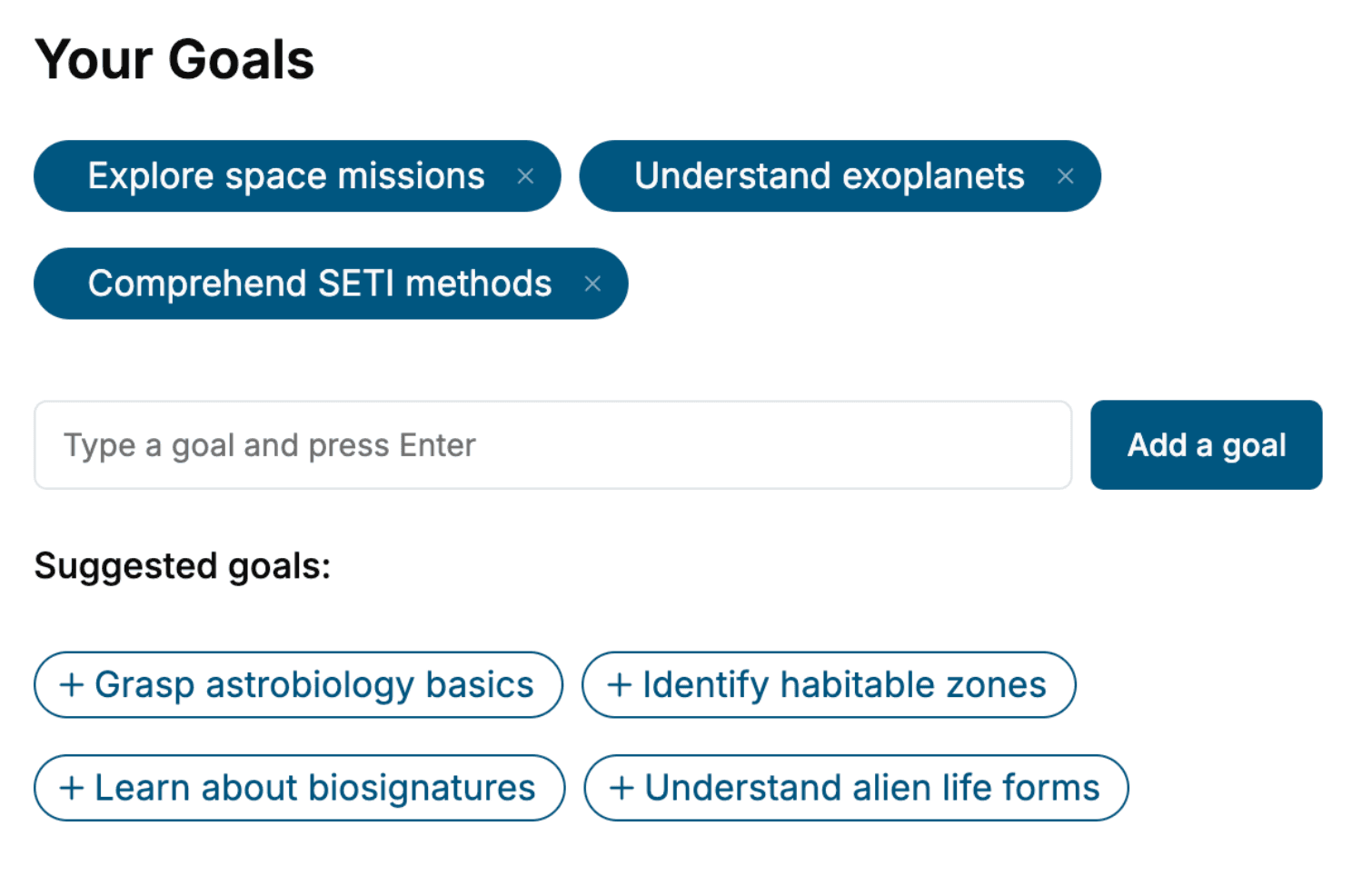
Specify your goals and choose sub-topics to include
- 3. Get your tailored book
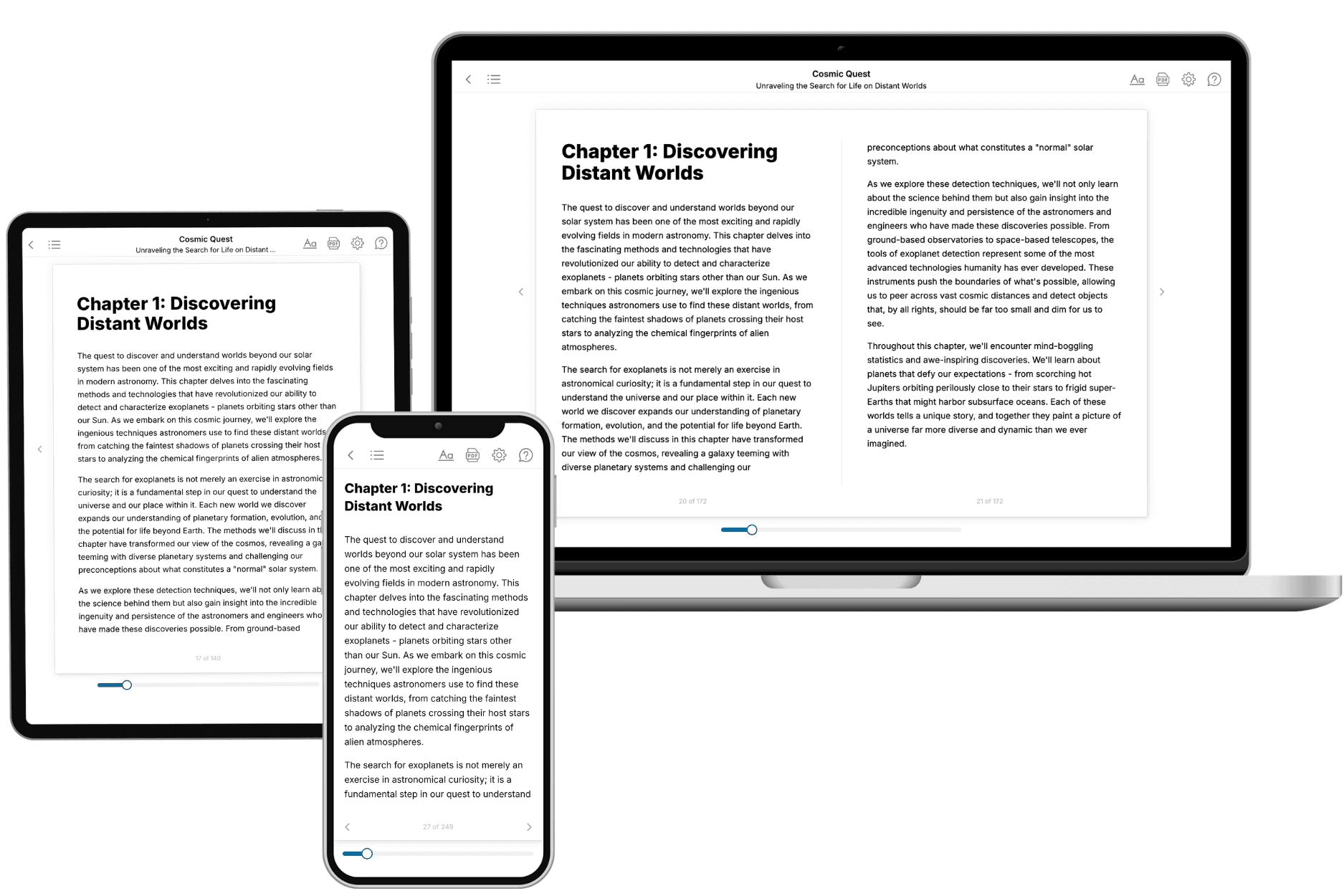
Your book is ready in 10 minutes. Read it online, download as EPUB or PDF, or send to Kindle.
Frequently asked questions
- What is TailoredRead?
TailoredRead creates complete, full-length nonfiction ebooks, written specifically for you. Tell us what you want to learn and why, and TailoredRead writes you a complete ebook on it, with charts, tables, and diagrams throughout. Read it online, on Kindle, or on any e-reader, or download it as a PDF or EPUB. Every book is written fresh the day you order it.
- How is the book tailored to me?
Before anything is written, you answer a few short questions about your goals, your background, and the topics you care about. Your book is then planned around your answers: written at your level, focused on your goals, and covering the topics you chose, instead of the one-size-fits-all book a store sells everyone.
- Will it read like generic AI content?
No. Your book isn't a chat transcript: it's planned chapter by chapter before a single word is written, told in a clear book voice, and explains ideas visually with charts, tables, and diagrams. After writing, every book goes through an editorial pass that polishes chapters so the book reads consistent from start to finish. Judge for yourself: browse thousands of sample books on our Explore Books page.
- How accurate is the content?
Our AI first checks whether your subject needs live research. Niche and fast-moving subjects are researched before writing, and the book plan and chapters are grounded in what it finds. After writing, every book goes through a quality pass that checks its facts and consistency, and researched books list their sources in a Notes section at the back.
- How long is the book?
You choose the length: Comprehensive (250-300 pages), Detailed (150-200 pages), Essential (70-100 pages), or Short (30-50 pages).
- Does the book include visuals?
Yes. Every book includes charts, tables, and diagrams: timelines, checklists, step-by-step guides, decision trees, comparison tables, matrices, and bar charts. A typical book includes dozens of these visual elements.
- Can I read it on Kindle? What formats can I download?
Yes. Every book can be read in our online reader or downloaded as a PDF or EPUB. The EPUB can be opened with Kindle, Apple Books, Kobo, and any e-reader. The Commercial and Author licenses also include an editable Word (DOCX) and Markdown download.
- How much does it cost?
About the price of a regular ebook. The exact price depends on your book's length and complexity, from $2 for the shortest books to $35 for the most comprehensive, and it's shown when you review your book, before you commit to anything. Each book is a one-time purchase, yours to keep, no subscription. Licenses that let you share, teach, or publish your book range from $35.99 to $49.99.
- Can I preview the book before purchasing?
Before you pay, you'll see what your book will cover: the title, a detailed description, the estimated length, and the complete chapter-by-chapter table of contents, so you know what you're getting before you decide. The full text itself is written after you purchase.
- How long does it take to create a book?
About 10 minutes. You can start reading the opening chapters while the rest is still being written.