Crater of Diamonds
Your Complete Guide to Arkansas's Legendary Gem-Hunting Destination
Imagine walking across a 37-acre plowed field and discovering a genuine diamond that's yours to keep forever.
207 pages11 chaptersOct 19, 2025Arkansas Travel Guide
About this book
At Arkansas's Crater of Diamonds State Park, this dream becomes reality every single day for visitors who know what they're doing. This comprehensive guide takes you beyond basic visitor information to give you the insider knowledge that separates successful gem hunters from disappointed tourists. You'll discover the volcanic origins that created this geological wonder, master the proven techniques that consistently yield finds, and learn exactly when and where to search for maximum results. Whether you're planning your first visit or returning to improve your success rate, you'll find detailed strategies for surface hunting, wet sifting, and dry sifting, along with expert tips on identifying diamonds and other valuable gems in the field. You'll also get practical advice on what to bring, where to stay, and how to make the most of your time both inside the park and throughout the scenic Arkansas countryside. Stop leaving your success to chance. With the right preparation and techniques, your visit to this one-of-a-kind destination can yield memories—and maybe treasures—that last a lifetime.
Table of contents
- IntroductionAmerica's Only Public Diamond Site, What Makes This Park Truly Special, How to Use This GuideRead below
- Chapter 1: The Story Behind the CraterThe 1906 Discovery That Changed Everything, Commercial Mining Dreams and Realities, From Private Enterprise to Public Treasure, Legendary Diamonds and Their Stories
- Chapter 2: Understanding the GeologyThe Volcanic Pipe That Brought Diamonds to the Surface, How Diamonds Form Deep in the Earth, The Unique Lamproite Soil Composition, Semi-Precious Stones and Minerals You'll Encounter
- Chapter 3: Planning Your VisitChoosing the Best Time to Visit, Weather Patterns and Their Impact on Hunting, How Long to Stay for Optimal Results, Park Facilities and Visitor Services
- Chapter 4: Essential Preparation and GearMust-Have Tools and Equipment, Proper Clothing and Footwear for the Search Field, Complete Supplies Checklist, Physical Preparation and Stamina Building
- Chapter 5: Diamond Hunting TechniquesSurface Hunting: The Art of Visual Scanning, Wet Sifting Methods and Best Practices, Dry Sifting Strategies, Reading the Field: Where to Focus Your Efforts
- Chapter 6: Identifying Your FindsRecognizing Diamond Characteristics in the Rough, Common Lookalikes and How to Distinguish Them, Identifying Semi-Precious Stones and Minerals, Getting Your Finds Verified and Certified
- Chapter 7: Strategies for Maximum SuccessTiming Your Search After Plowing and Rain, Working Around Crowds and Peak Times, The Role of Persistence and Patience, Insider Tips from Successful Hunters
- Chapter 8: Beyond the Diamond SearchThe Diamond Springs Water Park, Nature Trails and Wildlife Viewing, Educational Programs and Interpretive Center, Camping and Overnight Accommodations
- Chapter 9: Exploring Murfreesboro and SurroundingsWhere to Stay in Murfreesboro, Dining and Local Cuisine, Other Attractions in the Area
- Chapter 10: The Crater in Arkansas's Travel LandscapeArkansas's Natural Wonders and State Parks, Creating a Multi-Day Arkansas Itinerary, Combining Your Visit with Hot Springs National Park
- Chapter 11: Practical Matters and LogisticsEntrance Fees and Permits, Park Rules and Regulations, Safety Considerations and Health Precautions, Accessibility for All Visitors
- ConclusionMaking the Most of Your Crater Experience, Your Next Steps
Introduction
Picture yourself standing in the middle of a vast, freshly plowed field under the Arkansas sun, scanning the rich brown earth for a glint of something extraordinary. Around you, families crouch with screens and buckets, children run excitedly with their latest finds, and somewhere nearby, someone might be holding a genuine diamond they just discovered moments ago. This isn't a fantasy or a theme park simulation—this is Crater of Diamonds State Park, where the impossible becomes possible every single day. Unlike any other destination in the world, this remarkable place invites you to search for real diamonds and keep whatever you find, no matter the size or value.
The allure of finding your own diamond draws over 100,000 visitors annually to this unassuming corner of southwest Arkansas. Some come with dreams of striking it rich, others seek a unique family adventure, and many simply want to experience the thrill of the hunt in one of America's most unusual state parks. What they all discover is that Crater of Diamonds offers something far more valuable than the gems themselves—it provides an authentic connection to the earth, a test of patience and skill, and the rare opportunity to participate in a treasure hunt where the treasures are absolutely real. The park's finders keepers
policy means that whether you unearth a tiny crystal or a record-breaking stone, it belongs to you forever.
Yet despite its popularity, many visitors leave disappointed, having spent hours in the field with little to show for their efforts beyond sunburn and sore backs. The difference between those who find diamonds and those who don't rarely comes down to luck alone. Success at Crater of Diamonds depends on understanding the geology that created this unique site, mastering proven search techniques, timing your visit strategically, and preparing properly for the physical and mental demands of the hunt. This guide exists to bridge that gap between casual tourism and informed exploration, giving you the knowledge and strategies that transform a simple park visit into a genuine opportunity for discovery. Whether you find a diamond or not, you'll leave with a deeper appreciation for this geological wonder and the skills to maximize your chances on future visits.
America's Only Public Diamond Site
Crater of Diamonds State Park holds a distinction that no other location in the United States can claim: it's the only diamond-producing site in the world where the public can search for diamonds and keep what they find. This 911-acre park in Pike County, Arkansas, centers around a 37.5-acre eroded surface of an ancient volcanic crater, the only diamond-bearing site accessible to the public anywhere on Earth. While diamonds are mined commercially in countries across Africa, Russia, Canada, and Australia, none of these operations allow everyday visitors to walk the fields and pocket their discoveries. The park's unique status has made it a bucket-list destination for rockhounds, families, and adventurers since it opened to the public in 1972.
The geological formation that makes this possible is a volcanic pipe known as a lamproite, created by a violent eruption approximately 100 million years ago during the Cretaceous period. This eruption brought diamonds formed deep within the Earth's mantle—roughly 60 to 100 miles below the surface—up to ground level at incredible speeds. Over millions of years, erosion wore away the volcanic cone, leaving behind the diamond-bearing crater we see today. The lamproite soil, rich in minerals and distinctly different from surrounding terrain, continues to yield diamonds as weather, plowing, and natural processes expose new material. This ongoing revelation means that the field is never truly picked clean
—fresh opportunities appear with every rainfall and each time the park plows the search area.
Since the site's discovery in 1906, visitors and miners have recovered over 75,000 diamonds from the crater, with an average of one to two diamonds found per day by park visitors in recent years. These aren't microscopic industrial diamonds, either—the park has produced some genuinely impressive stones. The largest diamond ever found in the United States, the 40.23-carat Uncle Sam
diamond, was discovered here in 1924. More recently, in 2015, an eight-year-old girl found a 3.85-carat diamond on her first visit to the park. In 2020, a visitor discovered a 9.07-carat diamond, the second-largest found in the park's history as a state facility. These remarkable finds demonstrate that significant discoveries remain possible for anyone willing to search with patience and proper technique.
The park's accessibility sets it apart from other rockhounding destinations. You don't need special permits beyond the modest entrance fee, no advanced reservations are required for searching, and you don't need to be part of a guided tour or commercial operation. Families with young children hunt alongside serious rockhounds with decades of experience. The park provides basic equipment rental for those who arrive unprepared, washing stations for processing your finds, and staff members who can identify and certify your discoveries on-site. This democratic approach to diamond hunting creates an atmosphere unlike any other tourist destination—everyone has an equal shot at finding something extraordinary, and the playing field literally levels out with each plowing.
What makes the experience even more compelling is the variety of gems and minerals beyond diamonds that you'll encounter. The volcanic soil contains over 40 different types of rocks and minerals, including semi-precious stones like amethyst, garnet, jasper, agate, and quartz. Many visitors who never find a diamond still leave with bags full of beautiful specimens worth keeping and displaying. The park's identification service extends to all finds, helping you understand what you've discovered and whether that interesting stone is a common mineral or something more valuable. This abundance of geological diversity means that every visit yields discoveries, making the search rewarding regardless of whether you strike diamond-hunting gold.
The park's location in the Ouachita Mountains region of Arkansas places it within a landscape rich in natural beauty and outdoor recreation opportunities. The surrounding area offers hiking, camping, water sports, and access to other state parks and natural attractions. Hot Springs National Park lies just 90 miles to the northeast, making it easy to combine your diamond-hunting adventure with other Arkansas destinations. The small town of Murfreesboro, population around 1,600, serves as the gateway to the park and provides essential services, accommodations, and a glimpse into rural Arkansas life. This combination of unique geological wonder and authentic regional character creates a travel experience that feels both extraordinary and genuinely American.
Understanding the park's singular status helps frame realistic expectations for your visit. This isn't a commercial tourist trap with manufactured experiences—it's a working geological site where real discovery happens through effort and knowledge. The park doesn't guarantee finds, doesn't plant diamonds for visitors to discover, and doesn't offer shortcuts to success. What it does offer is authentic opportunity, the kind that requires patience, persistence, and a willingness to get dirty. The diamonds are real, the challenge is genuine, and the satisfaction of finding something valuable through your own efforts is unmatched by any passive tourist experience. This authenticity is precisely what draws people back year after year, often making multiple visits before achieving their first significant find.
What Makes This Park Truly Special
Beyond its geological uniqueness, Crater of Diamonds State Park offers something increasingly rare in modern tourism: genuine unpredictability. You can't buy your way to success here, and no amount of money guarantees you'll find more than someone who paid the basic entrance fee. A child on their first visit might discover a multi-carat diamond while an experienced rockhound goes home empty-handed. This element of chance, combined with skill and knowledge, creates an egalitarian experience where everyone shares the same possibility of extraordinary luck. The park levels social and economic differences in a way few destinations can, making it a truly democratic treasure hunt where preparation and persistence matter more than privilege.
The park's educational value extends far beyond the diamond search itself. The visitor center houses exhibits explaining the volcanic geology, the history of diamond formation, and the story of the crater's discovery and development. Interactive displays help visitors understand what they're looking for and how to identify different minerals and gems. Park staff regularly conduct educational programs, especially during summer months, teaching visitors about geology, local ecology, and proper search techniques. For families with children, the park provides an unparalleled hands-on science lesson that makes abstract concepts like volcanic activity, mineral formation, and geological time tangible and exciting. Kids who might zone out during a museum visit become intensely focused when they're searching for their own treasures.
The social atmosphere at Crater of Diamonds creates unexpected connections between visitors from diverse backgrounds. Strangers share tips about productive areas of the field, celebrate each other's finds, and commiserate over long hours without success. Experienced hunters often mentor newcomers, explaining techniques and helping identify questionable stones. This culture of sharing and mutual support stands in contrast to the competitive atmosphere you might expect at a place where valuable prizes are at stake. The park's vastness and the random distribution of diamonds mean that helping someone else doesn't diminish your own chances—there's always another diamond waiting to be found, and today's helper might be tomorrow's beneficiary of someone else's generosity.
The physical and mental challenge of diamond hunting provides benefits that extend beyond potential monetary rewards. Searching the field requires sustained attention, pattern recognition, and the ability to maintain focus despite fatigue and distraction. These cognitive demands create a meditative quality to the hunt—many visitors report entering a flow state where hours pass unnoticed as they scan the ground. The physical activity, while demanding, offers a workout that feels purposeful rather than obligatory. Unlike a gym session or a routine hike, every moment of effort at the crater carries the possibility of significant reward. This combination of mental engagement and physical activity, all conducted outdoors in natural surroundings, provides wellness benefits that many visitors find as valuable as any gems they discover.
The park's seasonal transformations create distinctly different experiences throughout the year, giving it remarkable replay value. Spring visits after heavy rains offer excellent surface hunting conditions as water washes soil away from stones. Summer brings intense heat but also the water park and extended hours for evening searches when temperatures moderate. Fall provides comfortable weather and smaller crowds, while winter visits offer solitude and the advantage of searching after freeze-thaw cycles that bring new material to the surface. Each season demands different strategies and offers unique advantages, meaning that experienced visitors often plan multiple trips annually to take advantage of varying conditions. This seasonal diversity ensures that no two visits feel identical, even for those who return regularly.
Perhaps most significantly, Crater of Diamonds offers something increasingly scarce in modern life: the possibility of life-changing discovery through personal effort. In an era where most valuable things must be purchased and most adventures are carefully managed experiences, the park provides authentic stakes and genuine uncertainty. The diamond you find might be worth a few dollars or several thousand—you won't know until you have it appraised. That uncertainty, combined with the knowledge that your success depends entirely on your own skills and persistence, creates a sense of agency and possibility that resonates deeply with visitors. Whether you're searching for financial gain, family adventure, or simply the thrill of the hunt, the park delivers an experience that feels meaningful precisely because the outcomes are real and the treasures are yours to keep.
The park also serves as a living laboratory for understanding geological processes and deep time. Standing in the crater, you're literally walking on material that originated 60 to 100 miles beneath your feet and traveled to the surface in a violent eruption 100 million years ago. The diamonds you search for formed even earlier, crystallizing under extreme pressure and temperature conditions that existed when the continents were still assembling into their current positions. This connection to deep geological history provides perspective that's difficult to achieve through books or museum displays alone. When you hold a diamond you've found yourself, you're touching something that predates human existence by an incomprehensible margin, a tangible link to processes that shaped our planet long before life emerged on its surface.
How to Use This Guide
This guide is structured to take you from initial planning through successful execution of your Crater of Diamonds visit, with each chapter building on previous knowledge to create a comprehensive understanding of the park and effective search strategies. You can read it straight through for complete preparation or jump to specific chapters addressing your immediate questions and concerns. The early chapters establish essential context about the park's history and geology—knowledge that directly improves your ability to find diamonds by helping you understand where they come from and why they appear where they do. Later chapters provide practical, actionable advice on planning, preparation, and search techniques that you can implement immediately.
Chapter 1 explores the fascinating history of the crater's discovery and development, from the initial 1906 find through various commercial mining attempts to its eventual establishment as a state park. Understanding this history helps you appreciate the site's significance and provides context for the park's current operations and policies. Chapter 2 delves into the geological processes that created the crater and formed the diamonds you'll be searching for, explaining the volcanic eruption that brought them to the surface and the unique soil composition that characterizes the search field. This geological knowledge isn't just academic—it directly informs where and how you should search, helping you recognize productive areas and understand why certain conditions favor finding diamonds.
Chapters 3 and 4 address the practical aspects of planning and preparing for your visit. You'll learn about optimal timing for your trip, considering factors like weather patterns, plowing schedules, and crowd levels. The gear and preparation chapter provides detailed checklists of what to bring, what to wear, and how to prepare physically for the demands of searching. These chapters help you avoid common mistakes that diminish many visitors' experiences, such as arriving during peak heat without adequate sun protection or attempting to search in inappropriate footwear. The specific recommendations come from analyzing what successful hunters do differently from those who leave disappointed, giving you actionable steps to maximize your comfort and effectiveness.
Chapter 5 forms the heart of the guide's practical instruction, detailing the three primary search techniques used at the crater: surface hunting, wet sifting, and dry sifting. Each method receives thorough explanation with step-by-step instructions, ideal conditions for use, and tips for maximizing effectiveness. You'll learn not just how to perform each technique but when to use which method based on current field conditions, weather, and your physical capabilities. This chapter includes specific guidance on reading the field to identify promising search areas, understanding how diamonds distribute across the crater, and adapting your approach based on what you observe. The techniques described here represent the accumulated wisdom of successful hunters and park staff, distilled into actionable strategies you can implement on your first visit.
Chapter 6 addresses the crucial skill of identifying what you've found, teaching you to recognize diamond characteristics in rough, uncut stones and distinguish genuine diamonds from common lookalikes. This chapter includes detailed descriptions of the visual, tactile, and physical properties that separate diamonds from quartz, glass, and other minerals that might catch your eye. You'll also learn about the semi-precious stones and interesting minerals you're likely to encounter, helping you recognize valuable finds beyond diamonds. The verification process section explains how to get your finds officially identified and certified by park staff, and what to do if you believe you've found something significant. This knowledge prevents the disappointment of mistaking common minerals for diamonds while ensuring you don't discard actual diamonds because you didn't recognize them.
Chapters 7 through 10 expand your understanding beyond basic technique to strategic thinking and broader context. Chapter 7 reveals advanced strategies for maximizing success, including timing your searches around plowing and rainfall, managing your energy and focus during extended hunts, and learning from the experiences of successful hunters. Chapter 8 explores the park's attractions beyond diamond hunting, including the water park, nature trails, and educational programs that make the destination worthwhile even if diamonds elude you. Chapters 9 and 10 provide regional context, helping you plan accommodations, meals, and complementary activities in Murfreesboro and the broader Arkansas region. These chapters help you create a well-rounded trip that satisfies all members of your group, not just the most dedicated diamond hunters.
Chapter 11 covers essential practical matters including fees, regulations, safety considerations, and accessibility information. This chapter ensures you understand park rules before you arrive, helping you avoid violations that could result in confiscation of finds or removal from the park. The safety section addresses real concerns like heat exhaustion, dehydration, and physical strain, providing specific preventive measures and warning signs to watch for. Throughout the guide, you'll find specific examples, case studies of notable finds, and practical tips highlighted for easy reference. The goal is to provide information you can actually use, not just interesting facts to read and forget.
As you use this guide, remember that diamond hunting success rarely comes on the first attempt. Most significant finds go to visitors who return multiple times, refining their techniques and learning from each visit. Treat your first trip as a learning experience where you're gathering information and developing skills as much as searching for diamonds. Pay attention to what works and what doesn't, observe successful hunters and ask questions, and take notes about conditions and productive areas. This guide provides the foundation, but your own experience will build the expertise that eventually leads to success. The knowledge in these pages comes from analyzing what works for successful hunters—now it's your turn to put that knowledge into practice and develop your own diamond-hunting skills.
Finally, approach your visit with realistic expectations balanced by genuine optimism. The odds of finding a diamond on any given visit are modest—most visitors don't find one. However, someone finds diamonds nearly every day the park is open, and there's no reason that person can't be you if you prepare properly and search effectively. The techniques and strategies in this guide significantly improve your chances compared to uninformed searching, but they don't guarantee success. What they do guarantee is that you'll have a more comfortable, enjoyable, and productive experience than you would have had otherwise. Whether you find a diamond or not, you'll leave with knowledge, memories, and the satisfaction of having participated in one of America's most unique outdoor adventures. Now let's begin your journey to becoming an informed and effective diamond hunter at this remarkable destination.
This is the end of the free sample. The full book has 11 chapters.
Want this book written for you?
Tell us your goals and background, and get your own version of this book, tailored by AI to you.


Benefits of AI-tailored books
- Read one book, not ten:
- all the Arkansas Travel Guide knowledge you need, gathered into a single book.
- Save days of learning:
- tell us your goals, choose your topics, and the whole book is built around them.
- Learn effortlessly:
- Arkansas Travel Guide book written for your specific background and expertise.
- Understand at a glance:
- includes charts, tables, timelines, checklists, decision trees, and more.
- Stay current:
- written the day you order it, not years ago.
- Trust what you read:
- every book is checked for accuracy, with real research when your subject needs it.
Create your unique book in 3 steps
- 1. Select your focus
Select the focus of your Arkansas Travel Guide book and share your background
- 2. Personalize your book
Specify your goals and choose sub-topics to include
- 3. Get your tailored book
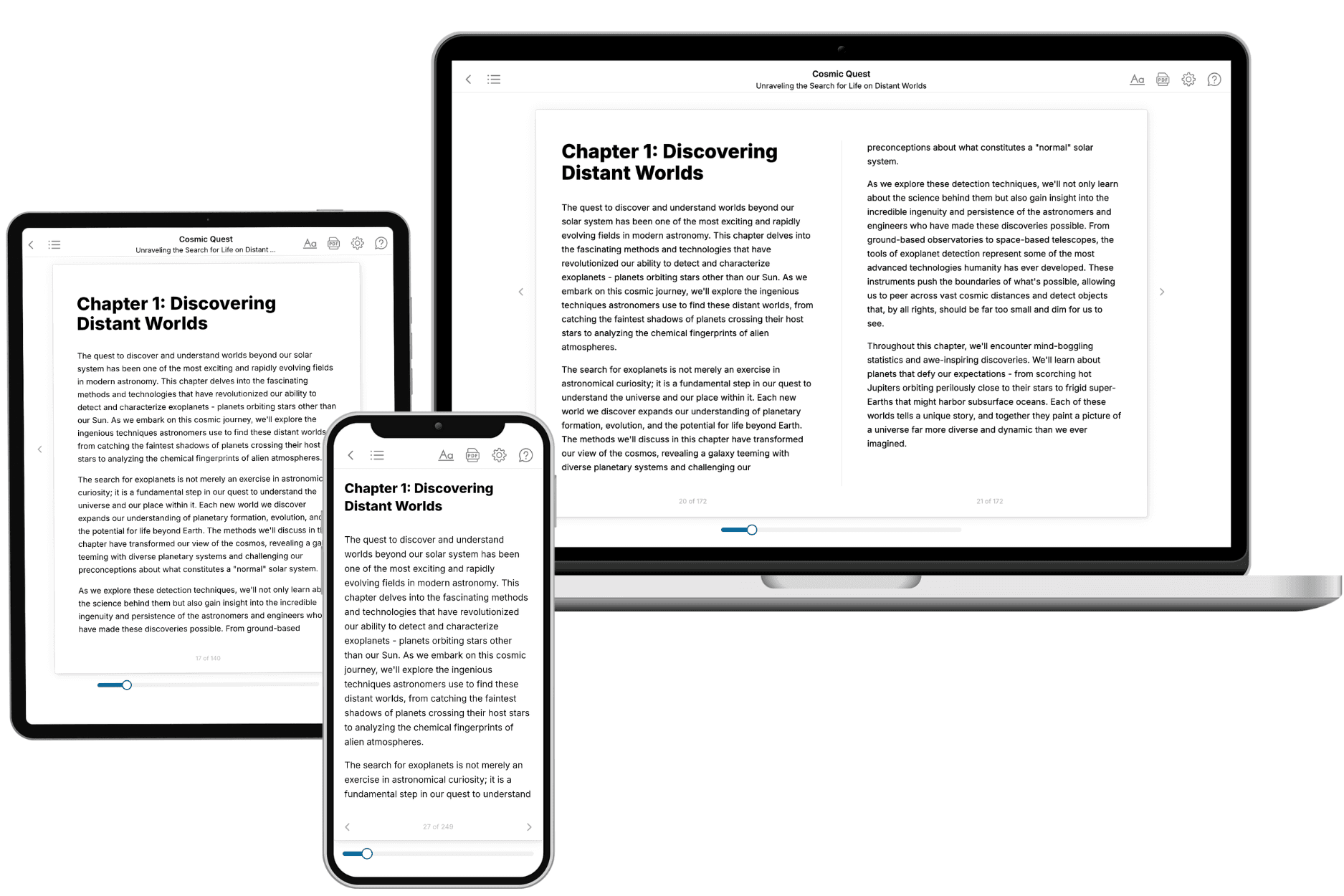
Your book is ready in 10 minutes. Read it online, download as EPUB or PDF, or send to Kindle.

Frequently asked questions
- What is TailoredRead?
TailoredRead creates complete, full-length nonfiction ebooks, written specifically for you. Tell us what you want to learn and why, and TailoredRead writes you a complete ebook on it, with charts, tables, and diagrams throughout. Read it online, on Kindle, or on any e-reader, or download it as a PDF or EPUB. Every book is written fresh the day you order it.
- How is the book tailored to me?
Before anything is written, you answer a few short questions about your goals, your background, and the topics you care about. Your book is then planned around your answers: written at your level, focused on your goals, and covering the topics you chose, instead of the one-size-fits-all book a store sells everyone.
- Will it read like generic AI content?
No. Your book isn't a chat transcript: it's planned chapter by chapter before a single word is written, told in a clear book voice, and explains ideas visually with charts, tables, and diagrams. After writing, every book goes through an editorial pass that polishes chapters so the book reads consistent from start to finish. Judge for yourself: browse thousands of sample books on our Explore Books page.
- How accurate is the content?
Our AI first checks whether your subject needs live research. Niche and fast-moving subjects are researched before writing, and the book plan and chapters are grounded in what it finds. After writing, every book goes through a quality pass that checks its facts and consistency, and researched books list their sources in a Notes section at the back.
- How long is the book?
You choose the length: Comprehensive (250-300 pages), Detailed (150-200 pages), Essential (70-100 pages), or Short (30-50 pages).
- Does the book include visuals?
Yes. Every book includes charts, tables, and diagrams: timelines, checklists, step-by-step guides, decision trees, comparison tables, matrices, and bar charts. A typical book includes dozens of these visual elements.
- Can I read it on Kindle? What formats can I download?
Yes. Every book can be read in our online reader or downloaded as a PDF or EPUB. The EPUB can be opened with Kindle, Apple Books, Kobo, and any e-reader. The Commercial and Author licenses also include an editable Word (DOCX) and Markdown download.
- How much does it cost?
About the price of a regular ebook. The exact price depends on your book's length and complexity, from $2 for the shortest books to $35 for the most comprehensive, and it's shown when you review your book, before you commit to anything. Each book is a one-time purchase, yours to keep, no subscription. Licenses that let you share, teach, or publish your book range from $35.99 to $49.99.
- Can I preview the book before purchasing?
Before you pay, you'll see what your book will cover: the title, a detailed description, the estimated length, and the complete chapter-by-chapter table of contents, so you know what you're getting before you decide. The full text itself is written after you purchase.
- How long does it take to create a book?
About 10 minutes. You can start reading the opening chapters while the rest is still being written.