Design Patterns Demystified
Mastering Object-Oriented Solutions in .NET Framework 1.0
Unlock the power of design patterns and elevate your .NET Framework 1.0 development skills to new heights.
238 pages11 chaptersNov 26, 2024Software Development
About this book
"Design Patterns Demystified" is your comprehensive guide to understanding and implementing object-oriented solutions that will transform the way you approach software architecture. This book takes you on a journey through the world of design patterns, specifically tailored for .NET Framework 1.0 developers. You'll discover how to leverage these time-tested solutions to common programming challenges, enabling you to write cleaner, more maintainable, and highly scalable code. From creational patterns that streamline object instantiation to structural patterns that define relationships between entities, and behavioral patterns that manage complex control flow, you'll gain a deep understanding of when and how to apply each pattern effectively. Real-world examples and practical implementations will help you bridge the gap between theory and practice, empowering you to confidently integrate these patterns into your own projects.
Table of contents
- IntroductionWhat Are Design Patterns?, The Importance of Design Patterns in Software Development, Overview of .NET Framework 1.0, How This Book Is StructuredRead below
- Chapter 1: Fundamentals of Design PatternsObject-Oriented Programming Principles, SOLID Principles, Categories of Design Patterns, When to Use Design Patterns
- Chapter 2: Creational PatternsSingleton Pattern, Factory Method Pattern, Abstract Factory Pattern, Builder Pattern, Prototype Pattern
- Chapter 3: Structural PatternsAdapter Pattern, Bridge Pattern, Composite Pattern, Decorator Pattern, Facade Pattern
- Chapter 4: Behavioral PatternsObserver Pattern, Strategy Pattern, Command Pattern, State Pattern, Template Method Pattern
- Chapter 5: Advanced Design PatternsModel-View-Controller (MVC) Pattern, Model-View-Presenter (MVP) Pattern, Model-View-ViewModel (MVVM) Pattern, Repository Pattern, Unit of Work Pattern
- Chapter 6: Design Patterns in .NET Framework 1.0.NET-Specific Implementations, Design Patterns in Framework Classes, Best Practices for .NET Development, Performance Considerations
- Chapter 7: Real-World ApplicationsDesign Patterns in Web Applications, Design Patterns in Desktop Applications, Design Patterns in Service-Oriented Architecture, Case Studies and Success Stories
- Chapter 8: Anti-Patterns and PitfallsCommon Anti-Patterns in .NET Development, Overuse and Misuse of Design Patterns, Refactoring Anti-Patterns to Design Patterns, Identifying and Addressing Code Smells
- Chapter 9: Testing and Design PatternsUnit Testing Design Patterns, Mocking and Stubbing with Design Patterns, Test-Driven Development and Design Patterns, Improving Testability with Design Patterns
- Chapter 10: Scalability and PerformanceDesign Patterns for Scalable Applications, Performance Optimization Techniques, Caching Strategies and Patterns, Concurrency and Multithreading Patterns
- Chapter 11: Future Trends in Design PatternsEmerging Design Patterns, Design Patterns in Microservices Architecture, Cloud-Native Design Patterns, Design Patterns in AI and Machine Learning
- ConclusionKey Takeaways, The Importance of Continuous Learning
- Glossary
- Further Reading
Introduction
Welcome to "Design Patterns Demystified: Mastering Object-Oriented Solutions in .NET Framework 1.0." This book is your comprehensive guide to understanding and implementing design patterns, specifically tailored for developers working with .NET Framework 1.0. As you embark on this journey, you'll discover how these powerful tools can transform your approach to software architecture and elevate your coding skills to new heights.
Design patterns are not just theoretical concepts; they are practical, battle-tested solutions to common software design problems. By mastering these patterns, you'll be equipped to create more efficient, maintainable, and scalable applications. Throughout this book, we'll explore how design patterns can be applied within the context of .NET Framework 1.0, helping you leverage the full potential of this robust development platform.
Whether you're looking to improve your problem-solving skills, enhance communication within your development team, or simply write better code, this book will provide you with the knowledge and tools you need. We'll delve into the intricacies of various design patterns, from creational and structural to behavioral, and show you how to implement them effectively in your .NET projects.
As we progress through the chapters, you'll gain a deep understanding of when and how to apply each pattern, backed by real-world examples and practical implementations. This hands-on approach will help you bridge the gap between theory and practice, enabling you to confidently integrate these patterns into your own projects.
So, let's begin our exploration of design patterns in the world of .NET Framework 1.0. By the end of this journey, you'll have a powerful set of tools at your disposal, ready to tackle even the most complex software design challenges with confidence and expertise.
What Are Design Patterns?
Design patterns are reusable solutions to common problems that arise during software design and development. They represent best practices evolved over time by experienced software developers and architects. These patterns are not specific to any particular programming language or technology; rather, they are general templates that can be applied across various contexts and platforms, including .NET Framework 1.0.
At their core, design patterns provide a shared vocabulary for developers to communicate complex ideas efficiently. When a developer mentions a specific pattern, such as the Singleton or Observer pattern, it immediately conveys a wealth of information about the structure and behavior of the code to other developers familiar with these patterns. This shared understanding facilitates better collaboration and more effective problem-solving within development teams.
Design patterns can be categorized into three main types: creational, structural, and behavioral patterns. Creational patterns deal with object creation mechanisms, trying to create objects in a manner suitable to the situation. Structural patterns are concerned with how classes and objects are composed to form larger structures. Behavioral patterns focus on communication between objects, how they interact, and how responsibilities are distributed among them.
It's important to note that design patterns are not rigid rules or ready-made solutions that can be directly copied and pasted into your code. Instead, they are guidelines or templates that need to be adapted to fit the specific requirements of your project. The power of design patterns lies in their flexibility and the principles they embody, rather than in their exact implementation details.
In the context of .NET Framework 1.0, design patterns take on additional significance. The framework itself incorporates many design patterns in its architecture, and understanding these patterns can help you work more effectively with the framework. Moreover, applying design patterns in your .NET projects can lead to more robust, maintainable, and scalable applications.
One of the key benefits of design patterns is that they encapsulate developers' experiences in solving common design problems. By leveraging these patterns, you can avoid reinventing the wheel and benefit from the collective wisdom of the software development community. This not only saves time but also helps in creating more reliable and efficient software systems.
Design patterns also promote code reuse, which is a fundamental principle of good software design. By implementing well-known patterns, you create code structures that are more likely to be reusable across different parts of your application or even in different projects. This reusability can significantly reduce development time and improve overall code quality.
Another crucial aspect of design patterns is their role in managing complexity. As software systems grow larger and more complex, design patterns provide a way to organize code into recognizable and manageable units. This organization makes it easier to understand, maintain, and extend the codebase over time, which is particularly valuable in large-scale enterprise applications often developed using .NET Framework 1.0.
It's worth noting that while design patterns offer numerous benefits, they should be used judiciously. Overuse or misuse of patterns can lead to unnecessary complexity and reduced performance. As you progress through this book, you'll learn not just how to implement these patterns, but also when and where to apply them for maximum benefit in your .NET projects.
In the following sections, we'll delve deeper into specific design patterns, their implementations in .NET Framework 1.0, and how they can be used to solve real-world software design challenges. By the end of this journey, you'll have a comprehensive understanding of design patterns and the skills to apply them effectively in your .NET development work.
The Importance of Design Patterns in Software Development
Design patterns play a crucial role in modern software development, offering a multitude of benefits that can significantly enhance the quality, efficiency, and maintainability of your code. As you delve deeper into the world of .NET Framework 1.0 development, understanding and applying these patterns becomes increasingly important. Let's explore why design patterns are so vital in software development and how they can elevate your skills as a .NET developer.
First and foremost, design patterns provide proven solutions to common software design problems. These patterns have been refined and tested over time by countless developers across various projects and industries. By leveraging these established solutions, you can avoid many of the pitfalls and challenges that others have already encountered and overcome. This not only saves time but also helps in creating more robust and reliable software systems. In the context of .NET Framework 1.0, where you're working with a specific set of tools and constraints, having these tried-and-true solutions at your disposal can be particularly valuable.
One of the key advantages of design patterns is their ability to improve code maintainability. Well-implemented design patterns result in code that is more modular, flexible, and easier to understand. This modularity makes it simpler to isolate and fix issues, add new features, or modify existing functionality without affecting other parts of the system. In large-scale .NET applications, where maintainability is often a significant concern, the structured approach provided by design patterns can be a game-changer. It allows development teams to work more efficiently and reduces the risk of introducing bugs when making changes to the codebase.
Design patterns also promote code reusability, a fundamental principle of efficient software development. By implementing common design patterns, you create code structures that are more likely to be reusable across different parts of your application or even in different projects. This reusability can significantly reduce development time and improve overall code quality. In the .NET ecosystem, where you often work with large libraries and frameworks, understanding how to create reusable components using design patterns can greatly enhance your productivity and the overall architecture of your applications.
Another crucial aspect of design patterns is their role in facilitating communication among developers. When you use well-known design patterns in your code, you're essentially speaking a common language that other developers can quickly understand. This shared vocabulary makes it easier to discuss complex design ideas, review code, and onboard new team members. In a collaborative development environment, which is common in .NET projects, this improved communication can lead to more efficient teamwork and better overall project outcomes.
Design patterns also contribute significantly to scalability, which is a critical concern in many .NET applications. As your software grows and evolves, well-implemented design patterns provide a solid foundation that can accommodate new features and increased complexity. Patterns like the Repository pattern or the Unit of Work pattern, for instance, can help manage data access in a way that remains efficient even as your application scales. This scalability is particularly important in enterprise-level .NET applications that need to handle growing amounts of data and users over time.
Furthermore, design patterns encourage best practices in software design. They embody principles of good object-oriented design, such as loose coupling, high cohesion, and the separation of concerns. By using design patterns, you naturally incorporate these best practices into your code, leading to more maintainable and extensible software architectures. This is especially beneficial when working with .NET Framework 1.0, as it helps you make the most of the object-oriented features provided by the framework.
Design patterns also play a crucial role in managing complexity in software systems. As applications grow larger and more intricate, design patterns provide a way to organize code into recognizable and manageable units. This organization makes it easier to understand, maintain, and extend the codebase over time. In the context of .NET development, where you might be dealing with complex business logic or intricate user interfaces, this ability to manage complexity becomes invaluable.
It's worth noting that design patterns can significantly improve the testability of your code. Many patterns, such as Dependency Injection or Strategy, naturally lead to more modular and loosely coupled code, which is easier to unit test. In the .NET ecosystem, where testing frameworks like NUnit are commonly used, designing your code with patterns in mind can make it much simpler to write comprehensive and effective tests.
Lastly, understanding and applying design patterns can greatly enhance your problem-solving skills as a developer. They provide a set of tools and approaches that you can apply to a wide range of software design challenges. As you become more familiar with these patterns, you'll find yourself better equipped to analyze problems, consider different solutions, and choose the most appropriate approach. This skill is invaluable in .NET development, where you often need to balance various factors like performance, maintainability, and scalability.
In conclusion, the importance of design patterns in software development, particularly in the context of .NET Framework 1.0, cannot be overstated. They offer proven solutions to common problems, improve code quality and maintainability, facilitate communication, enhance scalability, encourage best practices, manage complexity, improve testability, and boost your problem-solving skills. As you progress through this book and deepen your understanding of design patterns, you'll find that they become an indispensable tool in your .NET development toolkit, enabling you to create more robust, efficient, and maintainable software solutions.
Overview of .NET Framework 1.0
.NET Framework 1.0, released by Microsoft in 2002, marked a significant milestone in the world of software development. It introduced a comprehensive and unified platform for building and running applications, particularly on Windows operating systems. As we delve into design patterns within the context of .NET Framework 1.0, it's crucial to understand the framework's architecture, key features, and the development environment it provides. This overview will set the stage for our exploration of how design patterns can be effectively implemented and leveraged within this framework.
At its core, .NET Framework 1.0 is a software framework that provides a controlled programming environment where software can be developed, installed, and executed on Windows-based operating systems. It includes a large library of pre-coded solutions to common programming problems and a virtual machine that manages the execution of programs written specifically for the framework. This approach aimed to improve security, portability, and reduce the time and cost associated with software development.
One of the key components of .NET Framework 1.0 is the Common Language Runtime (CLR). The CLR is the virtual machine component that manages the execution of .NET programs. It provides important services such as memory management, security enforcement, and exception handling. The CLR also implements the concept of managed code, where the runtime manages memory allocation and deallocation, significantly reducing common programming errors like memory leaks. This managed environment is particularly relevant when considering design patterns, as it influences how we think about object creation and lifecycle management.
Another crucial aspect of .NET Framework 1.0 is its extensive class library, known as the Framework Class Library (FCL). The FCL provides a comprehensive set of reusable types that developers can use to rapidly develop applications. It includes classes for common programming tasks such as file reading and writing, database interaction, XML manipulation, and network communication. Many of these classes implement design patterns internally, and understanding these implementations can provide valuable insights into how to effectively use design patterns in your own code.
.NET Framework 1.0 introduced support for multiple programming languages, with C# and VB.NET being the most prominent. This multi-language support is made possible by the Common Language Specification (CLS), which defines a set of rules that all .NET-compliant languages must adhere to. This feature is particularly interesting from a design pattern perspective, as it allows patterns to be implemented and used across different languages within the same framework.
The framework also introduced ASP.NET, a web application framework that allows developers to build dynamic websites, web applications, and web services. ASP.NET in .NET Framework 1.0 used a programming model that was event-driven and based on controls, similar to Windows application development. This model has implications for how certain design patterns, particularly those related to user interface and application structure, are implemented in web applications.
Windows Forms, another key component of .NET Framework 1.0, provided a graphical application programming interface for developing desktop applications. The event-driven nature of Windows Forms development influences how certain design patterns, particularly those related to user interface design and event handling, are implemented in desktop applications.
ADO.NET, the data access technology in .NET Framework 1.0, introduced a disconnected data architecture that was a significant departure from previous data access methods. This architecture has implications for how data access patterns are implemented and used within .NET applications.
Security was a major focus in .NET Framework 1.0, with the introduction of Code Access Security (CAS). CAS allows administrators to set security policies that determine the permissions granted to code based on evidence about its origin or other characteristics. This security model influences how certain design patterns, particularly those related to access control and privilege management, are implemented.
The development environment for .NET Framework 1.0 was primarily Visual Studio .NET, which provided an integrated development environment (IDE) for writing, compiling, and debugging .NET applications. The IDE included features like IntelliSense, which provides context-sensitive code completion, and integrated debugging tools. These tools significantly enhanced developer productivity and influenced coding practices, including how design patterns are implemented and used.
It's important to note that while .NET Framework 1.0 was groundbreaking at its time, it had certain limitations compared to later versions. For example, it lacked support for generics, which were introduced in .NET Framework 2.0. This absence influences how certain design patterns, particularly those that benefit from type parameterization, are implemented in .NET 1.0.
Understanding these features and limitations of .NET Framework 1.0 is crucial as we explore design patterns within this context. The framework's architecture, its managed environment, the extensive class library, and the development tools all influence how design patterns are implemented and used. As we progress through this book, we'll see how these characteristics of .NET Framework 1.0 interact with various design patterns, and how we can leverage the framework's strengths while working around its limitations to create robust, maintainable, and efficient software solutions.
How This Book Is Structured
"Design Patterns Demystified: Mastering Object-Oriented Solutions in .NET Framework 1.0" is structured to provide a comprehensive and practical guide to understanding and implementing design patterns within the context of .NET Framework 1.0. The book is organized in a way that progressively builds your knowledge, starting from fundamental concepts and moving towards more advanced applications of design patterns. This structure is designed to accommodate readers with varying levels of experience, ensuring that both beginners and more advanced developers can derive maximum value from the content.
The book begins with this introduction, which sets the stage for your journey into the world of design patterns. Following this, Chapter 1 delves into the fundamentals of design patterns. This chapter covers essential object-oriented programming principles, SOLID principles, and introduces the different categories of design patterns. It also provides guidance on when to use design patterns, laying a solid foundation for the more detailed explorations that follow.
Chapters 2, 3, and 4 form the core of the book, focusing on the three main categories of design patterns: Creational, Structural, and Behavioral patterns respectively. Each of these chapters follows a consistent structure for each pattern discussed:
- An introduction to the pattern and its purpose
- A detailed explanation of the pattern's structure and components
- Scenarios where the pattern is particularly useful
- Implementation examples in C# for .NET Framework 1.0
- Potential drawbacks or considerations when using the pattern
- Real-world examples of the pattern in use within the .NET Framework or common applications
Chapter 5 moves beyond the classic design patterns to explore more advanced patterns that are particularly relevant in modern software development. This includes architectural patterns like MVC, MVP, and MVVM, as well as patterns specific to data access like Repository and Unit of Work. These patterns are especially relevant for larger, more complex applications often developed using .NET Framework.
Chapter 6 focuses specifically on how design patterns are implemented and used within .NET Framework 1.0. This chapter explores .NET-specific implementations of patterns, examines how design patterns are used within the framework classes themselves, and discusses best practices for applying design patterns in .NET development. It also addresses performance considerations, which are crucial when working with earlier versions of the framework.
Chapter 7 brings theory into practice by exploring real-world applications of design patterns. This chapter includes case studies and success stories, demonstrating how design patterns are applied in web applications, desktop applications, and service-oriented architectures built with .NET Framework 1.0. These practical examples help solidify your understanding of how patterns can be effectively used in real projects.
Chapter 8 takes a different approach by exploring anti-patterns and common pitfalls in software design. This chapter helps you recognize and avoid problematic design choices, and provides strategies for refactoring anti-patterns into more effective solutions using design patterns. It also introduces the concept of code smells and how to address them, further enhancing your ability to write clean, maintainable code.
Chapter 9 focuses on the crucial topic of testing in relation to design patterns. It covers unit testing design patterns, using mocking and stubbing techniques with design patterns, and how design patterns can improve the overall testability of your code. This chapter also explores the relationship between Test-Driven Development (TDD) and design patterns, providing insights into how these methodologies can work together to produce high-quality software.
Chapter 10 addresses the critical issues of scalability and performance in software design. It explores how certain design patterns can be used to create more scalable applications, discusses performance optimization techniques, and introduces patterns specifically designed for caching and concurrency. This chapter is particularly relevant for developers working on large-scale or high-performance applications with .NET Framework 1.0.
Chapter 11 looks towards the future, exploring emerging trends in design patterns. While the focus of the book is on .NET Framework 1.0, this chapter provides a glimpse into how design patterns are evolving to meet the challenges of modern software development, including microservices architecture, cloud computing, and even artificial intelligence and machine learning.
The book concludes with a summary of key takeaways and emphasizes the importance of continuous learning in the field of software design. Following this, you'll find a comprehensive glossary of terms used throughout the book, serving as a quick reference guide. The book ends with suggestions for further reading, providing resources for those who wish to deepen their knowledge even further.
Throughout the book, you'll find code examples, diagrams, and real-world scenarios that illustrate the concepts being discussed. These practical elements are designed to help you bridge the gap between theory and practice, enabling you to apply what you've learned in your own projects.
By structuring the book in this way, the aim is to provide a comprehensive, practical, and accessible guide to design patterns in .NET Framework 1.0. Whether you're reading cover-to-cover or using it as a reference, this structure allows you to quickly find the information you need and progressively build your understanding of design patterns and their application in .NET development.
This is the end of the free sample. The full book has 11 chapters.
Want this book written for you?
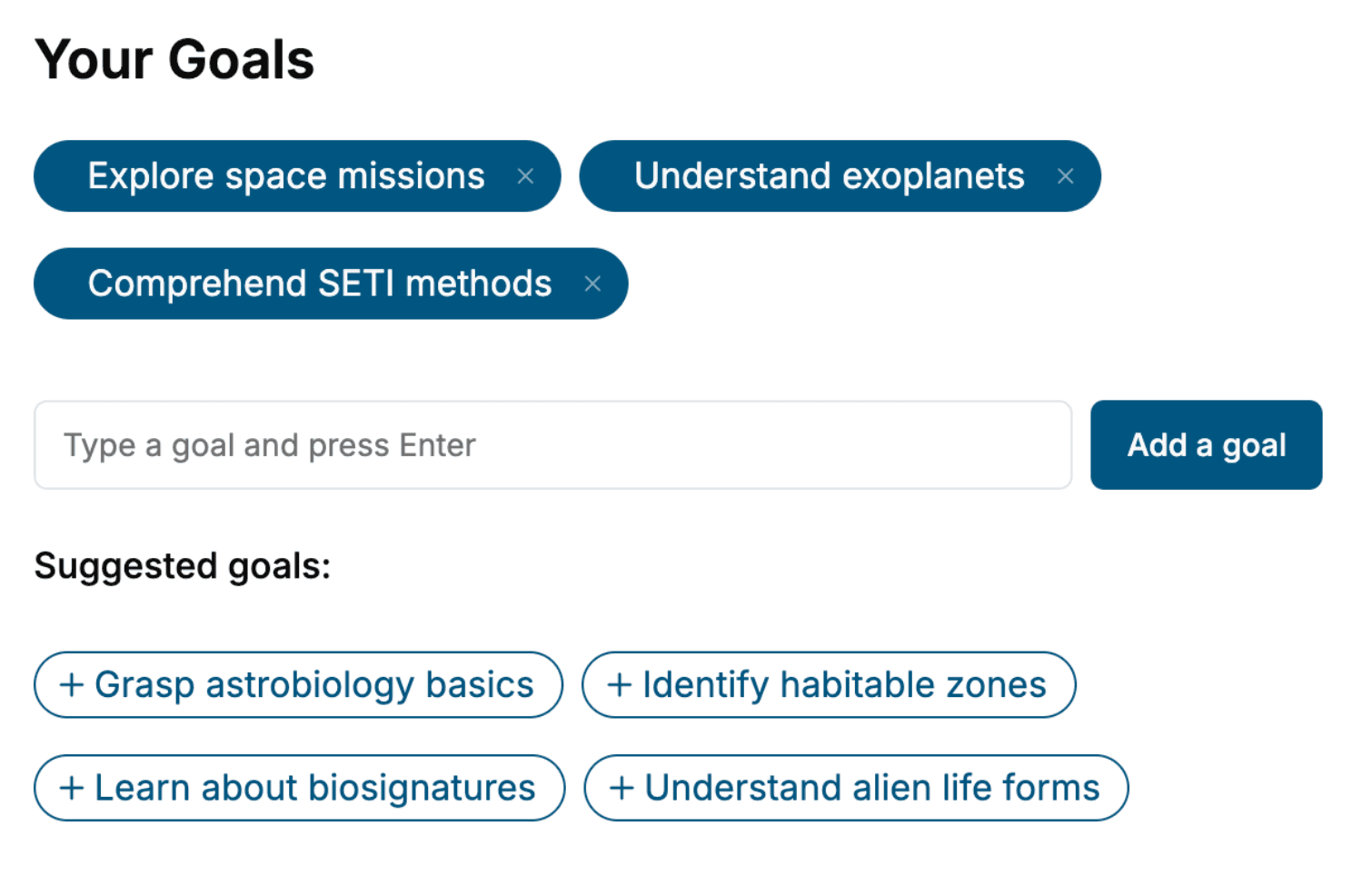
Tell us your goals and background, and get your own version of this book, tailored by AI to you.


Benefits of AI-tailored books
- Read one book, not ten:
- all the Software Development knowledge you need, gathered into a single book.
- Save days of learning:
- tell us your goals, choose your topics, and the whole book is built around them.
- Learn effortlessly:
- Software Development book written for your specific background and expertise.
- Understand at a glance:
- includes charts, tables, timelines, checklists, decision trees, and more.
- Stay current:
- written the day you order it, not years ago.
- Trust what you read:
- every book is checked for accuracy, with real research when your subject needs it.
Create your unique book in 3 steps
- 1. Select your focus
Select the focus of your Software Development book and share your background
- 2. Personalize your book
Specify your goals and choose sub-topics to include
- 3. Get your tailored book
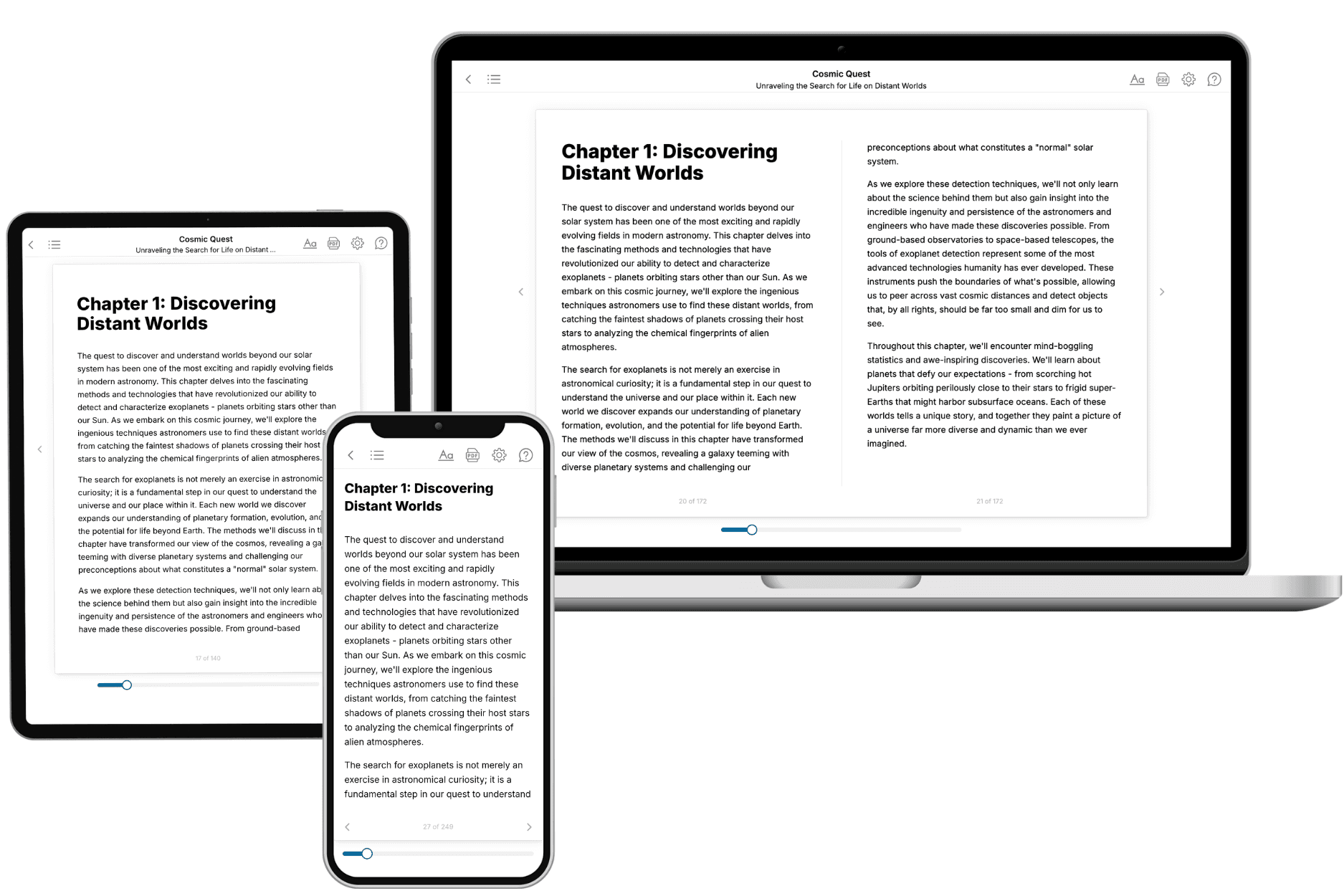
Your book is ready in 10 minutes. Read it online, download as EPUB or PDF, or send to Kindle.

Frequently asked questions
- What is TailoredRead?
TailoredRead creates complete, full-length nonfiction ebooks, written specifically for you. Tell us what you want to learn and why, and TailoredRead writes you a complete ebook on it, with charts, tables, and diagrams throughout. Read it online, on Kindle, or on any e-reader, or download it as a PDF or EPUB. Every book is written fresh the day you order it.
- How is the book tailored to me?
Before anything is written, you answer a few short questions about your goals, your background, and the topics you care about. Your book is then planned around your answers: written at your level, focused on your goals, and covering the topics you chose, instead of the one-size-fits-all book a store sells everyone.
- Will it read like generic AI content?
No. Your book isn't a chat transcript: it's planned chapter by chapter before a single word is written, told in a clear book voice, and explains ideas visually with charts, tables, and diagrams. After writing, every book goes through an editorial pass that polishes chapters so the book reads consistent from start to finish. Judge for yourself: browse thousands of sample books on our Explore Books page.
- How accurate is the content?
Our AI first checks whether your subject needs live research. Niche and fast-moving subjects are researched before writing, and the book plan and chapters are grounded in what it finds. After writing, every book goes through a quality pass that checks its facts and consistency, and researched books list their sources in a Notes section at the back.
- How long is the book?
You choose the length: Comprehensive (250-300 pages), Detailed (150-200 pages), Essential (70-100 pages), or Short (30-50 pages).
- Does the book include visuals?
Yes. Every book includes charts, tables, and diagrams: timelines, checklists, step-by-step guides, decision trees, comparison tables, matrices, and bar charts. A typical book includes dozens of these visual elements.
- Can I read it on Kindle? What formats can I download?
Yes. Every book can be read in our online reader or downloaded as a PDF or EPUB. The EPUB can be opened with Kindle, Apple Books, Kobo, and any e-reader. The Commercial and Author licenses also include an editable Word (DOCX) and Markdown download.
- How much does it cost?
About the price of a regular ebook. The exact price depends on your book's length and complexity, from $2 for the shortest books to $35 for the most comprehensive, and it's shown when you review your book, before you commit to anything. Each book is a one-time purchase, yours to keep, no subscription. Licenses that let you share, teach, or publish your book range from $35.99 to $49.99.
- Can I preview the book before purchasing?
Before you pay, you'll see what your book will cover: the title, a detailed description, the estimated length, and the complete chapter-by-chapter table of contents, so you know what you're getting before you decide. The full text itself is written after you purchase.
- How long does it take to create a book?
About 10 minutes. You can start reading the opening chapters while the rest is still being written.