Divided Nations
The Partition of India and Pakistan: A Comprehensive Analysis of a Pivotal Moment in Asian History
Unravel the complex tapestry of events that led to the partition of India and Pakistan in 1947.
269 pages13 chaptersDec 27, 2024Asian History
About this book
This comprehensive exploration delves deep into the historical, political, and social factors that shaped one of the most significant and tumultuous events in Asian history. You'll gain a nuanced understanding of the key figures, pivotal decisions, and far-reaching consequences that continue to influence the region today. Through meticulously researched chapters, you'll explore the roots of partition, from colonial policies to nationalist movements, and examine the immediate aftermath and long-term impacts on both nations. This book offers a balanced perspective, presenting multiple viewpoints and shedding light on often overlooked aspects of this historical watershed. Whether you're a history enthusiast or a student of Asian studies, "Divided Nations" provides you with the tools to analyze and interpret this complex period critically. By the end of this journey, you'll have a profound grasp of how the partition shaped the destinies of millions and continues to resonate in contemporary South Asian politics and society.
Table of contents
- IntroductionThe Importance of Understanding Partition, Overview of the Book's Structure, Historical Significance of the India-Pakistan PartitionRead below
- Chapter 1: Historical Context of the Indian SubcontinentThe Pre-Colonial Era, The Arrival and Expansion of British Colonialism, Social and Religious Structure of the Subcontinent, Economic Impact of Colonial Rule
- Chapter 2: The Rise of Nationalism in British IndiaEarly Nationalist Movements, Formation of the Indian National Congress, The All-India Muslim League, British 'Divide and Rule' Policies
- Chapter 3: Key Figures in the Partition MovementMuhammad Ali Jinnah and the Demand for Pakistan, Jawaharlal Nehru and the Vision of a United India, Mahatma Gandhi's Non-Violent Resistance, Other Influential Leaders and Their Roles
- Chapter 4: The Road to PartitionThe Lahore Resolution and the 'Two-Nation Theory', The Quit India Movement, The Cabinet Mission Plan, Direct Action Day and Escalating Tensions
- Chapter 5: The Partition PlanThe Mountbatten Plan, The Radcliffe Boundary Commission, The Issue of Princely States, The Indian Independence Act
- Chapter 6: Implementation of PartitionAdministrative Division of Assets and Institutions, Division of the Military, Separation of Currency and Economic Resources, Challenges in Implementing the Partition Plan
- Chapter 7: The Great Migration: Population ExchangeThe Scale of Migration, The Refugee Crisis, Communal Violence and Atrocities, Humanitarian Efforts and Relief Work
- Chapter 8: The Immediate Aftermath of PartitionPolitical Challenges for the New Nations, Economic Impact and Challenges, Social Upheaval and Cultural Shifts, The Kashmir Dispute
- Chapter 9: Long-Term Consequences of PartitionIndia-Pakistan Relations, Impact on Internal Politics of Both Nations, Diverging Economic Trajectories, Social and Cultural Impact
- Chapter 10: The Creation of BangladeshEast Pakistan: The Seeds of Discontent, The Bengali Language Movement, The 1971 War of Independence, Impact on the Subcontinent's Geopolitics
- Chapter 11: Partition in Memory and CulturePartition in Literature, Cinematic Representations of Partition, Oral Histories and Personal Narratives, Memorials and Commemoration
- Chapter 12: Contemporary Relevance of PartitionCurrent India-Pakistan Relations, Impact on Regional Dynamics in South Asia, The Partition and South Asian Diaspora, Lessons from Partition for Today's World
- Chapter 13: Historiography of PartitionEarly Historical Narratives, Revisionist Approaches to Partition History, Subaltern Studies and Partition, Future Directions in Partition Research
- ConclusionSummary of Key Points, Reflections on the Legacy of Partition
- Glossary
- Further Reading
Introduction
The partition of India and Pakistan stands as one of the most significant and transformative events in modern Asian history. This momentous occurrence, which took place in 1947, not only reshaped the political landscape of the Indian subcontinent but also had far-reaching consequences that continue to reverberate through the region and beyond to this day. As you embark on this exploration of the partition, you will uncover the complex web of historical, political, social, and economic factors that led to the division of British India into two independent nations. This introduction aims to set the stage for your journey through this pivotal chapter in history, highlighting the importance of understanding partition, providing an overview of the book's structure, and emphasizing the historical significance of this event.
The Importance of Understanding Partition
Understanding the partition of India and Pakistan is crucial for anyone seeking to comprehend the contemporary geopolitical dynamics of South Asia. The events surrounding partition have shaped not only the national identities of India and Pakistan but also the broader regional and global political landscape. By delving into this topic, you gain insight into the historical roots of many current issues, including ongoing territorial disputes, religious tensions, and the complex relationships between nations in the region.
The partition's impact extends far beyond the immediate aftermath of 1947. Its legacy continues to influence policy decisions, international relations, and social dynamics within and between India and Pakistan. For instance, the Kashmir conflict, which remains a flashpoint between the two nations, is a direct consequence of the partition process. Understanding the historical context and complexities of partition provides a foundation for analyzing contemporary challenges and potential paths forward for regional stability and cooperation.
Moreover, the study of partition offers valuable lessons on the consequences of colonial rule, the power of nationalist movements, and the complexities of nation-building. It serves as a stark reminder of the human cost of political decisions and the long-lasting impact of borders drawn with insufficient consideration for ethnic, linguistic, and cultural realities on the ground. By examining the partition, you gain insights into the broader themes of identity, nationalism, and the challenges of managing diversity within modern nation-states.
The partition also provides a lens through which to view the broader processes of decolonization that reshaped the global order in the mid-20th century. It stands as a significant case study in the transition from colonial rule to independence, highlighting both the aspirations and the challenges faced by newly independent nations. The experiences of India and Pakistan in the wake of partition offer valuable insights into the complexities of state-building, economic development, and the forging of national identities in postcolonial contexts.
Furthermore, understanding partition is essential for appreciating the rich cultural heritage and diverse histories of South Asia. The event has left an indelible mark on literature, art, cinema, and popular culture across the region. Countless stories, both personal and collective, have emerged from the experiences of partition, contributing to a vibrant and often poignant body of work that continues to shape cultural narratives and collective memory. By engaging with these narratives, you gain a more nuanced and human-centered perspective on the historical events, moving beyond dry facts and figures to understand the profound emotional and psychological impact of partition on individuals and communities.
Lastly, the study of partition holds relevance beyond the specific context of South Asia. It offers valuable lessons on the dangers of communal divisions, the importance of inclusive governance, and the potential consequences of hasty political decisions. In an era where questions of identity, nationalism, and borders continue to dominate global discourse, the partition of India and Pakistan serves as a powerful historical example that can inform current debates and policy considerations. By understanding the complexities and consequences of partition, you are better equipped to engage critically with contemporary issues of national identity, minority rights, and international relations in various global contexts.
Overview of the Book's Structure
This book is structured to provide you with a comprehensive and nuanced understanding of the partition of India and Pakistan. It is designed to guide you through the complex historical, political, and social landscape that led to this momentous event, its immediate aftermath, and its long-lasting consequences. The chapters are organized chronologically and thematically, allowing you to follow the narrative thread while also exploring specific aspects of partition in depth.
The journey begins with an exploration of the historical context of the Indian subcontinent. This foundational chapter delves into the pre-colonial era, the arrival and expansion of British colonialism, and the social and religious structure of the region. It aims to provide you with a solid understanding of the historical backdrop against which the events of partition unfolded. By examining the economic impact of colonial rule and the social dynamics of the subcontinent, you will gain insight into the factors that contributed to the growing calls for independence and, ultimately, partition.
Following this historical foundation, the book explores the rise of nationalism in British India. This chapter traces the development of early nationalist movements, the formation of key political organizations such as the Indian National Congress and the All-India Muslim League, and the impact of British 'divide and rule' policies. You will learn about the evolving political landscape and the growing tensions between different visions for the future of the subcontinent.
A significant portion of the book is dedicated to examining the key figures who played pivotal roles in the partition movement. You will explore the lives, ideologies, and actions of leaders such as Muhammad Ali Jinnah, Jawaharlal Nehru, and Mahatma Gandhi. This chapter provides insight into the personal and political motivations of these influential individuals and how their decisions and interactions shaped the course of events leading to partition.
The book then guides you through the critical period known as the "Road to Partition." This section covers key events and developments such as the Lahore Resolution, which articulated the 'Two-Nation Theory,' the Quit India Movement, and the Cabinet Mission Plan. You will gain an understanding of the escalating tensions and the various attempts at finding a political solution to the growing demands for independence and separate nationhood.
A detailed examination of the Partition Plan follows, including an analysis of the Mountbatten Plan, the work of the Radcliffe Boundary Commission, and the challenges posed by the integration of princely states. This chapter provides insight into the complex negotiations and decisions that ultimately led to the drawing of new borders and the creation of two independent nations.
The book then moves on to explore the implementation of partition, covering the administrative division of assets and institutions, the separation of the military, and the division of economic resources. This section highlights the enormous logistical challenges involved in dividing a subcontinent and the immediate consequences of these decisions.
A crucial chapter is dedicated to the great migration and population exchange that followed partition. You will learn about the scale of this massive movement of people, the refugee crisis it created, and the horrific communal violence that accompanied it. This section also covers the humanitarian efforts and relief work undertaken in response to this unprecedented crisis.
The immediate aftermath of partition is explored in detail, covering the political, economic, and social challenges faced by the newly independent nations of India and Pakistan. This chapter also introduces the Kashmir dispute, a conflict that continues to impact relations between the two countries to this day.
The book then shifts focus to examine the long-term consequences of partition, including its impact on India-Pakistan relations, the internal politics of both nations, their diverging economic trajectories, and the social and cultural ramifications of division. This section provides a comprehensive overview of how the effects of partition have reverberated through the decades since 1947.
A separate chapter is dedicated to the creation of Bangladesh, exploring how the partition of 1947 laid the groundwork for the eventual separation of East Pakistan (now Bangladesh) from West Pakistan in 1971. This chapter underscores the ongoing impact of partition on the geopolitics of the subcontinent.
The book also explores how partition has been remembered and represented in culture, examining its portrayal in literature, cinema, oral histories, and memorials. This chapter provides insight into how collective memory of partition has been shaped and how it continues to influence cultural narratives in South Asia.
The contemporary relevance of partition is addressed in a chapter that examines current India-Pakistan relations, the impact on regional dynamics in South Asia, the influence of partition on the South Asian diaspora, and the lessons that can be drawn from this historical event for today's world.
Finally, the book concludes with a chapter on the historiography of partition, exploring how historical narratives about this event have evolved over time. This section covers early historical accounts, revisionist approaches, the contributions of subaltern studies, and potential future directions for research on partition.
Throughout the book, you will find that each chapter is designed to provide a balanced and nuanced perspective, presenting multiple viewpoints and encouraging critical analysis. The structure allows for a comprehensive exploration of the partition, from its historical roots to its contemporary implications, providing you with a solid foundation for understanding this complex and pivotal moment in Asian history.
Historical Significance of the India-Pakistan Partition
The partition of India and Pakistan in 1947 stands as one of the most significant events in modern history, with far-reaching consequences that continue to shape the geopolitical landscape of South Asia and beyond. Its historical significance cannot be overstated, as it marked not only the end of British colonial rule in the Indian subcontinent but also the birth of two independent nations founded on distinct religious and ideological principles. The partition represents a critical juncture in the process of decolonization that swept across Asia and Africa in the mid-20th century, offering valuable insights into the challenges and complexities of nation-building in the aftermath of imperial rule.
One of the most profound aspects of the partition's historical significance lies in its scale and impact on human lives. The division of British India resulted in one of the largest mass migrations in human history, with an estimated 14 million people crossing the newly drawn borders between India and Pakistan[1]. This massive population exchange was accompanied by widespread communal violence, leading to the loss of hundreds of thousands of lives and creating a humanitarian crisis of unprecedented proportions. The trauma of this experience has left an indelible mark on the collective psyche of both nations, shaping national narratives and influencing social and political dynamics for generations.
The partition also holds immense significance as a pivotal moment in the history of religious nationalism and identity politics. The creation of Pakistan as a homeland for Muslims in the subcontinent was based on the "Two-Nation Theory," which posited that Hindus and Muslims constituted two distinct nations. This idea challenged prevailing notions of nationhood and has had lasting implications for how religious and ethnic identities are understood and negotiated in the context of modern nation-states. The partition thus serves as a crucial case study for examining the complex interplay between religion, nationalism, and state formation.
From a geopolitical perspective, the partition fundamentally altered the strategic landscape of South Asia. The creation of two rival states, each with its own security concerns and regional ambitions, has been a source of ongoing tension and conflict. The most visible manifestation of this is the dispute over Kashmir, which has led to multiple wars between India and Pakistan and remains an unresolved issue to this day. The partition's legacy has shaped the foreign policies of both countries, influencing their relationships not only with each other but also with other regional and global powers.
The economic consequences of partition have been equally significant. The division of resources, industries, and infrastructure between the two new nations posed enormous challenges for economic development. The partition disrupted long-established trade routes and economic relationships, necessitating the creation of new economic structures and policies. The divergent economic paths taken by India and Pakistan in the decades following partition offer valuable insights into the challenges of economic development in postcolonial contexts and the long-term impacts of political decisions on economic trajectories.
In terms of social and cultural impact, the partition led to a fundamental reshaping of communities and identities across the subcontinent. The mass displacement of people resulted in the uprooting of centuries-old cultural traditions and the creation of new diasporic communities. The partition has been a recurring theme in literature, art, and popular culture, serving as a powerful symbol of loss, trauma, and the complexities of identity in South Asia. The ongoing process of coming to terms with the legacy of partition continues to influence cultural production and social discourse in both countries.
The partition also holds significant lessons for understanding the processes of state formation and the challenges of managing diversity within modern nation-states. The experiences of India and Pakistan in the aftermath of partition highlight the complexities of building national identities in multi-ethnic, multi-linguistic, and multi-religious societies. The different approaches taken by the two countries in addressing these challenges offer valuable comparative perspectives on issues of federalism, minority rights, and secular governance.
Furthermore, the partition's historical significance extends to its impact on international relations and global politics. The creation of India and Pakistan as independent states coincided with the onset of the Cold War, and both countries played important roles in the Non-Aligned Movement. The partition thus needs to be understood not only in the context of South Asian history but also as part of the broader global shifts occurring in the mid-20th century.
The legacy of partition continues to evolve, with new generations in both India and Pakistan grappling with its historical meaning and contemporary relevance. Recent scholarship has sought to move beyond nationalist narratives to explore the human experiences of partition, giving voice to previously marginalized perspectives. This ongoing reexamination of partition history reflects its enduring significance as a subject of historical inquiry and public discourse.
In conclusion, the historical significance of the India-Pakistan partition lies in its profound and multifaceted impact on the political, social, economic, and cultural landscapes of South Asia. It serves as a critical case study for understanding the complexities of decolonization, nation-building, and the management of diversity in modern states. As you delve deeper into the chapters that follow, you will gain a nuanced understanding of how this momentous event has shaped the past, present, and future of the subcontinent and its place in the wider world.
Notes
Introduction
- 1. I. Talbot and G. Singh, The Partition of India, Cambridge University Press, 2009
This is the end of the free sample. The full book has 13 chapters.
Want this book written for you?
Tell us your goals and background, and get your own version of this book, tailored by AI to you.


Benefits of AI-tailored books
- Read one book, not ten:
- all the Asian History knowledge you need, gathered into a single book.
- Save days of learning:
- tell us your goals, choose your topics, and the whole book is built around them.
- Learn effortlessly:
- Asian History book written for your specific background and expertise.
- Understand at a glance:
- includes charts, tables, timelines, checklists, decision trees, and more.
- Stay current:
- written the day you order it, not years ago.
- Trust what you read:
- every book is checked for accuracy, with real research when your subject needs it.
Create your unique book in 3 steps
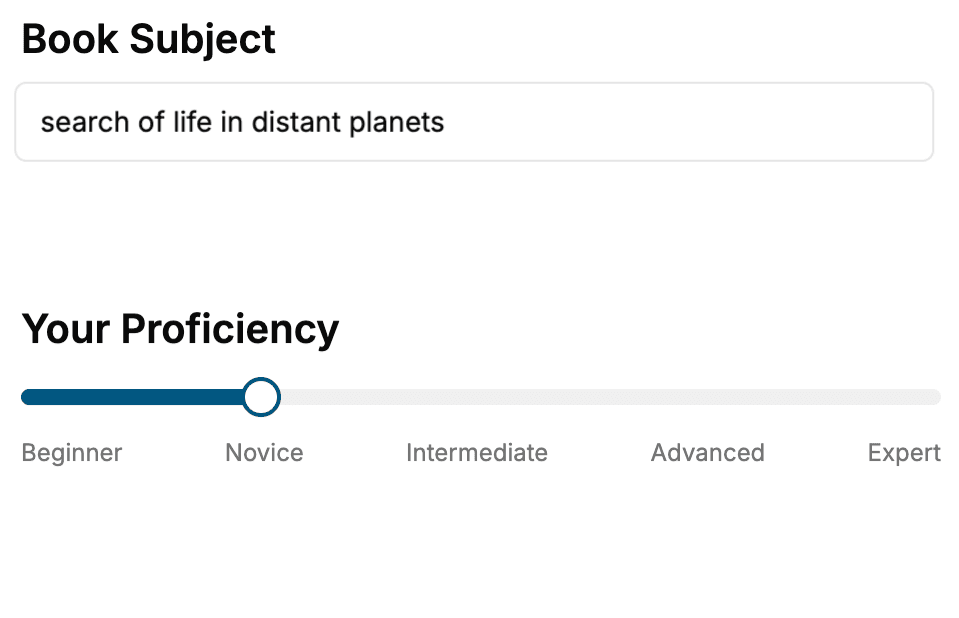
- 1. Select your focus
Select the focus of your Asian History book and share your background
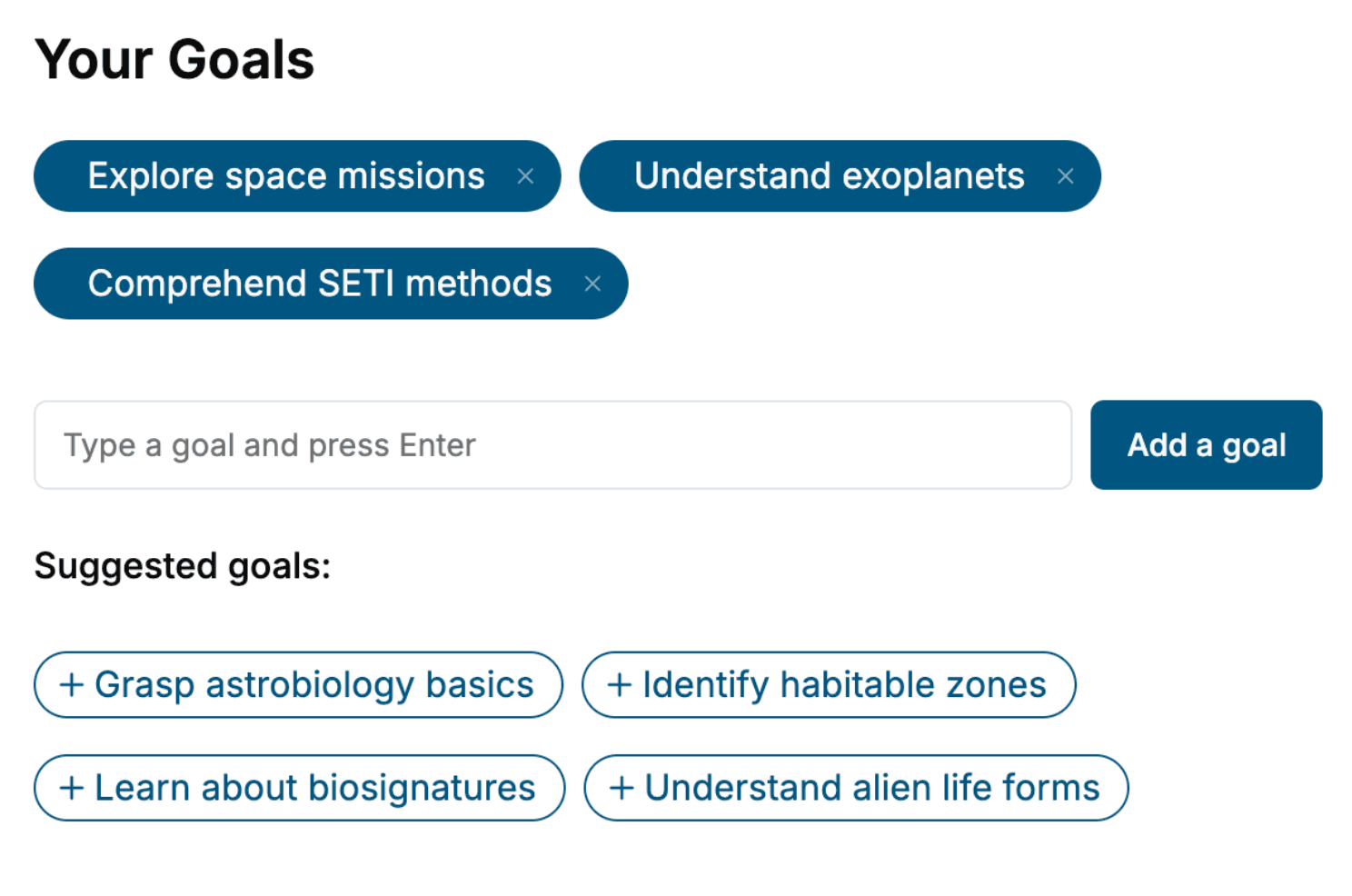
- 2. Personalize your book
Specify your goals and choose sub-topics to include
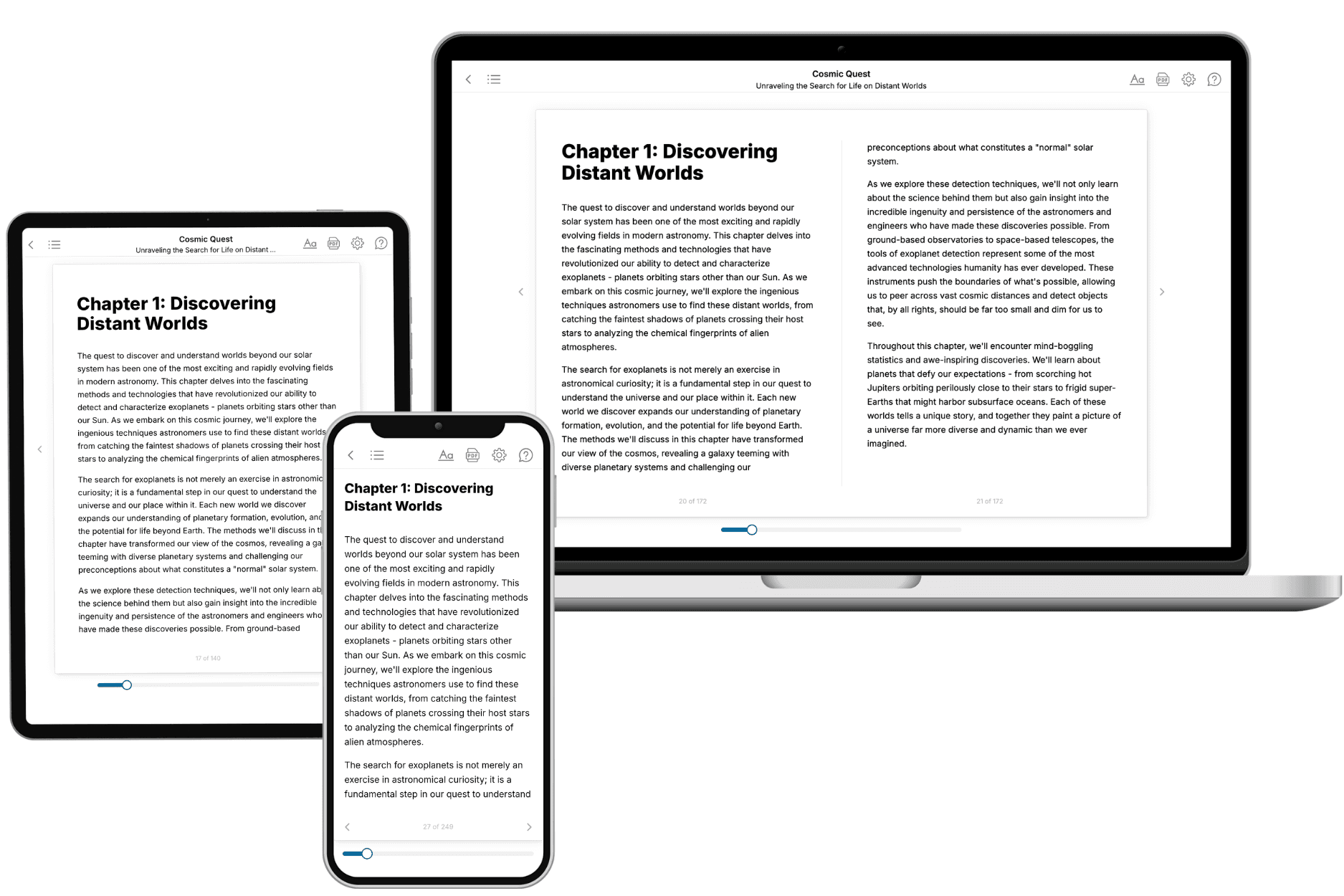
- 3. Get your tailored book
Your book is ready in 10 minutes. Read it online, download as EPUB or PDF, or send to Kindle.
Frequently asked questions
- What is TailoredRead?
TailoredRead creates complete, full-length nonfiction ebooks, written specifically for you. Tell us what you want to learn and why, and TailoredRead writes you a complete ebook on it, with charts, tables, and diagrams throughout. Read it online, on Kindle, or on any e-reader, or download it as a PDF or EPUB. Every book is written fresh the day you order it.
- How is the book tailored to me?
Before anything is written, you answer a few short questions about your goals, your background, and the topics you care about. Your book is then planned around your answers: written at your level, focused on your goals, and covering the topics you chose, instead of the one-size-fits-all book a store sells everyone.
- Will it read like generic AI content?
No. Your book isn't a chat transcript: it's planned chapter by chapter before a single word is written, told in a clear book voice, and explains ideas visually with charts, tables, and diagrams. After writing, every book goes through an editorial pass that polishes chapters so the book reads consistent from start to finish. Judge for yourself: browse thousands of sample books on our Explore Books page.
- How accurate is the content?
Our AI first checks whether your subject needs live research. Niche and fast-moving subjects are researched before writing, and the book plan and chapters are grounded in what it finds. After writing, every book goes through a quality pass that checks its facts and consistency, and researched books list their sources in a Notes section at the back.
- How long is the book?
You choose the length: Comprehensive (250-300 pages), Detailed (150-200 pages), Essential (70-100 pages), or Short (30-50 pages).
- Does the book include visuals?
Yes. Every book includes visual elements such as timelines, checklists, step-by-step guides, decision trees, comparison tables, and matrices, and many include bar charts. A typical book includes dozens of these visual elements.
- Can I read it on Kindle? What formats can I download?
Yes. Every book can be read in our online reader or downloaded as a PDF or EPUB. The EPUB can be opened with Kindle, Apple Books, Kobo, and any e-reader. The Commercial and Author licenses also include an editable Word (DOCX) and Markdown download.
- How much does it cost?
About the price of a regular ebook. The exact price depends on your book's length and complexity, from $2 for the shortest books to $35 for the most comprehensive, and it's shown when you review your book, before you commit to anything. Each book is a one-time purchase, yours to keep, no subscription. Licenses that let you share, teach, or publish your book range from $35.99 to $49.99.
- Can I preview the book before purchasing?
Before you pay, you'll see what your book will cover: the title, a detailed description, the estimated length, and the complete chapter-by-chapter table of contents, so you know what you're getting before you decide. The full text itself is written after you purchase.
- How long does it take to create a book?
About 10 minutes. You can start reading the opening chapters while the rest is still being written.