Dog Nutrition Mastery
The Complete Guide to Feeding Your Dog for Optimal Health and Longevity
What if the food you're feeding your dog is actually working against their health rather than supporting it?
269 pages13 chaptersSep 12, 2026Dog Food and Nutrition
About this book
Most dog owners make feeding decisions based on marketing claims and convenience, without understanding what their individual dog actually needs to thrive. This comprehensive guide cuts through the confusion and gives you the knowledge to make informed nutritional choices tailored to your dog's unique requirements. Whether you're managing food allergies, supporting a senior dog, optimizing for a specific breed, or simply wanting to extend your dog's lifespan, you'll discover practical strategies for evaluating ingredients, calculating proper portions, and creating balanced meals. Learn how to read commercial dog food labels critically, understand the raw versus cooked debate with scientific clarity, and recognize when your dog needs supplementation. This book empowers you to take control of your dog's nutrition and become the advocate your dog deserves.
Table of contents
- IntroductionWhy Canine Nutrition Matters More Than You Think, Common Feeding Myths That Could Be Harming Your Dog, How to Use This Book to Transform Your Dog's HealthRead below
- Chapter 1: Canine Nutrition FundamentalsThe Six Essential Nutrients Your Dog Needs, Understanding What Each Nutrient Does in Your Dog's Body, Achieving Proper Nutrient Balance in Every Meal
- Chapter 2: Assessing Your Dog's Individual NeedsAge-Appropriate Nutritional Requirements, Breed-Specific Nutritional Considerations, Calculating Caloric Needs Based on Activity Level, Adjusting Nutrition for Existing Health Conditions
- Chapter 3: Protein and Amino AcidsProtein Requirements by Breed and Life Stage, Evaluating Protein Quality and Digestibility, Essential Amino Acids and Complete Proteins
- Chapter 4: Fats, Carbohydrates, and EnergyHealthy Fats and Omega Fatty Acid Benefits, The Role of Carbohydrates in Canine Diets, Calculating Proper Daily Caloric Intake
- Chapter 5: Vitamins and Minerals for Optimal HealthEssential Vitamin Supplementation and Sources, Mineral Balance for Bone Health and Development, Calcium-Phosphorus Ratios and Their Importance, Antioxidant-Rich Foods for Immune Function
- Chapter 6: Raw Versus Cooked DietsBenefits and Risks of Raw Feeding, Advantages of Cooked and Processed Diets, Making the Right Choice for Your Dog
- Chapter 7: Food Allergies and SensitivitiesIdentifying Common Canine Food Allergens, Conducting an Elimination Diet Successfully, Creating Hypoallergenic Meal Recipes, Long-Term Allergy Management Strategies
- Chapter 8: Digestive Health and Nutrient AbsorptionUnderstanding Canine Digestive Health, Probiotic Gut Health and Beneficial Bacteria, Optimizing Nutrient Absorption Through Diet
- Chapter 9: Evaluating Commercial Dog FoodsReading and Understanding Dog Food Labels, Ingredient Selection Guide and Quality Assessment, Evaluating Commercial Dog Food Quality Standards
- Chapter 10: Creating Balanced Meal PlansBalanced Meal Planning Fundamentals, Portion Control and Feeding Schedules, Diet Transition Safety and Best Practices
- Chapter 11: Nutrition for Life StagesPuppy Growth Nutrition and Development, Maintaining Optimal Health in Adult Dogs, Senior Dog Nutrition and Longevity Support
- Chapter 12: Targeted Nutrition for Specific Health ConditionsJoint Health Through Diet and Supplementation, Supporting Kidney Health Through Nutrition, Enhancing Coat and Skin Quality Through Diet, Immune Function Enhancement Strategies
- Chapter 13: Recognizing and Preventing Nutritional ProblemsRecognizing Signs of Nutritional Deficiency, Preventive Diet Strategies for Long-Term Health, Monitoring Your Dog's Nutritional Status
- ConclusionYour Dog's Nutrition Journey Starts Now
- Glossary of Canine Nutrition Terms
- Further Reading and Resources
Introduction
A twelve-year-old Labrador named Max arrives at a veterinary clinic weighing eighteen pounds more than he should. His owner feeds him twice a day, always the same commercial kibble bag from the grocery store, and genuinely believes she is doing right by him. Six months later, after a change in portion size and ingredient quality, Max moves more easily, his coat looks glossier, and his energy returns. Nothing about his life changed except what went into his bowl. That gap between good intentions and good outcomes is exactly where this book lives.
Feeding a dog looks simple on the surface. Pour food into a bowl, refill the water, repeat daily. But underneath that routine sits a set of biological systems, from digestion to immune function to skeletal growth, that respond directly to what arrives in that bowl. An administration assistant managing a household budget and a busy schedule does not need a veterinary degree to get this right. What is needed is a clear framework for asking the right questions about protein sources, calorie counts, and ingredient labels, and the confidence to act on the answers.
This introduction sets the groundwork for everything that follows. It explains why nutrition deserves as much attention as vaccinations or exercise, exposes the myths that quietly steer well-meaning owners toward poor choices, and lays out a practical path through the rest of the book. None of this requires memorizing biochemistry. It requires a willingness to look past the marketing on a bag of food and ask what is actually inside it, and how that matches the dog standing in front of you.
Consider the scope of what nutrition touches: skin and coat condition, joint durability, immune resilience, digestive comfort, energy levels, and lifespan itself. Veterinary researchers have repeatedly linked body condition and diet quality to the onset of chronic disease in dogs, including diabetes, arthritis, and certain cancers[1]. That single thread, running from bowl to bloodstream to body, is the reason this book exists.
Why Canine Nutrition Matters More Than You Think
Dogs cannot choose their own meals, adjust their own portions, or read a label and decide something looks off. Every nutritional decision a dog experiences comes from a human, which means the quality of a dog's health over its lifetime is, in large part, a reflection of decisions made by someone else. That responsibility is not meant to induce guilt. It is meant to highlight leverage: small, informed adjustments to diet can produce outsized improvements in how a dog feels, moves, and ages.
Longevity research in companion animals has consistently pointed to body weight and diet composition as two of the strongest modifiable factors in lifespan. A well-known long-term study following Labrador Retrievers found that dogs kept at a lean body condition throughout life lived, on average, nearly two years longer than littermates fed to maintain a heavier condition[2]. Two years might sound modest until you consider it as a percentage of a dog's entire life, often representing fifteen to twenty percent additional time together.
Nutrition also functions as a form of preventive medicine, catching problems before they require a prescription pad. A joint that receives adequate omega fatty acids and maintains a healthy weight faces less mechanical stress and inflammation than one carrying excess pounds on a nutrient-poor diet. A gut that receives balanced fiber and quality protein digests food efficiently, absorbing the vitamins and minerals a dog needs rather than passing them through unused. These are not abstract biochemical events. They show up as a dog that plays longer in the yard, sheds less, and needs fewer trips to the vet for unexplained digestive upset.
Skipping ahead to later chapters, ideas like Individual Nutritional Assessment and Caloric Needs Calculation will provide the specific tools for tailoring a diet. But the reason those tools matter starts here, with the recognition that nutrition is not a peripheral concern sitting alongside training and grooming. It sits underneath all of them, shaping the physical foundation a dog needs to enjoy an active, comfortable life.
The economic angle deserves mention too, since it often motivates the shift toward better feeding practices more than abstract health arguments do. A dog fed a nutritionally sound diet from puppyhood tends to require fewer emergency veterinary visits, less medication for chronic conditions, and less specialized care later in life. Money spent slightly more upfront on quality ingredients frequently offsets larger costs down the road, a pattern documented across companion animal health economics[3]. Framing nutrition as an investment rather than an expense changes how many owners approach the pet food aisle.
There is also an emotional dimension that data alone cannot capture. A dog experiencing chronic low-grade discomfort from poor digestion or nutrient imbalance often shows it through subtle behavior changes: less enthusiasm for walks, irritability, disrupted sleep. Owners frequently attribute these shifts to aging or personality rather than considering diet as a cause. Recognizing nutrition's reach into behavior and mood, not just physical measurements, opens up another layer of understanding that later chapters on Nutritional Deficiency Signs and Nutritional Monitoring will explore in detail.
None of this suggests that nutrition alone determines a dog's fate. Genetics, environment, and veterinary care all play roles. But among the factors an owner can directly control on a daily basis, diet stands out as uniquely powerful and uniquely underused. Most owners spend more time researching a new phone purchase than they do evaluating what goes into their dog's food bowl three times a day, every day, for over a decade.
Common Feeding Myths That Could Be Harming Your Dog
Misinformation about dog nutrition spreads easily because it often sounds intuitive, comes from a trusted friend, or gets reinforced by clever packaging. Separating what actually helps a dog from what merely sounds appealing requires examining a handful of persistent myths that shape feeding decisions across millions of households. Correcting these misconceptions early prevents them from quietly undermining everything discussed in later chapters.
The first myth holds that grain-free
automatically means healthier. Grain-free formulas surged in popularity over the past decade, often marketed as closer to a dog's ancestral diet. Yet veterinary cardiologists and the U.S. Food and Drug Administration have investigated a potential link between certain grain-free diets, particularly those heavy in legumes like peas and lentils, and a heart condition called dilated cardiomyopathy in dogs without a genetic predisposition to it[4]. Grains are not inherently harmful for most dogs, and removing them does not automatically improve a diet.
A second widespread myth claims that dogs need variety the way humans do, and that feeding the same food daily is boring or nutritionally limiting. Dogs' nutritional needs are met through balanced formulation, not variety for its own sake. Rotating foods frequently without a clear reason can actually increase digestive upset and make it harder to identify a Food Allergen if one develops, since an elimination process becomes muddled when the diet history is inconsistent.
A third myth insists that table scraps are harmless treats, given in moderation. Some human foods carry genuine risk, including onions, grapes, and chocolate, while others simply add unbalanced calories that throw off an otherwise carefully calculated Daily Caloric Intake. A slice of cheese or a piece of chicken skin might seem trivial, but repeated daily across a year, these additions can account for a meaningful percentage of excess calories, silently pushing a dog toward the overweight body condition linked to shorter lifespan mentioned earlier.
The following table lays out several of these persistent myths alongside the more accurate picture, offering a quick reference before diving deeper into later chapters.
| Do This | Don't Do This |
|---|---|
| Evaluate protein source and quality directly | Assume grain-free automatically means healthier |
| Keep a consistent, balanced daily diet | Rotate foods constantly without a nutritional reason |
| Account for treats within total daily calories | Treat table scraps as calorie-free extras |
| Base portions on body condition and activity | Follow only the generic amount printed on the bag |
| Introduce new foods gradually over one to two weeks | Switch foods abruptly and expect no digestive upset |
A fourth myth suggests that a higher price tag always signals higher quality. Premium branding, attractive packaging, and celebrity endorsements do not guarantee that a formula meets a dog's actual nutritional profile. Some mid-priced foods, when their labels are read carefully using the tools covered under Dog Food Label and AAFCO Standards, offer comparable or superior nutrient profiles to premium alternatives. Price can be one signal among several, but it should never substitute for reading the ingredient list and guaranteed analysis directly.
A fifth myth treats supplements as universally beneficial, on the theory that more vitamins and minerals can only help. In reality, oversupplementation carries real risk, particularly with fat-soluble vitamins and minerals like calcium, where excess intake during a puppy's growth phase can interfere with proper skeletal development. The relationship covered under Calcium-Phosphorus Ratio illustrates this precisely: more is not automatically better, and balance matters more than sheer quantity.
A sixth myth assumes that if a dog eats the food eagerly and shows no immediate symptoms, the diet must be adequate. Nutritional deficiencies and imbalances frequently develop slowly, over months or years, showing up first as subtle coat dullness or minor digestive irregularity long before a serious health event forces attention. Palatability and enthusiasm at mealtime say nothing about whether a diet actually meets a dog's biological requirements, which is exactly why the deeper assessment tools introduced across this book exist.
A seventh myth claims that home-prepared diets are always superior to commercial food because they avoid processing. Home preparation can offer real benefits when done correctly, but studies analyzing owner-formulated diets have repeatedly found the majority fail to meet basic nutritional requirements, often lacking sufficient calcium, certain vitamins, or balanced fatty acid ratios[5]. Good intentions behind home cooking do not automatically translate into nutritional adequacy without careful formulation.
Recognizing these myths for what they are, oversimplified stories that sell products or soothe anxiety rather than reflect biological reality, clears the ground for the more precise, evidence-based approach the rest of this book builds. Each myth dismantled here connects directly to a chapter ahead where the accurate picture gets full treatment, from protein evaluation to life-stage feeding to targeted supplementation for specific conditions.
How to Use This Book to Transform Your Dog's Health
This book is organized to move from foundational knowledge toward increasingly specific applications, and it rewards being read in sequence at least once, even for a reader eager to jump straight to a particular concern like allergies or joint health. Early chapters establish vocabulary and concepts, such as Six Essential Nutrients and Macronutrients versus Micronutrients, that later chapters assume as background. Skipping ahead without that foundation can make specialized advice feel disconnected from the underlying reasoning.
The middle section of the book shifts from theory to individualized assessment. This is where a reader identifies what actually applies to their own dog, whether that means calculating calories for a highly active working breed or adjusting protein sources for a senior dog with early kidney concerns. Treat this section as a working reference rather than a one-time read. Revisiting chapters on Life-Stage Feeding or Breed-Specific Nutritional Needs as a dog ages or circumstances change will keep guidance relevant over the course of that dog's life.
Practical application matters more than passive reading here. Each chapter includes specific frameworks, from calculating a Body Condition Score to interpreting a Guaranteed Analysis on a food label, that only produce value once actually used with the dog in front of the reader. Consider keeping a simple notebook or phone app entry tracking a dog's current weight, food brand, portion size, and any digestive or coat issues observed. This running record becomes invaluable when working through chapters on Elimination Diet protocols or Nutritional Monitoring, since those processes depend on comparing conditions before and after a dietary change.
The following checklist offers a starting point for engaging with the material actively rather than passively, useful to revisit after finishing the introduction and again after completing the early fundamentals chapters.
Getting Started With This Book
- Write down the current brand, formula, and daily portion of food being fed
- Note the dog's age, breed, weight, and any known health conditions
- Record recent observations about coat, energy, digestion, and appetite
- Locate the current bag or can and find the ingredient list and guaranteed analysis
- Set a reminder to revisit notes after finishing the fundamentals chapters
Later chapters address specific circumstances that may or may not apply to every reader immediately, including Raw Feeding versus Cooked Diet comparisons, Therapeutic Nutrition for particular health conditions, and detailed guidance on Puppy Nutrition or Senior Dog Nutrition. A reader with a healthy adult dog and no current allergy concerns might read those specialized sections for future reference rather than immediate action, building familiarity now so that if circumstances change, the knowledge is already in place rather than needing to be acquired during a stressful health situation.
Throughout the book, concepts build on each other deliberately. The discussion of Protein Quality and Biological Value in the chapter on protein and amino acids directly informs later decisions about evaluating commercial food ingredients and building balanced meal plans. Similarly, the explanation of Gut Microbiome function and Probiotics connects to both digestive health discussions and the therapeutic nutrition strategies covered for specific conditions like joint or kidney support. Recognizing these connections helps the material function as an integrated system of knowledge rather than a collection of disconnected facts.
Approach each chapter with a specific question in mind related to the dog currently under care, rather than reading purely for general interest. Instead of asking only what does this chapter say about protein,
ask does my dog's current food provide adequate protein quality given his age and activity level.
This shift from passive absorption to active questioning transforms reading time into a genuine diagnostic process, one that produces concrete next steps rather than abstract awareness.
Finally, treat this book as a reference to return to across a dog's entire lifetime rather than a single read-through project. Nutritional needs shift substantially between puppyhood, adulthood, and the senior years, and a dog's health status can change in ways that shift which chapters become most relevant. The framework built across these pages, from understanding basic nutrient categories through calculating precise portions to recognizing early warning signs of deficiency, is designed to serve as a durable decision-making tool that remains useful for years, adapting as circumstances change rather than expiring after one application.
Notes
Introduction
- 1. Dorothy Laflamme, "Development and Validation of a Body Condition Score System for Dogs," Canine Practice, 1997
- 2. Dennis Lawler, "Diet Restriction and Ageing in the Dog," American Journal of Veterinary Research, 2002
- 3. Kelly Swanson, "Nutritional Sciences and the Art of Pet Food Formulation," Journal of Animal Science, 2013
- 4. United States Food and Drug Administration, "FDA Investigation into Potential Link Between Certain Diets and Canine Dilated Cardiomyopathy," FDA Center for Veterinary Medicine, 2019
- 5. Andrea Fascetti, "Correlation between Diet and Nutritional Adequacy in Homemade Diets for Dogs," Journal of the American Veterinary Medical Association, 2013
This is the end of the free sample. The full book has 13 chapters.
Want this book written for you?
Tell us your goals and background, and get your own version of this book, tailored by AI to you.


Benefits of AI-tailored books
- Read one book, not ten:
- all the Dog Food and Nutrition knowledge you need, gathered into a single book.
- Save days of learning:
- tell us your goals, choose your topics, and the whole book is built around them.
- Learn effortlessly:
- Dog Food and Nutrition book written for your specific background and expertise.
- Understand at a glance:
- includes charts, tables, timelines, checklists, decision trees, and more.
- Stay current:
- written the day you order it, not years ago.
- Trust what you read:
- every book is checked for accuracy, with real research when your subject needs it.
Create your unique book in 3 steps
- 1. Select your focus
Select the focus of your Dog Food and Nutrition book and share your background
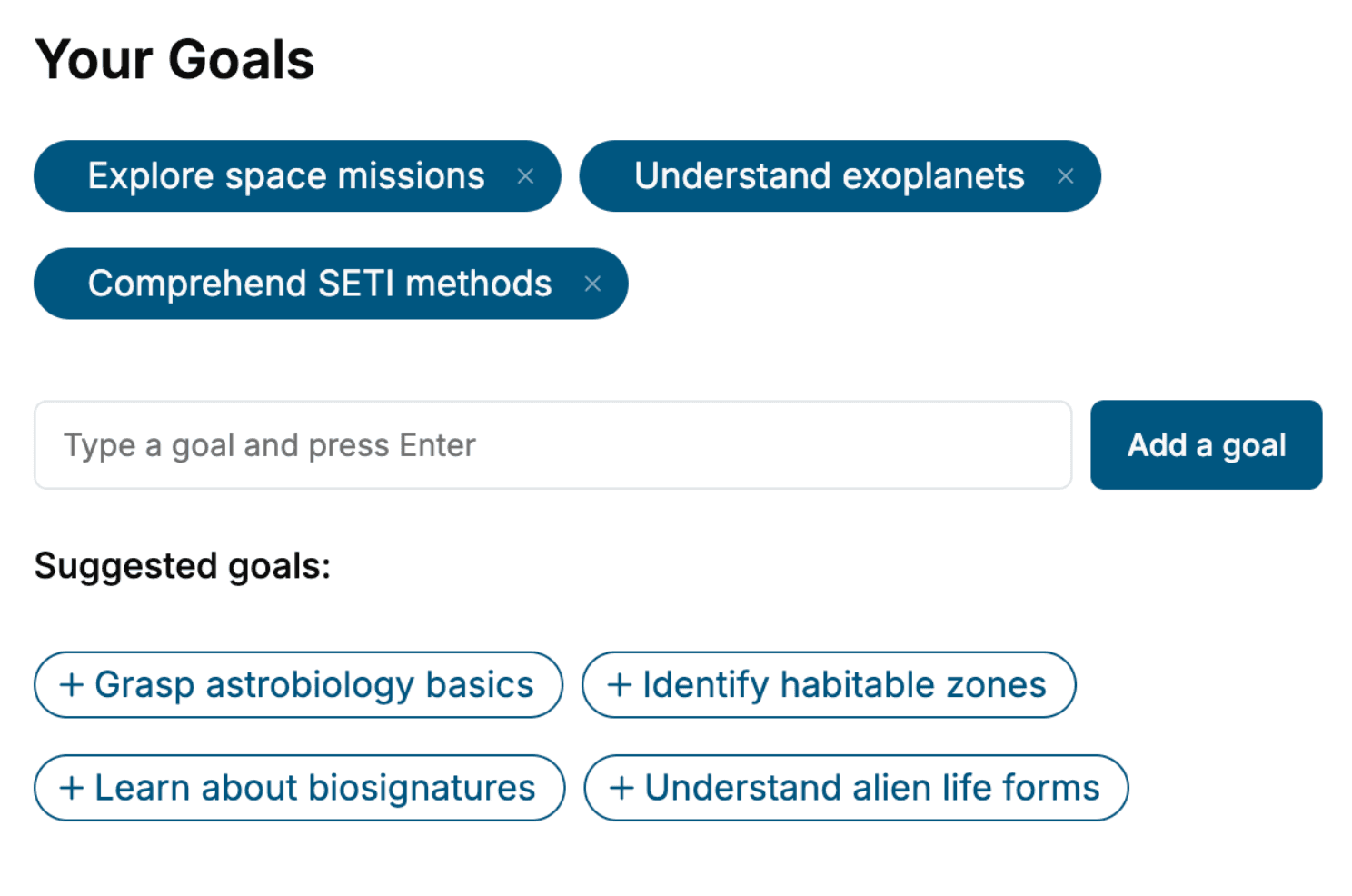
- 2. Personalize your book
Specify your goals and choose sub-topics to include
- 3. Get your tailored book
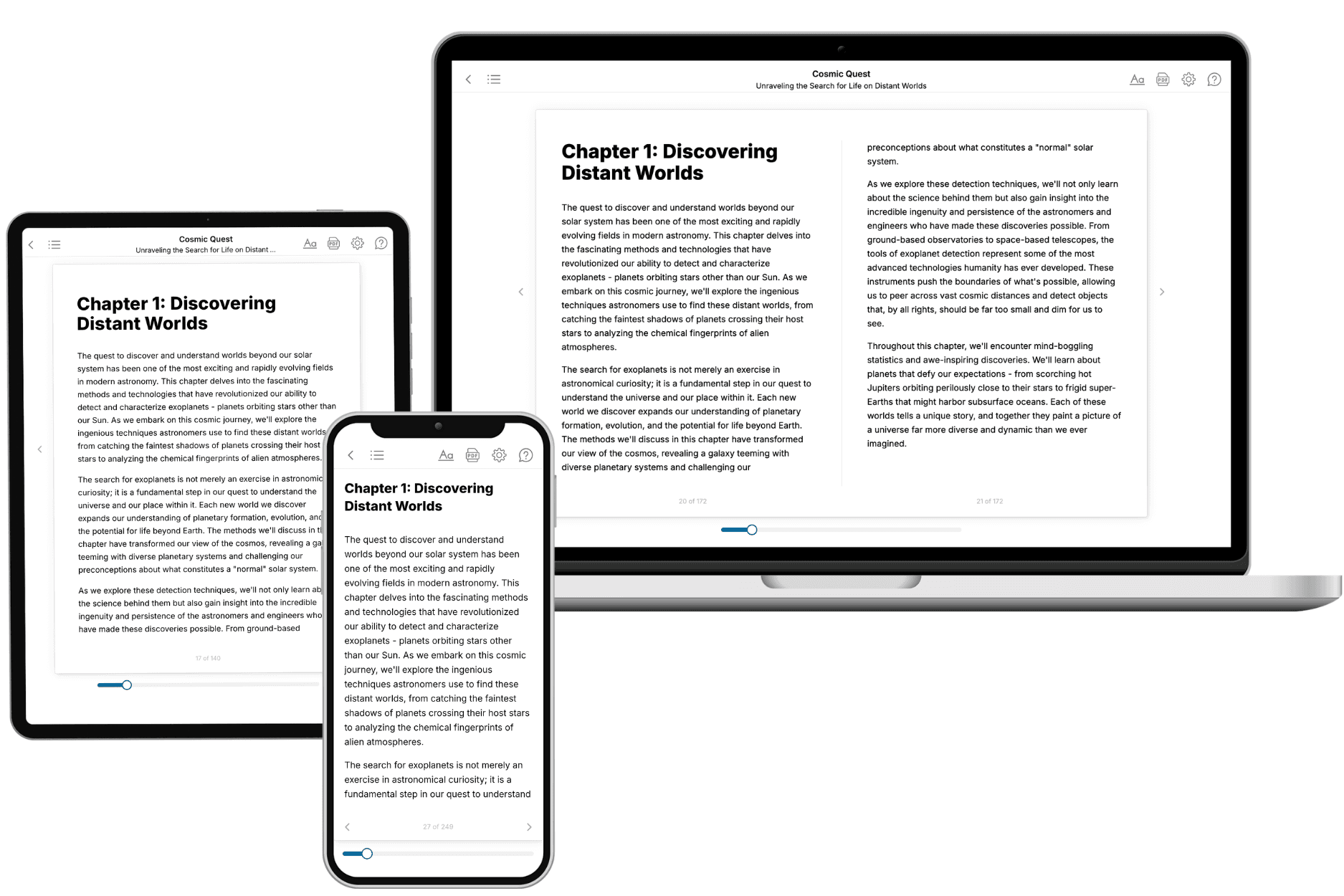
Your book is ready in 10 minutes. Read it online, download as EPUB or PDF, or send to Kindle.

Frequently asked questions
- What is TailoredRead?
TailoredRead creates complete, full-length nonfiction ebooks, written specifically for you. Tell us what you want to learn and why, and TailoredRead writes you a complete ebook on it, with charts, tables, and diagrams throughout. Read it online, on Kindle, or on any e-reader, or download it as a PDF or EPUB. Every book is written fresh the day you order it.
- How is the book tailored to me?
Before anything is written, you answer a few short questions about your goals, your background, and the topics you care about. Your book is then planned around your answers: written at your level, focused on your goals, and covering the topics you chose, instead of the one-size-fits-all book a store sells everyone.
- Will it read like generic AI content?
No. Your book isn't a chat transcript: it's planned chapter by chapter before a single word is written, told in a clear book voice, and explains ideas visually with charts, tables, and diagrams. After writing, every book goes through an editorial pass that polishes chapters so the book reads consistent from start to finish. Judge for yourself: browse thousands of sample books on our Explore Books page.
- How accurate is the content?
Our AI first checks whether your subject needs live research. Niche and fast-moving subjects are researched before writing, and the book plan and chapters are grounded in what it finds. After writing, every book goes through a quality pass that checks its facts and consistency, and researched books list their sources in a Notes section at the back.
- How long is the book?
You choose the length: Comprehensive (250-300 pages), Detailed (150-200 pages), Essential (70-100 pages), or Short (30-50 pages).
- Does the book include visuals?
Yes. Every book includes charts, tables, and diagrams: timelines, checklists, step-by-step guides, decision trees, comparison tables, matrices, and bar charts. A typical book includes dozens of these visual elements.
- Can I read it on Kindle? What formats can I download?
Yes. Every book can be read in our online reader or downloaded as a PDF or EPUB. The EPUB can be opened with Kindle, Apple Books, Kobo, and any e-reader. The Commercial and Author licenses also include an editable Word (DOCX) and Markdown download.
- How much does it cost?
About the price of a regular ebook. The exact price depends on your book's length and complexity, from $2 for the shortest books to $35 for the most comprehensive, and it's shown when you review your book, before you commit to anything. Each book is a one-time purchase, yours to keep, no subscription. Licenses that let you share, teach, or publish your book range from $35.99 to $49.99.
- Can I preview the book before purchasing?
Before you pay, you'll see what your book will cover: the title, a detailed description, the estimated length, and the complete chapter-by-chapter table of contents, so you know what you're getting before you decide. The full text itself is written after you purchase.
- How long does it take to create a book?
About 10 minutes. You can start reading the opening chapters while the rest is still being written.