Drakenstein Lion Park
Your Complete Guide to Cape Town's Premier Wildlife Destination
Plan the perfect visit to Drakenstein Lion Park and discover why this Cape Town sanctuary has become one of South Africa's most compelling wildlife destinations.
191 pages9 chaptersJul 16, 2026South Africa Travel Guide
About this book
This comprehensive guide takes you beyond basic tourist information, providing insider knowledge about the park's conservation mission, the fascinating stories of its resident lions, and proven strategies for maximizing your experience. Whether you're a first-time visitor or a returning wildlife enthusiast, you'll learn how to navigate the park strategically, capture stunning photographs, and understand the ethical practices that make Drakenstein a leader in responsible wildlife tourism. Discover the best times to visit, what to expect during different seasons, and how to combine your park experience with nearby Cape Winelands attractions. This guide equips you with everything needed to create a memorable, meaningful encounter with Africa's most iconic predator while supporting critical conservation work.
Table of contents
- IntroductionWhy Drakenstein Lion Park Matters, What You'll Discover in This Guide, How to Use This Book for Your VisitRead below
- Chapter 1: Getting Started: Essential InformationLocation and How to Get There, Hours, Admission Prices, and Booking, What to Bring and How to Prepare
- Chapter 2: Understanding Drakenstein: Mission and HistoryThe Park's Conservation Mission, History and Founding Principles, Ethical Wildlife Practices and Standards
- Chapter 3: Meet the Lions: Residents and Their StoriesLion Species and Characteristics, Notable Residents and Their Backgrounds, Understanding Lion Behavior and Social Dynamics
- Chapter 4: Planning Your Perfect VisitBest Times to Visit: Seasons and Weather, How Long to Stay and Sample Itineraries, Tour Options and Experience Levels
- Chapter 5: Maximizing Your Viewing ExperienceStrategic Viewing Techniques and Tips, Photography Guide for Capturing Great Shots, Special Encounters and Premium Experiences
- Chapter 6: Facilities, Amenities, and Visitor ServicesOn-Site Facilities and Accommodations, Dining, Refreshments, and Gift Shop, Accessibility and Special Services
- Chapter 7: Beyond the Park: Nearby Attractions and ActivitiesExploring Paarl and the Surrounding Area, Cape Winelands Wine Tasting and Tours, Creating a Full-Day or Multi-Day Itinerary
- Chapter 8: Practical Tips for a Smooth VisitSafety Guidelines and Park Rules, Budget Planning and Cost Optimization, Answers to Common Visitor Questions
- Chapter 9: Supporting Conservation: Your Role as a VisitorThe Park's Conservation and Research Work, How Your Visit Supports Wildlife Protection, Practicing Responsible Wildlife Tourism
- Conclusion: Your Drakenstein Adventure AwaitsFinal Thoughts and Lasting Memories, Next Steps for Planning Your Visit
- Additional Resources and ReferencesContact Information and Booking Details, Further Reading and Learning Resources, Glossary of Terms
Introduction
There is a moment that almost every visitor to Drakenstein Lion Park describes in the same way. You are standing at a viewing fence, the Paarl Mountain rising in the background, and a lion walks into the open. Not pacing behind glass, not performing for a crowd, but simply moving through its space with the kind of unhurried confidence that reminds you exactly what these animals are. It is a moment that stays with you long after you have driven back to Cape Town, and it is the reason this park has earned a reputation as one of South Africa's most meaningful wildlife destinations.
Drakenstein Lion Park is not a zoo, and it is not a game reserve in the traditional sense. It occupies a specific and important space in the world of wildlife conservation: a permanent sanctuary for lions that cannot be released into the wild. Most of the animals here have been rescued from circuses, private owners, or facilities that could not provide adequate care. The park gives them a safe, spacious, and professionally managed home for the rest of their lives. That mission shapes everything about the visitor experience, from the way tours are conducted to the rules around animal interaction.
For travelers visiting Cape Town, Drakenstein offers something genuinely rare. It sits about an hour from the city center in the beautiful Cape Winelands region near Paarl, making it an easy and rewarding day trip. But unlike many tourist attractions that promise a lot and deliver something generic, this park consistently surprises visitors with its depth. The stories behind the individual lions, the transparency of the conservation work, and the quality of the viewing experience combine to create something that feels both exciting and genuinely worthwhile. This guide exists to help you get the most out of every minute you spend there.
Whether you are a first-time visitor trying to figure out the basics or a returning wildlife enthusiast looking to go deeper, this book covers the full picture. You will find practical logistics, insider tips on timing and positioning, photography advice, information about the park's history and ethics, and suggestions for combining your visit with nearby Winelands experiences. The goal is simple: to make sure your visit to Drakenstein is as rich, informed, and memorable as it can possibly be.
Why Drakenstein Lion Park Matters
South Africa is home to a complicated and often troubling wildlife tourism industry. Across the country, facilities that market themselves as sanctuaries or conservation centers sometimes engage in practices that harm the very animals they claim to protect. Cub petting operations, walking-with-lions experiences, and captive breeding programs that feed into trophy hunting are widespread problems that many tourists unknowingly support.[1] Against this backdrop, Drakenstein Lion Park stands out as a facility that has consistently prioritized animal welfare over profit-driven visitor experiences.
The park's founding principle is straightforward: lions that cannot survive in the wild deserve a permanent, high-quality home where they can live with dignity. This means no cub petting, no walking encounters with adult lions, and no breeding programs designed to produce animals for commercial use. Every decision the park makes flows from this commitment. The enclosures are large, the enrichment programs are ongoing, and the staff are trained to put animal welfare ahead of visitor entertainment. That is not a small thing in an industry where the opposite is often true.
From a conservation perspective, Drakenstein also plays an important educational role. Many visitors arrive knowing very little about the pressures facing lions across Africa. Wild lion populations have declined dramatically over the past century, with estimates suggesting fewer than 25,000 lions remain across the continent today.[2] The park does not pretend that its resident lions will reverse that trend directly, but it does use their stories to build awareness, empathy, and support for broader conservation efforts. A visitor who leaves Drakenstein understanding why lions matter is more likely to support the organizations working to protect wild populations.
There is also a practical argument for why Drakenstein matters to Cape Town's tourism landscape. The city is famous for its natural beauty, its food scene, and its cultural richness, but wildlife experiences close to the city center are limited. Drakenstein fills that gap in a way that feels authentic rather than manufactured. It gives visitors a genuine connection to African wildlife without requiring a multi-day safari or a long-haul flight to a remote reserve. For many international travelers, it becomes one of the most memorable parts of their entire South Africa trip.
The park also matters because of what it represents for the individual animals in its care. Each lion at Drakenstein has a story, and many of those stories involve significant suffering before the animal arrived at the sanctuary. Knowing that these animals now live in a safe, well-managed environment, with proper nutrition, veterinary care, and space to behave naturally, is genuinely moving. Your visit contributes directly to the funding that makes that care possible. Admission fees, gift shop purchases, and donations all go toward maintaining the facility and supporting the animals' needs.
Finally, Drakenstein matters because it sets a standard. In a region where ethical wildlife tourism is still developing, the park demonstrates that it is possible to create a compelling visitor experience without compromising animal welfare. Other facilities look to it as a model. Visitors who understand what makes Drakenstein different become more discerning consumers of wildlife tourism everywhere they travel. That ripple effect, multiplied across thousands of visitors each year, has a real impact on how the industry evolves.
Drakenstein Lion Park is proof that wildlife tourism and genuine animal welfare are not in conflict. When done right, they reinforce each other in ways that benefit animals, visitors, and conservation alike.
Understanding why the park matters is not just background information. It actively changes how you experience your visit. When you know the story behind a particular lion, when you understand the ethical framework that governs how the park operates, and when you recognize the conservation significance of what you are seeing, the experience becomes something much richer than a simple tourist outing. It becomes a meaningful encounter with one of the world's most iconic and threatened species.
What You'll Discover in This Guide
This guide is organized to take you from the basics of planning your visit all the way through to understanding the deeper conservation context of what you will experience. Each chapter builds on the previous one, but the book is also designed so you can jump directly to the sections most relevant to your needs. If you are still in the early planning stages, start from the beginning. If you have already booked your visit and just need practical tips, head straight to the chapters on viewing strategies and photography.
The first section of the book covers essential logistics. You will find clear information about the park's location, how to get there from Cape Town by car or public transport, current admission prices, booking requirements, and what to bring with you. These details matter more than they might seem. Arriving unprepared, whether that means forgetting sunscreen on a hot Paarl afternoon or not knowing that certain tours require advance booking, can significantly affect your experience. The logistics chapters are designed to eliminate those kinds of avoidable frustrations.
From there, the guide moves into the park's history and mission. This section explains how Drakenstein was founded, what principles guide its operation, and how it compares to other wildlife facilities in South Africa. Understanding this context helps you ask better questions during your visit, appreciate what you are seeing more fully, and make more informed choices about how you engage with the park's offerings. It also gives you the knowledge to explain the park's significance to travel companions who might be less familiar with wildlife conservation issues.
One of the most engaging sections of the book introduces you to the lions themselves. You will learn about the different characteristics of lions as a species, meet some of the park's notable individual residents, and gain insight into lion behavior and social dynamics. This knowledge transforms your viewing experience. Instead of watching lions and thinking that's a big cat,
you start noticing specific behaviors, recognizing individual animals, and understanding what their body language and interactions actually mean.
The planning and viewing chapters are where the practical value of this guide really comes through. You will find detailed advice on the best times of year to visit, how seasonal changes affect lion behavior and park conditions, how long to spend at the park, and which tour options suit different interests and budgets. The viewing strategies section goes beyond generic advice to give you specific techniques for positioning yourself, reading animal behavior, and making the most of the time you have. The photography chapter covers everything from smartphone tips to advice for visitors with professional camera equipment.
The guide also covers the park's facilities, including dining options, the gift shop, and accessibility services for visitors with mobility needs. A dedicated chapter on nearby attractions helps you build a full-day or multi-day itinerary that combines your Drakenstein visit with the best of what the Paarl and Cape Winelands region has to offer. Wine estates, hiking trails, historic sites, and excellent restaurants are all within easy reach of the park, and knowing how to combine them efficiently makes for a much richer travel day.
The final chapters address your role as a visitor in supporting conservation work. This is not about guilt or obligation. It is about understanding how your choices, from where you spend your money to how you talk about your experience afterward, contribute to something larger than a single day out. The guide closes with practical next steps for planning your visit, including contact information, booking links, and suggestions for further reading if you want to go deeper into lion conservation and African wildlife issues.
Throughout the book, you will find specific examples, practical checklists, and concrete recommendations rather than vague generalizations. The goal is to give you information you can actually use, not just background reading that sounds informative but leaves you unsure what to do next. Every chapter is written with the assumption that your time is valuable and that you want to make the most of your visit to one of Cape Town's most rewarding destinations.
How to Use This Book for Your Visit
The most effective way to use this guide depends on where you are in your planning process. If your trip to Cape Town is still weeks or months away, reading the book from start to finish will give you the most complete picture. You will have time to absorb the conservation context, research the individual lions, and make informed decisions about tour options and timing. You might also use the nearby attractions chapter to restructure your broader Cape Town itinerary around a Drakenstein day trip.
If your visit is coming up soon and you need to move quickly, here is a suggested fast-track reading order:
- Start with Chapter 1 for location, hours, and booking information
- Read Chapter 4 to confirm your timing and choose the right tour option
- Skim Chapter 5 for viewing and photography tips you can apply immediately
- Check Chapter 8 for safety guidelines and common questions
- Return to Chapters 2 and 3 after your visit to deepen your understanding of what you experienced
This approach ensures you have the practical essentials covered before you arrive, while leaving the richer contextual material for a more relaxed read. Many visitors find that reading about the park's history and the individual lions' stories after their visit actually enhances the experience retroactively. Details that seemed abstract before you arrived become vivid and meaningful once you have seen the animals in person.
If you are traveling with children, pay particular attention to the sections on tour options and practical preparation. Drakenstein is genuinely family-friendly, but some experiences are better suited to older children, and knowing this in advance helps you set appropriate expectations. The park's educational programs are excellent for young visitors, and the guide includes specific suggestions for making the most of those opportunities. Children who arrive knowing a little about lions and why the park exists tend to engage much more deeply with what they see.
For photography enthusiasts, Chapter 5's photography section deserves careful attention before your visit. The specific tips on lighting, positioning, and camera settings are most useful when you have had a chance to think about them in advance rather than trying to remember them in the moment. Consider bookmarking that section on your phone so you can refer back to it quickly while you are at the park. The difference between a good wildlife photograph and a great one often comes down to preparation and positioning, both of which you can plan ahead of time.
If you are a returning visitor or someone with a strong existing interest in wildlife conservation, the chapters on the park's mission, ethical practices, and conservation impact will offer the most new value. These sections go beyond what you would typically learn on a standard park tour and provide a more analytical look at what makes Drakenstein's approach distinctive. They also include references and resources for further reading if you want to explore specific topics in more depth.
Throughout the guide, you will notice practical callout boxes, checklists, and specific recommendations formatted to be easy to scan. These are designed for use both before and during your visit. The packing checklist in Chapter 1, for example, is worth reviewing the night before you go. The viewing tips in Chapter 5 are worth skimming while you are waiting for a tour to begin. The guide is meant to be a working tool, not just background reading.
One important note about the information in this guide: details like admission prices, tour schedules, and specific facilities can change over time. The park updates its offerings periodically, and it is always worth checking the official Drakenstein Lion Park website or contacting them directly to confirm current details before your visit. The resources chapter at the back of the book includes contact information and links to help you do exactly that. Think of this guide as your strategic framework and the park's own communications as your source for the most current operational details.
Above all, approach your visit with curiosity and openness. Drakenstein Lion Park rewards visitors who come prepared but stay flexible. Lions are wild animals, even in a sanctuary setting, and their behavior is never entirely predictable. Some days you will see extraordinary activity; other days the lions may be resting in the shade. Either way, you are in the presence of remarkable animals with remarkable stories, in a place that is doing genuinely important work. This guide will help you make the most of whatever the day brings.
The best wildlife experiences are not just about what you see. They are about what you understand. Come prepared, stay curious, and let Drakenstein surprise you.
With that in mind, let's get started. The lions are waiting, and there is a lot to discover.
This is the end of the free sample. The full book has 9 chapters.
Want this book written for you?
Tell us your goals and background, and get your own version of this book, tailored by AI to you.


Benefits of AI-tailored books
- Read one book, not ten:
- all the South Africa Travel Guide knowledge you need, gathered into a single book.
- Save days of learning:
- tell us your goals, choose your topics, and the whole book is built around them.
- Learn effortlessly:
- South Africa Travel Guide book written for your specific background and expertise.
- Understand at a glance:
- includes charts, tables, timelines, checklists, decision trees, and more.
- Stay current:
- written the day you order it, not years ago.
- Trust what you read:
- every book is checked for accuracy, with real research when your subject needs it.
Create your unique book in 3 steps
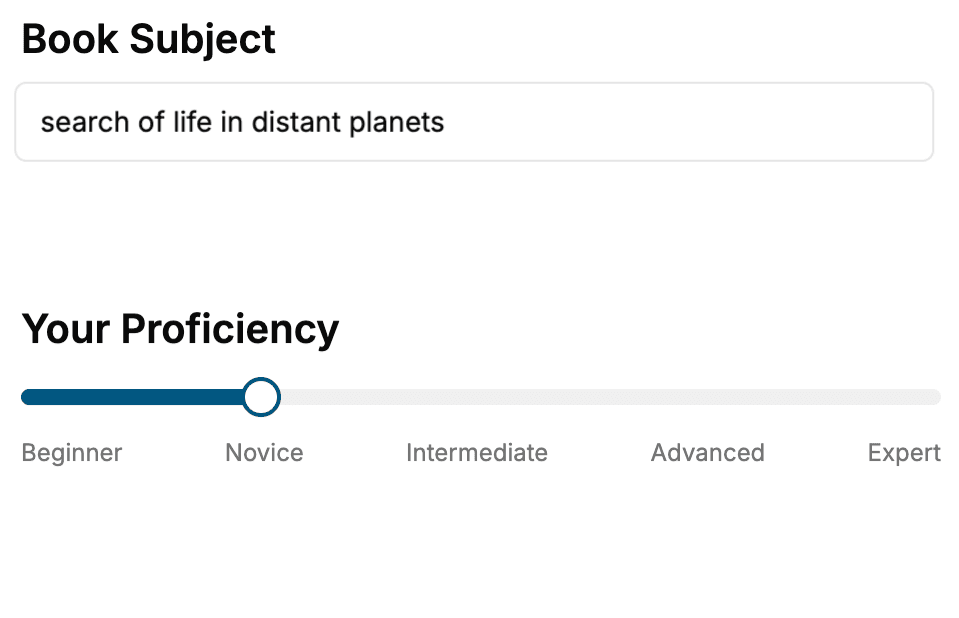
- 1. Select your focus
Select the focus of your South Africa Travel Guide book and share your background
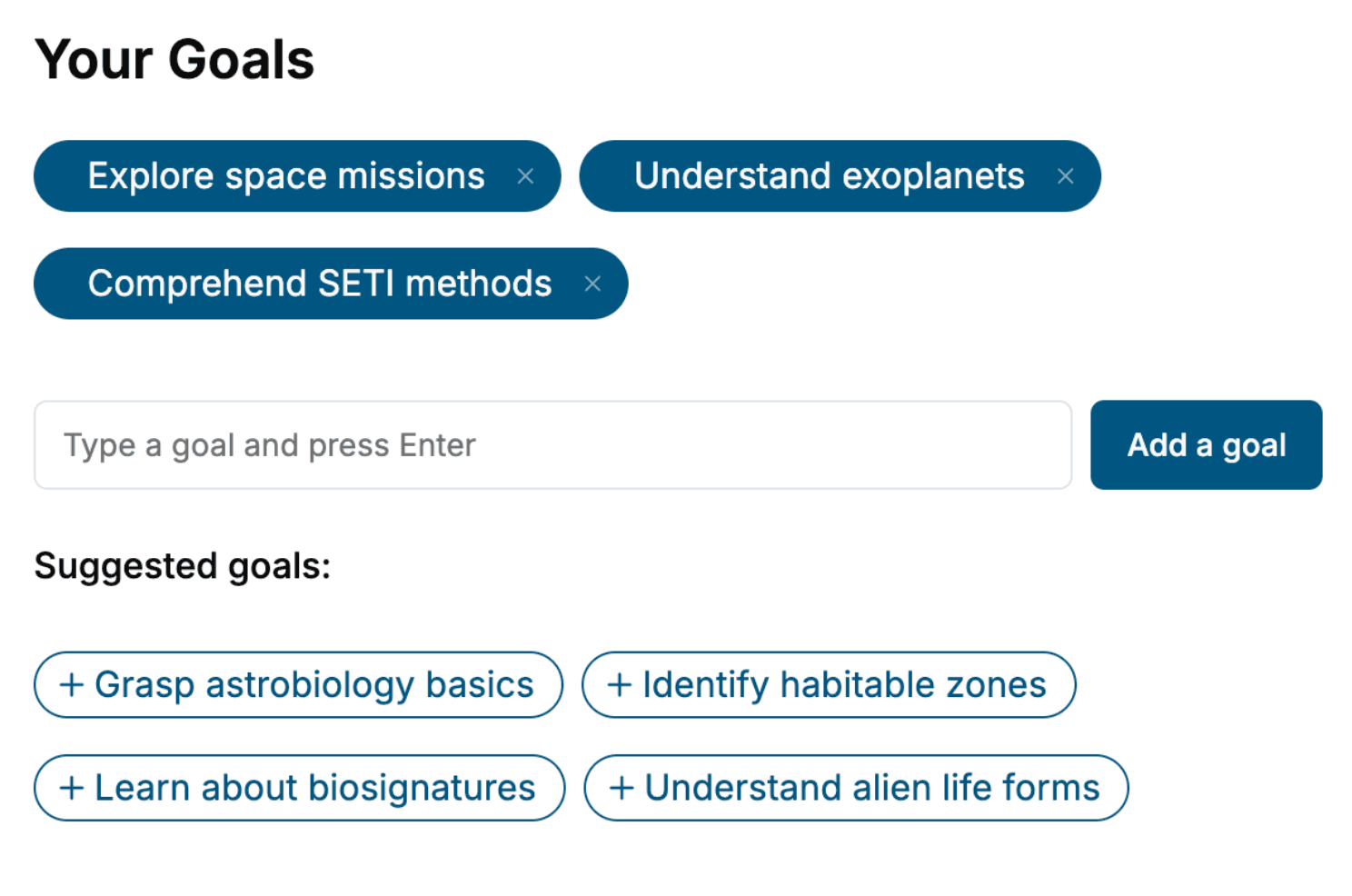
- 2. Personalize your book
Specify your goals and choose sub-topics to include
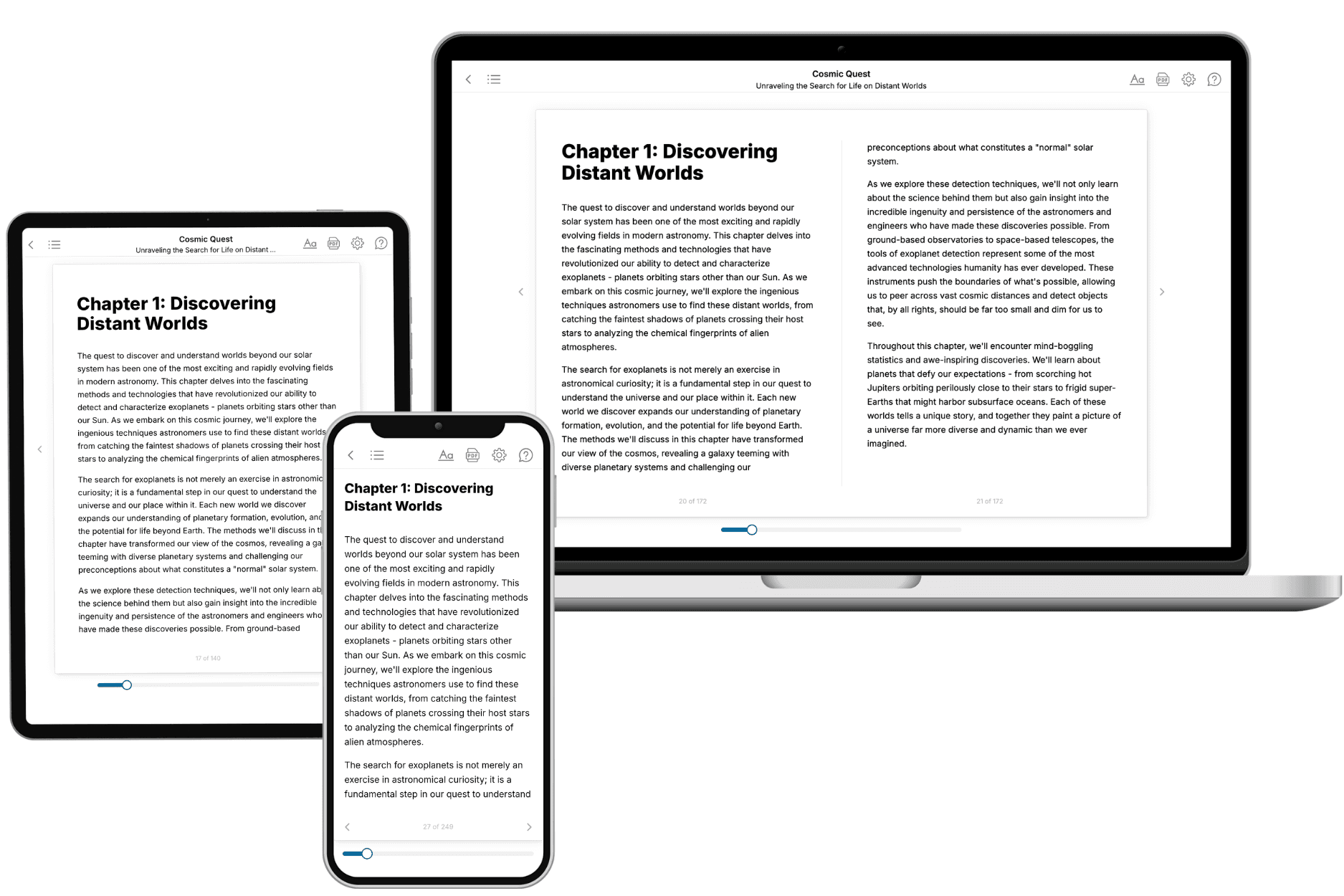
- 3. Get your tailored book
Your book is ready in 10 minutes. Read it online, download as EPUB or PDF, or send to Kindle.
Frequently asked questions
- What is TailoredRead?
TailoredRead creates complete, full-length nonfiction ebooks, written specifically for you. Tell us what you want to learn and why, and TailoredRead writes you a complete ebook on it, with charts, tables, and diagrams throughout. Read it online, on Kindle, or on any e-reader, or download it as a PDF or EPUB. Every book is written fresh the day you order it.
- How is the book tailored to me?
Before anything is written, you answer a few short questions about your goals, your background, and the topics you care about. Your book is then planned around your answers: written at your level, focused on your goals, and covering the topics you chose, instead of the one-size-fits-all book a store sells everyone.
- Will it read like generic AI content?
No. Your book isn't a chat transcript: it's planned chapter by chapter before a single word is written, told in a clear book voice, and explains ideas visually with charts, tables, and diagrams. After writing, every book goes through an editorial pass that polishes chapters so the book reads consistent from start to finish. Judge for yourself: browse thousands of sample books on our Explore Books page.
- How accurate is the content?
Our AI first checks whether your subject needs live research. Niche and fast-moving subjects are researched before writing, and the book plan and chapters are grounded in what it finds. After writing, every book goes through a quality pass that checks its facts and consistency, and researched books list their sources in a Notes section at the back.
- How long is the book?
You choose the length: Comprehensive (250-300 pages), Detailed (150-200 pages), Essential (70-100 pages), or Short (30-50 pages).
- Does the book include visuals?
Yes. Every book includes visual elements such as timelines, checklists, step-by-step guides, decision trees, comparison tables, and matrices, and many include bar charts. A typical book includes dozens of these visual elements.
- Can I read it on Kindle? What formats can I download?
Yes. Every book can be read in our online reader or downloaded as a PDF or EPUB. The EPUB can be opened with Kindle, Apple Books, Kobo, and any e-reader. The Commercial and Author licenses also include an editable Word (DOCX) and Markdown download.
- How much does it cost?
About the price of a regular ebook. The exact price depends on your book's length and complexity, from $2 for the shortest books to $35 for the most comprehensive, and it's shown when you review your book, before you commit to anything. Each book is a one-time purchase, yours to keep, no subscription. Licenses that let you share, teach, or publish your book range from $35.99 to $49.99.
- Can I preview the book before purchasing?
Before you pay, you'll see what your book will cover: the title, a detailed description, the estimated length, and the complete chapter-by-chapter table of contents, so you know what you're getting before you decide. The full text itself is written after you purchase.
- How long does it take to create a book?
About 10 minutes. You can start reading the opening chapters while the rest is still being written.