Embracing the Void
A Guide to Finding Meaning in the Face of Existential Uncertainty
You will confront the depths of existential dread and emerge with a renewed sense of purpose and understanding.
300 pages15 chaptersDec 13, 2024Philosophy
About this book
This book offers a profound exploration of life's most challenging questions, guiding you through the labyrinth of human existence with clarity and compassion. Delve into the works of renowned philosophers and thinkers as you uncover the roots of existential anxiety and discover powerful strategies to transform uncertainty into a catalyst for personal growth. You'll learn to embrace the inherent freedom that comes with acknowledging life's absurdities, and develop a toolkit for creating meaning in a seemingly indifferent universe. Through thought-provoking exercises and real-life examples, you'll gain the skills to confront your fears, cultivate authentic relationships, and find joy in the present moment. This book doesn't offer easy answers, but instead empowers you to craft your own path and find solace in the shared human experience of grappling with life's biggest questions.
Table of contents
- Introduction: Facing the VoidWhat is Existential Dread?, Why Confront It?, A Journey Through This Book, Your Personal Reflection: Where Are You Now?Read below
- Chapter 1: The Roots of ExistentialismHistorical Context of Existential Thought, Key Thinkers in Existentialism, Core Concepts of Existential Philosophy, The Modern Relevance of Existentialism
- Chapter 2: Understanding the Nature of ExistenceBeing and Nothingness: The Fundamental Paradox, The Absurdity of Life, Freedom and Responsibility, The Quest for Authenticity
- Chapter 3: Sources of Existential DreadDeath Anxiety, The Fear of Meaninglessness, Existential Isolation, The Burden of Freedom, Identity Crisis and Self-Doubt
- Chapter 4: Confronting MortalityCultivating Death Awareness, Contemplating Legacy and Impact, Living Fully in the Face of Death, Navigating Grief and Loss
- Chapter 5: Creating Meaning in an Absurd WorldIdentifying Personal Values, Setting Meaningful Goals, Living a Purpose-Driven Life, Embracing the Absurd with Humor and Creativity
- Chapter 6: Navigating Freedom and ChoiceUnderstanding Existential Choice, Effective Decision-Making Strategies, Embracing Personal Responsibility, Practicing Authenticity in Daily Life
- Chapter 7: Existentialism and RelationshipsFostering Authentic Connections, Love and Intimacy in an Absurd World, The Value of Solitude, Building Meaningful Communities
- Chapter 8: Time, Presence, and Existential AwarenessLiving in the Present Moment, Mindfulness Practices for Existential Awareness, Shifting Perceptions of Time, Dealing with Future Anxiety
- Chapter 9: Creativity and Self-ExpressionArt as a Response to Existence, Cultivating Creative Practices, The Importance of Self-Expression, Finding Meaning Through Creation
- Chapter 10: Ethics and Values in an Existential FrameworkDeveloping a Personal Ethical Framework, Balancing Individual Freedom and Social Responsibility, Making Moral Choices in an Absurd World, Creating a Meaningful Legacy
- Chapter 11: Practical Coping StrategiesCognitive Techniques for Managing Existential Anxiety, Mindfulness and Meditation Practices, Existential Journaling and Self-Reflection, Lifestyle Choices for Existential Well-being, When and How to Seek Professional Support
- Chapter 12: Existential Psychology and TherapyIntroduction to Existential Therapy, Key Concepts in Existential Psychology, Self-Analysis and Personal Growth, Therapeutic Techniques for Existential Issues
- Chapter 13: Cultural Perspectives on ExistenceEastern Philosophical Approaches to Existence, Indigenous Wisdom and Existential Insights, Modern and Postmodern Existentialism, Addressing Global Existential Challenges
- Chapter 14: Science, Technology, and ExistenceThe Scientific Worldview and Existential Questions, The Impact of Technology on Human Existence, Contemplating the Future of Human Existence, Gaining a Cosmic Perspective
- Chapter 15: Embracing Uncertainty and ChangeThe Uncertainty Principle in Life, Strategies for Adapting to Change, Cultivating a Growth Mindset, Building Resilience in the Face of Uncertainty
- Conclusion: Living with Existential AwarenessKey Takeaways, The Ongoing Existential Journey, Final Reflections and Encouragement
- Glossary of Existential Terms
- Recommended Further Reading
Introduction: Facing the Void
In the vast expanse of human experience, few challenges are as profound and universal as confronting the fundamental questions of existence. As you open this book, you may find yourself standing at the edge of an abyss, peering into the depths of uncertainty that lie at the core of human consciousness. This introduction serves as your first step into that abyss, not to be consumed by it, but to begin a journey of understanding, growth, and ultimately, empowerment in the face of life's greatest mysteries.
The path ahead is not an easy one. It requires courage to look unflinchingly at the nature of reality, to question long-held beliefs, and to grapple with the possibility that the universe may be indifferent to our existence. Yet, it is precisely this courage that has the potential to transform your life, offering a depth of meaning and authenticity that can only be found by those willing to confront the void.
Throughout human history, individuals have wrestled with existential questions, seeking to make sense of their place in the cosmos. From ancient philosophers to modern-day thinkers, the quest to understand the nature of being has been a constant thread in the tapestry of human thought. This book draws upon this rich tradition, weaving together insights from philosophy, psychology, science, and the arts to provide you with a comprehensive guide to navigating the existential landscape.
As we embark on this journey together, it's important to recognize that the goal is not to eliminate existential dread entirely—for it is an inherent part of the human condition—but rather to learn how to engage with it productively. By facing these deep-seated anxieties head-on, you can transform them from paralyzing fears into catalysts for personal growth, creativity, and a more authentic way of living.
In the chapters that follow, you will explore the roots of existential thought, confront the sources of existential dread, and discover practical strategies for creating meaning in the face of uncertainty. You will learn to embrace your freedom, cultivate resilience, and forge deeper connections with others and the world around you. Through this process, you may find that the very questions that once filled you with anxiety can become wellsprings of inspiration and purpose.
What is Existential Dread?
Existential dread, also known as existential anxiety or angst, is a profound sense of unease that arises when we confront the fundamental conditions of human existence. It is the visceral reaction to the realization of our own mortality, the apparent meaninglessness of life, the burden of freedom and responsibility, and the inherent isolation of individual consciousness. This dread is not merely a fleeting emotion but a deep-seated awareness that can color our entire perception of reality.
At its core, existential dread stems from our unique capacity as humans to reflect on our own existence. Unlike other animals, we are aware that we exist and that one day we will cease to exist. This awareness creates a tension between our desire for meaning and purpose and the seeming indifference of the universe to our individual lives. As the philosopher Jean-Paul Sartre put it, we are "condemned to be free," forced to create our own meaning in a world that does not provide it readymade[1].
The experience of existential dread can manifest in various ways. You might find yourself lying awake at night, overwhelmed by thoughts of your own mortality. Or perhaps you've felt a sudden, inexplicable emptiness while going about your daily routine, questioning the significance of your actions in the grand scheme of things. These moments of existential awareness can be unsettling, even terrifying, as they challenge our most basic assumptions about life and our place in the world.
It's important to note that existential dread is not a pathological condition or a problem to be solved. Rather, it is a natural and potentially valuable aspect of human consciousness. The psychiatrist Irvin Yalom, a pioneer in existential psychotherapy, identified four ultimate concerns that underlie existential anxiety: death, freedom, isolation, and meaninglessness[2]. By engaging with these concerns, we have the opportunity to live more authentically and to create deeper, more meaningful lives.
Existential dread can be particularly acute in times of crisis or transition. Major life events such as the loss of a loved one, a serious illness, or a significant career change can thrust us into direct confrontation with our existential condition. However, even in the absence of such dramatic catalysts, the undercurrent of existential awareness can influence our daily lives in subtle but profound ways.
In contemporary society, the experience of existential dread may be intensified by various factors. The rapid pace of technological change, the erosion of traditional sources of meaning, and the global challenges we face as a species can all contribute to a sense of existential uncertainty. Moreover, the constant distractions of modern life often serve as a buffer against existential reflection, making moments of genuine existential awareness all the more jarring when they do occur.
Despite its unsettling nature, existential dread can be a powerful motivator for personal growth and self-discovery. By acknowledging and exploring our existential anxieties, we open ourselves to a deeper understanding of what it means to be human. This understanding can lead to greater compassion for ourselves and others, a more authentic approach to life, and a renewed sense of purpose and meaning.
As you progress through this book, you will gain tools and perspectives to help you navigate the terrain of existential dread. You'll learn to recognize it not as an enemy to be vanquished, but as a companion on your journey through life—one that can challenge you, inspire you, and ultimately lead you to a more fulfilling and authentic existence. The goal is not to eliminate existential dread, but to engage with it in a way that enriches your life and deepens your connection to the world around you.
In the following chapters, we will delve deeper into the various facets of existential dread, exploring its philosophical roots, psychological implications, and practical manifestations in everyday life. By the end of this journey, you will be better equipped to face the void not with fear, but with curiosity, courage, and a newfound sense of possibility.
Why Confront It?
The decision to confront existential dread is not one to be taken lightly. It requires courage, commitment, and a willingness to challenge deeply held beliefs and comfortable illusions. You might wonder, "Why should I deliberately expose myself to such unsettling thoughts and emotions?" The answer lies in the profound potential for personal growth, authenticity, and a richer, more meaningful life that comes from engaging with these fundamental questions of existence.
First and foremost, confronting existential dread is an act of honesty and self-awareness. By acknowledging the uncertainties and anxieties that underlie our human condition, we take a crucial step towards living authentically. The philosopher Martin Heidegger spoke of "authenticity" as a way of being in which we fully own our existence, embracing our freedom and responsibility rather than losing ourselves in the routines and expectations of everyday life[3]. This authenticity is not easily achieved, but it offers a depth of experience and a sense of purpose that cannot be found through avoidance or distraction.
Confronting existential dread can also lead to a profound shift in perspective. When we grapple with questions of mortality, meaning, and our place in the universe, we often find that our priorities and values come into sharper focus. Things that once seemed vitally important may lose their urgency, while aspects of life we previously took for granted may take on new significance. This realignment can help you make more intentional choices about how to spend your time and energy, leading to a life that is more in line with your deepest values and aspirations.
Moreover, engaging with existential questions can foster a greater sense of connection and empathy. The recognition that all humans share in the fundamental challenges of existence can break down barriers of isolation and foster a sense of common humanity. As the philosopher Albert Camus noted, "In the depth of winter, I finally learned that within me there lay an invincible summer."[4] This realization of inner strength often comes hand in hand with a deeper appreciation for the struggles and triumphs of others.
Confronting existential dread can also be a powerful catalyst for creativity and innovation. Many great works of art, literature, and philosophy have emerged from the struggle with existential questions. By engaging with these deep uncertainties, you may find new wellsprings of inspiration and expression. The very act of creating meaning in the face of apparent meaninglessness can be a profound source of fulfillment and purpose.
From a psychological perspective, confronting existential dread head-on can lead to greater resilience and emotional well-being. While it may seem counterintuitive, research in existential psychology suggests that individuals who engage with existential concerns often report higher levels of life satisfaction and psychological well-being[5]. By developing a more nuanced understanding of life's inherent uncertainties, you can build a stronger foundation for coping with life's inevitable challenges and setbacks.
Furthermore, confronting existential dread can lead to a deeper appreciation for the present moment. When we truly internalize the finite nature of our existence, each moment becomes more precious. This heightened awareness can lead to a more vibrant and engaged way of living, where we savor experiences more fully and invest ourselves more completely in our relationships and pursuits.
It's important to note that confronting existential dread is not about dwelling in negativity or despair. Rather, it's about developing a more honest and comprehensive understanding of the human condition. This understanding can actually be a source of profound joy and liberation. As the existential psychotherapist Rollo May wrote, "The confrontation with despair brings the person face to face with his own potentialities."[6]
By confronting existential dread, you open yourself to a more authentic and meaningful way of being in the world. You may find that the very questions that once filled you with anxiety become sources of inspiration and growth. This journey of confrontation and exploration is not always easy, but it offers the potential for a life lived with greater purpose, clarity, and depth.
As you progress through this book, you will be invited to engage with existential questions in a structured and supportive way. You'll learn strategies for managing the anxiety that can arise from these reflections, and you'll discover how to channel existential awareness into positive action and personal growth. Remember, the goal is not to eliminate existential dread entirely, but to develop a relationship with it that enriches your life rather than diminishes it.
In the end, the decision to confront existential dread is a deeply personal one. But for those who choose to embark on this journey, the potential rewards are immense: a life lived with greater authenticity, deeper connections, more vibrant creativity, and a profound sense of meaning that arises not in spite of life's uncertainties, but because of them.
A Journey Through This Book
As you embark on this exploration of existential themes and strategies for navigating life's uncertainties, it's helpful to have a roadmap of the journey ahead. This book is designed to guide you through a comprehensive examination of existential thought and its practical applications in your life. Each chapter builds upon the previous ones, creating a cohesive framework for understanding and engaging with existential questions.
We begin by delving into "The Roots of Existentialism" in Chapter 1. Here, you'll gain a solid foundation in the historical context and key thinkers who have shaped existential philosophy. You'll explore how existential ideas have evolved over time and why they remain relevant in our modern world. This chapter will equip you with the vocabulary and concepts necessary to engage more deeply with existential themes.
Chapter 2, "Understanding the Nature of Existence," takes you into the heart of existential inquiry. You'll grapple with fundamental concepts such as being and nothingness, the absurdity of life, and the interplay between freedom and responsibility. This chapter challenges you to examine your own assumptions about reality and your place within it, setting the stage for a more authentic engagement with life.
In Chapter 3, we confront the "Sources of Existential Dread" head-on. You'll explore common triggers of existential anxiety, including death anxiety, fear of meaninglessness, and the burden of freedom. By understanding these sources, you'll be better equipped to recognize and manage existential dread when it arises in your own life.
Chapter 4, "Confronting Mortality," addresses one of the most fundamental existential concerns: our awareness of death. You'll learn strategies for cultivating death awareness in a healthy way, contemplating your legacy, and using the finite nature of life as motivation for living more fully.
The next several chapters focus on practical strategies for creating meaning and navigating existential challenges. Chapter 5, "Creating Meaning in an Absurd World," offers guidance on identifying personal values, setting meaningful goals, and embracing the absurd with creativity and humor. Chapter 6, "Navigating Freedom and Choice," helps you understand the nature of existential choice and provides tools for making decisions aligned with your authentic self.
In Chapter 7, "Existentialism and Relationships," you'll explore how existential awareness can deepen your connections with others. You'll learn about fostering authentic relationships, balancing intimacy with personal freedom, and finding meaning through community engagement.
Chapter 8, "Time, Presence, and Existential Awareness," delves into the existential dimensions of our experience of time. You'll discover mindfulness practices that can help you live more fully in the present moment while also developing a healthier relationship with the past and future.
The role of creativity in addressing existential concerns is the focus of Chapter 9, "Creativity and Self-Expression." Here, you'll explore how artistic and creative pursuits can serve as powerful responses to the existential condition, offering avenues for self-expression and meaning-making.
Chapter 10, "Ethics and Values in an Existential Framework," tackles the challenging question of how to live ethically in a world without inherent meaning. You'll work on developing a personal ethical framework that balances individual freedom with social responsibility.
In Chapter 11, "Practical Coping Strategies," you'll find a toolkit of cognitive techniques, mindfulness practices, and lifestyle choices that can help you manage existential anxiety and cultivate well-being. This chapter also provides guidance on when and how to seek professional support if needed.
Chapter 12 introduces you to "Existential Psychology and Therapy," offering insights into how existential themes are addressed in clinical settings. You'll learn about key concepts in existential psychology and explore techniques for self-analysis and personal growth.
The book then broadens its perspective in Chapter 13, "Cultural Perspectives on Existence," examining how different cultures and philosophical traditions have grappled with existential questions. This chapter encourages you to consider diverse viewpoints and find resonance across cultural boundaries.
Chapter 14, "Science, Technology, and Existence," explores the intersection of existential thought with modern scientific understanding. You'll contemplate how technological advancements are shaping our existential condition and consider the future of human existence from a cosmic perspective.
The final chapter, "Embracing Uncertainty and Change," brings together the themes of the book to help you develop resilience and adaptability in the face of life's inherent uncertainties. You'll learn strategies for cultivating a growth mindset and finding opportunity in the midst of change.
Throughout the book, you'll find thought-provoking exercises, real-life examples, and reflective prompts designed to help you apply existential concepts to your own life. These practical elements are intended to bridge the gap between philosophical ideas and everyday experience, allowing you to integrate existential awareness into your daily routines and decision-making processes.
By the end of this journey, you will have gained not only a deeper understanding of existential philosophy but also a set of practical tools for navigating life's most challenging questions. The goal is not to provide definitive answers—for in matters of existence, there are rarely easy solutions—but to equip you with the perspectives and strategies needed to engage more fully and authentically with the adventure of being alive.
Remember, this book is not meant to be a passive reading experience. To truly benefit from the ideas and practices presented, it's essential to engage actively with the material, reflect deeply on your own experiences, and be willing to challenge your existing beliefs and patterns of thought. The journey ahead may at times be challenging, but it offers the potential for profound personal growth and a more meaningful, purposeful life.
Your Personal Reflection: Where Are You Now?
Before we delve deeper into the existential journey that lies ahead, it's important to take a moment to reflect on where you are right now in your own existential awareness and understanding. This self-assessment will serve as a starting point, allowing you to track your growth and insights as you progress through the book. Remember, there are no right or wrong answers here; the goal is simply to gain a clearer picture of your current relationship with existential questions and concerns.
Begin by considering your level of engagement with existential themes up to this point. Have you actively thought about questions of meaning, purpose, and the nature of existence? Or have these topics been largely in the background of your consciousness? Perhaps you've had moments of intense existential awareness triggered by life events, or maybe you've maintained a consistent curiosity about these issues over time. Reflect on any particular experiences or insights that have shaped your current perspective on existential matters.
Next, think about your emotional response to existential questions. When you contemplate the vastness of the universe or the finite nature of your own existence, what feelings arise? Do you experience anxiety, excitement, curiosity, or perhaps a mix of emotions? Be honest with yourself about any fears or resistances you might have when it comes to exploring these deep questions. Acknowledging these feelings is an important step in developing a healthier relationship with existential concerns.
Consider your current sources of meaning and purpose in life. What gives your life a sense of significance or direction? This could be relationships, career goals, creative pursuits, spiritual beliefs, or any number of personal values and aspirations. Are you satisfied with these sources of meaning, or do you feel a need for something more? Reflect on how your sense of purpose has evolved over time and what factors have influenced these changes.
Take a moment to assess your level of authenticity in your daily life. Do you feel that you're living in alignment with your true values and desires, or are there areas where you feel you're compromising your authentic self? Consider any tensions between your individual needs and societal expectations, and how you navigate these challenges.
Reflect on your relationship with uncertainty and change. How comfortable are you with the unpredictable nature of life? Think about times when you've faced significant changes or uncertainties. How did you respond, and what did you learn from these experiences? Consider your current strategies for coping with life's inherent uncertainties and whether these strategies have been effective for you.
Now, turn your attention to your connections with others and the world around you. How do your relationships contribute to your sense of meaning and purpose? Are there ways in which you'd like to deepen these connections or expand your sense of community? Consider also your relationship with the natural world and how this influences your existential perspective.
Think about your current life goals and aspirations. Are these goals driven by a deep sense of personal meaning, or are they more influenced by external expectations? Consider how your awareness of life's finite nature impacts your goal-setting and decision-making processes. Are there changes you'd like to make to live more in alignment with what truly matters to you?
Reflect on your creative and expressive outlets. How do you currently express your unique perspective on the world? This could be through art, writing, music, or any form of self-expression. Consider whether you feel these outlets are sufficient for exploring and communicating your existential thoughts and feelings.
Take a moment to consider your relationship with time. How often do you find yourself fully present in the moment, and how often are you preoccupied with past regrets or future anxieties? Reflect on any practices or habits you currently have that help you cultivate mindfulness and presence.
Finally, think about what has brought you to this book at this particular moment in your life. What are you hoping to gain from this exploration of existential themes? Are there specific questions or concerns you're looking to address? Setting clear intentions for your journey through this book can help you engage more deeply with the material and apply it more effectively to your life.
As you conclude this personal reflection, take a few moments to jot down your thoughts. You might consider keeping a journal throughout your reading of this book to track your insights, questions, and personal growth. This record can be a valuable tool for deepening your understanding and measuring your progress over time.
Remember, the journey you're embarking on is deeply personal and unique to you. There's no predetermined path or set of outcomes that defines success in existential exploration. The goal is to engage honestly and openly with these fundamental questions of existence, allowing them to inform and enrich your life in whatever way feels authentic and meaningful to you.
As we move forward into the chapters ahead, keep this initial reflection in mind. You may find it helpful to revisit these thoughts periodically, noting how your perspective shifts and evolves as you engage with new ideas and practices. Embrace this journey with an open mind and heart, ready to explore the depths of human existence and your place within it.
Notes
Introduction: Facing the Void
- 1. Jean-Paul Sartre, Existentialism Is a Humanism, Yale University Press, 1946
- 2. Irvin D. Yalom, Existential Psychotherapy, Basic Books, 1980
- 3. Martin Heidegger, Being and Time, Harper & Row, 1962
- 4. Albert Camus, Lyrical and Critical Essays, Vintage Books, 1968
- 5. Irvin D. Yalom, Staring at the Sun: Overcoming the Terror of Death, Jossey-Bass, 2008
- 6. Rollo May, The Discovery of Being, W. W. Norton & Company, 1983
This is the end of the free sample. The full book has 15 chapters.
Want this book written for you?
Tell us your goals and background, and get your own version of this book, tailored by AI to you.


Benefits of AI-tailored books
- Read one book, not ten:
- all the Philosophy knowledge you need, gathered into a single book.
- Save days of learning:
- tell us your goals, choose your topics, and the whole book is built around them.
- Learn effortlessly:
- Philosophy book written for your specific background and expertise.
- Understand at a glance:
- includes charts, tables, timelines, checklists, decision trees, and more.
- Stay current:
- written the day you order it, not years ago.
- Trust what you read:
- every book is checked for accuracy, with real research when your subject needs it.
Create your unique book in 3 steps
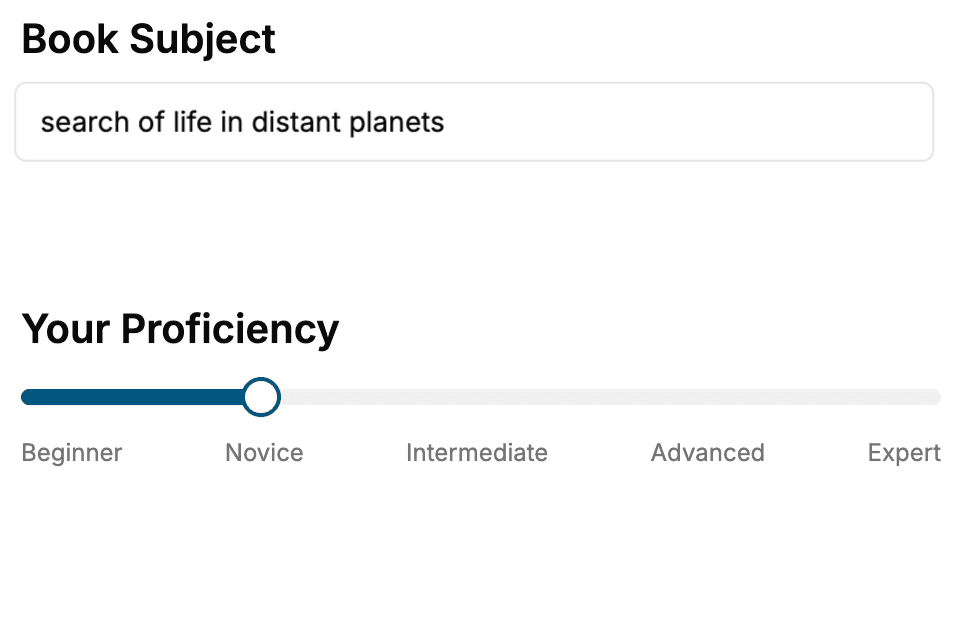
- 1. Select your focus
Select the focus of your Philosophy book and share your background
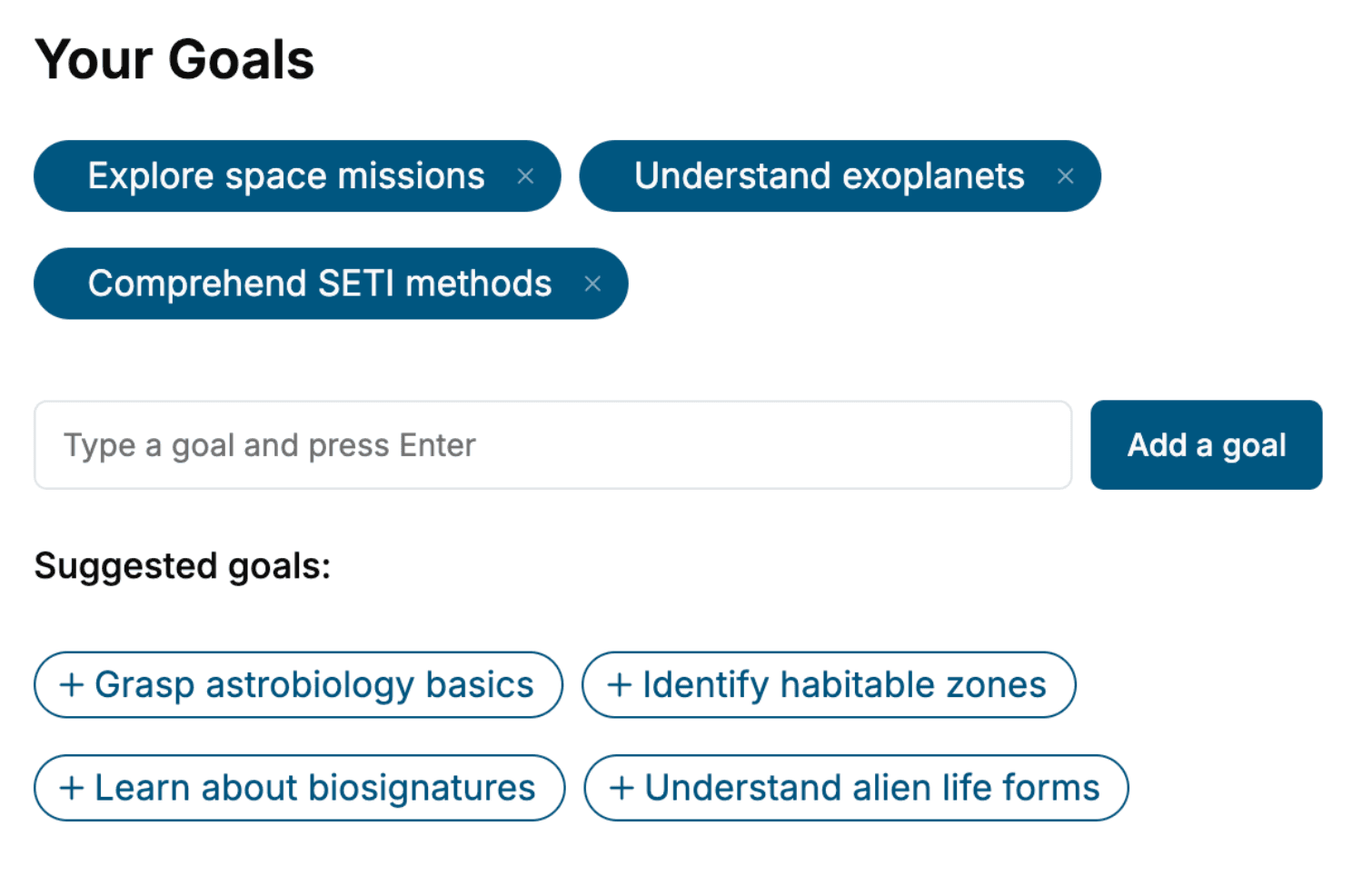
- 2. Personalize your book
Specify your goals and choose sub-topics to include
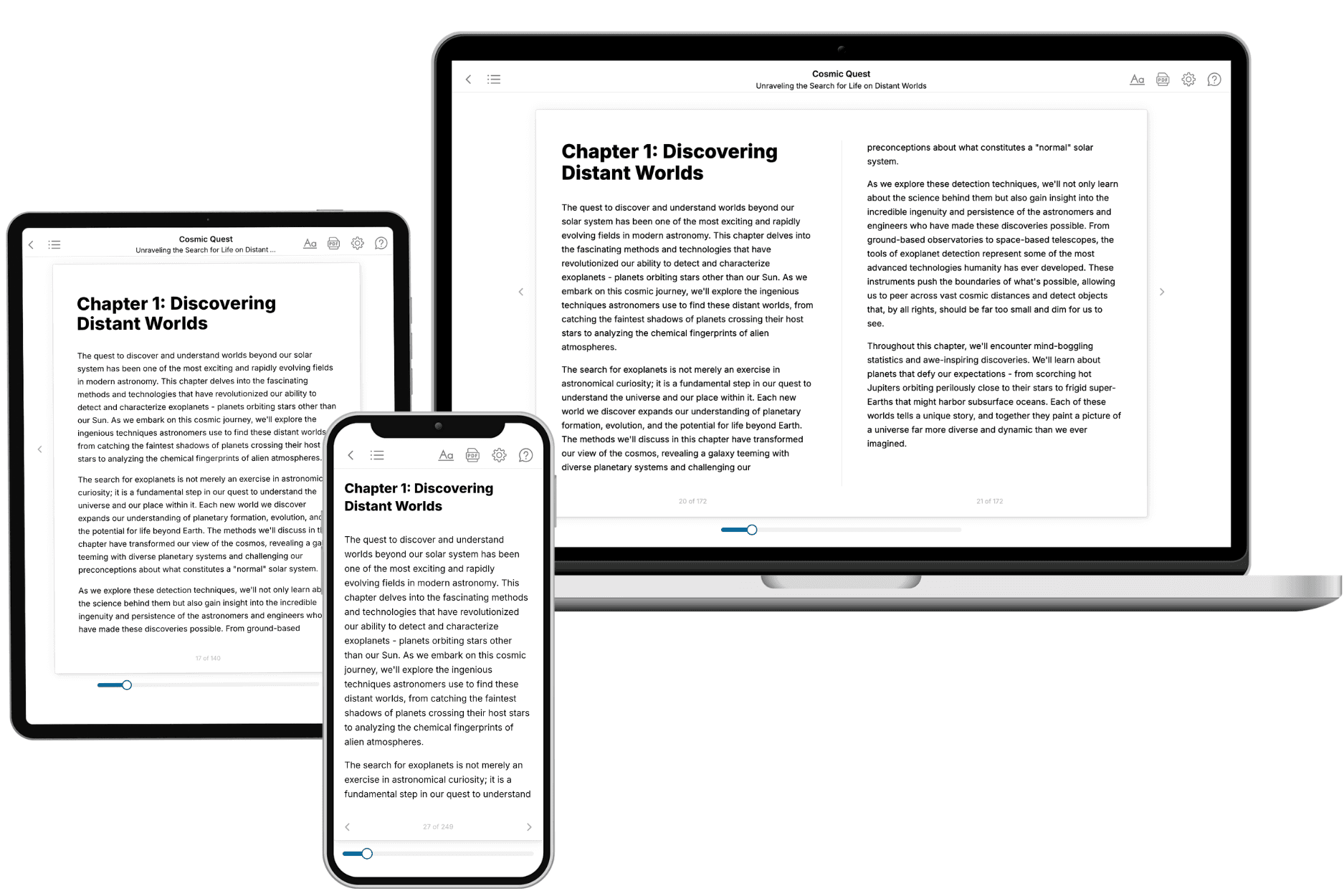
- 3. Get your tailored book
Your book is ready in 10 minutes. Read it online, download as EPUB or PDF, or send to Kindle.
Frequently asked questions
- What is TailoredRead?
TailoredRead creates complete, full-length nonfiction ebooks, written specifically for you. Tell us what you want to learn and why, and TailoredRead writes you a complete ebook on it, with charts, tables, and diagrams throughout. Read it online, on Kindle, or on any e-reader, or download it as a PDF or EPUB. Every book is written fresh the day you order it.
- How is the book tailored to me?
Before anything is written, you answer a few short questions about your goals, your background, and the topics you care about. Your book is then planned around your answers: written at your level, focused on your goals, and covering the topics you chose, instead of the one-size-fits-all book a store sells everyone.
- Will it read like generic AI content?
No. Your book isn't a chat transcript: it's planned chapter by chapter before a single word is written, told in a clear book voice, and explains ideas visually with charts, tables, and diagrams. After writing, every book goes through an editorial pass that polishes chapters so the book reads consistent from start to finish. Judge for yourself: browse thousands of sample books on our Explore Books page.
- How accurate is the content?
Our AI first checks whether your subject needs live research. Niche and fast-moving subjects are researched before writing, and the book plan and chapters are grounded in what it finds. After writing, every book goes through a quality pass that checks its facts and consistency, and researched books list their sources in a Notes section at the back.
- How long is the book?
You choose the length: Comprehensive (250-300 pages), Detailed (150-200 pages), Essential (70-100 pages), or Short (30-50 pages).
- Does the book include visuals?
Yes. Every book includes charts, tables, and diagrams: timelines, checklists, step-by-step guides, decision trees, comparison tables, matrices, and bar charts. A typical book includes dozens of these visual elements.
- Can I read it on Kindle? What formats can I download?
Yes. Every book can be read in our online reader or downloaded as a PDF or EPUB. The EPUB can be opened with Kindle, Apple Books, Kobo, and any e-reader. The Commercial and Author licenses also include an editable Word (DOCX) and Markdown download.
- How much does it cost?
About the price of a regular ebook. The exact price depends on your book's length and complexity, from $2 for the shortest books to $35 for the most comprehensive, and it's shown when you review your book, before you commit to anything. Each book is a one-time purchase, yours to keep, no subscription. Licenses that let you share, teach, or publish your book range from $35.99 to $49.99.
- Can I preview the book before purchasing?
Before you pay, you'll see what your book will cover: the title, a detailed description, the estimated length, and the complete chapter-by-chapter table of contents, so you know what you're getting before you decide. The full text itself is written after you purchase.
- How long does it take to create a book?
About 10 minutes. You can start reading the opening chapters while the rest is still being written.