The Engineer's Guide to Journalism
Bridging Technical Expertise with Powerful Storytelling
Picture yourself confidently crafting compelling news stories, conducting insightful interviews, and navigating the complex world of media with ease.
284 pages14 chaptersJan 23, 2025Journalism
About this book
As an engineer, you possess a unique analytical mindset that, when combined with journalistic skills, can create a powerful force in the world of information. This comprehensive guide is tailored specifically for professionals like you who are looking to expand their communication toolkit. You'll discover how to leverage your technical background to bring depth and accuracy to your reporting, while mastering the art of engaging storytelling that captivates audiences. From mastering the fundamentals of news writing to exploring the intricacies of investigative journalism, this book will take you on a journey through every aspect of modern reporting. You'll learn how to conduct thorough research, craft attention-grabbing headlines, and navigate the ethical landscape of journalism with confidence. Whether you're looking to make a career transition or simply want to enhance your ability to communicate complex ideas, "The Engineer's Guide to Journalism" provides you with the tools and insights needed to excel in the fast-paced world of media. Get ready to transform your analytical skills into journalistic prowess and make your mark in the world of news and storytelling.
Table of contents
- IntroductionWhy Journalism Matters in the Technical World, The Engineer's Advantage in Journalism, What to Expect from This Book, Your Journey from Engineer to Storyteller BeginsRead below
- Chapter 1: Foundations of JournalismWhat is Journalism?, Types of Journalism, The Role of Journalism in Society, Journalism as the Fourth Estate
- Chapter 2: Ethics in JournalismCore Ethical Principles, Objectivity and Impartiality, Dealing with Conflicts of Interest, Navigating Ethical Dilemmas
- Chapter 3: Research MethodologiesIdentifying Reliable Sources, Data Analysis for Journalists, Fact-Checking Techniques, Effective Online Research Strategies
- Chapter 4: The Art of InterviewingPreparing for Interviews, Types of Interview Questions, Active Listening Techniques, Handling Challenging Interviews
- Chapter 5: News Writing FundamentalsThe Inverted Pyramid Structure, Crafting Compelling Leads, The Five Ws and H, Understanding Style Guides
- Chapter 6: Narrative Techniques in JournalismBuilding Effective Story Structures, Character Development in Non-Fiction, Setting the Scene, Pacing and Rhythm in Storytelling
- Chapter 7: Investigative ReportingPlanning an Investigation, Cultivating and Protecting Sources, Document Analysis Techniques, Overcoming Challenges in Investigations
- Chapter 8: Digital JournalismWriting for Online Platforms, Incorporating Multimedia Elements, Leveraging Social Media, SEO for Journalists
- Chapter 9: Data JournalismCollecting and Cleaning Data, Data Visualization Techniques, Understanding and Using Statistics, Telling Stories with Data
- Chapter 10: Specialized ReportingScience Journalism, Technology Reporting, Environmental Journalism, Engineering in the News
- Chapter 11: Media Literacy and Critical ThinkingIdentifying Fake News and Misinformation, Recognizing Bias in Media, Evaluating Source Credibility, Critical Analysis of News Stories
- Chapter 12: Editing and Fact-CheckingSelf-Editing Techniques, The Fact-Checking Process, Ensuring Style Consistency, Giving and Receiving Feedback
- Chapter 13: Legal Considerations in JournalismUnderstanding Press Freedom, Defamation and Libel, Copyright and Fair Use, Protecting Sources and Confidentiality
- Chapter 14: The Future of JournalismAI and Automation in Journalism, Virtual and Augmented Reality in Reporting, Blockchain and Journalism, Future Challenges and Opportunities
- ConclusionKey Takeaways, Next Steps in Your Journalistic Journey
- Glossary of Journalistic Terms
- Further Reading and Resources
Introduction
Welcome to "The Engineer's Guide to Journalism: Bridging Technical Expertise with Powerful Storytelling." This book is designed to be your comprehensive companion as you embark on an exciting journey from the world of engineering into the dynamic realm of journalism. As an engineer with a background in civil engineering, you possess a unique set of analytical skills and technical knowledge that can be powerfully leveraged in the field of journalism. This introduction will set the stage for your transformation, highlighting why journalism matters in the technical world, the distinct advantages you bring as an engineer, what you can expect from this book, and how your journey from engineer to storyteller begins.
In today's rapidly evolving information landscape, the intersection of technology and communication has never been more critical. Your technical background provides you with a solid foundation for understanding complex systems, analyzing data, and solving problems - all skills that are invaluable in modern journalism. As you progress through this book, you'll discover how to apply your engineering mindset to the art of storytelling, fact-checking, and investigative reporting. You'll learn to bridge the gap between technical concepts and public understanding, becoming a vital translator of complex information for diverse audiences.
The skills you'll develop throughout this book will not only prepare you for a potential career transition into journalism but will also enhance your ability to communicate effectively in any professional setting. Whether you're aiming to become a full-time journalist, a technical writer, or simply looking to improve your communication skills within your current role, the principles and techniques covered in this guide will prove invaluable. By the end of this journey, you'll be equipped with the tools to craft compelling narratives, conduct thorough research, and navigate the ethical landscape of modern media.
Why Journalism Matters in the Technical World
In an era dominated by rapid technological advancements, the role of journalism in bridging the gap between complex technical concepts and public understanding has become increasingly crucial. As an engineer venturing into the world of journalism, you are uniquely positioned to contribute to this vital function. The technical world, with its intricate systems, groundbreaking innovations, and far-reaching implications, demands clear, accurate, and accessible reporting. Your background in engineering provides you with the foundational knowledge to comprehend and explain these complexities, making you an invaluable asset in the field of journalism.
Journalism serves as a critical link between experts, policymakers, and the general public. In the realm of technology and engineering, this link becomes even more significant. Consider, for instance, the reporting on climate change and its technological solutions. Journalists with a technical background can more effectively communicate the science behind climate models, the engineering challenges in renewable energy systems, and the potential impacts of various policy decisions. Your ability to understand and explain these concepts can contribute to a more informed public discourse, potentially influencing decisions that shape our collective future.
Moreover, in an age of information overload and misinformation, technically-savvy journalists play a crucial role in fact-checking and debunking pseudoscience. Your engineering background equips you with the critical thinking skills and scientific literacy necessary to scrutinize claims, analyze data, and present accurate information to the public. This is particularly important when reporting on topics such as artificial intelligence, biotechnology, or space exploration, where the potential for misunderstanding or misrepresentation is high. By bringing your technical expertise to journalism, you can help combat the spread of misinformation and promote a more scientifically literate society.
Furthermore, journalism in the technical world goes beyond mere reporting of facts and figures. It involves translating complex concepts into narratives that resonate with diverse audiences. As an engineer, you have the unique ability to see the story behind the data, the human impact of technological advancements, and the broader implications of scientific discoveries. This perspective allows you to craft compelling narratives that not only inform but also engage and inspire readers. Whether it's explaining the engineering marvel behind a new skyscraper or unraveling the intricacies of a breakthrough in quantum computing, your technical background combined with journalistic skills can bring these stories to life in a way that captures the public imagination.
The importance of journalism in the technical world also extends to its role in fostering innovation and cross-disciplinary collaboration. By effectively communicating technical advancements and challenges, journalists can spark dialogues between different fields, potentially leading to novel solutions and unexpected breakthroughs. Your ability to understand and articulate technical concepts can facilitate these conversations, acting as a catalyst for innovation. Additionally, by highlighting the work of engineers and scientists, you can inspire the next generation of innovators, potentially shaping the future of technology and engineering.
Lastly, journalism plays a crucial role in holding the technical world accountable. As technologies become increasingly integrated into our daily lives, questions of ethics, privacy, and societal impact come to the forefront. Journalists with technical expertise are better equipped to investigate and report on these issues, ensuring that the public is aware of both the benefits and potential risks of new technologies. Your engineering background provides you with the insight to ask probing questions, understand technical documentation, and critically evaluate the claims made by tech companies and institutions. This watchdog function of journalism is essential in maintaining transparency and promoting responsible innovation in the technical world.
In conclusion, the intersection of journalism and the technical world represents a frontier of immense importance and opportunity. As an engineer stepping into this realm, you bring a valuable perspective that can enhance public understanding, promote scientific literacy, inspire innovation, and ensure accountability. The skills you'll develop as a journalist, combined with your technical expertise, will position you to make significant contributions to public discourse and decision-making in an increasingly technology-driven world. As you embark on this journey, remember that your unique background is not just an asset, but a responsibility to bridge the gap between complex technical realities and public comprehension.
The Engineer's Advantage in Journalism
As an engineer venturing into the world of journalism, you bring a unique set of skills and perspectives that can significantly enhance your ability to report on complex issues and tell compelling stories. Your technical background provides you with several distinct advantages that can set you apart in the field of journalism. These advantages stem from your analytical thinking, problem-solving skills, attention to detail, and familiarity with technical concepts. Let's explore how these engineering traits can be leveraged to excel in various aspects of journalism.
First and foremost, your analytical mindset is a powerful asset in journalism. Engineers are trained to approach problems systematically, breaking down complex issues into manageable components. This skill is invaluable when tackling intricate news stories or investigative pieces. For instance, when reporting on a large-scale infrastructure project, you can more easily dissect the various elements involved - from design and materials to environmental impact and economic implications. This analytical approach allows you to present a more comprehensive and nuanced view of the subject, providing your audience with a deeper understanding of the topic at hand.
Your problem-solving skills, honed through years of engineering practice, can be directly applied to journalistic endeavors. Journalists often face challenges in gathering information, verifying facts, and presenting complex ideas in an accessible manner. Your engineering background equips you with the ability to approach these challenges methodically, developing creative solutions to overcome obstacles in your reporting. For example, when faced with conflicting information from different sources, you can apply your problem-solving skills to cross-reference data, identify discrepancies, and arrive at the most accurate representation of the facts.
Attention to detail, a hallmark of good engineering, is equally crucial in journalism. In engineering, overlooking even a small detail can have significant consequences. This meticulous approach translates well to journalistic fact-checking and accuracy. Your trained eye for detail can help you spot inconsistencies in statements, identify potential errors in data, and ensure the overall accuracy of your reporting. This precision is particularly valuable when covering technical subjects where small errors can lead to major misunderstandings.
Your familiarity with technical concepts and terminology gives you a significant edge when reporting on science, technology, and engineering topics. You can more easily understand and explain complex ideas to a general audience without losing the essence of the subject. This ability to "translate" technical jargon into accessible language is invaluable in an era where technological advancements are rapidly shaping our world. For instance, when reporting on emerging technologies like artificial intelligence or quantum computing, your engineering background allows you to grasp the underlying principles and convey them in a way that resonates with your audience.
Engineers are trained to rely on data and evidence to draw conclusions, a principle that aligns perfectly with the journalistic commitment to objectivity and fact-based reporting. Your inclination to seek out hard data and verifiable information can enhance the credibility of your journalism. When covering controversial topics or conflicting viewpoints, your engineering mindset can help you present a balanced, evidence-based perspective. This approach is particularly valuable in an age of misinformation and "fake news," where reliable, fact-based reporting is more important than ever.
Your experience with project management and meeting deadlines in engineering projects can be directly applied to the fast-paced world of journalism. News often operates on tight schedules, and the ability to manage your time effectively, prioritize tasks, and deliver quality work under pressure is crucial. The discipline and organizational skills you've developed as an engineer will serve you well in managing multiple stories, meeting deadlines, and maintaining high standards of work even in high-pressure situations.
Engineers often work in interdisciplinary teams, collaborating with professionals from various fields. This experience can be invaluable in journalism, where you may need to work with editors, photographers, data analysts, and other specialists to create comprehensive news packages. Your ability to communicate effectively with experts from different backgrounds can help you gather more in-depth information and create more well-rounded stories.
Your engineering background likely includes experience with various software tools and technologies. This technical proficiency can be a significant advantage in modern digital journalism. Whether it's data analysis software for investigative reporting, content management systems for online publishing, or multimedia tools for creating interactive stories, your comfort with technology can help you leverage these tools effectively to enhance your storytelling.
Lastly, your engineering perspective can bring fresh insights to journalism. You may see angles or implications in stories that others might miss, particularly in topics related to technology, infrastructure, or scientific advancements. This unique viewpoint can lead to original story ideas and innovative approaches to reporting, setting your work apart in a crowded media landscape.
In conclusion, your engineering background provides you with a robust set of skills and perspectives that can significantly enhance your journey into journalism. From analytical thinking and problem-solving to technical understanding and data-driven approaches, these advantages position you to excel in various aspects of reporting and storytelling. As you progress through this book and develop your journalistic skills, remember to leverage these unique strengths. Your engineering background is not just a previous career - it's a valuable toolkit that can help you become a more effective, insightful, and impactful journalist.
What to Expect from This Book
"The Engineer's Guide to Journalism: Bridging Technical Expertise with Powerful Storytelling" is designed to be your comprehensive roadmap for transitioning from the world of engineering to the dynamic field of journalism. This book is carefully structured to provide you with a solid foundation in journalistic principles while leveraging your existing technical skills. As you progress through the chapters, you'll find a blend of theoretical knowledge and practical applications, all tailored to help you develop the skills necessary to excel in modern journalism. Let's take a closer look at what you can expect from this guide and how it will support your journey.
The book begins by laying out the foundations of journalism, introducing you to the core principles and practices that define the profession. You'll explore the various types of journalism, from breaking news reporting to long-form investigative pieces, and understand how each serves a unique purpose in informing the public. This section will help you appreciate the role of journalism in society and how your engineering background can contribute to this vital function. You'll also delve into the concept of journalism as the Fourth Estate, understanding its critical role in maintaining a healthy democracy and how this relates to reporting on technical and scientific matters.
Ethics in journalism is a crucial topic that receives significant attention in this book. You'll explore the core ethical principles that guide journalistic practice, learning how to navigate complex ethical dilemmas that may arise in your reporting. This section will be particularly relevant as you consider how to apply your engineering ethics to the journalistic context, especially when reporting on technical subjects where accuracy and impartiality are paramount. You'll learn strategies for maintaining objectivity and dealing with conflicts of interest, skills that are essential for building credibility as a journalist.
Research methodologies form a substantial part of this guide, building on your existing analytical skills. You'll learn how to identify reliable sources, a critical skill in an age of information overload. The book will introduce you to data analysis techniques specifically tailored for journalists, showing you how to extract meaningful insights from complex datasets. This section will be particularly valuable in helping you translate your engineering approach to data into compelling journalistic narratives. You'll also master fact-checking techniques and effective online research strategies, essential skills in the digital age of journalism.
The art of interviewing is a key component of journalism that may be new to you as an engineer. This book dedicates a full chapter to developing your interviewing skills, from preparing for interviews to handling challenging subjects. You'll learn about different types of interview questions and how to use them effectively. The section on active listening techniques will help you gather more insightful information from your interviewees, a skill that can be applied beyond journalism in various professional contexts.
News writing fundamentals are covered in depth, introducing you to structures like the inverted pyramid and techniques for crafting compelling leads. You'll learn how to incorporate the "Five Ws and H" into your writing, ensuring your stories are comprehensive and engaging. This section will help you adapt your technical writing skills to the more accessible style required in journalism, teaching you how to explain complex concepts in ways that resonate with a general audience.
The book also explores narrative techniques in journalism, showing you how to build effective story structures and develop characters in non-fiction writing. You'll learn about scene-setting and pacing, skills that will help you transform dry facts into compelling narratives. This section will be particularly useful in helping you bring technical stories to life, making them engaging for a wide range of readers.
Investigative reporting receives special attention, given how well it aligns with an engineer's problem-solving skills. You'll learn how to plan investigations, cultivate and protect sources, and analyze documents effectively. This section will show you how to apply your analytical skills to uncover and report on complex issues, particularly in technical fields.
Digital journalism is a rapidly evolving field, and this book ensures you're well-prepared for it. You'll learn about writing for online platforms, incorporating multimedia elements into your stories, and leveraging social media for reporting and audience engagement. The section on SEO for journalists will help you ensure your stories reach the widest possible audience in the digital space.
Data journalism gets special focus, building on your existing data analysis skills. You'll learn how to collect and clean data, create compelling data visualizations, and tell stories with data. This section will be particularly relevant to your engineering background, showing you how to apply your quantitative skills in a journalistic context.
The book also covers specialized reporting, with sections on science journalism, technology reporting, environmental journalism, and engineering in the news. These chapters will help you see how your technical background can be directly applied to specific journalistic niches.
Media literacy and critical thinking are crucial skills for any journalist, and this book dedicates a full chapter to developing these abilities. You'll learn how to identify fake news and misinformation, recognize bias in media, and critically analyze news stories. These skills will not only make you a better journalist but also a more informed consumer of news.
Editing and fact-checking techniques are covered in detail, helping you refine your writing and ensure the accuracy of your reporting. You'll learn self-editing techniques, understand the fact-checking process, and discover how to maintain style consistency in your work.
Legal considerations in journalism are also addressed, introducing you to concepts like press freedom, defamation laws, copyright issues, and source protection. This knowledge is essential for navigating the legal landscape of journalism and protecting yourself and your sources.
Finally, the book looks to the future of journalism, exploring emerging technologies like AI, virtual reality, and blockchain and their potential impact on the field. This forward-looking perspective will help you stay ahead of the curve in your journalistic career.
Throughout the book, you'll find practical exercises, real-world examples, and case studies that will help you apply the concepts you're learning. By the end of this guide, you'll have a comprehensive toolkit of journalistic skills, all built upon the strong foundation of your engineering background. This book is not just about teaching you journalism; it's about helping you become a unique and valuable voice in the media landscape, one that can bridge the gap between complex technical realities and public understanding.
Your Journey from Engineer to Storyteller Begins
As you open the pages of "The Engineer's Guide to Journalism," you're taking the first step on an exciting journey that will transform your approach to communication and storytelling. This journey from engineer to journalist is not about leaving your technical expertise behind, but rather about expanding your skillset to become a powerful communicator who can bridge the gap between complex technical concepts and public understanding. Your engineering background provides you with a unique perspective and a set of analytical skills that, when combined with journalistic techniques, can make you an exceptionally effective storyteller and information disseminator.
This transformation begins with a shift in mindset. As an engineer, you're accustomed to focusing on precision, data, and technical details. While these skills remain valuable, your journey into journalism will require you to also think about the human element of stories, the broader context of information, and the most effective ways to engage diverse audiences. You'll learn to see beyond the raw data and technical specifications to uncover the narratives that make information meaningful and impactful to a wide range of readers. This doesn't mean abandoning your analytical approach, but rather complementing it with new perspectives and communication strategies.
One of the first steps in your journey will be developing a keen news sense. This involves learning to identify what makes a story newsworthy and understanding how to frame technical information in ways that highlight its relevance and importance to the general public. You'll begin to see potential stories in places you might not have considered before - in new technological developments, in the societal implications of engineering projects, or in the human stories behind scientific breakthroughs. Your technical background will give you an edge in understanding the significance of these stories, while your developing journalistic skills will help you communicate that significance effectively.
As you progress, you'll find yourself becoming a translator of sorts, adept at converting complex technical language into clear, engaging prose that can be understood and appreciated by a general audience. This skill is invaluable in an age where technological advancements are rapidly shaping our world, yet many people struggle to understand their implications. Your ability to explain intricate concepts in accessible terms will make you a valuable asset in journalism, helping to foster a more informed and technologically literate society.
Your journey will also involve honing your research skills in new ways. While you're likely already proficient in technical research, journalistic research often involves a broader approach. You'll learn to gather information from a wide range of sources, including interviews, public records, and online databases. You'll develop skills in fact-checking and verification, ensuring that your reporting is not only technically accurate but also contextually correct and free from bias. This meticulous approach to information gathering and verification aligns well with your engineering background and will serve you well in producing high-quality, reliable journalism.
Interviewing is another crucial skill you'll develop on this journey. As an engineer, you may be more accustomed to working with data and systems than with people's stories. However, effective journalism often relies on the ability to draw out information, experiences, and insights from individuals. You'll learn techniques for preparing and conducting interviews, asking probing questions, and actively listening to responses. These skills will not only enhance your journalism but can also be valuable in many other professional contexts.
Writing for a general audience is a skill that you'll continuously refine throughout your journey. You'll learn to craft compelling narratives, write attention-grabbing headlines, and structure your articles for maximum impact and clarity. This may require a shift from the technical writing style you're accustomed to, but you'll find that many of the principles of clear, logical communication carry over from engineering to journalism. Your goal will be to make your writing not just informative, but also engaging and accessible to a wide range of readers.
As you delve deeper into journalism, you'll also explore various specializations where your engineering background can be particularly valuable. Science and technology journalism, for instance, are fields where your technical knowledge can give you a significant advantage. Environmental reporting, coverage of infrastructure projects, or analysis of tech policy are other areas where your engineering perspective can provide unique insights. You might find yourself drawn to data journalism, using your analytical skills to uncover stories hidden in complex datasets.
Ethics will play a crucial role in your journey. While engineering has its own set of ethical considerations, journalism brings new ethical challenges. You'll grapple with questions of objectivity, fairness, and the public's right to know. You'll learn to navigate conflicts of interest and to balance the need for timely reporting with the imperative for accuracy. Your engineering background, with its emphasis on precision and integrity, will serve as a strong foundation as you develop your journalistic ethical framework.
Throughout this journey, you'll also be adapting to the rapidly changing landscape of digital media. You'll learn to use new tools and platforms for storytelling, from multimedia production to data visualization. Your technical aptitude will be an asset as you explore these new technologies, potentially putting you at the forefront of innovative journalistic practices.
As you progress in your journey from engineer to storyteller, you may find yourself becoming a bridge between the technical and non-technical worlds. Your unique combination of engineering knowledge and journalistic skills will allow you to explain complex topics to general audiences, provide technical context to news events, and offer informed commentary on technological trends. This role is increasingly important in a world where technology is deeply intertwined with every aspect of society, from politics and economics to culture and daily life.
Remember that this journey is not about leaving engineering behind, but about expanding your capabilities and finding new ways to apply your technical knowledge. The analytical thinking, attention to detail, and problem-solving skills you've developed as an engineer will continue to be valuable assets in your journalistic endeavors. At the same time, the communication skills, storytelling techniques, and broader perspectives you gain through journalism can enhance your effectiveness in any technical role.
As you embark on this exciting journey, approach it with an open mind and a willingness to learn and adapt. Embrace the challenges and opportunities that come with stepping out of your comfort zone. Your unique background gives you the potential to make significant contributions to journalism, particularly in areas where technical understanding is crucial. With dedication and practice, you can become a powerful voice in media, capable of illuminating complex issues and inspiring public engagement with science and technology.
Your journey from engineer to storyteller begins now, with each page of this book offering new insights and skills to add to your professional toolkit. Embrace this opportunity to grow, to challenge yourself, and to discover new ways of understanding and explaining the world around you. The path ahead is full of potential, and your unique perspective as an engineer-turned-journalist has the power to enrich the field of journalism and contribute to a more informed and technologically literate society.
This is the end of the free sample. The full book has 14 chapters.
Want this book written for you?
Tell us your goals and background, and get your own version of this book, tailored by AI to you.


Benefits of AI-tailored books
- Read one book, not ten:
- all the Journalism knowledge you need, gathered into a single book.
- Save days of learning:
- tell us your goals, choose your topics, and the whole book is built around them.
- Learn effortlessly:
- Journalism book written for your specific background and expertise.
- Understand at a glance:
- includes charts, tables, timelines, checklists, decision trees, and more.
- Stay current:
- written the day you order it, not years ago.
- Trust what you read:
- every book is checked for accuracy, with real research when your subject needs it.
Create your unique book in 3 steps
- 1. Select your focus
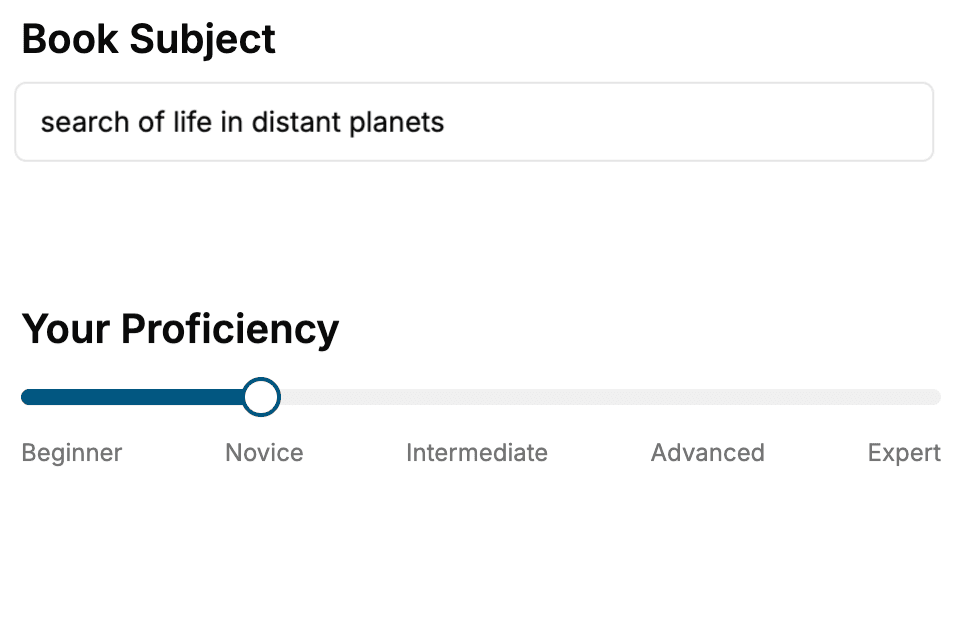
Select the focus of your Journalism book and share your background
- 2. Personalize your book
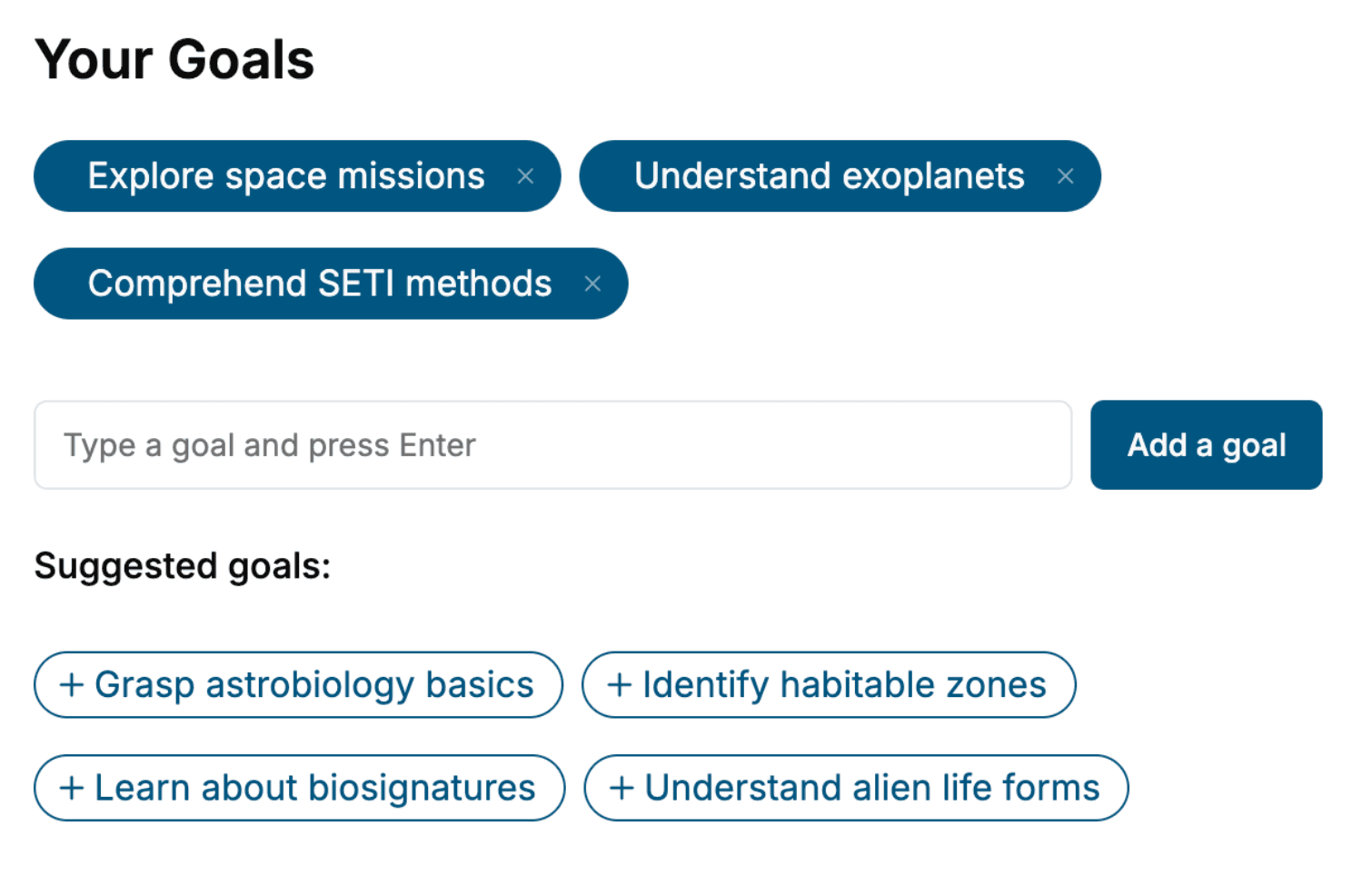
Specify your goals and choose sub-topics to include
- 3. Get your tailored book
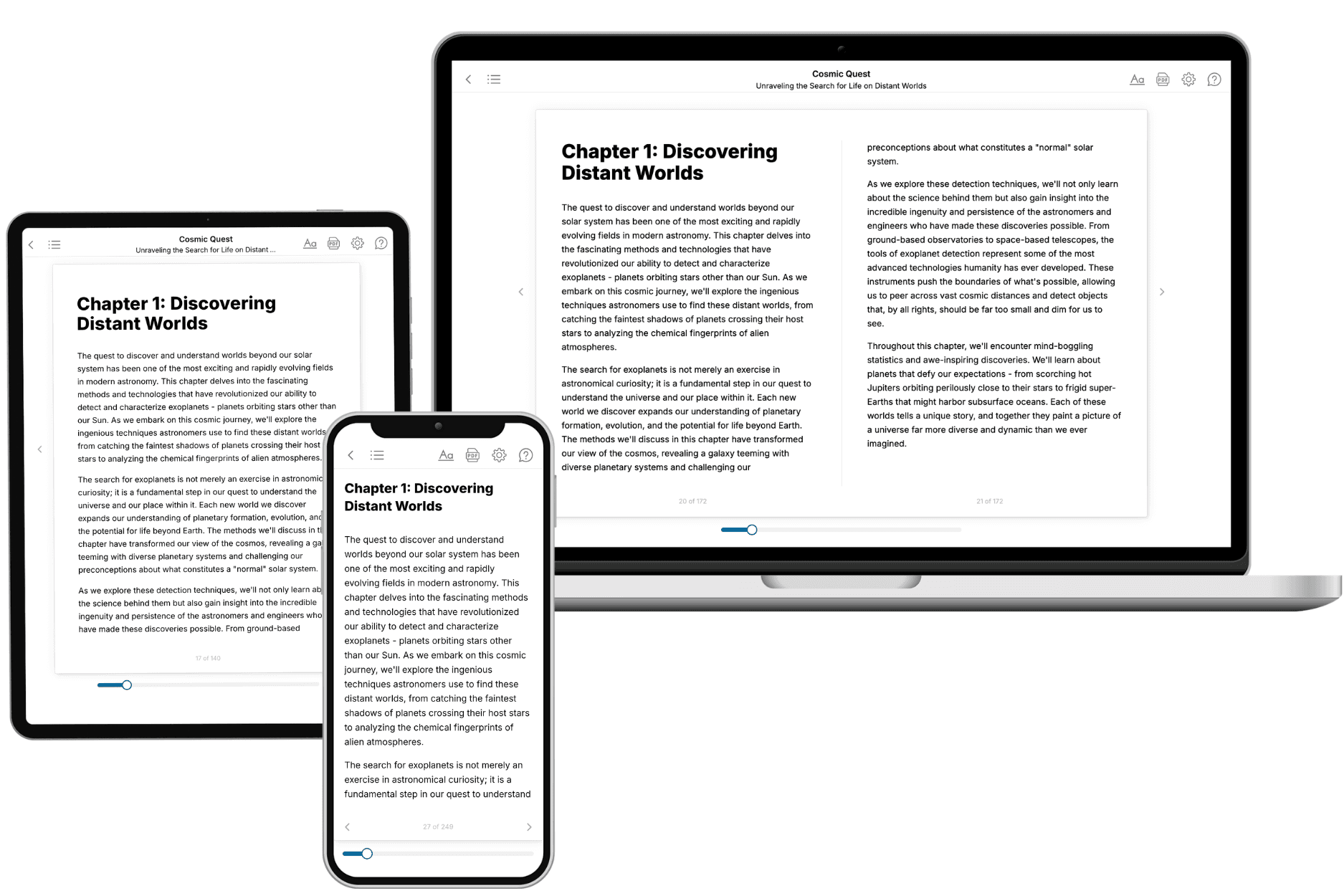
Your book is ready in 10 minutes. Read it online, download as EPUB or PDF, or send to Kindle.
Frequently asked questions
- What is TailoredRead?
TailoredRead creates complete, full-length nonfiction ebooks, written specifically for you. Tell us what you want to learn and why, and TailoredRead writes you a complete ebook on it, with charts, tables, and diagrams throughout. Read it online, on Kindle, or on any e-reader, or download it as a PDF or EPUB. Every book is written fresh the day you order it.
- How is the book tailored to me?
Before anything is written, you answer a few short questions about your goals, your background, and the topics you care about. Your book is then planned around your answers: written at your level, focused on your goals, and covering the topics you chose, instead of the one-size-fits-all book a store sells everyone.
- Will it read like generic AI content?
No. Your book isn't a chat transcript: it's planned chapter by chapter before a single word is written, told in a clear book voice, and explains ideas visually with charts, tables, and diagrams. After writing, every book goes through an editorial pass that polishes chapters so the book reads consistent from start to finish. Judge for yourself: browse thousands of sample books on our Explore Books page.
- How accurate is the content?
Our AI first checks whether your subject needs live research. Niche and fast-moving subjects are researched before writing, and the book plan and chapters are grounded in what it finds. After writing, every book goes through a quality pass that checks its facts and consistency, and researched books list their sources in a Notes section at the back.
- How long is the book?
You choose the length: Comprehensive (250-300 pages), Detailed (150-200 pages), Essential (70-100 pages), or Short (30-50 pages).
- Does the book include visuals?
Yes. Every book includes charts, tables, and diagrams: timelines, checklists, step-by-step guides, decision trees, comparison tables, matrices, and bar charts. A typical book includes dozens of these visual elements.
- Can I read it on Kindle? What formats can I download?
Yes. Every book can be read in our online reader or downloaded as a PDF or EPUB. The EPUB can be opened with Kindle, Apple Books, Kobo, and any e-reader. The Commercial and Author licenses also include an editable Word (DOCX) and Markdown download.
- How much does it cost?
About the price of a regular ebook. The exact price depends on your book's length and complexity, from $2 for the shortest books to $35 for the most comprehensive, and it's shown when you review your book, before you commit to anything. Each book is a one-time purchase, yours to keep, no subscription. Licenses that let you share, teach, or publish your book range from $35.99 to $49.99.
- Can I preview the book before purchasing?
Before you pay, you'll see what your book will cover: the title, a detailed description, the estimated length, and the complete chapter-by-chapter table of contents, so you know what you're getting before you decide. The full text itself is written after you purchase.
- How long does it take to create a book?
About 10 minutes. You can start reading the opening chapters while the rest is still being written.