Entropy Unveiled
A Biological Scientist's Guide to Understanding and Applying Entropy in Life Sciences
In "Entropy Unveiled: A Biological Scientist's Guide to Understanding and Applying Entropy in Life Sciences," readers embark on a fascinating journey through the complex world of entropy and its profound implications for biological systems.
222 pages10 chaptersOct 21, 2024ThermodynamicsCreated by Steve
About this book
This comprehensive guide bridges the gap between fundamental physics and cutting-edge biology, offering a clear and accessible exploration of entropy's role in genetics, cellular processes, and aging. Tailored for biological scientists seeking to expand their understanding and research capabilities, this book demystifies the concept of entropy and its measurement in biological contexts. From DNA entropy calculations to the intricate dance of free energy in living organisms, readers will gain invaluable insights into the disorder that underlies life itself. With a focus on practical applications, "Entropy Unveiled" equips scientists with the tools to investigate cellular disorder, analyze genetic mutation rates, and explore the fascinating connections between entropy and the aging process. By the end of this illuminating read, researchers will be well-prepared to incorporate entropy-based approaches into their work, potentially unlocking new avenues for groundbreaking discoveries in life sciences.
Table of contents
- IntroductionOverview of Entropy in Biology, Structure of the Book, Importance of Entropy in Life Sciences, Applications in Biological ResearchRead below
- Chapter 1: Foundations of EntropyThermodynamics and Entropy, Statistical Mechanics Approach, Information Theory and Entropy, Relevance to Biological Systems
- Chapter 2: DNA Entropy CalculationEntropy in DNA Sequences, Methods for Calculating DNA Entropy, Interpreting DNA Entropy Results, Applications in Genetics Research
- Chapter 3: Entropy in Biological SystemsEntropy at the Cellular Level, Entropy in Molecular Interactions, Order and Disorder in Living Systems, Entropy in Ecosystems
- Chapter 4: Aging and EntropyEntropy Accumulation Over Time, Cellular Aging and Disorder, Repair Mechanisms and Entropy Reduction, Implications for Longevity Research
- Chapter 5: Genetic Mutation Rates and EntropyMechanisms of Genetic Mutations, Entropic Influences on Mutation Rates, Evolutionary Implications of Mutation Entropy, Techniques for Measuring Mutation Rates
- Chapter 6: Entropy in Gene ExpressionEntropy in Transcription Processes, Entropy in Translation Processes, Entropic Aspects of Gene Regulation, Gene Expression Noise and Entropy
- Chapter 7: Cellular Senescence and EntropyMarkers of Cellular Senescence, Entropy Accumulation in Senescent Cells, Senescence Pathways and Disorder, Implications for Organismal Aging
- Chapter 8: Measuring Entropy in Biological SystemsCalorimetric Methods, Spectroscopic Techniques, Computational Approaches, Challenges and Limitations
- Chapter 9: Cellular Disorder and Its ConsequencesProtein Misfolding and Aggregation, Membrane Disorder and Function, Organelle Dysfunction and Entropy, Cellular Responses to Increased Disorder
- Chapter 10: Free Energy in Biological SystemsGibbs Free Energy in Biology, ATP Cycle and Free Energy, Free Energy in Metabolic Processes, Cellular Energy Balance and Homeostasis
- Conclusion
- Glossary
- Further Reading
Introduction
Welcome to "Entropy Unveiled: A Biological Scientist's Guide to Understanding and Applying Entropy in Life Sciences." This book is designed to bridge the gap between the fundamental principles of physics and the complex world of biology, offering a comprehensive exploration of entropy and its profound implications for biological systems. As a biological scientist seeking to deepen your understanding of entropy and its applications in your field, you have embarked on a journey that will revolutionize your perspective on life's processes at the molecular, cellular, and organismal levels.
Entropy, a concept rooted in thermodynamics, has far-reaching consequences that extend well beyond the realm of physics. In the context of biological sciences, entropy provides a powerful framework for understanding the organization, function, and evolution of living systems. From the intricate dance of molecules within cells to the complex interactions between organisms in ecosystems, entropy plays a crucial role in shaping the fundamental nature of life itself. By delving into the pages of this book, you will gain invaluable insights into how entropy influences genetic mutations, cellular processes, and even the aging process, equipping you with the knowledge to apply these concepts in your research and potentially unlock new avenues for groundbreaking discoveries.
Throughout this introduction, we will provide an overview of entropy in biology, outline the structure of the book, discuss the importance of entropy in life sciences, and explore its applications in biological research. By the end of this chapter, you will have a solid foundation for the in-depth exploration of entropy that follows in subsequent chapters, preparing you to navigate the complex interplay between order and disorder that defines living systems.
Overview of Entropy in Biology
Entropy, in its most fundamental sense, is a measure of disorder or randomness in a system. In the context of biology, entropy provides a powerful lens through which we can examine the organization, function, and evolution of living systems. At first glance, the concept of entropy might seem at odds with the intricate order we observe in biological organisms. After all, life is characterized by highly organized structures and processes, from the precise folding of proteins to the complex networks of cellular signaling pathways. However, it is precisely this apparent contradiction that makes the study of entropy in biology so fascinating and revealing.
To understand the role of entropy in biological systems, we must first recognize that living organisms are open systems, constantly exchanging matter and energy with their environment. This exchange allows them to maintain a state of low internal entropy, or high order, by exporting entropy to their surroundings. In essence, life can be viewed as a continuous struggle against the inexorable increase of entropy dictated by the second law of thermodynamics. This perspective provides a unifying principle that connects diverse biological phenomena, from the molecular to the ecological scale.
At the molecular level, entropy plays a crucial role in determining the behavior of biomolecules. The folding of proteins, for instance, is driven by a delicate balance between enthalpic and entropic forces. While the formation of hydrogen bonds and other interactions tends to decrease entropy, the burial of hydrophobic residues and the release of water molecules from the protein surface contribute to an overall increase in entropy. This interplay between opposing forces results in the stable, three-dimensional structures that are essential for protein function[1].
Moving up to the cellular level, entropy manifests in the organization and function of various organelles and cellular processes. The maintenance of concentration gradients across membranes, for example, requires a constant input of energy to counteract the entropic drive towards equilibrium. Similarly, the fidelity of DNA replication and protein synthesis must overcome the entropic tendency towards errors and mutations. Understanding these processes through the lens of entropy provides valuable insights into cellular physiology and the mechanisms that maintain life.
On an organismal scale, entropy is intimately linked to the process of aging. As organisms grow older, they accumulate damage and disorder at the molecular and cellular levels, leading to a gradual increase in overall entropy. This perspective has led to the development of various theories of aging, such as the "wear and tear" theory and the "error catastrophe" theory, which attempt to explain the aging process in terms of entropy accumulation[2].
At the population and ecosystem levels, entropy concepts help explain patterns of biodiversity, species interactions, and energy flow through food webs. The principle of maximum entropy production has been applied to understand ecosystem development and succession, providing a theoretical framework for predicting how ecosystems evolve over time[3].
Throughout this book, we will explore these various manifestations of entropy in biological systems, providing you with a comprehensive understanding of how this fundamental concept shapes life at all scales. By the end of your journey through these pages, you will possess a powerful conceptual toolkit for analyzing and interpreting biological phenomena through the lens of entropy, enabling you to bring new insights and approaches to your research in the life sciences.
Structure of the Book
"Entropy Unveiled" is structured to provide a logical and comprehensive exploration of entropy in biological systems, starting from fundamental principles and progressing to advanced applications. The book is divided into ten main chapters, each focusing on a specific aspect of entropy in biology. This organization allows you to build your understanding progressively, while also providing the flexibility to focus on areas of particular interest to your research.
We begin with Chapter 1, "Foundations of Entropy," which lays the groundwork for understanding entropy from multiple perspectives. This chapter covers the basic principles of thermodynamics, statistical mechanics, and information theory as they relate to entropy. By exploring these different approaches, you will gain a well-rounded understanding of entropy that will serve as a foundation for the more specialized topics that follow. The chapter concludes by discussing the relevance of these foundational concepts to biological systems, setting the stage for the rest of the book.
Chapter 2, "DNA Entropy Calculation," delves into the specific application of entropy concepts to genetic information. Here, you will learn about the various methods for calculating entropy in DNA sequences, including Shannon entropy and other information-theoretic approaches. The chapter also covers the interpretation of DNA entropy results and their applications in genetics research, such as identifying functional regions in genomes and analyzing evolutionary patterns.
In Chapter 3, "Entropy in Biological Systems," we broaden our focus to examine how entropy manifests at different levels of biological organization. This chapter explores entropy at the cellular level, in molecular interactions, and in the context of biological order and disorder. We also discuss entropy in ecosystems, providing a comprehensive view of how entropy concepts apply across the spectrum of life sciences.
Chapter 4, "Aging and Entropy," addresses one of the most intriguing applications of entropy in biology: the aging process. This chapter examines how entropy accumulates over time in biological systems, the relationship between cellular aging and disorder, and the mechanisms that organisms employ to counteract entropy increase. We also discuss the implications of this entropy-based perspective for longevity research, offering insights into potential strategies for extending healthy lifespan.
Chapter 5, "Genetic Mutation Rates and Entropy," explores the connection between entropy and genetic variability. We examine the mechanisms of genetic mutations, how entropic forces influence mutation rates, and the evolutionary implications of mutation entropy. This chapter also covers techniques for measuring mutation rates, providing practical knowledge for researchers working in genetics and evolution.
In Chapter 6, "Entropy in Gene Expression," we turn our attention to the complex processes of transcription and translation. This chapter examines how entropy concepts can shed light on the regulation of gene expression, the sources of noise in gene expression, and the entropic aspects of transcriptional and translational control. Understanding these concepts can provide valuable insights into cellular regulation mechanisms and the sources of variability in gene expression.
Chapter 7, "Cellular Senescence and Entropy," focuses on the relationship between cellular aging and entropy accumulation. We discuss the markers of cellular senescence, the pathways leading to senescence, and how these processes relate to entropy increase at the cellular level. This chapter also explores the implications of cellular senescence for organismal aging, connecting the microscopic and macroscopic aspects of biological aging.
Chapter 8, "Measuring Entropy in Biological Systems," provides a practical guide to quantifying entropy in various biological contexts. We cover a range of techniques, including calorimetric methods, spectroscopic techniques, and computational approaches. This chapter also addresses the challenges and limitations of measuring entropy in complex biological systems, providing you with a realistic understanding of the current state of the field.
In Chapter 9, "Cellular Disorder and Its Consequences," we examine the various manifestations of entropy increase at the cellular level. This chapter covers topics such as protein misfolding and aggregation, membrane disorder, organelle dysfunction, and cellular responses to increased disorder. Understanding these processes is crucial for researchers working on cellular biology, neurodegenerative diseases, and related fields.
Finally, Chapter 10, "Free Energy in Biological Systems," ties together many of the concepts discussed throughout the book by exploring the relationship between entropy and free energy in living organisms. We examine the role of Gibbs free energy in biology, the ATP cycle, free energy in metabolic processes, and cellular energy balance and homeostasis. This chapter provides a capstone to the book, demonstrating how entropy and free energy concepts are fundamental to understanding the thermodynamics of life.
Throughout the book, you will find numerous examples, case studies, and practical applications that illustrate how entropy concepts can be applied to real-world biological research. Each chapter also includes a summary of key points and a list of further reading suggestions, allowing you to delve deeper into specific topics of interest. By the end of the book, you will have a comprehensive understanding of entropy in biological systems and the tools to apply these concepts in your own research.
Importance of Entropy in Life Sciences
The concept of entropy holds immense importance in the life sciences, providing a fundamental framework for understanding the organization, function, and evolution of living systems. As a biological scientist, grasping the significance of entropy can revolutionize your approach to research and deepen your understanding of the underlying principles that govern life processes. In this section, we will explore the multifaceted importance of entropy in various areas of life sciences, demonstrating why this concept is indispensable for modern biological research.
At its core, entropy offers a unifying principle that connects diverse biological phenomena across different scales of organization. From the molecular interactions within cells to the complex dynamics of ecosystems, entropy provides a common language for describing and analyzing biological systems. This universality makes entropy an invaluable tool for interdisciplinary research, allowing scientists from different fields to collaborate and share insights. For instance, concepts from statistical mechanics and information theory, when applied through the lens of entropy, can provide novel perspectives on problems in molecular biology, ecology, and evolution[4].
In the realm of molecular biology and biochemistry, entropy plays a crucial role in understanding the behavior of biomolecules. The folding of proteins, the assembly of macromolecular complexes, and the specificity of enzyme-substrate interactions are all governed by a delicate balance of enthalpic and entropic forces. By considering the entropic contributions to these processes, researchers can gain insights into the stability, function, and evolution of biological molecules. For example, the hydrophobic effect, which is largely driven by entropy, is a key factor in protein folding and the formation of biological membranes. Understanding these entropic effects is essential for predicting protein structures, designing drugs, and engineering novel biomolecules with desired properties.
Entropy also provides a powerful framework for understanding the flow of energy and matter in biological systems. Living organisms maintain their highly ordered state by constantly exchanging energy and matter with their environment, effectively exporting entropy to maintain their internal organization. This perspective helps explain how life can persist and thrive in the face of the second law of thermodynamics, which predicts an overall increase in entropy over time. By studying the entropy production and dissipation in biological processes, researchers can gain insights into the efficiency of metabolic pathways, the limits of biological energy conversion, and the constraints on the evolution of life forms[5].
In genetics and evolutionary biology, entropy concepts provide valuable tools for analyzing genetic information and understanding the processes of mutation and selection. The application of information theory to DNA sequences allows researchers to quantify genetic diversity, identify functional regions in genomes, and study the evolution of genetic information over time. Entropy-based measures of genetic diversity can provide insights into population dynamics, speciation events, and the effects of environmental changes on genetic variation. Furthermore, the concept of mutational entropy helps explain the balance between the generation of genetic variation through mutations and the purifying effects of natural selection, offering a deeper understanding of evolutionary processes.
The study of aging and longevity is another area where entropy concepts have proven to be particularly illuminating. The accumulation of molecular and cellular damage over time can be viewed as an increase in entropy within biological systems. This perspective has led to the development of various theories of aging, such as the "disposable soma" theory and the "reliability theory" of aging, which attempt to explain the aging process in terms of energy allocation and the accumulation of damage. By understanding the entropic aspects of aging, researchers can develop new strategies for promoting healthy aging and potentially extending lifespan.
In the field of systems biology, entropy provides a valuable tool for analyzing the complexity and robustness of biological networks. The application of information theory to gene regulatory networks, metabolic pathways, and signaling cascades can reveal important properties of these systems, such as their information processing capacity, sensitivity to perturbations, and ability to maintain homeostasis. Entropy-based measures of network complexity can help researchers identify key regulatory hubs, predict the effects of genetic or environmental perturbations, and design more effective interventions for treating diseases.
Entropy concepts are also crucial for understanding the behavior of populations and ecosystems. The principle of maximum entropy production has been applied to explain patterns of biodiversity, species interactions, and ecosystem development. By considering the entropic constraints on energy flow and resource utilization, ecologists can gain insights into the structure and dynamics of food webs, the processes of ecological succession, and the responses of ecosystems to environmental changes. This approach provides a theoretical foundation for predicting and managing the impacts of human activities on natural systems.
In the rapidly advancing field of synthetic biology, entropy considerations are essential for designing and optimizing artificial biological systems. The ability to predict and control the behavior of engineered organisms requires a deep understanding of the entropic factors that influence gene expression, metabolic fluxes, and cellular physiology. By incorporating entropy-based design principles, synthetic biologists can create more stable and efficient biological circuits, improve the yield of biotechnological processes, and develop novel applications in areas such as biofuel production, environmental remediation, and medical therapies.
Finally, the importance of entropy in life sciences extends to the philosophical and conceptual foundations of biology. The tension between the apparent order of living systems and the universal tendency towards increased entropy has long been a subject of scientific and philosophical inquiry. By providing a rigorous framework for understanding how life maintains its organization in the face of entropic forces, the study of biological entropy contributes to our fundamental understanding of the nature of life itself. This deeper conceptual understanding can inspire new research directions, challenge existing paradigms, and lead to breakthrough discoveries in various areas of life sciences.
In conclusion, the importance of entropy in life sciences cannot be overstated. As a unifying concept that spans multiple scales of biological organization, entropy provides a powerful tool for analyzing, predicting, and manipulating biological systems. By embracing entropy-based approaches in your research, you can gain new insights into the fundamental principles governing life processes, develop more effective strategies for addressing biological challenges, and contribute to the advancement of knowledge in your field. As you progress through this book, you will discover numerous ways in which entropy concepts can enhance your understanding of biological phenomena and open up new avenues for innovative research.
Applications in Biological Research
The application of entropy concepts in biological research has led to numerous breakthroughs and continues to open up new avenues for investigation across various subdisciplines of life sciences. In this section, we will explore some of the most promising and impactful applications of entropy in biological research, providing you with a roadmap for incorporating these concepts into your own scientific endeavors. By understanding these applications, you will be better equipped to leverage entropy-based approaches in your research, potentially leading to novel insights and discoveries in your field of study.
One of the most direct applications of entropy in biological research is in the analysis of DNA and protein sequences. Entropy-based measures, such as Shannon entropy and mutual information, have become invaluable tools for identifying functional regions in genomes, detecting evolutionary conservation, and uncovering patterns of genetic diversity. For instance, researchers have used entropy calculations to identify regulatory elements in non-coding DNA regions, predict protein-binding sites, and assess the functional importance of specific nucleotide or amino acid positions[6]. These approaches have been particularly useful in comparative genomics, where entropy-based metrics can reveal evolutionary relationships and functional constraints across species.
In the field of structural biology, entropy considerations play a crucial role in understanding protein folding, stability, and interactions. Researchers use entropy calculations to predict the thermodynamic stability of protein structures, estimate binding affinities between proteins and ligands, and design more stable or specific protein variants. For example, the concept of configurational entropy has been applied to improve protein structure prediction algorithms and to understand the mechanisms of protein-protein recognition. Additionally, entropy-based approaches have been used to analyze the dynamics of intrinsically disordered proteins, which play important roles in cellular signaling and regulation but challenge traditional structure-function paradigms.
Entropy concepts have also found important applications in the study of gene expression and regulation. Researchers use entropy-based measures to quantify the variability and noise in gene expression, providing insights into the stochastic nature of cellular processes. These approaches have been used to identify genes with highly variable expression patterns, which often play crucial roles in cellular differentiation and development. Furthermore, entropy-based analyses of gene regulatory networks have revealed key properties of these networks, such as their robustness to perturbations and their information processing capacity. These insights have important implications for understanding cellular decision-making processes and the development of complex multicellular organisms.
In the field of evolutionary biology, entropy-based approaches have provided new perspectives on the processes of mutation, selection, and adaptation. Researchers use entropy calculations to estimate mutation rates, assess the strength of selection on different genomic regions, and quantify the evolvability of populations. For example, the concept of mutational entropy has been applied to understand the balance between the generation of genetic variation through mutations and the purifying effects of natural selection. These approaches have led to new insights into the evolution of genome complexity, the origins of genetic robustness, and the constraints on evolutionary trajectories.
The study of aging and longevity has also benefited greatly from entropy-based perspectives. Researchers use entropy concepts to quantify the accumulation of molecular and cellular damage over time, providing a framework for understanding the aging process at multiple levels of biological organization. For instance, entropy-based measures have been used to assess the deterioration of physiological systems with age, analyze the loss of epigenetic information during cellular senescence, and evaluate the effectiveness of interventions aimed at promoting healthy aging. These approaches have led to new hypotheses about the mechanisms of aging and potential strategies for extending healthspan.
In systems biology, entropy-based methods have become essential tools for analyzing the complexity and functionality of biological networks. Researchers use entropy measures to quantify the information content of signaling pathways, assess the efficiency of metabolic networks, and identify key regulatory hubs in cellular systems. These approaches have been particularly useful in understanding how biological systems maintain homeostasis in the face of environmental fluctuations and how they respond to perturbations. For example, entropy-based analyses have revealed design principles of robust biological circuits and have been used to predict the effects of drug treatments on cellular networks.
The field of ecology has also embraced entropy concepts, leading to new insights into ecosystem structure and function. Researchers use entropy-based approaches to analyze species diversity patterns, quantify the complexity of food webs, and model the flow of energy and matter through ecosystems. The principle of maximum entropy production has been applied to understand ecosystem development and succession, providing a theoretical framework for predicting how ecosystems evolve over time. These approaches have important implications for conservation biology and the management of natural resources in the face of global environmental changes.
In neuroscience, entropy concepts have been applied to understand information processing in neural networks and the emergence of consciousness. Researchers use entropy-based measures to quantify the complexity of neural activity patterns, assess the information content of sensory inputs, and analyze the integration of information across different brain regions. These approaches have led to new theories about the neural basis of consciousness and have provided insights into the mechanisms of learning and memory formation.
The rapidly advancing field of synthetic biology has also benefited from entropy-based design principles. Researchers use entropy considerations to optimize the performance of engineered biological systems, improve the stability of synthetic genetic circuits, and design more efficient metabolic pathways. For example, entropy-based approaches have been used to minimize the energetic costs of gene expression in synthetic organisms, leading to improved yields in biotechnological applications. These methods are also being applied to the design of artificial cells and the development of novel biomaterials with tunable properties.
Finally, entropy concepts are playing an increasingly important role in the analysis of large-scale biological data sets. With the advent of high-throughput sequencing technologies and other -omics approaches, researchers are faced with the challenge of extracting meaningful information from vast amounts of biological data. Entropy-based data mining techniques have proven to be powerful tools for identifying patterns, detecting anomalies, and reducing the dimensionality of complex data sets. These approaches are being applied to diverse areas of biological research, from the analysis of single-cell transcriptomics data to the study of microbiome diversity.
In conclusion, the applications of entropy in biological research are diverse and far-reaching, spanning from molecular-level analyses to ecosystem-wide studies. By incorporating entropy-based approaches into your research, you can gain new insights into the fundamental principles governing biological systems, develop more effective strategies for addressing complex biological problems, and contribute to the advancement of knowledge in your field. As you progress through this book, you will discover numerous opportunities to apply these concepts in your own work, potentially leading to innovative discoveries and breakthroughs in the life sciences.
Notes
Introduction
- 1. K. A. Dill and H. S. Chan, "From Levinthal to pathways to funnels," Nature Structural Biology, 1997
- 2. L. Hayflick, "Biological aging is no longer an unsolved problem," Annals of the New York Academy of Sciences, 2007
- 3. L. M. Martyushev and V. D. Seleznev, "Maximum entropy production principle in physics, chemistry and biology," Physics Reports, 2006
- 4. C. Adami, "What is complexity?," BioEssays, 2002
- 5. E. D. Schneider and J. J. Kay, "Life as a manifestation of the second law of thermodynamics," Mathematical and Computer Modelling, 1994
- 6. C. Adami, "Information theory in molecular biology," Physics of Life Reviews, 2004
This is the end of the free sample. The full book has 10 chapters.
Want this book written for you?
Tell us your goals and background, and get your own version of this book, tailored by AI to you.


Benefits of AI-tailored books
- Read one book, not ten:
- all the Thermodynamics knowledge you need, gathered into a single book.
- Save days of learning:
- tell us your goals, choose your topics, and the whole book is built around them.
- Learn effortlessly:
- Thermodynamics book written for your specific background and expertise.
- Understand at a glance:
- includes charts, tables, timelines, checklists, decision trees, and more.
- Stay current:
- written the day you order it, not years ago.
- Trust what you read:
- every book is checked for accuracy, with real research when your subject needs it.
Create your unique book in 3 steps
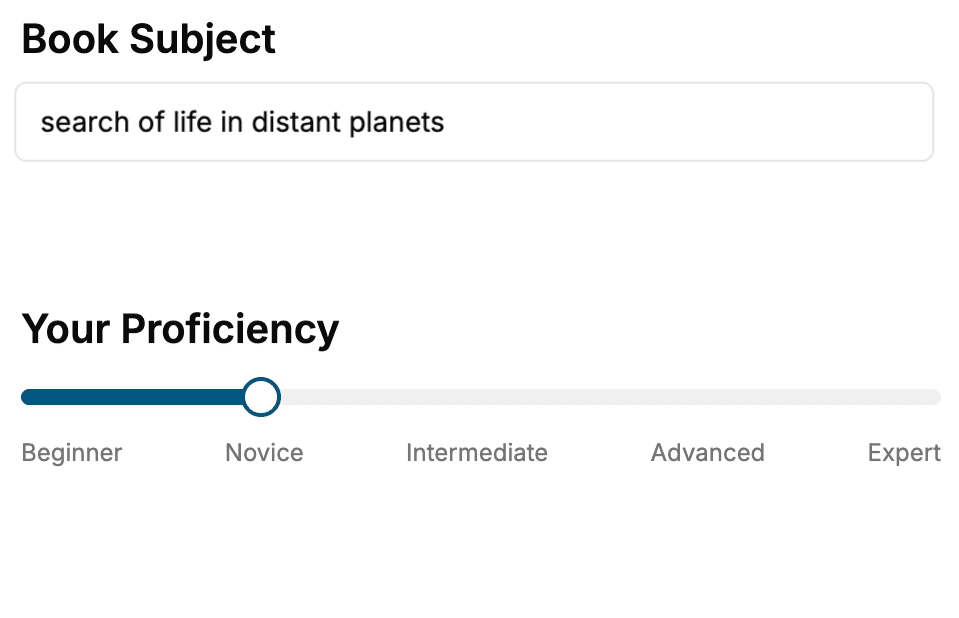
- 1. Select your focus
Select the focus of your Thermodynamics book and share your background
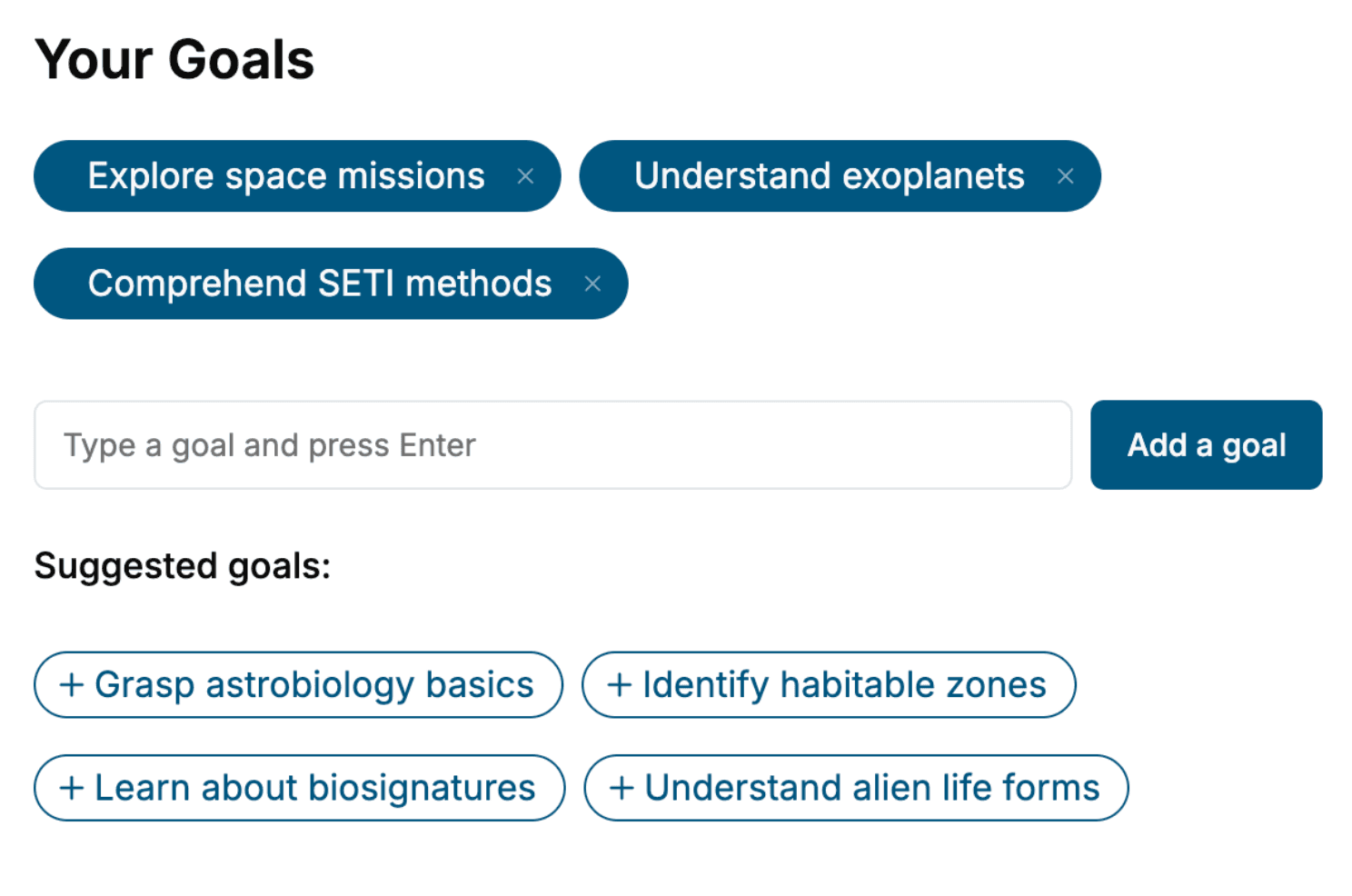
- 2. Personalize your book
Specify your goals and choose sub-topics to include
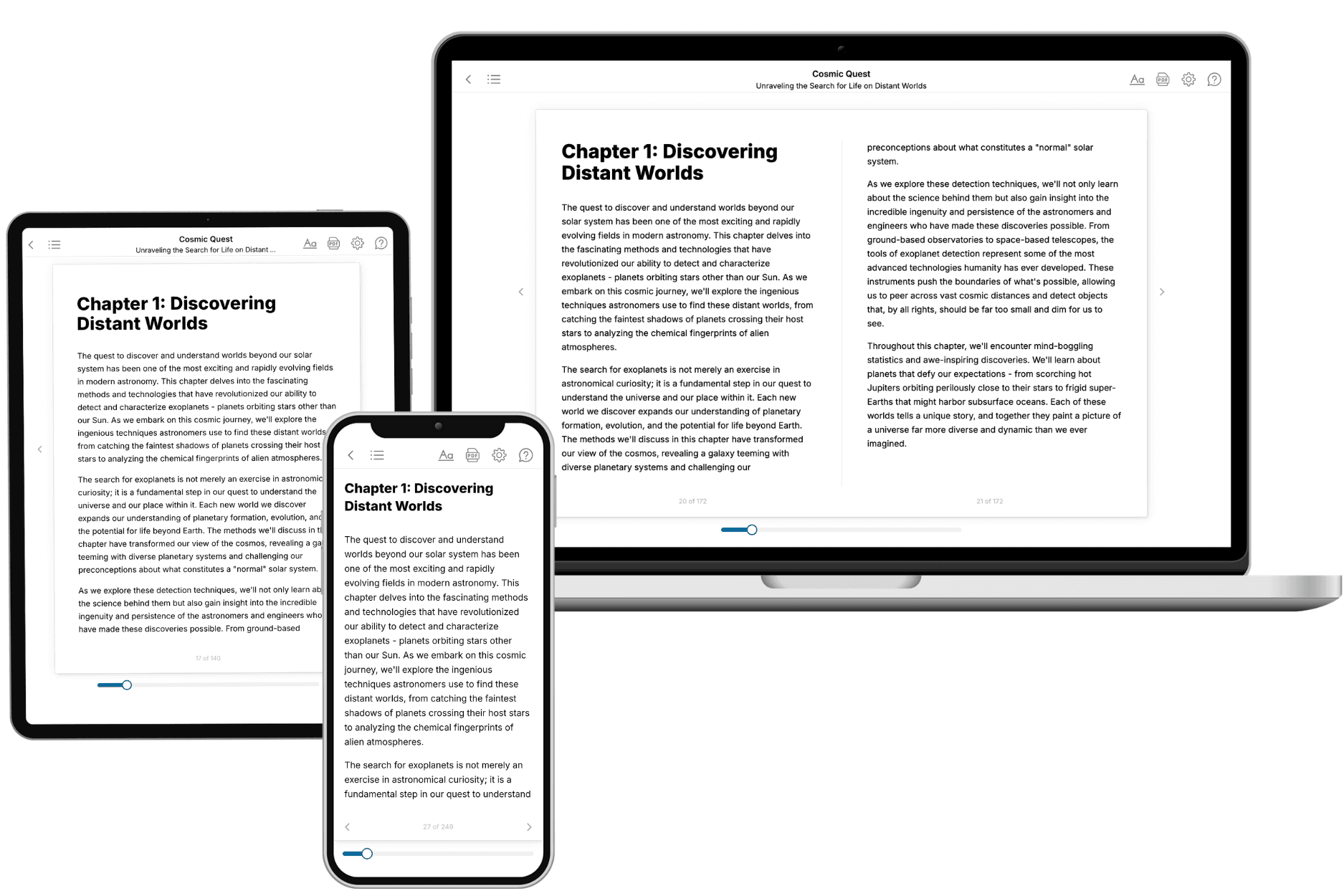
- 3. Get your tailored book
Your book is ready in 10 minutes. Read it online, download as EPUB or PDF, or send to Kindle.
Frequently asked questions
- What is TailoredRead?
TailoredRead creates complete, full-length nonfiction ebooks, written specifically for you. Tell us what you want to learn and why, and TailoredRead writes you a complete ebook on it, with charts, tables, and diagrams throughout. Read it online, on Kindle, or on any e-reader, or download it as a PDF or EPUB. Every book is written fresh the day you order it.
- How is the book tailored to me?
Before anything is written, you answer a few short questions about your goals, your background, and the topics you care about. Your book is then planned around your answers: written at your level, focused on your goals, and covering the topics you chose, instead of the one-size-fits-all book a store sells everyone.
- Will it read like generic AI content?
No. Your book isn't a chat transcript: it's planned chapter by chapter before a single word is written, told in a clear book voice, and explains ideas visually with charts, tables, and diagrams. After writing, every book goes through an editorial pass that polishes chapters so the book reads consistent from start to finish. Judge for yourself: browse thousands of sample books on our Explore Books page.
- How accurate is the content?
Our AI first checks whether your subject needs live research. Niche and fast-moving subjects are researched before writing, and the book plan and chapters are grounded in what it finds. After writing, every book goes through a quality pass that checks its facts and consistency, and researched books list their sources in a Notes section at the back.
- How long is the book?
You choose the length: Comprehensive (250-300 pages), Detailed (150-200 pages), Essential (70-100 pages), or Short (30-50 pages).
- Does the book include visuals?
Yes. Every book includes charts, tables, and diagrams: timelines, checklists, step-by-step guides, decision trees, comparison tables, matrices, and bar charts. A typical book includes dozens of these visual elements.
- Can I read it on Kindle? What formats can I download?
Yes. Every book can be read in our online reader or downloaded as a PDF or EPUB. The EPUB can be opened with Kindle, Apple Books, Kobo, and any e-reader. The Commercial and Author licenses also include an editable Word (DOCX) and Markdown download.
- How much does it cost?
About the price of a regular ebook. The exact price depends on your book's length and complexity, from $2 for the shortest books to $35 for the most comprehensive, and it's shown when you review your book, before you commit to anything. Each book is a one-time purchase, yours to keep, no subscription. Licenses that let you share, teach, or publish your book range from $35.99 to $49.99.
- Can I preview the book before purchasing?
Before you pay, you'll see what your book will cover: the title, a detailed description, the estimated length, and the complete chapter-by-chapter table of contents, so you know what you're getting before you decide. The full text itself is written after you purchase.
- How long does it take to create a book?
About 10 minutes. You can start reading the opening chapters while the rest is still being written.