About this book
You will start from zero, learning what artificial intelligence and ChatGPT actually are, how to create an account, and how to tell the difference between the free and paid versions. From there, the journey moves into the everyday work of writing clear prompts, drafting emails and letters, uploading documents for analysis, and creating images. You will see how ChatGPT can help plan meals, compare products, prepare for travel, and solve household problems that once took hours. For the aspiring entrepreneur, later chapters explore using the tool for small business tasks, researching additional income opportunities, and building a more productive workday. Along the way you will learn to ask health questions safely, protect your privacy, and spot incorrect or misleading answers before they cause trouble. Practical exercises and real-life examples turn each idea into something you can try the same day. Written for readers with no technical background, this book is a patient, friendly companion that replaces hesitation with steady, well-judged practice. By the final page, you will use ChatGPT independently and with the confidence of someone who knows both its strengths and its limits.
Table of contents
- IntroductionWhy Artificial Intelligence Matters Now, How to Use This BookRead below
- Chapter 1: Meeting ChatGPT and Artificial IntelligenceWhat Artificial Intelligence Really Means, What ChatGPT Does and Does Not Do, Understanding Its Limits from the Start
- Chapter 2: Creating Your Account and First StepsSetting Up Your Account Safely, Starting Your First Conversation, Navigating the Screen with Confidence
- Chapter 3: Free and Paid Versions ComparedWhat the Free Version Offers, What Paid Plans Add, Choosing the Right Plan for You
- Chapter 4: Writing Prompts That Get ResultsThe Parts of a Strong Prompt, Refining Answers Through Follow-Up Questions, Vague Requests and How to Fix Them
- Chapter 5: Writing Emails, Letters, and DocumentsDrafting Clear and Polite Emails, Producing Letters and Formal Documents, Keeping Your Own Voice in the Final Draft
- Chapter 6: Solving Everyday Problems and Saving MoneyHandling Household and Daily Problems, Comparing Products and Prices Wisely, Building a Simple Household Budget
- Chapter 7: Planning Meals, Shopping, and TravelPlanning Weekly Meals and Grocery Lists, Making Smarter Shopping Decisions, Organizing Trips and Itineraries
- Chapter 8: Working Smarter in Small BusinessUsing AI for Marketing and Customer Messages, Creating Proposals, Summaries, and Plans, Building Productive Daily Work Habits
- Chapter 9: Uploading Documents, Images, and Mobile UseAnalyzing Uploaded Documents Accurately, Creating Images and Visual Ideas, Using ChatGPT on Phones and Tablets
- Chapter 10: Using AI Safely, Wisely, and ConfidentlyAsking Health Questions Safely, Protecting Your Privacy and Personal Information, Recognizing Incorrect and Misleading Answers
- ConclusionAvoiding Common Beginner Mistakes, Building a Lasting Practice Routine
- Further Reading and Resources
- Glossary
Introduction
A small bakery owner spends Sunday night staring at a blank screen, trying to write a social media post that sounds friendly but not desperate, professional but not stiff. A retired teacher wants to write a letter disputing a billing error but does not know how to start. A single parent is comparing three car insurance quotes and cannot tell which one actually saves money. None of these people think of themselves as "tech people." Yet each of them now has access to a tool that can help with exactly this kind of everyday task, often in minutes rather than hours. That tool is ChatGPT, and this book exists to make it feel ordinary, useful, and safe in your hands.
Plenty of people hear the term artificial intelligence and picture something out of a science fiction movie: robots, surveillance, machines that think for themselves. That image gets in the way of a much simpler truth. The version of AI covered in this book is a piece of software you type into, much like a search bar or a text message, except it responds in full sentences and can hold a conversation. It does not have feelings, intentions, or a hidden agenda. It is a tool, and like any tool, its value depends entirely on how well you learn to use it.
This book was written with a specific kind of reader in mind: someone with a practical mind and real goals, who did not grow up surrounded by this technology and may feel a little wary of it. Maybe you are thinking about starting a small business, or you already run one and are stretched thin. Maybe you just want your evenings back after years of doing every task the slow way. Whatever brought you here, the approach is the same from start to finish. No assumptions are made about prior technical knowledge, and no step is treated as too basic to explain clearly.
The chapters ahead build on each other in a deliberate order. Early chapters explain what artificial intelligence and ChatGPT actually are, how to set up an account, and how the free and paid versions differ. Later chapters move into daily use: writing prompts that actually work, drafting emails, planning meals and travel, running a small business more efficiently, and using the tool on a phone. The final stretch focuses on using AI responsibly, including how to ask health questions with appropriate caution, how to protect your personal information, and how to catch a wrong answer before it causes a problem.
None of this requires memorizing technical terms or studying computer science. It requires curiosity, a willingness to try things, and patience with yourself while new habits form. Every skill in this book was designed to be tested the same day you read about it, on a real task from your own life or business, not on a hypothetical example that never applies to you.
Why Artificial Intelligence Matters Now
Tools that once required a specialist are now available to anyone willing to type a sentence into a text box. Drafting a legal-sounding letter, summarizing a dense document, or planning a week of meals used to mean hiring help, borrowing a friend's expertise, or spending hours doing it yourself. A capable large language model can now do a rough version of all three in under a minute. That shift matters most for people who never had easy access to extra hands or extra time, which includes a great many small business owners and busy households.
The practical gap between someone who uses this technology well and someone who ignores it is growing every year. This is not about keeping up with trends for their own sake. It is about time and money. A business owner who can draft a client proposal in fifteen minutes instead of two hours has more hours left to serve customers or rest. A parent who can get a clear, organized grocery list built around a tight budget in thirty seconds has slightly less stress in an already full week. These are not dramatic transformations, but they add up fast when repeated daily.
Fear of new technology is a reasonable, common response, and it deserves to be taken seriously rather than brushed aside. Many people avoid trying tools like this because the first encounter feels confusing or because a single bad experience, like receiving a wrong answer, convinces them the whole thing is unreliable. Both reactions make sense without the right framing. Once you understand what this technology is good at and where it tends to fail, the fear tends to shrink into healthy caution, which is actually the correct stance for anyone using it seriously.
Consider a concrete comparison. A search engine returns a list of links and leaves you to read and synthesize the information yourself. A conversation with ChatGPT can take your specific situation, such as a two-week trip budget or a tricky email to a difficult client, and produce a tailored starting draft immediately. The difference is not that one tool is "smarter" than the other in some abstract sense. The difference is that one responds to your exact context while the other hands you raw material to sort through on your own.
This shift has not gone unnoticed by institutions responsible for consumer protection and technical standards. The National Institute of Standards and Technology (NIST) and the Federal Trade Commission (FTC) have both taken an interest in how everyday people interact with AI tools, particularly around accuracy, fairness, and the handling of personal data. Their involvement is a signal that this technology has moved from a niche curiosity into something ordinary people use for real decisions, which is exactly why learning to use it carefully matters as much as learning to use it at all.
None of this means every answer from an AI tool should be trusted automatically. Quite the opposite. The more useful the tool becomes in daily life, the more important it is to develop a habit of reviewing its output, especially for anything touching health, money, or legal matters. That habit is a thread running through every chapter in this book, not a single warning tucked away in one place. Confidence with this technology does not come from blind trust. It comes from understanding both what it does well and where it needs a second look.
The goal of learning this tool now is not to chase a passing trend. It is to build a durable, transferable skill that will keep paying off as the tool itself improves and changes over time. The specific screens and buttons may shift from one year to the next, but the underlying skill, communicating clearly with an AI assistant and judging its answers wisely, will stay useful regardless of what the interface looks like next year. That is the real reason to start now rather than waiting for a more convenient moment that may never arrive.
There is also a quieter, more personal reason this matters: confidence itself. Many readers of this book have spent years feeling one step behind when it comes to new technology, watching younger relatives or coworkers move faster without quite understanding why. Learning to use ChatGPT well, starting from true zero and building skill deliberately, offers a chance to close that gap on your own terms, at your own pace, without needing anyone else's permission or patience.
How to Use This Book
This book is built to be used, not just read. Each chapter introduces an idea and then immediately shows how to put it into practice, often with a specific example drawn from situations an aspiring entrepreneur or busy household might actually face. The most effective way to work through it is to have ChatGPT open in another window or tab while reading, so that every new idea can be tried the moment it is explained rather than saved for later and forgotten.
The chapters are arranged in a deliberate sequence, and skipping ahead too quickly can create gaps. The opening chapters explain what artificial intelligence and ChatGPT are, what they can and cannot do, and how to set up an account safely. These foundational ideas are referenced constantly in later chapters, so a reader who skips straight to the small business material may find references to concepts, like the difference between the free version and paid plans, that make more sense after reading the earlier material first.
That said, this is also a reference book, not only a cover-to-cover read. Once the foundational chapters are complete, a reader focused on travel planning can jump directly to the chapter on meals, shopping, and travel, while a reader focused on growing a small business can spend more time in the small business chapter and its neighbors. The chapters are written to stand reasonably well on their own after the basics are covered, so returning to a specific chapter later as a refresher is both expected and encouraged.
Several recurring structural elements appear throughout the book, and knowing what they are for in advance makes them more useful. Checklists summarize action steps so a task can be completed without re-reading a whole section. Step-by-step instructions walk through processes, like setting up an account or writing a strong prompt, in the exact order to follow them. Callout boxes flag warnings, tips, or key takeaways that deserve extra attention, particularly around safety and privacy.
Worked examples appear constantly, and they are not decorative. When a chapter explains how to draft an email, it shows an actual sample prompt and an actual sample response, not just a description of the process in the abstract. Reading an example is useful, but typing a similar request into ChatGPT immediately afterward, using a real situation from your own life, is what actually builds the skill. Treat every example in this book as an invitation to try something similar yourself within the same sitting.
Exercises are placed where they matter most, usually right after a new skill is introduced, and they are designed to take just a few minutes each. A reader who completes even half of these exercises will walk away with far more practical skill than one who only reads the explanations. There is no grading, no deadline, and no wrong way to attempt them. The only real failure mode is skipping them entirely and expecting the skill to appear automatically.
Some sections include comparison tables, particularly when weighing choices like the free version against paid plans, or comparing products while shopping. These tables are meant to be scanned quickly rather than read word for word, giving a fast visual sense of tradeoffs before diving into the surrounding explanation. Decision trees appear in a similar spirit, mapping out a short sequence of questions to help settle a choice, such as whether a paid plan makes sense for a particular pattern of use.
A note on pace: there is no prize for finishing quickly. Someone who reads one chapter per week and actually practices each idea on real tasks will end up far more capable than someone who reads the entire book in one sitting and tries nothing. New skills with unfamiliar tools settle in through repetition, not through exposure alone. If a chapter feels slow because the exercises take real time, that slowness is doing exactly what it is supposed to do.
It also helps to keep a running list, on paper or in a notes app, of tasks from your own life that this tool might help with. As each chapter introduces a new capability, like analyzing an uploaded document or generating an image, check that list for something real to try it on immediately. A prompt written about an invented scenario teaches less than a prompt written about an actual bill, an actual email, or an actual trip that needs planning.
By the time the final chapters arrive, covering common beginner mistakes and how to build a lasting practice routine, the goal is for none of that material to feel like new information. It should instead feel like a summary of habits already forming through the exercises completed along the way. Confidence with this tool is not something granted by finishing the last page. It is built gradually, one small, real task at a time, which is exactly the approach this entire book is structured around.
This is the end of the free sample. The full book has 10 chapters.
Want this book written for you?
Tell us your goals and background, and get your own version of this book, tailored by AI to you.


Benefits of AI-tailored books
- Read one book, not ten:
- all the knowledge you need, gathered into a single book.
- Save days of learning:
- tell us your goals, choose your topics, and the whole book is built around them.
- Learn effortlessly:
- a book written for your specific background and expertise.
- Understand at a glance:
- includes charts, tables, timelines, checklists, decision trees, and more.
- Stay current:
- written the day you order it, not years ago.
- Trust what you read:
- every book is checked for accuracy, with real research when your subject needs it.
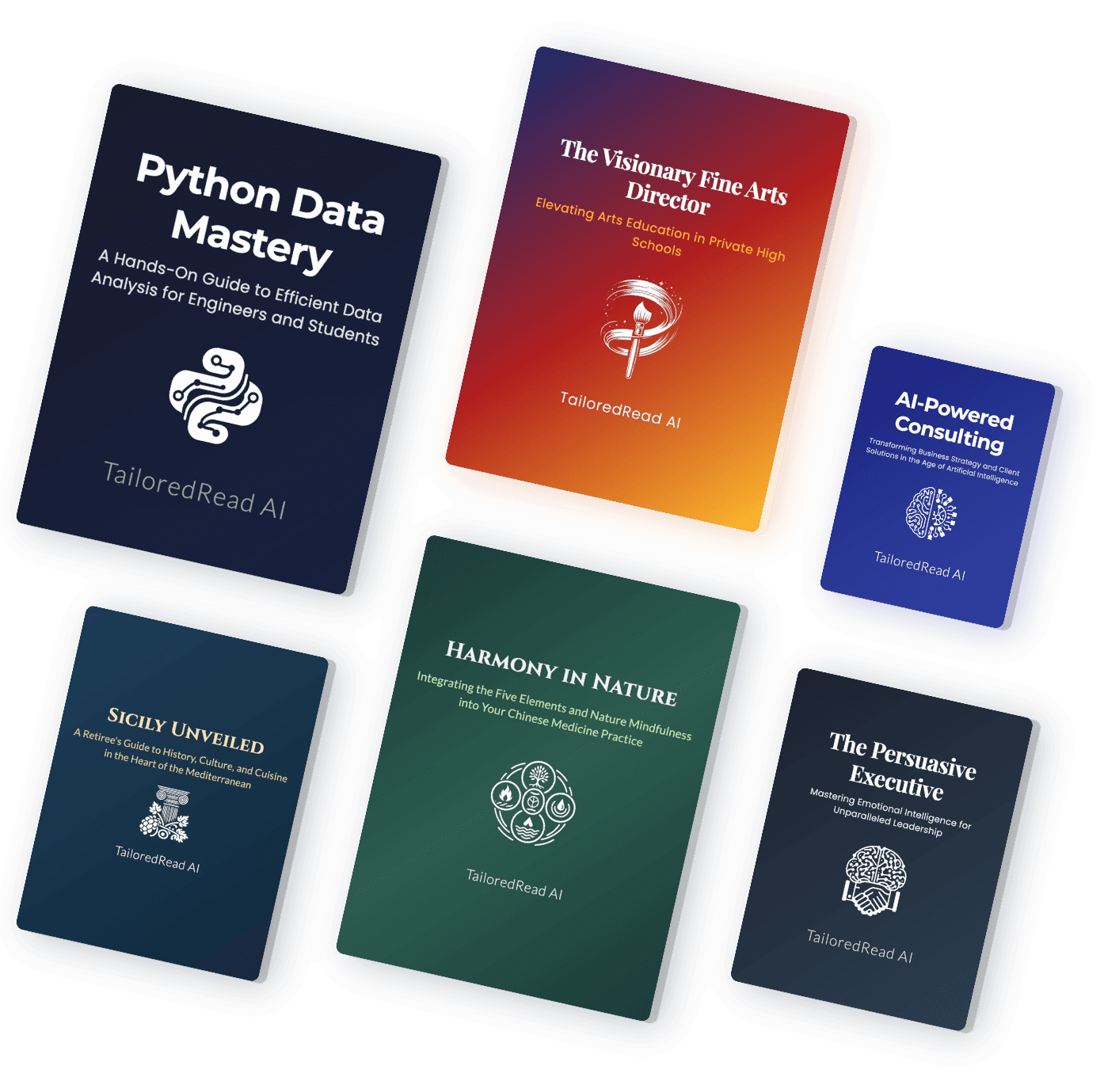
Create your unique book in 3 steps
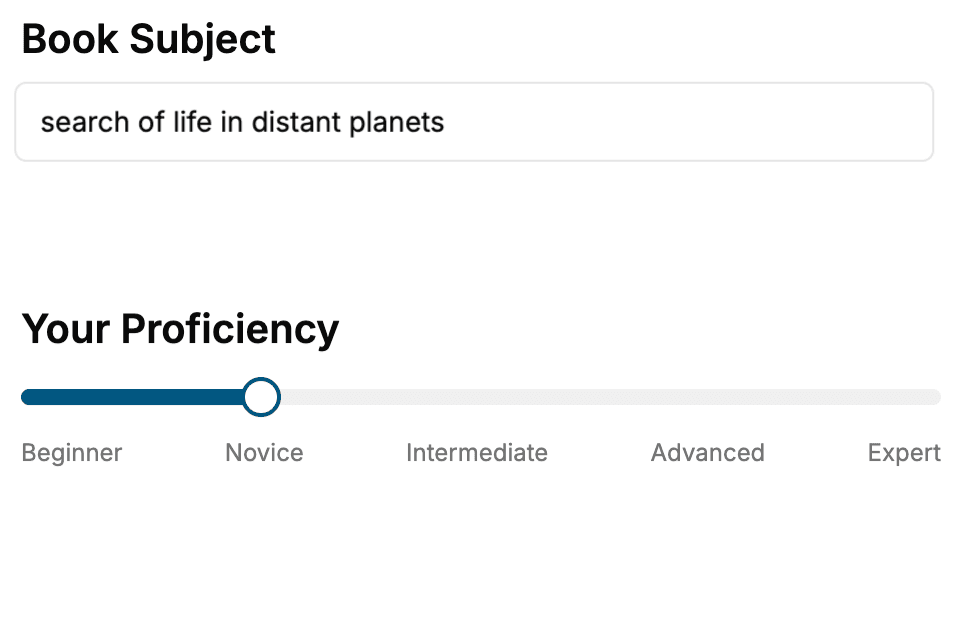
- 1. Pick a subject
Select what you want to learn and share your background
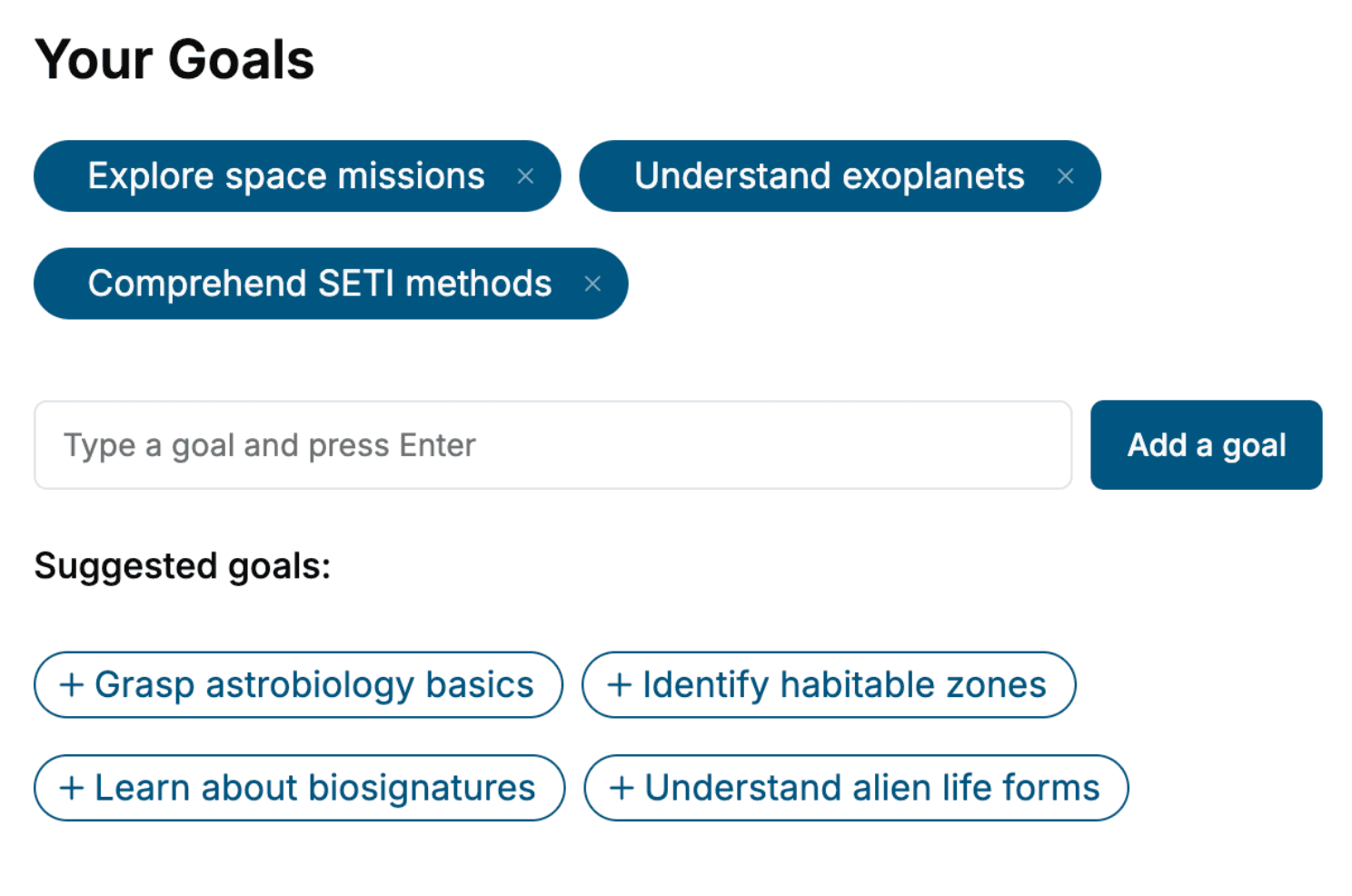
- 2. Personalize your book
Specify your goals and choose sub-topics to include
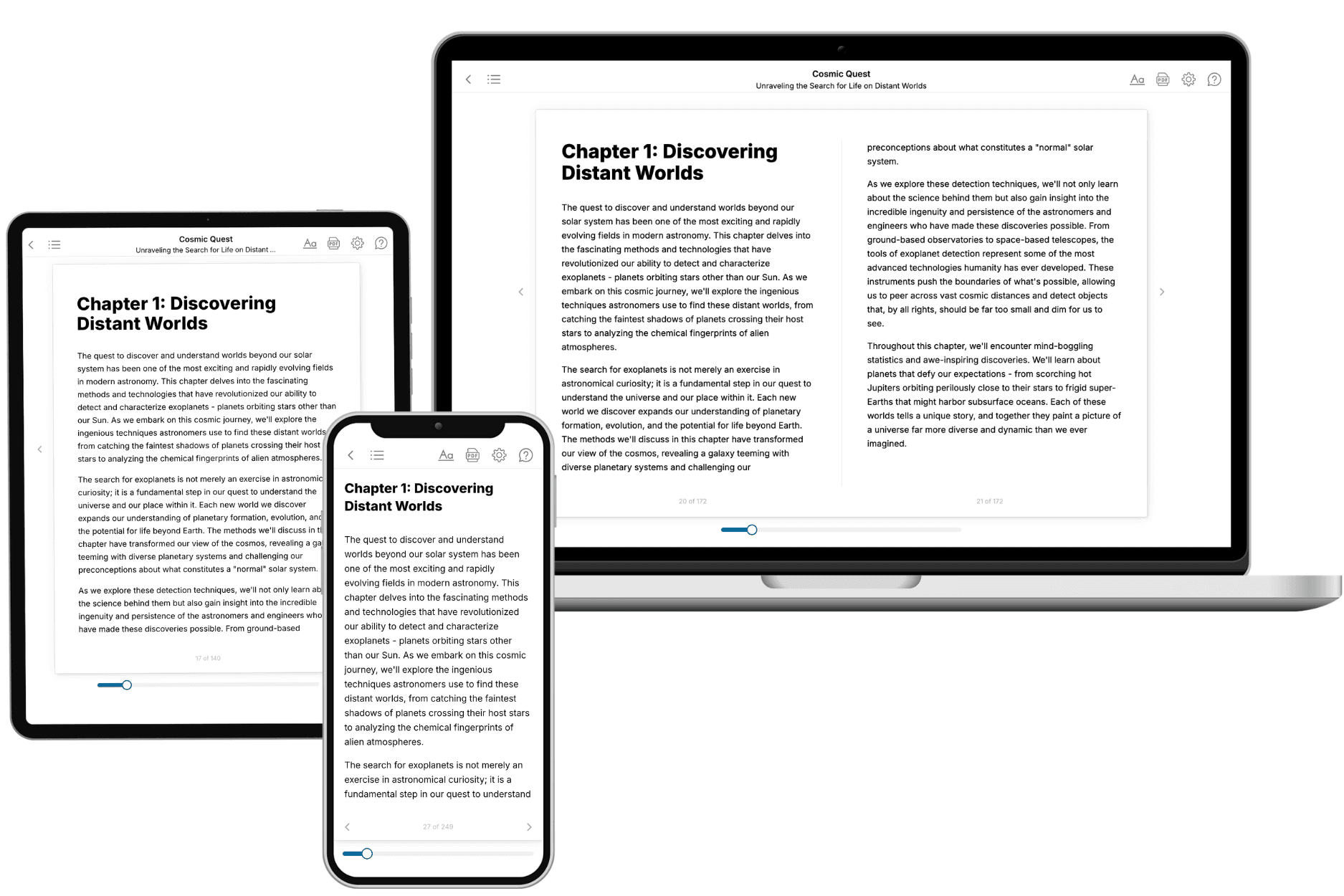
- 3. Get your tailored book
Your book is ready in 10 minutes. Read it online, download as EPUB or PDF, or send to Kindle.
Frequently asked questions
- What is TailoredRead?
TailoredRead creates complete, full-length nonfiction ebooks, written specifically for you. Tell us what you want to learn and why, and TailoredRead writes you a complete ebook on it, with charts, tables, and diagrams throughout. Read it online, on Kindle, or on any e-reader, or download it as a PDF or EPUB. Every book is written fresh the day you order it.
- How is the book tailored to me?
Before anything is written, you answer a few short questions about your goals, your background, and the topics you care about. Your book is then planned around your answers: written at your level, focused on your goals, and covering the topics you chose, instead of the one-size-fits-all book a store sells everyone.
- Will it read like generic AI content?
No. Your book isn't a chat transcript: it's planned chapter by chapter before a single word is written, told in a clear book voice, and explains ideas visually with charts, tables, and diagrams. After writing, every book goes through an editorial pass that polishes chapters so the book reads consistent from start to finish. Judge for yourself: browse thousands of sample books on our Explore Books page.
- How accurate is the content?
Our AI first checks whether your subject needs live research. Niche and fast-moving subjects are researched before writing, and the book plan and chapters are grounded in what it finds. After writing, every book goes through a quality pass that checks its facts and consistency, and researched books list their sources in a Notes section at the back.
- How long is the book?
You choose the length: Comprehensive (250-300 pages), Detailed (150-200 pages), Essential (70-100 pages), or Short (30-50 pages).
- Does the book include visuals?
Yes. Every book includes visual elements such as timelines, checklists, step-by-step guides, decision trees, comparison tables, and matrices, and many include bar charts. A typical book includes dozens of these visual elements.
- Can I read it on Kindle? What formats can I download?
Yes. Every book can be read in our online reader or downloaded as a PDF or EPUB. The EPUB can be opened with Kindle, Apple Books, Kobo, and any e-reader. The Commercial and Author licenses also include an editable Word (DOCX) and Markdown download.
- How much does it cost?
About the price of a regular ebook. The exact price depends on your book's length and complexity, from $2 for the shortest books to $35 for the most comprehensive, and it's shown when you review your book, before you commit to anything. Each book is a one-time purchase, yours to keep, no subscription. Licenses that let you share, teach, or publish your book range from $35.99 to $49.99.
- Can I preview the book before purchasing?
Before you pay, you'll see what your book will cover: the title, a detailed description, the estimated length, and the complete chapter-by-chapter table of contents, so you know what you're getting before you decide. The full text itself is written after you purchase.
- How long does it take to create a book?
10 minutes. You can start reading the opening chapters while the rest is still being written.