Firebird Mastery Blueprint
Expert Strategies for Restoration, Performance, and Preservation of Pontiac's Iconic Muscle Car
Navigate the complete restoration journey of your Pontiac Firebird with a structured, expert-driven approach designed for serious enthusiasts.
238 pages12 chaptersDec 3, 2025Car Repair
About this book
This comprehensive guide walks you through every critical phase—from understanding your specific model's history and evolution to executing precision engine rebuilds, mastering bodywork techniques, and implementing performance upgrades that enhance rather than compromise authenticity. You'll learn systematic project planning methodologies that transform restoration from an overwhelming endeavor into manageable phases, discover how to identify and source rare parts with confidence, and develop the specialized skills needed for electrical systems, suspension upgrades, and concours-level detailing. Whether you're preserving an original classic or enhancing performance, this blueprint provides the technical depth, historical context, and practical frameworks that separate successful restorations from incomplete projects. Gain access to proven timelines, parts identification strategies, and preservation methods that protect your investment while achieving your restoration vision.
Table of contents
- IntroductionWhy Firebird Restoration Matters, How to Use This Guide, The Restoration PhilosophyRead below
- Chapter 1: Firebird History and Model EvolutionOrigins: The First Generation (1967-1969), Second Generation Muscle Era (1970-1976), Third Generation Refinement (1977-1981), Fourth Generation and Beyond (1982-2002)
- Chapter 2: Parts Identification and AuthenticationVIN Decoding and Model Verification, Identifying Original Components, Sourcing Rare and Discontinued Parts
- Chapter 3: Restoration Project Planning and ManagementInitial Assessment and Scope Definition, Timeline Development and Budget Planning, Documentation and Progress Tracking
- Chapter 4: Engine Rebuilding MasteryEngine Selection and Compatibility, Disassembly, Inspection, and Block Preparation, Rebuild Process and Assembly Techniques, Testing and Validation
- Chapter 5: Transmission and Drivetrain RestorationFirebird Transmission Types and Specifications, Transmission Rebuild Procedures, Drivetrain Integration and Alignment
- Chapter 6: Bodywork Repair and RestorationRust Assessment and Metal Repair, Panel Replacement and Welding Techniques, Surface Preparation and Finishing, Paint Restoration and Color Matching
- Chapter 7: Suspension and Brake System UpgradesSuspension Component Restoration, Brake System Rebuild and Modernization, Handling and Performance Optimization
- Chapter 8: Electrical System MasteryWiring Restoration and Harness Replacement, Charging and Starting System Restoration, Lighting and Accessory Systems
- Chapter 9: Fuel and Cooling System ModernizationFuel System Upgrade and Reliability, Cooling System Restoration and Efficiency, Exhaust System Upgrades and Performance
- Chapter 10: Interior Restoration and Detailing ExcellenceUpholstery Restoration and Replacement, Interior Trim and Component Restoration, Concours-Level Detailing and Finishing
- Chapter 11: Performance Enhancement StrategiesPower Modifications and Tuning, Handling and Braking Upgrades, Balancing Performance with Authenticity
- Chapter 12: Long-Term Maintenance and PreservationPreventive Maintenance Schedules, Storage and Environmental Protection, Advanced Preservation Techniques
- ConclusionYour Mastery Journey Ahead
- Resources and Further Reading
Introduction
The Pontiac Firebird represents more than automotive engineering excellence. It embodies an era when American muscle cars dominated highways and captured imaginations with raw power, distinctive styling, and performance that defined a generation. From the first-generation models that challenged Ford's Mustang dominance to the fourth-generation cars that brought modern technology to classic muscle car DNA, each Firebird tells a story of innovation, competition, and automotive passion. Today, these vehicles stand as rolling monuments to American automotive history, and their restoration preserves not just metal and mechanics but cultural heritage itself.
Restoring a Firebird demands more than mechanical aptitude or weekend garage time. It requires systematic planning, technical precision, historical knowledge, and project management discipline that transforms overwhelming complexity into achievable milestones. Whether you're tackling a first-generation convertible requiring complete frame-off restoration or modernizing a third-generation Trans Am with performance upgrades, success depends on structured methodology that balances authenticity with functionality. This guide provides that framework, drawing from decades of restoration experience and proven project management principles adapted specifically for classic muscle car restoration.
Your journey through this restoration blueprint will equip you with comprehensive knowledge spanning every critical system and component. You'll develop expertise in engine rebuilding sequences, bodywork techniques that address common Firebird rust patterns, electrical system troubleshooting, and parts authentication methods that protect your investment. More importantly, you'll learn how to plan, document, and execute restoration phases that keep projects moving forward rather than languishing incomplete in garages. This introduction establishes the foundation for that journey, clarifying why Firebird restoration matters, how to navigate this guide effectively, and the restoration philosophy that separates successful projects from abandoned dreams.
Why Firebird Restoration Matters
The Pontiac Firebird occupies a unique position in automotive history that extends beyond its mechanical specifications or performance capabilities. When General Motors introduced the Firebird in 1967, it entered a market already dominated by Ford's wildly successful Mustang, yet Pontiac engineers and designers created something distinctly different. The Firebird wasn't merely a response to competition—it represented Pontiac's performance-focused brand identity translated into a pony car platform. This distinction matters because it shaped every generation that followed, creating vehicles that prioritized driving experience, power delivery, and distinctive styling over mass-market appeal.
Preserving these vehicles protects automotive heritage that's rapidly disappearing from roads and consciousness. Production numbers tell part of this story: Pontiac manufactured approximately 500,000 Firebirds across all generations, but survival rates vary dramatically by model year, trim level, and condition[1]. First-generation convertibles, particularly 400 and Ram Air models, exist in increasingly limited numbers. Second-generation Trans Ams from the Smokey and the Bandit era face challenges from decades of hard driving and modification. Each restored Firebird represents one more example saved from deterioration, parts harvesting, or permanent loss. Your restoration work directly contributes to preserving these vehicles for future generations who deserve to experience authentic American muscle cars.
The restoration process itself develops specialized knowledge that's becoming increasingly rare. As the generation that originally worked on these vehicles ages, their expertise risks disappearing unless transferred to new enthusiasts. Firebird-specific knowledge encompasses unique challenges and solutions:
- Subframe and unibody construction patterns that differ from other GM F-body variants and require specific rust repair approaches
- Pontiac engine identification and authentication including casting numbers, date codes, and assembly stamps that verify originality
- Year-specific electrical systems that evolved from simple circuits to complex computer-controlled networks across four generations
- Trim and component variations between base models, Esprit, Formula, and Trans Am variants that affect parts sourcing and authenticity
- Performance package identification including Ram Air, WS6, and special edition components that significantly impact value and restoration approach
Financial considerations also justify serious restoration efforts. Well-executed Firebird restorations represent sound investments when approached with proper planning and documentation. First-generation models, particularly rare variants like the 1969 Trans Am (only 697 produced), command premium prices that reward quality restoration work[2]. Second-generation Trans Ams have appreciated significantly, especially low-mileage examples and special editions. Even third and fourth-generation models are entering collectible territory as enthusiasts recognize their historical significance and performance capabilities. However, financial returns depend entirely on restoration quality, documentation thoroughness, and authenticity preservation—factors this guide addresses systematically.
Beyond preservation and investment, Firebird restoration offers personal satisfaction that transcends monetary value. The process of transforming a deteriorated vehicle into a fully functional, beautiful machine provides tangible evidence of skill development and project completion. Unlike many professional endeavors where results remain abstract or intangible, restoration produces something you can drive, show, and share with others who appreciate the craftsmanship involved. This satisfaction intensifies when you've personally rebuilt the engine, fabricated repair panels, or rewired electrical systems rather than simply writing checks to restoration shops.
The Firebird community itself represents another compelling reason for restoration involvement. Enthusiast networks, clubs, and online forums provide support, knowledge sharing, and camaraderie that enriches the restoration experience. Organizations like the Firebird Club of America and Trans Am Racing Association maintain extensive technical resources, host events, and connect restorers with parts sources and expertise. These communities preserve institutional knowledge about specific model years, document production variations, and maintain registries of significant vehicles. Your restoration work connects you to this network, providing both assistance during your project and opportunities to help others with their challenges.
Environmental considerations add contemporary relevance to classic car restoration. Restoring and maintaining existing vehicles rather than manufacturing new ones reduces environmental impact by avoiding the substantial energy and resource consumption required for new vehicle production. A properly restored and maintained Firebird can provide decades of additional service, and modern upgrades like electronic fuel injection, improved cooling systems, and efficient exhaust components can actually improve emissions and fuel economy compared to original specifications. This perspective reframes restoration as sustainable practice rather than mere nostalgia, aligning classic car enthusiasm with environmental consciousness.
Finally, Firebird restoration matters because these vehicles represent engineering and design achievements worth studying and experiencing. The progression from first-generation simplicity through fourth-generation sophistication demonstrates automotive evolution across three decades. Each generation introduced innovations: the second generation's Endura front bumper technology, the third generation's aerodynamic refinement, the fourth generation's sophisticated suspension geometry. Understanding these developments through hands-on restoration provides insights into automotive engineering that no textbook can match. You'll learn why engineers made specific design choices, how manufacturing constraints influenced component design, and how performance requirements shaped every system from engine mounts to rear axle specifications.
How to Use This Guide
This restoration blueprint follows a structured progression designed to build knowledge systematically while supporting practical project execution. The organization reflects how successful restoration projects actually unfold—not as random collections of tasks but as carefully sequenced phases where each stage builds upon previous work. You'll benefit most by understanding this structure before diving into specific chapters, allowing you to navigate efficiently to information needed for your current project phase while maintaining awareness of how individual tasks connect to the larger restoration picture.
The guide divides into three primary sections that mirror the restoration journey itself. Foundation chapters (Chapters 1-3) establish essential knowledge about Firebird history, model evolution, parts identification, and project planning methodology. These chapters provide context that informs every subsequent decision, from determining which components deserve restoration versus replacement to establishing realistic timelines and budgets. Even experienced restorers should review these sections, as they contain model-specific information and planning frameworks that prevent common pitfalls. Technical restoration chapters (Chapters 4-10) address specific systems and components in logical sequence, from engine and drivetrain through bodywork, suspension, electrical systems, and interior restoration. Enhancement and preservation chapters (Chapters 11-12) cover performance upgrades and long-term maintenance strategies that protect your investment and optimize driving experience.
Each chapter follows a consistent structure designed to support both learning and reference use. Chapters begin with overview content that establishes context and explains why the covered material matters to your restoration success. Subsections then address specific topics with increasing technical depth, providing:
- Conceptual explanations that clarify what you're trying to accomplish and why specific approaches work
- Step-by-step procedures for critical tasks, with attention to sequence, tool requirements, and common challenges
- Decision frameworks that help you evaluate options and make informed choices appropriate to your specific vehicle and goals
- Troubleshooting guidance addressing problems you're likely to encounter and proven solutions
- Parts identification information including specifications, sources, and authentication methods
- Quality standards that define acceptable results for different restoration levels from driver quality to concours
Your approach to this guide should adapt to your current project status and experience level. If you're beginning a restoration project, start with the foundation chapters to establish proper planning before purchasing parts or beginning disassembly. This sequence prevents expensive mistakes like ordering incorrect components or discovering major structural issues after you've already invested in mechanical restoration. Work through Chapter 3's project planning methodology completely, creating documentation and timelines before touching tools. This discipline transforms restoration from overwhelming chaos into manageable phases with clear milestones and decision points.
For ongoing projects, use this guide as a technical reference and troubleshooting resource. The detailed table of contents and subsection structure allow quick navigation to specific topics when you encounter challenges or need to verify procedures. For example, if you're struggling with carburetor tuning during engine installation, Chapter 4's rebuild and assembly section provides systematic troubleshooting approaches. If you're uncertain about welding techniques for floor pan replacement, Chapter 6's panel replacement subsection offers guidance on proper procedures and quality standards. Keep this guide accessible in your workspace for quick reference rather than treating it as something to read once and shelve.
Experienced restorers will find value in the guide's integration of traditional techniques with modern approaches and materials. Classic restoration methods remain valid for many applications, but contemporary products and technologies often provide superior results with less effort. Each technical chapter identifies where modern solutions offer advantages—electronic ignition systems that improve reliability, epoxy-based rust encapsulation products that outperform traditional treatments, or modern polyurethane suspension bushings that enhance handling while maintaining authenticity. The guide helps you make informed decisions about when to preserve original approaches and when to embrace improvements that enhance functionality without compromising character.
The guide's project management emphasis distinguishes it from purely technical manuals. Restoration success depends as much on planning, documentation, and timeline management as on mechanical skills. Chapter 3 introduces frameworks adapted from professional project management but tailored specifically for restoration work. These include:
- Work breakdown structures that decompose complex restoration into manageable tasks with clear dependencies
- Critical path analysis identifying which tasks must complete before others can begin, preventing workflow bottlenecks
- Resource allocation strategies that balance budget constraints with quality requirements across restoration phases
- Documentation systems that capture decisions, parts sources, specifications, and procedures for future reference
- Quality checkpoints that verify work meets standards before proceeding to dependent tasks
Throughout the guide, you'll encounter specific examples drawn from actual restoration projects. These aren't generic scenarios but detailed case studies illustrating both successful approaches and cautionary tales of what happens when proper procedures aren't followed. For instance, Chapter 6 includes a detailed example of addressing rust in a 1970 Firebird's rear subframe area, showing the progression from initial assessment through metal fabrication and final finishing. Chapter 8 presents a complete wiring harness replacement project for a 1979 Trans Am, documenting challenges encountered and solutions implemented. These examples provide templates you can adapt to your specific situation while learning from others' experiences.
The guide assumes intermediate automotive knowledge—you should understand basic mechanical principles, be comfortable with hand and power tools, and have experience with fundamental automotive repair tasks. However, it doesn't assume Firebird-specific expertise or advanced fabrication skills. Where specialized knowledge or equipment is required, the guide either explains the necessary background or recommends when to engage specialists. For example, while the guide covers engine rebuilding comprehensively, it acknowledges that machine shop services for block boring, crankshaft grinding, and cylinder head work typically exceed home workshop capabilities. Similarly, while it addresses paint preparation thoroughly, it recognizes that achieving show-quality paint finishes often requires professional spray equipment and controlled environments.
Finally, treat this guide as a living resource that grows more valuable as you annotate it with your own experiences. Make notes in margins about what worked well, what challenges you encountered, and what you'd do differently. Document parts sources that provided quality components, specialists who delivered excellent work, and techniques that produced superior results. These annotations transform the guide from general reference into personalized documentation of your specific restoration journey, creating a resource you can reference for future projects or share with other enthusiasts tackling similar challenges.
The Restoration Philosophy
Successful Firebird restoration requires a coherent philosophy that guides countless decisions throughout the project. Without clear principles, you'll face paralysis when choosing between original components and modern alternatives, between preservation and enhancement, between authenticity and functionality. The restoration philosophy presented here balances respect for historical accuracy with practical considerations of reliability, safety, and intended use. This isn't about rigid rules but rather a framework for making consistent decisions aligned with your specific goals and the vehicle's role in your life.
The foundation of this philosophy recognizes that not all restorations serve the same purpose. A concours restoration aiming for show-quality authenticity demands different approaches than a resto-mod built for weekend driving enjoyment or a track-focused build emphasizing performance. Your restoration philosophy must align with intended use. A trailer queen destined for judged shows requires obsessive attention to original finishes, correct fasteners, and period-correct components. A driver that will see regular road use benefits from reliability upgrades, modern safety improvements, and enhanced cooling capacity. A performance build prioritizes handling, braking, and power delivery over originality concerns. Define your purpose clearly before beginning work, as this decision cascades through every subsequent choice.
Within any restoration approach, authenticity exists on a spectrum rather than as binary condition. Pure authenticity means every component matches original factory specifications, finishes, and assembly methods—an increasingly difficult and expensive standard as original parts become scarce and reproduction quality varies. Modified authenticity preserves visual appearance and character while incorporating functional improvements invisible during normal viewing. Enhanced authenticity maintains the vehicle's essential character while openly upgrading performance, comfort, or reliability with modern components. Understanding where your project falls on this spectrum helps you make consistent decisions that produce a coherent result rather than an inconsistent mixture of approaches.
The philosophy embraces preservation of original components whenever practical. Original parts carry historical value beyond their functional role—they represent actual manufacturing processes, materials, and assembly methods from the vehicle's production era. An original numbers-matching engine, even if it requires complete rebuilding, maintains value and authenticity that no replacement can match. Original trim pieces, even if damaged, often merit restoration rather than replacement with reproductions that may not match original materials or finishes. However, preservation has limits: structurally compromised components that affect safety, severely deteriorated parts where restoration costs exceed replacement, or unavailable components where reproduction represents the only option. The key is making preservation decisions consciously rather than defaulting to replacement from convenience.
This philosophy also acknowledges that some modern improvements enhance rather than compromise classic vehicles. Certain upgrades address known weaknesses in original designs, improve safety to contemporary standards, or enhance reliability without altering character. Consider these examples of thoughtful modernization:
- Electronic ignition systems that fit within original distributors, improving reliability and timing accuracy while remaining invisible
- Radial tires that dramatically improve handling and safety compared to bias-ply originals while using period-appropriate wheel designs
- Upgraded brake components including better pad compounds and stainless steel brake lines that enhance stopping power within original calipers
- Modern cooling system components like aluminum radiators and electric fans that prevent overheating in contemporary traffic conditions
- Improved weatherstripping materials that seal better and last longer than original rubber compounds
The restoration philosophy emphasizes systematic documentation throughout the project. Documentation serves multiple purposes: it creates reference material for future maintenance, establishes provenance that supports value, provides troubleshooting information when issues arise, and captures knowledge that might otherwise be lost. Effective documentation includes photographs of disassembly sequences showing how components fit together, records of parts sources and specifications, notes on procedures and techniques that worked well, and receipts establishing restoration investment. This documentation transforms your restoration from undocumented work into a verified history that future owners will value. It also protects you from having to rediscover information you once knew but forgot during the months or years a restoration project spans.
Another core principle holds that quality execution matters more than speed. Rushed restoration work creates problems that haunt projects for years: improperly prepared surfaces that cause paint failure, inadequately cleaned components that lead to premature wear, shortcuts in assembly that result in oil leaks or electrical issues. The time invested in proper preparation, careful assembly, and thorough testing pays dividends in reliability, appearance, and satisfaction. This doesn't mean perfectionism that prevents progress—it means maintaining standards appropriate to your restoration level and refusing to compromise on fundamentals like structural integrity, safety systems, and proper assembly sequences.
The philosophy recognizes that restoration is iterative rather than linear. You'll discover issues during disassembly that weren't apparent during initial assessment. Parts you ordered may not fit correctly, requiring returns and alternatives. Techniques that seemed straightforward in theory prove challenging in practice, requiring skill development or specialist assistance. Budget constraints may force priority adjustments, deferring some work to future phases. Successful restoration accommodates these realities through flexible planning that maintains forward progress despite setbacks. This means building contingency into timelines, maintaining budget reserves for unexpected issues, and viewing challenges as learning opportunities rather than failures.
Finally, this restoration philosophy embraces community engagement and knowledge sharing. The Firebird restoration community represents a vast repository of experience, expertise, and support that accelerates your learning and helps you avoid common mistakes. Engaging with this community through clubs, forums, and events provides access to specialists who've solved problems you're encountering, sources for rare parts, and feedback on your work from experienced eyes. Equally important, sharing your own experiences contributes to collective knowledge that helps others. Document your solutions to unusual problems, share sources for quality parts, and offer assistance to those following behind you on the restoration journey. This reciprocal relationship strengthens the entire community while enriching your own experience.
These philosophical principles—purpose alignment, authenticity spectrum awareness, preservation priority, thoughtful modernization, systematic documentation, quality emphasis, iterative acceptance, and community engagement—form the foundation for successful restoration. They'll guide you through the countless decisions ahead, from major choices about engine selection to minor details about fastener finishes. Return to these principles when you're uncertain about direction or when project challenges threaten to overwhelm your enthusiasm. They provide the compass that keeps your restoration on course toward completion and satisfaction.
This is the end of the free sample. The full book has 12 chapters.
Want this book written for you?
Tell us your goals and background, and get your own version of this book, tailored by AI to you.


Benefits of AI-tailored books
- Read one book, not ten:
- all the Car Repair knowledge you need, gathered into a single book.
- Save days of learning:
- tell us your goals, choose your topics, and the whole book is built around them.
- Learn effortlessly:
- Car Repair book written for your specific background and expertise.
- Understand at a glance:
- includes charts, tables, timelines, checklists, decision trees, and more.
- Stay current:
- written the day you order it, not years ago.
- Trust what you read:
- every book is checked for accuracy, with real research when your subject needs it.
Create your unique book in 3 steps
- 1. Select your focus
Select the focus of your Car Repair book and share your background
- 2. Personalize your book
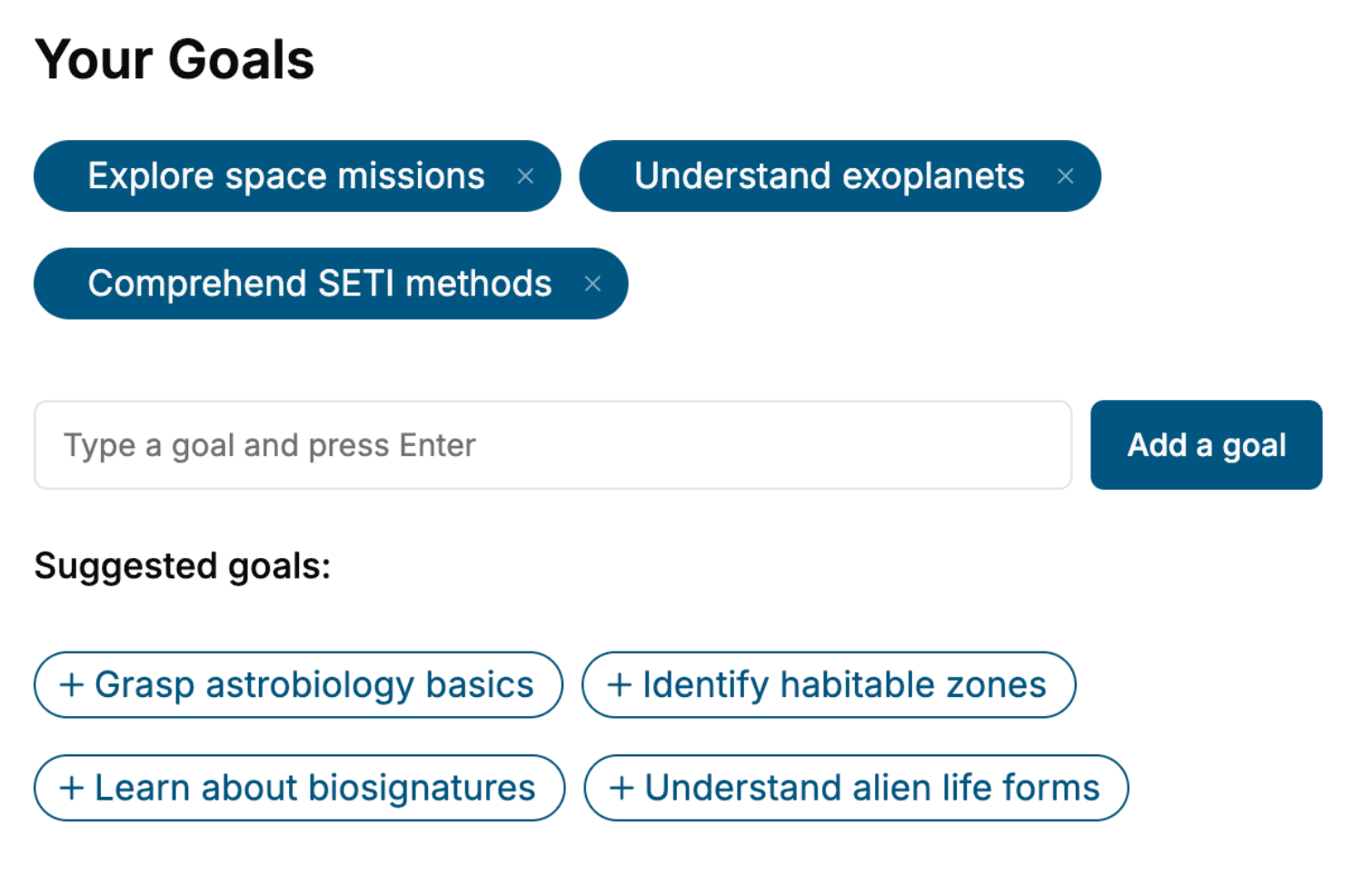
Specify your goals and choose sub-topics to include
- 3. Get your tailored book
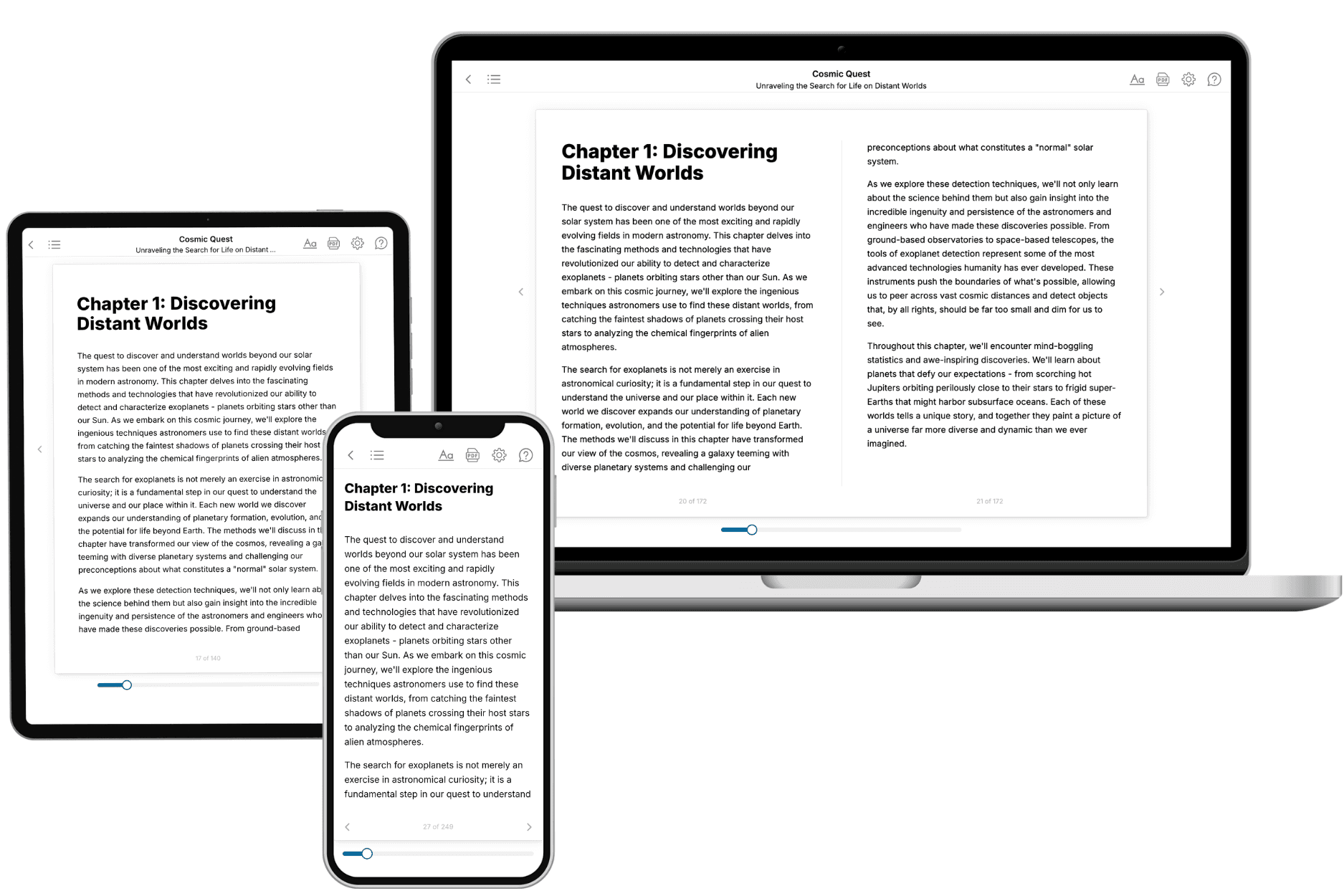
Your book is ready in 10 minutes. Read it online, download as EPUB or PDF, or send to Kindle.

Frequently asked questions
- What is TailoredRead?
TailoredRead creates complete, full-length nonfiction ebooks, written specifically for you. Tell us what you want to learn and why, and TailoredRead writes you a complete ebook on it, with charts, tables, and diagrams throughout. Read it online, on Kindle, or on any e-reader, or download it as a PDF or EPUB. Every book is written fresh the day you order it.
- How is the book tailored to me?
Before anything is written, you answer a few short questions about your goals, your background, and the topics you care about. Your book is then planned around your answers: written at your level, focused on your goals, and covering the topics you chose, instead of the one-size-fits-all book a store sells everyone.
- Will it read like generic AI content?
No. Your book isn't a chat transcript: it's planned chapter by chapter before a single word is written, told in a clear book voice, and explains ideas visually with charts, tables, and diagrams. After writing, every book goes through an editorial pass that polishes chapters so the book reads consistent from start to finish. Judge for yourself: browse thousands of sample books on our Explore Books page.
- How accurate is the content?
Our AI first checks whether your subject needs live research. Niche and fast-moving subjects are researched before writing, and the book plan and chapters are grounded in what it finds. After writing, every book goes through a quality pass that checks its facts and consistency, and researched books list their sources in a Notes section at the back.
- How long is the book?
You choose the length: Comprehensive (250-300 pages), Detailed (150-200 pages), Essential (70-100 pages), or Short (30-50 pages).
- Does the book include visuals?
Yes. Every book includes visual elements such as timelines, checklists, step-by-step guides, decision trees, comparison tables, and matrices, and many include bar charts. A typical book includes dozens of these visual elements.
- Can I read it on Kindle? What formats can I download?
Yes. Every book can be read in our online reader or downloaded as a PDF or EPUB. The EPUB can be opened with Kindle, Apple Books, Kobo, and any e-reader. The Commercial and Author licenses also include an editable Word (DOCX) and Markdown download.
- How much does it cost?
About the price of a regular ebook. The exact price depends on your book's length and complexity, from $2 for the shortest books to $35 for the most comprehensive, and it's shown when you review your book, before you commit to anything. Each book is a one-time purchase, yours to keep, no subscription. Licenses that let you share, teach, or publish your book range from $35.99 to $49.99.
- Can I preview the book before purchasing?
Before you pay, you'll see what your book will cover: the title, a detailed description, the estimated length, and the complete chapter-by-chapter table of contents, so you know what you're getting before you decide. The full text itself is written after you purchase.
- How long does it take to create a book?
About 10 minutes. You can start reading the opening chapters while the rest is still being written.