Flavors of the South
A Culinary Journey Through South Indian Cuisine
Master the art of South Indian cooking and bring the vibrant flavors of the region to your kitchen.
300 pages15 chaptersDec 22, 2024Cooking
About this book
This comprehensive guide takes you on a culinary adventure through the diverse states of South India, unveiling the secrets behind their most beloved dishes. From the crispy dosas of Tamil Nadu to the fragrant biryanis of Hyderabad, you'll learn to create authentic South Indian meals that will impress your family and friends. Discover the perfect balance of spices, the importance of regional ingredients, and the techniques that make South Indian cuisine unique. Whether you're a novice cook or an experienced chef looking to expand your repertoire, this book provides step-by-step instructions, insider tips, and cultural insights that will elevate your cooking skills. Explore the rich tapestry of South Indian flavors and create restaurant-quality dishes in your own home.
Table of contents
- IntroductionThe Rich Tapestry of South Indian Cuisine, Regional Diversity in South Indian Cooking, What to Expect from This Book, Embarking on Your South Indian Culinary JourneyRead below
- Chapter 1: The Essentials of South Indian CookingBuilding Your South Indian Spice Pantry, Key Ingredients in South Indian Cuisine, Essential Equipment for South Indian Cooking, Basic Techniques in South Indian Cooking
- Chapter 2: Rice Dishes: The Heart of South Indian CuisinePerfecting Plain Rice, Tangy Lemon Rice, Flavorful Tamarind Rice, Aromatic Coconut Rice, Comforting Curd Rice
- Chapter 3: Mastering Dosas and UttapamsThe Perfect Dosa Batter, Crispy Plain Dosa, Stuffed Masala Dosa, Instant Rava Dosa, Savory Uttapam Variations
- Chapter 4: Idli and Vada: Steamed and Fried DelightsPreparing Idli Batter, Soft and Fluffy Idlis, Quick Rava Idli, Crispy Medu Vada, Crunchy Dal Vada
- Chapter 5: Chutneys and Podis: Essential AccompanimentsClassic Coconut Chutney, Tangy Tomato Chutney, Refreshing Mint Chutney, Spicy Gun Powder (Milagai Podi), Aromatic Curry Leaf Podi
- Chapter 6: Sambar and Rasam: Comforting Soups and StewsHomemade Sambar Powder, Classic Mixed Vegetable Sambar, Aromatic Rasam Powder, Tangy Tomato Rasam, Warming Pepper Rasam
- Chapter 7: Vegetable Dishes: Colorful and NutritiousKerala-style Avial, Crunchy Vegetable Poriyal, Comforting Vegetable Kootu, Coconut-infused Thoran
- Chapter 8: Curries and Gravies: Rich and FlavorfulCreamy Vegetable Kurma, Tangy Moru Curry (Yogurt Curry), Spicy Chettinad Curry, Kerala Kadala Curry
- Chapter 9: South Indian Breads: Beyond DosaFlaky Kerala Parotta, Lacy Appam, Delicate Neer Dosa, Nutritious Ragi Roti
- Chapter 10: Non-Vegetarian DelicaciesSpicy Chicken Chettinad, Tangy Fish Curry, Dry Mutton Sukka, Flavorful Prawn Masala
- Chapter 11: Biryanis and Pulao: Fragrant Rice DishesClassic Hyderabadi Biryani, Aromatic Vegetable Biryani, Kerala-style Coconut Rice, Tangy Tomato Rice
- Chapter 12: Snacks and Starters: Perfect Tea-Time TreatsCrispy Banana Chips, Crunchy Murukku, Potato Bonda, Vegetable Pakora
- Chapter 13: South Indian Desserts: Sweet EndingsCreamy Payasam Varieties, Saffron-infused Kesari, Rich Mysore Pak, Festive Sweet Pongal
- Chapter 14: Traditional South Indian BeveragesPerfect Filter Coffee, Spiced Masala Chai, Refreshing Spiced Buttermilk, Tender Coconut Water Preparations
- Chapter 15: Meal Planning and Menu IdeasEveryday South Indian Meals, Festive South Indian Menus, South Indian Tiffin Ideas, Creating Balanced South Indian Meals
- ConclusionAchieving South Indian Culinary Mastery, Continuing Your South Indian Culinary Exploration
- Glossary of South Indian Cooking Terms
- Resources for South Indian Ingredients and Equipment
Introduction
Welcome to a culinary journey through the vibrant and diverse world of South Indian cuisine. As you embark on this flavorful adventure, you'll discover a rich tapestry of tastes, aromas, and textures that have been perfected over centuries. South Indian cooking is not just about nourishment; it's a celebration of culture, tradition, and the art of balancing flavors. Whether you're a seasoned cook looking to expand your repertoire or a curious food enthusiast eager to explore new culinary horizons, this book will guide you through the intricacies of South Indian cooking, helping you master authentic recipes and understand the cultural significance behind each dish.
South Indian cuisine is renowned for its bold flavors, innovative use of spices, and emphasis on fresh, local ingredients. It's a cuisine that has evolved over thousands of years, influenced by geography, climate, and historical trade routes. From the coconut-fringed coasts of Kerala to the spice plantations of Karnataka, from the fertile plains of Tamil Nadu to the royal kitchens of Hyderabad, each region has contributed its unique flavors and techniques to create a cuisine that is both diverse and unified in its approach to taste and nutrition.
As you delve deeper into this book, you'll discover that South Indian cooking is an art form that goes beyond mere recipes. It's about understanding the interplay of ingredients, mastering time-honored techniques, and appreciating the cultural context of each dish. You'll learn how the humble rice grain and the versatile lentil form the foundation of countless meals, how the coconut is revered for its versatility, and how the judicious use of spices can transform simple ingredients into extraordinary dishes.
Throughout this culinary exploration, you'll gain insights into the principles that underpin South Indian cooking. You'll learn about the importance of balancing flavors - the interplay of spicy, tangy, sweet, and savory elements that make South Indian dishes so satisfying. You'll discover the role of fermentation in creating iconic dishes like dosas and idlis, and how traditional cooking methods and utensils contribute to the unique taste and texture of South Indian cuisine.
This introduction sets the stage for your South Indian culinary adventure. In the following sections, we'll dive deep into the essential ingredients, techniques, and recipes that form the core of South Indian cooking. By the end of this journey, you'll not only be able to recreate authentic South Indian dishes in your own kitchen but also gain a deeper appreciation for the culture and traditions that have shaped this remarkable cuisine.
The Rich Tapestry of South Indian Cuisine
South Indian cuisine is a vibrant mosaic of flavors, techniques, and traditions that have evolved over millennia. This culinary landscape is as diverse as the regions it encompasses, each with its own unique contributions to the overall tapestry. To truly appreciate the depth and breadth of South Indian cooking, it's essential to understand its historical context and the factors that have shaped its development.
The roots of South Indian cuisine can be traced back to ancient times, with influences from Dravidian culture, Ayurvedic principles, and centuries of trade and cultural exchange. The region's tropical climate and fertile soil have blessed it with an abundance of rice, spices, and vegetables, which form the cornerstone of its cuisine. The extensive coastline has also contributed to a rich tradition of seafood dishes, particularly in states like Kerala and coastal Tamil Nadu.
One of the defining characteristics of South Indian cuisine is its emphasis on vegetarian fare. While non-vegetarian dishes are certainly part of the culinary repertoire, especially in coastal areas and among certain communities, vegetarian dishes hold a place of prominence. This focus on plant-based ingredients has led to an incredible diversity of vegetable preparations, lentil dishes, and rice-based meals that are both nutritious and flavorful.
The use of spices is another hallmark of South Indian cooking. Unlike the heavy, cream-based curries often associated with North Indian cuisine, South Indian dishes typically feature lighter preparations that allow the flavors of individual spices to shine through. Common spices include black pepper, cumin, coriander, fenugreek, and the ubiquitous curry leaves. These are often combined in unique ways to create spice blends that are specific to certain dishes or regions.
Coconut is another ingredient that plays a starring role in South Indian cuisine, particularly in coastal areas. Used in various forms - fresh, grated, as milk, or as oil - coconut adds richness and depth to many dishes. Its versatility is showcased in everything from chutneys and curries to sweets and beverages.
Fermentation is a key technique in South Indian cooking, contributing to both flavor and nutritional value. Dishes like dosa, idli, and appam rely on fermented batters, which not only impart a distinctive tangy taste but also increase the bioavailability of nutrients. This ancient practice of fermentation is a testament to the ingenuity and health-consciousness inherent in South Indian culinary traditions.
The concept of a balanced meal is central to South Indian cuisine. A typical meal often includes a variety of dishes that cover all six tastes recognized in Ayurveda: sweet, sour, salty, bitter, pungent, and astringent. This approach not only creates a satisfying eating experience but is also believed to promote overall health and well-being.
Regional variations add further depth to South Indian cuisine. For instance, Kerala is known for its use of coconut and seafood, while Andhra Pradesh is famous for its fiery spices. Tamil Nadu is renowned for its elaborate vegetarian thalis, and Karnataka offers a unique blend of coastal and inland flavors. Hyderabadi cuisine, with its Mughlai influences, brings rich biryanis and kebabs to the South Indian table.
As you explore South Indian cuisine, you'll also encounter a fascinating array of cooking utensils and techniques. From the distinctive curved bottom of the kadai (wok) to the intricately designed idli steamers, these tools have been perfected over generations to create the unique textures and flavors associated with South Indian cooking.
Understanding the rich tapestry of South Indian cuisine is not just about learning recipes; it's about appreciating a culinary philosophy that has been honed over centuries. It's a philosophy that respects ingredients, balances flavors, and creates dishes that are not only delicious but also nourishing for body and soul. As you delve deeper into the world of South Indian cooking, you'll discover that each dish tells a story - of history, of culture, and of the incredible diversity that makes this cuisine so captivating.
Regional Diversity in South Indian Cooking
The beauty of South Indian cuisine lies in its incredible regional diversity. Each state in South India - Tamil Nadu, Kerala, Karnataka, Andhra Pradesh, and Telangana - boasts its own unique culinary traditions, influenced by local ingredients, historical influences, and cultural practices. This diversity is what makes South Indian cuisine so rich and varied, offering a wide array of flavors, textures, and cooking techniques.
Let's begin our exploration with Tamil Nadu, a state renowned for its elaborate vegetarian cuisine. Tamil cuisine is characterized by its use of tamarind, which imparts a tangy flavor to many dishes. The state is famous for its dosas, idlis, and vadais, as well as its spicy and aromatic Chettinad cuisine. One of the most iconic dishes from Tamil Nadu is the sambar, a lentil-based vegetable stew flavored with tamarind and a special spice blend. The state is also known for its filter coffee, a strong brew served with milk and sugar that has become an integral part of South Indian culture.
Moving west, we encounter the lush, tropical state of Kerala, often referred to as the "Land of Spices." Kerala's cuisine is a reflection of its geography, with coconut, rice, and seafood featuring prominently in many dishes. The use of coconut oil and coconut milk gives Keralan cuisine a distinctive flavor and richness. Some famous dishes include appam (a type of pancake made from fermented rice batter and coconut milk), karimeen pollichathu (pearl spot fish wrapped in banana leaves and grilled), and the elaborate sadhya, a vegetarian feast served on banana leaves during festivals and special occasions.
Karnataka, with its diverse landscape ranging from coastal areas to the Deccan plateau, offers a wide variety of culinary traditions. Coastal Karnataka is known for its seafood dishes and use of coconut, while the inland regions have their own distinctive flavors. The state is famous for its dosas, particularly the crispy Mysore masala dosa. Other notable dishes include bisi bele bath (a spicy rice and lentil dish), ragi mudde (finger millet balls), and the sweet Mysore pak. Karnataka is also home to the unique cuisine of the Kodava people, known for its meat dishes and use of wild, foraged ingredients.
Andhra Pradesh and Telangana, often grouped together due to their shared history, are known for their fiery cuisine. The liberal use of chili peppers in these regions results in some of the spiciest dishes in Indian cuisine. Guntur, a city in Andhra Pradesh, is famous for its chili cultivation and processing. Signature dishes from this region include gongura pachadi (a tangy chutney made from sorrel leaves), pesarattu (a type of dosa made from green gram), and the iconic Hyderabadi biryani, a legacy of the Nizams that ruled the region.
Hyderabadi cuisine, which developed in the kitchens of the Nizam rulers, deserves special mention. It represents a unique blend of South Indian flavors with Mughlai influences, resulting in rich, aromatic dishes. Apart from the famous biryani, Hyderabadi cuisine offers delicacies like haleem (a stew made from lentils and meat), mirchi ka salan (a curry made with green chilies), and double ka meetha (a bread pudding dessert).
The coastal regions of South India, spanning across states, have their own distinctive culinary traditions centered around seafood. From the fish curries of Kerala to the prawn dishes of coastal Andhra, these regions offer a treasure trove of seafood recipes that showcase the bounty of the Arabian Sea and the Bay of Bengal.
It's important to note that within each state, there are further regional variations. For instance, the Chettinad region of Tamil Nadu has its own distinctive cuisine, as does the Mangalorean cuisine of coastal Karnataka. These sub-regional cuisines add even more depth and variety to the South Indian culinary landscape.
Despite these regional differences, there are common threads that run through South Indian cuisine. The use of rice as a staple, the importance of lentils and pulses, the liberal use of coconut, and the art of tempering (tadka) are elements that you'll find across South India. Similarly, certain dishes like dosa, idli, and sambar, while having regional variations, are popular throughout South India.
Understanding these regional diversities is key to appreciating the richness of South Indian cuisine. As you explore the recipes in this book, you'll notice how ingredients and techniques vary from one region to another. This diversity is not just about different flavors; it's a reflection of the varied landscapes, historical influences, and cultural practices that have shaped South Indian cuisine over centuries.
By exploring these regional variations, you'll gain a deeper understanding of South Indian cuisine as a whole. You'll learn how geography influences ingredients, how history shapes culinary traditions, and how cultural practices manifest in cooking techniques and serving styles. This knowledge will not only enhance your cooking skills but also give you a greater appreciation for the cultural significance of each dish you prepare.
What to Expect from This Book
"Flavors of the South: A Culinary Journey Through South Indian Cuisine" is designed to be your comprehensive guide to mastering the art of South Indian cooking. This book goes beyond mere recipe collection; it aims to provide you with a deep understanding of the principles, techniques, and cultural context that make South Indian cuisine so unique and beloved. As you progress through the chapters, you'll find yourself on a culinary journey that will transform your approach to South Indian cooking and elevate your skills in the kitchen.
The book begins with an exploration of the essential ingredients that form the backbone of South Indian cuisine. You'll learn about the various spices, herbs, grains, and vegetables that are commonly used, understanding their flavors, properties, and how to source and store them properly. This foundation will be crucial as you move forward, allowing you to understand the role each ingredient plays in creating the complex flavors of South Indian dishes.
Following this, you'll be introduced to the key techniques and cooking methods that are fundamental to South Indian cooking. From the art of tempering spices to the process of fermenting batters, you'll gain hands-on experience with the techniques that give South Indian dishes their distinctive tastes and textures. These skills will not only help you recreate authentic dishes but also give you the confidence to experiment and create your own variations.
The heart of the book lies in its extensive collection of recipes, carefully curated to represent the diversity of South Indian cuisine. Each recipe is presented with clear, step-by-step instructions, accompanied by tips and variations to help you achieve the best results. You'll find recipes for everyday meals as well as festive dishes, covering everything from simple rice preparations to elaborate biryanis, from quick snacks to indulgent desserts.
One of the unique features of this book is its focus on the cultural and historical context of South Indian cuisine. Throughout the chapters, you'll find insights into the origins of various dishes, the significance of certain ingredients, and the role of food in South Indian festivals and traditions. These cultural notes will deepen your appreciation of the cuisine and help you understand the story behind each dish you prepare.
The book also addresses the practical aspects of incorporating South Indian cooking into your lifestyle. You'll find guidance on meal planning, tips for adapting recipes to dietary restrictions, and advice on creating balanced South Indian meals. There's also a section on how to stock a South Indian pantry, ensuring you have the essential ingredients on hand to whip up authentic dishes at a moment's notice.
For those interested in the health aspects of South Indian cuisine, the book includes information on the nutritional benefits of various ingredients and cooking methods. You'll learn about the principles of Ayurveda that influence South Indian cooking and how these ancient wisdom can be applied to modern dietary needs.
To enhance your learning experience, the book is richly illustrated with photographs that not only showcase the finished dishes but also demonstrate key techniques. These visual aids will be particularly helpful as you navigate some of the more complex recipes or unfamiliar cooking methods.
As you progress through the book, you'll notice that the recipes are arranged in a way that builds your skills progressively. Starting with simpler preparations, you'll gradually move on to more complex dishes, applying the techniques and knowledge you've gained along the way. By the end of the book, you'll have the confidence to tackle even the most elaborate South Indian recipes.
The book concludes with a comprehensive glossary of South Indian cooking terms and a resource guide for sourcing authentic ingredients and equipment. These tools will be invaluable as you continue your exploration of South Indian cuisine beyond the pages of this book.
Whether you're a novice cook taking your first steps into South Indian cuisine or an experienced chef looking to deepen your understanding, "Flavors of the South" offers something for everyone. It's not just a cookbook; it's a culinary companion that will guide you through the vibrant world of South Indian flavors, techniques, and traditions. By the time you reach the final page, you'll have gained not just a collection of recipes, but a holistic understanding of South Indian cuisine that will inspire and inform your cooking for years to come.
Embarking on Your South Indian Culinary Journey
As you stand at the threshold of your South Indian culinary journey, it's important to approach this adventure with an open mind and an eager palate. South Indian cuisine, with its intricate flavors and diverse regional variations, offers a world of culinary possibilities that can seem overwhelming at first. However, with the right mindset and approach, you'll find that mastering this cuisine is not only achievable but also immensely rewarding.
First and foremost, embrace the philosophy of patience and practice. Like any culinary tradition, South Indian cooking has its own rhythm and nuances that take time to understand and perfect. Don't be discouraged if your first attempt at making a crispy dosa or a perfectly balanced sambar doesn't turn out exactly as you hoped. Remember that even the most skilled South Indian cooks have spent years honing their craft. Each attempt is a learning experience, bringing you one step closer to mastery.
As you begin your journey, start with the basics. Familiarize yourself with the essential ingredients and spices used in South Indian cooking. Take the time to understand the flavors and properties of key components like curry leaves, black mustard seeds, and asafoetida. Experiment with these ingredients in simple preparations to understand how they interact and contribute to the overall flavor profile of a dish. This foundation will be invaluable as you progress to more complex recipes.
One of the unique aspects of South Indian cuisine is its emphasis on balancing flavors. As you cook, pay attention to how different tastes - spicy, sour, sweet, bitter, and umami - come together in a dish. Learn to adjust and balance these flavors to suit your palate. This skill of flavor balancing is at the heart of South Indian cooking and will serve you well as you explore more recipes.
Don't be afraid to use all your senses when cooking. South Indian cuisine is as much about texture and aroma as it is about taste. Listen for the splutter of mustard seeds in hot oil, inhale the fragrance of curry leaves, and observe the changing colors of spices as they cook. These sensory cues are often as important as following the recipe and will help you develop an intuitive understanding of the cooking process.
As you gain confidence with basic recipes, challenge yourself to explore regional variations. Try making the same dish with slight alterations based on different regional styles. For example, experiment with different types of dosas or various methods of preparing rice. This exploration will not only expand your repertoire but also deepen your appreciation for the diversity within South Indian cuisine.
Remember that authenticity in cooking is important, but it shouldn't come at the cost of practicality or personal preference. While it's valuable to learn traditional methods, don't hesitate to adapt recipes to suit your lifestyle, dietary needs, or available ingredients. The essence of good cooking lies in understanding the principles behind a dish and being able to apply them creatively.
Engage with the cultural aspects of South Indian cuisine as you cook. Learn about the history behind certain dishes, understand their significance in festivals or daily life, and appreciate the wisdom inherent in traditional cooking methods. This cultural context will enrich your cooking experience and give you a deeper connection to the food you prepare.
Take advantage of technology and community resources as you learn. There are numerous online forums, video tutorials, and cooking communities dedicated to South Indian cuisine. These can be valuable sources of tips, troubleshooting advice, and inspiration. However, always balance this modern approach with the timeless wisdom found in traditional cookbooks and family recipes.
Don't limit your South Indian culinary exploration to your kitchen alone. If possible, visit South Indian restaurants, attend food festivals, or even plan a culinary tour to South India. Experiencing the cuisine in its native context can provide insights and inspiration that are hard to gain from books alone.
As you progress in your journey, consider keeping a cooking journal. Document your experiences, note down successful adaptations, and record your observations. This journal will not only track your progress but also become a valuable personal resource as you develop your own style of South Indian cooking.
Finally, remember that cooking is as much about sharing as it is about preparing food. Invite friends and family to enjoy your South Indian creations. Cooking for others not only motivates you to refine your skills but also allows you to share the rich culinary heritage of South India with your loved ones.
Embarking on this South Indian culinary journey is more than just learning new recipes; it's about embracing a new way of thinking about food, flavors, and cooking techniques. It's an opportunity to connect with a rich cultural tradition through the universal language of food. As you turn the pages of this book and begin to experiment in your kitchen, remember that every great cook was once a beginner. With patience, practice, and passion, you'll soon find yourself creating authentic, delicious South Indian dishes that will delight your senses and nourish your soul.
This is the end of the free sample. The full book has 15 chapters.
Want this book written for you?
Tell us your goals and background, and get your own version of this book, tailored by AI to you.


Benefits of AI-tailored books
- Read one book, not ten:
- all the Cooking knowledge you need, gathered into a single book.
- Save days of learning:
- tell us your goals, choose your topics, and the whole book is built around them.
- Learn effortlessly:
- Cooking book written for your specific background and expertise.
- Understand at a glance:
- includes charts, tables, timelines, checklists, decision trees, and more.
- Stay current:
- written the day you order it, not years ago.
- Trust what you read:
- every book is checked for accuracy, with real research when your subject needs it.
Create your unique book in 3 steps
- 1. Select your focus
Select the focus of your Cooking book and share your background
- 2. Personalize your book
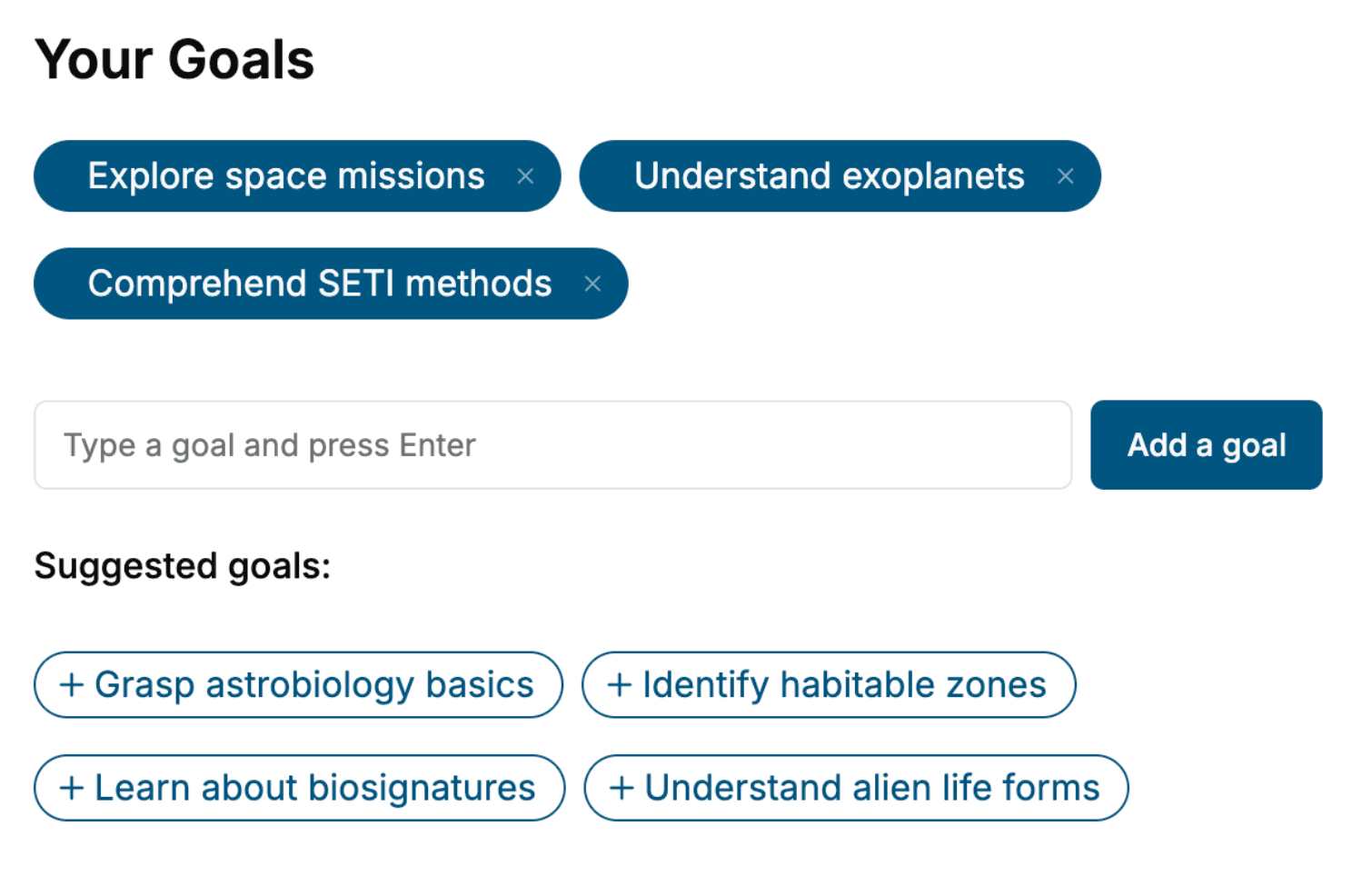
Specify your goals and choose sub-topics to include
- 3. Get your tailored book
Your book is ready in 10 minutes. Read it online, download as EPUB or PDF, or send to Kindle.

Frequently asked questions
- What is TailoredRead?
TailoredRead creates complete, full-length nonfiction ebooks, written specifically for you. Tell us what you want to learn and why, and TailoredRead writes you a complete ebook on it, with charts, tables, and diagrams throughout. Read it online, on Kindle, or on any e-reader, or download it as a PDF or EPUB. Every book is written fresh the day you order it.
- How is the book tailored to me?
Before anything is written, you answer a few short questions about your goals, your background, and the topics you care about. Your book is then planned around your answers: written at your level, focused on your goals, and covering the topics you chose, instead of the one-size-fits-all book a store sells everyone.
- Will it read like generic AI content?
No. Your book isn't a chat transcript: it's planned chapter by chapter before a single word is written, told in a clear book voice, and explains ideas visually with charts, tables, and diagrams. After writing, every book goes through an editorial pass that polishes chapters so the book reads consistent from start to finish. Judge for yourself: browse thousands of sample books on our Explore Books page.
- How accurate is the content?
Our AI first checks whether your subject needs live research. Niche and fast-moving subjects are researched before writing, and the book plan and chapters are grounded in what it finds. After writing, every book goes through a quality pass that checks its facts and consistency, and researched books list their sources in a Notes section at the back.
- How long is the book?
You choose the length: Comprehensive (250-300 pages), Detailed (150-200 pages), Essential (70-100 pages), or Short (30-50 pages).
- Does the book include visuals?
Yes. Every book includes charts, tables, and diagrams: timelines, checklists, step-by-step guides, decision trees, comparison tables, matrices, and bar charts. A typical book includes dozens of these visual elements.
- Can I read it on Kindle? What formats can I download?
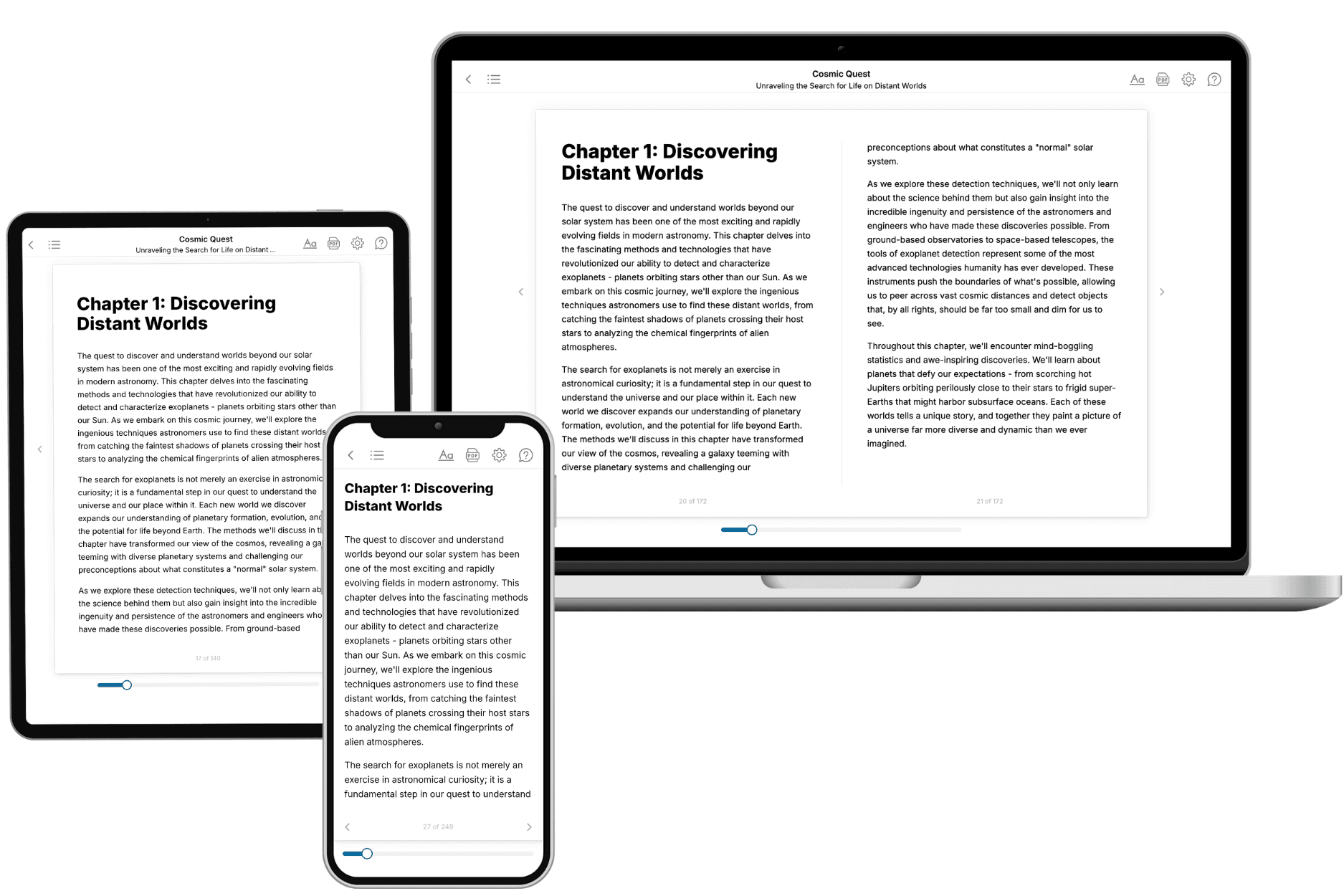
Yes. Every book can be read in our online reader or downloaded as a PDF or EPUB. The EPUB can be opened with Kindle, Apple Books, Kobo, and any e-reader. The Commercial and Author licenses also include an editable Word (DOCX) and Markdown download.
- How much does it cost?
About the price of a regular ebook. The exact price depends on your book's length and complexity, from $2 for the shortest books to $35 for the most comprehensive, and it's shown when you review your book, before you commit to anything. Each book is a one-time purchase, yours to keep, no subscription. Licenses that let you share, teach, or publish your book range from $35.99 to $49.99.
- Can I preview the book before purchasing?
Before you pay, you'll see what your book will cover: the title, a detailed description, the estimated length, and the complete chapter-by-chapter table of contents, so you know what you're getting before you decide. The full text itself is written after you purchase.
- How long does it take to create a book?
About 10 minutes. You can start reading the opening chapters while the rest is still being written.