Floating Markets of Thailand
Your Complete Guide to Experiencing Thailand's Most Enchanting Waterway Bazaars
Imagine gliding through narrow waterways lined with wooden boats overflowing with vibrant produce, aromatic street food, and handcrafted goods—all while connecting with vendors who've operated their family businesses for generations.
191 pages9 chaptersDec 2, 2025Thailand Travel Guide
About this book
Thailand's floating markets offer an unparalleled window into authentic local life, where commerce, culture, and community converge on the water. This guide takes you beyond the well-trodden tourist paths to discover what makes each market unique, from the bustling Damnoen Saduak to hidden gems known primarily to locals. You'll learn how to navigate these waterways respectfully, time your visits for optimal experiences, sample authentic regional cuisine, and engage meaningfully with the communities that call these markets home. Whether you're a first-time visitor or returning traveler, this comprehensive resource provides practical strategies for planning, cultural insights for deeper understanding, and insider tips for creating unforgettable memories while supporting the preservation of these remarkable traditions.
Table of contents
- IntroductionWhy Floating Markets Matter, What to Expect from This Guide, How to Use This BookRead below
- Chapter 1: History and Cultural SignificanceThailand's Ancient Waterway Commerce, How Floating Markets Evolved, Floating Markets as Cultural Identity
- Chapter 2: The Major Floating MarketsDamnoen Saduak: The Most Famous Market, Amphawa: The Local Favorite, Taling Chan: The Accessible Option, Other Notable Markets Worth Visiting
- Chapter 3: Hidden Gems and Local MarketsLesser-Known Markets Beyond the Tourist Trail, Seasonal and Specialty Markets, How to Find Authentic Local Markets
- Chapter 4: Planning Your VisitBest Times to Visit, Getting There: Transportation Options, What to Bring and Wear, Budget Planning and Costs
- Chapter 5: Navigation and Cultural EtiquetteBoat Safety and Navigation Tips, Respectful Behavior and Local Customs, Photography Ethics and Permissions
- Chapter 6: The Culinary ExperienceMust-Try Street Foods and Dishes, Food Safety and Hygiene Considerations, Regional Specialties by Market, Dining Etiquette and Ordering Tips
- Chapter 7: Shopping and BargainingWhat to Buy: Products and Souvenirs, Bargaining Tactics and Fair Pricing, Supporting Local Vendors Ethically
- Chapter 8: Practical Logistics and SafetyHealth and Safety Precautions, Managing Money and Valuables, Weather, Seasons, and Water Conditions
- Chapter 9: Sample ItinerariesDay Trip Itineraries from Bangkok, Multi-Day Market Exploration Routes, Themed Experiences: Food, Culture, and Photography
- ConclusionThe Lasting Impact of Your Visit, Preserving Floating Markets for the Future
- Resources and Further ReadingUseful Contacts and Information, Recommended Reading and References, Glossary of Thai Terms
Introduction
Picture yourself in the early morning light, sitting in a traditional wooden longtail boat as it glides through narrow canals lined with vendors selling everything from steaming bowls of noodle soup to hand-woven baskets. The air fills with the aroma of grilled satay, fresh tropical fruits, and fragrant jasmine. Around you, local vendors in wide-brimmed hats paddle their boats with practiced ease, calling out greetings and offering samples of their wares. This is the magic of Thailand's floating markets—a living tradition that has survived centuries of change and continues to offer one of the most authentic cultural experiences available to travelers today.
Thailand's floating markets represent far more than picturesque photo opportunities or convenient shopping destinations. They are vibrant communities where commerce, culture, and daily life converge on the water, just as they have for generations. These markets emerged from practical necessity in a landscape dominated by rivers and canals, where waterways served as the primary transportation network long before modern roads connected communities. Today, they stand as remarkable examples of cultural continuity, adapting to modern tourism while maintaining their essential character and serving local communities. Understanding this dual nature—as both working markets and cultural treasures—is essential for any visitor seeking meaningful experiences beyond superficial tourism.
The floating markets you'll encounter range from large, well-known destinations that attract thousands of visitors daily to small, intimate gatherings known primarily to locals. Each market has developed its own personality, specialties, and rhythms shaped by geography, community traditions, and the balance between serving locals and welcoming visitors. Some markets operate at dawn, when vendors arrive with produce fresh from nearby farms and orchards. Others come alive in the evening, transforming into floating restaurants where families gather for dinner. This diversity means that your experience can vary dramatically depending on which markets you visit, when you arrive, and how you approach your exploration. The choices you make will determine whether you encounter authentic local life or navigate through crowds of tour groups following identical itineraries.
Why Floating Markets Matter
Floating markets serve as living museums of Thai culture, preserving traditions that stretch back centuries while adapting to contemporary realities. Unlike static historical sites or reconstructed cultural villages, these markets function as genuine commercial and social spaces where real transactions occur, relationships form, and community life unfolds. When you purchase fruit from a vendor who has occupied the same spot for decades, or watch a grandmother teach her granddaughter to paddle their family boat, you're witnessing cultural transmission in action. These moments of continuity matter profoundly in a rapidly modernizing Thailand, where traditional ways of life face constant pressure from urbanization, digital commerce, and changing consumer preferences.
The architectural and logistical ingenuity of floating markets reflects centuries of adaptation to Thailand's unique geography. The central plains and delta regions experience seasonal flooding that once made permanent structures impractical and waterways the most reliable transportation routes. Communities developed sophisticated systems for conducting commerce entirely on water, creating mobile marketplaces that could adjust to changing water levels and seasonal conditions. This innovation extended beyond simple boat-to-boat transactions to include floating kitchens, storage systems, and even temporary mooring arrangements that transformed chaotic waterways into organized commercial spaces. Understanding this practical foundation helps you appreciate the markets as solutions to real challenges, not merely quaint traditions maintained for tourist appeal.
From an economic perspective, floating markets provide crucial income for rural communities and small-scale producers who might otherwise struggle to reach customers. Many vendors are farmers, fishers, or artisans who bring their products directly to market, eliminating middlemen and retaining more profit from their labor. For agricultural communities surrounding Bangkok and other urban centers, these markets offer access to customers willing to pay fair prices for fresh, quality products. The economic ecosystem extends beyond the vendors themselves to include boat operators, food preparers, craftspeople, and service providers who depend on market activity for their livelihoods. Your spending at these markets directly supports these interconnected local economies in ways that purchases at conventional stores or tourist shops cannot match.
The cultural significance of floating markets extends into Thai identity and collective memory. For many Thai people, especially those from central and southern regions, floating markets evoke nostalgia for a time when life moved at a slower pace and communities maintained stronger connections to waterways and agricultural cycles. Even urban Thais who have never lived near canals often regard floating markets as emblematic of traditional Thai life, representing values of community, resourcefulness, and harmony with natural environments. This symbolic importance means that preserving floating markets matters not just for tourism or economics, but for maintaining cultural continuity and providing tangible connections to heritage. When markets disappear or become completely commercialized, something irreplaceable is lost from Thailand's cultural landscape.
Environmental considerations add another dimension to why floating markets matter in contemporary Thailand. Traditional markets operated with minimal environmental impact, using human-powered boats, biodegradable packaging materials, and local products that required little transportation. Modern pressures have introduced motorized boats, plastic packaging, and pollution challenges, but many markets are working to balance accessibility with sustainability. Some communities have implemented waste management systems, restricted motorized traffic during peak hours, or promoted traditional practices that reduce environmental harm. By choosing to visit markets that prioritize sustainability and supporting vendors who use traditional methods, you participate in efforts to preserve not just cultural traditions but also the waterway ecosystems that make these markets possible.
The educational value of floating markets cannot be overstated for visitors seeking to understand Thailand beyond resort areas and urban centers. These markets offer immersive lessons in Thai agriculture, cuisine, craftsmanship, social customs, and economic systems that no guidebook or museum can fully convey. You'll observe how different generations interact, how business negotiations unfold, how food is prepared using traditional techniques, and how communities organize themselves around shared waterways. These observations provide context for understanding broader aspects of Thai culture, from the importance of water in daily life to the social dynamics that shape community relationships. The knowledge you gain enhances every subsequent experience in Thailand, helping you recognize patterns, appreciate nuances, and engage more meaningfully with people and places throughout your travels.
Finally, floating markets matter because they represent a form of tourism that can be mutually beneficial when approached thoughtfully. Unlike attractions that exist solely for visitors, these markets serve local communities first, with tourism providing supplementary income rather than the primary purpose. This arrangement creates opportunities for authentic cultural exchange where visitors and locals interact as participants in a shared space rather than as performers and audience. However, this potential for positive interaction depends entirely on how visitors behave, what they expect, and whether they approach markets with respect for their primary function as community spaces. Understanding why these markets matter—culturally, economically, environmentally, and socially—provides the foundation for visiting them in ways that support rather than undermine their continued vitality.
What to Expect from This Guide
This guide provides comprehensive, practical information for experiencing Thailand's floating markets authentically and responsibly. Rather than offering superficial descriptions or generic travel advice, each chapter delivers specific strategies, detailed insights, and actionable recommendations based on the realities of visiting these unique destinations. You'll find information organized to support actual trip planning, from selecting which markets to visit based on your interests and schedule, to navigating transportation options, to understanding cultural protocols that affect your interactions with vendors and communities. The goal is to equip you with knowledge that transforms floating market visits from brief tourist stops into meaningful cultural experiences that benefit both you and the communities you visit.
The historical and cultural context provided throughout this guide serves a practical purpose: helping you recognize what makes each market distinctive and understand the significance of what you're observing. Chapter 1 explores how Thailand's waterway commerce developed over centuries, why certain regions became market centers, and how these traditions have adapted to modern pressures. This background enables you to distinguish between authentic practices and performances staged for tourists, appreciate the skill involved in traditional market operations, and engage with vendors in ways that acknowledge their expertise and heritage. Cultural understanding isn't merely academic—it directly affects the quality of your experiences and your ability to interact respectfully with market communities.
Detailed profiles of major and lesser-known markets form the core of this guide's practical value. Chapters 2 and 3 examine specific markets with attention to their unique characteristics, optimal visiting times, accessibility, and what distinguishes each from others. You'll learn which markets cater primarily to tourists versus those that serve local communities, which specialize in particular products or foods, and how factors like location, size, and operating hours affect the experience. These profiles include specific information about:
- Transportation options and travel times from Bangkok and other starting points
- Peak and off-peak visiting hours and their impact on crowds and authenticity
- Signature foods, products, and experiences unique to each market
- Accessibility considerations including physical challenges and language barriers
- Approximate costs for boat rides, meals, and typical purchases
- Nearby attractions and opportunities to extend your visit
Planning chapters provide step-by-step guidance for organizing your floating market visits, addressing practical concerns that significantly impact your experience. Chapter 4 covers timing considerations including seasonal variations, weather patterns, and how water levels affect market operations throughout the year. You'll find detailed information about transportation options ranging from organized tours to independent travel via public buses, trains, and hired vehicles, with honest assessments of the tradeoffs involved in each approach. The guide addresses what to bring and wear for comfort and cultural appropriateness, how to budget for different types of market experiences, and how to structure your day to maximize enjoyment while minimizing stress and discomfort.
Cultural etiquette and navigation guidance in Chapter 5 addresses the behavioral expectations and practical skills that determine whether your visit proceeds smoothly or becomes frustrating for you and disruptive for others. You'll learn boat safety basics, how to board and disembark without capsizing, and how to navigate crowded waterways respectfully. The chapter provides specific guidance on photography ethics, including when and how to ask permission, which situations to avoid photographing, and how to balance your desire for images with vendors' privacy and dignity. Understanding these protocols prevents uncomfortable situations, demonstrates respect for local customs, and often results in more willing subjects and better photographs when you approach people appropriately.
The culinary chapters offer more than lists of dishes to try—they provide context for understanding Thai food culture, guidance for navigating food safety concerns, and strategies for ordering and eating in market settings where English may be limited and menus nonexistent. Chapter 6 identifies signature dishes at different markets, explains regional variations in Thai cuisine, and offers practical advice for communicating dietary restrictions or preferences. You'll learn to recognize quality and freshness indicators, understand appropriate portion sizes and pricing, and navigate the social aspects of eating in communal market settings. This information transforms meals from risky experiments into confident explorations of authentic Thai cuisine.
Shopping guidance in Chapter 7 addresses the complex dynamics of bargaining, fair pricing, and ethical purchasing in market environments. Rather than providing rigid bargaining formulas, the chapter explains how pricing works in different contexts, when bargaining is appropriate versus when it's insulting, and how to negotiate respectfully while ensuring vendors receive fair compensation. You'll learn to identify quality in common market products, distinguish between locally made items and mass-produced imports, and make purchasing decisions that support traditional crafts and sustainable practices. The goal is to help you shop confidently while contributing positively to local economies and encouraging the continuation of traditional production methods.
Practical logistics and safety information in Chapter 8 addresses health precautions, money management, and environmental considerations that affect your comfort and security. You'll find specific guidance on preventing common travel health issues, managing valuables in crowded boat environments, and responding to weather changes or unexpected situations. The chapter provides realistic assessments of risks without exaggerating dangers, helping you take appropriate precautions without excessive anxiety. This balanced approach enables you to focus on enjoying your experiences rather than worrying about unlikely scenarios while still being prepared for situations that commonly affect travelers.
Sample itineraries in Chapter 9 demonstrate how to combine the guide's information into coherent plans for different types of visits, from brief day trips to extended explorations of multiple markets. These itineraries aren't rigid schedules to follow exactly, but rather models showing how to sequence activities, allocate time, and combine markets with complementary attractions. You'll find options for different interests—culinary focus, photography emphasis, cultural immersion, or family-friendly experiences—and different time constraints. The itineraries include realistic timing, transportation connections, and contingency suggestions for when plans need adjustment. Use them as starting points for creating personalized plans that match your specific interests, physical capabilities, and travel style.
How to Use This Book
This guide is designed for flexible use depending on your planning style, timeline, and specific needs. If you're beginning to plan a Thailand trip and want to understand whether floating markets should be priorities, start with this introduction and Chapter 1 to grasp their cultural significance and what makes them distinctive. Then review the market profiles in Chapters 2 and 3 to identify which markets align with your interests and itinerary. This approach helps you make informed decisions about whether to allocate time for floating markets and which ones deserve priority given your limited vacation days. Some travelers discover that floating markets become central to their Thailand experience, while others decide that one carefully chosen market visit provides sufficient exposure to this aspect of Thai culture.
For travelers who have already decided to visit floating markets but need help with logistics and planning, focus on Chapters 4, 5, and 8, which address practical concerns about timing, transportation, cultural protocols, and safety. These chapters answer the specific questions that arise when converting general interest into concrete plans: How do I get there? What time should I arrive? What should I bring? How much will it cost? What behaviors are expected? Reading these chapters before your visit prevents common mistakes, reduces stress, and helps you pack appropriately. Many travelers find it useful to review relevant sections immediately before their market visits, using the guide as a reference for last-minute questions about etiquette, navigation, or what to expect.
If your primary interest centers on food, Chapter 6 deserves careful attention along with the culinary information embedded in market profiles throughout Chapters 2 and 3. This combined approach provides both general guidance about Thai market cuisine and specific recommendations for signature dishes at individual markets. Consider marking or noting dishes that particularly interest you, then cross-reference them with market profiles to determine which markets offer the best opportunities for your culinary priorities. Food-focused travelers often benefit from visiting multiple markets to compare regional variations and specialties, using the guide's information to create a progressive culinary exploration rather than treating all markets as interchangeable.
Photography enthusiasts should pay particular attention to the photography ethics section in Chapter 5, combined with the timing and lighting information in market profiles and planning chapters. The guide provides specific guidance about when markets offer the best light, which locations provide compelling compositions, and how to photograph respectfully in ways that don't disrupt market operations or violate vendors' privacy. Understanding these considerations before you arrive helps you capture compelling images while maintaining positive relationships with the people you photograph. The most successful market photography typically comes from visitors who spend time building rapport with vendors before raising cameras, asking permission explicitly, and sometimes returning to share prints or digital images with their subjects.
Budget-conscious travelers will find cost information distributed throughout the guide, from transportation expenses in Chapter 4 to food pricing in Chapter 6 to shopping guidance in Chapter 7. To develop a comprehensive budget for your floating market experiences, review these sections together and note the ranges provided for different types of expenses. The guide distinguishes between unavoidable costs like transportation and discretionary spending on food, souvenirs, and optional activities, helping you identify where you can economize without significantly diminishing your experience. Budget planning for floating markets differs from other travel expenses because much depends on your choices about tours versus independent travel, how much you eat and purchase, and whether you visit multiple markets or focus on one or two.
Families traveling with children should review accessibility and practical considerations throughout the guide, particularly in market profiles and the planning chapters. Floating markets present specific challenges for families, including boat safety with young children, limited restroom facilities, heat and sun exposure, and the physical demands of navigating crowded waterways. The guide identifies which markets are most family-friendly, what time of day works best for visits with children, and what preparations make the experience more manageable. Some markets are genuinely difficult with small children, while others can be wonderful family experiences with appropriate planning and realistic expectations about duration and activities.
Solo travelers and those seeking authentic cultural immersion rather than organized tour experiences should focus on the sections about lesser-known markets in Chapter 3, independent transportation options in Chapter 4, and cultural etiquette in Chapter 5. These sections provide the information needed to visit markets confidently without tour group support, including how to communicate with limited Thai language skills, how to navigate independently, and how to create opportunities for meaningful interactions with vendors and local visitors. Solo travel to floating markets requires more initiative and flexibility than joining organized tours, but often results in more authentic experiences and greater satisfaction for travelers who value independence and cultural engagement.
The guide includes specific markers to help you quickly locate different types of information:
- Practical tips appear throughout in clearly marked sections, providing actionable advice for specific situations
- Cultural insights explain the significance and context behind practices you'll observe
- Timing recommendations specify optimal hours, seasons, or conditions for particular activities
- Cost estimates provide realistic ranges for budgeting different aspects of your visit
- Safety considerations highlight potential risks and appropriate precautions
- Accessibility notes address physical challenges and limitations at specific markets
As you use this guide, remember that floating markets are dynamic environments that change seasonally, respond to weather conditions, and evolve over time as communities adapt to new circumstances. The information provided reflects current conditions and long-standing patterns, but specific details like operating hours, transportation routes, or vendor offerings may shift. Use the guide's information as a foundation for planning while remaining flexible and open to adjusting your plans based on current conditions, local advice, and your own observations. The most successful floating market visits typically combine advance preparation with willingness to deviate from plans when unexpected opportunities or challenges arise.
Finally, approach this guide as a resource for enhancing your experiences rather than a script to follow rigidly. The goal isn't to visit every market mentioned or try every dish recommended, but rather to make informed choices about how to spend your limited time in ways that align with your interests, values, and travel style. Some travelers will use the guide to plan efficient, comprehensive market tours hitting multiple destinations. Others will select one or two markets for leisurely, in-depth exploration. Both approaches can yield rich, memorable experiences when guided by understanding of what makes these markets significant and how to engage with them respectfully. Your best floating market experiences will come from combining the guide's information with your own curiosity, cultural sensitivity, and willingness to embrace the unexpected moments that make travel transformative.
This is the end of the free sample. The full book has 9 chapters.
Want this book written for you?
Tell us your goals and background, and get your own version of this book, tailored by AI to you.


Benefits of AI-tailored books
- Read one book, not ten:
- all the Thailand Travel Guide knowledge you need, gathered into a single book.
- Save days of learning:
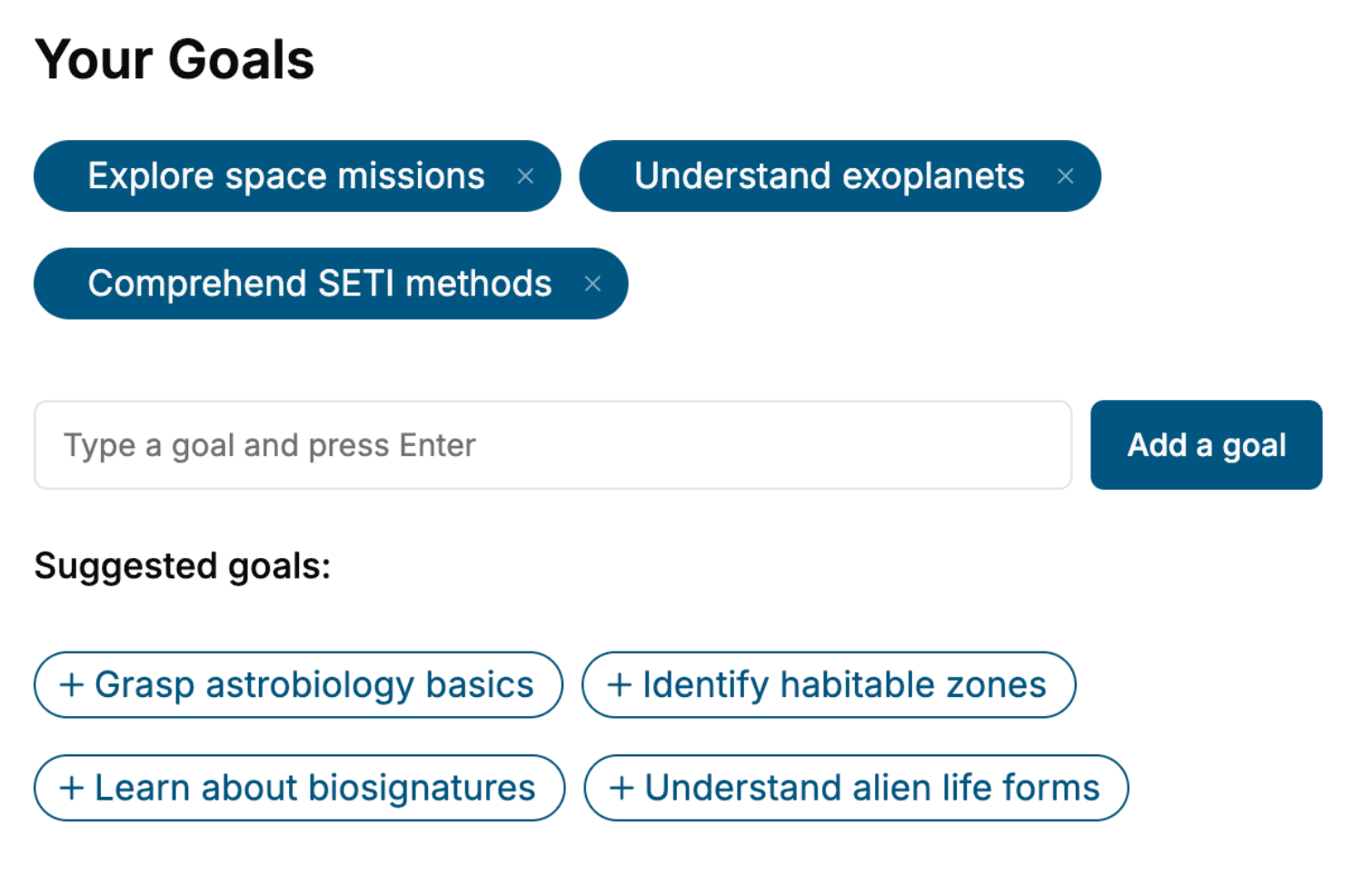
- tell us your goals, choose your topics, and the whole book is built around them.
- Learn effortlessly:
- Thailand Travel Guide book written for your specific background and expertise.
- Understand at a glance:
- includes charts, tables, timelines, checklists, decision trees, and more.
- Stay current:
- written the day you order it, not years ago.
- Trust what you read:
- every book is checked for accuracy, with real research when your subject needs it.
Create your unique book in 3 steps
- 1. Select your focus
Select the focus of your Thailand Travel Guide book and share your background
- 2. Personalize your book
Specify your goals and choose sub-topics to include
- 3. Get your tailored book
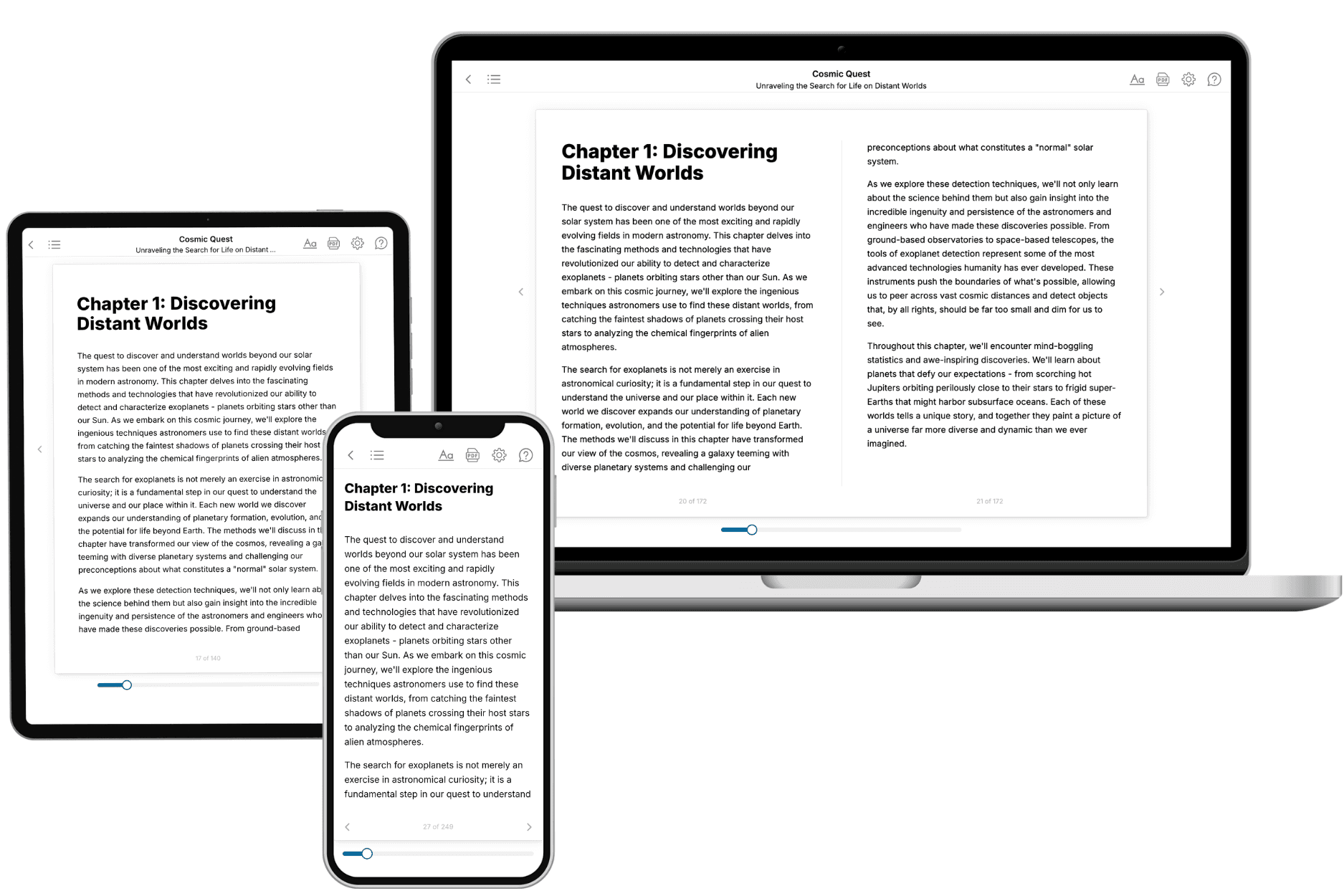
Your book is ready in 10 minutes. Read it online, download as EPUB or PDF, or send to Kindle.

Frequently asked questions
- What is TailoredRead?
TailoredRead creates complete, full-length nonfiction ebooks, written specifically for you. Tell us what you want to learn and why, and TailoredRead writes you a complete ebook on it, with charts, tables, and diagrams throughout. Read it online, on Kindle, or on any e-reader, or download it as a PDF or EPUB. Every book is written fresh the day you order it.
- How is the book tailored to me?
Before anything is written, you answer a few short questions about your goals, your background, and the topics you care about. Your book is then planned around your answers: written at your level, focused on your goals, and covering the topics you chose, instead of the one-size-fits-all book a store sells everyone.
- Will it read like generic AI content?
No. Your book isn't a chat transcript: it's planned chapter by chapter before a single word is written, told in a clear book voice, and explains ideas visually with charts, tables, and diagrams. After writing, every book goes through an editorial pass that polishes chapters so the book reads consistent from start to finish. Judge for yourself: browse thousands of sample books on our Explore Books page.
- How accurate is the content?
Our AI first checks whether your subject needs live research. Niche and fast-moving subjects are researched before writing, and the book plan and chapters are grounded in what it finds. After writing, every book goes through a quality pass that checks its facts and consistency, and researched books list their sources in a Notes section at the back.
- How long is the book?
You choose the length: Comprehensive (250-300 pages), Detailed (150-200 pages), Essential (70-100 pages), or Short (30-50 pages).
- Does the book include visuals?
Yes. Every book includes visual elements such as timelines, checklists, step-by-step guides, decision trees, comparison tables, and matrices, and many include bar charts. A typical book includes dozens of these visual elements.
- Can I read it on Kindle? What formats can I download?
Yes. Every book can be read in our online reader or downloaded as a PDF or EPUB. The EPUB can be opened with Kindle, Apple Books, Kobo, and any e-reader. The Commercial and Author licenses also include an editable Word (DOCX) and Markdown download.
- How much does it cost?
About the price of a regular ebook. The exact price depends on your book's length and complexity, from $2 for the shortest books to $35 for the most comprehensive, and it's shown when you review your book, before you commit to anything. Each book is a one-time purchase, yours to keep, no subscription. Licenses that let you share, teach, or publish your book range from $35.99 to $49.99.
- Can I preview the book before purchasing?
Before you pay, you'll see what your book will cover: the title, a detailed description, the estimated length, and the complete chapter-by-chapter table of contents, so you know what you're getting before you decide. The full text itself is written after you purchase.
- How long does it take to create a book?
About 10 minutes. You can start reading the opening chapters while the rest is still being written.