The Free-to-Play Mobile Game Playbook
Master the Economics, Design, and Strategy Behind Mobile Gaming's Most Profitable Model
Discover how free-to-play mobile games generate billions in revenue while remaining accessible to everyone.
176 pages9 chaptersApr 23, 2026Mobile Gaming
About this book
This guide walks you through the intricate systems that power your favorite games—from the psychology behind reward mechanics to the business strategies that keep developers profitable. You'll learn why certain games feel addictive, how monetization systems actually work, and what separates ethical design from exploitative practices. Whether you're a casual player curious about game economics or someone who wants to understand the forces shaping your gaming experience, this book reveals the hidden architecture behind free-to-play games. Gain practical insights into spending patterns, progression systems, and community dynamics. By the end, you'll play with greater awareness, make smarter spending decisions, and appreciate the sophisticated design that goes into creating engaging mobile experiences.
Table of contents
- IntroductionWhy Free-to-Play Dominates Mobile Gaming, What You'll Learn in This Book, How to Use This GuideRead below
- Chapter 1: The Free-to-Play RevolutionFrom Premium Games to Free-to-Play, Why the Free-to-Play Model Works, How Free-to-Play Became Market Dominant
- Chapter 2: Understanding Monetization ModelsThe Five Primary Revenue Streams, Cosmetics vs. Pay-to-Win: The Critical Distinction, Pricing Psychology and Price Points
- Chapter 3: Gacha Systems and Randomized RewardsHow Gacha Mechanics Function, Understanding Drop Rates and Probability, Pity Systems and Guaranteed Rewards
- Chapter 4: Progression Systems and Engagement LoopsHow Progression Systems Keep You Playing, Daily and Weekly Engagement Mechanics, Battle Passes: The Modern Monetization Engine
- Chapter 5: The Psychology of Game DesignVariable Reward Schedules and Addiction, Fear of Missing Out (FOMO) as a Design Tool, Social Pressure and Community Dynamics
- Chapter 6: The Whale EconomyWho Are Whales and Why They Matter, Understanding Spending Patterns and Segments, VIP Systems and Whale Retention
- Chapter 7: Data Analytics and Game OptimizationKey Metrics Developers Track, A/B Testing and Continuous Optimization, Personalization and Dynamic Difficulty
- Chapter 8: Ethical vs. Exploitative DesignRed Flags of Exploitative Monetization, Hallmarks of Ethical Free-to-Play Design, Regulations and Industry Standards
- Chapter 9: Playing Responsibly and Setting BoundariesTracking Your Spending and Awareness, Setting Personal Spending Limits, Building Healthy Gaming Habits
- ConclusionKey Takeaways for Informed Players, The Future of Free-to-Play Gaming
Introduction
Somewhere right now, millions of people are tapping their phone screens, spinning virtual wheels, opening digital loot boxes, and watching progress bars inch toward the next reward. They are playing free-to-play mobile games, and most of them paid nothing to start. Yet the companies behind these games are generating billions of dollars every single year. In 2023, mobile gaming revenue surpassed $90 billion globally, with free-to-play titles accounting for the overwhelming majority of that figure.[1] That gap between "free to download" and "billions in revenue" is not an accident. It is the result of extraordinarily deliberate design.
If you have ever wondered why you kept playing a game long past the point you intended to stop, or why a limited-time offer felt genuinely urgent, or why spending a few dollars on virtual currency seemed completely reasonable in the moment, you have already experienced these systems working exactly as intended. Free-to-play games are built on a foundation of behavioral psychology, economic strategy, and data science. The people designing them are not just game developers. They are also, in a very real sense, architects of human behavior.
This book is not here to tell you that free-to-play games are bad, or that enjoying them makes you a victim. The opposite is true. Many free-to-play games are genuinely excellent, creative, and entertaining. They have made gaming accessible to billions of people who could never afford a $60 console title. The goal here is something more useful than criticism: it is understanding. When you understand how these systems work, you stop being a passive participant and start being an informed one. You can enjoy the experience more fully, spend more intentionally, and recognize the difference between design that respects you and design that exploits you.
Throughout these pages, you will find a mix of business analysis, design theory, psychology, and practical guidance. Each chapter builds on the last, moving from the broad history of the free-to-play model all the way down to the specific mechanics that influence your daily gaming decisions. Whether you play casually for ten minutes a day or invest serious time and money into your favorite titles, the insights here apply directly to your experience. The goal is not to make you cynical about games you love. It is to give you a clearer picture of the world you are already playing in.
Why Free-to-Play Dominates Mobile Gaming
The dominance of free-to-play on mobile is not a coincidence. It is the natural result of how people interact with their phones. Unlike a gaming console or a PC, a smartphone is always in your pocket. The barrier to trying a new game is essentially zero. You see an ad, you tap download, and within minutes you are playing. No credit card required, no commitment, no risk. That frictionless entry point changes everything about how games are discovered, adopted, and retained.
Compare this to the traditional model. Before free-to-play became dominant, buying a game meant paying upfront, often $40 to $60, before you had played a single minute. That price tag created a significant psychological barrier. Consumers were cautious, reviews mattered enormously, and word-of-mouth was slow. Free-to-play eliminated that barrier entirely. The cost of trying a game dropped to zero, which meant the potential audience expanded to virtually everyone with a smartphone. Today, there are over 3.6 billion mobile gamers worldwide.[2]
The economics of this model are also deeply favorable for developers. Instead of earning a one-time payment from each player, a free-to-play game can generate revenue from the same player repeatedly over months or even years. A player who spends $5 a month for two years is worth far more than a player who paid $30 once. This shift from transactional to ongoing revenue fundamentally changed how game studios think about design, retention, and player relationships.
Mobile hardware also played a critical role. As smartphones became more powerful, the quality gap between mobile games and console games narrowed significantly. Games like Genshin Impact, PUBG Mobile, and Clash of Clans demonstrated that mobile titles could offer deep, engaging experiences that rivaled dedicated gaming platforms. This quality improvement, combined with the free-to-play model, created a perfect storm for market growth.
There is also a social dimension that accelerated free-to-play's rise. Because everyone can download the same game for free, entire friend groups, families, and communities can play together without anyone being excluded by cost. Social features like guilds, co-op missions, and competitive leaderboards become far more powerful when the player base is massive and diverse. Free-to-play games thrive on network effects: the more people play, the more valuable the experience becomes for everyone.
Finally, the app store ecosystem itself was built around free-to-play. Both the Apple App Store and Google Play Store prominently feature free games, and their in-app purchase infrastructure made it technically simple for developers to implement monetization. The platforms and the business model grew up together, reinforcing each other in ways that made free-to-play the default rather than the exception.
By the numbers: As of 2023, approximately 98% of the top-grossing mobile games use the free-to-play model. The remaining 2% are premium titles that typically rely on brand recognition or niche audiences to justify an upfront price.[3]
Understanding why free-to-play dominates is the first step toward understanding everything else in this book. The model did not win because it is inherently manipulative or because players are naive. It won because it genuinely lowered barriers, expanded access, and created new kinds of gaming experiences. The complexity, and the tension, comes from what happens after you download the game for free.
What You'll Learn in This Book
This book covers the full landscape of free-to-play mobile gaming, from the big-picture economics down to the specific psychological triggers built into individual game mechanics. Each chapter focuses on a distinct layer of the system, and together they form a complete picture of how these games are designed, monetized, and optimized. Here is a brief map of what lies ahead.
Chapter 1: The Free-to-Play Revolution traces the history of how gaming shifted from premium, upfront-cost titles to the free-to-play model that dominates today. You will see how early experiments in browser games and Asian markets laid the groundwork for what became a global industry transformation. Understanding this history helps explain why certain design conventions exist and why they became so widespread so quickly.
Chapter 2: Understanding Monetization Models breaks down the five primary ways free-to-play games generate revenue. From in-app purchases and advertising to subscription models and battle passes, each revenue stream has its own logic and its own relationship with the player. This chapter also tackles one of the most important distinctions in the industry: the difference between cosmetic monetization and pay-to-win mechanics.
Chapter 3: Gacha Systems and Randomized Rewards dives into one of the most discussed and debated mechanics in mobile gaming. Gacha systems, which involve spending currency for randomized rewards, are enormously profitable and deeply controversial. You will learn how they work mechanically, how to read drop rates, and what pity systems actually guarantee. This chapter gives you the tools to evaluate any gacha system you encounter.
Chapters 4 and 5 work together to explain the design and psychology behind engagement. Chapter 4 covers progression systems, daily login rewards, and battle passes, showing how games are structured to keep you coming back. Chapter 5 goes deeper into the psychological principles at work, including variable reward schedules, fear of missing out (FOMO), and social pressure mechanics. These two chapters are where the design philosophy becomes most visible.
The following chapters shift toward the business and data side of free-to-play. Chapter 6 examines the whale economy, explaining who high-spending players are, why they matter so much to developers, and how VIP systems are designed to retain them. Chapter 7 pulls back the curtain on data analytics, showing how developers track player behavior, run A/B tests, and use personalization to optimize every aspect of the game experience.
Chapter 8 addresses the ethical dimension directly. Not all free-to-play design is created equal. Some games are built with genuine respect for their players; others use dark patterns that border on exploitation. This chapter gives you a clear framework for telling the difference, including specific red flags to watch for and examples of ethical design done right. It also covers the growing regulatory landscape around loot boxes and in-app purchases.
Finally, Chapter 9 brings everything back to you personally. Armed with an understanding of how these systems work, you will find practical guidance on tracking your spending, setting personal limits, and building gaming habits that feel good rather than draining. The conclusion then looks forward, examining where free-to-play is headed and what emerging trends mean for players in the years ahead.
By the time you finish this book, you will have a working knowledge of the entire free-to-play ecosystem. More importantly, you will have a new lens through which to view every game you play. That lens does not diminish the fun. If anything, understanding the craft behind these systems makes the experience richer and more interesting.
How to Use This Guide
This book is designed to be read from start to finish, but it also works as a reference you can return to. Each chapter is self-contained enough that if you want to jump straight to gacha mechanics or the psychology of FOMO, you can do that without losing the thread. That said, the chapters do build on each other, and reading in order will give you the most complete understanding of how all the pieces connect.
As you read, think about the games you currently play or have played in the past. The concepts here are not abstract. They are descriptions of real systems you have almost certainly already encountered. When a chapter explains how daily login streaks create habitual engagement, think about which of your games uses that mechanic and how it has affected your behavior. This kind of active reflection is where the real value of this book lives.
You will notice that specific games are mentioned throughout as examples. Titles like Clash of Clans, Genshin Impact, Fortnite, Candy Crush Saga, and Pokémon GO appear regularly because they are widely played and illustrate key concepts clearly. These examples are not endorsements or criticisms of those games specifically. They are simply the clearest illustrations available of the mechanics being discussed.
A few practical suggestions for getting the most out of this book:
- Keep a note on your phone where you jot down mechanics you recognize as you play. Connecting theory to real experience accelerates understanding significantly.
- Pay attention to how you feel when you encounter the mechanics described here. Noticing your own emotional responses to reward systems, limited-time offers, and social features is genuinely illuminating.
- If you spend money on mobile games, consider reviewing your purchase history before or during reading Chapter 9. Having real data about your own spending makes the guidance in that chapter far more actionable.
- Share what you learn with other players. Many of the most interesting conversations about free-to-play design happen between players who are trying to make sense of their own experiences.
It is also worth being clear about what this book is not. It is not a guide to exploiting games or finding loopholes in monetization systems. It is not a manifesto against the free-to-play industry. And it is not a collection of spending tips designed to help you get more for less. The purpose is understanding, not optimization in either direction. The goal is that you finish this book as a more informed, more intentional player who can make choices that genuinely reflect your own values and preferences.
One more thing worth saying upfront: free-to-play games are not inherently bad, and enjoying them is not a character flaw. The fact that these games use sophisticated design and psychology does not mean you are being tricked every time you have fun. Skilled storytelling also uses psychological techniques to create emotional responses, and nobody considers that manipulative. The difference lies in transparency and intent, and that distinction is something this book will help you navigate with confidence.
The free-to-play world is vast, complex, and genuinely fascinating. It sits at the intersection of game design, behavioral economics, data science, and consumer psychology. Understanding it is not just useful for managing your gaming habits. It is a window into how digital products are designed to capture and hold human attention in the modern world. That knowledge extends well beyond mobile games. It applies to social media, streaming services, e-commerce, and virtually every digital experience built around engagement metrics. In that sense, this book is about more than games. It is about understanding the designed environments you inhabit every day.
With that context in place, it is time to start at the beginning: the story of how free-to-play came to dominate one of the world's largest entertainment industries, and why that transformation happened faster than almost anyone predicted.
This is the end of the free sample. The full book has 9 chapters.
Want this book written for you?
Tell us your goals and background, and get your own version of this book, tailored by AI to you.


Benefits of AI-tailored books
- Read one book, not ten:
- all the Mobile Gaming knowledge you need, gathered into a single book.
- Save days of learning:
- tell us your goals, choose your topics, and the whole book is built around them.
- Learn effortlessly:
- Mobile Gaming book written for your specific background and expertise.
- Understand at a glance:
- includes charts, tables, timelines, checklists, decision trees, and more.
- Stay current:
- written the day you order it, not years ago.
- Trust what you read:
- every book is checked for accuracy, with real research when your subject needs it.
Create your unique book in 3 steps
- 1. Select your focus
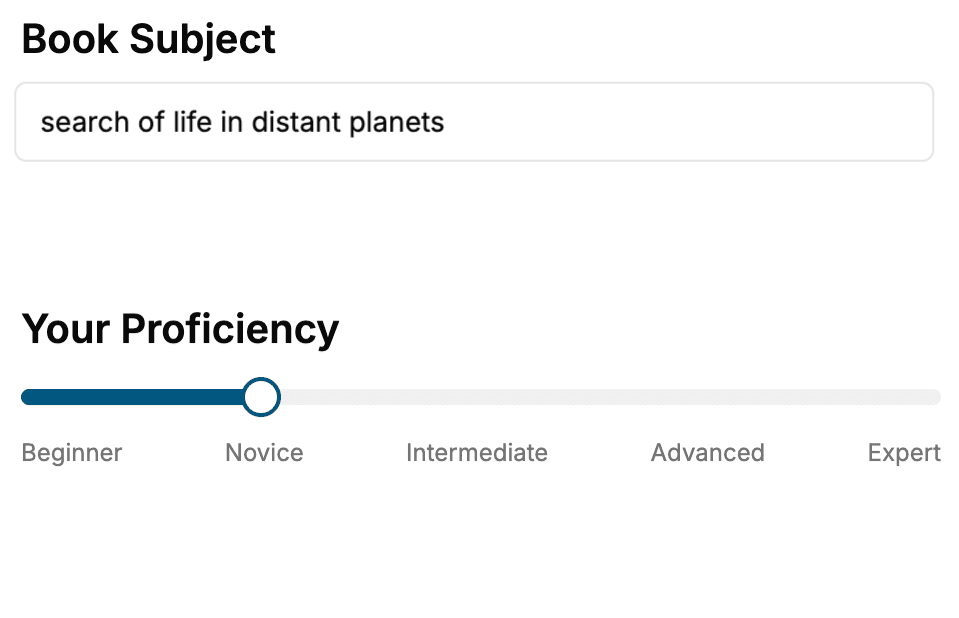
Select the focus of your Mobile Gaming book and share your background
- 2. Personalize your book
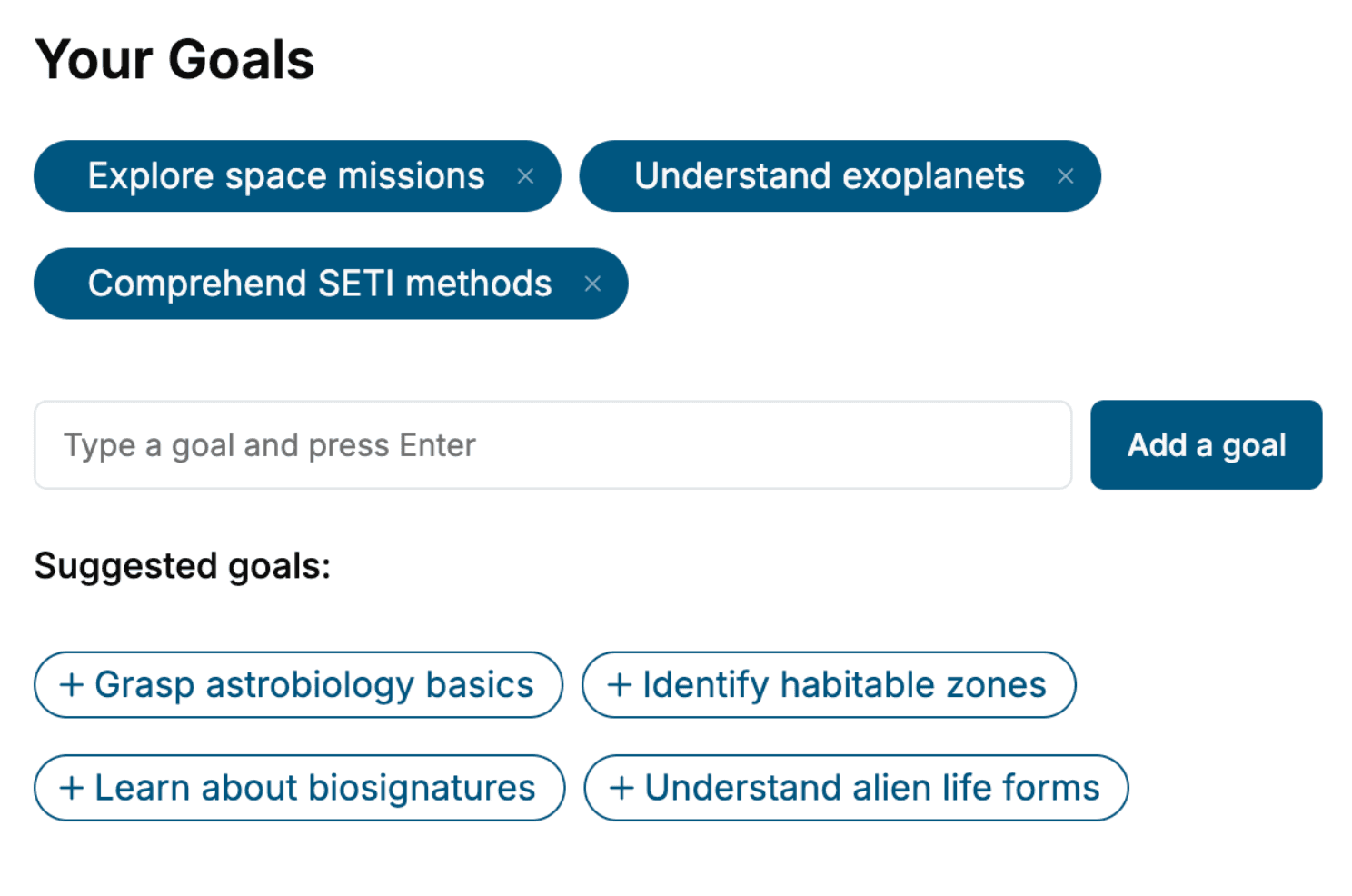
Specify your goals and choose sub-topics to include
- 3. Get your tailored book
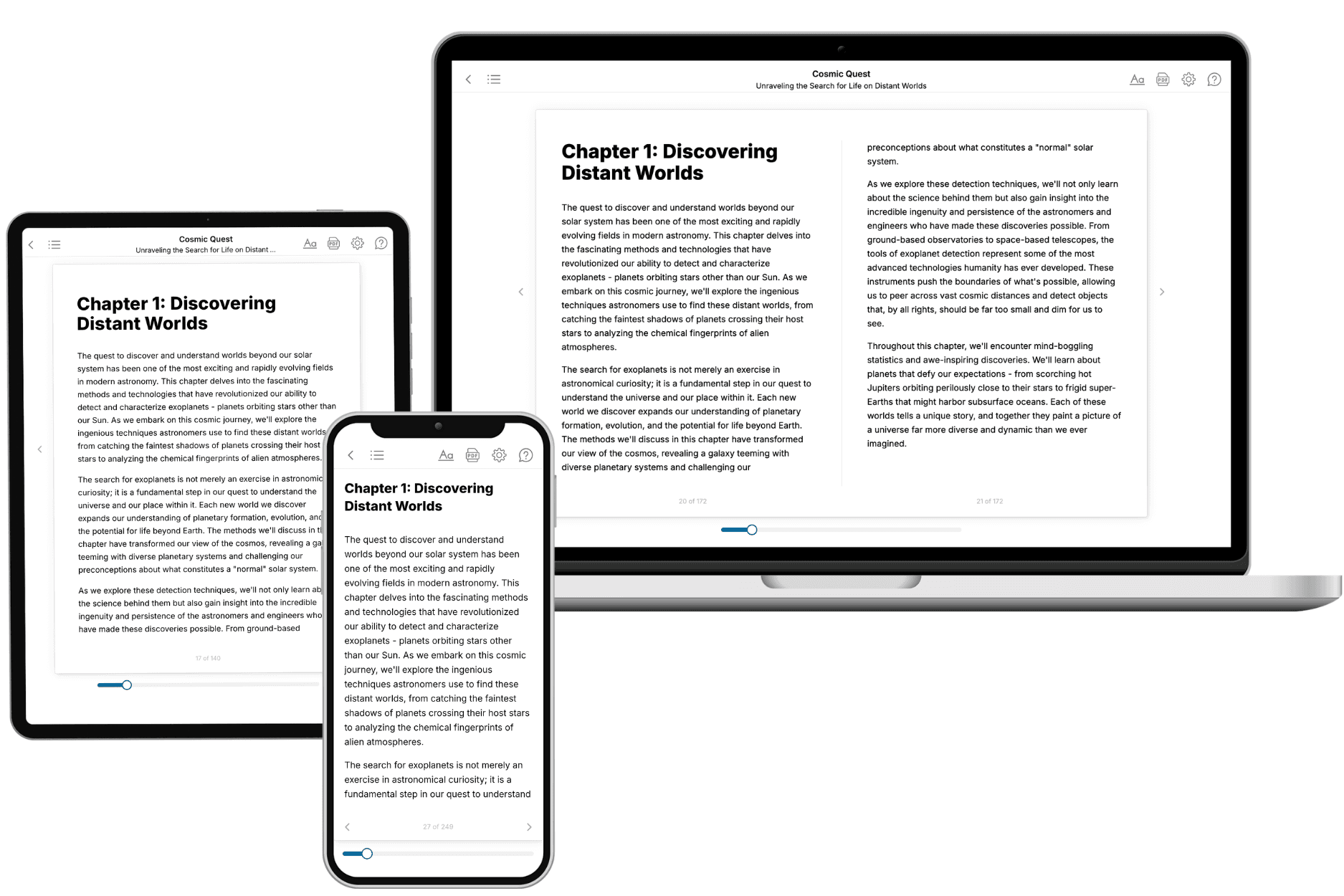
Your book is ready in 10 minutes. Read it online, download as EPUB or PDF, or send to Kindle.
Frequently asked questions
- What is TailoredRead?
TailoredRead creates complete, full-length nonfiction ebooks, written specifically for you. Tell us what you want to learn and why, and TailoredRead writes you a complete ebook on it, with charts, tables, and diagrams throughout. Read it online, on Kindle, or on any e-reader, or download it as a PDF or EPUB. Every book is written fresh the day you order it.
- How is the book tailored to me?
Before anything is written, you answer a few short questions about your goals, your background, and the topics you care about. Your book is then planned around your answers: written at your level, focused on your goals, and covering the topics you chose, instead of the one-size-fits-all book a store sells everyone.
- Will it read like generic AI content?
No. Your book isn't a chat transcript: it's planned chapter by chapter before a single word is written, told in a clear book voice, and explains ideas visually with charts, tables, and diagrams. After writing, every book goes through an editorial pass that polishes chapters so the book reads consistent from start to finish. Judge for yourself: browse thousands of sample books on our Explore Books page.
- How accurate is the content?
Our AI first checks whether your subject needs live research. Niche and fast-moving subjects are researched before writing, and the book plan and chapters are grounded in what it finds. After writing, every book goes through a quality pass that checks its facts and consistency, and researched books list their sources in a Notes section at the back.
- How long is the book?
You choose the length: Comprehensive (250-300 pages), Detailed (150-200 pages), Essential (70-100 pages), or Short (30-50 pages).
- Does the book include visuals?
Yes. Every book includes charts, tables, and diagrams: timelines, checklists, step-by-step guides, decision trees, comparison tables, matrices, and bar charts. A typical book includes dozens of these visual elements.
- Can I read it on Kindle? What formats can I download?
Yes. Every book can be read in our online reader or downloaded as a PDF or EPUB. The EPUB can be opened with Kindle, Apple Books, Kobo, and any e-reader. The Commercial and Author licenses also include an editable Word (DOCX) and Markdown download.
- How much does it cost?
About the price of a regular ebook. The exact price depends on your book's length and complexity, from $2 for the shortest books to $35 for the most comprehensive, and it's shown when you review your book, before you commit to anything. Each book is a one-time purchase, yours to keep, no subscription. Licenses that let you share, teach, or publish your book range from $35.99 to $49.99.
- Can I preview the book before purchasing?
Before you pay, you'll see what your book will cover: the title, a detailed description, the estimated length, and the complete chapter-by-chapter table of contents, so you know what you're getting before you decide. The full text itself is written after you purchase.
- How long does it take to create a book?
About 10 minutes. You can start reading the opening chapters while the rest is still being written.