The French Connection
Mastering the Language Through Cultural Immersion
Imagine yourself strolling confidently through the streets of Paris, engaging in witty banter with locals at a charming café, or discussing the nuances of a classic French film with newfound friends.
284 pages14 chaptersJan 27, 2025Learn French
About this book
This isn't just a dream – it's the reality that awaits you as you delve into the rich tapestry of French culture. "The French Connection: Mastering the Language Through Cultural Immersion" is your passport to a deeper, more meaningful engagement with the French language and way of life. This book goes beyond mere vocabulary and grammar, immersing you in the heart of French culture – from its storied history and artistic legacy to its modern-day customs and social norms. As an intermediate French learner, you're ready to take your skills to the next level. This guide will help you bridge the gap between textbook French and the living, breathing language you'll encounter in real-world situations. You'll gain insights into the French mindset, explore the country's diverse regions, and learn to navigate social interactions with confidence and cultural sensitivity. Whether you're preparing for a trip to France, seeking to enhance your professional skills, or simply passionate about Francophone culture, this book will equip you with the knowledge and understanding to truly connect with the French language and its people. Get ready to elevate your French proficiency and cultural fluency to new heights!
Table of contents
- IntroductionWhy Culture Matters in Language Learning, Book Overview and How to Use It, The Power of Cultural ImmersionRead below
- Chapter 1: Historical Foundations of French CultureFrom Ancient Gaul to Modern France, Monarchy, Revolution, and Republic, Colonial Legacy and Its Impact, World Wars and National Identity
- Chapter 2: The Artistic Soul of FrancePainting and Sculpture Through the Ages, Literary Giants and Their Influence, French Cinema and the Nouvelle Vague, Music and the Art of Chanson
- Chapter 3: Regional Diversity in FranceThe North-South Divide, Coastal Cultures: Atlantic and Mediterranean, Rural Traditions vs. Urban Lifestyles, Overseas Territories and Their Unique Identities
- Chapter 4: Language and National IdentityThe Académie Française and Language Preservation, Regional Languages and Dialects, La Francophonie: French Beyond France, The Evolution of French in the Modern World
- Chapter 5: Social Norms and EtiquetteGreetings and Politeness, Personal Space and Physical Contact, Table Manners and Dining Etiquette, Gift-Giving and Social Occasions
- Chapter 6: Daily Life in FranceWork-Life Balance and Leisure Time, The French Education System, Shopping and Markets, Transportation and Getting Around
- Chapter 7: Culinary Traditions and GastronomyRegional Cuisines and Specialties, Wine Culture and Appreciation, Café Culture and Social Life, The Structure of French Meals
- Chapter 8: Holidays and CelebrationsNational Holidays and Their Significance, Religious Festivals in Secular Society, Regional Celebrations and Traditions, Modern Festivals and Cultural Events
- Chapter 9: Family and RelationshipsFamily Structure and Dynamics, Dating, Marriage, and Partnerships, Childrearing and Education, Intergenerational Relationships
- Chapter 10: Politics and SocietyThe French Political System, Social Movements and Activism, Media and Public Opinion, France's Role in Europe
- Chapter 11: Sports and Leisure ActivitiesPopular Sports and National Pastimes, Outdoor Activities and Nature Appreciation, Cultural Outings and Entertainment, Vacation Habits and Tourism
- Chapter 12: Business Culture and EtiquetteWorkplace Norms and Expectations, Business Communication Styles, Networking and Relationship Building, Negotiation Tactics and Decision Making
- Chapter 13: Technology and Innovation in French SocietyThe French Tech Startup Ecosystem, Digital Transformation of Traditional Industries, Social Media and Online Culture, Future Trends and Innovations
- Chapter 14: Cultural Adaptation and IntegrationUnderstanding and Overcoming Culture Shock, Language Immersion Strategies, Making Friends and Building Relationships, Long-term Integration and Biculturalism
- ConclusionAchieving Cultural Fluency, The Ongoing Journey of Cultural Discovery
- Glossary of Cultural Terms
- Further Reading and Resources
Introduction
Welcome to "The French Connection: Mastering the Language Through Cultural Immersion." This book is designed to be your companion on an exciting journey through the rich tapestry of French culture, helping you to deepen your understanding of the language and the people who speak it. As an intermediate French learner, you've already laid the foundation for language proficiency. Now, it's time to build upon that foundation by exploring the intricate connections between language and culture that will elevate your French skills to new heights.
Language is more than just a set of words and grammatical rules; it's a living, breathing entity that reflects the history, values, and daily life of its speakers. By delving into French culture, you'll gain invaluable insights that will not only improve your language skills but also enhance your ability to connect with French speakers on a deeper, more meaningful level. This introduction will set the stage for your cultural exploration, explaining why culture matters in language learning, providing an overview of the book's contents, and highlighting the transformative power of cultural immersion.
Why Culture Matters in Language Learning
Language and culture are inextricably linked, forming a symbiotic relationship that shapes how people communicate, think, and perceive the world around them. When you learn a language without understanding its cultural context, you're only scratching the surface of true fluency. Cultural knowledge provides the essential backdrop against which language operates, influencing everything from vocabulary choices to communication styles and even non-verbal cues.
Consider, for example, the French concept of "la politesse" (politeness). While many cultures value politeness, the French approach to it is unique and deeply ingrained in their language and social interactions. Understanding the nuances of "la politesse" – when to use formal versus informal address, the importance of greetings, and the subtleties of social etiquette – can dramatically improve your ability to navigate French conversations and build relationships with native speakers. Without this cultural context, you might inadvertently come across as rude or distant, even if your grammar is perfect.
Moreover, cultural knowledge enhances your ability to understand and use idiomatic expressions, which are often rooted in historical events, literature, or cultural practices. For instance, the phrase "être dans les choux" (literally "to be in the cabbages") means "to be in trouble" or "to fail." This expression dates back to the 19th century and is believed to originate from bicycle racing, where riders who fell behind ended up in the cabbage fields that often lined the roads[1]. Without cultural context, such expressions can be baffling, but with it, they become powerful tools for expressing yourself like a native speaker.
Cultural understanding also plays a crucial role in developing your listening comprehension skills. French speakers often make cultural references in their everyday speech, alluding to shared experiences, historical events, or popular media. By familiarizing yourself with these cultural touchstones, you'll be better equipped to follow conversations and engage in meaningful exchanges. This cultural knowledge acts as a bridge, connecting the language you've learned in textbooks to the living, dynamic French used in real-world situations.
Furthermore, embracing French culture can significantly boost your motivation to learn the language. When you connect with the art, literature, cinema, music, and traditions of France, you create personal connections that make language learning more engaging and relevant. Instead of memorizing vocabulary lists in isolation, you'll find yourself eagerly looking up words to understand the lyrics of a French song or the dialogue in a classic film. This intrinsic motivation is a powerful driver for language acquisition and can help you overcome the inevitable challenges and plateaus in your learning journey.
Cultural competence also enhances your ability to communicate effectively in professional settings. In today's globalized world, understanding cultural nuances can be a significant asset in international business or diplomacy. French business culture, for example, has its own set of unwritten rules and expectations. Knowing how to navigate these cultural waters – from the importance of formal titles to the art of business dining – can make the difference between sealing a deal and inadvertently causing offense.
Lastly, immersing yourself in French culture fosters empathy and broadens your worldview. As you learn about French perspectives on history, politics, and social issues, you'll gain new insights into global events and diverse ways of thinking. This cultural awareness not only enriches your personal growth but also enables you to engage in more nuanced and respectful cross-cultural communication.
In essence, cultural knowledge acts as a multiplier for your language skills. It provides context, deepens understanding, enhances motivation, and opens doors to more authentic and meaningful interactions. As you progress through this book, you'll discover how each aspect of French culture you explore will illuminate and reinforce your language learning, creating a virtuous cycle of cultural and linguistic growth.
Book Overview and How to Use It
"The French Connection: Mastering the Language Through Cultural Immersion" is designed to be your comprehensive guide to French culture, strategically structured to enhance your language learning journey. This book is not meant to be read passively from cover to cover; instead, it's an interactive tool that you can engage with in various ways to suit your learning style and goals. Each chapter is crafted to provide a deep dive into a specific aspect of French culture, while simultaneously reinforcing language skills and offering practical insights for real-world application.
The book is divided into fourteen main chapters, each focusing on a distinct facet of French culture. These chapters cover a wide range of topics, from the historical foundations that have shaped modern France to the intricacies of daily life, social norms, and contemporary issues. You'll explore the artistic soul of France, delve into regional diversity, examine the relationship between language and national identity, and much more. Each chapter is further divided into subsections, allowing for a detailed exploration of specific themes within the broader cultural context.
To make the most of this book, it's recommended that you approach it with an active learning mindset. As you read, take notes, highlight key concepts, and jot down questions or areas you'd like to explore further. Each chapter includes vocabulary relevant to its theme, idiomatic expressions, and cultural insights that directly tie into language use. Make it a habit to practice using these new linguistic elements in context, perhaps by incorporating them into your conversations with language exchange partners or in your writing exercises.
Throughout the book, you'll find "Cultural Connection" boxes that highlight specific ways in which cultural knowledge enhances language understanding. These sections often include practical tips for applying cultural insights in real-life situations, helping you bridge the gap between theory and practice. Pay special attention to these boxes, as they offer valuable strategies for improving your communication skills and cultural competence.
Each chapter also features "Language in Action" segments, which present authentic materials such as excerpts from French literature, newspaper articles, song lyrics, or dialogue from films. These sections are designed to immerse you in real French language use while reinforcing the cultural concepts discussed in the chapter. Take time to analyze these materials, noting how cultural context influences language choice and expression.
To reinforce your learning, each chapter concludes with a set of reflection questions and activities. These are not mere comprehension checks but opportunities for deeper engagement with the material. They might ask you to compare aspects of French culture with your own, research a topic further, or apply what you've learned in a practical exercise. Engaging with these activities will help solidify your understanding and encourage you to think critically about cultural differences and similarities.
The book also includes a comprehensive glossary of cultural terms, which you can refer to as you encounter new concepts. This glossary is more than just a list of definitions; it provides cultural context and usage examples for each term, helping you integrate them into your active vocabulary. Make it a habit to review these terms regularly and look for opportunities to use them in your French practice.
While the book is structured in a logical progression, feel free to jump between chapters based on your interests or immediate needs. For example, if you're preparing for a business trip to France, you might want to focus on the chapters dealing with business culture and social norms first. However, keep in mind that many cultural concepts are interconnected, so you'll benefit from exploring all aspects of French culture over time.
To truly maximize the benefits of this book, consider complementing your reading with active engagement in French culture. This could involve watching French films or TV shows, listening to French music or podcasts, reading French news or literature, or participating in online French forums or language exchange communities. The "Further Reading and Resources" section at the end of the book provides a wealth of additional materials to support your cultural and linguistic exploration.
Remember, cultural learning is an ongoing process. Even native speakers continually learn about their own culture. Approach this book with curiosity and openness, and don't be afraid to challenge your assumptions or ask questions. The goal is not just to accumulate facts about France, but to develop a nuanced understanding that will enhance your ability to communicate effectively and build meaningful connections in French.
By actively engaging with the material in this book and applying it to your language learning, you'll find that your French skills improve not just in terms of vocabulary and grammar, but in the more subtle aspects of communication that truly mark fluency. You'll gain confidence in navigating social situations, expressing yourself authentically, and understanding the cultural subtext that often goes unspoken. This cultural fluency, combined with your growing linguistic skills, will open up new worlds of opportunity for personal growth, professional development, and cross-cultural understanding.
The Power of Cultural Immersion
Cultural immersion is a transformative experience that goes beyond traditional language learning methods. It involves surrounding yourself with the target culture to such an extent that you begin to absorb its nuances, perspectives, and ways of life almost by osmosis. This deep engagement with French culture can accelerate your language learning, enhance your cultural competence, and provide a richness to your understanding that textbooks alone cannot match. The power of cultural immersion lies in its ability to create a holistic learning environment where language and culture are experienced as an integrated whole, just as they are in real life.
One of the most significant benefits of cultural immersion is its impact on language acquisition. When you immerse yourself in French culture, you're constantly exposed to authentic language use in context. This exposure helps you internalize the rhythm, intonation, and natural flow of the language. You begin to pick up on subtle linguistic cues and cultural references that might be missed in a classroom setting. For example, you might notice how the French use different registers of speech in various social situations, or how they employ humor and irony in everyday conversations. These nuances are difficult to teach explicitly but become second nature through immersion.
Cultural immersion also provides countless opportunities for active language practice. When you're surrounded by French speakers, you're compelled to use the language in real-life situations, from ordering coffee at a café to discussing current events with new friends. This constant practice in authentic contexts reinforces your learning and helps you develop fluency more rapidly than studying in isolation. Research has shown that immersion experiences can lead to significant improvements in language proficiency, particularly in areas such as listening comprehension and speaking fluency[2].
Beyond language skills, cultural immersion fosters a deep understanding of French society and way of life. By participating in daily activities, observing social interactions, and engaging with cultural products like media, art, and literature, you gain insights that go far beyond surface-level facts. You begin to understand the values, beliefs, and attitudes that shape French culture. This understanding is crucial for effective communication, as it allows you to navigate social situations with greater ease and interpret messages in their proper cultural context.
Cultural immersion also challenges your own cultural assumptions and broadens your perspective. As you encounter different ways of thinking and living, you're forced to reflect on your own cultural background and biases. This process of self-reflection and cultural comparison can lead to personal growth, increased empathy, and a more nuanced worldview. It's not uncommon for language learners who undergo immersion experiences to report significant shifts in their personal identity and outlook on life.
Moreover, cultural immersion can be a powerful motivator for continued language learning. When you form personal connections with French speakers and develop a genuine interest in French culture, your motivation to improve your language skills becomes intrinsic. You're no longer studying French just to pass a test or meet an academic requirement; you're learning because you want to engage more deeply with a culture that has become meaningful to you. This intrinsic motivation is a key factor in long-term language learning success.
While full immersion through living in a French-speaking country is ideal, it's not the only way to experience the benefits of cultural immersion. In today's interconnected world, there are numerous ways to create immersive experiences wherever you are. You can create a French environment at home by changing your device settings to French, watching French TV shows and movies, listening to French music and podcasts, and reading French books and news articles. Participating in online language exchange communities or joining local French cultural associations can provide opportunities for authentic interaction with native speakers.
Technology has also made virtual immersion experiences more accessible than ever. Virtual reality language learning platforms, for example, can simulate real-life scenarios in French-speaking environments, allowing you to practice your skills in context. Online courses taught by native speakers, live-streamed cultural events, and interactive virtual tours of French cities and museums are other ways to engage with French culture from afar.
It's important to approach cultural immersion with an open mind and a willingness to make mistakes. Embracing the discomfort that comes with navigating a new culture and language is part of the learning process. Each awkward interaction or misunderstanding is an opportunity for growth and learning. Over time, these experiences accumulate to build your cultural competence and linguistic confidence.
As you progress through this book, consider each chapter an invitation to immerse yourself more deeply in an aspect of French culture. Look for ways to supplement your reading with immersive experiences related to each topic. For example, when exploring French culinary traditions, try your hand at cooking French recipes or visit a French restaurant. When learning about French cinema, organize a French film night with friends or join an online French film discussion group.
Remember that cultural immersion is not about perfectly replicating French behavior or abandoning your own cultural identity. Instead, it's about developing the ability to move fluidly between cultures, understanding and appreciating differences while finding common ground. This intercultural competence is an invaluable skill in our increasingly globalized world, opening doors to new relationships, professional opportunities, and personal growth.
By embracing the power of cultural immersion, you're not just learning a language; you're gaining a new lens through which to view the world. You're developing the ability to communicate across cultural boundaries, to see beyond stereotypes, and to appreciate the rich diversity of human experience. This journey of cultural discovery will not only enhance your French language skills but also enrich your life in countless ways, fostering personal growth, empathy, and a deeper understanding of both French culture and your own.
This is the end of the free sample. The full book has 14 chapters.
Want this book written for you?
Tell us your goals and background, and get your own version of this book, tailored by AI to you.


Benefits of AI-tailored books
- Read one book, not ten:
- all the Learn French knowledge you need, gathered into a single book.
- Save days of learning:
- tell us your goals, choose your topics, and the whole book is built around them.
- Learn effortlessly:
- Learn French book written for your specific background and expertise.
- Understand at a glance:
- includes charts, tables, timelines, checklists, decision trees, and more.
- Stay current:
- written the day you order it, not years ago.
- Trust what you read:
- every book is checked for accuracy, with real research when your subject needs it.
Create your unique book in 3 steps
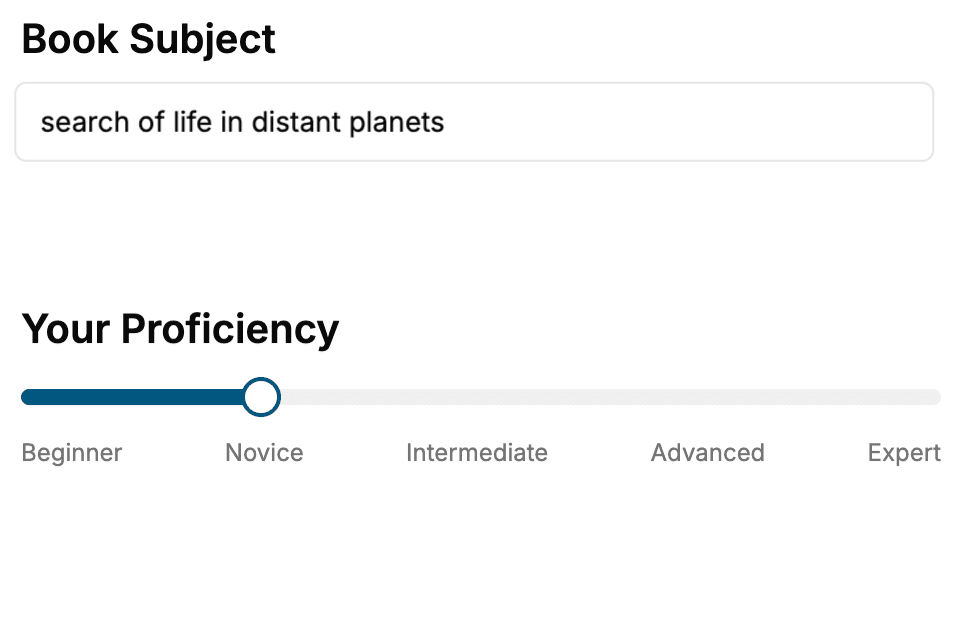
- 1. Select your focus
Select the focus of your Learn French book and share your background
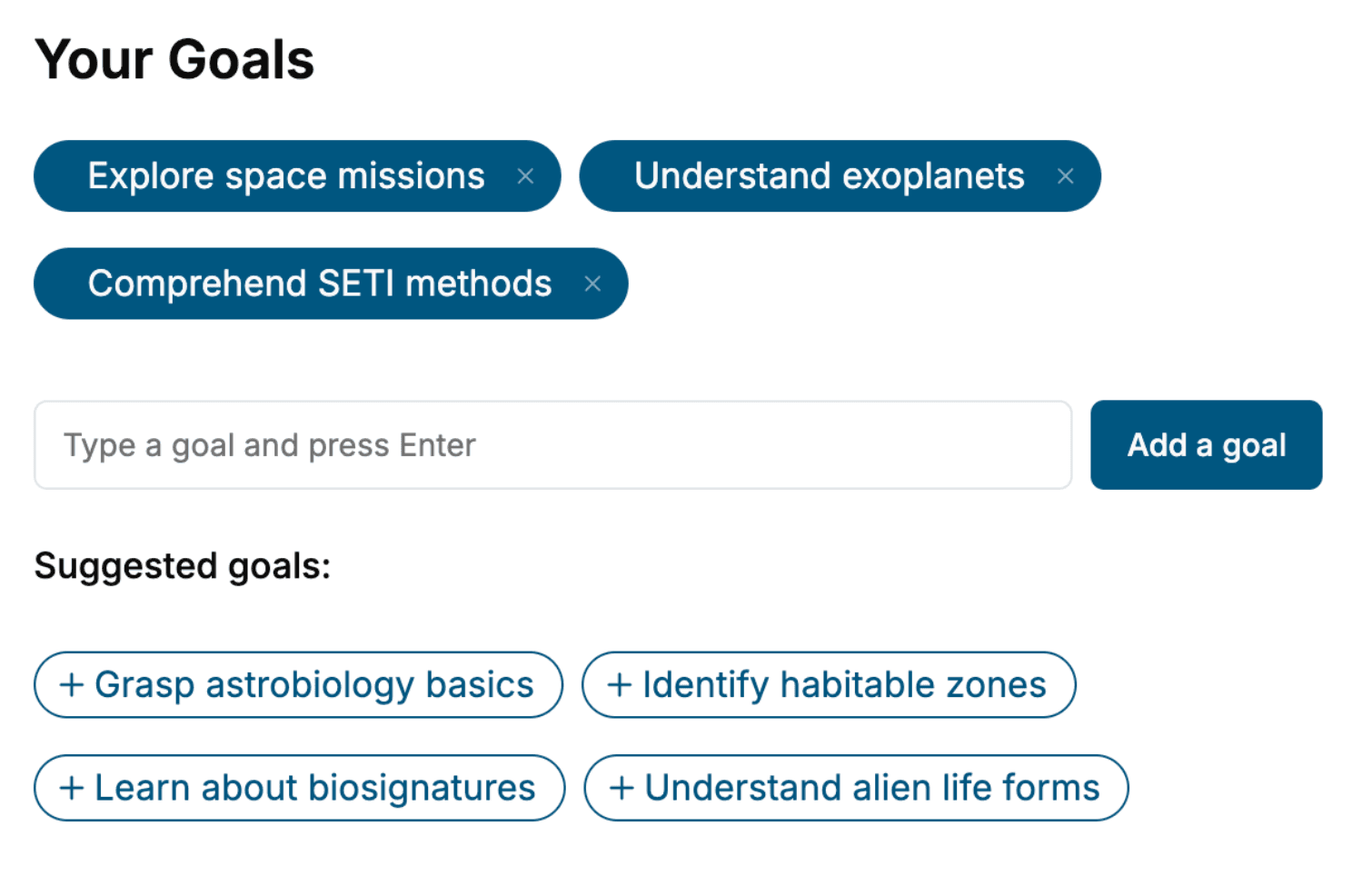
- 2. Personalize your book
Specify your goals and choose sub-topics to include
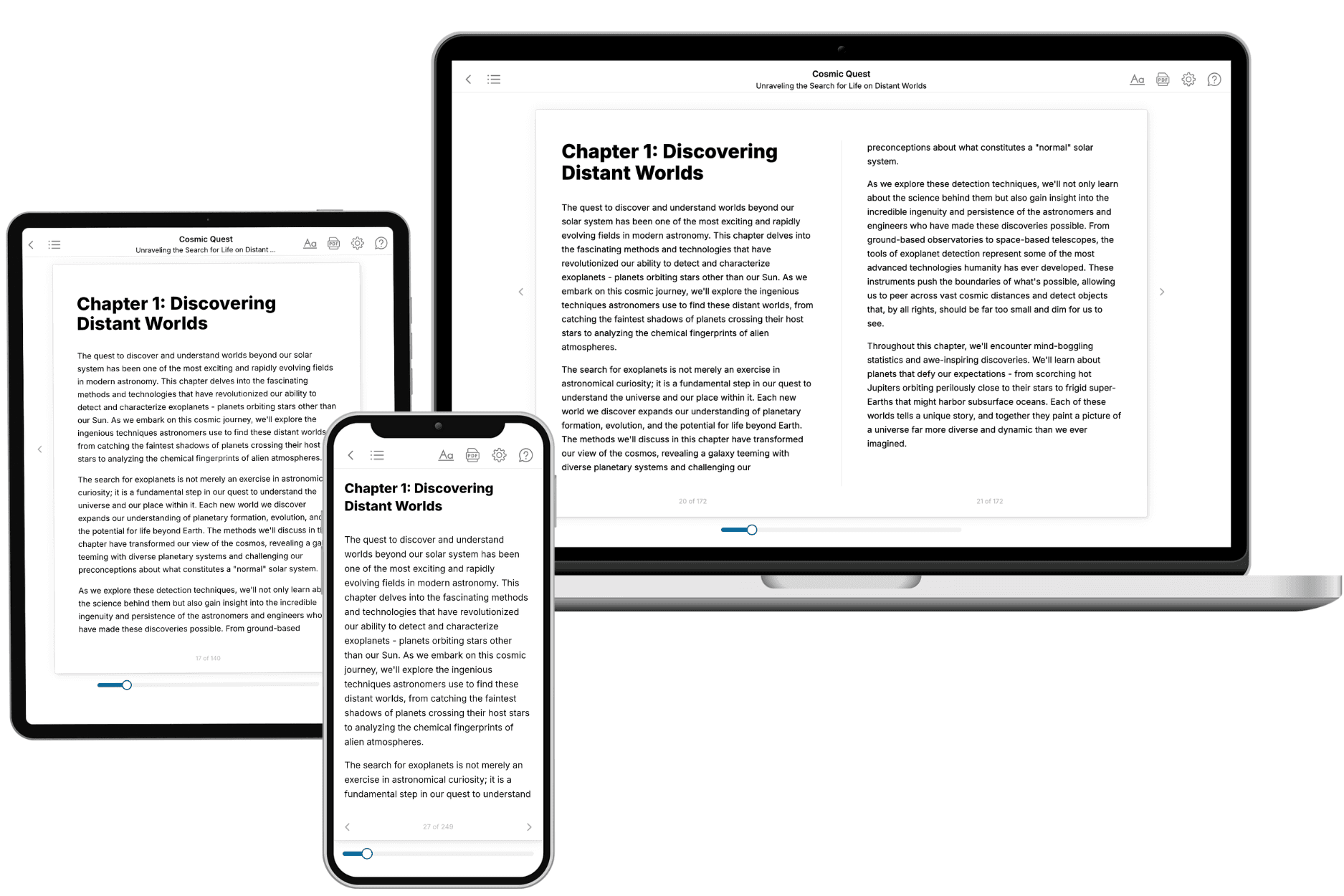
- 3. Get your tailored book
Your book is ready in 10 minutes. Read it online, download as EPUB or PDF, or send to Kindle.
Frequently asked questions
- What is TailoredRead?
TailoredRead creates complete, full-length nonfiction ebooks, written specifically for you. Tell us what you want to learn and why, and TailoredRead writes you a complete ebook on it, with charts, tables, and diagrams throughout. Read it online, on Kindle, or on any e-reader, or download it as a PDF or EPUB. Every book is written fresh the day you order it.
- How is the book tailored to me?
Before anything is written, you answer a few short questions about your goals, your background, and the topics you care about. Your book is then planned around your answers: written at your level, focused on your goals, and covering the topics you chose, instead of the one-size-fits-all book a store sells everyone.
- Will it read like generic AI content?
No. Your book isn't a chat transcript: it's planned chapter by chapter before a single word is written, told in a clear book voice, and explains ideas visually with charts, tables, and diagrams. After writing, every book goes through an editorial pass that polishes chapters so the book reads consistent from start to finish. Judge for yourself: browse thousands of sample books on our Explore Books page.
- How accurate is the content?
Our AI first checks whether your subject needs live research. Niche and fast-moving subjects are researched before writing, and the book plan and chapters are grounded in what it finds. After writing, every book goes through a quality pass that checks its facts and consistency, and researched books list their sources in a Notes section at the back.
- How long is the book?
You choose the length: Comprehensive (250-300 pages), Detailed (150-200 pages), Essential (70-100 pages), or Short (30-50 pages).
- Does the book include visuals?
Yes. Every book includes charts, tables, and diagrams: timelines, checklists, step-by-step guides, decision trees, comparison tables, matrices, and bar charts. A typical book includes dozens of these visual elements.
- Can I read it on Kindle? What formats can I download?
Yes. Every book can be read in our online reader or downloaded as a PDF or EPUB. The EPUB can be opened with Kindle, Apple Books, Kobo, and any e-reader. The Commercial and Author licenses also include an editable Word (DOCX) and Markdown download.
- How much does it cost?
About the price of a regular ebook. The exact price depends on your book's length and complexity, from $2 for the shortest books to $35 for the most comprehensive, and it's shown when you review your book, before you commit to anything. Each book is a one-time purchase, yours to keep, no subscription. Licenses that let you share, teach, or publish your book range from $35.99 to $49.99.
- Can I preview the book before purchasing?
Before you pay, you'll see what your book will cover: the title, a detailed description, the estimated length, and the complete chapter-by-chapter table of contents, so you know what you're getting before you decide. The full text itself is written after you purchase.
- How long does it take to create a book?
About 10 minutes. You can start reading the opening chapters while the rest is still being written.