The French Education Blueprint
Master the System, Language, and Culture Behind French Learning
Discover how the French educational system shapes language learning and cultural understanding.
191 pages8 chaptersMar 6, 2026Learning French
About this book
This guide reveals the philosophical foundations, structural organization, and teaching methodologies that define French education—and how they directly impact your ability to learn French authentically. You'll explore the role of the French dictionary as a cultural artifact, understand why French schools emphasize rhetoric and critical thinking, and learn how the system's values influence modern language instruction. By grasping the educational context behind French, you'll move beyond textbook learning to develop genuine fluency rooted in cultural comprehension. Whether you're preparing for formal study, seeking to understand French intellectual traditions, or wanting to learn French the way native speakers do, this book provides the essential framework for meaningful progress and deeper appreciation of the language.
Table of contents
- IntroductionWhy Understanding French Education Matters for Language Learners, What You'll Discover in This Book, How to Use This Guide for Maximum LearningRead below
- Chapter 1: Foundations of French EducationHistorical Roots and Evolution, Core Principles: Laïcité, Égalité, and Fraternité, The French Philosophy of Learning and Knowledge
- Chapter 2: The Structure of French EducationPrimary Education: Building Foundations, Secondary Education: Specialization and Depth, Higher Education and Grandes Écoles, Vocational and Technical Education
- Chapter 3: French Teaching Methods and PedagogyRhetoric, Debate, and Critical Thinking, The Central Role of Literature and Texts, Grammar Instruction: Rules and Exceptions
- Chapter 4: How French Is Taught in French SchoolsHow Native Speakers Learn French, Teaching French as a Foreign Language, Modern Innovations and Digital Learning
- Chapter 5: The French Dictionary as Cultural MirrorHistory and Evolution of French Dictionaries, The Académie Française and Language Standardization, Using Dictionaries Effectively for Learning
- Chapter 6: Cultural Values in French EducationIntellectual Traditions and Philosophy, The Literary Canon and Cultural Heritage, Contemporary Issues in French Education
- Chapter 7: Applying French Educational Insights to Your LearningAdopting French Study Strategies, Achieving Authentic Pronunciation and Expression, Building Cultural Fluency Alongside Language Skills
- Chapter 8: Practical Resources and ToolsRecommended Learning Materials and Textbooks, Online Platforms and Digital Resources, Immersion and Study Abroad Opportunities
- ConclusionKey Takeaways for Your French Learning Journey, Your Next Steps Forward
- Glossary of French Educational Terms
- Further Reading and Resources
Introduction
There is a moment that many French learners recognize. You have studied vocabulary lists, drilled verb conjugations, and worked through grammar exercises. You can construct sentences. You can read simple texts. But when you encounter a real French conversation, a French film without subtitles, or a piece of French literature, something feels missing. The language seems to carry a weight and a texture that your textbook never quite captured. That gap is not a failure of effort. It is a gap in context, and this book exists to close it.
French is not just a language. It is the product of a specific educational tradition, a set of cultural values, and a philosophy of knowledge that stretches back centuries. The way French people speak, argue, write, and think is shaped in large part by how they were taught in school. French education places enormous emphasis on critical reasoning, literary analysis, and the precise use of language. These priorities are not incidental. They are baked into the system from the earliest years of primary school all the way through university. When you understand that system, the language itself starts to make more sense.
This book is designed for intermediate French learners who want to go deeper. It is for people who already have a working knowledge of French grammar and vocabulary but want to understand the cultural and educational machinery behind the language. It is also for anyone curious about how French schools work, why the French approach to learning differs so sharply from English-speaking models, and what those differences mean for anyone trying to achieve genuine fluency. The chapters ahead will take you through the structure of French education, its core values, its teaching methods, and its relationship to the French language itself, giving you a richer and more grounded foundation for your own learning.
Think of this book as a behind-the-scenes guide. Most language courses teach you what French sounds like. This one explains why it sounds that way, and why French speakers think about language the way they do. That understanding will not replace practice and study, but it will make your practice more focused and your study more meaningful. By the time you finish, you will have a clearer picture of not just how to learn French, but how to learn it the way it was meant to be learned.
Why Understanding French Education Matters for Language Learners
Most language learners focus almost entirely on the language itself: grammar rules, vocabulary, pronunciation, and conversation practice. These are all essential. But language does not exist in a vacuum. Every language reflects the society that uses it, and French is a particularly clear example of this. The French educational system has been one of the most powerful forces shaping how French people use and think about their language. Ignoring that system means learning French with one hand tied behind your back.
Consider a concrete example. French students spend years studying la dissertation, a formal essay structure that requires them to present a thesis, develop counterarguments, and arrive at a synthesis. This is not just a writing exercise. It trains French speakers to think in a particular way: structured, argumentative, and always aware of opposing perspectives. When you listen to a French intellectual debate on television or read an editorial in Le Monde, you are hearing that training in action. If you know what to listen for, the logic becomes much easier to follow.[1]
The French educational system also explains many features of the language that can confuse learners. Why is French grammar so formal and rule-bound? Why do French speakers place such high value on correct pronunciation and precise word choice? Why does French have an institution like the Académie Française, which actively regulates the language? The answers all trace back to educational values: a belief that language is a serious intellectual tool that must be handled with care and precision. Understanding this helps you approach French grammar not as an arbitrary obstacle but as a reflection of a deeper cultural commitment.
There is also a practical dimension to this understanding. When you know how French students learn to read and analyze texts, you can apply similar techniques to your own reading practice. When you understand how French teachers approach grammar instruction, you can make smarter choices about which rules to prioritize and how to internalize them. When you grasp the role of literature and philosophy in French education, you gain access to a rich body of material that will accelerate your cultural fluency alongside your linguistic skills.
Research in second language acquisition consistently shows that cultural knowledge supports language learning.[2] Learners who understand the cultural context of a language tend to develop stronger intuitions about usage, register, and meaning. They make fewer errors in social situations because they understand not just what words mean but what they signal. For French specifically, where social register and intellectual tone carry enormous weight, this kind of cultural grounding is especially valuable.
Finally, understanding French education gives you a sense of what fluency actually looks like in France. It is not just about speaking without an accent or knowing enough vocabulary to get by. Fluency in the French cultural sense involves being able to engage with ideas, construct arguments, and appreciate the literary and philosophical references that run through everyday French conversation. That is a higher bar than most language courses set, but it is also a more rewarding one. This book will help you understand what you are aiming for and why it matters.
A useful way to think about it: Learning French without understanding French education is like learning to play chess without knowing why certain openings are considered strong. You can move the pieces, but you are missing the strategic logic that makes the game make sense.
The connection between education and language goes even deeper when you consider how French children are taught to read. French primary schools use a phonics-based approach combined with intensive exposure to classic texts, even at a young age. Children are expected to memorize poems, recite passages, and discuss the meaning of what they have read. This creates a relationship with language that is active, analytical, and deeply tied to the written word. As a learner, understanding this helps you see why written French and spoken French sometimes feel like different registers, and why mastering both is part of what it means to truly know the language.
What You'll Discover in This Book
This book is organized to take you from the broad foundations of French education down to the specific, practical insights that will improve your language learning. Each chapter builds on the previous one, so by the end you will have a coherent picture of how the French educational system works and how it connects to your own study of the language. Here is a brief overview of what each part of the book covers.
The first two chapters lay the groundwork. Chapter 1 explores the historical roots of French education, tracing how the system evolved from its early religious foundations through the revolutionary reforms of the 19th century and into the modern era. You will learn about the core principles that define French education, including laïcité (secularism), égalité (equality), and fraternité (brotherhood), and understand how these values shape what happens in French classrooms every day. Chapter 2 maps out the structure of the French system, from maternelle (preschool) through the grandes écoles (elite higher education institutions), giving you a clear picture of how French students progress through their education.
Chapters 3 and 4 get into the heart of French pedagogy. Chapter 3 examines the teaching methods that define French education: the emphasis on rhetoric and debate, the central role of literary texts, and the rigorous approach to grammar instruction. Chapter 4 focuses specifically on how French is taught in French schools, both to native speakers and as a foreign language, and looks at how digital tools and modern innovations are changing the landscape. These two chapters are particularly rich in practical insights for language learners.
Chapter 5 takes a fascinating detour into the world of French dictionaries. The French dictionary is not just a reference tool. It is a cultural artifact that reflects centuries of intellectual tradition and ongoing debates about language, identity, and change. You will learn about the history of major French dictionaries, the role of the Académie Française in standardizing the language, and how to use dictionaries more effectively in your own learning. This chapter will change the way you think about looking up a word.
Chapters 6 and 7 connect the educational system to your personal learning journey. Chapter 6 explores the cultural values embedded in French education, including the intellectual traditions, the literary canon, and the contemporary challenges facing the system. Chapter 7 translates all of this into actionable strategies: how to adopt French study methods, how to work on authentic pronunciation, and how to build cultural fluency alongside your language skills. These chapters are the most directly practical in the book.
Chapter 8 provides a curated guide to resources and tools, including recommended textbooks, online platforms, and immersion opportunities. The book closes with a conclusion that summarizes the key takeaways and outlines clear next steps for your continued learning. There is also a glossary of French educational terms and a further reading list for those who want to go even deeper.
Throughout the book, you will find concrete examples, specific scenarios, and practical frameworks that you can apply immediately. The goal is not to give you a theoretical overview of French education for its own sake. The goal is to give you knowledge that makes you a better, more informed, and more culturally aware French learner. Every chapter is written with that purpose in mind.
- The historical and philosophical foundations of French education
- How the structure of the French system shapes language priorities
- The teaching methods that define French pedagogy
- How French is taught to native speakers and foreign learners
- The cultural significance of French dictionaries and language standardization
- How to apply French educational insights to your own study practice
- Practical resources and tools for deeper learning
How to Use This Guide for Maximum Learning
This book is designed to be read from beginning to end, but it is also structured so that you can return to specific chapters as reference material. If you are preparing for a trip to France, Chapter 6 on cultural values will be especially useful to revisit. If you are working on grammar, Chapter 3 on teaching methods will give you a fresh perspective on how to approach rules and exceptions. Think of the book as both a narrative and a toolkit.
As you read, try to connect what you learn to your existing knowledge of French. When a chapter discusses how French students are taught to analyze literary texts, think about the French texts you have already encountered. When you read about the role of debate and argumentation in French education, think about French conversations or media you have experienced. Making these connections actively will help the information stick and will make it more useful in practice.
One of the most effective ways to use this book is alongside your regular French study. Here is a simple approach that works well:
- Read a chapter and take notes on the key ideas that surprise or interest you.
- Identify one or two practical insights from the chapter that you can apply to your current study routine.
- Try the insight for one week before moving on to the next chapter. For example, if Chapter 3 suggests reading French texts analytically rather than just for comprehension, spend a week practicing that approach with a short article or story.
- Reflect on what changed in your understanding or your practice before continuing.
This slow, deliberate approach mirrors something important about French education itself. French schools do not rush through material. They value depth over breadth, and they expect students to sit with ideas long enough to truly understand them. Applying that same patience to your reading of this book will make the experience more rewarding and more effective.
Pay particular attention to the examples and case studies throughout the book. These are not decorative. They are the places where abstract ideas become concrete and usable. When you read about how a French lycée student prepares for the baccalauréat exam, for instance, you are getting a window into a specific set of intellectual habits and study practices that you can adapt for your own use. The more closely you engage with these examples, the more you will get out of the book.
The glossary at the back of the book is worth consulting regularly. French education has its own vocabulary, and many of the terms used in this book, such as collège, lycée, baccalauréat, grandes écoles, and classes préparatoires, have specific meanings that differ from their apparent English equivalents. Keeping the glossary handy will help you build a working vocabulary for discussing French education, which is itself a useful skill if you plan to interact with French speakers about their educational experiences.
If you are an intermediate learner, some of the French terms and phrases used throughout the book will be familiar. Others may be new. In both cases, treat them as learning opportunities. When a French term appears in context, try to work out its meaning before checking the glossary or a dictionary. This kind of active engagement with new vocabulary is one of the most effective habits you can develop as a language learner, and it is entirely consistent with the French educational approach of encouraging students to reason through problems rather than simply look up answers.
A note on mindset: The French educational system can seem demanding, even intimidating, from the outside. Its standards are high and its expectations are serious. But that rigor comes from a genuine belief that language and ideas matter, that they are worth taking seriously and working hard to master. Approaching this book with that same spirit, curious, patient, and willing to be challenged, will serve you well both here and in your broader French learning journey.
Finally, remember that understanding French education is not the same as adopting every aspect of it uncritically. The French system has real strengths, particularly in its emphasis on critical thinking, literary culture, and linguistic precision. It also has well-documented challenges, including issues of inequality and rigidity that are actively debated within France today. This book will present both sides honestly. The goal is not to idealize the French system but to learn from it selectively and intelligently, taking what is genuinely useful for your language learning while maintaining your own perspective as an outside learner bringing fresh eyes to a rich and complex tradition.
With that in mind, turn the page and begin. The French educational system is waiting to be explored, and with it, a deeper and more authentic understanding of one of the world's great languages.
This is the end of the free sample. The full book has 8 chapters.
Want this book written for you?
Tell us your goals and background, and get your own version of this book, tailored by AI to you.


Benefits of AI-tailored books
- Read one book, not ten:
- all the Learning French knowledge you need, gathered into a single book.
- Save days of learning:
- tell us your goals, choose your topics, and the whole book is built around them.
- Learn effortlessly:
- Learning French book written for your specific background and expertise.
- Understand at a glance:
- includes charts, tables, timelines, checklists, decision trees, and more.
- Stay current:
- written the day you order it, not years ago.
- Trust what you read:
- every book is checked for accuracy, with real research when your subject needs it.
Create your unique book in 3 steps
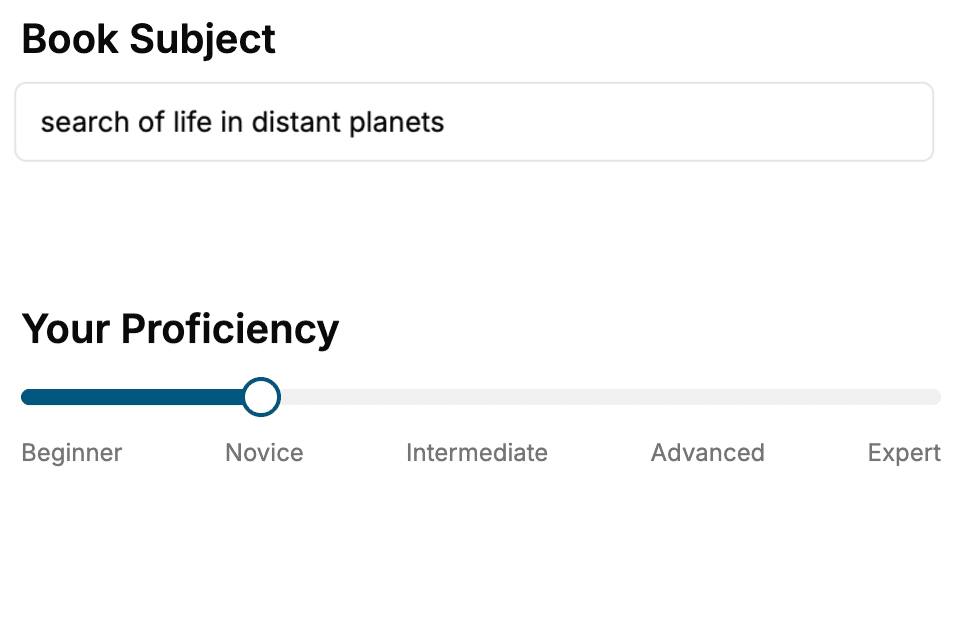
- 1. Select your focus
Select the focus of your Learning French book and share your background
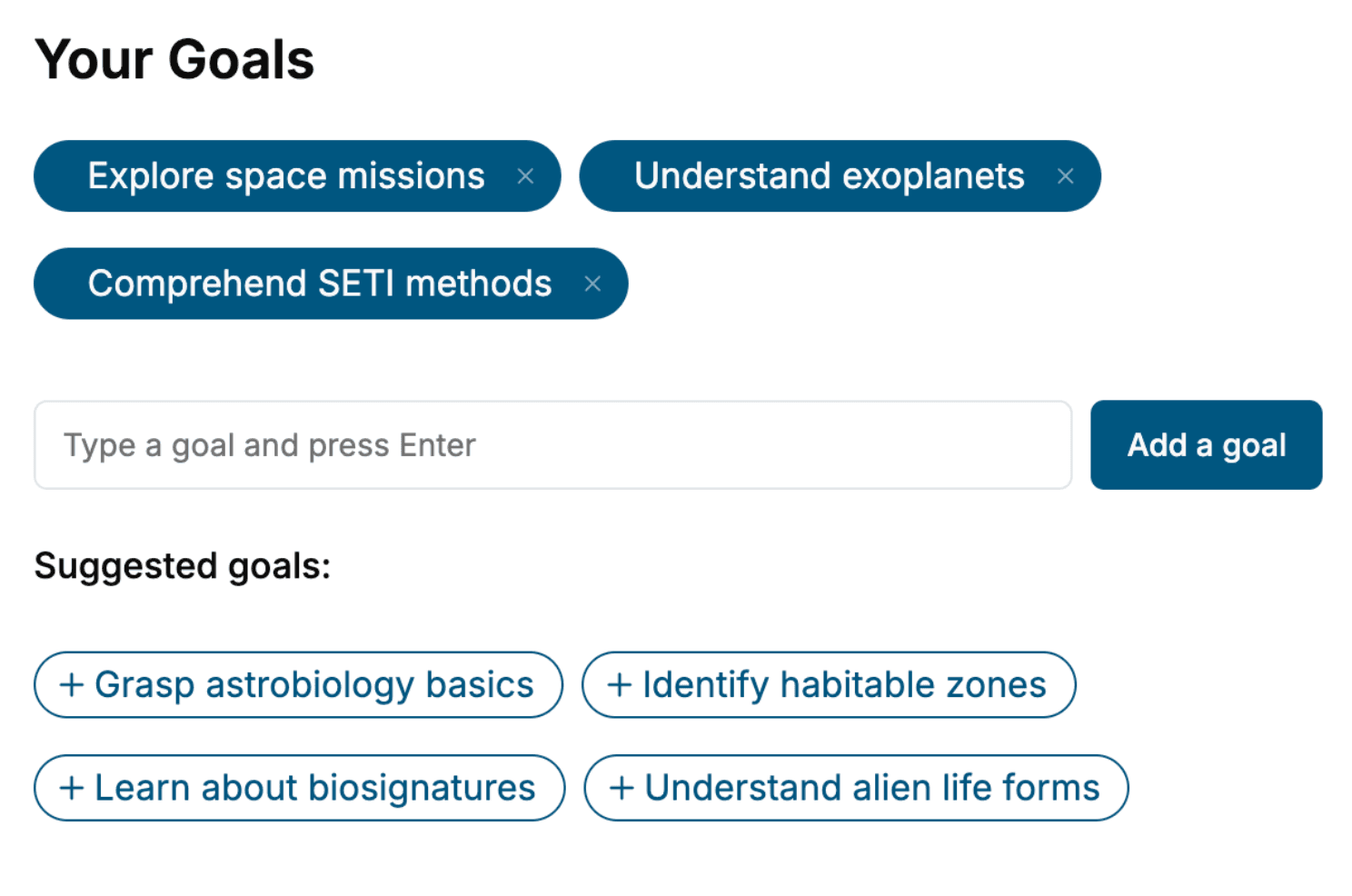
- 2. Personalize your book
Specify your goals and choose sub-topics to include
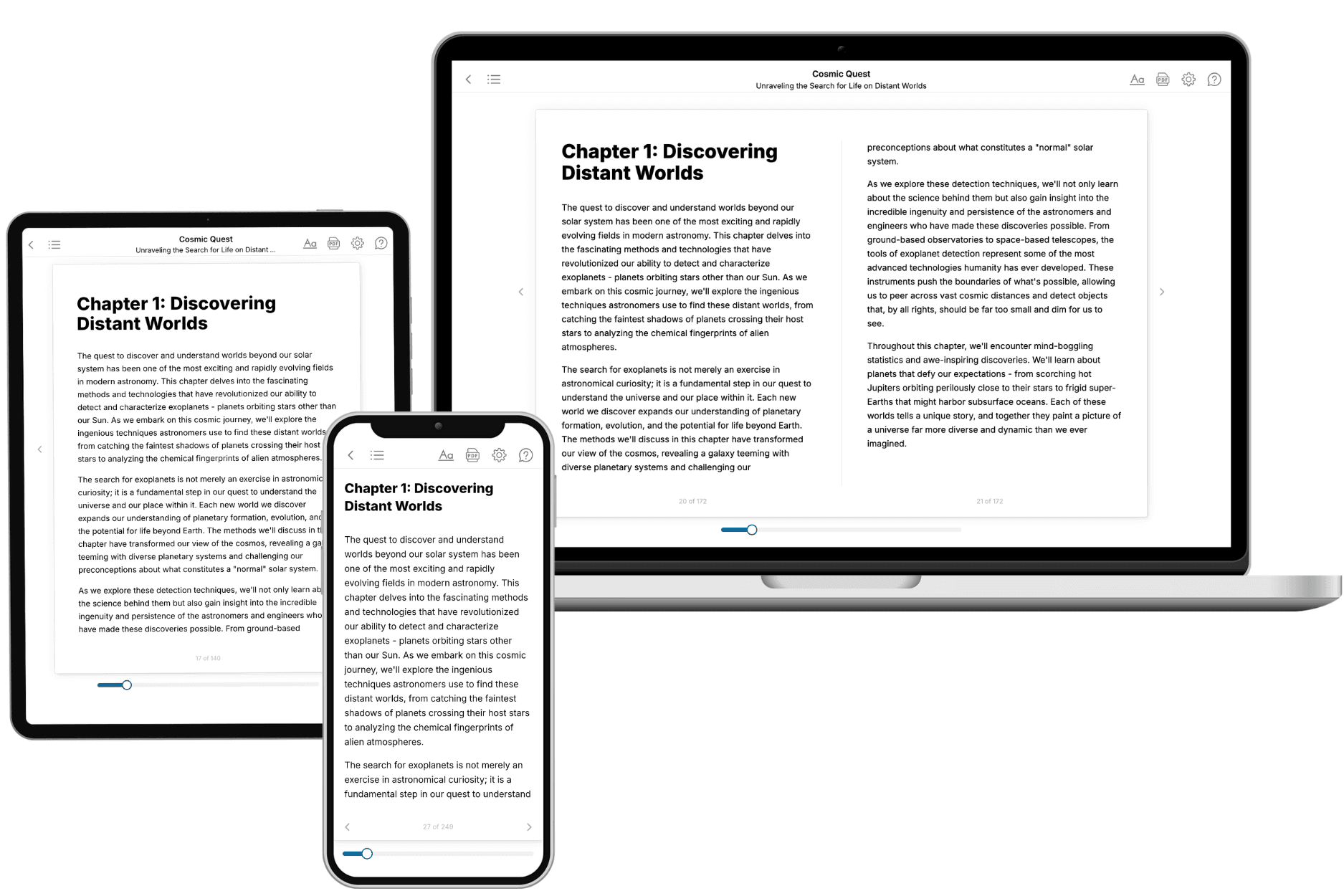
- 3. Get your tailored book
Your book is ready in 10 minutes. Read it online, download as EPUB or PDF, or send to Kindle.
Frequently asked questions
- What is TailoredRead?
TailoredRead creates complete, full-length nonfiction ebooks, written specifically for you. Tell us what you want to learn and why, and TailoredRead writes you a complete ebook on it, with charts, tables, and diagrams throughout. Read it online, on Kindle, or on any e-reader, or download it as a PDF or EPUB. Every book is written fresh the day you order it.
- How is the book tailored to me?
Before anything is written, you answer a few short questions about your goals, your background, and the topics you care about. Your book is then planned around your answers: written at your level, focused on your goals, and covering the topics you chose, instead of the one-size-fits-all book a store sells everyone.
- Will it read like generic AI content?
No. Your book isn't a chat transcript: it's planned chapter by chapter before a single word is written, told in a clear book voice, and explains ideas visually with charts, tables, and diagrams. After writing, every book goes through an editorial pass that polishes chapters so the book reads consistent from start to finish. Judge for yourself: browse thousands of sample books on our Explore Books page.
- How accurate is the content?
Our AI first checks whether your subject needs live research. Niche and fast-moving subjects are researched before writing, and the book plan and chapters are grounded in what it finds. After writing, every book goes through a quality pass that checks its facts and consistency, and researched books list their sources in a Notes section at the back.
- How long is the book?
You choose the length: Comprehensive (250-300 pages), Detailed (150-200 pages), Essential (70-100 pages), or Short (30-50 pages).
- Does the book include visuals?
Yes. Every book includes charts, tables, and diagrams: timelines, checklists, step-by-step guides, decision trees, comparison tables, matrices, and bar charts. A typical book includes dozens of these visual elements.
- Can I read it on Kindle? What formats can I download?
Yes. Every book can be read in our online reader or downloaded as a PDF or EPUB. The EPUB can be opened with Kindle, Apple Books, Kobo, and any e-reader. The Commercial and Author licenses also include an editable Word (DOCX) and Markdown download.
- How much does it cost?
About the price of a regular ebook. The exact price depends on your book's length and complexity, from $2 for the shortest books to $35 for the most comprehensive, and it's shown when you review your book, before you commit to anything. Each book is a one-time purchase, yours to keep, no subscription. Licenses that let you share, teach, or publish your book range from $35.99 to $49.99.
- Can I preview the book before purchasing?
Before you pay, you'll see what your book will cover: the title, a detailed description, the estimated length, and the complete chapter-by-chapter table of contents, so you know what you're getting before you decide. The full text itself is written after you purchase.
- How long does it take to create a book?
About 10 minutes. You can start reading the opening chapters while the rest is still being written.