The French New Wave Decoded
How Godard, Truffaut, and the Nouvelle Vague Revolutionized Cinema Forever
Imagine watching a film where the rules you've always known suddenly dissolve—where the camera moves freely, characters speak directly to you, and the story unfolds in unexpected ways.
207 pages9 chaptersFeb 7, 2026French Cinema
About this book
This is the world of the French New Wave, a movement that fundamentally transformed cinema in the late 1950s and 1960s. This book takes you inside this revolutionary period, revealing how a group of young Parisian critics became filmmakers and dared to challenge everything the film industry had established. You'll discover the technical innovations that still influence filmmakers today, meet the visionary directors who created masterpieces with minimal budgets and maximum creativity, and understand why their films continue to captivate audiences decades later. Whether you're a film student, a cinema lover, or simply curious about how art movements reshape culture, this guide provides the context, analysis, and insights you need to truly appreciate one of cinema's most transformative moments.
Table of contents
- IntroductionWhy the French New Wave Matters Today, What You'll Discover in This Book, How to Use This GuideRead below
- Chapter 1: The Birth of a RevolutionPost-War France and the State of Cinema, Cahiers du Cinéma: Where Critics Became Filmmakers, Rejecting the Tradition of Quality, The Catalyst Moment: 1959
- Chapter 2: Auteur Theory and Creative VisionWhat Is Auteur Theory?, The Director as Artist, Not Technician, Personal Vision Over Studio Control, Auteur Theory in Practice
- Chapter 3: Revolutionary Techniques and Visual LanguageJump Cuts and Temporal Disruption, Breaking the Fourth Wall and Direct Address, Handheld Cameras and Location Shooting, Non-Linear Narrative Structures
- Chapter 4: Jean-Luc Godard: Cinema as ProvocationEarly Films and Philosophical Inquiry, Breathless: Defining Cinematic Freedom, The Political Turn and Later Works, Godard's Enduring Legacy
- Chapter 5: François Truffaut: Humanist CinemaChildhood, Cinema, and Personal Expression, The 400 Blows: Redefining Coming-of-Age Cinema, Romantic Vision and Character Depth, Truffaut's Influence on Narrative Cinema
- Chapter 6: Other Visionaries: Rohmer, Rivette, and ChabrolÉric Rohmer and Moral Tales, Jacques Rivette and Experimental Cinema, Claude Chabrol: Suspense and Social Commentary, Collective Vision, Individual Voices
- Chapter 7: Narrative Innovation and StorytellingAmbiguity and Open Endings, Character Psychology Over Plot Mechanics, Dialogue as Philosophical Exploration, Time and Memory in Narrative Structure
- Chapter 8: The Movement's Global ImpactInfluence on American Cinema, New Waves Around the World, French New Wave in Popular Culture and Media, Contemporary Filmmakers and the Continuing Legacy
- Chapter 9: Watching and Understanding French New Wave FilmsHow to Approach These Films, Essential Films to Watch, Analyzing Technique and Meaning
- ConclusionThe Enduring Revolution, Cinema as Personal Expression
- Glossary of Key Terms
- Further Reading and Resources
Introduction
Picture yourself in a darkened cinema in Paris, 1959. The lights dim, and suddenly you're watching something that feels fundamentally different from any film you've seen before. The camera moves with an urgency that mirrors the characters' restless energy. Actors speak directly to you, acknowledging your presence. The story doesn't follow the neat three-act structure you've come to expect. Instead, it meanders, explores, questions, and challenges. This is your first encounter with the French New Wave, and cinema will never look quite the same again. What you're experiencing isn't just a new style of filmmaking—it's a complete reimagining of what cinema can be, what it can express, and how it can connect with audiences on a deeper, more authentic level.
The French New Wave, or Nouvelle Vague, represents one of the most significant artistic revolutions in cinema history. Between roughly 1958 and 1968, a group of young French filmmakers—most of whom started as film critics—fundamentally transformed the language of cinema. They rejected the polished, studio-bound productions that dominated post-war French cinema in favor of something raw, immediate, and personal. Armed with lightweight cameras, minimal budgets, and maximum ambition, directors like Jean-Luc Godard, François Truffaut, Éric Rohmer, Jacques Rivette, and Claude Chabrol created films that prioritized creative freedom over commercial considerations. Their work wasn't just about making movies differently; it was about rethinking the entire relationship between filmmaker, film, and audience.
This movement didn't emerge in a vacuum. Post-war France was experiencing profound social, cultural, and economic changes. Young people were questioning traditional values and seeking new forms of expression. The rigid hierarchies of the French film industry—with its emphasis on literary adaptations, studio sets, and established stars—felt increasingly disconnected from contemporary life. The critics writing for Cahiers du Cinéma, the influential film magazine, argued passionately for a new kind of cinema: one that recognized the director as the primary creative force, that embraced spontaneity and experimentation, and that treated film as a legitimate art form worthy of serious critical attention. When these critics finally got the chance to make their own films, they put their theories into practice with revolutionary results that continue to influence filmmakers worldwide more than six decades later.
Why the French New Wave Matters Today
You might wonder why a film movement from 1960s France remains relevant in today's digital age of streaming platforms, CGI spectacles, and social media-driven content. The answer lies in understanding that the French New Wave didn't just introduce new techniques—it fundamentally changed how we think about cinema as an art form and a medium of personal expression. Every time you watch a film with unconventional editing, naturalistic performances, or a director's distinctive visual signature, you're experiencing the legacy of this movement. The French New Wave established principles that have become foundational to modern filmmaking, from independent cinema to mainstream Hollywood productions that dare to experiment with form and narrative.
The movement's emphasis on auteur theory—the idea that a director is the primary author of a film—transformed the industry's power structures and creative hierarchies. Before the French New Wave, directors were often seen as skilled technicians executing someone else's vision, whether that of a producer, studio executive, or screenwriter. The Nouvelle Vague critics-turned-filmmakers argued that great directors impose their personal vision on every aspect of a film, from script to cinematography to editing. This concept revolutionized how films were made, marketed, and understood. Today, when we speak of a "Wes Anderson film" or a "Christopher Nolan film," we're invoking auteur theory, recognizing that these directors have distinctive styles and thematic preoccupations that make their work immediately identifiable.
Beyond theory, the French New Wave introduced specific technical innovations that expanded cinema's expressive vocabulary. The jump cut, which abruptly cuts between shots while maintaining spatial continuity, was considered a technical error before Godard used it deliberately in Breathless to create a sense of urgency and discontinuity. Today, jump cuts appear everywhere from music videos to YouTube vlogs to prestige television dramas. Similarly, the movement's embrace of handheld cameras and location shooting gave films a documentary-like immediacy that contrasted sharply with the artificial perfection of studio productions. This aesthetic of authenticity has become so prevalent in contemporary cinema that we barely notice it, yet it represents a direct inheritance from the French New Wave's rejection of studio artifice.
The movement also transformed narrative conventions in ways that continue to influence storytelling across all media. French New Wave films often featured ambiguous endings, non-linear structures, and character-driven narratives that prioritized psychological exploration over plot mechanics. These films trusted audiences to engage actively with the material rather than passively consuming a neatly packaged story. This approach paved the way for the narrative complexity we now see in everything from art house cinema to prestige television series. Shows like The Sopranos, Mad Men, and Fleabag owe a debt to the French New Wave's willingness to embrace ambiguity, explore character psychology, and challenge conventional storytelling structures.
For contemporary filmmakers, the French New Wave offers a powerful model of creative independence and resourcefulness. These directors made groundbreaking films with minimal budgets, small crews, and borrowed equipment. They shot in real locations rather than expensive sets, used natural lighting instead of elaborate lighting setups, and often worked with non-professional actors. This guerrilla filmmaking approach demonstrated that artistic vision and creative innovation matter more than production values and financial resources. In today's digital age, when anyone with a smartphone can shoot and edit a film, the French New Wave's emphasis on creativity over resources feels more relevant than ever. Independent filmmakers worldwide continue to draw inspiration from how these directors turned limitations into aesthetic choices.
The movement's influence extends far beyond cinema into broader visual culture. Music videos, commercials, fashion photography, and even social media content frequently employ techniques pioneered by the French New Wave. The handheld camera aesthetic, direct address to the camera, jump cuts, and stylized color palettes that characterize much contemporary visual media all trace their lineage back to these revolutionary films. Understanding the French New Wave helps you decode the visual language that surrounds you daily, recognizing how these techniques create meaning and emotional impact. When a music video uses jump cuts to create energy or a commercial breaks the fourth wall to establish intimacy, these choices reflect the enduring influence of Godard, Truffaut, and their contemporaries.
Perhaps most importantly, the French New Wave matters because it represents a moment when young artists successfully challenged an established industry and won. These filmmakers were in their twenties and thirties when they made their most influential work. They had passion, ideas, and a willingness to break rules, but they lacked industry connections, financial backing, and institutional support. Yet they managed to create films that not only succeeded commercially but also transformed cinema as an art form. Their story offers inspiration and practical lessons for anyone seeking to challenge established conventions in any creative field. The French New Wave proves that revolutionary change often comes from outsiders willing to question assumptions, take risks, and pursue their vision despite obstacles and skepticism from established authorities.
What You'll Discover in This Book
This book provides a comprehensive exploration of the French New Wave, combining historical context, technical analysis, and critical interpretation to help you understand both what these filmmakers did and why it mattered. You'll discover how specific historical circumstances in post-war France created the conditions for this revolutionary movement, how the filmmakers developed their distinctive techniques and philosophies, and how their innovations continue to shape contemporary cinema. Rather than simply cataloging films and directors, this guide helps you understand the movement's underlying principles and see how they manifest in specific works. By the end, you'll be able to watch French New Wave films with deeper appreciation and recognize their influence in contemporary cinema.
The opening chapters establish the historical and intellectual foundations of the movement. You'll explore the state of French cinema in the 1950s, understanding what the young critics at Cahiers du Cinéma were reacting against when they called for a new kind of filmmaking. You'll learn about the Tradition of Quality—the polished, literary adaptations that dominated French cinema—and why the future New Wave directors found these films artistically bankrupt despite their technical proficiency. This context is essential because the French New Wave defined itself in opposition to existing conventions. Understanding what they rejected helps clarify what they championed: spontaneity over planning, authenticity over artifice, personal vision over commercial calculation, and directorial authorship over collaborative anonymity.
A substantial portion of the book examines auteur theory in depth, explaining not just what it means but how it transformed filmmaking practice and film criticism. You'll discover how the concept emerged from the Cahiers critics' analysis of Hollywood directors like Alfred Hitchcock and Howard Hawks, whom they championed as unrecognized artists working within commercial constraints. You'll see how auteur theory provided both a critical framework for understanding cinema and a practical philosophy for making films. The book explores specific examples of how directors like Godard and Truffaut imposed their personal visions on their films, making creative choices that reflected their individual preoccupations, aesthetics, and worldviews. This section helps you recognize directorial signatures and understand how personal vision shapes every aspect of a film.
The technical chapters break down the specific innovations that made French New Wave films look and feel different from conventional cinema. You'll learn about revolutionary editing techniques like the jump cut, understanding not just how they work but what they communicate and why they were considered radical. The book examines the movement's embrace of handheld cameras and location shooting, explaining how these choices created a new aesthetic of immediacy and authenticity. You'll discover how French New Wave directors broke the fourth wall, used non-linear narrative structures, and employed unconventional sound design. Each technique is explained with specific examples from key films, helping you recognize these innovations when you encounter them and understand their expressive purposes.
Individual chapters focus on the movement's major directors, providing detailed examinations of their distinctive approaches and most influential films. The Godard chapter explores his radical experimentation and political engagement, analyzing how films like Breathless, Contempt, and Weekend pushed cinema's boundaries. The Truffaut chapter examines his more humanistic approach, focusing on character psychology and emotional authenticity in films like The 400 Blows and Jules and Jim. Separate chapters cover Rohmer's moral tales, Rivette's experimental long-form narratives, and Chabrol's suspenseful social critiques. Rather than providing simple biographical information, these chapters analyze each director's distinctive philosophy and technique, helping you understand what makes their work unique while recognizing the shared principles that unite them as a movement.
The book also examines the French New Wave's narrative innovations, exploring how these filmmakers transformed storytelling conventions. You'll discover how they embraced ambiguity and open endings, trusting audiences to draw their own conclusions rather than providing neat resolutions. The book analyzes how French New Wave films prioritize character psychology over plot mechanics, creating narratives driven by internal conflicts and emotional states rather than external events. You'll learn how these directors used dialogue as philosophical exploration, creating conversations that examine ideas and values rather than simply advancing the plot. These narrative innovations fundamentally changed what stories cinema could tell and how it could tell them, expanding the medium's expressive range.
Later chapters trace the movement's global influence, demonstrating how French New Wave innovations spread worldwide and continue to shape contemporary filmmaking. You'll discover how American directors like Martin Scorsese, Francis Ford Coppola, and Quentin Tarantino absorbed and adapted French New Wave techniques. The book examines parallel new wave movements in countries from Brazil to Czechoslovakia to Japan, showing how the French example inspired filmmakers worldwide to challenge their own national cinema conventions. You'll see how French New Wave aesthetics appear in music videos, commercials, and digital media. These chapters help you recognize the movement's continuing relevance and understand how its innovations have been absorbed, adapted, and transformed by subsequent generations of filmmakers.
The final chapters provide practical guidance for watching and analyzing French New Wave films. You'll learn specific strategies for approaching these often challenging works, understanding their historical context, recognizing their technical innovations, and interpreting their thematic concerns. The book includes a curated list of essential films with detailed viewing notes, helping you build a comprehensive understanding of the movement through direct engagement with key works. You'll also find frameworks for analyzing technique and meaning, enabling you to watch these films actively rather than passively, recognizing how formal choices create emotional and intellectual effects. These practical chapters transform theoretical knowledge into viewing skills, helping you appreciate French New Wave cinema on its own terms while recognizing its influence on contemporary filmmaking.
How to Use This Guide
This book is designed to serve multiple purposes depending on your needs and interests. You can read it straight through for a comprehensive understanding of the French New Wave, or you can use it as a reference guide, consulting specific chapters as you watch particular films or explore individual directors. The structure moves from historical context through theoretical foundations to specific directors and techniques, then outward to global influence and practical viewing strategies. This progression helps you build understanding systematically, but each chapter also stands alone, allowing you to jump to topics that interest you most. The key is to combine reading with viewing—the concepts and analyses in this book come alive when you see them in action in actual films.
If you're new to the French New Wave, start with the historical chapters to understand the movement's origins and context. This foundation helps you appreciate why these films were revolutionary rather than simply strange or difficult. Then move to the auteur theory chapter before exploring individual directors, as understanding this concept is essential to grasping what these filmmakers were trying to achieve. As you read about specific directors, watch their key films—the book provides detailed analyses that will enhance your viewing experience. Don't worry if you find some films challenging at first; the French New Wave deliberately rejected conventional storytelling and pacing. The more you watch, the more you'll attune to their distinctive rhythms and appreciate their innovations.
For film students and more experienced viewers, this book offers detailed technical analysis and critical interpretation that goes beyond introductory overviews. The chapters on specific techniques provide frameworks for analyzing how formal choices create meaning and emotional effects. You can use these frameworks to develop your own analyses of French New Wave films or to recognize similar techniques in contemporary cinema. The director-focused chapters offer models for auteur analysis, showing how to trace consistent themes, visual motifs, and stylistic choices across a filmmaker's body of work. These analytical approaches transfer to studying any director or movement, making this book valuable beyond its specific focus on the French New Wave.
The book includes several features designed to enhance your learning and engagement:
- Specific film examples: Rather than discussing techniques abstractly, the book grounds every concept in specific scenes from specific films, helping you see exactly how innovations work in practice
- Historical context: Each chapter situates the French New Wave within broader cultural, political, and artistic movements, helping you understand the forces that shaped these filmmakers
- Comparative analysis: The book frequently compares French New Wave approaches to conventional techniques, highlighting what made these innovations revolutionary
- Contemporary connections: Throughout the book, you'll find examples of how French New Wave techniques appear in contemporary films, music videos, and other media, demonstrating the movement's continuing relevance
- Viewing recommendations: Each director chapter includes suggestions for essential films to watch, with guidance on what to look for and how to approach them
- Analytical frameworks: The book provides specific strategies and questions for analyzing films, helping you develop your own critical skills
As you work through the book, consider keeping a viewing journal to record your observations and responses to the films you watch. Note specific scenes that exemplify techniques discussed in the book. Pay attention to your emotional and intellectual responses—what confuses you, what excites you, what frustrates you. The French New Wave films often provoke strong reactions, and understanding your responses is part of understanding the films themselves. Try watching key films multiple times; these works reveal new layers with repeated viewing. The first viewing might focus on following the story, the second on observing technique, the third on understanding themes and meanings. This layered approach to viewing mirrors the complexity of the films themselves.
Don't feel obligated to love every French New Wave film you encounter. These directors had distinctive visions that won't appeal equally to everyone, and that's perfectly fine. Godard's radical experimentation might resonate with you while Rohmer's conversational approach leaves you cold, or vice versa. The goal isn't to develop uniform appreciation but to understand what each filmmaker was attempting and why their work mattered historically. You can recognize a film's importance and innovation while acknowledging it doesn't personally move you. Critical understanding and personal taste are separate things, and developing the former doesn't require abandoning the latter. The French New Wave directors themselves had strong opinions and preferences; they would likely appreciate honest engagement over dutiful reverence.
Finally, use this book as a springboard for further exploration. The French New Wave connects to numerous other movements, directors, and ideas in cinema history. The bibliography and further reading section points you toward additional resources for deeper investigation. Consider exploring the films that influenced the French New Wave directors—the Hollywood films they championed, the Italian Neorealist works they admired, the literary and philosophical texts that shaped their thinking. Trace the movement's influence forward by watching films by directors who absorbed French New Wave innovations. The more connections you make, the richer your understanding becomes. Cinema is a conversation across time and space, with filmmakers responding to, building on, and sometimes rejecting what came before. The French New Wave represents a crucial moment in that ongoing conversation, and understanding it helps you participate more fully in cinema's continuing evolution.
This introduction has prepared you for the journey ahead—a deep exploration of one of cinema's most revolutionary movements. You now understand why the French New Wave matters, what you'll discover in this book, and how to use it effectively. The following chapters will take you inside this transformative period, revealing the historical forces that shaped it, the theoretical principles that guided it, the technical innovations that defined it, and the lasting influence that ensures its continuing relevance. Whether you're encountering these films for the first time or returning to them with fresh perspective, this guide will deepen your appreciation and understanding. The French New Wave changed cinema forever, and understanding this movement changes how you see not just classic films but contemporary cinema as well. Let's begin by examining the specific historical moment that made this revolution possible.
This is the end of the free sample. The full book has 9 chapters.
Want this book written for you?
Tell us your goals and background, and get your own version of this book, tailored by AI to you.


Benefits of AI-tailored books
- Read one book, not ten:
- all the French Cinema knowledge you need, gathered into a single book.
- Save days of learning:
- tell us your goals, choose your topics, and the whole book is built around them.
- Learn effortlessly:
- French Cinema book written for your specific background and expertise.
- Understand at a glance:
- includes charts, tables, timelines, checklists, decision trees, and more.
- Stay current:
- written the day you order it, not years ago.
- Trust what you read:
- every book is checked for accuracy, with real research when your subject needs it.
Create your unique book in 3 steps
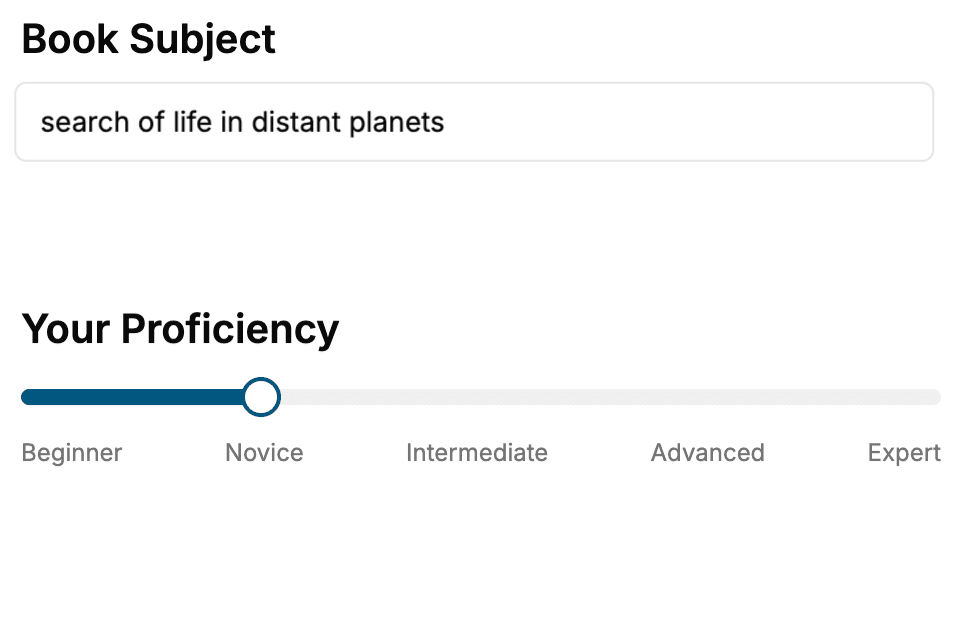
- 1. Select your focus
Select the focus of your French Cinema book and share your background
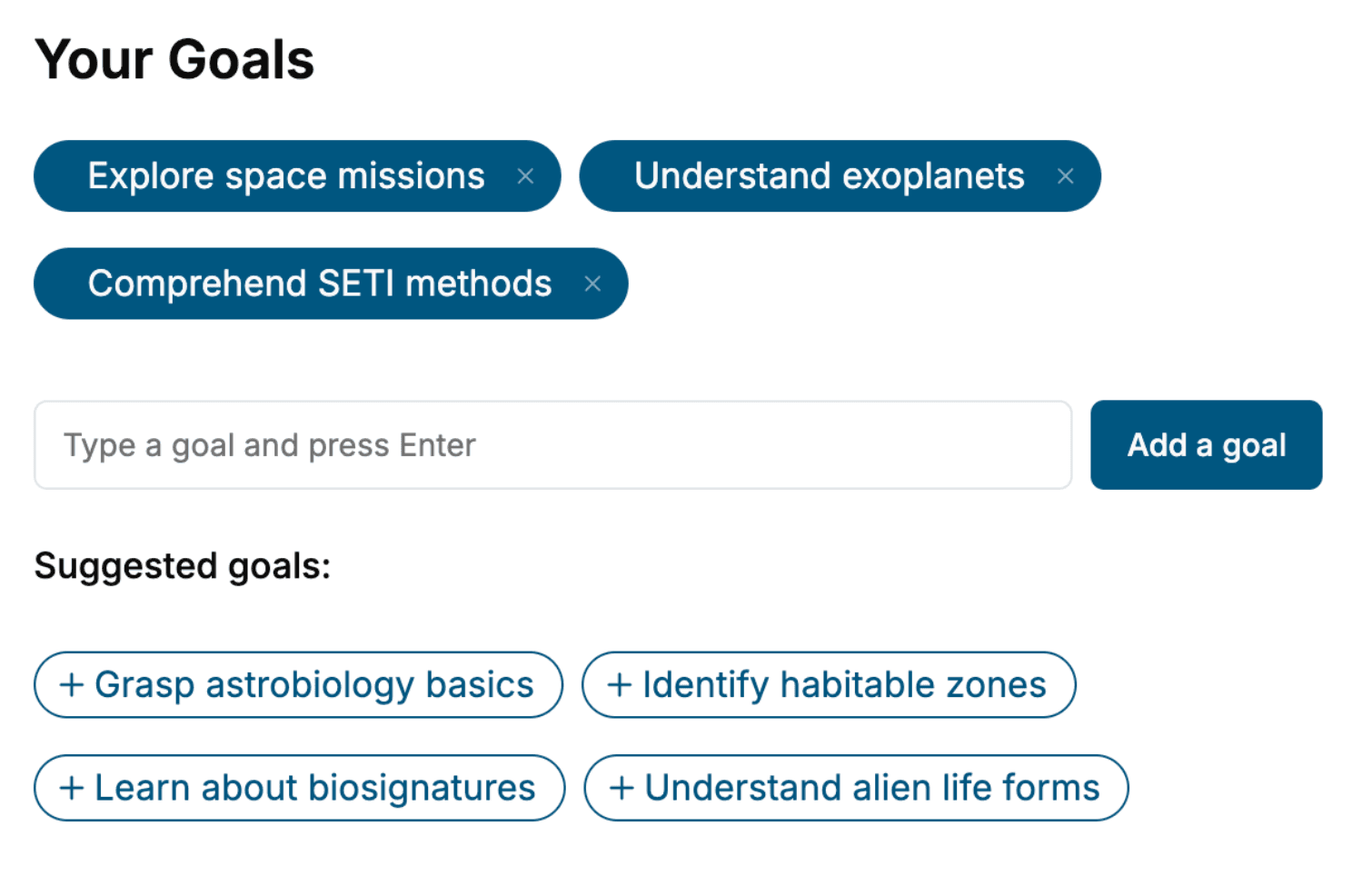
- 2. Personalize your book
Specify your goals and choose sub-topics to include
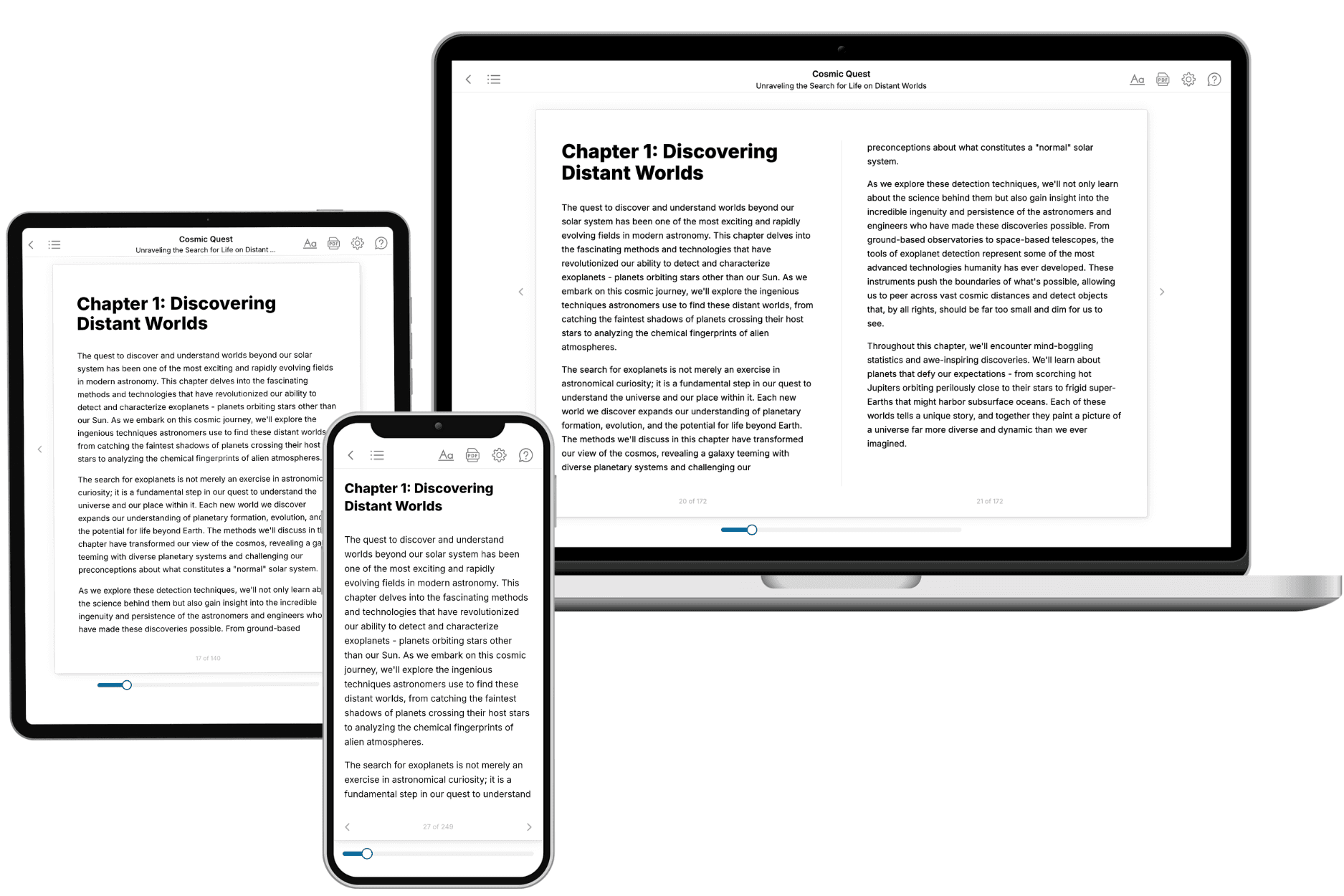
- 3. Get your tailored book
Your book is ready in 10 minutes. Read it online, download as EPUB or PDF, or send to Kindle.
Frequently asked questions
- What is TailoredRead?
TailoredRead creates complete, full-length nonfiction ebooks, written specifically for you. Tell us what you want to learn and why, and TailoredRead writes you a complete ebook on it, with charts, tables, and diagrams throughout. Read it online, on Kindle, or on any e-reader, or download it as a PDF or EPUB. Every book is written fresh the day you order it.
- How is the book tailored to me?
Before anything is written, you answer a few short questions about your goals, your background, and the topics you care about. Your book is then planned around your answers: written at your level, focused on your goals, and covering the topics you chose, instead of the one-size-fits-all book a store sells everyone.
- Will it read like generic AI content?
No. Your book isn't a chat transcript: it's planned chapter by chapter before a single word is written, told in a clear book voice, and explains ideas visually with charts, tables, and diagrams. After writing, every book goes through an editorial pass that polishes chapters so the book reads consistent from start to finish. Judge for yourself: browse thousands of sample books on our Explore Books page.
- How accurate is the content?
Our AI first checks whether your subject needs live research. Niche and fast-moving subjects are researched before writing, and the book plan and chapters are grounded in what it finds. After writing, every book goes through a quality pass that checks its facts and consistency, and researched books list their sources in a Notes section at the back.
- How long is the book?
You choose the length: Comprehensive (250-300 pages), Detailed (150-200 pages), Essential (70-100 pages), or Short (30-50 pages).
- Does the book include visuals?
Yes. Every book includes charts, tables, and diagrams: timelines, checklists, step-by-step guides, decision trees, comparison tables, matrices, and bar charts. A typical book includes dozens of these visual elements.
- Can I read it on Kindle? What formats can I download?
Yes. Every book can be read in our online reader or downloaded as a PDF or EPUB. The EPUB can be opened with Kindle, Apple Books, Kobo, and any e-reader. The Commercial and Author licenses also include an editable Word (DOCX) and Markdown download.
- How much does it cost?
About the price of a regular ebook. The exact price depends on your book's length and complexity, from $2 for the shortest books to $35 for the most comprehensive, and it's shown when you review your book, before you commit to anything. Each book is a one-time purchase, yours to keep, no subscription. Licenses that let you share, teach, or publish your book range from $35.99 to $49.99.
- Can I preview the book before purchasing?
Before you pay, you'll see what your book will cover: the title, a detailed description, the estimated length, and the complete chapter-by-chapter table of contents, so you know what you're getting before you decide. The full text itself is written after you purchase.
- How long does it take to create a book?
About 10 minutes. You can start reading the opening chapters while the rest is still being written.