Government Budgeting Mastery
Rapidly Build Practical Skills in Government Budget Management
Government budgeting professionals often struggle with fragmented processes, unclear fund allocation priorities, and difficulty demonstrating fiscal accountability to stakeholders.
238 pages11 chaptersNov 3, 2025Public FinanceCreated by Van
About this book
This practical guide consolidates essential budgeting techniques into a streamlined system you can implement immediately. You'll master the complete budget cycle—from formulation and fund allocation through reporting and audit preparation—using proven frameworks and real-world applications. Learn how to develop accurate budget forecasts, conduct meaningful variance analysis, optimize performance metrics, and create compelling budget justifications that secure stakeholder support. Discover cost control strategies that eliminate waste without compromising service delivery, implement compliance documentation systems that withstand audits, and coordinate resources across departments using multi-year planning approaches. By applying these techniques, you'll increase budget accuracy, strengthen financial oversight, and establish yourself as a trusted fiscal steward within your organization.
Table of contents
- IntroductionWhy Government Budgeting Matters, Your Budgeting Journey Ahead, How to Use This Book, Key Principles That Guide Effective BudgetingRead below
- Chapter 1: Understanding the Government Budget CycleThe Four Phases of the Budget Cycle, Identifying Stakeholders and Their Roles, Navigating the Regulatory Framework, Managing Budget Timelines and Deadlines
- Chapter 2: Budget Formulation FundamentalsAligning Budgets with Organizational Mission, Forecasting Revenue and Available Funds, Planning Expenditures and Resource Needs, Analyzing Constraints and Limitations
- Chapter 3: Public Fund Allocation StrategiesComparing Allocation Methods and Approaches, Setting Priorities and Making Trade-offs, Implementing Zero-Based Budgeting Techniques, Integrating Capital and Operational Budgets
- Chapter 4: Fiscal Analysis and Financial OversightEssential Financial Analysis Tools and Techniques, Conducting Meaningful Variance Analysis, Managing Fund Balances and Reserves, Building Financial Oversight Frameworks
- Chapter 5: Performance Metrics and Budget JustificationSelecting and Defining Performance Metrics, Collecting and Analyzing Performance Data, Developing Compelling Budget Justifications, Communicating Performance to Stakeholders
- Chapter 6: Budget Report Development and TransparencyUnderstanding Different Budget Report Types, Structuring Reports for Clarity and Impact, Enhancing Financial Transparency Through Reporting, Using Data Visualization and Presentation Techniques
- Chapter 7: Cost Control and Resource OptimizationDeveloping Effective Cost Control Strategies, Implementing Expenditure Tracking Systems, Optimizing Resource Planning and Allocation, Identifying Opportunities for Efficiency Improvement
- Chapter 8: Multi-Year Planning and Budget ForecastingBuilding Multi-Year Budget Frameworks, Advanced Budget Forecasting Methods, Developing Budget Contingency Plans, Conducting Scenario Analysis and Sensitivity Testing
- Chapter 9: Regulatory Compliance and Audit ReadinessUnderstanding Compliance Requirements and Standards, Building Comprehensive Documentation Systems, Preparing for Audits and Reviews, Monitoring Compliance Throughout the Budget Cycle
- Chapter 10: Interagency Coordination and Stakeholder ManagementCoordinating Budgets Across Departments and Agencies, Engaging Stakeholders Effectively, Resolving Budget Conflicts and Competing Priorities, Building Collaborative Planning Processes
- Chapter 11: Implementing Your Budgeting SystemDesigning Your Budgeting System, Selecting and Using Technology Tools, Training Your Team and Building Capacity, Establishing Continuous Improvement Processes
- ConclusionKey Takeaways and Next Steps, Your Path to Ongoing Professional Development
- Glossary
- Further Reading and Resources
Introduction
Government budgeting stands at the intersection of policy, accountability, and public service. Every dollar allocated represents a choice about priorities, a commitment to constituents, and a responsibility to steward public resources wisely. Yet many government finance professionals find themselves navigating fragmented processes, unclear priorities, and mounting pressure to demonstrate fiscal accountability. Budget cycles arrive with relentless regularity, stakeholders demand transparency, and regulatory requirements grow more complex each year. The challenge isn't simply managing numbers—it's building a systematic approach that integrates fund allocation, fiscal analysis, and compliance into a cohesive framework that serves your organization's mission.
This book addresses the practical realities you face daily. You already understand basic budgeting concepts, but you need deeper expertise to handle multi-year planning, justify budget decisions to skeptical stakeholders, implement meaningful cost controls, and prepare documentation that withstands audits. You need frameworks that work in real government environments, where political pressures intersect with fiscal constraints, where transparency requirements compete with operational efficiency, and where every budget decision affects real people and communities. The techniques presented here have been tested in actual government settings, refined through budget cycles, and designed to address the specific challenges public sector professionals encounter.
Throughout this book, you'll discover actionable strategies that transform budgeting from a compliance exercise into a strategic tool. You'll learn how to develop accurate forecasts that anticipate fiscal challenges, conduct variance analysis that identifies problems early, create budget justifications that secure stakeholder support, and implement compliance systems that provide confidence during audits. These aren't theoretical concepts—they're practical techniques you can apply immediately to strengthen your budgeting processes, improve fiscal oversight, and establish yourself as a trusted financial steward within your organization. Your journey toward budgeting mastery begins with understanding why this work matters and how the principles in this book will guide your development.
Why Government Budgeting Matters
Government budgeting serves as the primary mechanism through which public policy becomes operational reality. When legislators approve funding for education, infrastructure, or public safety, budget professionals translate those policy decisions into specific allocations, timelines, and accountability measures. Without effective budgeting, even the most well-intentioned policies remain abstract promises. Your work ensures that resources reach their intended destinations, that spending aligns with approved purposes, and that taxpayers receive value for their investment. This translation function makes budgeting fundamentally different from private sector financial management—you're not maximizing profit but optimizing public benefit within strict legal and ethical constraints.
The consequences of poor budgeting extend far beyond spreadsheets and financial reports. Inadequate budget planning can result in service disruptions that affect vulnerable populations, emergency funding requests that undermine fiscal stability, or compliance failures that trigger audits and damage public trust. Consider a public health department that underestimates vaccine program costs—the budget shortfall might force program cuts mid-year, leaving communities unprotected during disease outbreaks. Or examine a transportation agency that fails to coordinate capital and operational budgets—new infrastructure sits unused because no funds exist for maintenance and staffing. These failures don't just represent financial mismanagement; they represent broken promises to constituents who depend on government services.
Effective budgeting creates the foundation for organizational success and public confidence. When you develop accurate forecasts, you enable leadership to make informed decisions about service levels and strategic priorities. When you implement robust tracking systems, you detect problems early enough to implement corrective actions. When you prepare transparent reports, you demonstrate accountability that builds trust with elected officials, oversight bodies, and citizens. Research from the Government Finance Officers Association indicates that organizations with mature budgeting practices experience fewer audit findings, maintain healthier fund balances, and demonstrate stronger performance outcomes across service areas[1]. Your budgeting expertise directly influences your organization's capacity to fulfill its mission.
The fiscal environment facing government organizations has grown increasingly complex and demanding. Revenue volatility, unfunded mandates, aging infrastructure, and rising service costs create persistent budget pressures. Simultaneously, stakeholders expect greater transparency, more sophisticated performance measurement, and faster response to emerging needs. Technology offers new tools for budget management, but also introduces implementation challenges and cybersecurity concerns. Demographic shifts alter service demand patterns, requiring budget flexibility and long-term planning capabilities. In this environment, basic budgeting competence no longer suffices—you need advanced skills in forecasting, analysis, stakeholder communication, and strategic resource allocation.
Government budgeting also serves a critical democratic function by making resource allocation decisions visible and accountable. Unlike private companies that can shield financial information from public scrutiny, government organizations operate under transparency requirements that expose budget decisions to examination by media, advocacy groups, and citizens. This transparency creates both challenges and opportunities. The challenge lies in explaining complex fiscal trade-offs to diverse audiences with varying levels of financial literacy. The opportunity lies in building public understanding and support for your organization's priorities through clear, compelling budget communication. Your ability to present budget information accessibly and honestly strengthens democratic governance and public engagement.
The personal and professional rewards of budgeting mastery extend throughout your career. As you develop expertise in budget formulation, fiscal analysis, and compliance management, you become an indispensable resource to your organization. Leadership relies on your insights when making strategic decisions. Departments seek your guidance when planning initiatives. Auditors recognize your professionalism and thoroughness. This expertise opens advancement opportunities into senior financial management roles, policy positions, or specialized consulting. Beyond career benefits, you gain the satisfaction of knowing your work enables essential public services—schools that educate children, roads that connect communities, programs that protect public health and safety. Your budgeting skills translate directly into improved outcomes for the people your organization serves.
Understanding why budgeting matters provides motivation for the detailed work ahead. The techniques you'll learn—variance analysis, zero-based budgeting, multi-year forecasting, compliance documentation—might seem technical and demanding. They are. But each technique serves the larger purpose of strengthening your organization's fiscal health and service delivery capacity. When you master these skills, you don't just manage budgets more effectively; you contribute to better governance, stronger accountability, and improved public services. This broader purpose should guide your learning journey and sustain your commitment to continuous improvement in budgeting practice.
Your Budgeting Journey Ahead
Your path through this book follows the natural progression of the government budget cycle, from initial formulation through execution, monitoring, and audit preparation. This structure mirrors the work you perform throughout the fiscal year, making it easier to apply concepts immediately to your current responsibilities. You'll begin by deepening your understanding of the complete budget cycle and stakeholder roles, then progress through formulation techniques, allocation strategies, fiscal analysis methods, performance measurement, reporting practices, cost control approaches, multi-year planning, compliance requirements, and interagency coordination. Each chapter builds on previous concepts while standing alone as a reference for specific challenges you encounter.
The early chapters establish foundational frameworks that inform all subsequent techniques. You'll examine the four phases of the budget cycle—formulation, approval, execution, and audit—and identify how your role intersects with each phase. You'll map stakeholder relationships and communication requirements, understanding who needs what information at which points in the cycle. You'll navigate the regulatory framework governing your budget work, distinguishing between mandatory requirements and discretionary practices. These foundational elements create context for the more specialized techniques that follow, ensuring you understand not just how to perform specific tasks but why they matter and how they connect to the broader budget system.
The middle chapters deliver the core technical skills that distinguish proficient budget professionals from masters of the craft. You'll learn to conduct sophisticated revenue forecasting that accounts for economic cycles, policy changes, and historical trends. You'll implement zero-based budgeting techniques that challenge assumptions and eliminate wasteful spending without compromising service quality. You'll develop variance analysis capabilities that identify budget deviations early and distinguish between temporary fluctuations and systemic problems requiring intervention. You'll create performance metrics that meaningfully measure outcomes rather than simply tracking inputs and activities. These technical skills form the toolkit you'll use daily to manage budgets effectively and respond to fiscal challenges.
Practical application remains central throughout your journey. Each chapter includes specific examples drawn from real government budgeting scenarios—a county health department managing grant-funded programs, a municipal public works department coordinating capital projects, a state education agency allocating formula-based funding. You'll see how concepts apply in different contexts and organizational structures. You'll encounter common challenges and learn proven solutions. You'll examine what works and what doesn't, understanding the reasoning behind recommended approaches. This practical focus ensures you're not just learning theory but developing capabilities you can implement immediately in your own organization.
The later chapters address advanced topics that separate good budget systems from excellent ones. You'll build multi-year planning frameworks that enable strategic resource allocation across budget cycles. You'll develop scenario analysis capabilities that test budget resilience under different assumptions about revenue, costs, and service demand. You'll implement comprehensive compliance documentation systems that provide audit readiness throughout the year rather than requiring frantic preparation when auditors arrive. You'll establish interagency coordination processes that break down silos and enable collaborative resource planning. These advanced capabilities position you to handle complex fiscal challenges and contribute to strategic organizational decision-making.
Your journey includes developing both technical and interpersonal competencies. Budget mastery requires more than analytical skills—you need to communicate complex fiscal information clearly to non-financial audiences, negotiate competing priorities among departments, build consensus around difficult trade-offs, and maintain productive relationships with stakeholders who may disagree with budget decisions. Throughout the book, you'll find guidance on stakeholder engagement, conflict resolution, and communication strategies. You'll learn to present budget information visually using charts and graphs that convey key messages quickly. You'll develop justification techniques that build support for your recommendations. These interpersonal skills complement your technical expertise and enhance your effectiveness as a budget professional.
The final chapters help you synthesize everything you've learned into a coherent budgeting system tailored to your organization's needs. You'll design workflows that integrate formulation, monitoring, reporting, and compliance activities into efficient processes. You'll select technology tools that automate routine tasks and provide real-time budget information to decision-makers. You'll develop training programs that build budget capacity across your organization. You'll establish continuous improvement processes that evolve your budgeting practices as circumstances change. This implementation focus ensures you don't just accumulate knowledge but transform your organization's budgeting capabilities in measurable, sustainable ways.
How to Use This Book
This book functions both as a comprehensive learning resource and as a practical reference guide you'll return to repeatedly throughout your career. If you're new to government budgeting or transitioning from another financial role, reading sequentially from beginning to end provides the most effective learning path. Each chapter builds on concepts introduced previously, creating a cumulative understanding of the complete budgeting system. If you're an experienced budget professional seeking to strengthen specific skills, you can jump directly to relevant chapters—the modular structure allows you to focus on variance analysis, zero-based budgeting, or compliance documentation without reading preceding material. Consider your current needs and learning style when deciding how to approach the content.
Active engagement with the material accelerates your learning and skill development. As you read each chapter, identify specific applications to your current work. When you encounter a forecasting technique, consider how it might improve your revenue projections. When you review variance analysis methods, think about recent budget deviations in your organization and how these techniques might have detected problems earlier. When you examine stakeholder communication strategies, reflect on recent presentations or reports and how you might enhance their clarity and impact. This active connection between concepts and practice transforms abstract knowledge into practical capability. Keep notes about implementation ideas, questions to research further, and techniques to try during your next budget cycle.
The examples throughout the book serve multiple purposes beyond simple illustration. They demonstrate how concepts apply in real government contexts, showing the messy reality of budgeting rather than idealized scenarios. They reveal common challenges and complications you'll likely encounter, preparing you to handle similar situations. They provide templates and frameworks you can adapt to your organization's specific circumstances. When you encounter an example, don't just read it passively—analyze it critically. Consider how your situation differs from the example. Identify which elements you can adopt directly and which require modification. Think about obstacles you might face during implementation and how you'll address them. This critical engagement deepens understanding and improves your ability to apply concepts effectively.
The book's structure supports different learning and reference needs through several features:
- Chapter introductions that preview key concepts and explain how the chapter fits into the broader budgeting system
- Subsection organization that breaks complex topics into manageable components you can study individually
- Practical examples that demonstrate concepts in realistic government scenarios
- Actionable frameworks that provide step-by-step guidance for implementing techniques
- Key principle summaries that distill essential concepts for quick reference
- Cross-references that connect related concepts across different chapters
Consider creating a personal implementation plan as you progress through the book. Identify three to five priority areas where you want to strengthen your budgeting practice—perhaps revenue forecasting, performance metrics, or audit preparation. As you read relevant chapters, note specific techniques you'll implement, resources you'll need, obstacles you anticipate, and timelines for adoption. This planning process transforms reading into action, ensuring the book produces tangible improvements in your budgeting capabilities. Review and update your implementation plan regularly, celebrating progress and adjusting priorities as circumstances change. This disciplined approach to professional development accelerates skill acquisition and demonstrates your commitment to continuous improvement.
The book works most effectively when combined with other learning resources and professional development activities. Supplement your reading with professional association memberships that provide access to current research, standards updates, and peer networking opportunities. Attend conferences and workshops that offer hands-on training in specific techniques. Seek mentorship from experienced budget professionals who can provide guidance tailored to your situation. Participate in online communities where government finance professionals share challenges and solutions. Pursue relevant certifications that validate your expertise and expand your knowledge. This multi-faceted approach to professional development, with this book as a central resource, builds comprehensive mastery of government budgeting.
Return to this book periodically throughout your career as your responsibilities evolve and new challenges emerge. Techniques that seem less relevant early in your career may become critical as you advance into senior roles with broader responsibilities. Concepts you initially understand at a surface level will reveal deeper insights as you gain experience applying them in various contexts. The book's value compounds over time as you recognize connections between different techniques, understand nuances that weren't apparent initially, and develop the judgment to adapt frameworks to unique situations. Treat this book as a long-term professional resource rather than a one-time read, and you'll discover new value with each return visit.
Key Principles That Guide Effective Budgeting
Several fundamental principles underpin all effective government budgeting practices, regardless of organizational size, jurisdiction type, or specific budget methodologies employed. Understanding these principles provides a foundation for evaluating techniques, making decisions when facing ambiguous situations, and adapting practices to your unique circumstances. The first principle is mission alignment—every budget decision should advance your organization's core purpose and strategic priorities. When budget allocations drift from mission, resources get wasted on activities that don't serve constituents effectively. Before approving any expenditure or allocation, ask whether it directly supports your organization's reason for existence. This simple question prevents mission creep and ensures resources flow toward highest-priority activities.
The second principle is fiscal sustainability—budget decisions must consider long-term financial health, not just current-year balance. Short-term thinking creates future problems: deferred maintenance that leads to costly emergency repairs, inadequate reserve funding that leaves organizations vulnerable to revenue disruptions, or unsustainable compensation increases that create structural deficits. Effective budgeting requires multi-year perspective that evaluates how today's decisions affect future fiscal capacity. This doesn't mean avoiding all risk or never using reserves, but it does mean understanding the long-term implications of budget choices and ensuring your organization maintains fiscal resilience across economic cycles and changing circumstances.
The third principle is transparency and accountability—budget processes and decisions must be visible, understandable, and subject to appropriate oversight. Government organizations operate with public funds under public trust, creating ethical and legal obligations to conduct budget work openly. Transparency means more than publishing budget documents; it means presenting information in formats that diverse audiences can understand, explaining the reasoning behind decisions, and providing opportunities for stakeholder input. Accountability means establishing clear responsibility for budget outcomes, tracking performance against plans, and accepting consequences when results fall short. Organizations that embrace transparency and accountability build public trust and stakeholder support that proves invaluable during fiscal challenges.
The fourth principle is evidence-based decision-making—budget allocations should reflect objective analysis of needs, costs, and expected outcomes rather than politics, tradition, or assumptions. This principle doesn't eliminate judgment or values from budgeting—policy priorities inherently involve value choices about what government should do. But within those policy parameters, resource allocation should rely on data about service demand, cost-effectiveness analysis, performance measurement, and systematic evaluation of alternatives. Evidence-based budgeting requires investing in data collection and analysis capabilities, but this investment pays dividends through improved resource allocation and stronger justification for budget decisions.
The fifth principle is flexibility within control—budget systems must balance the need for fiscal discipline with the reality that circumstances change during budget execution. Overly rigid budgets that prohibit any deviation from original plans prevent organizations from responding to emergencies, seizing opportunities, or correcting problems discovered during implementation. Completely flexible budgets that allow unlimited transfers and adjustments undermine planning and accountability. Effective budgeting establishes clear parameters for budget execution—defining which adjustments require approval, setting thresholds for transfers between accounts, specifying contingency fund uses—while maintaining enough flexibility to manage unforeseen circumstances. This balance requires judgment and organizational maturity, but it's essential for practical budget management.
The sixth principle is stakeholder engagement—effective budgeting involves meaningful participation from the people affected by budget decisions. This includes internal stakeholders like department managers who understand operational needs and constraints, elected officials who set policy direction and approve budgets, employees who implement programs, and external stakeholders like citizens who receive services and pay taxes. Engagement doesn't mean every stakeholder gets veto power over budget decisions, but it does mean creating opportunities for input, seriously considering diverse perspectives, and explaining how stakeholder feedback influenced final decisions. Organizations that engage stakeholders effectively develop budgets with broader support and better alignment with actual needs.
The seventh principle is continuous improvement—budgeting practices should evolve based on experience, changing circumstances, and emerging best practices. The budget system that worked well five years ago may no longer serve your organization effectively as technology advances, regulations change, or organizational priorities shift. Effective budget professionals regularly evaluate their processes, seeking opportunities to improve accuracy, efficiency, transparency, or analytical capability. This might involve adopting new forecasting techniques, implementing budget software, revising report formats, or restructuring the budget calendar. Continuous improvement requires humility to acknowledge current limitations, curiosity to explore alternatives, and discipline to implement changes systematically rather than chasing every new trend.
These seven principles—mission alignment, fiscal sustainability, transparency and accountability, evidence-based decision-making, flexibility within control, stakeholder engagement, and continuous improvement—form the foundation for all techniques presented in this book. When you encounter difficult budget decisions or ambiguous situations, return to these principles for guidance. When evaluating whether to adopt a new practice or tool, assess whether it strengthens adherence to these principles. When explaining budget decisions to stakeholders, reference these principles to demonstrate the thoughtfulness and integrity of your approach. These principles transcend specific methodologies and remain relevant regardless of how budget practices evolve over time. Internalizing them transforms you from someone who follows budget procedures into a professional who understands the deeper purpose and values that make government budgeting essential to democratic governance and effective public service.
Notes
Introduction
- 1. Government Finance Officers Association, Best Practices in Public Budgeting, GFOA, Chicago, IL, 2019
This is the end of the free sample. The full book has 11 chapters.
Want this book written for you?
Tell us your goals and background, and get your own version of this book, tailored by AI to you.


Benefits of AI-tailored books
- Read one book, not ten:
- all the Public Finance knowledge you need, gathered into a single book.
- Save days of learning:
- tell us your goals, choose your topics, and the whole book is built around them.
- Learn effortlessly:
- Public Finance book written for your specific background and expertise.
- Understand at a glance:
- includes charts, tables, timelines, checklists, decision trees, and more.
- Stay current:
- written the day you order it, not years ago.
- Trust what you read:
- every book is checked for accuracy, with real research when your subject needs it.
Create your unique book in 3 steps
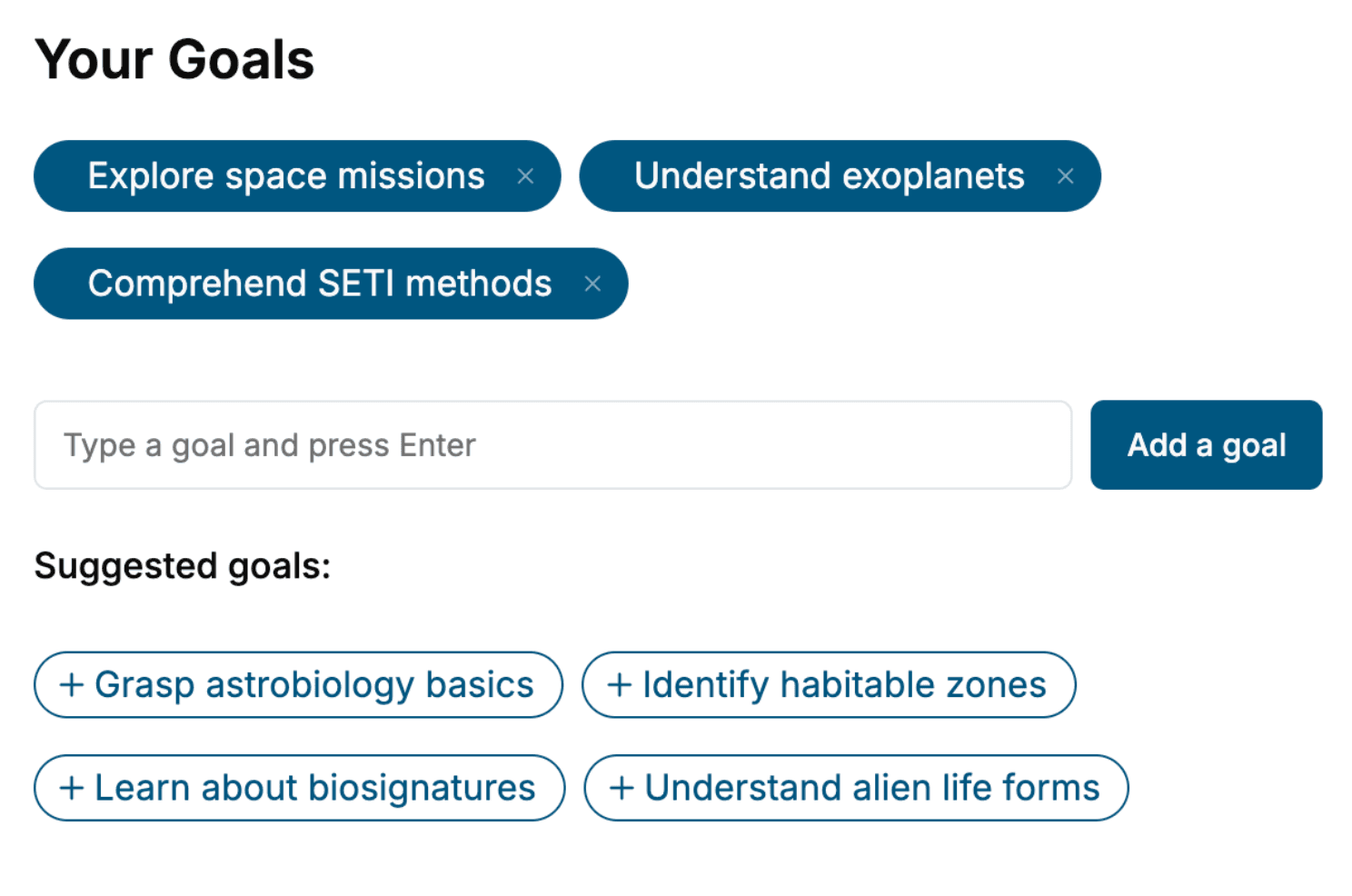
- 1. Select your focus
Select the focus of your Public Finance book and share your background
- 2. Personalize your book
Specify your goals and choose sub-topics to include
- 3. Get your tailored book
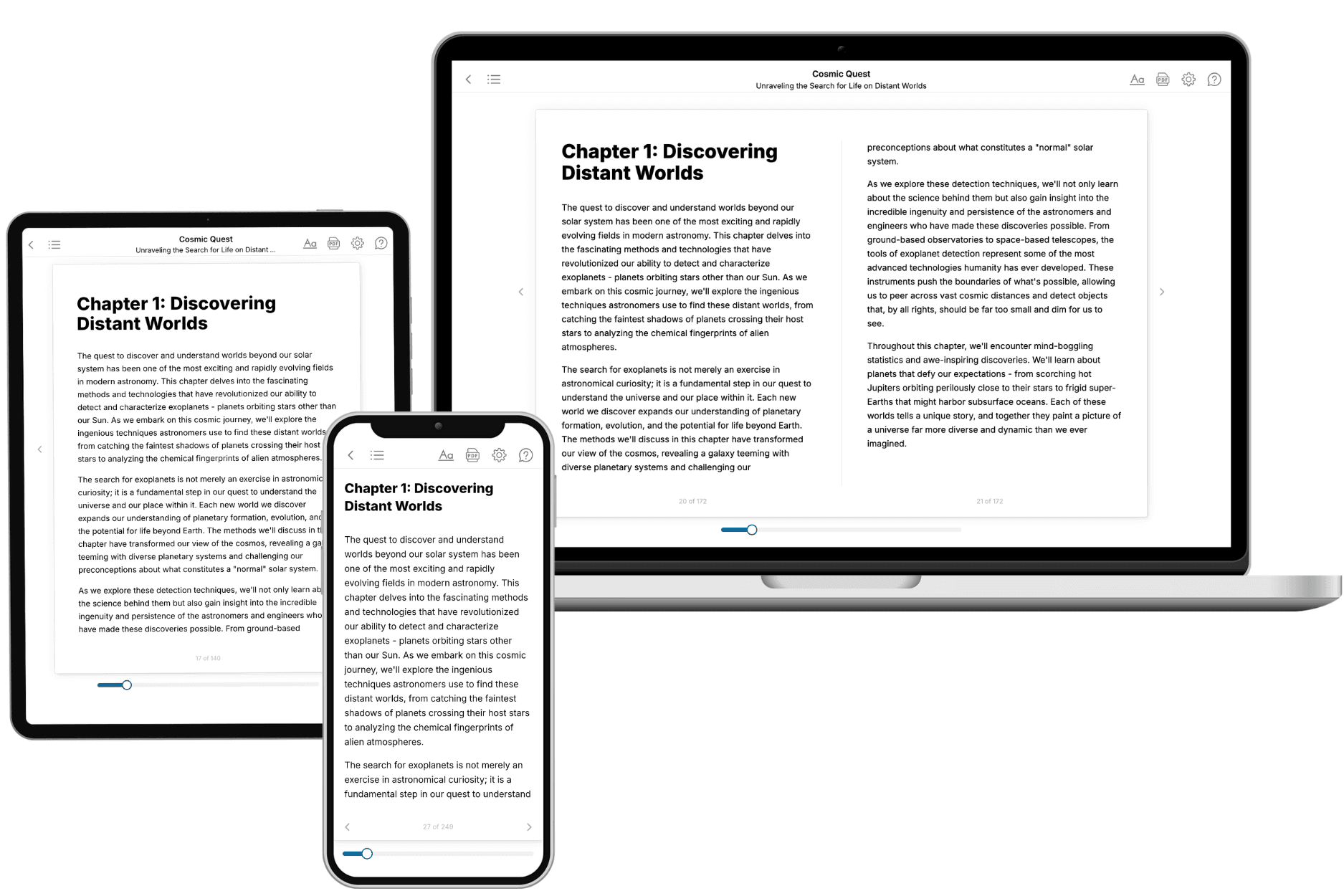
Your book is ready in 10 minutes. Read it online, download as EPUB or PDF, or send to Kindle.

Frequently asked questions
- What is TailoredRead?
TailoredRead creates complete, full-length nonfiction ebooks, written specifically for you. Tell us what you want to learn and why, and TailoredRead writes you a complete ebook on it, with charts, tables, and diagrams throughout. Read it online, on Kindle, or on any e-reader, or download it as a PDF or EPUB. Every book is written fresh the day you order it.
- How is the book tailored to me?
Before anything is written, you answer a few short questions about your goals, your background, and the topics you care about. Your book is then planned around your answers: written at your level, focused on your goals, and covering the topics you chose, instead of the one-size-fits-all book a store sells everyone.
- Will it read like generic AI content?
No. Your book isn't a chat transcript: it's planned chapter by chapter before a single word is written, told in a clear book voice, and explains ideas visually with charts, tables, and diagrams. After writing, every book goes through an editorial pass that polishes chapters so the book reads consistent from start to finish. Judge for yourself: browse thousands of sample books on our Explore Books page.
- How accurate is the content?
Our AI first checks whether your subject needs live research. Niche and fast-moving subjects are researched before writing, and the book plan and chapters are grounded in what it finds. After writing, every book goes through a quality pass that checks its facts and consistency, and researched books list their sources in a Notes section at the back.
- How long is the book?
You choose the length: Comprehensive (250-300 pages), Detailed (150-200 pages), Essential (70-100 pages), or Short (30-50 pages).
- Does the book include visuals?
Yes. Every book includes charts, tables, and diagrams: timelines, checklists, step-by-step guides, decision trees, comparison tables, matrices, and bar charts. A typical book includes dozens of these visual elements.
- Can I read it on Kindle? What formats can I download?
Yes. Every book can be read in our online reader or downloaded as a PDF or EPUB. The EPUB can be opened with Kindle, Apple Books, Kobo, and any e-reader. The Commercial and Author licenses also include an editable Word (DOCX) and Markdown download.
- How much does it cost?
About the price of a regular ebook. The exact price depends on your book's length and complexity, from $2 for the shortest books to $35 for the most comprehensive, and it's shown when you review your book, before you commit to anything. Each book is a one-time purchase, yours to keep, no subscription. Licenses that let you share, teach, or publish your book range from $35.99 to $49.99.
- Can I preview the book before purchasing?
Before you pay, you'll see what your book will cover: the title, a detailed description, the estimated length, and the complete chapter-by-chapter table of contents, so you know what you're getting before you decide. The full text itself is written after you purchase.
- How long does it take to create a book?
About 10 minutes. You can start reading the opening chapters while the rest is still being written.