Grammar for Code
Essential Writing Skills for Clear Documentation and Comments
Picture yourself confidently writing code comments that your teammates actually read and understand.
67 pages3 chaptersSep 14, 2025Technical Writing
About this book
Imagine API documentation so clear that other developers integrate with your services effortlessly, without constant back-and-forth questions. Your technical writing becomes a competitive advantage, making your code more maintainable and your APIs more adoptable. This practical guide bridges the gap between programming expertise and effective technical communication. You'll discover how proper grammar transforms confusing code comments into clear, actionable guidance. Learn the specific writing patterns that make API documentation scannable and user-friendly, while mastering the active voice techniques that eliminate ambiguity from your technical explanations. Through real-world examples from popular codebases and APIs, you'll see how grammar principles apply directly to your daily development work. Each chapter builds your skills systematically, from basic sentence construction to advanced documentation patterns used by leading tech companies. Whether you're documenting complex algorithms, writing parameter descriptions, or crafting user-facing API guides, you'll gain the grammar foundation that separates good developers from great technical communicators. Your future self—and your teammates—will thank you for the clarity you bring to every line of documentation you write.
Table of contents
- Chapter 1: Grammar Foundations for Technical WritingWhy Grammar Matters in Code Documentation, Building Clear Technical Sentences, Common Grammar Pitfalls in Developer Writing, Principles of Clear Technical CommunicationRead below
- Chapter 2: Mastering Active Voice in Code CommentsActive vs Passive Voice in Technical Context, Active Voice Patterns for Code Comments, Writing Function and Method Descriptions, Explaining Complex Logic with Active Voice
- Chapter 3: Crafting Perfect API Parameter DescriptionsGrammar Rules for Parameter Documentation, Consistent Description Patterns and Templates, Documenting Error Conditions and Edge Cases
- Conclusion
Chapter 1: Grammar Foundations for Technical Writing
Technical writing in software development operates under different rules than academic essays or creative writing. Your code comments, API documentation, and technical specifications serve as critical communication tools that directly impact productivity, maintainability, and user experience. When grammar fails in technical writing, the consequences extend far beyond stylistic concerns—they create confusion, introduce bugs, and waste countless hours of development time. Understanding the specific grammar principles that govern effective technical communication becomes essential for any developer who wants their code to be truly professional and maintainable.
The intersection of grammar and code documentation creates unique challenges that traditional writing guides rarely address. Technical writing demands precision, brevity, and absolute clarity while maintaining consistency across large codebases and complex API surfaces. Your documentation must serve multiple audiences simultaneously: fellow developers scanning for quick understanding, new team members learning system architecture, and external users integrating with your APIs. Each sentence you write in documentation carries the weight of potential misinterpretation, where a single ambiguous phrase can lead to implementation errors or system failures.
This chapter establishes the grammatical foundation that transforms unclear technical writing into precise, actionable documentation. You'll discover why certain grammar rules matter more in technical contexts, how sentence structure affects comprehension in code comments, and which common mistakes create the most confusion for readers. The principles covered here apply whether you're writing inline comments, README files, API specifications, or comprehensive technical guides. By mastering these fundamentals, you'll develop the skills to write documentation that enhances rather than hinders the development process.
Why Grammar Matters in Code Documentation
Grammar in technical writing serves as the foundation for clear communication between developers, but its importance extends far beyond basic readability. When you write code comments or documentation with poor grammar, you create cognitive overhead for every person who reads your work. Consider a comment like // This function it calculates the user's total when they have made purchases—the grammatical errors force readers to mentally parse and correct the sentence before understanding its meaning. This extra processing time multiplies across thousands of comments in a codebase, creating significant productivity drag. Research in cognitive psychology shows that grammatical errors increase reading time by 20-40% and reduce comprehension accuracy[1]. In technical contexts where precision matters, this reduction in clarity can lead to implementation mistakes and system failures.
The collaborative nature of software development amplifies grammar's importance in ways that solo writing never experiences. Your code comments become part of a shared knowledge base that multiple developers access over months or years. Poor grammar creates ambiguity that compounds over time, leading to different interpretations of the same documentation. When a comment states // Updates user data if validation passes or errors occur, the ambiguous conjunction creates confusion about when the update actually happens. Does it update on validation success, on errors, or both? This grammatical imprecision forces future developers to examine the implementation code to understand the intended behavior, defeating the purpose of documentation entirely. Clear grammar eliminates these interpretation gaps and allows documentation to serve its primary function: enabling understanding without code examination.
Technical writing also faces unique constraints that make grammar even more critical than in other writing forms. Space limitations in code comments demand concise expression without sacrificing clarity. Character limits in commit messages require precise word choice and sentence structure. API documentation must convey complex technical concepts to audiences with varying expertise levels. These constraints mean that every word, punctuation mark, and sentence structure choice carries more weight than in traditional writing. A well-constructed sentence can convey complex technical information efficiently, while poor grammar forces you to use more words to achieve the same clarity, often exceeding space constraints or creating verbose documentation that readers skip entirely.
The global nature of software development teams adds another layer of complexity to technical grammar. Many developers work in multilingual environments where English serves as the common technical language, but team members have varying levels of English proficiency. Clear, grammatically correct writing becomes essential for effective communication across language barriers. Simple sentence structures, active voice, and consistent grammar patterns help non-native English speakers understand technical concepts more easily. When you write // The cache stores user sessions for 24 hours instead of // User sessions are being stored in the cache for a 24-hour period, you create more accessible documentation that serves diverse teams better. This accessibility consideration makes grammar not just a quality issue, but an inclusivity issue that affects team dynamics and project success.
Modern development practices further emphasize grammar's role in technical communication. Code reviews, automated documentation generation, and API-first development approaches all rely on clear, well-written documentation. During code reviews, poorly written comments distract from substantive technical discussions and can mask important implementation details. Automated documentation tools that extract comments and generate user-facing guides amplify grammar mistakes, potentially embarrassing your organization in public-facing materials. API-first development requires documentation that serves as a contract between services, where ambiguous language can lead to integration failures and system incompatibilities. These practices make grammar a technical skill that directly impacts code quality and system reliability.
The long-term maintenance implications of grammar in technical writing cannot be overstated. Code comments and documentation often outlive the original authors, serving as historical records of design decisions and implementation details. Future developers, including your future self, rely on this documentation to understand system behavior and make informed changes. Poor grammar creates maintenance debt that accumulates over time, making codebases harder to understand and modify. Consider the difference between // Handles edge case where user input contains special characters that could break parsing and // Edge case handling for user input special characters breaking parsing. The first example provides clear, grammatically correct information that remains useful years later, while the second creates confusion about what exactly is being handled and how. This clarity difference becomes crucial during debugging sessions, security reviews, and system upgrades where precise understanding of existing behavior determines success or failure.
Grammar also affects the perceived professionalism and credibility of your technical work. External developers evaluating your APIs, potential employers reviewing your code samples, and team members assessing your technical communication skills all form impressions based on writing quality. Consistent grammar mistakes in technical writing can undermine confidence in your technical abilities, regardless of your actual coding skills. This perception issue becomes particularly important in open-source contributions, technical blog posts, and documentation that represents your professional brand. Well-written technical documentation demonstrates attention to detail, clear thinking, and respect for your audience—qualities that enhance your reputation and career prospects in the software development field.
The measurable impact of grammar on documentation effectiveness provides concrete evidence for its importance in technical writing. Studies of API documentation usage show that clear, grammatically correct descriptions reduce support ticket volume by up to 35% and increase successful integration rates[2]. Teams that implement grammar standards for code comments report faster onboarding times for new developers and reduced debugging sessions. These metrics demonstrate that grammar investment pays dividends in reduced support overhead, faster development cycles, and improved team productivity. The time spent learning and applying proper grammar principles in technical writing generates measurable returns through improved communication efficiency and reduced misunderstandings.
Building Clear Technical Sentences
Technical sentences require different structural approaches than narrative or persuasive writing, prioritizing clarity and precision over stylistic variety. The most effective technical sentences follow a subject-verb-object pattern that immediately identifies what performs an action and what receives that action. Consider the difference between // The validation process checks user input for malicious content and // Checking for malicious content in user input is what the validation process does. The first sentence structure allows readers to quickly identify the subject (validation process), action (checks), and object (user input), while the second forces readers to parse a more complex structure to extract the same information. This structural clarity becomes crucial when readers scan documentation quickly, looking for specific information about system behavior or implementation details.
Sentence length in technical writing requires careful balance between completeness and readability. Research shows that sentences longer than 20 words significantly reduce comprehension in technical contexts, while sentences shorter than 8 words often lack sufficient detail for technical accuracy[3]. The optimal range for technical sentences falls between 12-18 words, providing enough space for necessary technical details while maintaining readability. However, sentence length should serve content requirements rather than arbitrary word counts. A sentence like // This method validates user credentials by checking the provided username against the database, verifying the password hash matches the stored value, and confirming the account status is active contains 26 words but remains clear because it follows a logical structure with parallel elements. Breaking this into multiple sentences might actually reduce clarity by fragmenting related information.
Parallel structure becomes particularly important in technical writing when describing multiple related actions, parameters, or conditions. Inconsistent parallel structure creates confusion about relationships between elements and makes information harder to process. Compare these two examples:
- Poor parallel structure:
// This function accepts a username string, validates the password, and user permissions are checked - Good parallel structure:
// This function accepts a username string, validates the password, and checks user permissions
Modifier placement in technical sentences requires precision to avoid ambiguity about what elements are being modified. Misplaced modifiers in technical writing can completely change the meaning of instructions or descriptions, leading to implementation errors. Consider the ambiguity in // The function returns user data from the cache if available—does "if available" modify the cache or the user data? The sentence structure leaves this relationship unclear. A clearer version would be // The function returns user data from the cache when cache data is available or // The function returns available user data from the cache, depending on the intended meaning. This precision in modifier placement becomes critical when documenting conditional behavior, optional parameters, and error handling logic where ambiguity can lead to incorrect implementations.
Technical sentences benefit from front-loading important information rather than burying key details in subordinate clauses or prepositional phrases. This approach, known as the "inverted pyramid" structure in journalism, helps readers quickly identify relevant information. Instead of writing // In cases where the user has exceeded their rate limit, which is determined by checking their request count against the configured threshold, an error response is returned, front-load the key information: // Returns an error response when users exceed their configured rate limit threshold. This restructuring puts the main action (returns error response) and primary condition (rate limit exceeded) at the beginning, allowing readers to quickly determine if the information is relevant to their needs.
Conditional statements in technical writing require careful sentence construction to clearly express logical relationships. The placement of conditional clauses affects how readers understand the relationship between conditions and outcomes. Leading with conditions often creates clearer technical sentences: // If authentication fails, the method throws an AuthenticationException immediately establishes the condition before describing the consequence. This structure mirrors how developers think about conditional logic in code, making the documentation more intuitive. However, when the action is more important than the condition, leading with the action can be more effective: // The cache expires after 30 minutes of inactivity emphasizes the expiration behavior while treating the time condition as a detail.
Technical sentences must also handle complex technical concepts without becoming overly complicated themselves. Breaking complex ideas into multiple sentences often improves clarity more than attempting to capture everything in a single sentence. Consider this complex sentence: // The authentication middleware intercepts incoming requests, extracts bearer tokens from the Authorization header, validates them against the JWT secret, and either allows the request to proceed to the next middleware or returns a 401 Unauthorized response depending on validation results. This sentence, while technically correct, overwhelms readers with too much information. Breaking it into focused sentences improves comprehension:
This approach maintains all the technical information while presenting it in digestible chunks that readers can process more easily.// The authentication middleware intercepts all incoming requests and extracts bearer tokens from the Authorization header. It validates tokens against the configured JWT secret. Valid tokens allow requests to proceed to the next middleware, while invalid tokens return a 401 Unauthorized response.
Sentence variety in technical writing serves different purposes than in creative writing, focusing on functional rather than stylistic goals. Different sentence types serve specific documentation needs: declarative sentences for stating facts about system behavior, imperative sentences for providing instructions, and conditional sentences for describing situational logic. However, this variety should emerge naturally from content requirements rather than artificial attempts to avoid repetition. Consistent sentence patterns actually benefit technical writing by creating predictable structures that readers can scan efficiently. When documenting similar functions or parameters, using parallel sentence structures helps readers quickly identify differences and similarities without processing varied grammatical constructions.
Common Grammar Pitfalls in Developer Writing
Pronoun reference errors represent one of the most frequent and problematic grammar mistakes in technical writing, particularly when documenting complex systems with multiple components. Ambiguous pronouns force readers to guess which element "it," "this," or "they" refers to, creating confusion that can lead to implementation errors. Consider this problematic example: // The cache manager stores user sessions in Redis. It expires after 30 minutes. Does "it" refer to the cache manager, the user sessions, or Redis? This ambiguity becomes even more problematic in longer comments where multiple nouns could serve as antecedents. The solution involves either repeating the specific noun or restructuring sentences to eliminate ambiguous pronouns: // The cache manager stores user sessions in Redis. Each session expires after 30 minutes. This clarity becomes crucial when documenting APIs where parameter relationships and object behaviors must be precisely understood.
Subject-verb disagreement errors frequently occur in technical writing when developers focus on complex technical concepts while losing track of grammatical number. These errors are particularly common when dealing with collective nouns, compound subjects, and technical terms that might be singular or plural depending on context. For example, // The list of user permissions are validated against the access control matrix contains a subject-verb disagreement because "list" (singular) doesn't agree with "are" (plural). The correct version would be // The list of user permissions is validated against the access control matrix. This type of error becomes more frequent in technical writing because developers often think about the conceptual plurality (multiple permissions) rather than the grammatical subject (the list). Similar issues arise with technical terms like "data" (technically plural but often treated as singular in modern usage) and compound subjects joined by "and" or "or."
Dangling and misplaced modifiers create significant confusion in technical documentation by obscuring the relationships between actions and their targets. These errors are particularly problematic when documenting processes, algorithms, or system behaviors where precision is essential. A dangling modifier like // After validating user input, the database connection is established suggests that the database connection performs the validation, when the intended meaning is that validation occurs before establishing the connection. The corrected version clarifies the actor: // After validating user input, the system establishes a database connection. Misplaced modifiers create similar confusion: // The function processes user data with invalid characters efficiently could mean the function efficiently processes data that contains invalid characters, or that it processes user data and efficiently handles invalid characters. Restructuring eliminates the ambiguity: // The function efficiently processes user data that contains invalid characters.
Inconsistent tense usage throughout technical documentation creates confusion about when actions occur and whether descriptions refer to current system behavior or planned features. Technical writing typically uses present tense to describe current system behavior and future tense for planned functionality, but developers often mix tenses inconsistently. For example: // This method validates user input and will return an error if validation failed mixes present tense (validates), future tense (will return), and past tense (failed) in a single sentence describing current behavior. Consistent present tense clarifies the description: // This method validates user input and returns an error if validation fails. This consistency becomes particularly important in API documentation where users need to understand current system behavior to implement integrations correctly.
Comma splice errors and run-on sentences frequently appear in technical writing when developers attempt to connect related technical concepts without proper punctuation or conjunctions. These errors create confusion about relationships between ideas and make sentences difficult to parse. A comma splice like // The cache stores user data, it expires after one hour incorrectly joins two independent clauses with only a comma. Correction options include using a semicolon, adding a conjunction, or creating separate sentences:
- Semicolon:
// The cache stores user data; it expires after one hour - Conjunction:
// The cache stores user data, and it expires after one hour - Separate sentences:
// The cache stores user data. It expires after one hour
Apostrophe errors in technical writing often stem from confusion between possessive forms and plural forms, particularly with technical terms and acronyms. Developers frequently add unnecessary apostrophes to plural technical terms: // The API handles multiple HTTP request's simultaneously should be // The API handles multiple HTTP requests simultaneously. Conversely, missing apostrophes in possessive forms create ambiguity: // The users session data is encrypted should be // The user's session data is encrypted (single user) or // The users' session data is encrypted (multiple users). These errors become particularly problematic with technical acronyms and abbreviations where the plural form might be unclear. For example, "APIs" (plural of API) is correct, while "API's" would only be appropriate in possessive contexts like "the API's documentation."
Preposition errors in technical writing often result from attempting to describe complex technical relationships without considering the precise meanings of different prepositions. These errors can change the meaning of technical descriptions and create confusion about system behavior. Common mistakes include using "in" instead of "on" when describing actions performed on objects: // The method operates in the user object suggests the method works inside the object, while // The method operates on the user object correctly indicates the object is the target of the operation. Similarly, "between" and "among" are often confused: // Data is shared between all microservices should be // Data is shared among all microservices when referring to more than two services. These precision issues become critical in API documentation where the exact nature of relationships between components must be clearly understood.
Fragment sentences in technical writing often result from incomplete thoughts that leave readers without essential information about system behavior or implementation details. While fragments can be acceptable in informal contexts, technical documentation requires complete sentences that provide all necessary information. A fragment like // When user authentication fails leaves readers wondering what happens in that situation. The complete sentence provides the missing information: // When user authentication fails, the system returns a 401 Unauthorized response. However, developers sometimes create the opposite problem by turning simple, clear statements into unnecessarily complex sentences. The key is ensuring each sentence expresses a complete thought with all necessary information while maintaining clarity and conciseness. This balance becomes particularly important in code comments where space constraints might tempt developers to use fragments, but clarity requirements demand complete information.
Principles of Clear Technical Communication
Precision in word choice forms the cornerstone of effective technical communication, where each term carries specific meaning that affects system understanding and implementation accuracy. Technical writing demands exact vocabulary that eliminates ambiguity and provides clear guidance to readers. The difference between "validates," "verifies," and "checks" might seem subtle, but each term implies different levels of thoroughness and different types of examination. "Validates" suggests comprehensive rule-based checking, "verifies" implies confirmation against a known standard, and "checks" indicates a general examination. Using precise terminology consistently throughout documentation helps readers understand exactly what operations occur and what level of assurance they provide. This precision becomes critical when documenting security functions, data processing operations, and system integrations where misunderstanding can lead to vulnerabilities or failures.
Consistency in terminology and structure creates predictable patterns that help readers navigate technical documentation efficiently. When you establish conventions for describing similar elements, readers can quickly scan and locate relevant information without processing varied grammatical structures. For example, if you consistently describe API parameters using the pattern "parameter_name (type): Description of what this parameter controls," readers learn to expect this structure and can quickly extract the information they need. Inconsistency forces readers to process different formats for the same type of information, slowing comprehension and increasing the likelihood of missing important details. This consistency principle extends beyond individual documents to entire codebases and API documentation suites, where standardized language patterns create professional, maintainable documentation that serves teams effectively over time.
Conciseness in technical writing requires eliminating unnecessary words while preserving all essential information, creating documentation that respects readers' time while providing complete guidance. This principle doesn't mean writing the shortest possible sentences, but rather ensuring every word serves a purpose in conveying technical information. Compare these examples:
- Verbose:
// This particular method is responsible for the task of performing validation operations on the user input data that has been provided - Concise:
// This method validates user input data
Logical organization of information within sentences and paragraphs helps readers follow complex technical explanations without losing track of relationships between concepts. Technical writing benefits from presenting information in the order that readers need to process it, typically moving from general concepts to specific details, or from conditions to outcomes. When documenting a complex process, organize information to match the logical flow: // The authentication middleware first extracts the bearer token from the request header, then validates the token signature against the JWT secret, and finally checks token expiration before allowing request processing to continue. This organization follows the temporal sequence of operations, making it easier for readers to understand the process flow. Similarly, when describing conditional behavior, present conditions before outcomes to match how readers naturally process logical relationships.
Context provision ensures that readers have sufficient background information to understand technical descriptions without requiring extensive external research. Technical writing often assumes knowledge that readers might not possess, leading to confusion and implementation errors. Providing appropriate context means including enough background information for your target audience while avoiding unnecessary detail that clutters the documentation. For example, when documenting a caching mechanism, consider whether readers need to understand the underlying cache implementation or just the interface behavior. A comment like // Uses Redis for session storage might be sufficient for developers familiar with Redis, but // Uses Redis (in-memory data store) for fast session storage and retrieval provides helpful context for developers less familiar with the technology. The key is calibrating context to your audience's knowledge level while erring on the side of clarity.
Active voice construction creates more direct and actionable technical writing by clearly identifying what performs each action in system operations. Active voice eliminates ambiguity about agency and creates more engaging, easier-to-follow descriptions of system behavior. Instead of writing // User permissions are checked by the authorization module before access is granted, active voice creates clearer communication: // The authorization module checks user permissions before granting access. This construction immediately identifies the actor (authorization module) and the action (checks permissions), making the system behavior more transparent. Active voice becomes particularly important when documenting APIs, where users need to understand exactly what components perform which operations and when those operations occur in the request processing flow.
Audience awareness shapes every aspect of technical writing, from vocabulary choices to the level of detail provided in explanations. Different audiences require different approaches to the same technical information. Documentation for internal team members can assume familiarity with system architecture and use internal terminology, while public API documentation must explain concepts that might be unfamiliar to external developers. Consider these different approaches to documenting the same functionality:
- Internal:
// Triggers the standard auth flow via AuthService.validate() - External:
// Initiates user authentication by validating credentials against the configured authentication provider
Error prevention through clear communication anticipates common misunderstandings and addresses them proactively in technical documentation. This principle involves identifying points where readers might make incorrect assumptions or miss important details, then structuring your writing to prevent these errors. For example, when documenting optional parameters, clearly state the default behavior: // timeout (optional, defaults to 30 seconds): Maximum time to wait for response rather than just // timeout (optional): Maximum time to wait for response. This approach prevents readers from making incorrect assumptions about default behavior. Similarly, when documenting functions that might behave differently in edge cases, explicitly address those cases rather than leaving readers to discover them through trial and error. This proactive approach reduces support overhead and improves the developer experience with your APIs and systems.
Measurable clarity in technical writing means structuring information so readers can quickly assess whether content is relevant to their needs and extract specific information efficiently. This principle involves using scannable formats, clear headings, and predictable information organization that supports different reading patterns. Developers often scan documentation looking for specific information rather than reading sequentially, so your writing should support this behavior. Use consistent patterns for similar information, front-load important details, and structure complex information with clear hierarchies. For example, when documenting multiple related functions, use parallel structures that allow readers to quickly compare functionality and identify the most appropriate option for their needs. This approach respects readers' time while ensuring they can find and understand the information they need to implement solutions successfully.
Notes
Chapter 1: Grammar Foundations for Technical Writing
- 1. F. Ferreira and N. D. Patson, "The 'good enough' approach to language comprehension," Language and Linguistics Compass, 2007
- 2. M. Meng and others, "Application programming interface documentation," Journal of Technical Writing and Communication, 2018
- 3. M. Cutts, Oxford Guide to Plain English, Oxford University Press, 2013
This is the end of the free sample. The full book has 3 chapters.
Want this book written for you?
Tell us your goals and background, and get your own version of this book, tailored by AI to you.






Benefits of AI-tailored books
- Read one book, not ten:
- all the Technical Writing knowledge you need, gathered into a single book.
- Save days of learning:
- tell us your goals, choose your topics, and the whole book is built around them.
- Learn effortlessly:
- Technical Writing book written for your specific background and expertise.
- Understand at a glance:
- includes charts, tables, timelines, checklists, decision trees, and more.
- Stay current:
- written the day you order it, not years ago.
- Trust what you read:
- every book is checked for accuracy, with real research when your subject needs it.
Create your unique book in 3 steps
- 1. Select your focus
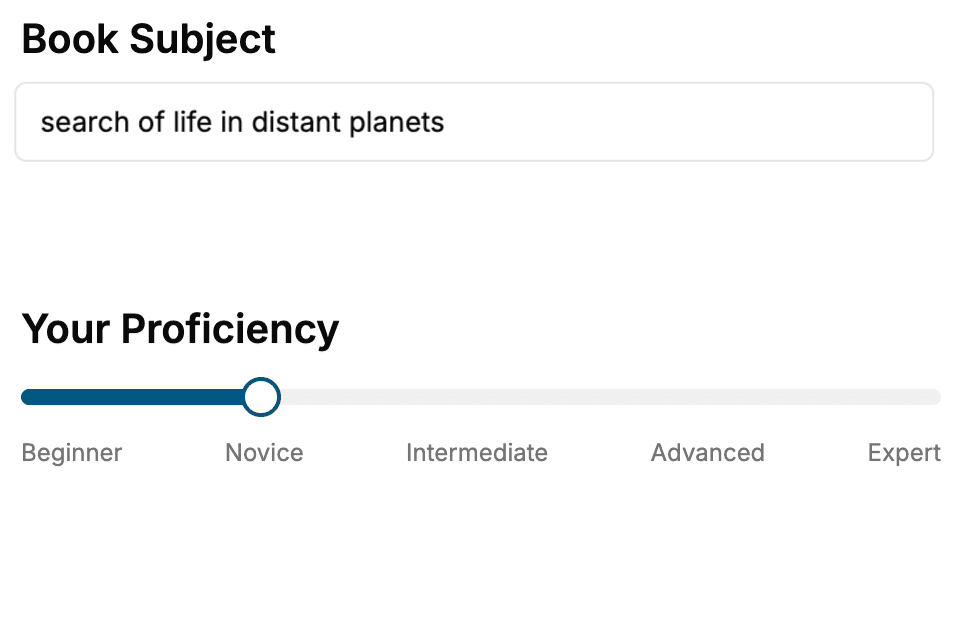
Select the focus of your Technical Writing book and share your background
- 2. Personalize your book
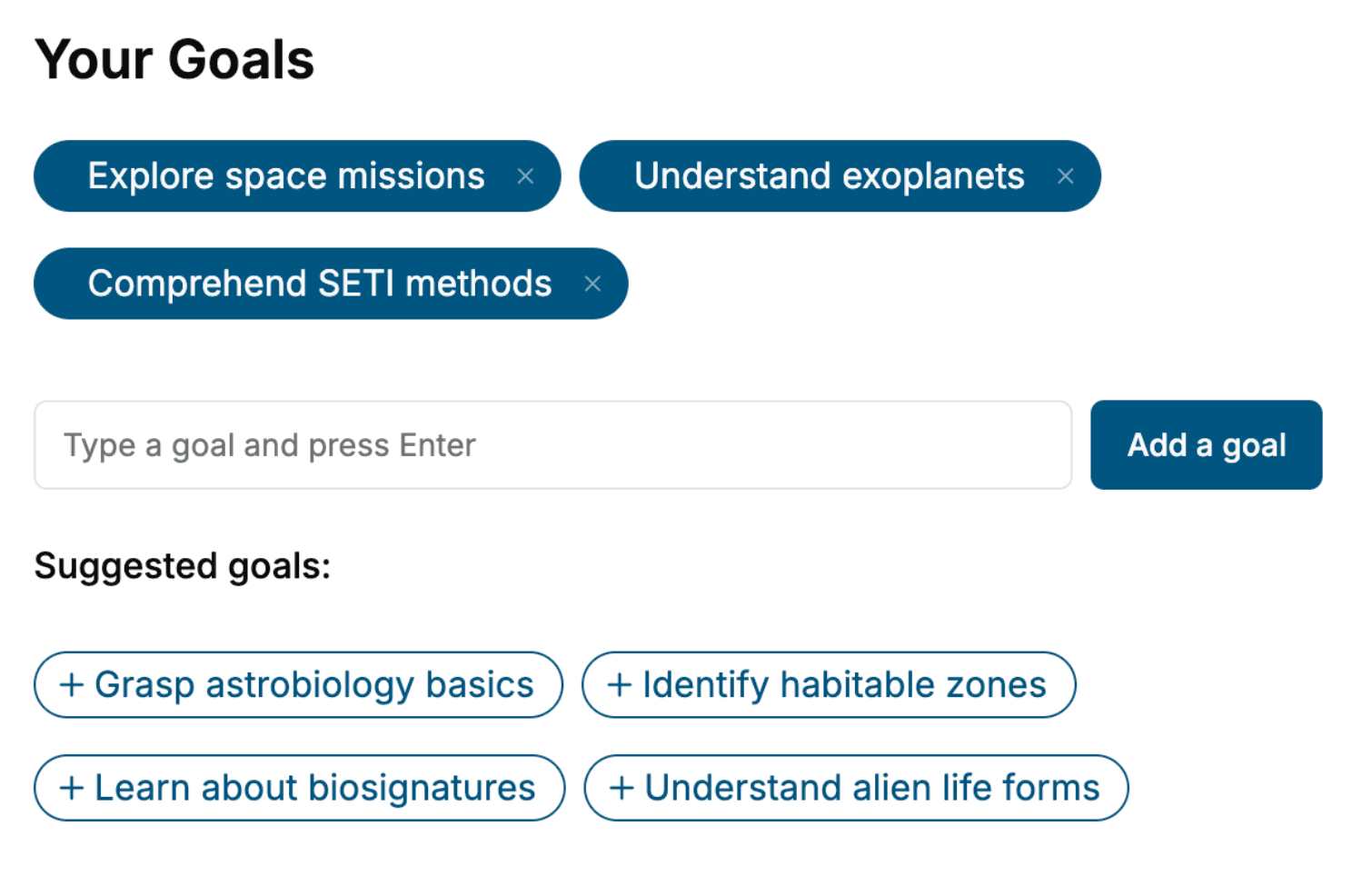
Specify your goals and choose sub-topics to include
- 3. Get your tailored book
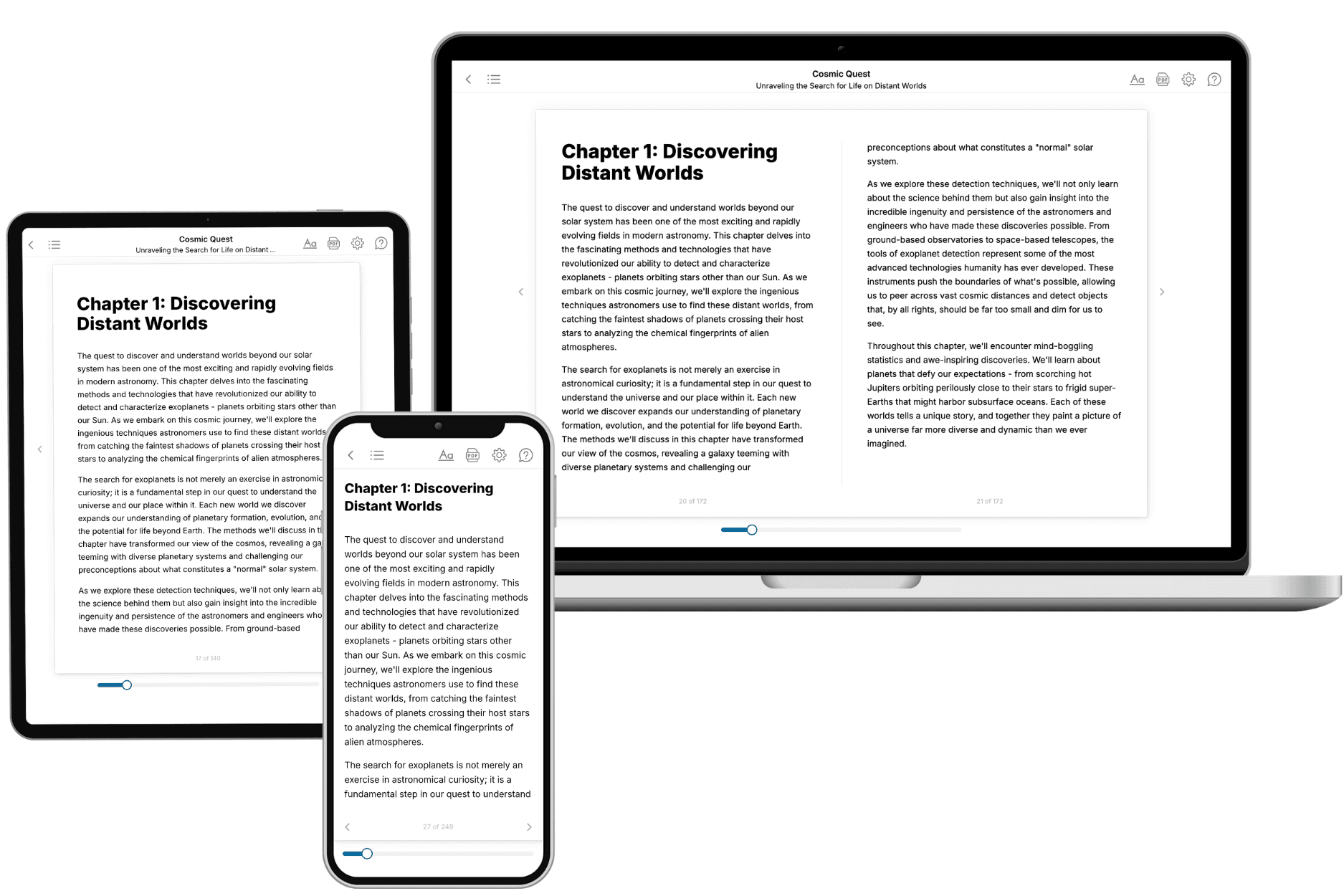
Your book is ready in 10 minutes. Read it online, download as EPUB or PDF, or send to Kindle.
Frequently asked questions
- What is TailoredRead?
TailoredRead creates complete, full-length nonfiction ebooks, written specifically for you. Tell us what you want to learn and why, and TailoredRead writes you a complete ebook on it, with charts, tables, and diagrams throughout. Read it online, on Kindle, or on any e-reader, or download it as a PDF or EPUB. Every book is written fresh the day you order it.
- How is the book tailored to me?
Before anything is written, you answer a few short questions about your goals, your background, and the topics you care about. Your book is then planned around your answers: written at your level, focused on your goals, and covering the topics you chose, instead of the one-size-fits-all book a store sells everyone.
- Will it read like generic AI content?
No. Your book isn't a chat transcript: it's planned chapter by chapter before a single word is written, told in a clear book voice, and explains ideas visually with charts, tables, and diagrams. After writing, every book goes through an editorial pass that polishes chapters so the book reads consistent from start to finish. Judge for yourself: browse thousands of sample books on our Explore Books page.
- How accurate is the content?
Our AI first checks whether your subject needs live research. Niche and fast-moving subjects are researched before writing, and the book plan and chapters are grounded in what it finds. After writing, every book goes through a quality pass that checks its facts and consistency, and researched books list their sources in a Notes section at the back.
- How long is the book?
You choose the length: Comprehensive (250-300 pages), Detailed (150-200 pages), Essential (70-100 pages), or Short (30-50 pages).
- Does the book include visuals?
Yes. Every book includes charts, tables, and diagrams: timelines, checklists, step-by-step guides, decision trees, comparison tables, matrices, and bar charts. A typical book includes dozens of these visual elements.
- Can I read it on Kindle? What formats can I download?
Yes. Every book can be read in our online reader or downloaded as a PDF or EPUB. The EPUB can be opened with Kindle, Apple Books, Kobo, and any e-reader. The Commercial and Author licenses also include an editable Word (DOCX) and Markdown download.
- How much does it cost?
About the price of a regular ebook. The exact price depends on your book's length and complexity, from $2 for the shortest books to $35 for the most comprehensive, and it's shown when you review your book, before you commit to anything. Each book is a one-time purchase, yours to keep, no subscription. Licenses that let you share, teach, or publish your book range from $35.99 to $49.99.
- Can I preview the book before purchasing?
Before you pay, you'll see what your book will cover: the title, a detailed description, the estimated length, and the complete chapter-by-chapter table of contents, so you know what you're getting before you decide. The full text itself is written after you purchase.
- How long does it take to create a book?
About 10 minutes. You can start reading the opening chapters while the rest is still being written.