Greenhouse Mastery Blueprint
Advanced Strategies for Year-Round Cultivation Success
Your greenhouse represents more than just a growing space—it's a sophisticated ecosystem waiting to be optimized.
315 pages17 chaptersSep 25, 2025Greenhouse
About this book
Whether you're looking to extend your growing seasons, increase yields, or implement cutting-edge sustainable practices, this comprehensive guide provides the technical expertise and practical strategies you need to transform your cultivation approach. From selecting the ideal greenhouse structure for your specific climate to mastering advanced climate control systems, you'll discover how to create the perfect growing environment for any crop. Learn to design integrated water management systems that reduce consumption while maximizing plant health, implement natural pest control strategies that eliminate chemical dependency, and optimize energy systems that slash operational costs. This blueprint takes you beyond basic greenhouse management into the realm of precision agriculture. You'll master automated irrigation systems, solar integration techniques, and microclimate monitoring that puts you in complete control of your growing environment. Each chapter builds upon the previous, creating a systematic approach to greenhouse excellence that delivers measurable results. By the time you complete this journey, you'll possess the knowledge and confidence to operate a highly efficient, sustainable greenhouse operation that produces exceptional yields year-round while minimizing environmental impact and operational costs.
Table of contents
- IntroductionThe Modern Greenhouse Revolution, A Systematic Approach to Excellence, Maximizing Your Growing Potential, Your Blueprint to SuccessRead below
- Chapter 1: Greenhouse Selection and Design FundamentalsUnderstanding Structure Types and Materials, Site Evaluation and Orientation, Size Planning and Space Optimization, Foundation and Structural Requirements
- Chapter 2: Climate Control MasteryTemperature Management Systems, Humidity Control and Monitoring, Ventilation System Design and Implementation, Creating Optimal Microclimate Zones
- Chapter 3: Advanced Heating System DesignHeating System Options and Selection, Calibration and Performance Optimization, Thermal Mass Integration Strategies, Root Zone Temperature Management
- Chapter 4: Ventilation System ExcellenceAirflow Principles and Design, Exhaust Fan Sizing and Placement, Natural Ventilation Optimization, Thermal Curtain System Integration
- Chapter 5: Comprehensive Water ManagementWater System Design Principles, Automated Irrigation System Construction, Drip Irrigation Timing and Optimization, Drainage System Design and Implementation
- Chapter 6: Water Conservation and RecyclingWater Recycling System Optimization, Rainwater Collection Setup and Management, Water Filtration and Treatment Methods, Advanced Conservation Strategies
- Chapter 7: Soil and Substrate ManagementSubstrate Selection and Preparation, pH Buffering and Nutrient Balance, Maintaining Soil Health and Structure, Organic Amendment Strategies
- Chapter 8: Strategic Crop Selection and PlanningCrop Compatibility and Requirements, Crop Rotation Planning and Implementation, Companion Planting Strategies, Yield Optimization Techniques
- Chapter 9: Planting Cycle OptimizationAdvanced Scheduling Systems, Seed Starting Protocol Development, Germination Optimization Techniques, Succession Planting Strategies
- Chapter 10: Integrated Pest ManagementNatural Pest Control Methods, Beneficial Insect Release Programs, Prevention and Early Detection, Creating Balanced Ecosystems
- Chapter 11: Pruning and Plant MaintenanceAdvanced Pruning Optimization, Plant Training and Support Systems, Maintenance Scheduling and Protocols, Plant Health Monitoring Systems
- Chapter 12: Advanced Lighting SystemsLED Spectrum Optimization, Light Scheduling and Duration, Energy-Efficient Lighting Design, Supplemental Lighting Strategies
- Chapter 13: Energy Efficiency and Solar IntegrationEnergy Auditing and Optimization, Solar Panel Integration Strategies, Passive Solar Design Principles, Renewable Energy System Design
- Chapter 14: CO2 Enrichment and Atmospheric ControlCO2 Enrichment System Design, Atmospheric Monitoring and Control, CO2 Timing and Concentration Optimization, Safety Protocols and Best Practices
- Chapter 15: Season Extension MasteryAdvanced Season Extension Techniques, Winter Production Planning and Implementation, Cold Protection and Wind Barriers, Year-Round Production Planning
- Chapter 16: Monitoring and Automation SystemsSensor Network Design and Installation, Data Collection and Analysis, Automation Protocol Development, System Integration and Optimization
- Chapter 17: Sustainable Practice ImplementationCore Sustainability Principles, Waste Reduction and Recycling, Resource Efficiency Optimization, Environmental Impact Minimization
- Conclusion
- Glossary
Introduction
Your greenhouse stands at the intersection of traditional farming wisdom and cutting-edge agricultural technology. As an experienced farmer, you already understand the fundamental principles of plant growth, soil management, and seasonal cycles. However, the controlled environment of a greenhouse opens up possibilities that extend far beyond conventional outdoor cultivation. This comprehensive guide will transform your intermediate greenhouse knowledge into advanced mastery, enabling you to create a highly efficient, sustainable growing system that produces exceptional yields throughout the year.
The modern greenhouse represents more than just protection from weather—it's a sophisticated ecosystem where every variable can be precisely controlled and optimized. Temperature, humidity, light levels, CO2 concentration, water delivery, and nutrient availability all become tools in your hands rather than forces of nature beyond your control. This level of environmental mastery allows you to extend growing seasons indefinitely, cultivate crops that wouldn't naturally thrive in your climate zone, and achieve yields that surpass field production by significant margins. The key lies in understanding how these systems work together and implementing them systematically.
Success in advanced greenhouse cultivation requires a systematic approach that builds upon your existing farming expertise while introducing new technologies and methodologies. This blueprint will guide you through each component of greenhouse mastery, from selecting the optimal structure for your specific needs to implementing automated monitoring systems that maintain perfect growing conditions around the clock. You'll discover how to integrate renewable energy systems, design water recycling networks, and create natural pest management ecosystems that eliminate the need for chemical interventions while maintaining crop health and productivity.
The strategies presented in this guide are grounded in both scientific research and practical field experience. Each technique has been tested in real-world greenhouse operations and proven to deliver measurable improvements in efficiency, sustainability, and profitability. You'll learn not just what to do, but why each approach works and how to adapt these methods to your specific crops, climate conditions, and operational goals. This knowledge will enable you to make informed decisions about system upgrades, troubleshoot problems effectively, and continuously optimize your greenhouse performance.
The Modern Greenhouse Revolution
The greenhouse industry has undergone a dramatic transformation over the past two decades, driven by advances in materials science, automation technology, and sustainable energy systems. Modern greenhouse structures utilize advanced glazing materials that maximize light transmission while providing superior insulation properties. Polycarbonate panels now offer light transmission rates exceeding 90% while providing R-values comparable to double-pane windows. These materials maintain their optical clarity for decades, unlike traditional plastic films that require frequent replacement and gradually reduce light levels as they age.
Climate control systems have evolved from simple thermostats and manual vents to sophisticated networks of sensors and automated actuators that respond to multiple environmental variables simultaneously. Contemporary greenhouse operations utilize integrated environmental control systems that monitor temperature, humidity, CO2 levels, soil moisture, and light intensity at multiple points throughout the structure. These systems can automatically adjust heating, cooling, ventilation, irrigation, and supplemental lighting to maintain optimal conditions for specific crops at different growth stages.
Energy efficiency has become a central focus of modern greenhouse design, driven by both environmental concerns and operational cost considerations. Advanced heating systems now achieve efficiency ratings exceeding 95%, while LED lighting systems consume 60-80% less energy than traditional high-pressure sodium fixtures while providing superior light quality and spectrum control. Thermal curtain systems can reduce heating costs by 30-50% by creating insulating air barriers during cold periods and providing shade during excessive heat conditions.
Water management has evolved into comprehensive recycling systems that capture, filter, and reuse irrigation runoff, reducing water consumption by up to 90% compared to traditional greenhouse operations. These systems incorporate advanced filtration technologies, UV sterilization, and nutrient monitoring to ensure water quality while minimizing waste. Closed-loop irrigation systems not only conserve water but also prevent nutrient runoff that could impact surrounding soil and water resources.
Automation technology has reached a level of sophistication that allows greenhouse operators to monitor and control their facilities remotely through smartphone applications and web-based interfaces. Sensor networks can detect problems before they become critical, automatically implement corrective measures, and alert operators to situations requiring immediate attention. This level of automation enables more precise environmental control while reducing labor requirements and minimizing the risk of crop losses due to equipment failures or environmental fluctuations.
The integration of renewable energy systems has made greenhouse operations increasingly energy-independent and environmentally sustainable. Solar panel installations can now provide 100% of a greenhouse's electrical needs while battery storage systems ensure continuous operation during periods of low solar generation. Ground-source heat pumps utilize the earth's stable underground temperatures to provide efficient heating and cooling, while biomass heating systems can utilize agricultural waste products to generate heat at minimal cost.
Pest management strategies have shifted toward integrated biological control systems that utilize beneficial insects, predatory mites, and parasitic wasps to maintain pest populations below economic thresholds without chemical interventions. These biological control programs create stable ecosystems within the greenhouse environment that become more effective over time as beneficial populations establish themselves and adapt to local conditions. Research has demonstrated that well-managed biological control programs can achieve pest control effectiveness equal to or superior to chemical programs while eliminating pesticide residues and reducing environmental impact.
Data collection and analysis capabilities have transformed greenhouse management from an art based on experience and intuition into a science based on measurable parameters and predictable outcomes. Modern greenhouse operations collect thousands of data points daily, tracking everything from minute-by-minute temperature fluctuations to plant growth rates and yield predictions. Machine learning algorithms can analyze this data to identify patterns, predict optimal harvest timing, and recommend adjustments to environmental parameters that will maximize yield and quality while minimizing resource consumption.
A Systematic Approach to Excellence
Achieving greenhouse mastery requires a systematic methodology that addresses each component of the growing environment in a logical sequence while understanding how these components interact with one another. The foundation of this approach begins with comprehensive site analysis that evaluates solar exposure, prevailing wind patterns, drainage characteristics, and proximity to utilities. This analysis determines the optimal greenhouse orientation, size, and structural specifications that will maximize natural light utilization while minimizing heating and cooling requirements throughout the year.
The systematic approach continues with infrastructure development that establishes the physical and mechanical systems required for precise environmental control. This includes foundation design that provides thermal mass and prevents heat loss, electrical systems sized to accommodate current and future automation needs, and water supply systems designed for both irrigation and evaporative cooling applications. Each infrastructure component must be planned and installed with consideration for how it will integrate with other systems and support future expansion or upgrades.
Environmental control system design follows a hierarchical approach that prioritizes the most critical factors for plant growth while ensuring efficient resource utilization. Temperature management forms the foundation of environmental control, as plant metabolic processes are directly dependent on maintaining optimal temperature ranges. Humidity control builds upon temperature management, as the relationship between temperature and relative humidity determines transpiration rates, disease pressure, and nutrient uptake efficiency. Ventilation systems integrate with both temperature and humidity control to maintain air circulation, prevent stagnant conditions, and regulate CO2 levels.
Water management systems require careful integration of supply, distribution, drainage, and recycling components to create a closed-loop system that maximizes efficiency while maintaining water quality. The systematic approach begins with water source evaluation and treatment requirements, progresses through distribution system design and irrigation scheduling, and concludes with runoff collection and recycling protocols. Each component must be sized and configured to handle peak demand periods while operating efficiently during normal conditions.
Crop selection and production planning represent the culmination of the systematic approach, where all environmental and infrastructure systems work together to support optimal plant growth and development. This involves detailed crop scheduling that coordinates planting dates, space allocation, and harvest timing to maximize facility utilization while ensuring consistent product availability. Companion planting strategies and crop rotation protocols maintain soil health and minimize pest pressure while optimizing space utilization and resource efficiency.
Monitoring and data collection systems provide the feedback mechanisms necessary to evaluate system performance and identify opportunities for optimization. The systematic approach implements sensor networks that track key environmental parameters, plant growth indicators, and resource consumption metrics. This data enables evidence-based decision making and continuous improvement of greenhouse operations through iterative refinements to environmental control protocols and production procedures.
Quality control and harvest optimization complete the systematic approach by ensuring that all previous efforts result in maximum yield and product quality. This includes harvest timing protocols based on objective quality measurements, post-harvest handling procedures that maintain product integrity, and storage systems that extend shelf life while preserving nutritional value. The systematic approach treats harvest and post-harvest handling as integral components of the production system rather than separate activities.
The systematic methodology emphasizes continuous improvement through regular evaluation of system performance, identification of limiting factors, and implementation of targeted upgrades or modifications. This approach recognizes that greenhouse mastery is an ongoing process that evolves with changing technology, market conditions, and operational experience. Regular system audits and performance reviews ensure that the greenhouse operation continues to operate at peak efficiency while adapting to new opportunities and challenges.
Maximizing Your Growing Potential
Your greenhouse's potential extends far beyond simply protecting plants from adverse weather conditions. When properly designed and managed, a greenhouse becomes a precision agriculture system capable of producing yields that exceed field production by 300-500% while using 90% less water and eliminating the need for chemical pesticides. This dramatic improvement in productivity results from the ability to maintain optimal growing conditions throughout the year, eliminate weather-related stress factors, and provide plants with precisely the resources they need when they need them.
Space utilization optimization represents one of the most significant opportunities for maximizing greenhouse potential. Vertical growing systems can increase production capacity by 200-400% within the same footprint by utilizing three-dimensional space effectively. These systems incorporate multiple growing levels with independent irrigation and lighting, allowing different crops or growth stages to be cultivated simultaneously in the same structure. Proper spacing and support systems ensure that each plant receives adequate light and air circulation while maximizing the number of plants per square foot.
Season extension capabilities transform your greenhouse from a seasonal growing facility into a year-round production system. Advanced heating systems and thermal mass integration enable winter production of warm-season crops that would be impossible to grow outdoors during cold months. Cooling systems and shade structures allow continued production of cool-season crops during hot summer periods when field production becomes impractical. This year-round production capability can increase annual revenue by 200-300% compared to seasonal operations.
Crop diversification opportunities multiply within the controlled greenhouse environment, allowing you to grow high-value specialty crops that command premium prices in local markets. Microgreens, herbs, and specialty vegetables can generate revenue per square foot that exceeds traditional field crops by 1000% or more. The controlled environment eliminates many of the risks associated with specialty crop production, including weather damage, pest pressure, and seasonal availability limitations that affect outdoor cultivation.
Resource efficiency optimization reduces operational costs while improving environmental sustainability. Integrated water recycling systems can reduce water consumption to less than 10% of field production requirements while maintaining superior plant health and growth rates. Energy-efficient heating, cooling, and lighting systems minimize utility costs while providing precise environmental control. Waste heat recovery systems capture and reuse thermal energy that would otherwise be lost, further improving overall system efficiency.
Market timing advantages allow greenhouse operators to capitalize on seasonal price fluctuations and supply shortages. Counter-seasonal production enables you to harvest fresh produce when outdoor supplies are limited and prices are at their highest levels. Early season production can capture premium prices for the first locally-grown produce available each year, while late season production extends the harvest period well beyond normal outdoor growing seasons.
Quality control capabilities within the greenhouse environment enable production of premium-grade produce that commands higher prices and develops customer loyalty. Consistent growing conditions eliminate the quality variations associated with weather fluctuations, while protection from wind, hail, and pest damage ensures that a higher percentage of production meets premium quality standards. Controlled harvest timing allows crops to be harvested at peak quality rather than being forced to harvest early due to weather concerns.
Innovation opportunities within the greenhouse environment allow you to experiment with new crops, growing techniques, and production systems with minimal risk. The controlled environment provides ideal conditions for testing new varieties, evaluating different growing media, and optimizing nutrition programs without the variables that complicate field trials. Successful innovations can then be scaled up for commercial production or adapted for outdoor applications, providing competitive advantages and additional revenue opportunities.
Educational and agritourism potential transforms your greenhouse into a demonstration facility that can generate additional revenue streams while promoting sustainable agriculture practices. Farm tours, workshops, and educational programs can provide supplemental income while building community relationships and customer loyalty. The controlled environment and year-round production capability make greenhouse operations ideal for educational activities that would be difficult to conduct in field settings.
Your Blueprint to Success
This comprehensive blueprint provides a structured pathway from your current intermediate greenhouse knowledge to advanced mastery of controlled environment agriculture. Each chapter builds upon previous concepts while introducing new technologies and methodologies that will transform your greenhouse operation into a highly efficient, sustainable production system. The blueprint follows a logical progression that mirrors the actual development process, beginning with fundamental infrastructure decisions and advancing through increasingly sophisticated control systems and optimization strategies.
The foundation chapters focus on greenhouse selection, design, and basic climate control systems that form the backbone of any successful operation. You'll learn how to evaluate different greenhouse structures and materials, determine optimal sizing and orientation for your specific site conditions, and design heating, cooling, and ventilation systems that maintain ideal growing conditions while minimizing energy consumption. These chapters provide the technical knowledge necessary to make informed decisions about major infrastructure investments and avoid costly mistakes that could limit future expansion or efficiency improvements.
Water management chapters present comprehensive strategies for designing irrigation systems, implementing water conservation measures, and creating closed-loop recycling systems that minimize waste while maintaining optimal plant health. You'll discover how to size and install automated irrigation systems, design drainage and collection networks, and implement filtration and treatment protocols that ensure water quality while reducing consumption by up to 90%. These chapters include detailed calculations and sizing guidelines that enable you to design systems appropriate for your specific crops and production goals.
Soil and substrate management chapters address the foundation of plant health through proper growing media selection, pH management, and nutrient optimization. You'll learn how to evaluate different substrate options, create custom growing media blends, and implement organic amendment programs that maintain soil health while supporting maximum plant growth. These chapters provide specific formulations and application rates for different crops and growing systems, enabling you to optimize plant nutrition while minimizing input costs.
Crop selection and production planning chapters integrate all previous systems into comprehensive production strategies that maximize yield, quality, and profitability. You'll discover how to develop crop rotation schedules, implement companion planting strategies, and coordinate planting and harvest timing to ensure continuous production and optimal space utilization. These chapters include detailed planning templates and scheduling tools that simplify the complex logistics of multi-crop greenhouse operations.
Advanced technology chapters explore cutting-edge systems for lighting, CO2 enrichment, and environmental monitoring that enable precision control of growing conditions. You'll learn how to design and install LED lighting systems, implement CO2 enrichment protocols, and create sensor networks that provide real-time monitoring and automated control of all environmental parameters. These chapters provide specific equipment recommendations and installation guidelines that ensure proper system integration and optimal performance.
Sustainability and efficiency chapters focus on renewable energy integration, waste reduction, and resource optimization strategies that minimize environmental impact while reducing operational costs. You'll discover how to design solar power systems, implement biomass heating, and create waste recycling programs that transform your greenhouse into a model of sustainable agriculture. These chapters include economic analysis tools that help you evaluate the return on investment for different sustainability initiatives.
Each chapter concludes with practical implementation guides that provide step-by-step instructions for installing systems, troubleshooting common problems, and optimizing performance based on your specific conditions and requirements. These guides include equipment lists, supplier recommendations, and maintenance schedules that ensure long-term system reliability and performance. The blueprint approach ensures that you have both the theoretical knowledge and practical skills necessary to implement advanced greenhouse systems successfully.
The blueprint methodology emphasizes measurable outcomes and continuous improvement through systematic monitoring, data analysis, and performance optimization. You'll learn how to establish baseline measurements, track key performance indicators, and implement changes that deliver quantifiable improvements in yield, quality, and efficiency. This data-driven approach ensures that your greenhouse operation continues to evolve and improve over time, maintaining competitive advantages and maximizing return on investment.
This is the end of the free sample. The full book has 17 chapters.
Want this book written for you?
Tell us your goals and background, and get your own version of this book, tailored by AI to you.


Benefits of AI-tailored books
- Read one book, not ten:
- all the Greenhouse knowledge you need, gathered into a single book.
- Save days of learning:
- tell us your goals, choose your topics, and the whole book is built around them.
- Learn effortlessly:
- Greenhouse book written for your specific background and expertise.
- Understand at a glance:
- includes charts, tables, timelines, checklists, decision trees, and more.
- Stay current:
- written the day you order it, not years ago.
- Trust what you read:
- every book is checked for accuracy, with real research when your subject needs it.
Create your unique book in 3 steps
- 1. Select your focus
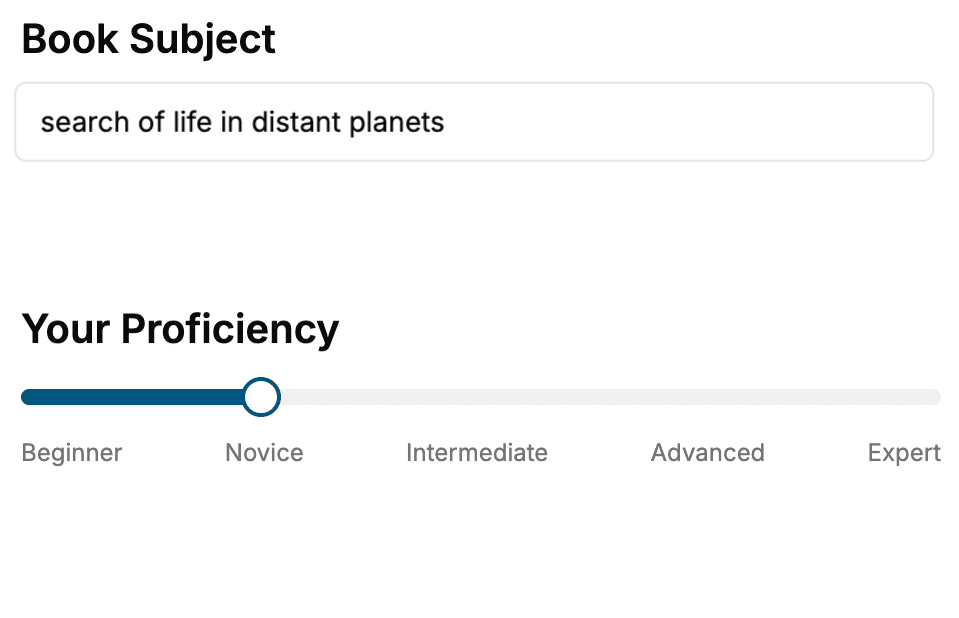
Select the focus of your Greenhouse book and share your background
- 2. Personalize your book
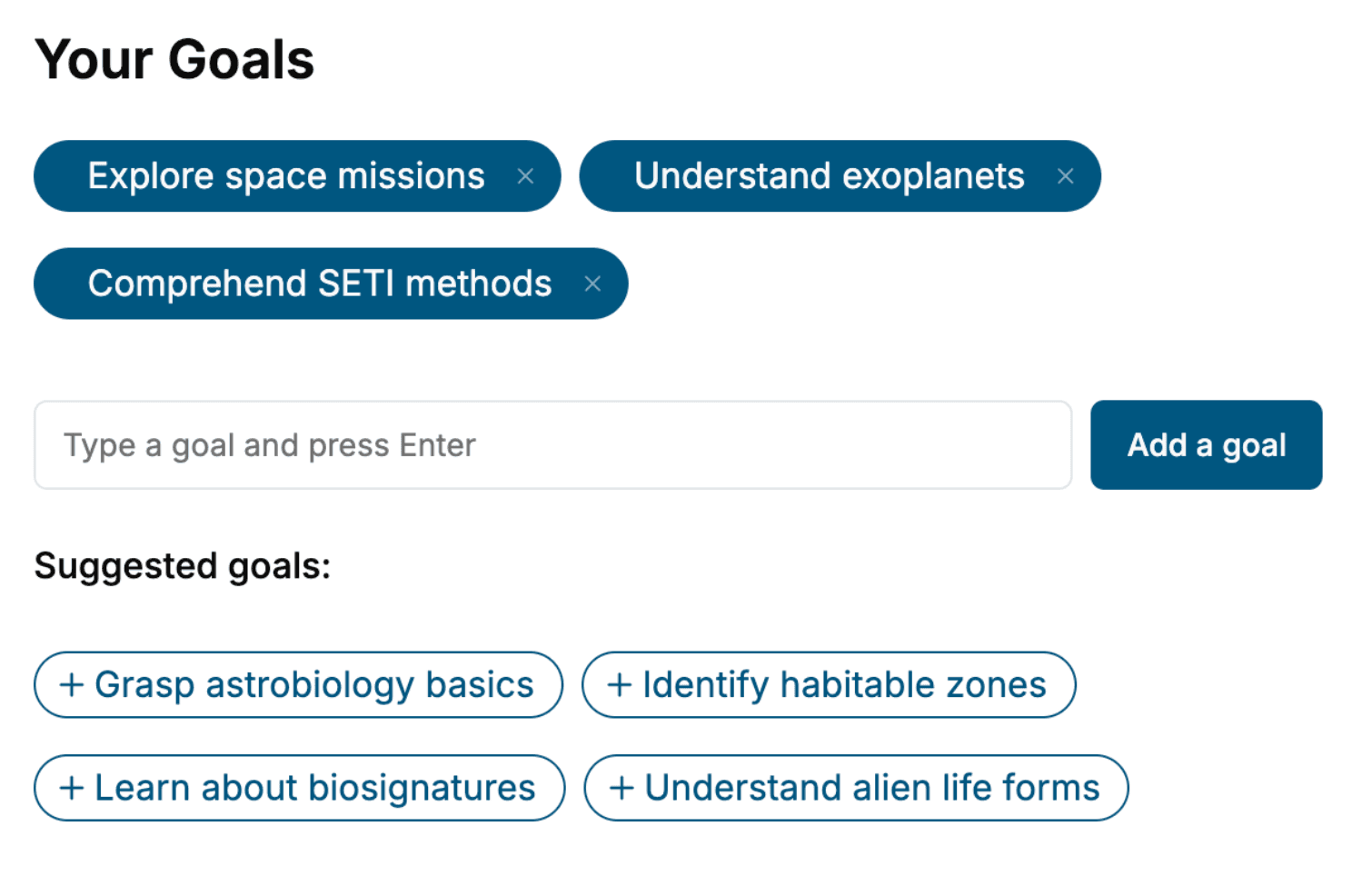
Specify your goals and choose sub-topics to include
- 3. Get your tailored book
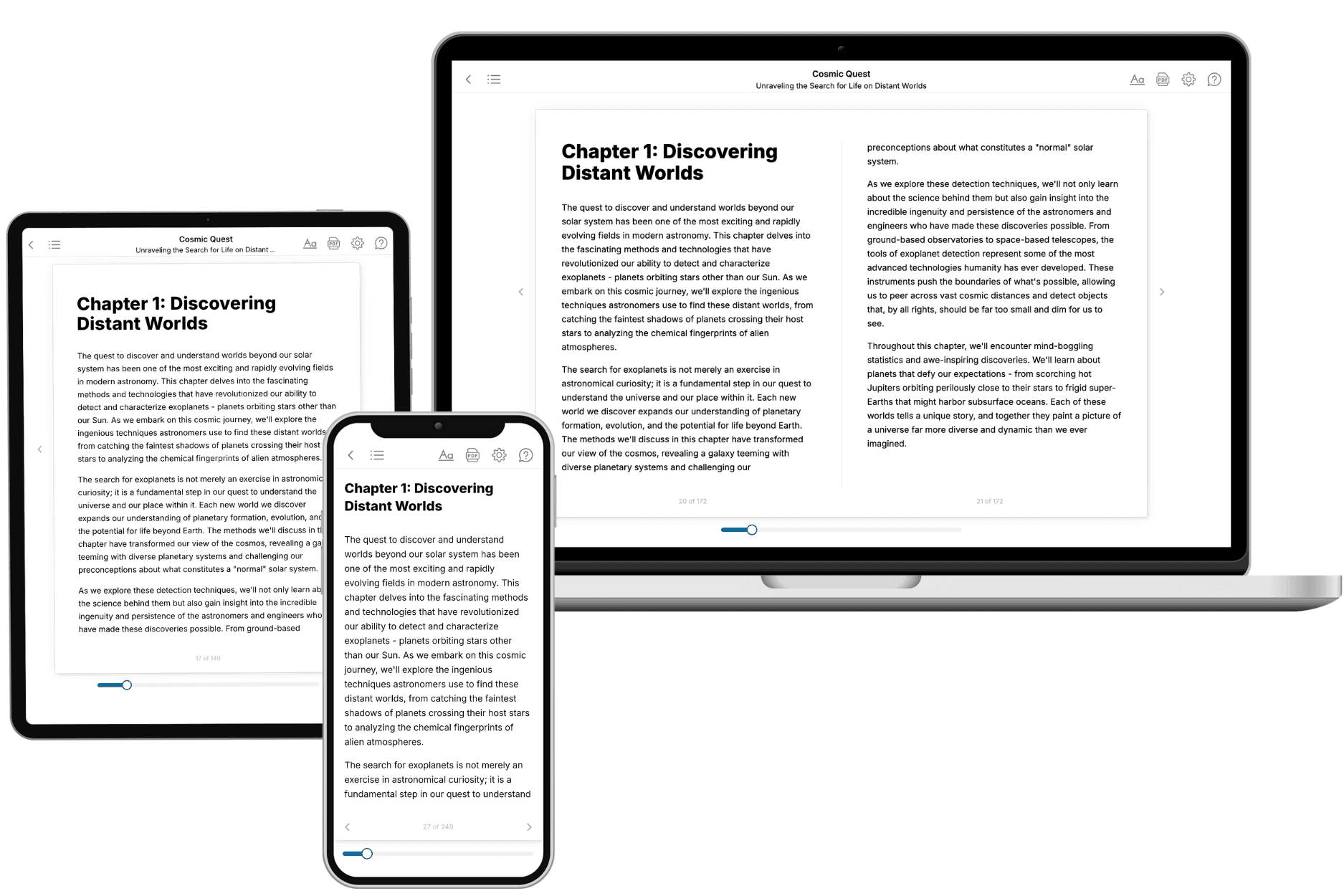
Your book is ready in 10 minutes. Read it online, download as EPUB or PDF, or send to Kindle.
Frequently asked questions
- What is TailoredRead?
TailoredRead creates complete, full-length nonfiction ebooks, written specifically for you. Tell us what you want to learn and why, and TailoredRead writes you a complete ebook on it, with charts, tables, and diagrams throughout. Read it online, on Kindle, or on any e-reader, or download it as a PDF or EPUB. Every book is written fresh the day you order it.
- How is the book tailored to me?
Before anything is written, you answer a few short questions about your goals, your background, and the topics you care about. Your book is then planned around your answers: written at your level, focused on your goals, and covering the topics you chose, instead of the one-size-fits-all book a store sells everyone.
- Will it read like generic AI content?
No. Your book isn't a chat transcript: it's planned chapter by chapter before a single word is written, told in a clear book voice, and explains ideas visually with charts, tables, and diagrams. After writing, every book goes through an editorial pass that polishes chapters so the book reads consistent from start to finish. Judge for yourself: browse thousands of sample books on our Explore Books page.
- How accurate is the content?
Our AI first checks whether your subject needs live research. Niche and fast-moving subjects are researched before writing, and the book plan and chapters are grounded in what it finds. After writing, every book goes through a quality pass that checks its facts and consistency, and researched books list their sources in a Notes section at the back.
- How long is the book?
You choose the length: Comprehensive (250-300 pages), Detailed (150-200 pages), Essential (70-100 pages), or Short (30-50 pages).
- Does the book include visuals?
Yes. Every book includes charts, tables, and diagrams: timelines, checklists, step-by-step guides, decision trees, comparison tables, matrices, and bar charts. A typical book includes dozens of these visual elements.
- Can I read it on Kindle? What formats can I download?
Yes. Every book can be read in our online reader or downloaded as a PDF or EPUB. The EPUB can be opened with Kindle, Apple Books, Kobo, and any e-reader. The Commercial and Author licenses also include an editable Word (DOCX) and Markdown download.
- How much does it cost?
About the price of a regular ebook. The exact price depends on your book's length and complexity, from $2 for the shortest books to $35 for the most comprehensive, and it's shown when you review your book, before you commit to anything. Each book is a one-time purchase, yours to keep, no subscription. Licenses that let you share, teach, or publish your book range from $35.99 to $49.99.
- Can I preview the book before purchasing?
Before you pay, you'll see what your book will cover: the title, a detailed description, the estimated length, and the complete chapter-by-chapter table of contents, so you know what you're getting before you decide. The full text itself is written after you purchase.
- How long does it take to create a book?
About 10 minutes. You can start reading the opening chapters while the rest is still being written.