The Hidden Hand
A Complete History of Censorship in America Since 1900
You're witnessing censorship every day, but most of it happens so seamlessly that you don't even notice it.
346 pages18 chaptersEnglishSep 12, 2025CensorshipCreated by Political
About this book
From the books that disappear from library shelves to the social media posts that vanish without explanation, from the news stories that never get told to the films that get edited before you see them—censorship in America has evolved far beyond the heavy-handed government bans of the past. This comprehensive guide takes you through more than a century of American censorship, revealing how the suppression of information, ideas, and expression has adapted to each new era. You'll discover how wartime fears, moral panics, technological advances, and cultural shifts have shaped what Americans can see, hear, read, and say. From the Comstock Laws and Hollywood's Production Code to modern content moderation algorithms and cancel culture, you'll understand the mechanisms that have controlled public discourse. Through detailed historical analysis and real-world examples, you'll learn to recognize censorship in its many forms—whether it's coming from government agencies, corporate boardrooms, educational institutions, or social pressure. You'll see how each generation has grappled with the fundamental tension between protecting free expression and preventing perceived harm, and how those battles continue to shape your world today. By understanding this hidden history, you'll be better equipped to navigate today's complex information landscape and recognize when your access to ideas is being limited, whether deliberately or through seemingly neutral policies and practices.
Table of contents
- IntroductionDefining Censorship in the American Context, Scope and Methodology of This Study, Why Censorship History Matters Today, How to Navigate This GuideRead below
- Chapter 1: Early Foundations of American CensorshipThe Comstock Laws and Moral Censorship, Postal Service as Censorship Tool, Local and State Censorship Powers, Early Resistance and Free Speech Advocates
- Chapter 2: World War I and the Expansion of CensorshipThe Espionage Act and Sedition Restrictions, Newspaper and Magazine Censorship, Targeting Immigrant and Foreign-Language Publications, The Lasting Legacy of Wartime Censorship
- Chapter 3: The Red Scare and Political CensorshipThe Palmer Raids and Suppression of Radical Literature, Censoring Labor and Socialist Publications, Educational Institutions and Political Purges, Cultural and Artistic Suppression
- Chapter 4: Prohibition Era and Moral CensorshipCensoring Alcohol-Related Content, Religious and Moral Crusades, Women's Organizations and Censorship Campaigns, Underground Culture and Resistance
- Chapter 5: Hollywood and the Production CodeOrigins of the Hays Code, Content Restrictions and Enforcement, Industry Self-Censorship Mechanisms, International Influence and Export Considerations
- Chapter 6: Depression Era Information ControlControlling Economic Messaging, Federal Programs and Propaganda, Radio Broadcasting and Content Control, Government-Funded Artistic Projects
- Chapter 7: World War II and Total Information ControlOffice of Censorship and Media Coordination, Military Censorship and Security, Japanese American Censorship and Suppression, Home Front Information Management
- Chapter 8: Cold War Censorship ApparatusLoyalty Programs and Background Checks, Hollywood Blacklists and Entertainment Industry, Academic Freedom Under Attack, Library and Educational Material Purges
- Chapter 9: McCarthyism and Peak Political CensorshipHUAC Investigations and Public Hearings, Publishing Industry Self-Censorship, Television and Radio Content Control, International Books and Cultural Exchange
- Chapter 10: Civil Rights Era and Racial CensorshipSouthern Resistance and Information Suppression, Textbook Battles and Educational Content, Media Coverage and Editorial Decisions, Surveillance and Suppression of Activist Literature
- Chapter 11: Counterculture and Censorship ResistanceUnderground Press Movement, Obscenity Laws and Artistic Expression, Campus Free Speech Movements, Alternative Media and Distribution Networks
- Chapter 12: Vietnam War and the Pentagon PapersWar Reporting and Military Censorship, The Pentagon Papers Case, Prior Restraint and National Security, Antiwar Literature and Protest Suppression
- Chapter 13: Television Standards and Broadcast CensorshipFCC Regulation and Content Standards, Network Standards and Practices Departments, Family Hour and Prime Time Restrictions, Cable Television and New Challenges
- Chapter 14: The Moral Majority and Cultural CensorshipReligious Right Censorship Campaigns, Textbook Protests and Curriculum Battles, Music Censorship and Parental Advisory Labels, Corporate Pressure and Advertiser Influence
- Chapter 15: Internet Emergence and New Censorship ChallengesEarly Internet and Freedom Expectations, Communications Decency Act and Early Regulation Attempts, Platform Policies and Terms of Service, Global Internet and Jurisdictional Challenges
- Chapter 16: Post-9/11 Security and Information ControlPatriot Act and Surveillance Expansion, Library Surveillance and Gag Orders, Media Cooperation and Self-Censorship, Whistleblower Suppression and Leak Investigations
- Chapter 17: Social Media and Algorithmic CensorshipPlatform Power and Content Moderation, Algorithmic Filtering and Shadow Banning, Community Standards and Enforcement, Global Policies and Cultural Differences
- Chapter 18: Contemporary Censorship BattlesCancel Culture and Social Pressure, Deplatforming and Digital Exile, Fact-Checking and Information Verification, Misinformation Policies and Content Removal
- ConclusionRecurring Patterns and Themes, Future Challenges and Emerging Threats
- Glossary
- Further Reading
Introduction
Every day, you encounter censorship without realizing it. The social media post that disappears from your feed, the book that's quietly removed from library shelves, the news story that gets buried on page twelve instead of making headlines—these are all forms of censorship that have become so seamlessly integrated into American society that they often pass unnoticed. Unlike the dramatic book burnings or government proclamations that might come to mind when you think of censorship, modern information control operates through subtle mechanisms that shape what you see, read, and discuss without announcing their presence.
The story of American censorship since 1900 reveals a complex evolution from overt government suppression to sophisticated systems of content control that span multiple institutions and platforms. This transformation reflects broader changes in American society, technology, and power structures, but the fundamental tension remains constant: the ongoing struggle between those who seek to control information and those who fight to keep it free. Understanding this history is crucial because censorship rarely announces itself as such—it typically presents itself as necessary regulation, community standards, or protection from harm.
The mechanisms of censorship have adapted to each new era and technology, but the underlying patterns remain remarkably consistent. Whether examining the Comstock Laws of the early 1900s, Hollywood's Production Code of the 1930s, McCarthyism of the 1950s, or today's content moderation algorithms, you'll find similar justifications, similar targets, and similar methods of suppression. By tracing these patterns across more than a century, you can better recognize when your access to information is being limited and understand the forces behind those limitations.
Defining Censorship in the American Context
Censorship in America operates on multiple levels and takes many forms, making it essential to establish a clear definition that encompasses both obvious and subtle manifestations. At its core, censorship is the suppression, restriction, or control of information, ideas, or expression that someone in a position of power deems objectionable, dangerous, or inappropriate. However, this basic definition only scratches the surface of how censorship actually functions in American society, where it often operates through indirect mechanisms and private entities rather than direct government action.
The American censorship landscape is unique because of the First Amendment's protection of free speech, which prevents most direct government censorship but has created space for other forms of control to flourish. This has led to the development of what scholars call soft censorship—methods of controlling information that don't involve direct government prohibition but achieve similar results through economic pressure, social ostracism, or institutional policies. These methods include:
- Corporate self-censorship driven by advertiser concerns or market pressures
- Platform policies and community standards that restrict certain types of content
- Economic boycotts and pressure campaigns targeting publishers, broadcasters, or platforms
- Professional consequences for individuals who express unpopular views
- Algorithmic filtering that reduces the visibility of certain content without removing it entirely
Government censorship, while constrained by the First Amendment, still occurs through various mechanisms that courts have deemed permissible. These include national security restrictions, obscenity laws, regulations on broadcast media, and content restrictions in government-funded institutions like schools and libraries. The government also exercises indirect censorship through its regulatory power over industries, its role as a major advertiser and contractor, and its ability to investigate and prosecute individuals and organizations.
Private censorship has become increasingly important as media consolidation has concentrated control over information distribution in fewer hands. When a small number of companies control most book publishing, television networks, social media platforms, or internet infrastructure, their content decisions can have censorship-like effects even when they're technically exercising private property rights. This type of censorship is particularly challenging because it operates outside the constitutional framework designed to protect free speech from government interference.
Cultural and social censorship operates through informal mechanisms but can be just as effective as formal restrictions. This includes the social pressure that leads to self-censorship, the cultural taboos that make certain topics difficult to discuss publicly, and the professional norms that discourage exploration of controversial subjects. These forms of censorship are often invisible because they prevent ideas from being expressed in the first place rather than suppressing them after publication.
The definition of censorship must also account for the difference between censorship and editorial judgment. Not every decision to exclude content constitutes censorship—publishers, editors, and platform operators must make choices about what to include based on space, relevance, quality, and audience considerations. The line between legitimate editorial discretion and censorship often depends on the motivation behind the decision, the transparency of the process, and the availability of alternative outlets for the suppressed content.
Understanding censorship also requires recognizing that it's often justified by appealing to other important values such as public safety, national security, protection of children, prevention of harm, or maintenance of community standards. These justifications aren't necessarily illegitimate, but they create the conditions under which censorship can expand beyond its original scope. The history of American censorship shows repeatedly how restrictions introduced for specific, limited purposes tend to broaden over time and persist long after the original justification has disappeared.
For the purposes of this study, censorship includes any systematic effort to prevent, restrict, or control the creation, distribution, or consumption of information, ideas, or expression, regardless of whether that effort comes from government, private entities, or social pressure. This broad definition allows us to examine the full spectrum of information control mechanisms that have shaped American discourse since 1900, from the most obvious forms of government suppression to the subtlest forms of algorithmic filtering and social pressure.
Scope and Methodology of This Study
This comprehensive examination of American censorship covers the period from 1900 to the present, a timeframe chosen to capture the full development of modern censorship mechanisms while providing sufficient historical perspective to identify long-term patterns and trends. The year 1900 serves as a logical starting point because it marks the beginning of the modern era of mass media, federal regulatory power, and the social movements that would shape twentieth-century censorship battles. This period encompasses the rise and fall of various censorship regimes, the development of new technologies and media forms, and the evolution of legal and cultural frameworks governing free expression.
The study examines censorship across multiple domains to provide a complete picture of how information control operates in American society. These domains include:
- Print media, including newspapers, magazines, books, and pamphlets
- Broadcasting media, including radio and television
- Film and entertainment industry content
- Educational materials and academic discourse
- Digital platforms and internet-based communication
- Artistic and cultural expression
- Political and activist communications
- Scientific and technical information
The methodology employed here draws from multiple disciplinary approaches to provide both breadth and depth of analysis. Historical analysis forms the backbone of the study, tracing the development of censorship practices through primary sources including government documents, court cases, industry records, and contemporary accounts. This historical approach is supplemented by media studies analysis that examines how different communication technologies have created new opportunities for both expression and control.
Legal analysis plays a crucial role in understanding how censorship has operated within and around constitutional constraints. This includes examination of landmark court cases, legislative developments, and regulatory changes that have shaped the boundaries of permissible speech restriction. However, the study goes beyond formal legal frameworks to examine how censorship operates in practice, often in ways that circumvent or exploit gaps in legal protections.
Sociological and cultural analysis helps explain why certain forms of censorship gain public support while others face resistance. This includes examination of moral panics, cultural movements, and social pressures that create the conditions for censorship to flourish. Understanding the cultural context is essential because censorship rarely succeeds through force alone—it typically requires some degree of public acceptance or at least acquiescence.
Economic analysis reveals how market forces, corporate interests, and financial pressures contribute to censorship decisions. This is particularly important in understanding private censorship, where content restrictions often result from business considerations rather than ideological commitments. The concentration of media ownership, the role of advertising revenue, and the economics of content distribution all play crucial roles in shaping what information reaches the public.
The study also employs comparative analysis to identify patterns across different time periods, media forms, and types of content. By comparing how similar censorship challenges have been addressed in different contexts, we can better understand the underlying dynamics that drive information control and the factors that determine whether censorship efforts succeed or fail.
Technological analysis examines how new communication technologies have created both new opportunities for free expression and new mechanisms for control. From the printing press to social media algorithms, technological change has repeatedly disrupted existing censorship systems while creating possibilities for new forms of information control. Understanding these technological dynamics is crucial for anticipating future censorship challenges.
The research draws on a wide range of sources, including government archives, corporate records, court documents, contemporary news accounts, academic studies, and firsthand accounts from participants in censorship battles. Special attention is paid to cases that were not widely publicized at the time but reveal important patterns in how censorship operates. The goal is to provide not just a catalog of censorship incidents but an analysis of the systems and structures that make censorship possible.
Throughout the study, particular attention is paid to the gap between official policies and actual practices. Censorship often operates through informal mechanisms that leave few documentary traces, making it necessary to read between the lines of official accounts and look for patterns in what was not published, broadcast, or distributed. This approach reveals forms of censorship that might otherwise remain invisible in the historical record.
Why Censorship History Matters Today
Understanding the history of American censorship is not merely an academic exercise—it's an essential tool for navigating today's complex information landscape and recognizing when your access to ideas is being restricted. The patterns established over the past century continue to shape how censorship operates today, often in ways that aren't immediately obvious. By learning to recognize these historical patterns, you can better identify contemporary censorship efforts that might otherwise appear to be neutral policies, technical decisions, or natural market outcomes.
One of the most important lessons from censorship history is that restrictions on speech and information rarely announce themselves as censorship. Instead, they typically present themselves as necessary measures to protect public safety, national security, community standards, or vulnerable populations. The Comstock Laws were framed as protecting public morality, wartime censorship as protecting national security, and McCarthyism as protecting democracy from communist infiltration. Today's content moderation policies are similarly framed as protecting users from harassment, misinformation, or harmful content. Understanding this pattern helps you evaluate whether current restrictions are justified by their stated purposes or whether they serve other interests.
Historical analysis also reveals how censorship tends to expand beyond its original scope and persist long after the conditions that justified it have changed. Emergency powers granted during wartime often become permanent features of government authority. Moral crusades that begin by targeting obviously objectionable content gradually expand to cover material that is merely controversial or unconventional. Platform policies designed to address specific problems often evolve into broad restrictions that affect legitimate discourse. Recognizing this pattern of expansion helps you assess whether current restrictions are likely to remain limited to their stated purposes.
The history of censorship demonstrates that the most effective restrictions often operate through indirect mechanisms rather than direct prohibition. Economic pressure, social ostracism, professional consequences, and technical barriers can be more effective than legal bans because they're harder to challenge and often don't trigger the same constitutional protections. Understanding how these indirect mechanisms work helps you recognize when they're being used to control information and expression in ways that might not be immediately apparent.
Studying censorship history also reveals the crucial role that technological change plays in both enabling and constraining free expression. Each new communication technology has created new opportunities for censorship while also creating new ways to circumvent existing restrictions. The printing press, telegraph, radio, television, and internet have all followed similar patterns of initial freedom followed by increasing control as established interests learn to manage the new medium. Understanding these technological cycles helps you anticipate how emerging technologies might be used for both liberation and control.
The historical record shows that censorship battles are often proxy wars for larger cultural and political conflicts. The specific content being restricted is often less important than what that content represents to different groups in society. Book banning campaigns may be less about the particular books than about who gets to control children's education. Social media content policies may be less about the specific posts than about which political viewpoints are considered acceptable in public discourse. Recognizing these underlying conflicts helps you understand why censorship battles often seem disproportionate to the content at stake.
Historical analysis also demonstrates the importance of institutional independence and diversity in protecting free expression. When control over information distribution becomes concentrated in a few institutions—whether government agencies, media corporations, or technology platforms—the potential for censorship increases dramatically. The historical periods with the most severe censorship have typically been those when multiple institutions coordinated their restrictions, creating what scholars call censorship regimes that are difficult to circumvent or challenge.
Understanding censorship history helps you recognize the warning signs that indicate when restrictions on expression are likely to expand or intensify. These include:
- Appeals to emergency conditions that require suspension of normal protections
- Broad definitions of harmful content that could encompass legitimate expression
- Lack of transparency in decision-making processes
- Absence of meaningful appeals or review mechanisms
- Coordination between different institutions in restricting similar content
- Targeting of unpopular groups or viewpoints as test cases for broader restrictions
The history of censorship also provides examples of successful resistance strategies that can inform contemporary efforts to protect free expression. These include legal challenges that establish important precedents, alternative distribution networks that circumvent restrictions, public education campaigns that build support for free speech principles, and coalition building that brings together diverse groups with shared interests in protecting expression. Understanding what has worked in the past can help guide current efforts to resist censorship.
Perhaps most importantly, studying censorship history reveals that the protection of free expression requires constant vigilance and active defense. The rights and freedoms that Americans take for granted today were not inevitable—they were won through specific struggles by people who recognized the importance of protecting unpopular speech and controversial ideas. The same vigilance is required today to prevent the erosion of these protections through new mechanisms of control that exploit technological change, cultural anxiety, and institutional consolidation.
By understanding how censorship has operated throughout American history, you become better equipped to participate in the ongoing struggle to maintain free and open discourse. This knowledge helps you make informed decisions about which platforms to use, which institutions to support, and which policies to advocate for. It also helps you recognize when your own views might be contributing to censorship pressures and consider whether short-term gains in restricting opposing viewpoints might come at the cost of long-term damage to free expression principles.
This is the end of the free sample. The full book has 18 chapters.
Want this book written for you?
Tell us your goals and background, and get your own version of this book, tailored by AI to you.


Benefits of AI-tailored books
- Read one book, not ten:
- all the Censorship knowledge you need, gathered into a single book.
- Save days of learning:
- tell us your goals, choose your topics, and the whole book is built around them.
- Learn effortlessly:
- Censorship book written for your specific background and expertise.
- Understand at a glance:
- includes charts, tables, timelines, checklists, decision trees, and more.
- Stay current:
- written the day you order it, not years ago.
- Trust what you read:
- every book is checked for accuracy, with real research when your subject needs it.
Create your unique book in 3 steps
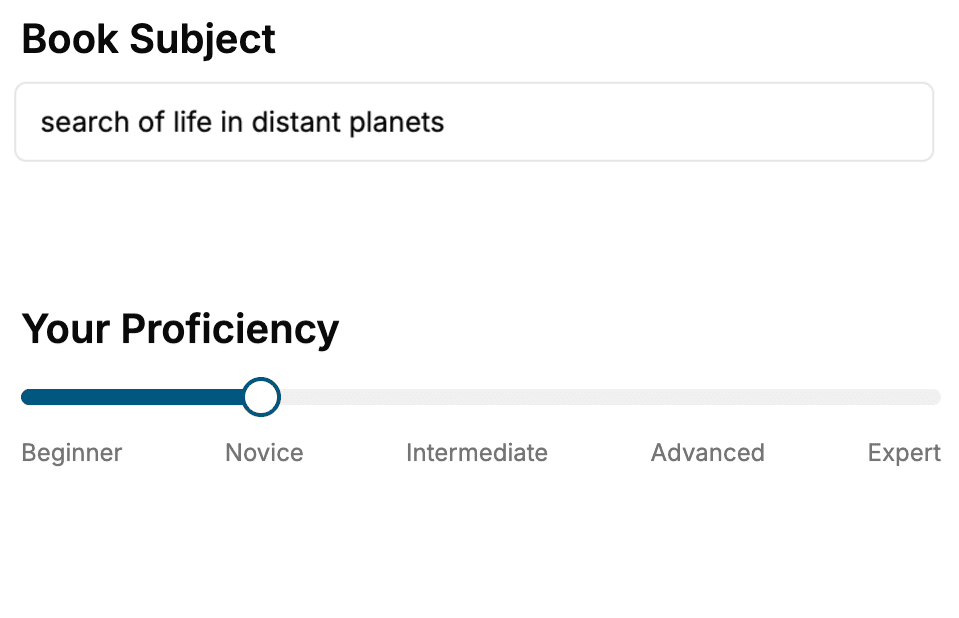
- 1. Select your focus
Select the focus of your Censorship book and share your background
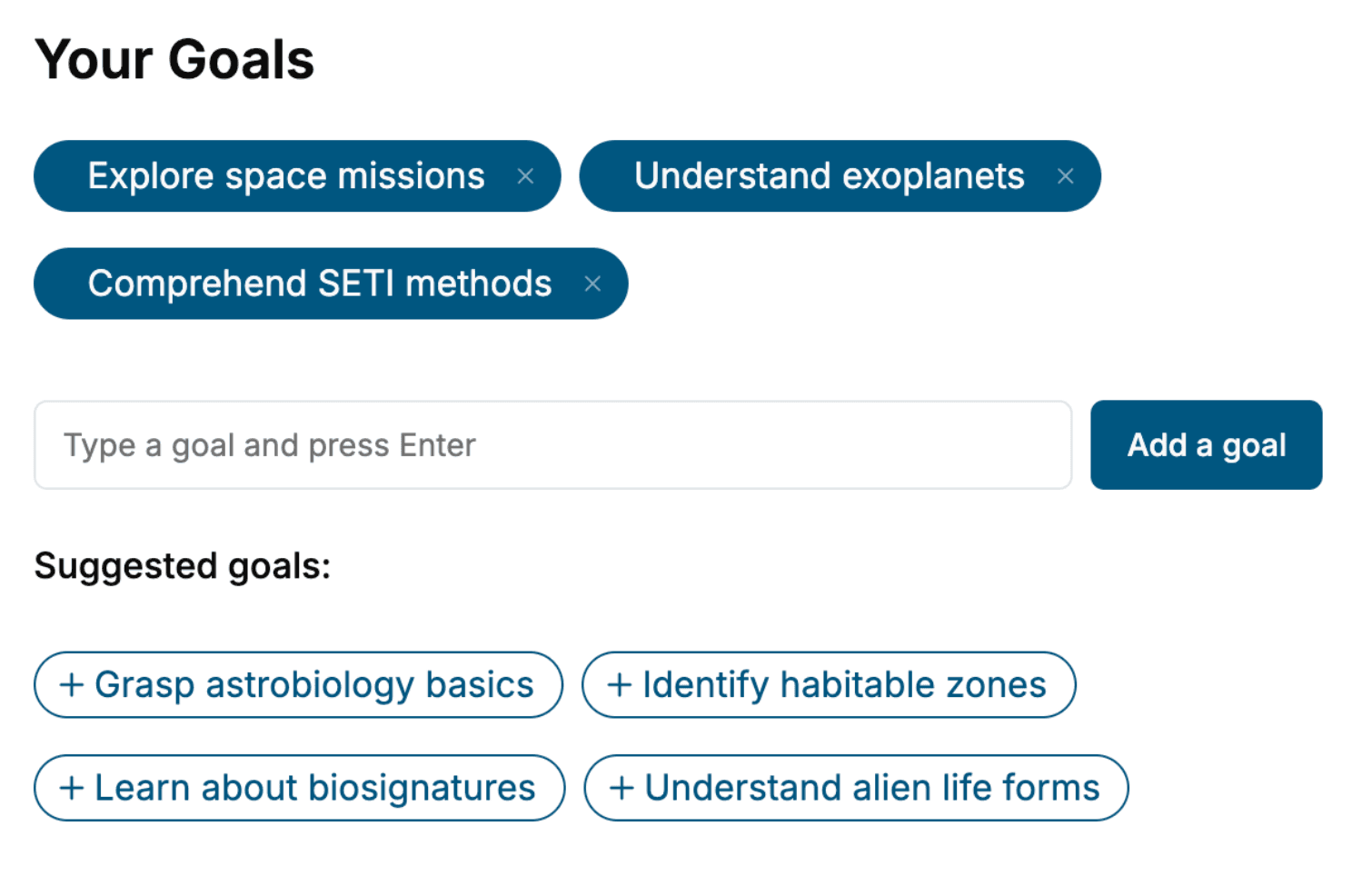
- 2. Personalize your book
Specify your goals and choose sub-topics to include
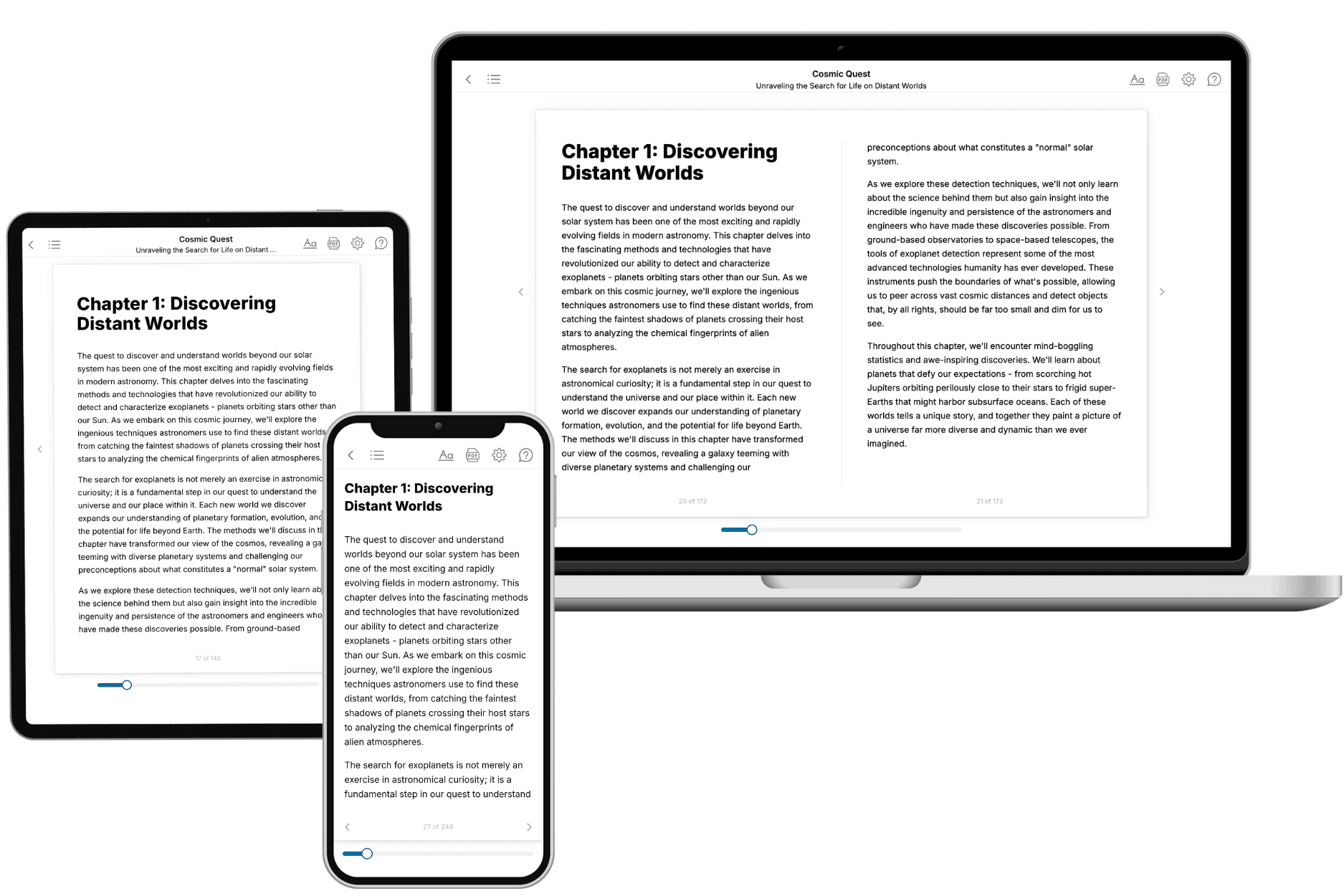
- 3. Get your tailored book
Your book is ready in 10 minutes. Read it online, download as EPUB or PDF, or send to Kindle.
Frequently asked questions
- What is TailoredRead?
TailoredRead creates complete, full-length nonfiction ebooks, written specifically for you. Tell us what you want to learn and why, and TailoredRead writes you a complete ebook on it, with charts, tables, and diagrams throughout. Read it online, on Kindle, or on any e-reader, or download it as a PDF or EPUB. Every book is written fresh the day you order it.
- How is the book tailored to me?
Before anything is written, you answer a few short questions about your goals, your background, and the topics you care about. Your book is then planned around your answers: written at your level, focused on your goals, and covering the topics you chose, instead of the one-size-fits-all book a store sells everyone.
- Will it read like generic AI content?
No. Your book isn't a chat transcript: it's planned chapter by chapter before a single word is written, told in a clear book voice, and explains ideas visually with charts, tables, and diagrams. After writing, every book goes through an editorial pass that polishes chapters so the book reads consistent from start to finish. Judge for yourself: browse thousands of sample books on our Explore Books page.
- How accurate is the content?
Our AI first checks whether your subject needs live research. Niche and fast-moving subjects are researched before writing, and the book plan and chapters are grounded in what it finds. After writing, every book goes through a quality pass that checks its facts and consistency, and researched books list their sources in a Notes section at the back.
- How long is the book?
You choose the length: Comprehensive (250-300 pages), Detailed (150-200 pages), Essential (70-100 pages), or Short (30-50 pages).
- Does the book include visuals?
Yes. Every book includes charts, tables, and diagrams: timelines, checklists, step-by-step guides, decision trees, comparison tables, matrices, and bar charts. A typical book includes dozens of these visual elements.
- Can I read it on Kindle? What formats can I download?
Yes. Every book can be read in our online reader or downloaded as a PDF or EPUB. The EPUB can be opened with Kindle, Apple Books, Kobo, and any e-reader. The Commercial and Author licenses also include an editable Word (DOCX) and Markdown download.
- How much does it cost?
About the price of a regular ebook. The exact price depends on your book's length and complexity, from $2 for the shortest books to $35 for the most comprehensive, and it's shown when you review your book, before you commit to anything. Each book is a one-time purchase, yours to keep, no subscription. Licenses that let you share, teach, or publish your book range from $35.99 to $49.99.
- Can I preview the book before purchasing?
Before you pay, you'll see what your book will cover: the title, a detailed description, the estimated length, and the complete chapter-by-chapter table of contents, so you know what you're getting before you decide. The full text itself is written after you purchase.
- How long does it take to create a book?
About 10 minutes. You can start reading the opening chapters while the rest is still being written.