The Holiday Appetizer Playbook
Impress Your Guests with Elegant, Easy-to-Make Starters for Every Celebration
Hosting a holiday gathering shouldn't mean spending all evening in the kitchen while your guests enjoy themselves without you.
191 pages9 chaptersApr 5, 2026Appetizer Cooking
About this book
This comprehensive guide teaches you how to create stunning, restaurant-quality appetizers that will have your guests asking for recipes—and you'll actually have time to enjoy the party. Whether you're hosting an intimate dinner or a large cocktail reception, you'll discover how to plan strategically, prepare ahead, and execute flawlessly. Learn the essential techniques that separate impressive appetizers from ordinary ones: proper seasoning, beautiful plating, and flavor combinations that delight the palate. From elegant cheese boards and charcuterie arrangements to hot appetizers that stay warm and fresh, this book covers every style and skill level. You'll find recipes for classic favorites alongside creative new ideas, all designed to be prepared efficiently without requiring professional culinary training. Master the art of timing, learn which appetizers can be made days ahead, and discover the simple tricks that make everything look effortlessly elegant. Transform your holiday entertaining from stressful to enjoyable.
Table of contents
- IntroductionWhy Appetizers Matter at Holiday Gatherings, How to Entertain Without Stress, What You'll Learn in This BookRead below
- Chapter 1: Appetizer FundamentalsUnderstanding Appetizer Categories and Styles, Mastering Flavor Balance and Contrast, Creating Texture and Visual Impact
- Chapter 2: Planning Your Holiday MenuCalculating Quantities and Guest Count, Building a Balanced and Diverse Menu, Creating Your Preparation Timeline
- Chapter 3: Essential Techniques and SkillsKnife Skills and Cutting Techniques, Seasoning, Tasting, and Flavor Adjustment, Elegant Plating and Presentation Methods
- Chapter 4: Cold Appetizers and Make-Ahead OptionsCheese Boards and Charcuterie Arrangements, Elegant Cold Bites and Composed Appetizers, Dips, Spreads, and Accompaniments
- Chapter 5: Hot Appetizers and Warm StartersBaked and Pastry-Based Appetizers, Sautéed and Fried Appetizers, Keeping Hot Appetizers Warm and Fresh
- Chapter 6: Seasonal Ingredients and Flavor ProfilesWinter Produce and Seasonal Flavors, Holiday Spices and Aromatic Combinations, Adding Festive Twists to Classic Recipes
- Chapter 7: Equipment, Setup, and OrganizationEssential Equipment and Tools, Organizing Your Workspace with Mise en Place, Setting Up Your Serving Stations
- Chapter 8: Dietary Considerations and AdaptationsVegetarian and Vegan Appetizer Options, Gluten-Free and Allergen-Friendly Choices, Modifying Recipes for Dietary Needs
- Chapter 9: Troubleshooting and Pro TipsCommon Mistakes and How to Avoid Them, Last-Minute Fixes and Salvage Strategies, Professional Secrets for Effortless Entertaining
- ConclusionBuilding Your Confidence as a Host, Your Next Steps to Holiday Success
- Appendix: Quick Reference GuidesShopping Checklist and Pantry Essentials, Preparation Timeline Chart, Quantity Planning Guide
Introduction
Picture this: your guests arrive, coats barely off, and you're already handing them something beautiful to eat. A warm, golden pastry bite. A cracker loaded with creamy cheese and a jewel-bright dollop of fig jam. A skewer of something savory and fragrant that makes the whole room smell like a celebration. Before anyone has even found a seat, the party has a mood, a flavor, and a feeling. That's the power of a well-executed appetizer, and it's something any home cook can master with the right approach.
Holiday entertaining carries a particular kind of pressure. You want everything to feel special, effortless, and generous all at once. The table should look abundant. The food should taste impressive. And somehow, you should also be present, relaxed, and actually enjoying the company of the people you invited. For many home cooks, that combination feels impossible, especially when the kitchen becomes a source of stress rather than creativity. The good news is that the gap between chaotic and confident hosting is smaller than you think, and appetizers are exactly where that gap gets closed.
This book is built around a simple idea: the best holiday appetizers are not the most complicated ones. They are the ones that are planned thoughtfully, prepared strategically, and executed with a few well-practiced techniques. You don't need a professional kitchen or years of culinary training. You need a clear plan, reliable recipes, and the kind of practical knowledge that turns good intentions into genuinely impressive results. That's what every chapter in this book is designed to give you.
Whether you're hosting a cozy dinner for eight or a sprawling cocktail party for forty, the principles here apply. You'll learn how to build a menu that works together, how to prepare most of your food days in advance, and how to handle the final hour before guests arrive without breaking a sweat. You'll also discover the small details that make a big difference: the right seasoning, the thoughtful garnish, the serving setup that keeps food looking fresh all evening. By the time you reach the last page, holiday entertaining won't feel like a performance. It will feel like a pleasure.
Why Appetizers Matter at Holiday Gatherings
Appetizers are the first thing your guests experience, and first impressions in food work exactly the way they do in every other area of life. They set expectations, create atmosphere, and signal to your guests what kind of evening they're in for. A thoughtfully prepared starter communicates care and intention before a single word is spoken about the main course. It tells your guests that this gathering was planned with them in mind, and that detail matters more than most hosts realize.
From a practical standpoint, appetizers also serve a critical function during the awkward early minutes of any gathering. Guests arrive at different times. Some people know each other well; others are meeting for the first time. Having something delicious to eat and hold gives everyone a natural focal point and a reason to gather, move around, and start conversations. Food is one of the oldest social lubricants in human culture, and appetizers are its most immediate expression.[1]
There's also a physiological reason appetizers matter. Guests who arrive hungry are often distracted, a little edgy, and less able to relax and enjoy themselves. Offering food early stabilizes blood sugar, takes the edge off hunger, and creates a sense of abundance and welcome. This is especially important during holiday gatherings, where guests may have traveled, skipped lunch, or simply arrived with high expectations and empty stomachs.
The visual impact of appetizers is equally significant. A beautifully arranged cheese board, a platter of colorful crostini, or a tiered stand of elegant bites creates an immediate sense of occasion. Research in food psychology consistently shows that visual presentation influences how food tastes to the person eating it.[2] When something looks impressive, it tastes more impressive. That means the effort you put into presentation pays dividends far beyond aesthetics.
Holiday appetizers also carry a unique emotional weight. The flavors and aromas of the season, warm spices, roasted nuts, fresh herbs, smoked salmon, and aged cheese, trigger memories and associations that connect people to celebrations past. A well-chosen appetizer doesn't just feed your guests. It transports them, even briefly, into a feeling of warmth and festivity that sets the emotional tone for everything that follows.
Finally, appetizers give you, as the host, a creative outlet that the main course often doesn't allow. A holiday roast or a traditional side dish comes with expectations and conventions. Appetizers are freer. You can experiment with flavors, try new combinations, and express your personal style without the pressure of anchoring an entire meal. That creative freedom is one of the most enjoyable parts of appetizer cooking, and this book is designed to help you make the most of it.
The appetizer course is where a host's personality shows most clearly. It's the first culinary statement of the evening, and guests remember it long after the main course has faded from memory.
How to Entertain Without Stress
The single biggest source of stress in holiday entertaining is the gap between what you planned and what you actually have time to execute. Most hosts underestimate how long preparation takes, overestimate how much they can accomplish in the final hour before guests arrive, and end up spending the first half of their own party in the kitchen. The solution isn't to lower your ambitions. It's to change your approach to timing and preparation.
The foundation of stress-free entertaining is a simple principle: do as much as possible before the day of the event. Many appetizers, including dips, spreads, marinated items, pastry doughs, and assembled cold bites, can be fully or partially prepared one to three days in advance. When you shift the bulk of your cooking to the days before the party, the day itself becomes about finishing touches, reheating, and arranging rather than cooking from scratch under pressure.
A practical way to think about this is to categorize every appetizer on your menu by when it needs to be made. Consider a simple three-tier system:
- Make 2-3 days ahead: Dips, spreads, marinated olives, pickled vegetables, compound butters, and pastry doughs
- Make 1 day ahead: Assembled cold bites, stuffed items, cured or smoked components, and anything that benefits from overnight resting
- Make day-of (but hours before): Cheese boards, crostini, items that need to be fresh but don't require cooking
- Make 30-60 minutes before serving: Hot appetizers, fried items, and anything that must be served immediately
When you map your menu against this framework, you'll often discover that 70 to 80 percent of your work can be done before the party day even begins. That realization alone reduces stress dramatically. It also means that if something goes wrong on the day, you have the mental bandwidth to handle it calmly rather than in a panic.
Another key to stress-free entertaining is limiting the number of hot appetizers that require last-minute attention. Hot appetizers are delicious and impressive, but they demand your presence in the kitchen at exactly the moment when you want to be greeting guests. A smart menu might include one or two hot items alongside three or four cold or room-temperature options. That balance gives you variety without chaining you to the oven.
Organization also plays a major role. Before any holiday gathering, take time to set up your serving stations, label your platters, and lay out all the tools you'll need. Knowing exactly where everything goes and having it ready in advance means that when the moment comes to plate and serve, you're executing a plan rather than improvising under pressure. This kind of preparation is what professional caterers call mise en place, and it's one of the most valuable habits any home cook can develop.
It's also worth giving yourself permission to simplify. A menu of five well-executed appetizers is far more impressive than a menu of ten that were rushed or poorly executed. Guests notice quality and care. They rarely notice that you didn't make twelve different things. Choosing a focused, manageable menu and executing it beautifully is always the better strategy.
The goal isn't to cook everything perfectly under pressure. The goal is to plan so well that there's almost no pressure left by the time guests arrive.
Finally, accept that something will always be slightly imperfect. A garnish will wilt. A pastry will brown a little more than planned. A dip will be slightly thicker than you intended. These small imperfections are invisible to your guests and irrelevant to their enjoyment. What they notice is the warmth of the welcome, the generosity of the spread, and the fact that you're present and relaxed enough to enjoy the evening with them. That's the real measure of successful entertaining.
What You'll Learn in This Book
This book is organized to take you from foundational knowledge through practical execution, covering every aspect of holiday appetizer preparation in a logical, progressive sequence. Whether you read it cover to cover or jump to the chapters most relevant to your immediate needs, each section is designed to be immediately useful and practically actionable. Here's a clear picture of what each part of the book covers and how it will help you.
Chapter 1: Appetizer Fundamentals covers the building blocks of great appetizer cooking. You'll learn the different categories of appetizers and when to use each one, how to balance flavors so that every bite is satisfying, and how to create the kind of texture contrast and visual impact that makes food memorable. This chapter gives you the conceptual framework that makes every recipe in the book easier to understand and adapt.
Chapter 2: Planning Your Holiday Menu tackles the strategic side of entertaining. You'll learn how to calculate quantities for different group sizes, how to build a menu that offers variety without overwhelming you, and how to create a preparation timeline that distributes work across multiple days. This chapter is where stress-free entertaining actually begins, in the planning stage, long before you turn on the stove.
Chapter 3: Essential Techniques and Skills focuses on the practical kitchen skills that separate good appetizers from great ones. You'll get clear guidance on knife skills and cutting techniques, the art of seasoning and flavor adjustment, and the principles of elegant plating and presentation. These techniques apply across every recipe in the book and will improve your cooking well beyond holiday entertaining.
The next two chapters cover the two major categories of holiday appetizers in depth:
- Chapter 4: Cold Appetizers and Make-Ahead Options covers cheese boards, charcuterie arrangements, elegant cold bites, dips, and spreads. These are the workhorses of stress-free entertaining because they can be prepared well in advance and require no last-minute cooking.
- Chapter 5: Hot Appetizers and Warm Starters covers baked and pastry-based appetizers, sautéed and fried options, and the practical strategies for keeping hot food warm and fresh throughout a party.
Chapter 6: Seasonal Ingredients and Flavor Profiles explores the ingredients and flavor combinations that make holiday appetizers feel genuinely festive. You'll learn which winter produce to prioritize, how to use holiday spices effectively without overwhelming a dish, and how to add creative seasonal twists to classic recipes that guests already love.
Chapter 7: Equipment, Setup, and Organization covers the practical tools and systems that make holiday cooking manageable. You'll get a clear list of essential equipment, a guide to organizing your workspace using professional mise en place principles, and specific advice on setting up serving stations that keep food looking beautiful throughout the evening.
Chapter 8: Dietary Considerations and Adaptations addresses the reality of modern holiday gatherings, where guests often have a range of dietary needs and preferences. You'll find guidance on vegetarian and vegan options, gluten-free and allergen-friendly choices, and practical strategies for modifying recipes without sacrificing flavor or elegance.
Chapter 9: Troubleshooting and Pro Tips is the chapter you'll want to read before every gathering. It covers the most common mistakes home cooks make with appetizers, last-minute fixes for when things go wrong, and the professional secrets that make experienced entertainers look effortlessly polished. This chapter alone can save a party.
The book closes with a Conclusion focused on building your confidence as a host over time, followed by a practical Appendix containing quick-reference tools including a shopping checklist, a preparation timeline chart, and a quantity planning guide. These resources are designed to be used repeatedly, gathering season after gathering season, as your skills and confidence grow.
Throughout every chapter, you'll find specific examples, practical frameworks, and actionable advice grounded in real cooking situations. The goal is never to overwhelm you with technique or theory. The goal is to give you exactly what you need to walk into your kitchen with confidence, execute a beautiful spread of appetizers, and walk back out to enjoy your guests. That's the promise of this book, and every page is written with that outcome in mind.
You don't need to be a professional chef to serve food that tastes and looks like it came from one. You need a clear plan, reliable techniques, and the confidence that comes from knowing exactly what you're doing and why.
By the time you've worked through these chapters, holiday entertaining will feel fundamentally different. Not easier in the sense of requiring less effort, but easier in the sense of feeling manageable, enjoyable, and genuinely rewarding. The effort you put in will be well-placed, well-timed, and well-rewarded by the expressions on your guests' faces when they take that first bite. That moment is worth every minute of preparation, and this book is here to make sure you get there.
This is the end of the free sample. The full book has 9 chapters.
Want this book written for you?
Tell us your goals and background, and get your own version of this book, tailored by AI to you.


Benefits of AI-tailored books
- Read one book, not ten:
- all the Appetizer Cooking knowledge you need, gathered into a single book.
- Save days of learning:
- tell us your goals, choose your topics, and the whole book is built around them.
- Learn effortlessly:
- Appetizer Cooking book written for your specific background and expertise.
- Understand at a glance:
- includes charts, tables, timelines, checklists, decision trees, and more.
- Stay current:
- written the day you order it, not years ago.
- Trust what you read:
- every book is checked for accuracy, with real research when your subject needs it.
Create your unique book in 3 steps
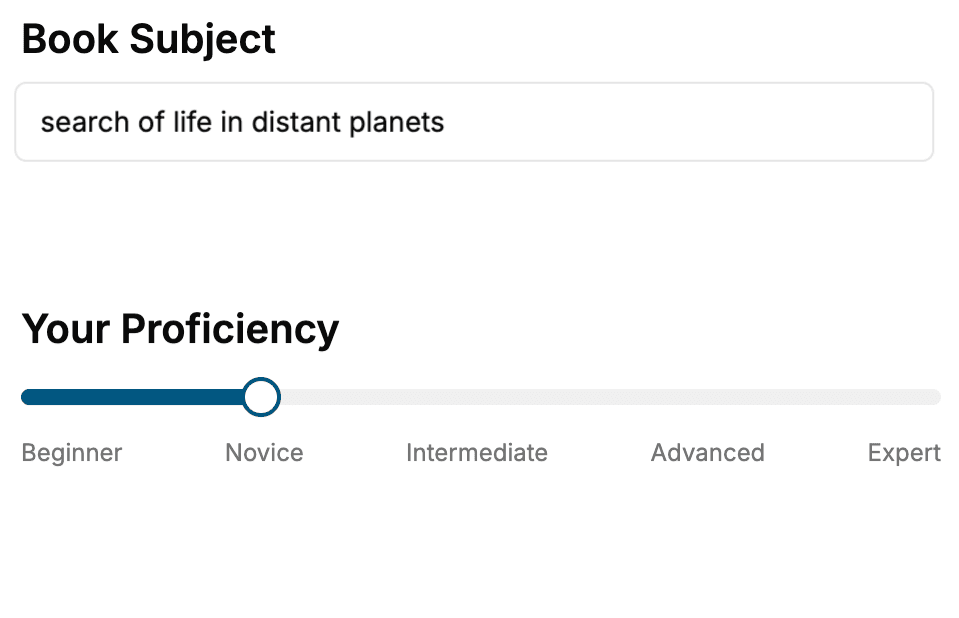
- 1. Select your focus
Select the focus of your Appetizer Cooking book and share your background
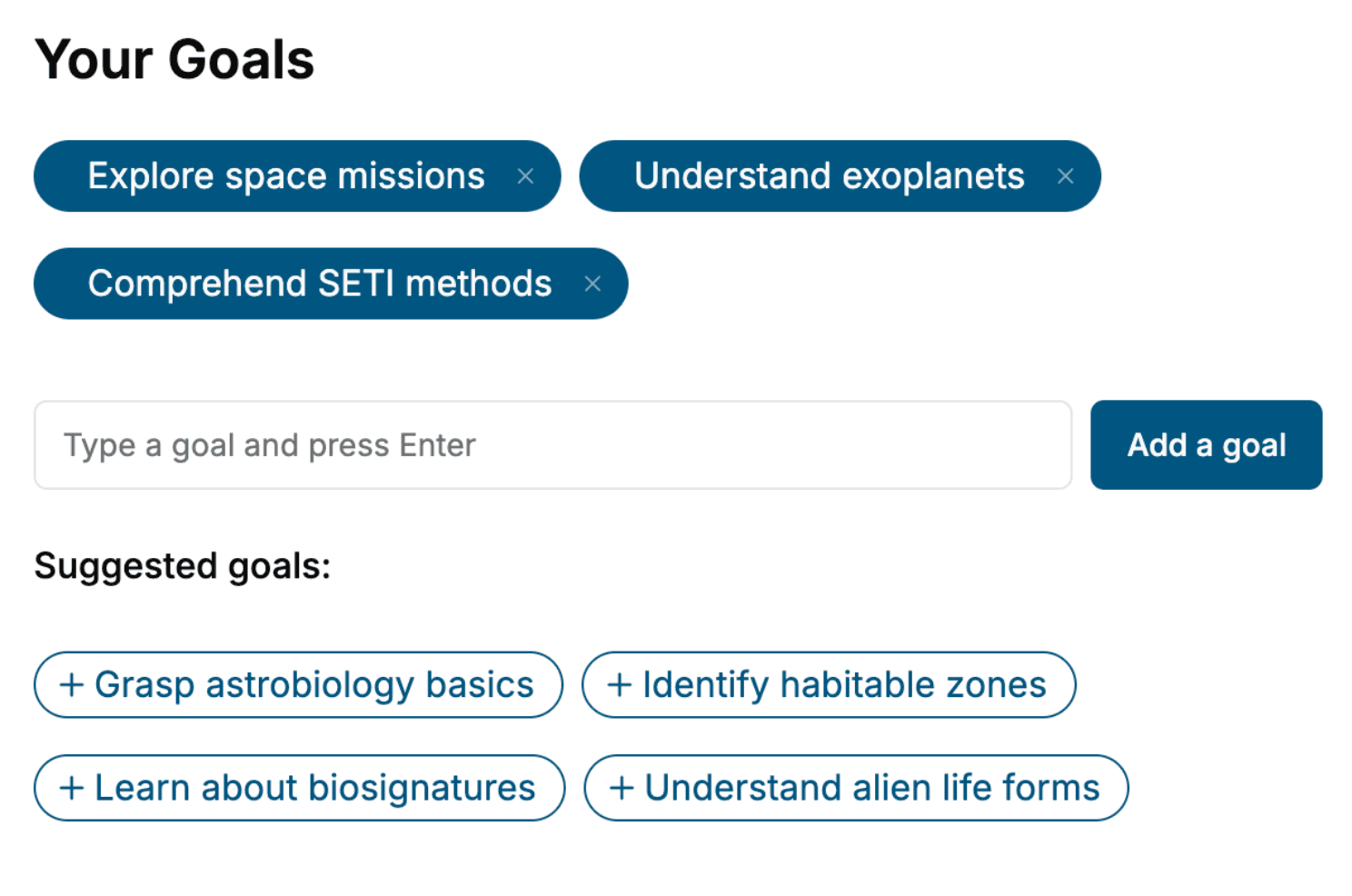
- 2. Personalize your book
Specify your goals and choose sub-topics to include
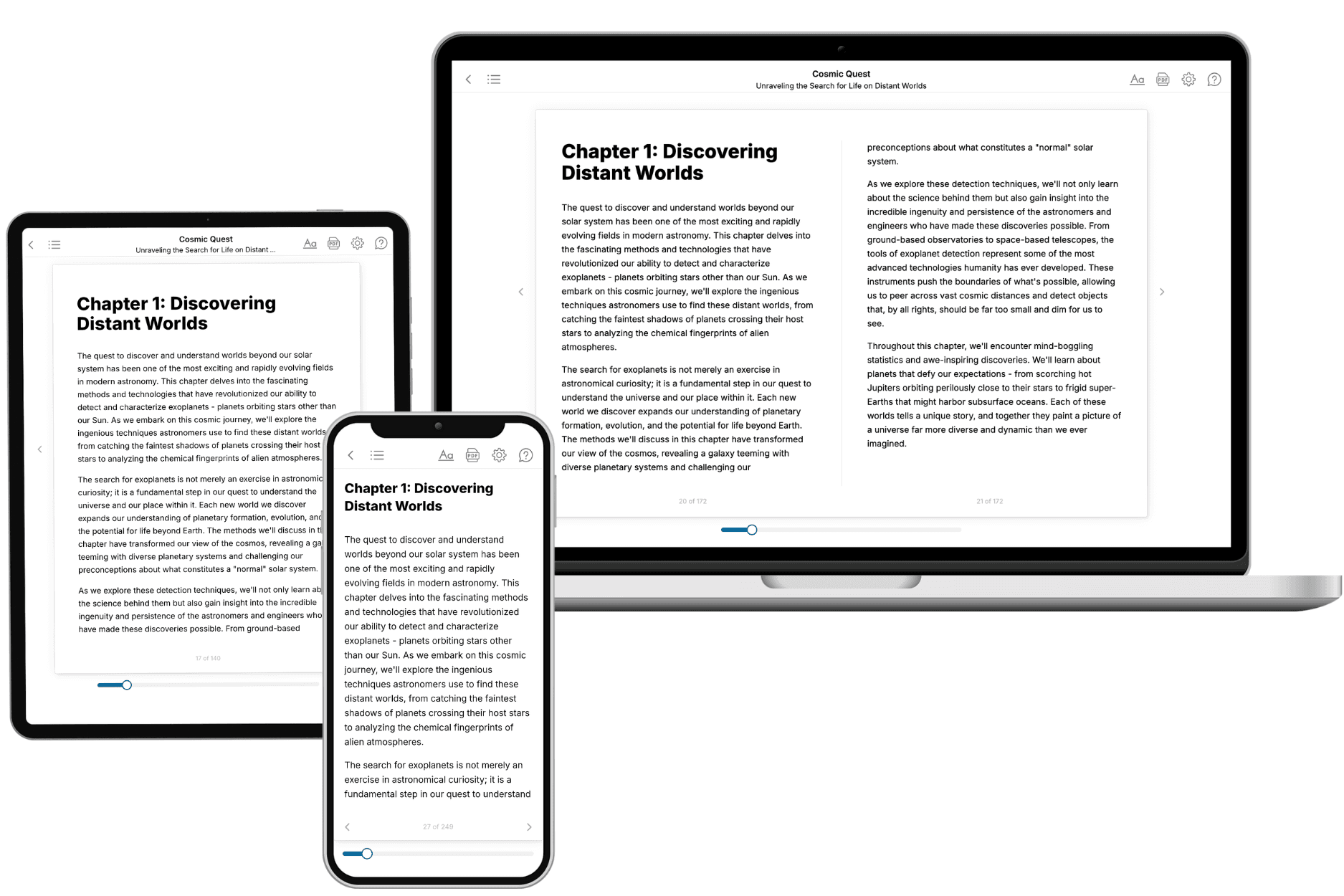
- 3. Get your tailored book
Your book is ready in 10 minutes. Read it online, download as EPUB or PDF, or send to Kindle.
Frequently asked questions
- What is TailoredRead?
TailoredRead creates complete, full-length nonfiction ebooks, written specifically for you. Tell us what you want to learn and why, and TailoredRead writes you a complete ebook on it, with charts, tables, and diagrams throughout. Read it online, on Kindle, or on any e-reader, or download it as a PDF or EPUB. Every book is written fresh the day you order it.
- How is the book tailored to me?
Before anything is written, you answer a few short questions about your goals, your background, and the topics you care about. Your book is then planned around your answers: written at your level, focused on your goals, and covering the topics you chose, instead of the one-size-fits-all book a store sells everyone.
- Will it read like generic AI content?
No. Your book isn't a chat transcript: it's planned chapter by chapter before a single word is written, told in a clear book voice, and explains ideas visually with charts, tables, and diagrams. After writing, every book goes through an editorial pass that polishes chapters so the book reads consistent from start to finish. Judge for yourself: browse thousands of sample books on our Explore Books page.
- How accurate is the content?
Our AI first checks whether your subject needs live research. Niche and fast-moving subjects are researched before writing, and the book plan and chapters are grounded in what it finds. After writing, every book goes through a quality pass that checks its facts and consistency, and researched books list their sources in a Notes section at the back.
- How long is the book?
You choose the length: Comprehensive (250-300 pages), Detailed (150-200 pages), Essential (70-100 pages), or Short (30-50 pages).
- Does the book include visuals?
Yes. Every book includes visual elements such as timelines, checklists, step-by-step guides, decision trees, comparison tables, and matrices, and many include bar charts. A typical book includes dozens of these visual elements.
- Can I read it on Kindle? What formats can I download?
Yes. Every book can be read in our online reader or downloaded as a PDF or EPUB. The EPUB can be opened with Kindle, Apple Books, Kobo, and any e-reader. The Commercial and Author licenses also include an editable Word (DOCX) and Markdown download.
- How much does it cost?
About the price of a regular ebook. The exact price depends on your book's length and complexity, from $2 for the shortest books to $35 for the most comprehensive, and it's shown when you review your book, before you commit to anything. Each book is a one-time purchase, yours to keep, no subscription. Licenses that let you share, teach, or publish your book range from $35.99 to $49.99.
- Can I preview the book before purchasing?
Before you pay, you'll see what your book will cover: the title, a detailed description, the estimated length, and the complete chapter-by-chapter table of contents, so you know what you're getting before you decide. The full text itself is written after you purchase.
- How long does it take to create a book?
About 10 minutes. You can start reading the opening chapters while the rest is still being written.