Hooves and History
Your Ultimate Guide to Mackinac Island Carriage Tours
Imagine stepping onto an island where the clip-clop of hooves replaces the hum of car engines, and the gentle sway of a carriage becomes your primary mode of transportation.
253 pages13 chaptersFeb 2, 2025Travel Guide
About this book
This is the reality of Mackinac Island, but navigating this unique destination can be overwhelming for first-time visitors and returning travelers alike. "Hooves and History: Your Ultimate Guide to Mackinac Island Carriage Tours" is your personal companion to unlocking the magic of this car-free paradise. You'll discover the rich history behind the island's commitment to horse-drawn transportation, learn how to choose the perfect tour for your interests, and gain insider tips on making the most of your carriage experience. From understanding the different types of carriages and their uses to exploring hidden gems along the tour routes, this guide equips you with all the knowledge you need to fully appreciate Mackinac Island's charm. You'll also learn about the care and training of the island's equine residents, adding depth to your appreciation of these magnificent animals that make the tours possible. Whether you're planning your first visit or looking to deepen your connection with this timeless Michigan treasure, "Hooves and History" ensures you'll experience Mackinac Island's carriage tours like a true insider.
Table of contents
- IntroductionWelcome to Mackinac Island, A Car-Free Wonder in the Modern World, What This Book Will Cover, How to Use This GuideRead below
- Chapter 1: The History of Mackinac Island TransportationNative American Roots, European Settlement and Early Transportation, The Evolution of Carriage Use, The Automobile Ban of 1898
- Chapter 2: Types of Carriages on Mackinac IslandHorse-Drawn Taxi Cabs, Narrated Tour Carriages, Private Carriage Rentals, Delivery and Service Wagons, Specialty and Event Carriages
- Chapter 3: Carriage Tour Options and ItinerariesDowntown Historical Tour, Full Island Loop Tour, Evening Sunset Tour, Nature and Wildlife Tour, Custom and Themed Tours
- Chapter 4: Highlights Along the Carriage RoutesFort Mackinac, Arch Rock, The Grand Hotel, The Governor's Summer Residence, Sugar Loaf Rock
- Chapter 5: The Horses of Mackinac IslandBreeds Used for Carriage Tours, Training Process for Carriage Horses, Daily Care and Maintenance, Retirement and Life After Service
- Chapter 6: The Art of Carriage DrivingBecoming a Mackinac Island Carriage Driver, The Role of Drivers as Storytellers, Horse Handling and Safety, Customer Service on Wheels
- Chapter 7: Seasonal Variations in Carriage ToursSpring: The Island Awakens, Summer: Peak Season Bustle, Fall: Foliage and Harvest Tours, Winter: A Snowy Wonderland
- Chapter 8: Planning Your Carriage Tour ExperienceBooking Tips and Tricks, What to Wear and Bring, Accessibility and Special Needs, Group Tours and Private Charters
- Chapter 9: Capturing the Magic: Photography from CarriagesBest Photo Spots Along the Routes, Camera Settings for Moving Carriages, Photography Etiquette, Sharing Your Experience on Social Media
- Chapter 10: Behind the Scenes of Carriage OperationsA Day in the Stables, The Island Blacksmith, Carriage Maintenance and Repair, Feed and Supply Logistics
- Chapter 11: Environmental Impact and SustainabilityWaste Management Practices, Eco-Friendly Initiatives, Island Preservation Efforts, Future of Sustainable Transportation
- Chapter 12: Carriage Culture and Island LifeA Local's Perspective on Carriage Life, Annual Events Featuring Carriages, Economic Impact of the Carriage Industry, Carriages and Island Identity
- Chapter 13: Beyond the Tours: Other Carriage ExperiencesCarriage Weddings and Proposals, Seasonal Hayrides and Sleigh Rides, Carriage Parades and Exhibitions, Carriage Driving Lessons for Visitors
- ConclusionThe Future of Carriages on Mackinac Island, Preserving a Unique Tradition
- AppendixList of Carriage Tour Companies, Frequently Asked Questions
Introduction
Welcome to "Hooves and History: Your Ultimate Guide to Mackinac Island Carriage Tours." This comprehensive guide is designed to enhance your experience of one of Michigan's most unique destinations. As you embark on this journey through the pages of this book, you'll discover the enchanting world of horse-drawn transportation that defines Mackinac Island. This introduction will set the stage for your exploration, providing you with an overview of what to expect and how to make the most of this guide.
Mackinac Island stands as a testament to a bygone era, where the gentle clip-clop of hooves replaces the hum of car engines, and the leisurely pace of carriage rides offers a refreshing contrast to the hustle and bustle of modern life. This car-free haven in the heart of the Great Lakes has captivated visitors for generations, and its commitment to preserving this unique aspect of its heritage is at the core of its charm and appeal. As you delve deeper into this guide, you'll gain a profound appreciation for the island's dedication to maintaining its horse-drawn legacy and the myriad ways in which this commitment shapes the visitor experience.
Welcome to Mackinac Island
Nestled in the Straits of Mackinac, where Lake Huron and Lake Michigan converge, Mackinac Island emerges as a jewel of natural beauty and historical significance. This small island, spanning just 3.8 square miles, packs an outsized punch in terms of its cultural impact and visitor appeal. As you approach the island by ferry, the first thing you'll notice is the absence of cars and the prominence of horse-drawn carriages lining the bustling main street. This initial impression sets the tone for an experience that is both a step back in time and a unique window into a way of life that has all but disappeared elsewhere in the United States.
The island's history is rich and varied, stretching back thousands of years to its earliest Native American inhabitants. European explorers and fur traders arrived in the 17th century, followed by British and American military forces who recognized the island's strategic importance. Today, Mackinac Island stands as a National Historic Landmark, with over 80% of its land preserved as Mackinac Island State Park. This commitment to preservation extends beyond its natural landscapes to encompass its distinctive transportation culture, centered around the horse-drawn carriage.
As you explore Mackinac Island, you'll encounter a harmonious blend of natural wonders and human history. Limestone formations like Arch Rock stand as testament to the island's geological past, while meticulously preserved Victorian-era buildings harken back to the island's heyday as a popular 19th-century summer resort. The Grand Hotel, with its world-famous 660-foot porch, remains an iconic symbol of the island's enduring elegance and hospitality.
But it's the omnipresence of horses and carriages that truly sets Mackinac Island apart. From the moment you step off the ferry, you're transported into a world where the pace of life is dictated not by the rush of traffic, but by the steady rhythm of hoofbeats. This unique atmosphere is not merely a quaint tourist attraction but a fundamental aspect of daily life for the island's approximately 500 year-round residents. Throughout this guide, you'll gain insight into how this horse-centric culture shapes every aspect of island life, from transportation and commerce to social interactions and community events.
As you prepare to immerse yourself in the world of Mackinac Island's carriage tours, it's important to approach your visit with a sense of openness and curiosity. The island's commitment to its car-free status is not just a nod to nostalgia but a conscious choice to preserve a way of life and a connection to the past that offers valuable lessons for the present and future. By understanding and appreciating the complexities and challenges of maintaining this unique environment, you'll gain a deeper appreciation for the experience that awaits you.
Throughout your journey on Mackinac Island, whether you're taking a guided tour, hiring a private carriage, or simply observing the horse-drawn traffic from the sidewalk, you'll be participating in a living tradition that has been carefully maintained for over a century. This guide will equip you with the knowledge and insights to fully appreciate the significance of this tradition and to make the most of your time on this extraordinary island. Welcome to Mackinac Island – where every clip-clop of a horse's hoof tells a story, and every carriage ride is a journey through history.
A Car-Free Wonder in the Modern World
In an age dominated by the constant hum of engines and the rush of automotive traffic, Mackinac Island stands as a remarkable anomaly – a place where the horse-drawn carriage reigns supreme and the automobile is conspicuously absent. This commitment to a car-free environment is not merely a quaint tourist attraction but a fundamental aspect of the island's identity and a powerful statement about alternative ways of living in the modern world. As you explore this unique setting, you'll come to appreciate the profound impact that the absence of cars has on the island's atmosphere, community, and overall visitor experience.
The decision to ban automobiles on Mackinac Island dates back to 1898, making it one of the earliest and most enduring examples of car-free urban planning in the world. This forward-thinking ordinance was passed in response to concerns about noise, pollution, and the safety of pedestrians and horses on the island's narrow streets. What began as a practical measure to address immediate concerns has evolved into a defining characteristic of Mackinac Island, shaping its development, economy, and cultural identity for over a century[1].
The absence of cars on Mackinac Island creates a sensory experience that is markedly different from what most visitors are accustomed to in their daily lives. The air is noticeably cleaner, free from the exhaust fumes that permeate most urban environments. The soundscape of the island is dominated by natural sounds – the clip-clop of horses' hooves, the rustle of leaves in the breeze, and the lapping of waves against the shore. This auditory environment contributes significantly to the sense of stepping back in time that many visitors report, allowing for a deeper connection with the natural world and a respite from the constant noise pollution that characterizes modern urban life.
The car-free nature of Mackinac Island also has profound implications for the pace of life and social interactions on the island. Without the ability to quickly hop in a car and drive to their destination, residents and visitors alike must plan their movements more carefully and often travel at a slower pace. This naturally encourages more walking and cycling, promoting physical activity and health. It also fosters a greater sense of community, as people are more likely to encounter and interact with each other as they move about the island. The shared experience of navigating the island without cars creates a unique bond among residents and a sense of camaraderie among visitors.
From an environmental perspective, Mackinac Island's car-free status offers a compelling case study in sustainable transportation and urban planning. The reliance on horse-drawn carriages, bicycles, and foot traffic significantly reduces the island's carbon footprint and minimizes its impact on the surrounding ecosystem. This commitment to environmental stewardship extends beyond transportation to influence other aspects of island life, including waste management, energy use, and conservation efforts. As you explore the island, you'll observe numerous examples of how this car-free ethos translates into practical, sustainable practices that could serve as models for other communities[2].
The economic implications of Mackinac Island's car-free status are equally significant. The horse-drawn carriage industry is a major employer on the island, providing jobs for drivers, stable hands, blacksmiths, and various support staff. The unique transportation culture also drives tourism, attracting visitors who are drawn to the novelty of a car-free environment and the opportunity to experience a different way of life. This tourism, in turn, supports a wide range of businesses on the island, from hotels and restaurants to shops and tour operators. The economic success of Mackinac Island demonstrates that it is possible to build a thriving, modern economy without relying on automobile infrastructure.
As you prepare to immerse yourself in the car-free world of Mackinac Island, it's worth reflecting on the broader implications of this unique environment. In an era of increasing concern about climate change, air pollution, and the social impacts of car-centric urban design, Mackinac Island offers a living example of an alternative approach. While it may not be practical to replicate this model in its entirety in larger urban areas, there are valuable lessons to be learned about the benefits of prioritizing pedestrian and non-motorized transportation, preserving historical character, and fostering a closer connection between communities and their natural surroundings.
Throughout your exploration of Mackinac Island's carriage culture, you'll have the opportunity to experience firsthand the benefits and challenges of life without cars. This experience may prompt you to reconsider your own relationship with automotive transportation and to imagine new possibilities for creating more livable, sustainable communities. As you enjoy the unique pace and atmosphere of the island, take a moment to appreciate the foresight of those who established and maintained this car-free haven, and consider how elements of this approach might be applied to improve quality of life in other settings.
What This Book Will Cover
"Hooves and History: Your Ultimate Guide to Mackinac Island Carriage Tours" is designed to be your comprehensive companion as you explore the unique world of horse-drawn transportation on Mackinac Island. This book will take you on a journey through time, culture, and the practical aspects of experiencing carriage tours, providing you with a deep understanding of this essential aspect of the island's identity. As you progress through the chapters, you'll gain insights that will enrich your visit and allow you to appreciate the carriage culture of Mackinac Island on a whole new level.
The book begins with a thorough exploration of the historical context that led to Mackinac Island's unique transportation culture. You'll learn about the Native American roots of the island, the impact of European settlement, and the pivotal decision in 1898 to ban automobiles. This historical foundation will help you understand why carriages remain such an integral part of island life and how this tradition has been maintained over the decades. By understanding the past, you'll gain a greater appreciation for the present-day experience of carriage tours on the island.
Next, you'll be introduced to the various types of carriages you'll encounter on Mackinac Island. From the ubiquitous horse-drawn taxi cabs to the larger tour carriages, private rental options, and specialized vehicles used for deliveries and events, you'll learn about the form and function of each type. This knowledge will help you navigate your transportation options during your visit and understand the role each type of carriage plays in the island's ecosystem. You'll also gain insight into the craftsmanship and maintenance required to keep these historic vehicles in operation.
A significant portion of the book is dedicated to exploring the various carriage tour options available to visitors. You'll learn about the different routes, durations, and themes of tours, from quick jaunts around downtown to full island loops and specialized nature or sunset tours. This section will help you choose the tour that best fits your interests and schedule, and provide you with information about what to expect on each route. You'll also discover tips for booking tours, what to wear and bring, and how to make the most of your carriage ride experience.
One of the unique aspects of this guide is its focus on the horses that make Mackinac Island's carriage culture possible. You'll learn about the breeds used for carriage work, their training process, and the daily care they receive. This behind-the-scenes look at the island's equine population will give you a new appreciation for these hardworking animals and the people who care for them. You'll also gain insight into the island's commitment to ethical animal treatment and the retirement process for horses that have completed their service.
The human element of carriage tours is not overlooked in this guide. You'll be introduced to the art of carriage driving, including the training process for drivers, their role as storytellers and ambassadors for the island, and the skills required to handle horses safely while providing excellent customer service. This section will help you appreciate the expertise of your carriage driver and understand how to interact respectfully with both the driver and the horses during your tour.
As Mackinac Island is a year-round destination, the book also covers how carriage tours change with the seasons. From the awakening of spring to the bustling summer season, the colorful foliage of autumn, and the snowy wonderland of winter, you'll learn how each season offers a unique carriage tour experience. This information will be particularly valuable if you're considering a visit during the off-peak seasons or are curious about how the island's transportation system adapts to changing weather conditions.
For photography enthusiasts, there's a dedicated section on capturing the magic of Mackinac Island from a carriage. You'll receive tips on the best photo spots along popular routes, camera settings that work well for moving carriages, and etiquette for taking pictures without disturbing other passengers or the horses. This section also includes advice on sharing your experiences on social media, helping you create lasting memories of your carriage tour adventure.
The book delves into the environmental impact and sustainability practices of Mackinac Island's carriage industry. You'll learn about waste management techniques, eco-friendly initiatives, and ongoing efforts to preserve the island's natural beauty while maintaining its unique transportation system. This section will give you a deeper understanding of the challenges and opportunities presented by the island's car-free status and how it contributes to broader conservation efforts.
Finally, the guide explores the cultural significance of carriages on Mackinac Island, including their role in local events, weddings, and other special occasions. You'll gain insight into how the carriage industry impacts the island's economy and shapes its identity. This cultural context will enrich your understanding of Mackinac Island as more than just a tourist destination, but as a living community with a unique way of life.
By the time you finish this book, you'll be equipped with a comprehensive understanding of Mackinac Island's carriage tours, from their historical roots to their present-day operation and future prospects. This knowledge will allow you to experience the island's unique transportation culture with greater appreciation and insight, making your visit to Mackinac Island truly unforgettable.
How to Use This Guide
"Hooves and History: Your Ultimate Guide to Mackinac Island Carriage Tours" is designed to be a versatile resource that can enhance your experience of Mackinac Island whether you're in the planning stages of your trip, actively exploring the island, or reflecting on your visit after returning home. To help you make the most of this guide, here are some suggestions on how to use it effectively at different stages of your Mackinac Island adventure.
If you're in the early stages of planning your trip to Mackinac Island, start by reading the historical overview and the sections on different types of carriage tours. This information will give you a solid foundation for understanding what to expect and help you make informed decisions about which tours and experiences to prioritize during your visit. Pay particular attention to the seasonal variations in carriage tours, as this may influence when you choose to visit the island. The planning section will provide valuable tips on booking tours, what to wear, and how to prepare for your carriage experience.
As your trip approaches, focus on the chapters that detail the highlights along carriage routes and the behind-the-scenes aspects of carriage operations. This knowledge will enrich your experience once you're on the island, allowing you to appreciate the sights you'll see and the work that goes into maintaining the carriage culture. The section on photography tips can be particularly useful at this stage, helping you plan how to capture memorable images during your visit.
While on Mackinac Island, use this guide as a reference to enhance your carriage tour experiences. The detailed descriptions of different tour options can help you decide which tours to take if you haven't pre-booked. As you explore the island, refer back to the sections on highlights along the routes to ensure you don't miss any key sights. The information on horse care and carriage driving can provide interesting talking points for conversations with your carriage drivers, allowing you to engage more deeply with the experience.
The guide is also designed to be a companion during your carriage rides. While it's important to be present in the moment and enjoy the experience, you may find it helpful to review relevant sections before or after your tours. For example, reading about the historical significance of certain landmarks before seeing them can enhance your appreciation, while revisiting these sections after your tour can help reinforce what you've learned.
Don't hesitate to use the guide as a conversation starter with island residents, carriage drivers, and other visitors. The depth of information provided can lead to interesting discussions about the island's history, culture, and future. These conversations can often reveal additional insights and personal stories that bring the information in the guide to life.
After your visit, this guide serves as a valuable resource for reflecting on your experience and deepening your understanding of Mackinac Island's unique culture. Revisiting sections on the environmental impact and cultural significance of carriages can help you appreciate the broader context of what you've experienced. If you're inspired to advocate for sustainable transportation or historical preservation in your own community, the information in this guide can provide useful examples and arguments.
For those who may not have the opportunity to visit Mackinac Island in person, this guide offers a comprehensive virtual exploration of the island's carriage culture. The detailed descriptions, historical context, and cultural insights allow armchair travelers to experience the charm and significance of Mackinac Island's unique transportation system.
Remember that this guide is designed to be read both sequentially and as a reference. While reading from cover to cover will provide the most comprehensive understanding, feel free to jump to sections that are most relevant to your current interests or needs. The table of contents and index (if applicable) can help you quickly locate specific information.
Finally, consider this guide as a starting point for further exploration. The information provided here can inspire you to delve deeper into specific aspects of Mackinac Island's history, ecology, or culture. Use the references and suggested resources to continue your learning journey beyond the pages of this book.
By approaching "Hooves and History" as a flexible, multi-use resource, you'll be able to maximize its value at every stage of your Mackinac Island experience. Whether you're a first-time visitor, a returning enthusiast, or simply curious about this unique car-free haven, this guide is designed to deepen your appreciation and understanding of Mackinac Island's enduring carriage culture.
This is the end of the free sample. The full book has 13 chapters.
Want this book written for you?
Tell us your goals and background, and get your own version of this book, tailored by AI to you.


Benefits of AI-tailored books
- Read one book, not ten:
- all the Travel Guide knowledge you need, gathered into a single book.
- Save days of learning:
- tell us your goals, choose your topics, and the whole book is built around them.
- Learn effortlessly:
- Travel Guide book written for your specific background and expertise.
- Understand at a glance:
- includes charts, tables, timelines, checklists, decision trees, and more.
- Stay current:
- written the day you order it, not years ago.
- Trust what you read:
- every book is checked for accuracy, with real research when your subject needs it.
Create your unique book in 3 steps
- 1. Select your focus
Select the focus of your Travel Guide book and share your background
- 2. Personalize your book
Specify your goals and choose sub-topics to include
- 3. Get your tailored book
Your book is ready in 10 minutes. Read it online, download as EPUB or PDF, or send to Kindle.


Frequently asked questions
- What is TailoredRead?
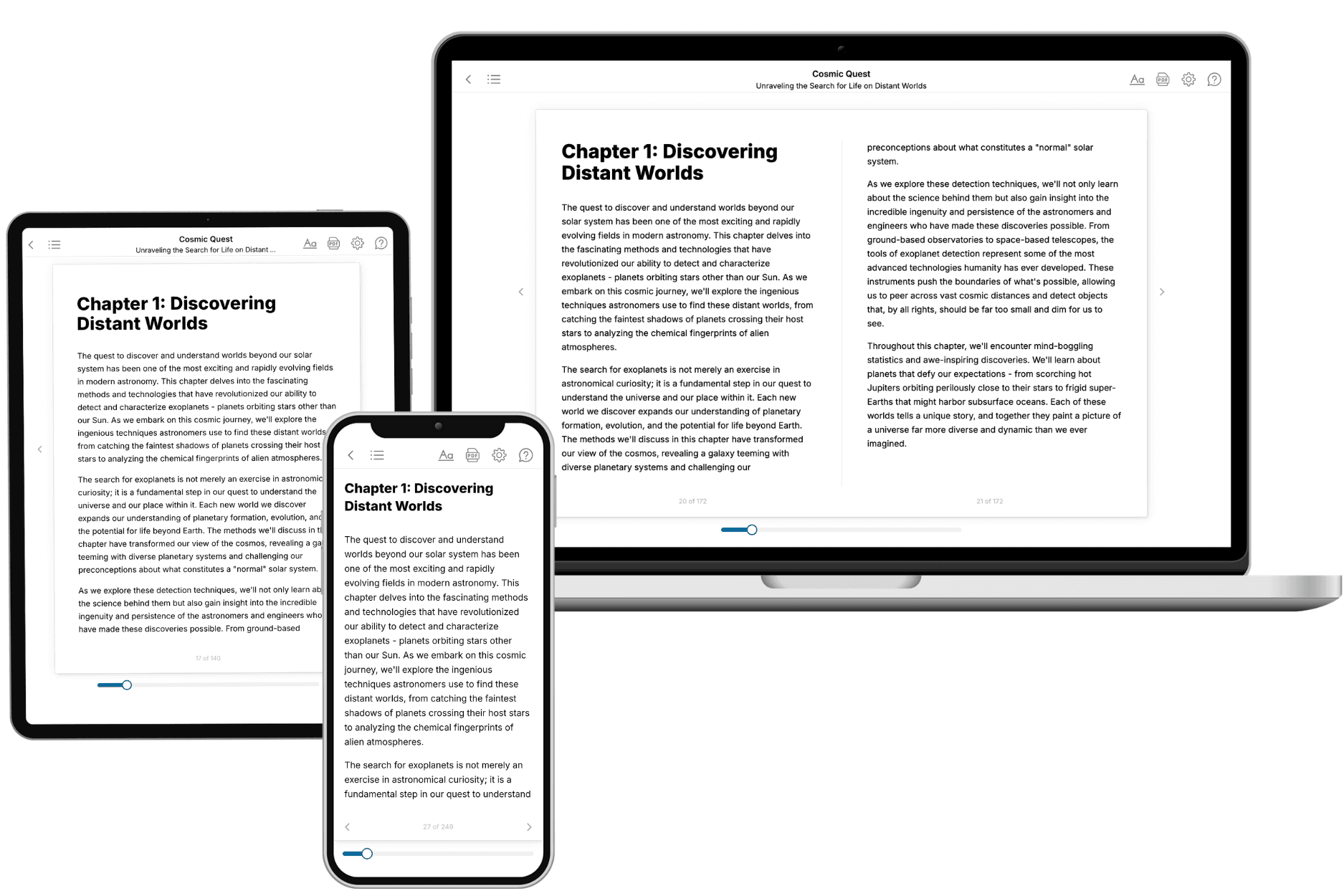
TailoredRead creates complete, full-length nonfiction ebooks, written specifically for you. Tell us what you want to learn and why, and TailoredRead writes you a complete ebook on it, with charts, tables, and diagrams throughout. Read it online, on Kindle, or on any e-reader, or download it as a PDF or EPUB. Every book is written fresh the day you order it.
- How is the book tailored to me?
Before anything is written, you answer a few short questions about your goals, your background, and the topics you care about. Your book is then planned around your answers: written at your level, focused on your goals, and covering the topics you chose, instead of the one-size-fits-all book a store sells everyone.
- Will it read like generic AI content?
No. Your book isn't a chat transcript: it's planned chapter by chapter before a single word is written, told in a clear book voice, and explains ideas visually with charts, tables, and diagrams. After writing, every book goes through an editorial pass that polishes chapters so the book reads consistent from start to finish. Judge for yourself: browse thousands of sample books on our Explore Books page.
- How accurate is the content?
Our AI first checks whether your subject needs live research. Niche and fast-moving subjects are researched before writing, and the book plan and chapters are grounded in what it finds. After writing, every book goes through a quality pass that checks its facts and consistency, and researched books list their sources in a Notes section at the back.
- How long is the book?
You choose the length: Comprehensive (250-300 pages), Detailed (150-200 pages), Essential (70-100 pages), or Short (30-50 pages).
- Does the book include visuals?
Yes. Every book includes charts, tables, and diagrams: timelines, checklists, step-by-step guides, decision trees, comparison tables, matrices, and bar charts. A typical book includes dozens of these visual elements.
- Can I read it on Kindle? What formats can I download?
Yes. Every book can be read in our online reader or downloaded as a PDF or EPUB. The EPUB can be opened with Kindle, Apple Books, Kobo, and any e-reader. The Commercial and Author licenses also include an editable Word (DOCX) and Markdown download.
- How much does it cost?
About the price of a regular ebook. The exact price depends on your book's length and complexity, from $2 for the shortest books to $35 for the most comprehensive, and it's shown when you review your book, before you commit to anything. Each book is a one-time purchase, yours to keep, no subscription. Licenses that let you share, teach, or publish your book range from $35.99 to $49.99.
- Can I preview the book before purchasing?
Before you pay, you'll see what your book will cover: the title, a detailed description, the estimated length, and the complete chapter-by-chapter table of contents, so you know what you're getting before you decide. The full text itself is written after you purchase.
- How long does it take to create a book?
About 10 minutes. You can start reading the opening chapters while the rest is still being written.