Indiana Apple Orchards
A Complete Guide to Visiting, Picking, and Experiencing the State's Premier Fruit Destinations
Discover Indiana's hidden agricultural treasures through this comprehensive guide to the state's most rewarding apple orchards.
222 pages11 chaptersEnglishAug 3, 2026Agritourism
About this book
You'll learn where to find the best orchards across all regions of Indiana, what to expect during each season, and how to make the most of your visit. From understanding the different apple varieties grown in the state to navigating pick-your-own operations, this guide walks you through everything you need to know. Explore the stories behind family-owned farms, discover agritourism activities beyond fruit picking, and learn how to support local agriculture. Whether you're planning a weekend getaway, a family outing, or a culinary adventure, you'll find practical advice on timing your visit, what to bring, and how to engage with Indiana's farming communities. This book connects you with the people and places that make Indiana's apple industry special, offering both practical travel information and deeper insights into rural life and sustainable agriculture.
Table of contents
- IntroductionWhy Indiana's Apple Orchards Matter, What You'll Discover in This Guide, How to Use This BookRead below
- Chapter 1: Understanding Indiana's Apple IndustryA Brief History of Apple Growing in Indiana, Apple Varieties Grown in Indiana, Modern Farming Practices and Sustainability
- Chapter 2: Orchards of Northern IndianaNortheast Region Orchards, Northwest Region Orchards, North Central Region Orchards
- Chapter 3: Orchards of Central IndianaCentral Region Orchards, Indianapolis Area and Surrounding Orchards, East Central Region Orchards
- Chapter 4: Orchards of Southern IndianaSouthwest Region Orchards, South Central Region Orchards, Southeast Region Orchards
- Chapter 5: Planning Your Orchard VisitSeasonal Timing and What to Expect, Before You Go: Research and Preparation, What to Bring and How to Prepare
- Chapter 6: Pick-Your-Own ExperiencesHow Pick-Your-Own Operations Work, Techniques for Picking Apples Properly, Orchard Etiquette and Responsible Visiting
- Chapter 7: Beyond Picking: Agritourism and ActivitiesCider Production and Tasting, Farm-to-Table Dining and Local Food, Educational Programs and Farm Tours
- Chapter 8: Seasonal Experiences Throughout the YearSpring: Blossoms and Renewal, Summer: Growth and Preparation, Fall: The Peak Harvest Season, Winter: Off-Season Activities and Planning
- Chapter 9: Local Products and Farm StandsFresh Produce and Seasonal Offerings, Value-Added Products: Jams, Pies, and More, Supporting Local Farmers and the Community
- Chapter 10: Family-Friendly Orchard AdventuresActivities and Entertainment for Children, Making It Work for All Ages, Safety and Comfort Considerations
- Chapter 11: Culinary Uses and RecipesCooking with Indiana Apples, Preservation Techniques for Your Harvest, Signature Recipes from Local Orchards
- ConclusionPreserving Indiana's Agricultural Heritage, Planning Your Next Orchard Adventure
- Appendix: Quick Reference GuideOrchard Directory and Contact Information, Glossary of Apple and Farming Terms
Introduction
On a Saturday morning in late September, the parking lots at Indiana's most popular apple orchards fill up before 9 a.m. Families arrive with empty bags and big appetites. The air smells like wood smoke and ripe fruit. Children sprint toward the rows of trees while adults line up for fresh-pressed cider. This scene repeats itself at dozens of orchards across the state every fall, from the lake-effect flatlands of the north to the rolling hills above the Ohio River. Indiana's apple country is alive, and it's more accessible than most people realize.
Indiana is not the first state that comes to mind when people think about apples. Washington, Michigan, and New York dominate the national conversation. But Indiana has been growing apples commercially for well over a century, and the orchards that remain today are some of the most visitor-friendly agricultural destinations in the Midwest. Many are family-owned operations that have passed through three or four generations. They've adapted to changing markets by offering pick-your-own experiences, farm stands, hard cider tastings, and educational programs that turn a simple fruit run into a full day out.
This guide exists because finding reliable, organized information about Indiana's orchards has historically required a lot of guesswork. Websites go out of date. Social media posts don't tell you which apple variety peaks in which week. Word of mouth is helpful but incomplete. Whether you're a first-time visitor trying to figure out where to go, or a returning fan who wants to explore a new region of the state, this book gives you a practical, honest, and thorough resource to work from. The goal is simple: help you have a better orchard experience, more often.
Why Indiana's Apple Orchards Matter
Apple orchards occupy a specific and important place in Indiana's agricultural landscape. The state's farming economy is dominated by corn and soybeans, which together cover millions of acres but offer almost no direct public engagement. Orchards are different. They invite people in. They create a direct, tangible connection between the land, the farmer, and the person eating the food. That connection has real value, both economically and culturally, and it's increasingly rare in a state where large-scale commodity farming defines most of the rural scenery.
The economic case for orchards is straightforward. A family that drives out to pick apples doesn't just buy fruit. They buy cider, donuts, jams, pies, and pumpkins. They pay for hayrides and corn mazes. They come back the following weekend with friends. Agritourism, the practice of opening farm operations to paying visitors, has become a meaningful revenue stream for Indiana's smaller farms. It allows operations that couldn't survive on wholesale fruit sales alone to remain financially viable and keep their land in agricultural use.
Beyond economics, orchards serve as living classrooms. A child who picks an apple from a tree and then watches it get pressed into cider has learned something about food systems that no grocery store can teach. Many Indiana orchards have formalized this through educational farm programs, school field trips, and guided tours that explain everything from pollination to pest management. These experiences build agricultural literacy in communities that are increasingly disconnected from how their food is grown.
There's also a preservation argument. Farmland in Indiana, as in most of the Midwest, faces constant pressure from residential and commercial development. Orchards that generate strong visitor revenue have a financial reason to stay in production. When you spend money at a local orchard, you're participating in a small but real act of farmland preservation. The orchard stays profitable, the family keeps farming, and the land doesn't get sold to a developer. That chain of cause and effect is worth understanding before your first visit.
Indiana's orchards also reflect the state's ethnic and cultural history in ways that are easy to overlook. Many were established by German, Swiss, and Eastern European immigrant families in the late 1800s and early 1900s, who brought with them specific apple varieties, cider-making traditions, and farming techniques. Some of those traditions survive today in the varieties still grown and the products still made on those same properties. Visiting an orchard is, in a quiet way, a form of historical tourism.
Finally, orchards matter because they mark time in a way that modern life rarely does. The harvest season is finite. A specific apple variety might be available for only two or three weeks. The blossoms appear for just a few days in spring. This seasonality creates a kind of urgency and anticipation that's genuinely refreshing. Orchards remind you that not everything is available on demand, and that some of the best things are worth planning around.
What You'll Discover in This Guide
This guide covers Indiana's apple orchards from the ground up, starting with the agricultural foundations and moving through practical visitor information, regional directories, and culinary uses. The structure is designed so you can read it straight through or jump directly to the section most relevant to your immediate needs. Either approach works, and the chapters are written to stand on their own as well as connect to each other.
The first chapter builds the foundation. Understanding Indiana's apple industry means knowing something about how the state's apple-growing history developed, which apple varieties thrive in Indiana's climate, and how modern orchards balance productivity with sustainable farming practices. That background makes everything else in the book more meaningful. When you know why a Honeycrisp costs more than a Jonathan, or why some orchards are transitioning away from certain pesticide programs, you engage with your visit differently.
The regional chapters form the core of the guide. Indiana's orchards are organized into three broad geographic sections: Northern Indiana orchards, Central Indiana orchards, and Southern Indiana orchards. Each region has its own climate characteristics, terrain, and orchard culture. The north benefits from lake-effect moisture and has a strong tradition of large family operations. The central region, anchored by the Indianapolis metro area, includes orchards that have leaned heavily into agritourism to serve a large suburban audience. The south, with its hillier terrain and longer growing season, produces some of the state's most distinctive fruit and offers some of its most scenic visits.
Beyond the regional directories, the guide walks through the full visitor experience. There are dedicated chapters on orchard visit planning, pick-your-own mechanics and apple picking technique, and the broader world of agritourism activities that many orchards now offer. You'll find practical guidance on what to bring, how to time your visit for the best apple variety selection, and how to navigate a pick-your-own operation without accidentally damaging trees or violating orchard etiquette.
The seasonal chapter is one of the most useful for repeat visitors. Most people think of orchards as a fall destination, and fall is certainly the peak of the harvest season. But Indiana orchards offer meaningful experiences in every season. Spring brings blossoms and the first signs of the year's crop. Summer is quieter but often features early varieties and farm stand activity. Winter, surprisingly, is when some orchards host their most creative events, from cider releases to holiday markets. Understanding the full seasonal orchard calendar helps you plan visits that go beyond the obvious October rush.
The guide also covers local products and farm stands, family-friendly orchard activities, and culinary uses for the apples you bring home. The chapter on cooking with Indiana apples and apple preservation techniques is especially useful if you've ever come home from a pick-your-own trip with more fruit than you knew what to do with. Recipes, preservation methods, and storage tips are all included, grounded in the specific varieties you're likely to find at Indiana orchards.
A good orchard visit doesn't end at the parking lot. It continues in your kitchen, at your table, and in the plans you make for next season. This guide is designed to support all of those moments.
Throughout the guide, the focus stays practical. The goal isn't to romanticize rural life or turn every farm into a postcard. It's to give you accurate, useful information so your visits are enjoyable, respectful, and worth repeating. Indiana's orchards are real working farms, and the best way to appreciate them is to understand how they actually operate.
How to Use This Book
The most effective way to use this guide depends on where you are in your planning process. If you're starting from scratch and have never visited an Indiana orchard, reading the first two chapters before anything else will give you the context to make better decisions about where to go and when. If you already have a destination in mind and just need practical visit information, you can go directly to the relevant regional chapter and then cross-reference the planning and pick-your-own chapters for logistics.
The regional chapters are organized by geography, not by ranking or quality. Every orchard included in this guide offers a legitimate visitor experience. The differences between them are about character, specialty, and what kind of visit you're looking for, not about one being objectively better than another. Use the regional chapters as a starting point, then visit orchard websites and call ahead to confirm current hours, available varieties, and any special events before you make the drive.
A few practical notes on timing and verification are worth stating upfront. Apple orchards are weather-dependent businesses. A late frost in April can wipe out a significant portion of a year's crop. A wet summer can accelerate disease pressure and affect fruit quality. An unusually warm fall can push harvest windows earlier than expected. No printed guide can account for year-to-year variation, so always check directly with an orchard before visiting, especially if you're traveling more than an hour to get there. Most orchards maintain active social media accounts or websites where they post weekly updates on what's available.
The chapters on planning your orchard visit and pick-your-own experiences are designed to be read before your first visit and then revisited as a quick reference. They contain specific, actionable guidance organized in a way that's easy to scan. Here's a quick summary of what each section covers:
- Orchard visit planning: Seasonal timing, pre-visit research steps, and a packing checklist
- Pick-your-own mechanics: How operations are structured, pricing models, and what to expect on arrival
- Apple picking technique: The correct way to pick without damaging trees or fruit
- Orchard etiquette: Rules and norms that keep orchards welcoming for everyone
- Agritourism activities: What to look for beyond fruit picking, including hard cider tastings and educational farm programs
- Family orchard activities: Age-appropriate activities and safety considerations for visits with children
- Culinary uses: Cooking with Indiana apples, apple preservation methods, and recipes
The appendix at the back of the book includes a quick-reference orchard directory with contact information and a glossary of apple and farming terms. If you encounter an unfamiliar term anywhere in the guide, the glossary is the fastest place to look it up. The directory is organized by region to match the structure of the main chapters.
One thing this guide deliberately avoids is false precision. Apple variety availability windows, orchard hours, and pricing all change from year to year and sometimes week to week. Rather than publishing specific prices or exact dates that will be outdated within a season, the guide focuses on the patterns and principles that remain consistent. You'll learn, for example, that early-season varieties like Zestar and Gala typically ripen in late August in Indiana, while late-season varieties like Fuji and Winesap often hold into November. Those patterns are reliable. The exact dates in any given year are not, and you should always confirm them directly.
For families planning a first orchard visit, the most useful starting point is the chapter on family-friendly orchard adventures, followed by the planning chapter. For food enthusiasts who want to understand what they're buying and cooking, start with the apple varieties section in the first chapter and then move to the culinary chapter. For travelers building a weekend itinerary around orchard visits, the regional chapters combined with the seasonal orchard calendar chapter will give you the most useful framework.
Supporting local orchards is woven into the philosophy of this entire guide. Every purchase you make at a farm stand, every pick-your-own bag you fill, and every hard cider flight you pay for contributes directly to the financial health of a family farm. Indiana's agricultural heritage is not a museum exhibit. It's a living system that depends on people choosing to engage with it. This guide is an invitation to do exactly that, with enough knowledge to make every visit count.
The orchards in this guide are waiting. Some are a short drive from downtown Indianapolis. Others require a half-day trip into countryside that most Hoosiers have never explored. All of them offer something worth finding. The harvest season is finite, the blossoms are brief, and the cider is best when it's fresh. The best time to plan your first visit, or your next one, is right now.
This is the end of the free sample. The full book has 11 chapters.
Want this book written for you?
Tell us your goals and background, and get your own version of this book, tailored by AI to you.


Benefits of AI-tailored books
- Read one book, not ten:
- all the Agritourism knowledge you need, gathered into a single book.
- Save days of learning:
- tell us your goals, choose your topics, and the whole book is built around them.
- Learn effortlessly:
- Agritourism book written for your specific background and expertise.
- Understand at a glance:
- includes charts, tables, timelines, checklists, decision trees, and more.
- Stay current:
- written the day you order it, not years ago.
- Trust what you read:
- every book is checked for accuracy, with real research when your subject needs it.
Create your unique book in 3 steps
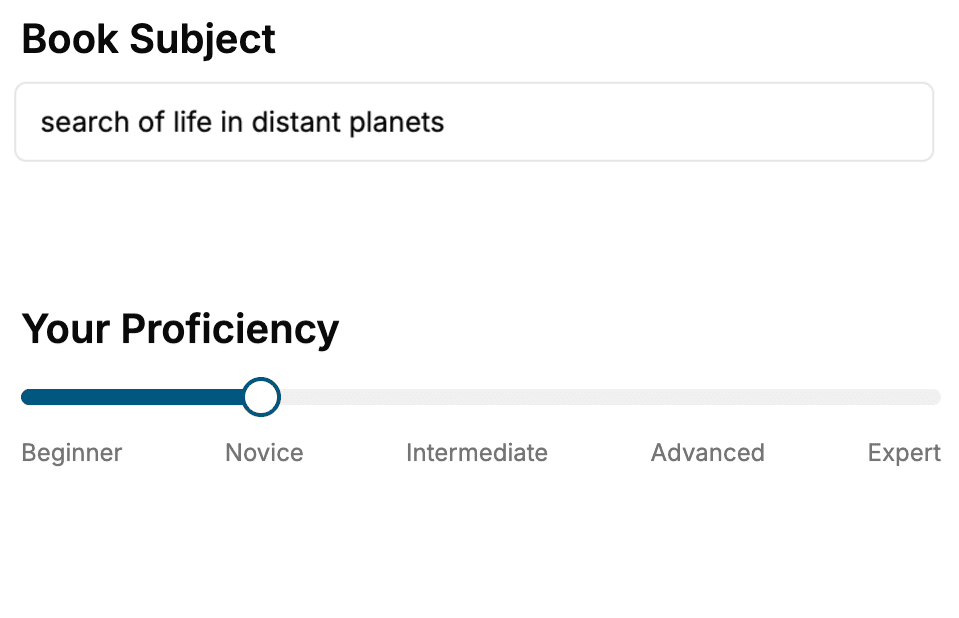
- 1. Select your focus
Select the focus of your Agritourism book and share your background
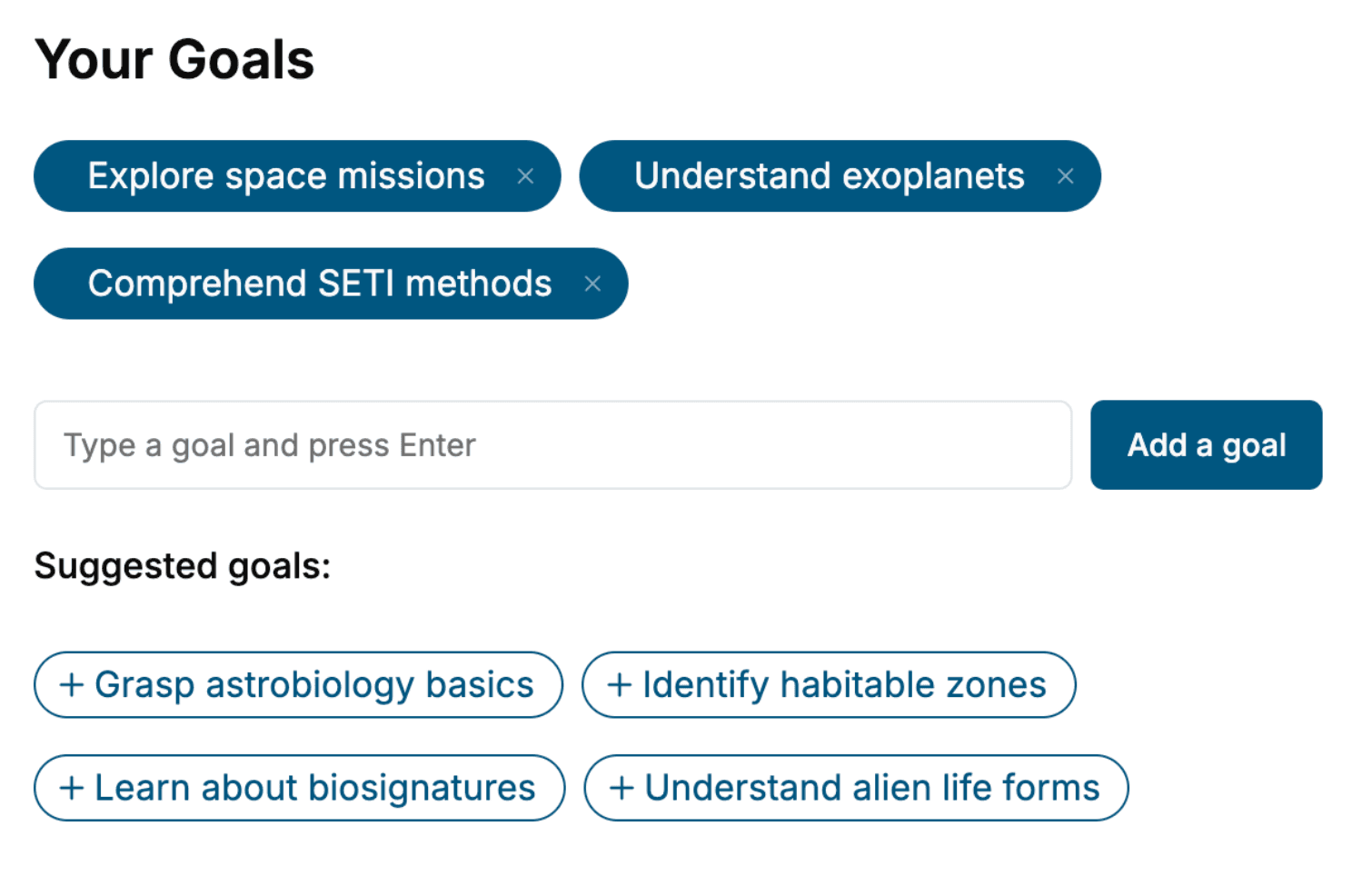
- 2. Personalize your book
Specify your goals and choose sub-topics to include
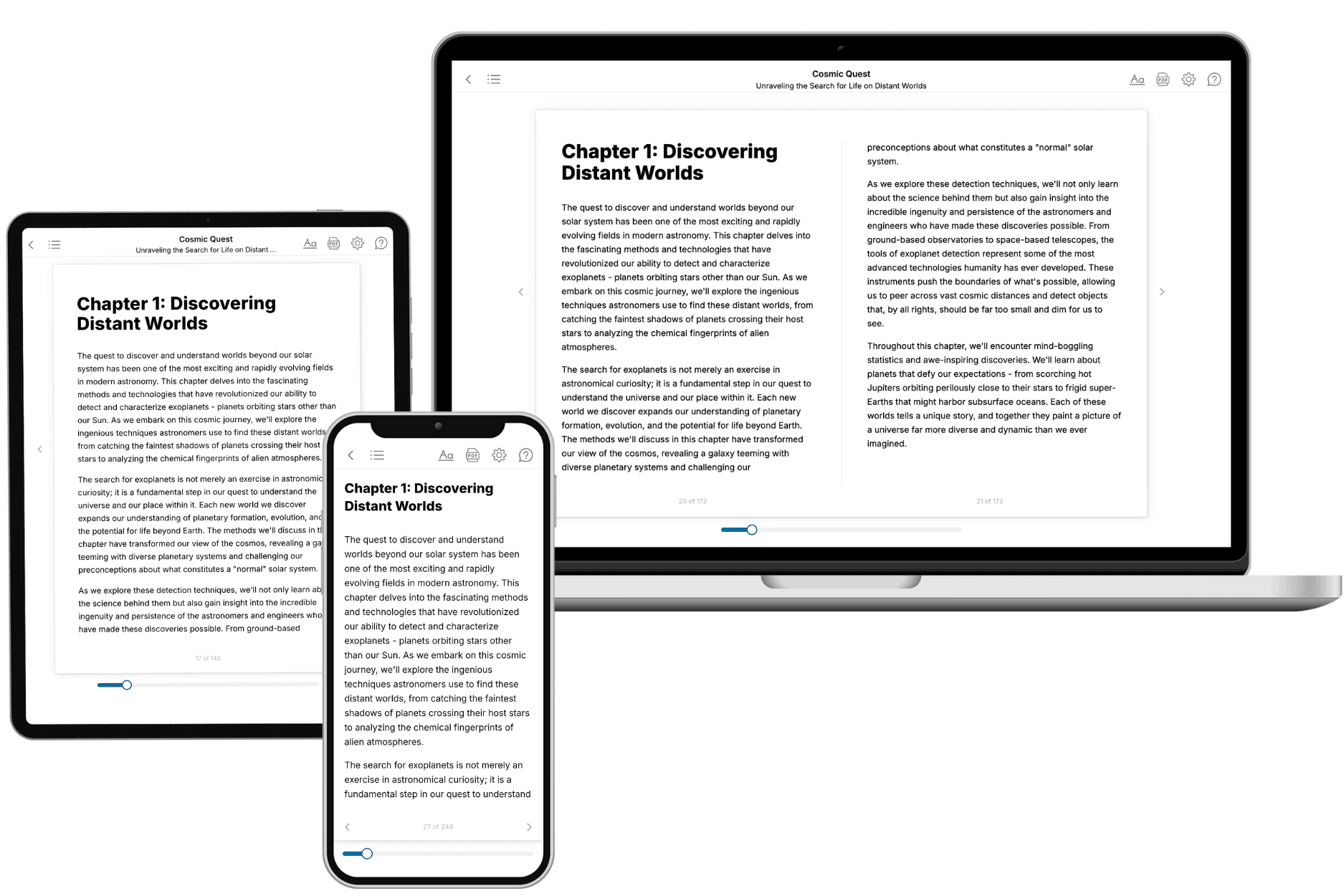
- 3. Get your tailored book
Your book is ready in 10 minutes. Read it online, download as EPUB or PDF, or send to Kindle.
Frequently asked questions
- What is TailoredRead?
TailoredRead creates complete, full-length nonfiction ebooks, written specifically for you. Tell us what you want to learn and why, and TailoredRead writes you a complete ebook on it, with charts, tables, and diagrams throughout. Read it online, on Kindle, or on any e-reader, or download it as a PDF or EPUB. Every book is written fresh the day you order it.
- How is the book tailored to me?
Before anything is written, you answer a few short questions about your goals, your background, and the topics you care about. Your book is then planned around your answers: written at your level, focused on your goals, and covering the topics you chose, instead of the one-size-fits-all book a store sells everyone.
- Will it read like generic AI content?
No. Your book isn't a chat transcript: it's planned chapter by chapter before a single word is written, told in a clear book voice, and explains ideas visually with charts, tables, and diagrams. After writing, every book goes through an editorial pass that polishes chapters so the book reads consistent from start to finish. Judge for yourself: browse thousands of sample books on our Explore Books page.
- How accurate is the content?
Our AI first checks whether your subject needs live research. Niche and fast-moving subjects are researched before writing, and the book plan and chapters are grounded in what it finds. After writing, every book goes through a quality pass that checks its facts and consistency, and researched books list their sources in a Notes section at the back.
- How long is the book?
You choose the length: Comprehensive (250-300 pages), Detailed (150-200 pages), Essential (70-100 pages), or Short (30-50 pages).
- Does the book include visuals?
Yes. Every book includes charts, tables, and diagrams: timelines, checklists, step-by-step guides, decision trees, comparison tables, matrices, and bar charts. A typical book includes dozens of these visual elements.
- Can I read it on Kindle? What formats can I download?
Yes. Every book can be read in our online reader or downloaded as a PDF or EPUB. The EPUB can be opened with Kindle, Apple Books, Kobo, and any e-reader. The Commercial and Author licenses also include an editable Word (DOCX) and Markdown download.
- How much does it cost?
About the price of a regular ebook. The exact price depends on your book's length and complexity, from $2 for the shortest books to $35 for the most comprehensive, and it's shown when you review your book, before you commit to anything. Each book is a one-time purchase, yours to keep, no subscription. Licenses that let you share, teach, or publish your book range from $35.99 to $49.99.
- Can I preview the book before purchasing?
Before you pay, you'll see what your book will cover: the title, a detailed description, the estimated length, and the complete chapter-by-chapter table of contents, so you know what you're getting before you decide. The full text itself is written after you purchase.
- How long does it take to create a book?
About 10 minutes. You can start reading the opening chapters while the rest is still being written.