Integrated Multi-Trophic Aquaculture
Harnessing Ecosystem Dynamics for Sustainable Aquaculture
You'll revolutionize your approach to aquaculture with this comprehensive guide to Integrated Multi-Trophic Aquaculture (IMTA).
300 pages15 chaptersDec 26, 2024Aquaculture
About this book
Dive into the intricate world of ecosystem-based farming, where multiple species work in harmony to create sustainable and efficient aquatic environments. This book equips you with the knowledge to design, implement, and optimize IMTA systems that maximize productivity while minimizing environmental impact. Explore the science behind IMTA, from nutrient cycling to species interactions, and learn how to apply these principles in real-world scenarios. You'll gain insights into selecting compatible species, managing water quality, and scaling your operations for commercial success. With practical case studies and expert advice, you'll be well-prepared to tackle the challenges and seize the opportunities in this innovative field. Whether you're looking to enhance existing aquaculture operations or start a new venture, this book provides the tools and strategies you need to succeed in the evolving landscape of sustainable aquaculture. Get ready to play a crucial role in shaping the future of food production and environmental stewardship through the power of Integrated Multi-Trophic Aquaculture.
Table of contents
- IntroductionOverview of Integrated Multi-Trophic Aquaculture, The Importance of IMTA in Modern Aquaculture, Structure and Use of This BookRead below
- Chapter 1: Fundamentals of IMTADefining Integrated Multi-Trophic Aquaculture, Ecological Principles Behind IMTA, Understanding Trophic Levels in IMTA, Nutrient Cycling and Energy Flow
- Chapter 2: Benefits of IMTA SystemsEnvironmental Benefits and Sustainability, Economic Advantages and Diversification, Social and Community Impacts, Contribution to Food Security
- Chapter 3: Species Selection for IMTAFed Species: Fish and Shrimp, Extractive Species: Shellfish and Seaweed, Deposit Feeders and Detritivores, Assessing Species Compatibility
- Chapter 4: Designing IMTA SystemsSite Selection and Assessment, Key Components of IMTA Systems, Spatial Arrangement and Integration, Water Flow and Circulation Design
- Chapter 5: Water Quality Management in IMTAKey Water Quality Parameters and Monitoring, Maintaining Nutrient Balance, Waste Treatment and Recycling, Disease Prevention and Control
- Chapter 6: Feeding Strategies in IMTATypes of Feed for Different Species, Feeding Methods and Technologies, Optimizing Feed Efficiency, Enhancing Natural Food Web Interactions
- Chapter 7: Production ManagementDetermining Optimal Stocking Densities, Growth Monitoring and Harvesting Schedules, Maintaining Biomass Balance Among Species, Managing Production Cycles
- Chapter 8: Technology and Equipment for IMTAContainment Systems for Different Species, Monitoring and Control Equipment, Harvesting Technologies, Automation and IoT in IMTA
- Chapter 9: Environmental Monitoring and Impact AssessmentDesigning Effective Monitoring Programs, Key Environmental Impact Indicators, Assessing Benthic and Pelagic Impacts, Quantifying Ecosystem Services of IMTA
- Chapter 10: Scaling IMTA SystemsSmall-Scale and Pilot Projects, Scaling to Commercial Production, Offshore IMTA Systems, Land-Based IMTA Systems
- Chapter 11: Economic Considerations in IMTACost-Benefit Analysis of IMTA Systems, Market Development for IMTA Products, Value Addition and Processing, Innovative Business Models for IMTA
- Chapter 12: Regulatory Framework and CertificationGlobal Policy Landscape for IMTA, Licensing and Permitting Processes, Certification Standards for IMTA Products, Shaping Future Policies for IMTA
- Chapter 13: Challenges and Solutions in IMTA ImplementationTechnical and Biological Challenges, Economic and Market Barriers, Social Acceptance and Education, Addressing Research Gaps
- Chapter 14: Case Studies and Success StoriesIMTA in Asia-Pacific Region, IMTA in Europe and the Americas, IMTA in Developing Countries, Lessons Learned and Best Practices
- Chapter 15: The Future of IMTAEmerging Technologies in IMTA, IMTA and Climate Change Adaptation, IMTA's Role in Future Global Food Systems, Future Research Directions
- Conclusion
- Glossary
- Further Reading
Introduction
As you embark on this journey through the world of Integrated Multi-Trophic Aquaculture (IMTA), you are about to discover a revolutionary approach to sustainable aquatic food production. This introduction serves as your gateway to understanding the fundamental concepts, significance, and potential of IMTA in reshaping the aquaculture industry. Whether you are an experienced aquaculture professional seeking to expand your knowledge or a researcher exploring innovative solutions for sustainable food production, this book will provide you with comprehensive insights and practical guidance on implementing and optimizing IMTA systems.
The global demand for seafood continues to rise, driven by population growth, increasing awareness of the health benefits of aquatic products, and the need for sustainable protein sources. Traditional aquaculture practices, while contributing significantly to meeting this demand, often face challenges related to environmental impact, resource efficiency, and economic sustainability. IMTA emerges as a promising solution to address these challenges by mimicking natural ecosystems and harnessing the power of species interactions to create more balanced and efficient aquaculture systems.
Throughout this book, you will explore the intricate web of relationships between different trophic levels in IMTA systems, learn how to select and combine compatible species, and gain insights into the management practices that ensure optimal system performance. From small-scale pilot projects to large commercial operations, you will discover how IMTA can be adapted to various scales and environments, opening up new possibilities for sustainable aquaculture development worldwide.
As you progress through the chapters, you will find that IMTA is not just a theoretical concept but a practical and economically viable approach to aquaculture. Case studies and real-world examples will illustrate how IMTA has been successfully implemented in different regions, providing you with valuable lessons and best practices to apply in your own projects. Moreover, you will gain an understanding of the broader implications of IMTA, including its potential to contribute to food security, support coastal communities, and play a role in mitigating climate change impacts on aquatic ecosystems.
This introduction chapter will lay the foundation for your exploration of IMTA by providing an overview of the concept, highlighting its importance in modern aquaculture, and guiding you through the structure of this book. By the end of this chapter, you will have a clear understanding of what to expect in the following sections and how this knowledge can be applied to advance your work in sustainable aquaculture.
Overview of Integrated Multi-Trophic Aquaculture
Integrated Multi-Trophic Aquaculture (IMTA) represents a paradigm shift in aquaculture practices, moving away from monoculture systems towards a more holistic, ecosystem-based approach. At its core, IMTA is designed to mimic natural ecosystems by cultivating multiple species from different trophic levels in proximity to one another, creating a synergistic environment where the byproducts or waste from one species serve as nutrients for another. This innovative approach not only enhances the overall productivity of the aquaculture system but also significantly reduces its environmental footprint.
The concept of IMTA is rooted in the understanding of trophic relationships in natural aquatic ecosystems. In a typical IMTA system, you will find a combination of fed species (such as fish or shrimp), organic extractive species (like shellfish), and inorganic extractive species (such as seaweeds). This strategic combination allows for the efficient recycling of nutrients and energy within the system. For instance, the waste produced by fed species, which would otherwise be lost to the environment, becomes a valuable input for the growth of extractive species. This nutrient recycling not only improves water quality but also creates additional economic value through the production of multiple crops from a single system.
One of the key advantages of IMTA is its adaptability to various aquatic environments. You can implement IMTA systems in marine, brackish, or freshwater settings, and they can be designed for coastal, offshore, or land-based operations. This flexibility allows for the customization of IMTA systems to suit local environmental conditions, available species, and market demands. For example, a marine IMTA system might combine salmon farming with mussel and kelp cultivation, while a freshwater system could integrate tilapia with freshwater mussels and aquatic plants.
The environmental benefits of IMTA are substantial and multifaceted. By incorporating species that extract dissolved inorganic nutrients and organic particulate matter, IMTA systems effectively reduce the nutrient load in the surrounding water. This bioremediation effect helps to mitigate the potential negative impacts of aquaculture on water quality and benthic ecosystems. Research has shown that properly designed IMTA systems can significantly reduce the concentration of nitrogen and phosphorus in the water column, thereby minimizing the risk of eutrophication and harmful algal blooms[1].
From an economic perspective, IMTA offers the potential for increased profitability through diversification of products and improved resource use efficiency. By producing multiple crops from a single system, you can spread economic risk and tap into different markets. For instance, while the fed species (e.g., fish) may serve as the primary cash crop, the extractive species (e.g., shellfish and seaweed) can provide additional revenue streams. Moreover, the improved environmental performance of IMTA systems can lead to better social acceptance and potentially access to premium markets for sustainably produced seafood.
The implementation of IMTA requires a thorough understanding of species interactions, nutrient dynamics, and system design principles. Successful IMTA operations depend on careful species selection, appropriate stocking densities, and effective management practices. You need to consider factors such as the compatibility of different species, their specific nutritional and environmental requirements, and the potential for disease transmission. Additionally, the spatial arrangement of different components within the IMTA system plays a crucial role in optimizing nutrient flow and ensuring the well-being of all cultivated organisms.
While IMTA offers numerous benefits, it also presents certain challenges that need to be addressed. These include the complexity of managing multiple species with different life cycles and production timelines, the need for specialized equipment and infrastructure, and the development of markets for diverse aquaculture products. Moreover, regulatory frameworks in many regions are still catching up with the concept of IMTA, which can sometimes pose hurdles for implementation and scaling.
Despite these challenges, the potential of IMTA to contribute to sustainable aquaculture development has garnered increasing attention from researchers, industry practitioners, and policymakers worldwide. Ongoing research and development efforts are focused on optimizing IMTA systems for different environments, improving our understanding of nutrient dynamics and species interactions, and developing innovative technologies to enhance system performance and manageability.
As you delve deeper into this book, you will gain a comprehensive understanding of the principles, practices, and potential of IMTA. From the fundamental ecological concepts that underpin IMTA to practical considerations for system design and management, each chapter will equip you with the knowledge and tools needed to explore and implement this innovative approach to aquaculture. Whether your interest lies in enhancing the sustainability of existing aquaculture operations or developing new IMTA projects, this book will serve as an invaluable guide in your journey towards more sustainable and productive aquatic food production systems.
The overview provided here sets the stage for a detailed exploration of IMTA in the subsequent chapters. As you progress through the book, you will find that each aspect of IMTA – from species selection and system design to economic considerations and regulatory frameworks – is examined in depth, providing you with a comprehensive toolkit for understanding and implementing IMTA in various contexts. By the end of this book, you will be well-equipped to contribute to the advancement of sustainable aquaculture practices through the application of IMTA principles and techniques.
The Importance of IMTA in Modern Aquaculture
As you navigate the evolving landscape of modern aquaculture, understanding the importance of Integrated Multi-Trophic Aquaculture (IMTA) becomes crucial. IMTA stands at the forefront of sustainable aquaculture practices, offering a multitude of benefits that address many of the challenges faced by traditional aquaculture methods. Its significance extends beyond mere production efficiency, encompassing environmental stewardship, economic resilience, and social responsibility. In this section, we will explore the key reasons why IMTA is gaining prominence and why it is considered a pivotal development in the quest for sustainable aquatic food production.
First and foremost, IMTA addresses one of the most pressing concerns in aquaculture: environmental impact. Traditional monoculture systems, particularly intensive fish farming, have been associated with various environmental issues, including nutrient pollution, habitat degradation, and the spread of diseases. IMTA offers a solution by creating a more balanced ecosystem within the aquaculture setting. By incorporating species that utilize the waste products of the primary cultured species, IMTA systems significantly reduce the release of excess nutrients into the surrounding environment. Research has shown that properly designed IMTA systems can remove up to 60% of dissolved nitrogen and 50% of dissolved phosphorus from effluents, substantially mitigating the risk of eutrophication in receiving waters[2]. This improved environmental performance not only helps protect aquatic ecosystems but also enhances the industry's social license to operate, addressing concerns from environmental groups and local communities.
The economic importance of IMTA in modern aquaculture cannot be overstated. As the aquaculture industry faces increasing pressure to improve sustainability while maintaining profitability, IMTA emerges as a promising solution. By diversifying production within a single system, IMTA offers multiple revenue streams, reducing economic risk and enhancing overall farm resilience. For instance, a salmon IMTA farm that also produces mussels and seaweed can tap into different markets, potentially increasing revenue by 25-30% compared to salmon monoculture[3]. Moreover, the improved resource use efficiency in IMTA systems can lead to reduced input costs, particularly for feed and waste management, further enhancing the economic viability of aquaculture operations.
From a food security perspective, IMTA plays a crucial role in meeting the growing global demand for seafood in a sustainable manner. As the world population continues to expand, projected to reach 9.7 billion by 2050, the need for efficient and sustainable food production systems becomes increasingly urgent. Aquaculture already provides over 50% of the world's seafood for human consumption, and this share is expected to grow. IMTA, with its potential to increase overall productivity while reducing environmental impacts, is well-positioned to contribute significantly to future food security. By producing a diverse range of aquatic products – from fish and shellfish to seaweeds – IMTA systems can provide a variety of nutritious food options, contributing to both food quantity and dietary diversity.
The importance of IMTA extends to its potential role in climate change mitigation and adaptation strategies. Seaweeds, which are often a key component of marine IMTA systems, are efficient carbon sinks, absorbing CO2 from the water and contributing to carbon sequestration. Some studies suggest that large-scale seaweed cultivation could potentially offset a significant portion of global carbon emissions[4]. Additionally, the diversified nature of IMTA systems enhances their resilience to environmental changes, making them more adaptable to the impacts of climate change on aquatic ecosystems. This resilience is particularly important as the aquaculture industry faces challenges such as ocean acidification, rising water temperatures, and increased frequency of extreme weather events.
IMTA also holds significant importance in the context of circular economy principles and the blue economy concept. By recycling nutrients and energy within the production system, IMTA aligns closely with circular economy models that aim to minimize waste and maximize resource efficiency. This approach not only reduces the environmental footprint of aquaculture but also creates new value chains and economic opportunities. In the broader context of the blue economy – which seeks sustainable use of ocean resources for economic growth – IMTA represents an innovative approach to marine resource management that balances economic development with environmental conservation.
The social importance of IMTA is reflected in its potential to support coastal communities and create diverse employment opportunities. IMTA operations often require a range of skills, from technical aquaculture expertise to processing and marketing of diverse products. This can lead to the creation of new jobs and the development of local industries, particularly in coastal areas where traditional fisheries may be in decline. Furthermore, the improved environmental performance of IMTA can help maintain the quality of coastal ecosystems, which are often crucial for tourism and recreation, thus supporting the broader coastal economy.
From a research and innovation perspective, IMTA serves as a catalyst for advancing our understanding of aquatic ecosystems and developing new technologies. The complex interactions within IMTA systems provide rich opportunities for scientific study, ranging from nutrient dynamics and species interactions to the development of new cultivation techniques and monitoring technologies. This research not only benefits the aquaculture industry but also contributes to our broader understanding of marine and freshwater ecology, potentially informing conservation and ecosystem management strategies.
The importance of IMTA in modern aquaculture is also evident in its potential to address some of the industry's most pressing challenges. For instance, the issue of fishmeal and fish oil dependency in aquaculture feeds has been a significant concern. IMTA systems that incorporate lower trophic level species, such as filter-feeding bivalves and seaweeds, can reduce the reliance on these inputs, contributing to a more sustainable feed strategy. Additionally, the improved water quality in IMTA systems can lead to better fish health and reduced need for antibiotics, addressing concerns about antimicrobial resistance in aquaculture.
As you consider the future of aquaculture, it's clear that IMTA will play an increasingly important role. Its ability to address multiple challenges simultaneously – environmental sustainability, economic viability, and food security – positions it as a key innovation in the evolution of aquaculture practices. The growing recognition of IMTA's importance is reflected in the increasing number of research initiatives, pilot projects, and commercial operations worldwide. However, realizing the full potential of IMTA will require continued research, technological innovation, supportive policies, and collaboration among scientists, industry practitioners, and policymakers.
In conclusion, the importance of IMTA in modern aquaculture lies in its holistic approach to sustainable food production. By mimicking natural ecosystems, IMTA offers a path towards more environmentally friendly, economically viable, and socially responsible aquaculture practices. As you delve deeper into the subsequent chapters of this book, you will gain a comprehensive understanding of how to harness the potential of IMTA in various contexts, contributing to the advancement of sustainable aquaculture and the broader goals of food security and environmental conservation.
Structure and Use of This Book
As you embark on your journey through the world of Integrated Multi-Trophic Aquaculture (IMTA), this book has been carefully structured to provide you with a comprehensive and practical guide to understanding, implementing, and optimizing IMTA systems. Whether you are an aquaculture professional looking to diversify your operations, a researcher exploring sustainable aquaculture solutions, or a policymaker seeking to understand the potential of IMTA, this book is designed to meet your needs. In this section, we will outline the structure of the book and provide guidance on how to best utilize its contents to maximize your learning and application of IMTA principles.
The book is organized into fifteen chapters, each focusing on a specific aspect of IMTA. This logical progression allows you to build your knowledge systematically, from foundational concepts to advanced applications. The chapters are designed to be both comprehensive and interconnected, enabling you to gain a holistic understanding of IMTA while also allowing for focused study on specific topics of interest. Each chapter is further divided into subsections, making it easy for you to navigate to particular areas of interest or to break your reading into manageable segments.
Chapter 1, "Fundamentals of IMTA," lays the groundwork for your understanding of IMTA. Here, you will explore the definition of IMTA, the ecological principles that underpin it, and the concept of trophic levels in aquaculture systems. This chapter is crucial for building a solid foundation, especially if you are new to the concept of IMTA. Even if you have prior experience with aquaculture, this chapter will help you understand the unique aspects of IMTA that set it apart from traditional aquaculture practices.
As you progress through the book, you will find that each chapter builds upon the knowledge gained in previous sections. For example, Chapter 2, "Benefits of IMTA Systems," expands on the concepts introduced in the first chapter, detailing the environmental, economic, and social advantages of IMTA. This chapter will help you understand the multifaceted value proposition of IMTA, which is essential for making informed decisions about implementing or advocating for IMTA systems.
Chapters 3 through 8 delve into the practical aspects of designing and managing IMTA systems. These chapters cover crucial topics such as species selection, system design, water quality management, feeding strategies, production management, and the technology and equipment used in IMTA. Each of these chapters provides in-depth information and practical guidance, allowing you to apply IMTA principles in real-world scenarios. For instance, Chapter 5 on water quality management offers detailed insights into monitoring techniques and maintaining optimal conditions for multiple species, which is critical for the success of any IMTA operation.
The book then progresses to broader considerations in Chapters 9 through 12, covering environmental monitoring, scaling of IMTA systems, economic considerations, and regulatory frameworks. These chapters are particularly valuable if you are looking to implement IMTA on a commercial scale or if you are involved in policy-making related to aquaculture. They provide a comprehensive overview of the challenges and opportunities associated with scaling up IMTA operations and integrating them into existing regulatory and economic structures.
Chapter 13, "Challenges and Solutions in IMTA Implementation," addresses common obstacles you might encounter when implementing IMTA and offers practical solutions. This chapter is designed to prepare you for potential hurdles and equip you with strategies to overcome them, drawing on lessons learned from various IMTA projects worldwide.
To provide you with real-world context and inspiration, Chapter 14 presents a series of case studies and success stories from different regions. These examples illustrate how IMTA principles have been applied in various environmental and socio-economic contexts, offering valuable insights and best practices that you can adapt to your own situation.
The final chapter, "The Future of IMTA," looks ahead to emerging technologies, research directions, and the potential role of IMTA in addressing global challenges such as climate change and food security. This forward-looking perspective will help you understand the evolving landscape of IMTA and position yourself at the forefront of sustainable aquaculture practices.
Throughout the book, you will find that complex concepts are explained using clear, accessible language, supplemented by diagrams, tables, and real-world examples. Key terms are highlighted and defined, ensuring that you build a comprehensive vocabulary related to IMTA. Each chapter concludes with a summary of key points and a list of references, allowing you to quickly review essential information and explore topics in greater depth if desired.
To make the most of this book, it is recommended that you read the chapters sequentially, as each builds upon the knowledge presented in previous sections. However, the book is also designed to allow for targeted reading. If you have specific interests or needs, you can refer directly to relevant chapters or subsections. The detailed table of contents and index will help you quickly locate information on particular topics.
As you read, you are encouraged to actively engage with the material. Take notes, highlight key points, and reflect on how the information presented relates to your own experiences or potential applications. The book includes thought-provoking questions and scenarios that prompt you to apply IMTA principles to real-world situations, enhancing your practical understanding of the concepts.
Additionally, the book features numerous references to current research and industry reports. These citations serve as springboards for further exploration, allowing you to delve deeper into specific areas of interest. The "Further Reading" section at the end of the book provides a curated list of resources for continued learning and staying up-to-date with the latest developments in IMTA.
Remember that IMTA is a rapidly evolving field, with new research and innovations emerging regularly. While this book provides a comprehensive foundation, it is recommended that you supplement your reading with current journals, industry publications, and participation in relevant conferences or workshops to stay abreast of the latest developments in IMTA.
By the end of this book, you will have gained a thorough understanding of IMTA principles, practices, and potential. Whether your goal is to implement IMTA systems, conduct research, or inform policy decisions, this book will serve as an invaluable resource in your journey towards more sustainable and productive aquaculture practices. The knowledge and insights gained from this book will empower you to contribute to the advancement of IMTA and play a role in shaping the future of sustainable aquatic food production.
Notes
Introduction
- 1. T. Chopin and others, "Open-water integrated multi-trophic aquaculture," Reviews in Aquaculture, 2012
- 2. M. Troell and others, "Ecological engineering in aquaculture-Potential for integrated multi-trophic aquaculture (IMTA) in marine offshore systems," Aquaculture, 2009
- 3. K. Barrington and others, "Integrated multi-trophic aquaculture (IMTA) in marine temperate waters," D. Soto, Integrated mariculture: a global review. FAO Fisheries and Aquaculture Technical Paper.Rome, FAO, 2009
- 4. C. M. Duarte and others, "Can seaweed farming play a role in climate change mitigation and adaptation?," Frontiers in Marine Science, 2017
This is the end of the free sample. The full book has 15 chapters.
Want this book written for you?
Tell us your goals and background, and get your own version of this book, tailored by AI to you.


Benefits of AI-tailored books
- Read one book, not ten:
- all the Aquaculture knowledge you need, gathered into a single book.
- Save days of learning:
- tell us your goals, choose your topics, and the whole book is built around them.
- Learn effortlessly:
- Aquaculture book written for your specific background and expertise.
- Understand at a glance:
- includes charts, tables, timelines, checklists, decision trees, and more.
- Stay current:
- written the day you order it, not years ago.
- Trust what you read:
- every book is checked for accuracy, with real research when your subject needs it.
Create your unique book in 3 steps
- 1. Select your focus
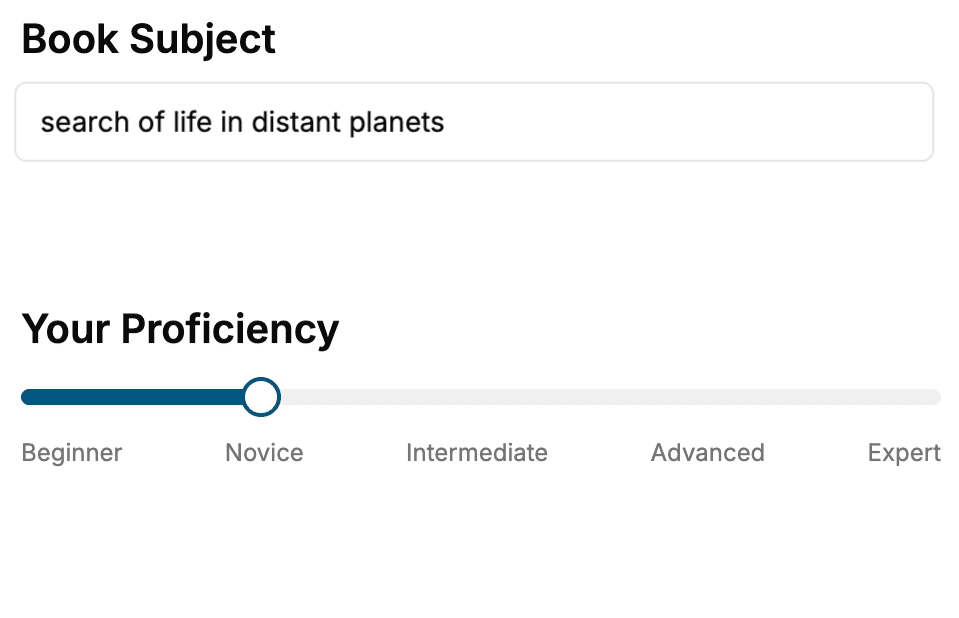
Select the focus of your Aquaculture book and share your background
- 2. Personalize your book
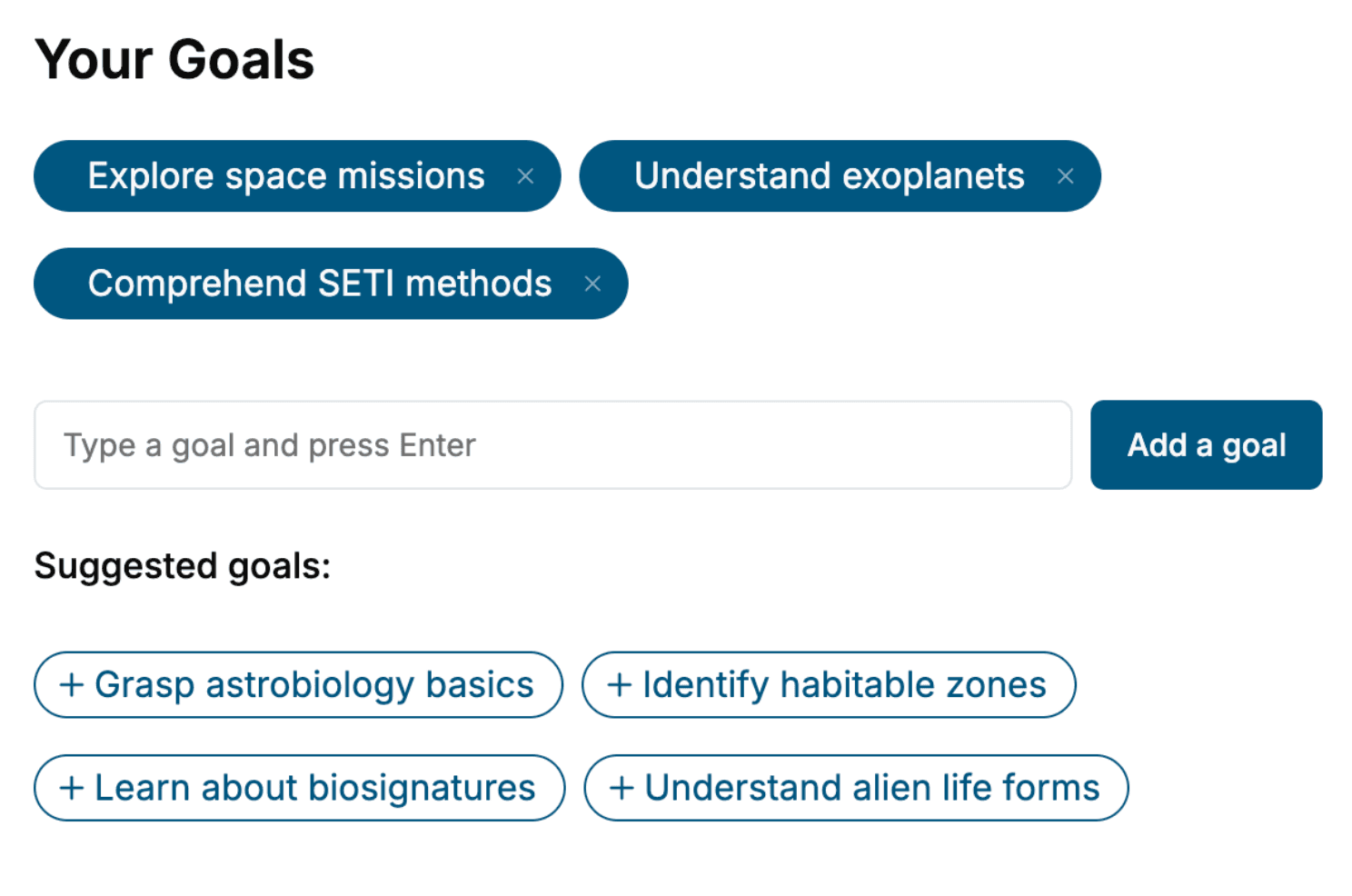
Specify your goals and choose sub-topics to include
- 3. Get your tailored book
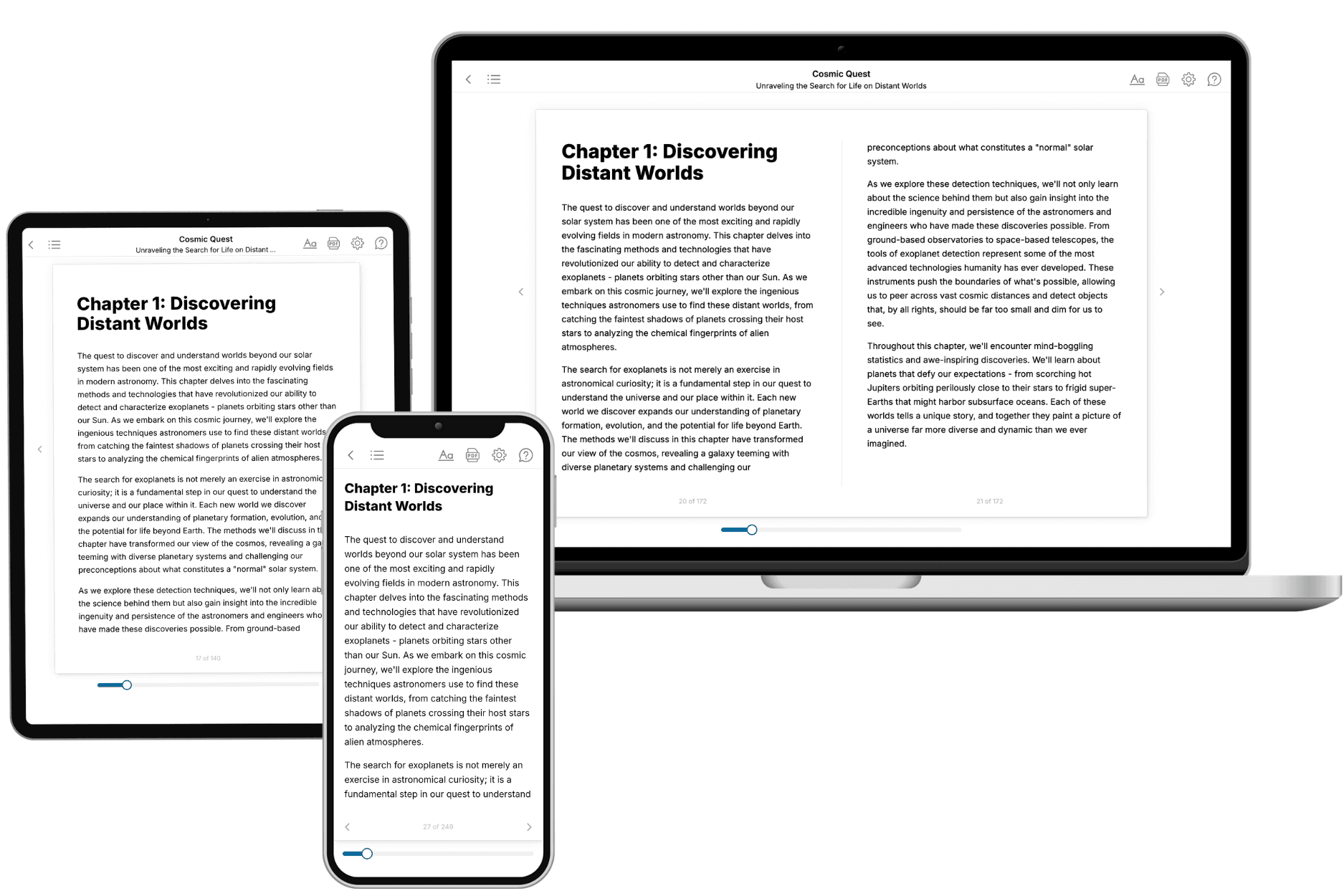
Your book is ready in 10 minutes. Read it online, download as EPUB or PDF, or send to Kindle.
Frequently asked questions
- What is TailoredRead?
TailoredRead creates complete, full-length nonfiction ebooks, written specifically for you. Tell us what you want to learn and why, and TailoredRead writes you a complete ebook on it, with charts, tables, and diagrams throughout. Read it online, on Kindle, or on any e-reader, or download it as a PDF or EPUB. Every book is written fresh the day you order it.
- How is the book tailored to me?
Before anything is written, you answer a few short questions about your goals, your background, and the topics you care about. Your book is then planned around your answers: written at your level, focused on your goals, and covering the topics you chose, instead of the one-size-fits-all book a store sells everyone.
- Will it read like generic AI content?
No. Your book isn't a chat transcript: it's planned chapter by chapter before a single word is written, told in a clear book voice, and explains ideas visually with charts, tables, and diagrams. After writing, every book goes through an editorial pass that polishes chapters so the book reads consistent from start to finish. Judge for yourself: browse thousands of sample books on our Explore Books page.
- How accurate is the content?
Our AI first checks whether your subject needs live research. Niche and fast-moving subjects are researched before writing, and the book plan and chapters are grounded in what it finds. After writing, every book goes through a quality pass that checks its facts and consistency, and researched books list their sources in a Notes section at the back.
- How long is the book?
You choose the length: Comprehensive (250-300 pages), Detailed (150-200 pages), Essential (70-100 pages), or Short (30-50 pages).
- Does the book include visuals?
Yes. Every book includes charts, tables, and diagrams: timelines, checklists, step-by-step guides, decision trees, comparison tables, matrices, and bar charts. A typical book includes dozens of these visual elements.
- Can I read it on Kindle? What formats can I download?
Yes. Every book can be read in our online reader or downloaded as a PDF or EPUB. The EPUB can be opened with Kindle, Apple Books, Kobo, and any e-reader. The Commercial and Author licenses also include an editable Word (DOCX) and Markdown download.
- How much does it cost?
About the price of a regular ebook. The exact price depends on your book's length and complexity, from $2 for the shortest books to $35 for the most comprehensive, and it's shown when you review your book, before you commit to anything. Each book is a one-time purchase, yours to keep, no subscription. Licenses that let you share, teach, or publish your book range from $35.99 to $49.99.
- Can I preview the book before purchasing?
Before you pay, you'll see what your book will cover: the title, a detailed description, the estimated length, and the complete chapter-by-chapter table of contents, so you know what you're getting before you decide. The full text itself is written after you purchase.
- How long does it take to create a book?
About 10 minutes. You can start reading the opening chapters while the rest is still being written.