The Integrated Pest Management Handbook
Practical Strategies for Sustainable Agriculture and Healthier Crops
What if the most effective way to control pests on your farm isn't through more chemicals, but through understanding how nature works?
207 pages9 chaptersDec 20, 2025Agriculture
About this book
Integrated Pest Management (IPM) offers a fundamentally different approach to crop protection—one that combines prevention, monitoring, and targeted interventions to achieve sustainable results. This handbook walks you through the core principles and practical applications of IPM, from identifying common pests and their life cycles to implementing biological controls and cultural practices that reduce your reliance on synthetic pesticides. You'll learn how to scout your fields effectively, interpret what you observe, and make informed decisions about when action is truly necessary. Whether you're managing a small vegetable garden or a large-scale operation, these strategies help you reduce input costs, protect beneficial insects, improve soil health, and build a more resilient farming system. Discover how farmers worldwide are achieving better yields with fewer chemicals by working with nature rather than against it.
Table of contents
- IntroductionWhy IPM Matters in Modern Agriculture, What Is Integrated Pest Management?, How to Use This HandbookRead below
- Chapter 1: Foundations of Integrated Pest ManagementCore Principles of IPM, IPM vs. Conventional Pest Control, Economic and Environmental Benefits
- Chapter 2: Understanding Pest Biology and Life CyclesIdentifying Common Agricultural Pests, Pest Life Cycles and Development, Pest Ecology and Population Dynamics
- Chapter 3: Prevention and Cultural PracticesCrop Rotation Strategies, Cultural Practices That Reduce Pest Pressure, Field Sanitation and Habitat Management, Selecting Pest-Resistant Crop Varieties
- Chapter 4: Monitoring and Scouting TechniquesFundamentals of Field Scouting, Tools and Methods for Pest Monitoring, Economic Thresholds and Action Levels, Record-Keeping and Data Analysis
- Chapter 5: Biological Control and Natural EnemiesIdentifying and Protecting Beneficial Insects, Using Natural Enemies for Pest Control, Creating Habitat for Beneficial Organisms, Microbial and Biological Pesticides
- Chapter 6: Physical and Mechanical Control MethodsPhysical Barriers and Exclusion Techniques, Mechanical Pest Removal and Trapping, Environmental Modification Strategies
- Chapter 7: Chemical Control in an IPM SystemSelecting the Right Pesticide, Timing and Application Techniques, Managing Pesticide Resistance, Safety and Environmental Stewardship
- Chapter 8: Soil Health and Pest ManagementSoil Biology and Pest Suppression, Building Healthy Soil Through Organic Matter, Monitoring Soil Health Indicators
- Chapter 9: Implementing IPM on Your FarmDeveloping Your IPM Plan, Transitioning to IPM Practices, Troubleshooting Common Challenges
- ConclusionThe Future of Sustainable Pest Management
- Glossary of IPM Terms
- Further Reading and Resources
Introduction
Every growing season brings the same challenge: how do you protect your crops from pests without compromising your soil, your budget, or the environment? For decades, the answer seemed simple—spray early, spray often, and hope for the best. But this approach has led to resistant pest populations, declining beneficial insect numbers, degraded soil health, and rising input costs that squeeze profit margins tighter each year. The good news is that there's a better way forward, one that's been proven effective across diverse farming operations worldwide.
Integrated Pest Management represents a fundamental shift in how you think about pest control. Instead of viewing pests as enemies to be eliminated at all costs, IPM treats them as manageable components of a complex agricultural ecosystem. This approach combines prevention, monitoring, and targeted intervention to keep pest populations below economically damaging levels while preserving the natural systems that support healthy crops. The result is a more resilient farming operation that works with nature rather than constantly fighting against it.
This handbook provides practical guidance for implementing IPM strategies on your farm or garden, regardless of scale or crop type. You'll learn how to identify pests and understand their life cycles, implement preventive cultural practices, monitor pest populations effectively, and make informed decisions about when and how to intervene. Whether you're managing a small vegetable operation or thousands of acres of row crops, these principles will help you reduce chemical inputs, lower costs, and build a more sustainable agricultural system that performs better over the long term.
Why IPM Matters in Modern Agriculture
The agricultural landscape has changed dramatically over the past several decades, and the challenges facing farmers have become increasingly complex. Pesticide resistance has emerged as one of the most pressing issues, with over 500 arthropod species now showing resistance to at least one class of insecticide[1]. This means that the chemical tools you've relied on for years may be losing effectiveness, forcing you to apply higher doses, switch to more expensive products, or accept greater crop losses. The treadmill of resistance development and new product introduction is economically unsustainable for most farming operations.
Environmental concerns have also moved from the margins to the mainstream of agricultural practice. Pollinators, particularly honeybees and native bee species, have experienced significant population declines linked to pesticide exposure and habitat loss. Since approximately one-third of the food we eat depends on pollination, protecting these beneficial insects isn't just an environmental issue—it's an economic necessity. IPM strategies help preserve pollinator populations by reducing broad-spectrum pesticide applications and creating habitat that supports diverse beneficial insect communities throughout the growing season.
The economic pressures facing agriculture make IPM more relevant than ever. Input costs for synthetic pesticides have risen steadily, while commodity prices remain volatile and often fail to keep pace with production expenses. Calendar-based spray programs, where applications are made on a predetermined schedule regardless of actual pest pressure, waste money on unnecessary treatments while potentially missing critical intervention windows. IPM's monitoring-based approach ensures that you only treat when economically justified, reducing input costs while maintaining or even improving pest control outcomes.
Consumer demand for sustainably produced food continues to grow, creating market opportunities for farmers who can demonstrate reduced chemical inputs and environmental stewardship. Retailers and food processors increasingly require documentation of pest management practices, and certification programs for organic and sustainable agriculture all incorporate IPM principles. Implementing these strategies positions your operation to access premium markets and meet evolving buyer requirements, providing a competitive advantage in an increasingly differentiated marketplace.
Regulatory pressures are also driving change in pest management practices. Many older, broad-spectrum pesticides have been or are being phased out due to environmental and health concerns, while new products face increasingly stringent registration requirements. Water quality regulations limit pesticide use in sensitive watersheds, and buffer zones around schools, residential areas, and water bodies restrict application options. IPM provides a framework for maintaining effective pest control within these tightening regulatory constraints by emphasizing prevention and targeted intervention rather than routine chemical applications.
Perhaps most importantly, IPM addresses the long-term sustainability of agricultural systems. Soil health, biodiversity, and ecosystem function are all interconnected with pest management outcomes. Practices that degrade soil biology or eliminate beneficial organisms create conditions where pest problems intensify over time, requiring ever-increasing inputs to maintain yields. IPM's holistic approach recognizes these connections and builds farming systems that become more resilient and productive with each passing season, rather than requiring constant external inputs to compensate for declining natural pest suppression.
The evidence supporting IPM's effectiveness is substantial and growing. Studies across diverse cropping systems have demonstrated that well-implemented IPM programs can reduce pesticide use by 30-70% while maintaining or improving yields and profitability[2]. These aren't theoretical benefits—they're real-world results achieved by farmers who've made the transition from conventional, calendar-based pest control to integrated management strategies. The question isn't whether IPM works, but rather how to adapt these proven principles to your specific operation and circumstances.
What Is Integrated Pest Management?
Integrated Pest Management is a decision-making process that uses a combination of techniques to manage pest populations in an economically and environmentally sound manner. The key word here is integrated—IPM doesn't rely on a single control method but instead combines multiple approaches in a coordinated strategy. These approaches include cultural practices, biological controls, physical barriers, and when necessary, chemical pesticides used selectively and strategically. The integration of methods creates synergies where the whole system performs better than any single component could achieve alone.
At its core, IPM is built on four fundamental steps that guide decision-making throughout the growing season:
- Identification: Accurately identifying pests, beneficial organisms, and the damage they cause
- Monitoring: Regularly scouting fields to track pest populations and assess crop conditions
- Threshold determination: Deciding when pest populations justify intervention based on economic impact
- Control: Implementing appropriate management tactics when thresholds are exceeded
The concept of economic thresholds is central to IPM philosophy. Not every pest requires control, and not every pest sighting justifies immediate action. An economic threshold is the pest population level at which the cost of control equals the economic damage the pest would cause if left unmanaged. Below this threshold, the pest population isn't causing enough damage to justify the cost of intervention. This principle prevents unnecessary treatments and preserves beneficial organisms that help suppress pest populations naturally.
IPM prioritizes prevention as the first line of defense against pest problems. This includes practices like:
- Selecting pest-resistant crop varieties adapted to your growing conditions
- Rotating crops to disrupt pest life cycles and reduce population buildup
- Managing planting dates to avoid peak pest activity periods
- Maintaining field sanitation to eliminate pest habitat and overwintering sites
- Building soil health to support vigorous plants that can tolerate pest pressure
- Creating habitat for beneficial insects that prey on or parasitize pests
When prevention alone isn't sufficient, IPM employs a hierarchy of control methods, starting with the least disruptive and moving to more intensive interventions only when necessary. Physical and mechanical controls, such as row covers, traps, or cultivation, come before biological controls like releasing beneficial insects or applying microbial pesticides. Chemical pesticides are the last resort, used only when other methods prove inadequate and pest populations exceed economic thresholds. Even then, IPM emphasizes selective products that target specific pests while minimizing impact on beneficial organisms and the broader environment.
Understanding pest biology and ecology is essential to effective IPM implementation. Different pests have different life cycles, feeding habits, and vulnerabilities at various life stages. For example, many insect pests are most vulnerable to control measures during specific developmental stages, such as early larval instars before they've caused significant crop damage. Knowing when pests are present, what they're doing, and where they're most vulnerable allows you to time interventions for maximum effectiveness with minimum input. This knowledge-based approach is far more effective than generic, one-size-fits-all spray programs.
IPM also recognizes that farms are ecosystems, not factories. Every action you take has ripple effects throughout the system. Broad-spectrum insecticides that kill target pests also eliminate beneficial predators and parasitoids, often leading to secondary pest outbreaks when natural controls are removed. Excessive tillage may disrupt pest life cycles but also damages soil structure and reduces beneficial soil organisms. IPM considers these interconnections and seeks management strategies that support overall system health rather than solving one problem while creating others.
The flexibility of IPM is one of its greatest strengths. There's no single "correct" IPM program—instead, you adapt the principles to your specific crops, climate, pest complex, and economic situation. A vegetable grower in California faces different challenges than a corn and soybean farmer in Iowa or a fruit producer in Michigan. IPM provides a framework for decision-making that works across this diversity, allowing you to develop customized strategies that address your unique circumstances while following proven principles that ensure effectiveness and sustainability.
How to Use This Handbook
This handbook is organized to take you from foundational concepts through practical implementation of IPM strategies on your farm. Each chapter builds on previous material, but you can also use the book as a reference, jumping to specific topics as questions arise during the growing season. The structure follows the logical progression of developing and implementing an IPM program, from understanding basic principles through troubleshooting specific challenges you'll encounter in the field.
Chapter 1 establishes the foundations of IPM, explaining core principles and how integrated management differs from conventional pest control approaches. You'll learn about the economic and environmental benefits of IPM and understand why this approach delivers better long-term results than calendar-based spray programs. This chapter provides the conceptual framework that informs all subsequent practical guidance, helping you understand not just what to do but why these strategies work.
Chapter 2 dives into pest biology and life cycles, giving you the knowledge needed to identify common agricultural pests and understand their behavior. This chapter covers:
- Identification techniques for insects, diseases, and weeds
- Life cycle stages and development patterns
- Population dynamics and factors that influence pest outbreaks
- Ecological relationships between pests, crops, and natural enemies
Chapters 3 through 7 cover the specific control methods that comprise an integrated pest management program. Chapter 3 focuses on prevention and cultural practices—the foundation of any successful IPM system. You'll learn about crop rotation strategies, cultural methods that reduce pest pressure, field sanitation practices, and how to select pest-resistant varieties. Chapter 4 addresses monitoring and scouting techniques, teaching you how to assess pest populations, determine economic thresholds, and maintain records that inform future decisions. These chapters provide the practical skills you need to implement IPM's preventive and monitoring components.
Chapter 5 explores biological control and natural enemies, showing you how to identify and protect beneficial insects, use natural enemies for pest suppression, create habitat that supports beneficial organisms, and incorporate microbial pesticides into your management program. Chapter 6 covers physical and mechanical control methods, including barriers, traps, and environmental modifications. Chapter 7 addresses chemical control within an IPM framework, explaining how to select appropriate pesticides, time applications effectively, manage resistance, and maintain safety and environmental stewardship. Together, these chapters give you a complete toolkit of control options to draw from when pest populations exceed thresholds.
Chapter 8 connects pest management to soil health, exploring how soil biology influences pest suppression and how building healthy soil through organic matter management creates more resilient cropping systems. This chapter emphasizes the interconnections between soil health, plant vigor, and pest resistance, showing how IPM fits within a holistic approach to farm management. You'll learn practical methods for monitoring soil health indicators and implementing practices that improve both soil function and pest management outcomes.
Chapter 9 brings everything together with guidance on implementing IPM on your specific operation. You'll learn how to develop a customized IPM plan, transition from conventional practices to integrated management, and troubleshoot common challenges that arise during implementation. This chapter includes:
The goal is to give you a clear roadmap for moving from theory to practice.Step-by-step planning processes that help you assess your current situation, identify priority pest problems, select appropriate management strategies, and establish monitoring protocols tailored to your crops and conditions.
Throughout the handbook, you'll find practical examples drawn from real farming operations across diverse crops and regions. These examples illustrate how IPM principles apply in specific situations and demonstrate the problem-solving process you'll use when facing pest challenges. Pay attention to the decision-making frameworks presented—these mental models are often more valuable than specific recommendations, since they help you analyze novel situations and develop appropriate responses even when you encounter pests or conditions not explicitly covered in the text.
The book concludes with a glossary of IPM terms and a resources section pointing you toward additional information sources, including university extension services, research publications, and online tools for pest identification and monitoring. These resources will help you continue learning and adapting your IPM program as you gain experience and as new research and tools become available. IPM is not a static set of practices but an evolving approach that improves with experience and ongoing education.
As you work through this handbook, remember that implementing IPM is a process, not an event. You won't transform your entire pest management program overnight, nor should you try. Start with one crop or one field, implement monitoring protocols, experiment with preventive practices, and gradually expand your IPM approach as you build skills and confidence. The farmers who've achieved the greatest success with IPM typically spent several seasons learning, observing, and refining their strategies before fully transitioning away from conventional practices. Give yourself permission to learn through experience, and don't expect perfection in your first season.
Keep this handbook accessible during the growing season. The monitoring and threshold information will be most useful when you're actually in the field making decisions about whether to intervene. The troubleshooting guidance in Chapter 9 addresses common challenges you'll likely encounter, providing solutions when things don't go according to plan. Think of this book as a working reference that will become more valuable as you gain practical experience implementing these strategies on your own operation. The margins are meant for notes, observations, and adaptations specific to your situation—make this handbook your own by documenting what works in your unique circumstances.
This is the end of the free sample. The full book has 9 chapters.
Want this book written for you?
Tell us your goals and background, and get your own version of this book, tailored by AI to you.


Benefits of AI-tailored books
- Read one book, not ten:
- all the Agriculture knowledge you need, gathered into a single book.
- Save days of learning:
- tell us your goals, choose your topics, and the whole book is built around them.
- Learn effortlessly:
- Agriculture book written for your specific background and expertise.
- Understand at a glance:
- includes charts, tables, timelines, checklists, decision trees, and more.
- Stay current:
- written the day you order it, not years ago.
- Trust what you read:
- every book is checked for accuracy, with real research when your subject needs it.
Create your unique book in 3 steps
- 1. Select your focus
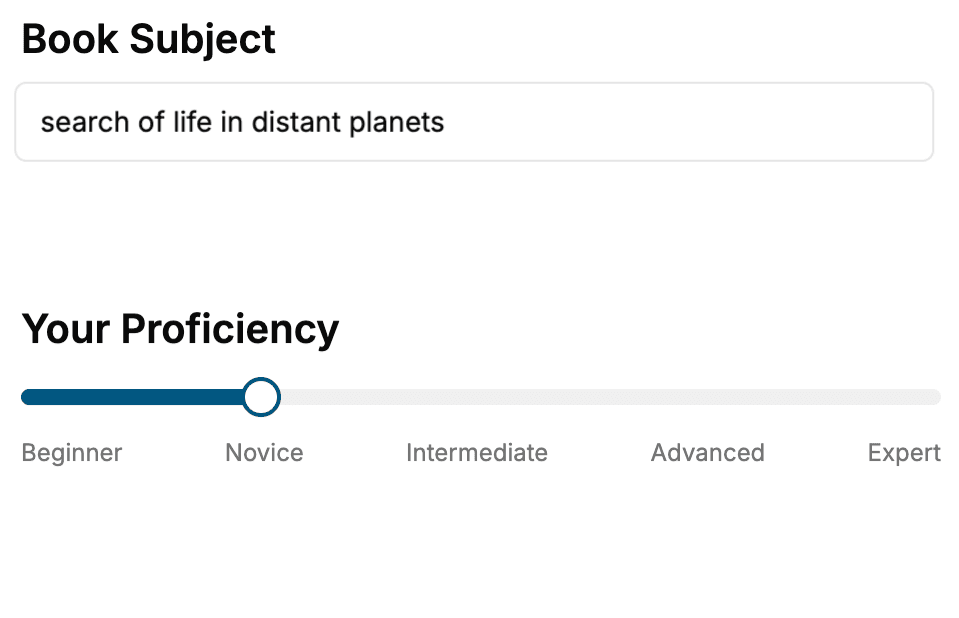
Select the focus of your Agriculture book and share your background
- 2. Personalize your book
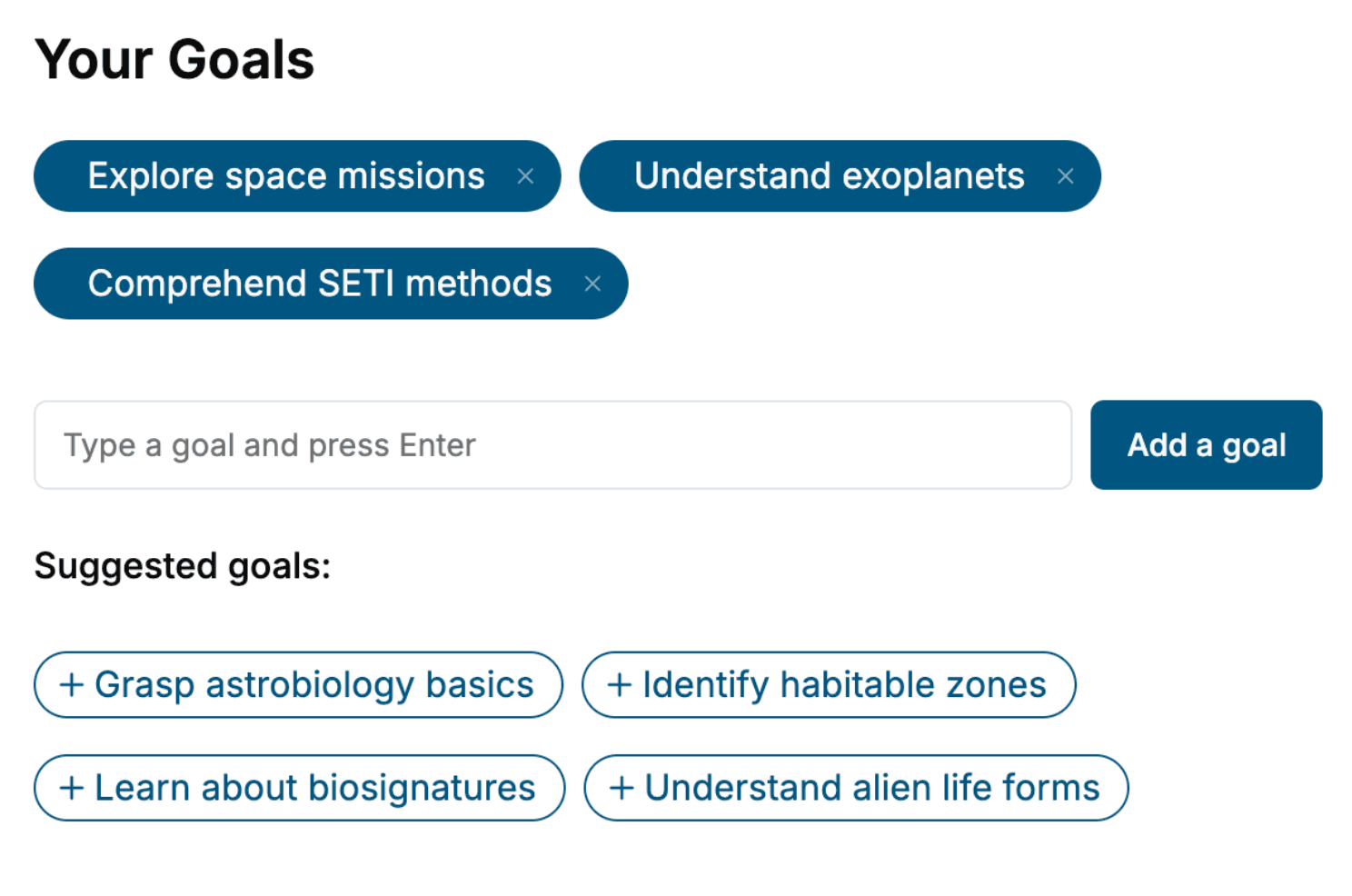
Specify your goals and choose sub-topics to include
- 3. Get your tailored book
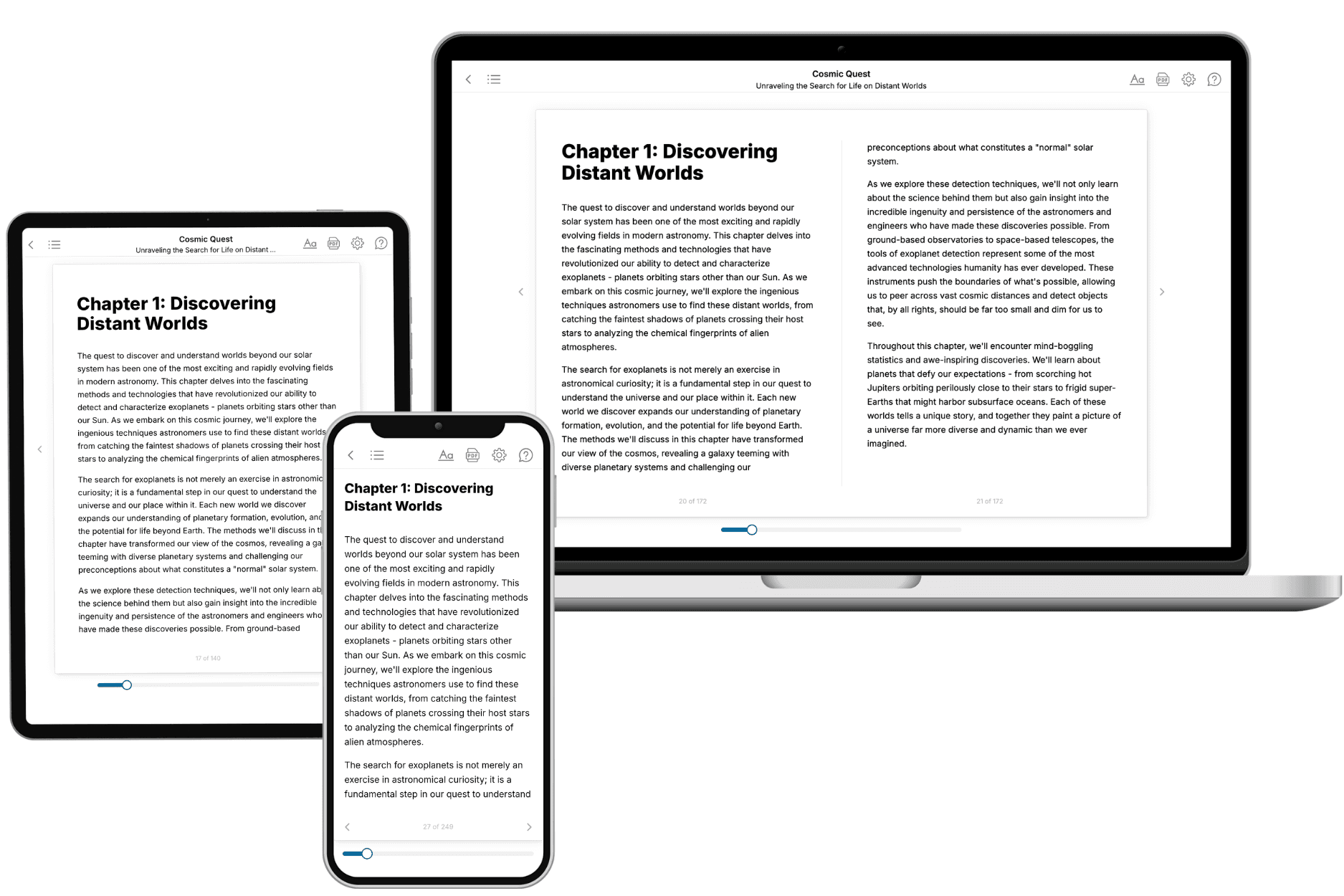
Your book is ready in 10 minutes. Read it online, download as EPUB or PDF, or send to Kindle.
Frequently asked questions
- What is TailoredRead?
TailoredRead creates complete, full-length nonfiction ebooks, written specifically for you. Tell us what you want to learn and why, and TailoredRead writes you a complete ebook on it, with charts, tables, and diagrams throughout. Read it online, on Kindle, or on any e-reader, or download it as a PDF or EPUB. Every book is written fresh the day you order it.
- How is the book tailored to me?
Before anything is written, you answer a few short questions about your goals, your background, and the topics you care about. Your book is then planned around your answers: written at your level, focused on your goals, and covering the topics you chose, instead of the one-size-fits-all book a store sells everyone.
- Will it read like generic AI content?
No. Your book isn't a chat transcript: it's planned chapter by chapter before a single word is written, told in a clear book voice, and explains ideas visually with charts, tables, and diagrams. After writing, every book goes through an editorial pass that polishes chapters so the book reads consistent from start to finish. Judge for yourself: browse thousands of sample books on our Explore Books page.
- How accurate is the content?
Our AI first checks whether your subject needs live research. Niche and fast-moving subjects are researched before writing, and the book plan and chapters are grounded in what it finds. After writing, every book goes through a quality pass that checks its facts and consistency, and researched books list their sources in a Notes section at the back.
- How long is the book?
You choose the length: Comprehensive (250-300 pages), Detailed (150-200 pages), Essential (70-100 pages), or Short (30-50 pages).
- Does the book include visuals?
Yes. Every book includes visual elements such as timelines, checklists, step-by-step guides, decision trees, comparison tables, and matrices, and many include bar charts. A typical book includes dozens of these visual elements.
- Can I read it on Kindle? What formats can I download?
Yes. Every book can be read in our online reader or downloaded as a PDF or EPUB. The EPUB can be opened with Kindle, Apple Books, Kobo, and any e-reader. The Commercial and Author licenses also include an editable Word (DOCX) and Markdown download.
- How much does it cost?
About the price of a regular ebook. The exact price depends on your book's length and complexity, from $2 for the shortest books to $35 for the most comprehensive, and it's shown when you review your book, before you commit to anything. Each book is a one-time purchase, yours to keep, no subscription. Licenses that let you share, teach, or publish your book range from $35.99 to $49.99.
- Can I preview the book before purchasing?
Before you pay, you'll see what your book will cover: the title, a detailed description, the estimated length, and the complete chapter-by-chapter table of contents, so you know what you're getting before you decide. The full text itself is written after you purchase.
- How long does it take to create a book?
About 10 minutes. You can start reading the opening chapters while the rest is still being written.