The Introvert-Extrovert Spectrum
Unlocking Your Personality Potential Through the Keirsey Temperament Lens
Discover the true nature of your personality and harness its power.
269 pages13 chaptersDec 7, 2024Personality
About this book
"The Introvert-Extrovert Spectrum" delves deep into the fascinating world of personality types, offering you a nuanced understanding of introversion and extroversion through the lens of the renowned Keirsey Temperament Test. This insightful guide goes beyond simplistic labels, exploring how these traits shape your interactions, influence your decision-making, and impact your personal and professional life. You'll gain valuable tools to identify your unique position on the introvert-extrovert spectrum and learn how to leverage your natural tendencies for success. Packed with practical strategies, real-world examples, and evidence-based research, this book empowers you to embrace your authentic self while developing the flexibility to thrive in diverse social and professional settings. Whether you're an introvert looking to navigate an extrovert-centric world, an extrovert seeking to understand your quieter counterparts, or somewhere in between, "The Introvert-Extrovert Spectrum" provides the knowledge and techniques you need to cultivate meaningful relationships, enhance your communication skills, and achieve personal fulfillment.
Table of contents
- IntroductionThe Importance of Understanding Personality, The Introvert-Extrovert Spectrum: Beyond Labels, Your Journey of Self-Discovery, Book Overview and How to Use ItRead below
- Chapter 1: Foundations of Personality TheoryA Brief History of Personality Psychology, Introversion and Extroversion Defined, Common Myths and Misconceptions, The Spectrum Concept: Why It Matters
- Chapter 2: The Keirsey Temperament TestOverview of the Keirsey Temperament Sorter, Theoretical Foundations of Keirsey's Work, The Four Temperaments and Sixteen Types, Introversion and Extroversion in Keirsey's Model
- Chapter 3: The Neuroscience of Introversion and ExtroversionStructural and Functional Brain Differences, The Role of Neurotransmitters, Stimulation Sensitivity and Arousal Levels, Neuroplasticity and Personality Changes
- Chapter 4: Characteristics of IntrovertsThe Introspective Nature of Introverted Thinking, Social Preferences and Energy Management, Work Styles and Productivity Patterns, Creativity and Problem-Solving Approaches
- Chapter 5: Characteristics of ExtrovertsThe External Focus of Extroverted Thinking, Social Dynamics and Energy Gain, Collaborative Work Styles and Leadership, Communication Preferences and Styles
- Chapter 6: Understanding AmbiversionDefining Ambiversion: The Middle Ground, Characteristics of Ambiverts, The Advantages of Ambiversion, Navigating the Challenges of Ambiversion
- Chapter 7: Self-Assessment and DiscoveryTools for Assessing Your Personality Type, Reflective Exercises and Journaling Prompts, Gathering Feedback from Others, Interpreting Your Results: Beyond the Labels
- Chapter 8: Introversion, Extroversion, and RelationshipsRomantic Relationships: Complementary or Clashing?, Nurturing Friendships Across the Spectrum, Family Dynamics and Personality Differences, Effective Communication Strategies
- Chapter 9: Career Success and Personality TypeChoosing a Career Path That Fits Your Type, Navigating Workplace Dynamics, Leadership Styles for Introverts and Extroverts, Networking Strategies Across the Spectrum
- Chapter 10: Thriving in Social SituationsDeveloping Social Skills for Your Type, Energy Management in Social Settings, Mastering Small Talk and Deep Conversations, Setting and Respecting Personal Boundaries
- Chapter 11: Personal Growth and DevelopmentLeveraging Your Natural Strengths, Addressing Potential Weaknesses, Developing Flexibility and Adaptability, Embracing Self-Acceptance and Authenticity
- Chapter 12: Cultural Perspectives on Introversion and ExtroversionWestern vs. Eastern Views on Personality, How Cultural Values Shape Personality Expression, Navigating Personality Differences in a Global Workplace, Adapting to Different Cultural Expectations
- Chapter 13: Technology and Personality ExpressionSocial Media and Online Personas, Digital Communication Preferences, Remote Work and Personality Types, Finding Balance in a Hyper-Connected World
- ConclusionKey Takeaways and Insights, Future Directions in Personality Research, Reflecting on Your Personal Journey
- Glossary
- Further Reading
Introduction
Welcome to a journey of self-discovery and personal growth. In the pages that follow, you'll embark on an enlightening exploration of one of the most fundamental aspects of human personality: the introvert-extrovert spectrum. This introduction serves as your gateway to understanding the profound impact that these personality traits have on your life, relationships, and overall well-being. As you delve into the intricacies of introversion and extroversion, you'll gain valuable insights that will empower you to harness your unique strengths and navigate the challenges that come with your personality type.
The concept of introversion and extroversion has captivated psychologists, researchers, and individuals alike for decades. It's a topic that resonates deeply with many, as it touches on the core of who we are and how we interact with the world around us. Whether you've always identified strongly as an introvert or extrovert, or you've found yourself somewhere in between, this book will provide you with a nuanced understanding of these personality dimensions and their far-reaching implications.
Throughout this introduction, we'll lay the groundwork for the comprehensive exploration that lies ahead. You'll discover why understanding personality is crucial for personal development, gain insight into the spectrum approach to introversion and extroversion, and learn how to make the most of the journey that awaits you in the subsequent chapters. By the end of this introduction, you'll be equipped with the context and motivation to dive deep into the fascinating world of personality psychology and its practical applications in your daily life.
The Importance of Understanding Personality
Personality is the unique combination of patterns in your thoughts, feelings, and behaviors that make you who you are. It influences every aspect of your life, from the career path you choose to the way you form and maintain relationships. Understanding your personality, particularly where you fall on the introvert-extrovert spectrum, is not just an interesting exercise in self-reflection—it's a powerful tool for personal growth and success in various areas of your life.
One of the primary reasons why understanding personality is crucial is that it provides a framework for self-awareness. When you have a clear grasp of your personality traits, you can better understand your natural tendencies, preferences, and reactions to different situations. This self-awareness is the foundation for personal development, as it allows you to identify areas where you excel and aspects of yourself that you may want to improve or manage more effectively.
Moreover, understanding personality can significantly enhance your relationships with others. By recognizing the diverse ways in which people process information, communicate, and recharge their energy, you can develop greater empathy and improve your interpersonal skills. This knowledge enables you to adapt your communication style and approach to better connect with individuals who may have different personality types than your own. In both personal and professional settings, this flexibility can lead to more harmonious and productive relationships.
In the workplace, understanding personality types can be particularly beneficial. It can help you choose a career path that aligns with your natural strengths and preferences, leading to greater job satisfaction and performance. For instance, an introvert might thrive in roles that require deep concentration and independent work, while an extrovert might excel in positions that involve frequent social interaction and collaborative projects. Furthermore, recognizing the diverse personality types within a team can improve collaboration, conflict resolution, and overall team dynamics.
Understanding personality also plays a crucial role in stress management and mental health. Different personality types tend to experience and cope with stress in varying ways. By understanding your own tendencies, you can develop personalized strategies for managing stress and maintaining your well-being. For example, an introvert might need to schedule regular alone time to recharge, while an extrovert might benefit from seeking out social support during challenging times.
Another significant aspect of understanding personality is its impact on decision-making. Your personality influences how you process information, weigh options, and ultimately make choices. By recognizing these patterns, you can make more informed decisions that align with your values and long-term goals. This self-knowledge can be particularly valuable when facing major life decisions, such as choosing a career path, deciding on a living situation, or navigating important relationships.
Furthermore, understanding personality can lead to greater self-acceptance and confidence. In a world that often promotes certain personality traits over others, recognizing the value of your unique characteristics can be empowering. Instead of trying to conform to societal expectations that may not align with your natural tendencies, you can learn to appreciate and leverage your innate strengths. This self-acceptance can lead to increased authenticity in your interactions and a stronger sense of personal identity.
It's important to note that while understanding personality is valuable, it should not be used as a means of limiting yourself or others. Personality traits are not fixed or deterministic; they exist on a spectrum and can be influenced by various factors, including environment and personal growth efforts. The goal of understanding personality is not to box yourself into a specific category, but rather to use this knowledge as a starting point for personal development and improved interactions with others.
As you progress through this book, you'll gain a deeper understanding of the introvert-extrovert spectrum and how it relates to the broader context of personality psychology. This knowledge will serve as a powerful tool for self-discovery, enabling you to navigate life's challenges with greater ease and make the most of your unique personality traits. Remember, the journey of understanding personality is ongoing, and each new insight you gain has the potential to positively impact your life in meaningful ways.
The Introvert-Extrovert Spectrum: Beyond Labels
When discussing introversion and extroversion, it's crucial to move beyond the simplistic labels that have often dominated popular discourse. The concept of an introvert-extrovert spectrum offers a more nuanced and accurate representation of human personality. This approach recognizes that individuals rarely fit neatly into rigid categories of "introvert" or "extrovert," but instead exist along a continuum with various degrees of both traits.
The spectrum model of introversion and extroversion was first proposed by psychologist Hans Eysenck in the 1960s and has since been supported by numerous studies in personality psychology. This model suggests that introversion and extroversion are not mutually exclusive categories, but rather two ends of a continuous dimension. Most people fall somewhere in the middle of this spectrum, exhibiting a blend of introverted and extroverted traits depending on the situation and context.
Understanding the spectrum approach is essential because it allows for a more accurate and flexible interpretation of personality. It acknowledges that human behavior is complex and can vary based on circumstances, mood, and personal growth. For example, someone who leans towards introversion might still enjoy socializing in certain contexts or with specific people, while a person who tends towards extroversion might occasionally crave solitude and quiet reflection.
One of the key advantages of the spectrum model is that it helps to dispel common misconceptions about introversion and extroversion. For instance, it challenges the notion that introverts are always shy or socially anxious, or that extroverts are invariably outgoing and confident in all situations. By recognizing the spectrum, we can appreciate the diversity of personality expressions and avoid pigeonholing individuals based on oversimplified stereotypes.
The spectrum approach also highlights the concept of ambiversion, which refers to individuals who fall near the middle of the introvert-extrovert continuum. Ambiverts often display a balance of introverted and extroverted traits, adapting their behavior based on the demands of the situation. This flexibility can be a significant advantage in various life domains, allowing ambiverts to navigate diverse social and professional environments with ease.
Another important aspect of the introvert-extrovert spectrum is its dynamic nature. Your position on the spectrum is not fixed and can shift over time due to various factors, including life experiences, personal development efforts, and environmental influences. This malleability underscores the importance of ongoing self-reflection and the potential for personal growth throughout your life.
Understanding your place on the introvert-extrovert spectrum can provide valuable insights into your preferences, strengths, and potential areas for development. For example, if you lean towards introversion, you might excel in tasks that require deep focus and independent work, but you may need to consciously develop strategies for effective networking and public speaking. Conversely, if you tend towards extroversion, you might thrive in collaborative environments but may need to cultivate skills for sustained concentration and solitary work.
The spectrum model also has significant implications for relationships and teamwork. By recognizing that people have different needs and preferences along the introvert-extrovert continuum, you can develop more empathy and understanding in your interactions with others. This awareness can lead to improved communication, more effective collaboration, and stronger relationships both personally and professionally.
In the context of the workplace, understanding the introvert-extrovert spectrum can inform more effective management and team-building strategies. Leaders who recognize the diverse personality traits within their teams can create environments that support both introverted and extroverted work styles, leading to increased productivity and job satisfaction. For example, they might provide quiet spaces for focused work as well as areas for collaborative brainstorming, catering to different preferences along the spectrum.
As you explore the introvert-extrovert spectrum throughout this book, you'll gain a deeper appreciation for the complexity and richness of human personality. This understanding will empower you to embrace your unique blend of traits and develop strategies to thrive in various aspects of your life. Remember that there is no "ideal" position on the spectrum – each point offers its own set of strengths and potential challenges. The key is to understand and leverage your natural tendencies while developing the flexibility to adapt when necessary.
By moving beyond labels and embracing the spectrum approach, you open yourself up to a more nuanced and empowering view of personality. This perspective will serve as a foundation for the insights and strategies you'll discover in the following chapters, guiding you towards greater self-awareness, improved relationships, and enhanced personal and professional success.
Your Journey of Self-Discovery
As you embark on this exploration of the introvert-extrovert spectrum, you're setting out on a profound journey of self-discovery. This journey is not just about categorizing yourself or others, but about gaining a deeper understanding of the complex tapestry of human personality. It's an opportunity to reflect on your experiences, challenge your assumptions, and uncover new insights about yourself and those around you.
The path of self-discovery is both exciting and challenging. It requires openness, honesty, and a willingness to examine aspects of yourself that you may have overlooked or misunderstood. As you delve into the concepts and exercises presented in this book, you may find yourself questioning long-held beliefs about your personality or recognizing patterns in your behavior that you hadn't noticed before. This process of self-reflection can be transformative, leading to greater self-awareness and personal growth.
One of the key aspects of this journey is the recognition that self-discovery is an ongoing process. Your personality is not a fixed entity, but a dynamic interplay of traits that can evolve over time. As you progress through different stages of life, face new challenges, and accumulate diverse experiences, your position on the introvert-extrovert spectrum may shift. This book will provide you with tools and frameworks to continually reassess and understand these changes, allowing you to adapt and grow throughout your life.
An important part of your journey will be learning to embrace your unique blend of personality traits. Society often presents certain personality types as ideal, which can lead to feelings of inadequacy or a desire to change fundamental aspects of who you are. However, true self-discovery involves recognizing and appreciating your innate strengths while also identifying areas for potential growth. This balanced approach allows you to leverage your natural tendencies while developing the flexibility to thrive in diverse situations.
As you explore the introvert-extrovert spectrum, you'll likely encounter moments of revelation and self-recognition. You might find explanations for behaviors or preferences that you've always had but never fully understood. These "aha" moments can be powerful catalysts for personal growth, providing you with new perspectives on your past experiences and guiding your future decisions. Embrace these insights and allow them to inform your understanding of yourself and your interactions with others.
Your journey of self-discovery will also involve challenging some common misconceptions about introversion and extroversion. As you learn about the spectrum approach, you may find that you don't fit neatly into the categories you previously assumed. This realization can be liberating, freeing you from the limitations of labels and opening up new possibilities for personal expression and growth. Remember that the goal is not to fit yourself into a predefined box, but to understand and appreciate the unique combination of traits that make you who you are.
An essential aspect of this journey is the application of your newfound knowledge to various aspects of your life. As you gain insights into your personality, you'll have the opportunity to make more informed decisions about your career, relationships, and personal development. For example, understanding your position on the introvert-extrovert spectrum can help you choose work environments that align with your natural strengths, develop communication strategies that resonate with your style, and create a lifestyle that supports your well-being.
Throughout your journey, it's important to approach the process with curiosity and compassion. Self-discovery can sometimes reveal aspects of yourself that you find challenging or wish to change. Remember that every point on the introvert-extrovert spectrum has its own strengths and potential areas for growth. Treat yourself with kindness as you navigate this exploration, and focus on leveraging your unique traits rather than trying to conform to an idealized personality type.
Your journey of self-discovery extends beyond personal reflection to include a deeper understanding of others. As you learn about the diverse expressions of personality along the introvert-extrovert spectrum, you'll develop greater empathy and appreciation for the different ways people experience and interact with the world. This enhanced understanding can lead to more meaningful connections, improved communication, and more effective collaboration in both personal and professional relationships.
As you progress through this book, you'll encounter various tools, exercises, and reflective prompts designed to facilitate your journey of self-discovery. Engage with these resources fully, taking the time to reflect on how the concepts apply to your own experiences and observations. Keep a journal to document your insights, questions, and personal growth throughout this process. This record will not only enhance your learning but also serve as a valuable resource for future reflection and development.
Remember that your journey of self-discovery is unique to you. While this book provides a structured exploration of the introvert-extrovert spectrum, how you interpret and apply this knowledge will be shaped by your individual experiences, values, and goals. Embrace this personalized aspect of your journey, and don't hesitate to explore further resources or seek additional support if you find certain areas particularly resonant or challenging.
As you embark on this journey of self-discovery, approach it with an open mind and a spirit of adventure. The insights you gain about yourself and others have the potential to enrich your life in countless ways, from improving your relationships to enhancing your professional success and personal fulfillment. Embrace the process, celebrate your discoveries, and look forward to the growth and understanding that lie ahead.
Book Overview and How to Use It
"The Introvert-Extrovert Spectrum: Unlocking Your Personality Potential Through the Keirsey Temperament Lens" is designed to be a comprehensive guide to understanding and leveraging your personality traits. This book is structured to provide you with a logical progression of knowledge, starting from the foundational concepts of personality theory and moving towards practical applications in various aspects of life. Here's an overview of what you can expect from each chapter and how to make the most of this book.
The book begins with an exploration of the foundations of personality theory in Chapter 1. This chapter provides a historical context for understanding how our current concepts of introversion and extroversion have evolved. It also addresses common myths and misconceptions, setting the stage for a more nuanced understanding of these personality dimensions. As you read this chapter, reflect on how your own understanding of introversion and extroversion may have been shaped by popular culture or personal experiences.
Chapter 2 introduces the Keirsey Temperament Test, a powerful tool for understanding personality types. This chapter explains the theoretical foundations of Keirsey's work and how it relates to the introvert-extrovert spectrum. Pay close attention to the descriptions of the four temperaments and sixteen types, considering how they might apply to you and people you know. This framework will serve as a reference point throughout the rest of the book.
In Chapter 3, we delve into the fascinating world of neuroscience, exploring the biological underpinnings of introversion and extroversion. This chapter provides insights into how brain structure and function relate to personality traits. While the scientific content may be complex, focus on understanding the key concepts and their implications for behavior and personal development.
Chapters 4 and 5 offer detailed explorations of the characteristics of introverts and extroverts, respectively. These chapters provide valuable insights into thinking styles, social preferences, work habits, and communication patterns associated with each end of the spectrum. As you read these chapters, take note of which traits resonate with you and which ones challenge your self-perception.
Chapter 6 introduces the concept of ambiversion, acknowledging that many people fall somewhere in the middle of the introvert-extrovert spectrum. This chapter is particularly important for understanding the fluidity of personality and the advantages of possessing both introverted and extroverted traits. Consider how the concept of ambiversion might apply to your own experiences in different contexts.
Chapter 7 focuses on self-assessment and discovery, providing you with tools and exercises to gain a deeper understanding of your own personality. Engage fully with the assessment tools and reflective exercises presented in this chapter. Take your time with these activities, as they form the foundation for applying the book's insights to your personal growth journey.
The subsequent chapters (8-13) explore how introversion and extroversion impact various aspects of life, including relationships, career success, social situations, personal growth, cultural perspectives, and technology use. These chapters are rich with practical advice and strategies tailored to different personality types. As you read these chapters, focus on identifying actionable insights that you can apply to your own life. Consider keeping a notebook to jot down ideas for personal experiments or changes you'd like to implement.
The conclusion chapter synthesizes the key takeaways from the book and provides guidance for continuing your journey of self-discovery and personal growth. Use this chapter as an opportunity to reflect on what you've learned and how you plan to apply these insights moving forward.
To make the most of this book, consider the following tips:
- Read actively: Engage with the material by highlighting key points, taking notes, and reflecting on how the concepts relate to your personal experiences.
- Practice self-reflection: Throughout the book, you'll find prompts and exercises designed to deepen your self-understanding. Take the time to engage with these fully, perhaps keeping a dedicated journal for your reflections.
- Apply the concepts: Look for opportunities to apply what you're learning in your daily life. This could involve experimenting with new communication strategies, adjusting your work environment, or approaching social situations differently.
- Discuss with others: Sharing your insights and discussing the concepts with friends, family, or colleagues can enhance your understanding and provide new perspectives.
- Revisit and review: As you progress through the book, don't hesitate to revisit earlier chapters. Your understanding may evolve as you gain new insights, and reviewing earlier material can reinforce your learning.
- Be patient and kind to yourself: Self-discovery is a journey, not a destination. Allow yourself time to process new information and be compassionate as you navigate potential challenges or areas for growth.
Remember that this book is a tool for your personal growth and development. While it provides a wealth of information and strategies, the true value comes from how you interpret and apply these insights to your unique situation. Be open to new ideas, but also trust your own experiences and intuitions as you navigate the introvert-extrovert spectrum.
As you progress through the book, you may find some chapters more relevant to your current life situation than others. Feel free to focus more deeply on the areas that resonate most strongly with you, while still maintaining an open mind to the insights offered in all sections. The interconnected nature of personality means that even chapters that seem less directly applicable may offer valuable perspectives.
Finally, view this book as the beginning of an ongoing journey rather than a final destination. The field of personality psychology is continually evolving, and your own understanding of yourself will likely continue to develop long after you've finished reading. Use the insights gained from this book as a foundation for lifelong learning and personal growth, always remaining curious about the complexities of human personality and open to new discoveries about yourself and others.
This is the end of the free sample. The full book has 13 chapters.
Want this book written for you?
Tell us your goals and background, and get your own version of this book, tailored by AI to you.


Benefits of AI-tailored books
- Read one book, not ten:
- all the Personality knowledge you need, gathered into a single book.
- Save days of learning:
- tell us your goals, choose your topics, and the whole book is built around them.
- Learn effortlessly:
- Personality book written for your specific background and expertise.
- Understand at a glance:
- includes charts, tables, timelines, checklists, decision trees, and more.
- Stay current:
- written the day you order it, not years ago.
- Trust what you read:
- every book is checked for accuracy, with real research when your subject needs it.
Create your unique book in 3 steps
- 1. Select your focus
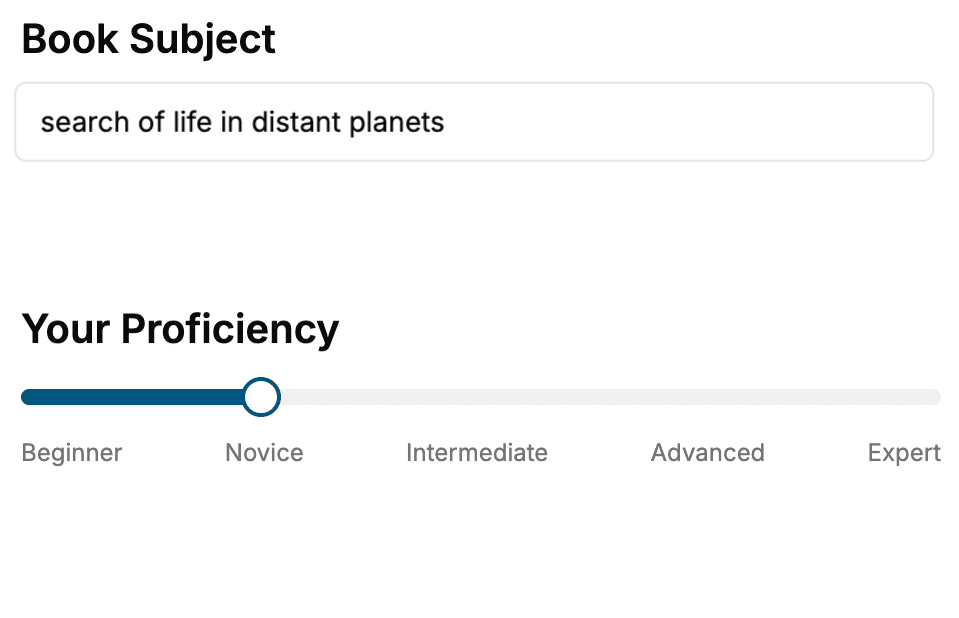
Select the focus of your Personality book and share your background
- 2. Personalize your book
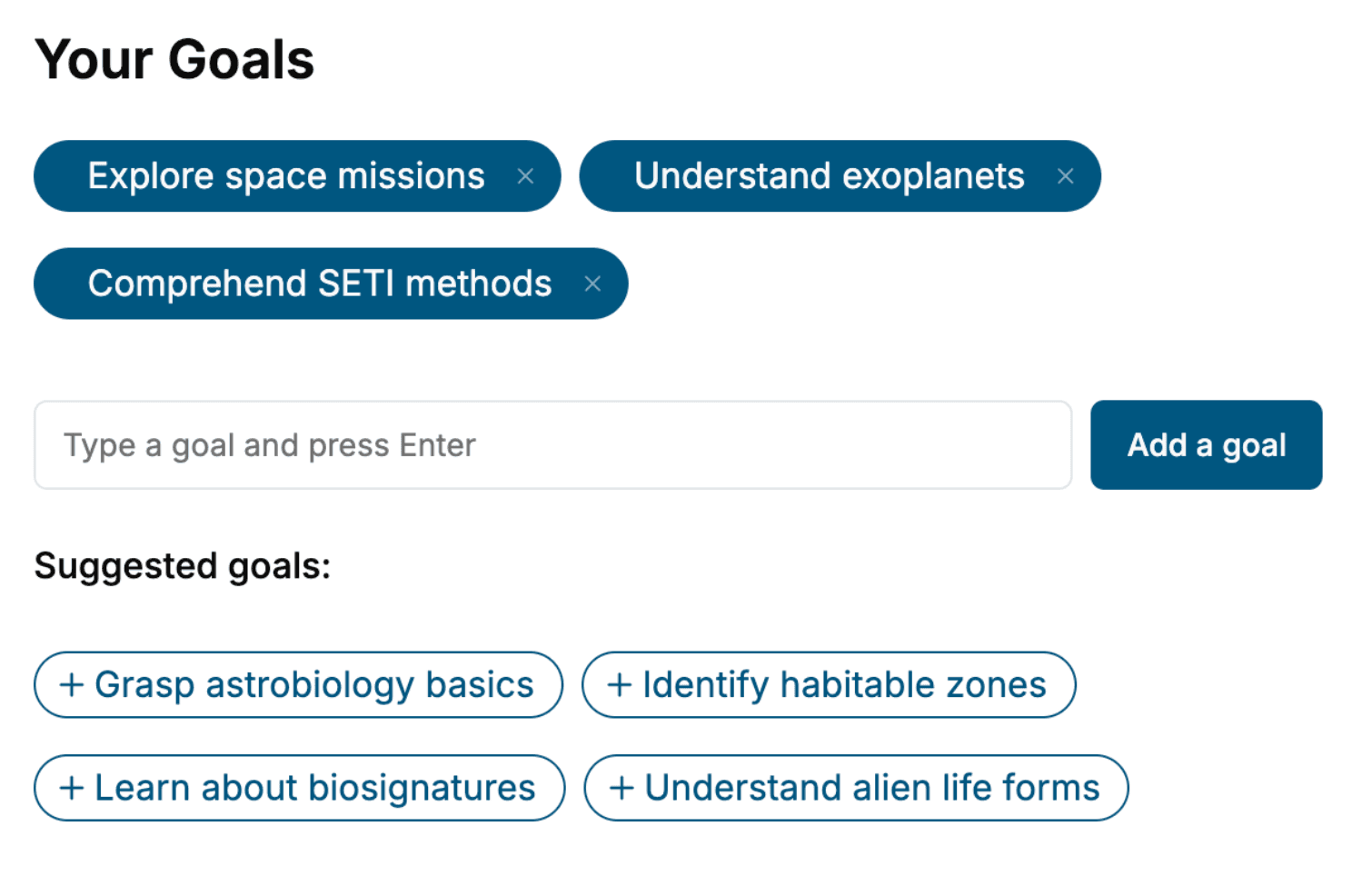
Specify your goals and choose sub-topics to include
- 3. Get your tailored book
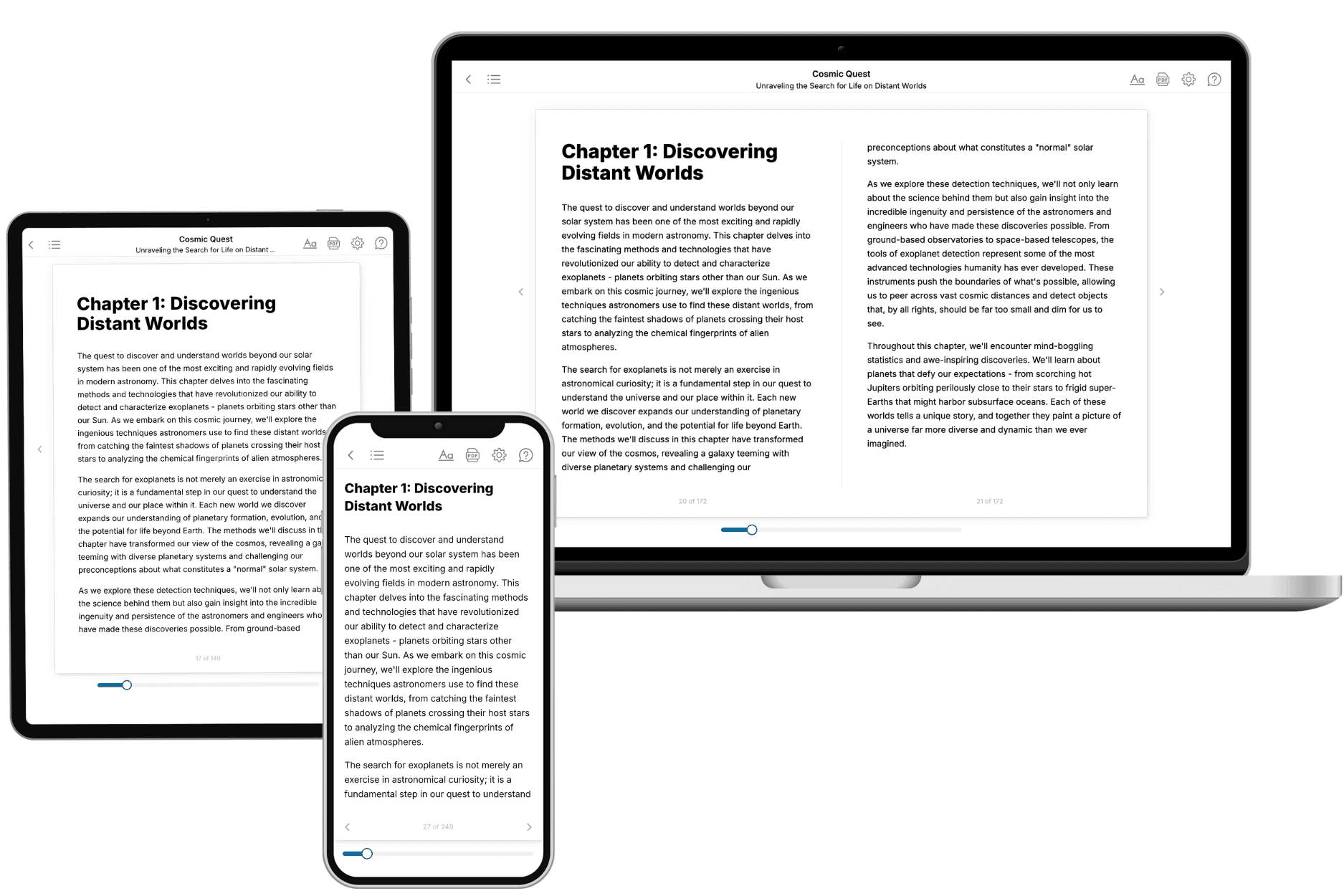
Your book is ready in 10 minutes. Read it online, download as EPUB or PDF, or send to Kindle.
Frequently asked questions
- What is TailoredRead?
TailoredRead creates complete, full-length nonfiction ebooks, written specifically for you. Tell us what you want to learn and why, and TailoredRead writes you a complete ebook on it, with charts, tables, and diagrams throughout. Read it online, on Kindle, or on any e-reader, or download it as a PDF or EPUB. Every book is written fresh the day you order it.
- How is the book tailored to me?
Before anything is written, you answer a few short questions about your goals, your background, and the topics you care about. Your book is then planned around your answers: written at your level, focused on your goals, and covering the topics you chose, instead of the one-size-fits-all book a store sells everyone.
- Will it read like generic AI content?
No. Your book isn't a chat transcript: it's planned chapter by chapter before a single word is written, told in a clear book voice, and explains ideas visually with charts, tables, and diagrams. After writing, every book goes through an editorial pass that polishes chapters so the book reads consistent from start to finish. Judge for yourself: browse thousands of sample books on our Explore Books page.
- How accurate is the content?
Our AI first checks whether your subject needs live research. Niche and fast-moving subjects are researched before writing, and the book plan and chapters are grounded in what it finds. After writing, every book goes through a quality pass that checks its facts and consistency, and researched books list their sources in a Notes section at the back.
- How long is the book?
You choose the length: Comprehensive (250-300 pages), Detailed (150-200 pages), Essential (70-100 pages), or Short (30-50 pages).
- Does the book include visuals?
Yes. Every book includes charts, tables, and diagrams: timelines, checklists, step-by-step guides, decision trees, comparison tables, matrices, and bar charts. A typical book includes dozens of these visual elements.
- Can I read it on Kindle? What formats can I download?
Yes. Every book can be read in our online reader or downloaded as a PDF or EPUB. The EPUB can be opened with Kindle, Apple Books, Kobo, and any e-reader. The Commercial and Author licenses also include an editable Word (DOCX) and Markdown download.
- How much does it cost?
About the price of a regular ebook. The exact price depends on your book's length and complexity, from $2 for the shortest books to $35 for the most comprehensive, and it's shown when you review your book, before you commit to anything. Each book is a one-time purchase, yours to keep, no subscription. Licenses that let you share, teach, or publish your book range from $35.99 to $49.99.
- Can I preview the book before purchasing?
Before you pay, you'll see what your book will cover: the title, a detailed description, the estimated length, and the complete chapter-by-chapter table of contents, so you know what you're getting before you decide. The full text itself is written after you purchase.
- How long does it take to create a book?
About 10 minutes. You can start reading the opening chapters while the rest is still being written.