The Intuitive Edge
Mastering Quick, Insightful Decision-Making in a Complex World
Harness the power of your intuition to make smarter, faster decisions in today's fast-paced world.
253 pages13 chaptersJan 30, 2025Decision Making
About this book
The Intuitive Edge equips you with practical techniques to sharpen your instincts and tap into your innate wisdom. You'll learn how to recognize and trust your gut feelings, balance them with analytical thinking, and apply intuitive decision-making across various life situations. This book delves into the fascinating intersection of intuition, behavioral economics, and cognitive psychology. You'll discover how to overcome common cognitive biases, develop a keen sense of pattern recognition, and cultivate a mindset that nurtures intuitive insights. Through real-world examples and interactive exercises, you'll build the confidence to rely on your intuition when it matters most. Whether you're facing critical choices at work, navigating personal relationships, or pursuing creative endeavors, The Intuitive Edge will be your guide to making decisions with greater clarity, speed, and conviction. Embrace the power of your intuition and unlock a new level of effectiveness in your personal and professional life.
Table of contents
- IntroductionDefining Intuition: More Than Just a Gut Feeling, The Importance of Intuition in Modern Decision-Making, What to Expect: A Roadmap to Intuitive MasteryRead below
- Chapter 1: The Foundations of Intuitive ThinkingThe Science Behind Intuition, Intuition vs. Analytical Thinking: Finding the Balance, Debunking Common Myths About Intuition, The Benefits of Developing Your Intuitive Skills
- Chapter 2: Understanding Your Brain's Intuitive ProcessesThe Two Systems of Thinking: Fast and Slow, Pattern Recognition: The Core of Intuition, The Power of Subconscious Processing, Neural Networks and Intuitive Leaps
- Chapter 3: Recognizing and Overcoming Cognitive BiasesCommon Types of Cognitive Biases, How Biases Impact Intuitive Decision-Making, Debiasing Techniques for Clearer Intuition, Developing Bias Awareness in Yourself and Others
- Chapter 4: Cultivating Mindfulness for Stronger IntuitionThe Basics of Mindfulness Practice, Developing Body Awareness and Somatic Intuition, Enhancing Emotional Intelligence for Better Intuition, Mindful Decision-Making: Integrating Intuition and Awareness
- Chapter 5: Sharpening Your Pattern Recognition SkillsWhy Pattern Recognition Matters for Intuition, Exercises to Improve Your Pattern Recognition, Connecting the Dots: Seeing the Big Picture, Avoiding the Pitfalls of False Pattern Recognition
- Chapter 6: Intuition Under Time PressureThe Art of Quick Decision-Making, How Stress Affects Intuitive Thinking, Time Management Techniques for Intuitive Thinkers, Practice Scenarios for Time-Pressured Decisions
- Chapter 7: Emotional Intelligence and IntuitionThe Role of Emotions in Intuitive Decision-Making, Developing Self-Awareness for Better Intuition, Empathy and Its Connection to Intuitive Understanding, Emotional Regulation Techniques for Clear Intuition
- Chapter 8: Applying Intuition in the WorkplaceIntuitive Leadership: Making Tough Calls with Confidence, Using Intuition to Navigate Team Dynamics, Intuitive Problem-Solving in Complex Business Environments, Fostering Innovation and Creativity Through Intuition
- Chapter 9: Intuition in Personal RelationshipsDeveloping Social Intuition and People-Reading Skills, Intuitive Communication: Reading Between the Lines, Trusting Your Intuition in Relationships, Using Intuition for Conflict Resolution and Empathy
- Chapter 10: Intuition and CreativityThe Role of Intuition in the Creative Process, Intuitive Brainstorming Techniques, Tapping into Intuition for Artistic Expression, Intuition as a Catalyst for Innovation
- Chapter 11: The Ethics of Intuitive Decision-MakingUnderstanding Moral Intuition, Navigating Ethical Dilemmas with Intuition, Balancing Intuition and Ethical Reasoning, Developing Responsible Intuitive Decision-Making
- Chapter 12: Intuition in the Age of TechnologyArtificial Intelligence and Human Intuition, Navigating Information Overload with Intuitive Thinking, Developing Digital Intuition in a Connected World, The Future of Intuition in a Tech-Driven Society
- Chapter 13: Training and Strengthening Your IntuitionDaily Practices to Enhance Intuitive Abilities, Intuition-Building Exercises and Games, Creating Feedback Loops to Refine Intuitive Skills, Long-Term Strategies for Intuitive Development
- ConclusionKey Takeaways: Your Path to Intuitive Mastery, Continuing Your Intuitive Journey: Next Steps
- AppendixAdditional Resources for Intuitive Development, Summary of Intuition-Building Exercises
Introduction
In the fast-paced, information-rich world we inhabit today, the ability to make quick, insightful decisions has become more crucial than ever. As you navigate through complex personal and professional landscapes, you may often find yourself at crossroads where traditional analytical thinking alone falls short. It is in these moments that another powerful cognitive tool comes into play: intuition. This book, "The Intuitive Edge: Mastering Quick, Insightful Decision-Making in a Complex World," is designed to help you harness and refine this innate ability, transforming it from an occasional gut feeling into a reliable, cultivated skill that can significantly enhance your decision-making processes and problem-solving capabilities.
Throughout this journey, you will discover that intuition is far more than just a mysterious sixth sense or a lucky guess. It is a sophisticated cognitive process, deeply rooted in your accumulated experiences, knowledge, and subconscious pattern recognition abilities. By understanding the science behind intuition and learning how to develop it systematically, you can unlock a powerful resource that complements your analytical skills and helps you navigate the complexities of modern life with greater ease and confidence.
This introduction serves as your gateway to the world of intuitive thinking. In the following sections, you will explore the true nature of intuition, understand its critical role in today's decision-making landscape, and get a glimpse of the transformative journey that lies ahead. As you progress through this book, you will not only gain a deeper understanding of your intuitive capabilities but also acquire practical tools and techniques to enhance them, ultimately leading to more effective and insightful decision-making in all aspects of your life.
Defining Intuition: More Than Just a Gut Feeling
When you hear the word "intuition," what comes to mind? For many, it conjures images of psychics, crystal balls, or unexplainable hunches. However, the reality of intuition is far more grounded in cognitive science and psychology than these popular misconceptions suggest. Intuition, at its core, is a rapid, unconscious processing of information based on patterns and experiences stored in your mind. It's your brain's way of quickly assessing a situation and arriving at a conclusion without going through the step-by-step reasoning process that characterizes analytical thinking.
To truly understand intuition, it's essential to recognize that it's not a mystical power, but rather a natural cognitive function that has evolved over millennia to help humans make quick decisions in complex environments. Neuroscientist Antonio Damasio describes intuition as "the result of a vast amount of neural processing that happens outside of conscious awareness"[1]. This definition highlights the fact that intuition is deeply rooted in your brain's ability to process vast amounts of information rapidly, drawing on a lifetime of experiences and learned patterns.
One of the key aspects of intuition is its speed. Unlike analytical thinking, which involves a conscious, step-by-step process, intuitive insights often come to you in an instant. This rapid processing is what gives intuition its characteristic "gut feeling" quality. However, it's crucial to understand that this speed doesn't mean intuition is random or baseless. On the contrary, it's the result of your brain quickly sifting through relevant information and patterns stored in your long-term memory, arriving at a conclusion faster than your conscious mind can follow the reasoning.
Another important characteristic of intuition is its holistic nature. While analytical thinking tends to break problems down into component parts, intuition often grasps the entire situation at once. This ability to see the big picture can be particularly valuable in complex scenarios where the sum is truly greater than its parts. Psychologist Gary Klein, known for his work on naturalistic decision making, describes this aspect of intuition as "the way we translate our experiences into action"[2]. This definition emphasizes how intuition allows you to draw on the entirety of your experiences to inform your decisions.
It's also important to note that intuition isn't infallible. Just like any cognitive process, it can be influenced by biases, misconceptions, and incomplete information. This is why developing your intuition isn't just about learning to trust your gut feelings, but also about refining your ability to recognize when intuition is likely to be reliable and when it needs to be balanced with more analytical approaches.
Understanding intuition as a cognitive process rather than a mystical phenomenon is crucial for several reasons. First, it demystifies intuition, making it something that can be studied, understood, and improved upon. Second, it helps you recognize that intuition is a skill that can be developed and refined over time, much like any other cognitive ability. Finally, it allows you to approach intuition with a critical eye, understanding both its strengths and limitations.
As you progress through this book, you'll delve deeper into the cognitive mechanisms behind intuition, exploring concepts like pattern recognition, unconscious processing, and the interplay between emotion and cognition. You'll learn how these processes contribute to your intuitive abilities and how you can enhance them. By the end of your journey, you'll have a comprehensive understanding of intuition that goes far beyond the simplistic notion of a "gut feeling," empowering you to harness this powerful cognitive tool in your decision-making processes.
In the next sections, you'll explore why intuition is particularly relevant in today's fast-paced, information-rich world, and how developing your intuitive skills can give you a significant edge in both your personal and professional life. Remember, intuition is not about replacing analytical thinking, but about complementing it. By learning to balance and integrate these two modes of thinking, you'll be equipped to navigate the complexities of modern life with greater confidence and effectiveness.
The Importance of Intuition in Modern Decision-Making
In today's rapidly evolving world, the ability to make quick, effective decisions has become more crucial than ever. The sheer volume of information available at your fingertips, coupled with the increasing complexity of both personal and professional challenges, has created an environment where traditional analytical approaches to decision-making often fall short. This is where intuition steps in, offering a powerful complement to analytical thinking and providing a competitive edge in various aspects of life.
One of the primary reasons intuition has become increasingly important is the phenomenon of information overload. In the digital age, you are constantly bombarded with data, facts, and opinions from countless sources. While having access to information is generally beneficial, the sheer quantity can be overwhelming and paralyzing when it comes to decision-making. A study by the University of California, San Diego, estimated that the average person consumes about 34 gigabytes of information daily, a figure that has likely increased since the study was conducted[3]. In such an environment, the ability to quickly sift through information, identify relevant patterns, and arrive at decisions becomes invaluable. Intuition, with its capacity for rapid, holistic processing, is particularly well-suited to this task.
Moreover, the pace of change in today's world often requires decisions to be made with incomplete information. Whether you're navigating a rapidly evolving business landscape or making personal life choices in an uncertain world, you frequently encounter situations where you don't have the luxury of gathering and analyzing all relevant data before making a decision. In these scenarios, intuition can serve as a powerful tool, allowing you to make educated guesses based on your accumulated experience and knowledge, even when all the facts aren't available.
The complexity of modern problems is another factor that underscores the importance of intuition. Many of the challenges you face today, both in your personal life and in the professional realm, are multifaceted and interconnected. They often involve numerous variables and stakeholders, making them difficult to approach solely through linear, analytical thinking. Intuition, with its ability to grasp complex situations holistically, can help you navigate these intricate problems more effectively. As Nobel laureate Herbert Simon noted, "Intuition is nothing more and nothing less than recognition"[4]. This recognition of patterns and relationships in complex scenarios can provide insights that might be missed by purely analytical approaches.
In the business world, the importance of intuition has been increasingly recognized. A survey of senior executives conducted by Christian Madsbjerg and Mikkel Rasmussen found that 45% of executives rely more on intuition than on facts and figures in running their businesses[5]. This reliance on intuition is not a rejection of data-driven decision-making, but rather an acknowledgment that in complex, fast-moving business environments, the ability to make quick, insightful decisions based on incomplete information is often crucial.
Intuition also plays a vital role in creativity and innovation. Many groundbreaking ideas and solutions come not from methodical analysis, but from intuitive leaps. Steve Jobs, known for his innovative approach at Apple, famously said, "Intuition is a very powerful thing, more powerful than intellect, in my opinion"[6]. While this statement might seem to prioritize intuition over analytical thinking, it's important to understand that the most effective approach often involves a balance of both. Intuition can provide the spark of a new idea or approach, which can then be refined and validated through more analytical methods.
In personal relationships and social interactions, intuition is equally important. The ability to quickly read social cues, understand others' emotions, and navigate complex interpersonal dynamics often relies heavily on intuitive processes. Daniel Goleman, in his work on emotional intelligence, emphasizes the role of intuition in social cognition, describing it as a key component of social awareness and relationship management[7].
It's crucial to note that the importance of intuition doesn't diminish the value of analytical thinking. Instead, the most effective decision-making often involves a synergy between intuitive and analytical processes. Intuition can help you quickly identify promising directions or solutions, which can then be verified and refined through more systematic analysis. Conversely, analytical thinking can help you build the knowledge base and pattern recognition abilities that inform your intuition.
As you progress through this book, you'll explore various techniques and strategies for developing and refining your intuitive abilities. You'll learn how to recognize when to rely on intuition and when to balance it with more analytical approaches. By honing your intuitive skills, you'll be better equipped to navigate the complexities of modern life, make more effective decisions, and unlock your full potential in both personal and professional realms.
In the next section, you'll get an overview of what to expect from this book, including the key concepts, skills, and practices that will help you develop your intuitive edge. Remember, intuition is not a fixed trait, but a skill that can be developed and refined over time. With dedication and practice, you can enhance your intuitive abilities and leverage them to make better, faster decisions in an increasingly complex world.
What to Expect: A Roadmap to Intuitive Mastery
As you embark on this journey to develop and refine your intuitive abilities, it's important to have a clear understanding of what lies ahead. This book is designed to be your comprehensive guide to mastering intuitive thinking, providing you with both theoretical knowledge and practical tools to enhance your decision-making skills. In this section, you'll get an overview of the key concepts, skills, and practices that you'll explore throughout the book, giving you a roadmap for your path to intuitive mastery.
The book is structured to take you on a logical progression, starting with the foundations of intuitive thinking and gradually building towards more advanced concepts and applications. Each chapter is designed to build upon the previous ones, allowing you to develop your intuitive skills in a systematic and coherent manner. Throughout this journey, you'll encounter a mix of theoretical explanations, practical exercises, real-world examples, and reflective activities, all aimed at helping you internalize the concepts and apply them in your daily life.
Your journey begins with an exploration of the foundations of intuitive thinking. In the first few chapters, you'll delve deeper into the science behind intuition, examining the cognitive processes that underpin intuitive decision-making. You'll learn about the dual-process theory of cognition, which distinguishes between fast, intuitive thinking (System 1) and slower, more deliberate analytical thinking (System 2)[8]. Understanding this framework will help you appreciate how intuition operates and how it complements analytical thinking.
As you progress, you'll explore the crucial role of pattern recognition in intuitive thinking. You'll learn how your brain constantly seeks patterns in the information it receives and how this ability forms the basis of many intuitive insights. Through various exercises and techniques, you'll work on enhancing your pattern recognition skills, allowing you to more quickly and accurately identify relevant information in complex situations.
A significant portion of the book is dedicated to understanding and overcoming cognitive biases. These mental shortcuts and predispositions can sometimes lead your intuition astray, resulting in poor decisions. You'll learn about common biases such as confirmation bias, anchoring bias, and availability bias, among others. More importantly, you'll discover strategies for recognizing these biases in yourself and others, and techniques for mitigating their impact on your decision-making processes.
Mindfulness and self-awareness play a crucial role in developing strong intuitive abilities, and these topics are explored in depth. You'll learn various mindfulness practices that can help you become more attuned to your intuitive insights. These practices will also help you distinguish between genuine intuitive signals and mere impulses or wishful thinking. Through regular practice of these techniques, you'll develop a keener sense of your internal states and a greater ability to trust your intuitive judgments.
The book also covers the important topic of emotional intelligence and its relationship to intuition. You'll explore how emotions influence your intuitive processes and learn techniques for leveraging emotional information in your decision-making. This includes developing a better understanding of your own emotional responses as well as enhancing your ability to read and respond to the emotions of others.
As you progress through the book, you'll have the opportunity to apply your developing intuitive skills to various domains of life. You'll explore how intuition can be leveraged in professional settings, examining its role in leadership, problem-solving, and innovation. You'll also delve into the application of intuition in personal relationships, creativity, and ethical decision-making. Each of these areas presents unique challenges and opportunities for intuitive thinking, and you'll gain insights and strategies specific to each domain.
Throughout the book, you'll encounter numerous exercises and practical activities designed to help you develop and refine your intuitive skills. These range from simple reflection exercises to more complex scenario-based challenges. You'll also find suggestions for incorporating intuitive practices into your daily routine, allowing you to continuously hone your skills even beyond the scope of this book.
One of the key themes you'll encounter throughout the book is the importance of balance. While the focus is on developing your intuitive abilities, you'll learn that the most effective decision-making often involves a synergy between intuition and analytical thinking. You'll explore techniques for integrating these two modes of thinking, learning when to rely more heavily on one or the other, and how to use them in conjunction to arrive at optimal decisions.
As you near the end of the book, you'll find a comprehensive set of strategies for long-term intuitive development. This includes techniques for creating feedback loops to refine your intuitive judgments over time, methods for continuing to expand your knowledge base to inform your intuition, and practices for maintaining and enhancing your intuitive skills throughout your life.
By the time you reach the conclusion of this book, you'll have gained a deep understanding of intuitive thinking and its role in decision-making. More importantly, you'll have developed a set of practical skills and techniques that you can apply in various aspects of your life. You'll be equipped to make quicker, more insightful decisions, navigate complex situations with greater ease, and tap into your innate wisdom more effectively.
Remember, developing your intuitive abilities is not a destination but a journey. The concepts and practices you'll learn in this book are meant to be revisited and refined over time. As you continue to apply these skills in your daily life, you'll find that your intuitive abilities grow stronger and more reliable. This book is designed to be your guide and companion on this journey, providing you with the tools and knowledge you need to cultivate your intuitive edge and thrive in our complex, fast-paced world.
Notes
Introduction
- 1. A. R. Damasio, Descartes' Error: Emotion, Reason, and the Human Brain, New York: Putnam, 1994
- 2. G. Klein, Sources of Power, Cambridge, MA: MIT Press, 1998
- 3. R. Bohn and J. Short, How Much Information? 2009 Report on American Consumers, Global Information Industry Center, University of California, San Diego, 2009
- 4. H. A. Simon, "What is an 'explanation' of behavior?," Psychological Science, 1992
- 5. C. Madsbjerg and M. B. Rasmussen, "The Moment of Clarity," Harvard Business Review Press, 2014
- 6. W. Isaacson, Steve Jobs, Simon & Schuster, 2011
- 7. D. Goleman, Emotional Intelligence, Bantam Books, 1995
- 8. D. Kahneman, Thinking, Fast and Slow, Farrar, Straus and Giroux, 2011
This is the end of the free sample. The full book has 13 chapters.
Want this book written for you?
Tell us your goals and background, and get your own version of this book, tailored by AI to you.


Benefits of AI-tailored books
- Read one book, not ten:
- all the Decision Making knowledge you need, gathered into a single book.
- Save days of learning:
- tell us your goals, choose your topics, and the whole book is built around them.
- Learn effortlessly:
- Decision Making book written for your specific background and expertise.
- Understand at a glance:
- includes charts, tables, timelines, checklists, decision trees, and more.
- Stay current:
- written the day you order it, not years ago.
- Trust what you read:
- every book is checked for accuracy, with real research when your subject needs it.
Create your unique book in 3 steps
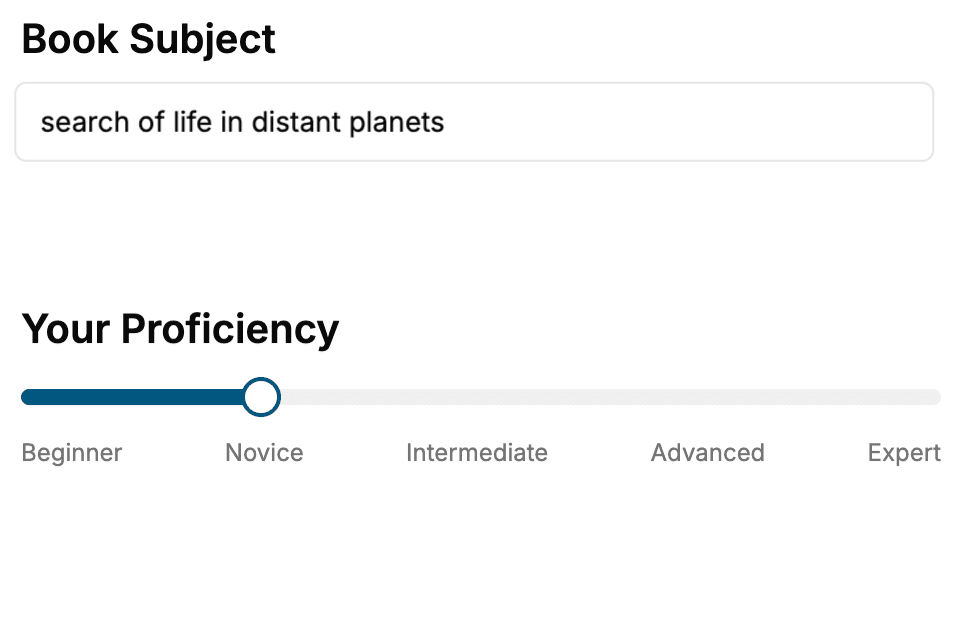
- 1. Select your focus
Select the focus of your Decision Making book and share your background
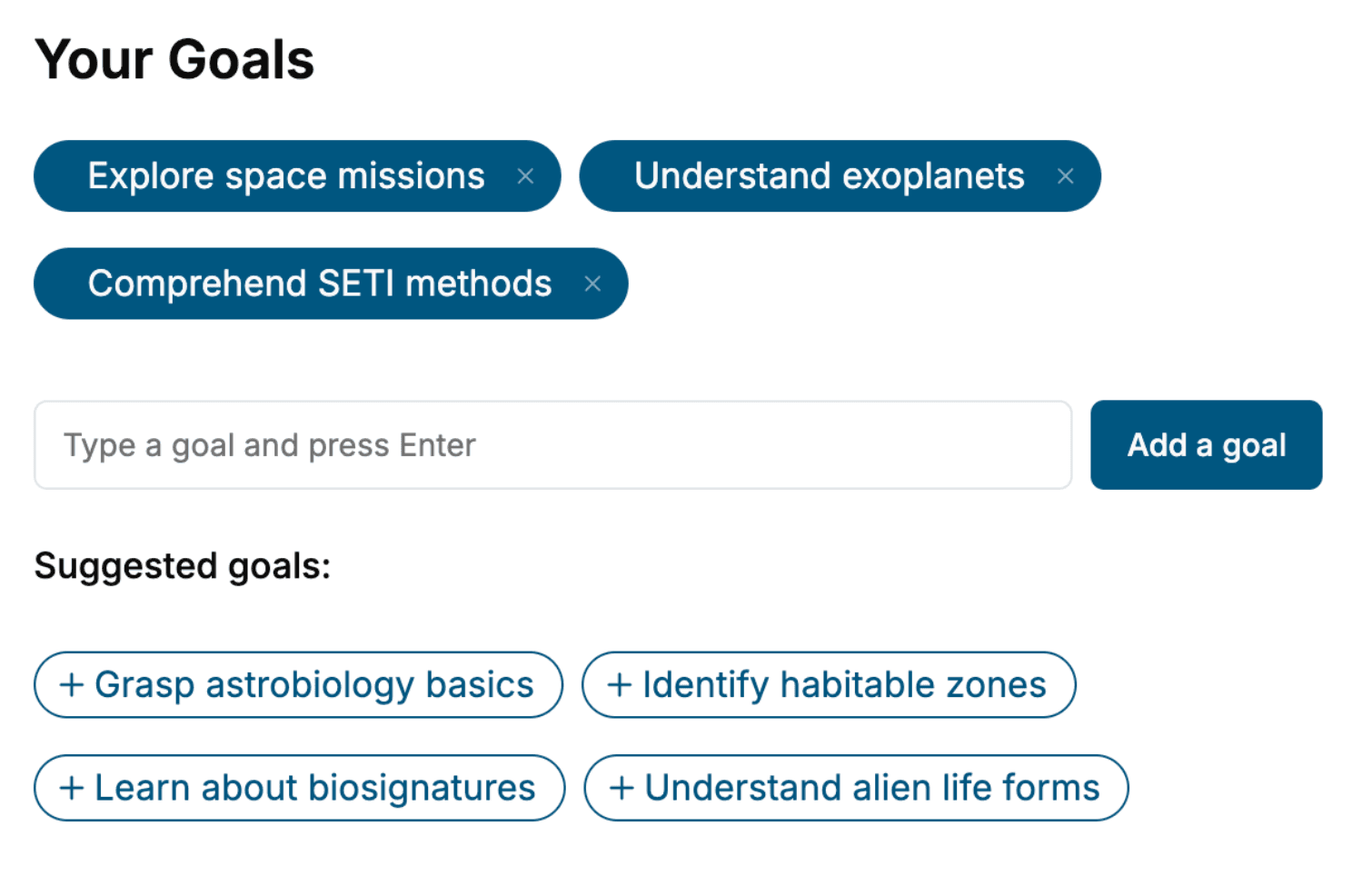
- 2. Personalize your book
Specify your goals and choose sub-topics to include
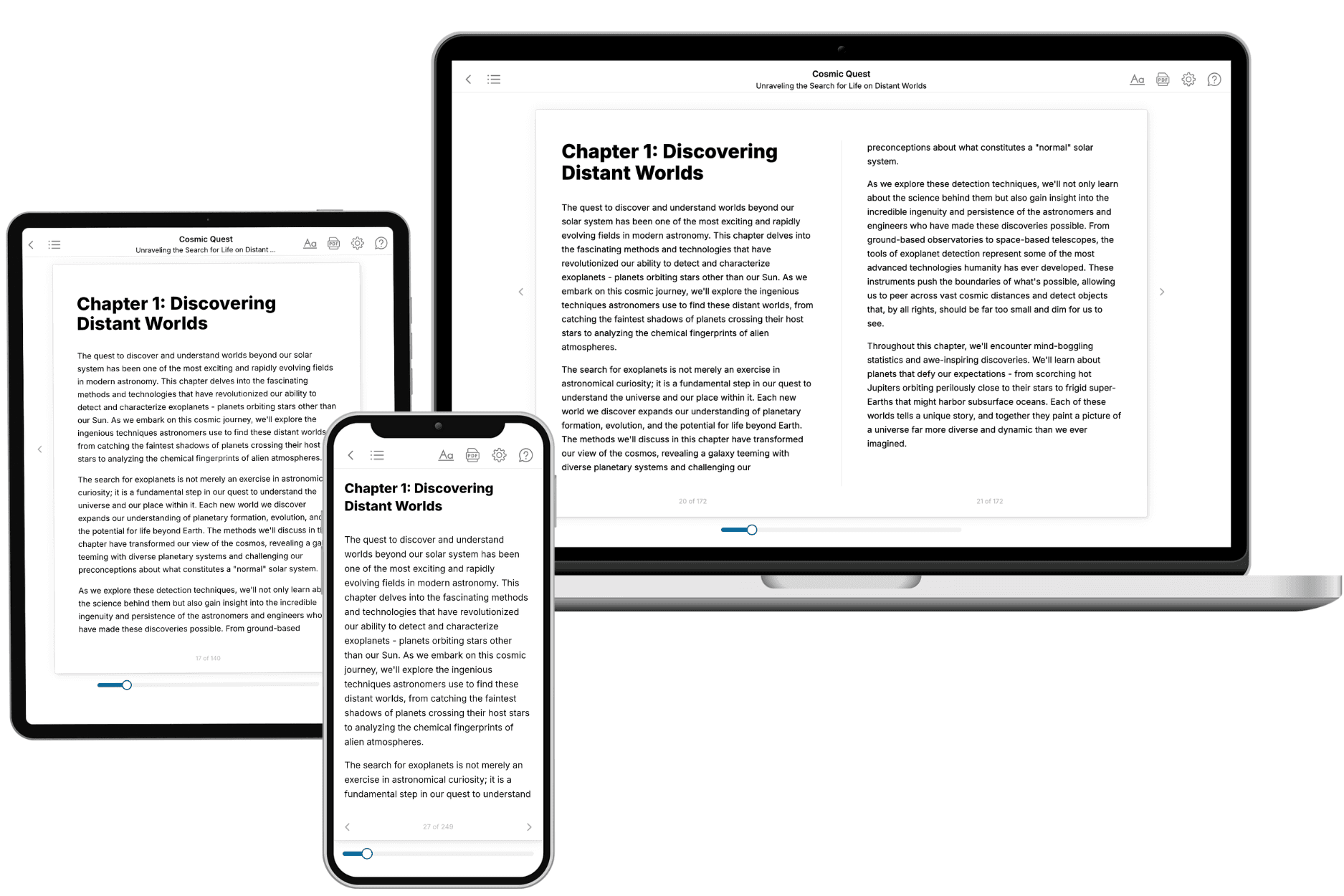
- 3. Get your tailored book
Your book is ready in 10 minutes. Read it online, download as EPUB or PDF, or send to Kindle.
Frequently asked questions
- What is TailoredRead?
TailoredRead creates complete, full-length nonfiction ebooks, written specifically for you. Tell us what you want to learn and why, and TailoredRead writes you a complete ebook on it, with charts, tables, and diagrams throughout. Read it online, on Kindle, or on any e-reader, or download it as a PDF or EPUB. Every book is written fresh the day you order it.
- How is the book tailored to me?
Before anything is written, you answer a few short questions about your goals, your background, and the topics you care about. Your book is then planned around your answers: written at your level, focused on your goals, and covering the topics you chose, instead of the one-size-fits-all book a store sells everyone.
- Will it read like generic AI content?
No. Your book isn't a chat transcript: it's planned chapter by chapter before a single word is written, told in a clear book voice, and explains ideas visually with charts, tables, and diagrams. After writing, every book goes through an editorial pass that polishes chapters so the book reads consistent from start to finish. Judge for yourself: browse thousands of sample books on our Explore Books page.
- How accurate is the content?
Our AI first checks whether your subject needs live research. Niche and fast-moving subjects are researched before writing, and the book plan and chapters are grounded in what it finds. After writing, every book goes through a quality pass that checks its facts and consistency, and researched books list their sources in a Notes section at the back.
- How long is the book?
You choose the length: Comprehensive (250-300 pages), Detailed (150-200 pages), Essential (70-100 pages), or Short (30-50 pages).
- Does the book include visuals?
Yes. Every book includes charts, tables, and diagrams: timelines, checklists, step-by-step guides, decision trees, comparison tables, matrices, and bar charts. A typical book includes dozens of these visual elements.
- Can I read it on Kindle? What formats can I download?
Yes. Every book can be read in our online reader or downloaded as a PDF or EPUB. The EPUB can be opened with Kindle, Apple Books, Kobo, and any e-reader. The Commercial and Author licenses also include an editable Word (DOCX) and Markdown download.
- How much does it cost?
About the price of a regular ebook. The exact price depends on your book's length and complexity, from $2 for the shortest books to $35 for the most comprehensive, and it's shown when you review your book, before you commit to anything. Each book is a one-time purchase, yours to keep, no subscription. Licenses that let you share, teach, or publish your book range from $35.99 to $49.99.
- Can I preview the book before purchasing?
Before you pay, you'll see what your book will cover: the title, a detailed description, the estimated length, and the complete chapter-by-chapter table of contents, so you know what you're getting before you decide. The full text itself is written after you purchase.
- How long does it take to create a book?
About 10 minutes. You can start reading the opening chapters while the rest is still being written.