The Iron Visionary
Gustave Eiffel and the Transformation of France's Skyline
Step into the world of 19th-century France and discover the extraordinary life of Gustave Eiffel, the man who forever changed the Parisian skyline.
269 pages13 chaptersNov 28, 2024Civil Engineering
About this book
"The Iron Visionary" takes you on a captivating journey through the life and times of one of history's most innovative engineers. From his humble beginnings to his rise as a pioneering figure in structural engineering, you'll explore Eiffel's groundbreaking projects that revolutionized architecture and engineering. Delve into the challenges he faced, the triumphs he achieved, and the legacy he left behind that continues to inspire generations. This book not only chronicles Eiffel's most famous creation, the iconic Eiffel Tower, but also sheds light on his lesser-known yet equally impressive works. You'll gain insights into the social and cultural context of France during the Industrial Revolution, and how Eiffel's innovations reflected and shaped the spirit of his time. Prepare to be inspired by the story of a man whose vision and determination quite literally reached new heights.
Table of contents
- IntroductionThe Enduring Legacy of Gustave Eiffel, A Journey Through 19th-Century Innovation, Setting the Stage: France in the Industrial AgeRead below
- Chapter 1: The Foundations of GeniusEiffel's Early Years and Education, Discovering a Passion for Engineering, Early Career and First Projects, Mentors and Influences
- Chapter 2: Rising Through the RanksNotable Early Successes, Developing Innovative Construction Techniques, Building a Reputation in France and Beyond, Eiffel's Business Acumen and Company Formation
- Chapter 3: The Master of Iron BridgesInnovations in Bridge Design, Eiffel's Most Famous Bridges, Global Impact of Eiffel's Bridge Designs, Overcoming Engineering Challenges
- Chapter 4: Architectural Marvels Beyond BridgesRailway Stations and Public Buildings, International Projects and Collaborations, Pioneering Prefabrication Techniques, Eiffel's Design Philosophy and Aesthetic
- Chapter 5: Conceiving the Impossible: The Eiffel TowerThe 1889 World's Fair and Its Significance, The Proposal for a Monumental Tower, The Design Process and Engineering Challenges, Initial Public Reaction and Controversy
- Chapter 6: Building the Icon: Eiffel Tower ConstructionLaying the Groundwork, Innovative Assembly Techniques, Worker Safety and Logistical Challenges, The Construction Timeline
- Chapter 7: A Dream Realized: The Eiffel Tower's CompletionThe Grand Opening Ceremony, Public and Critical Reception, Technical Achievements and Records, Immediate Cultural and Social Impact
- Chapter 8: Beyond the Tower: Eiffel's Other Notable ProjectsThe Statue of Liberty's Internal Structure, The Garabit Viaduct, The Nice Observatory Dome, Lesser-Known but Significant Works
- Chapter 9: The Scientist Emerges: Eiffel's Later YearsGroundbreaking Aerodynamics Research, Contributions to Meteorology, Radio Antenna Experiments, Eiffel's Scientific Legacy
- Chapter 10: The Man Behind the MonumentsFamily Life and Relationships, Personality and Work Ethic, Eiffel's Public Persona, Personal Challenges and Triumphs
- Chapter 11: Eiffel in Context: France in the Late 19th CenturyThe Industrial Revolution in France, The Political Landscape of the Third Republic, Cultural and Artistic Movements, Technological Advancements of the Era
- Chapter 12: The Eiffel Legacy: Influence on Modern EngineeringInfluence on Modern Architecture, Eiffel's Engineering Principles in Contemporary Use, Inspiring Future Innovators, Global Recognition and Honors
- Chapter 13: Eiffel's Vision in the 21st CenturyMaintaining the Eiffel Tower Today, The Tower's Impact on Modern Tourism, The Eiffel Tower as a Cultural Symbol, Preserving Eiffel's Legacy for Future Generations
- ConclusionThe Lasting Impact of Gustave Eiffel, Lessons in Innovation and Perseverance
- Glossary
- Further Reading
Introduction
As you embark on this journey through the life and times of Gustave Eiffel, you are about to discover the remarkable story of a man whose vision and ingenuity transformed not only the Parisian skyline but also the world of engineering and architecture. This introduction serves as your gateway to understanding the profound impact of Gustave Eiffel on 19th-century France and beyond. It sets the stage for an exploration of his life, his works, and the lasting legacy he left behind.
Gustave Eiffel's name has become synonymous with innovation, perseverance, and architectural grandeur. His most famous creation, the Eiffel Tower, stands not only as a testament to his engineering prowess but also as an enduring symbol of French culture and technological advancement. However, Eiffel's contributions extend far beyond this iconic structure, encompassing a wide array of groundbreaking projects that revolutionized construction techniques and pushed the boundaries of what was thought possible in his time.
In the pages that follow, you will be transported to the heart of the Industrial Revolution in France, a period of rapid technological advancement and social change that provided the fertile ground for Eiffel's innovative spirit to flourish. You will witness the evolution of a brilliant mind, from Eiffel's early years and education to his rise as a prominent engineer and businessman. Through detailed accounts of his major projects, including bridges, buildings, and, of course, the Eiffel Tower, you will gain a comprehensive understanding of the challenges he faced and the ingenious solutions he devised.
This introduction aims to provide you with a broad overview of Eiffel's significance and the context in which he worked. It will prepare you for a deeper dive into the fascinating world of 19th-century engineering and the man who became one of its most celebrated figures. As you read on, you will discover how Eiffel's work not only shaped the physical landscape of France and other parts of the world but also influenced the course of engineering and architectural history.
The Enduring Legacy of Gustave Eiffel
Gustave Eiffel's legacy is a testament to the power of human ingenuity and the enduring impact of visionary thinking. More than a century after his most famous works were completed, Eiffel's influence continues to resonate throughout the fields of engineering, architecture, and beyond. His innovative approach to design and construction not only revolutionized the built environment of his time but also laid the groundwork for future advancements in structural engineering and urban development.
At the heart of Eiffel's legacy is his eponymous tower, which has become an iconic symbol of Paris and France as a whole. Initially met with skepticism and criticism, the Eiffel Tower has stood the test of time, both literally and figuratively. Its elegant iron lattice structure, rising 324 meters into the Parisian sky, continues to captivate millions of visitors each year. Beyond its aesthetic appeal, the tower serves as a powerful reminder of the technological prowess of the late 19th century and the audacious spirit of innovation that characterized the Industrial Revolution[1].
However, Eiffel's legacy extends far beyond this single, albeit magnificent, structure. His pioneering work in the use of wrought iron and innovative construction techniques paved the way for the development of modern skyscrapers and long-span bridges. The principles he established in structural engineering continue to influence architects and engineers to this day. Eiffel's approach to prefabrication and modular construction, exemplified in projects such as the internal structure of the Statue of Liberty, foreshadowed modern methods of efficient and cost-effective building practices.
Eiffel's contributions to science, particularly in the fields of aerodynamics and meteorology, further cement his place in history. His later years, devoted to scientific research, produced valuable data that contributed to the nascent field of aviation. The wind tunnel he constructed at the base of the Eiffel Tower became an important tool for studying the effects of wind on structures and aircraft, demonstrating Eiffel's commitment to advancing knowledge even beyond his primary field of expertise[2].
The enduring nature of Eiffel's legacy is also evident in the continued preservation and celebration of his works. Many of the bridges, viaducts, and buildings he designed remain in use today, testament to the durability and foresight of his engineering. These structures not only serve their original purposes but have also become important historical landmarks and tourist attractions, contributing to the cultural and economic vitality of their locations.
Moreover, Eiffel's story continues to inspire new generations of engineers, architects, and innovators. His ability to overcome technical challenges, his willingness to push the boundaries of what was considered possible, and his dedication to his craft serve as a model for those seeking to make their mark in the world of design and construction. The perseverance he showed in the face of criticism and skepticism, particularly during the construction of the Eiffel Tower, offers valuable lessons in resilience and belief in one's vision.
In the realm of cultural impact, Eiffel's work has transcended its original purpose to become a source of artistic and creative inspiration. The Eiffel Tower, in particular, has been featured countless times in literature, film, and visual arts, becoming a shorthand symbol for romance, innovation, and the city of Paris itself. This cultural resonance ensures that Eiffel's legacy remains vibrant and relevant in the public imagination, far beyond the technical spheres of engineering and architecture.
The global reach of Eiffel's influence is another key aspect of his enduring legacy. His projects spanned continents, from the Pest Railway Station in Hungary to the dome of the Nice Observatory in France, and from the internal structure of the Statue of Liberty in New York to bridges in Vietnam and Peru. This international portfolio not only showcases the versatility and adaptability of Eiffel's designs but also highlights the global nature of technological and architectural exchange in the late 19th century, a precursor to today's interconnected world of design and construction.
As you delve deeper into the chapters that follow, you will gain a fuller appreciation of the multifaceted nature of Gustave Eiffel's legacy. From his groundbreaking engineering achievements to his later scientific pursuits, from his impact on the Parisian skyline to his influence on global architecture, Eiffel's story is one of innovation, determination, and lasting impact. His legacy serves as a bridge between the industrial advancements of the 19th century and the technological marvels of the modern era, reminding us of the power of human creativity and the enduring nature of visionary work.
A Journey Through 19th-Century Innovation
As you embark on this exploration of Gustave Eiffel's life and work, you are about to undertake a fascinating journey through one of the most dynamic and transformative periods in human history. The 19th century, particularly its latter half, was an era of unprecedented technological advancement, scientific discovery, and social change. It was against this backdrop of rapid innovation and industrial growth that Eiffel emerged as a pioneering figure, pushing the boundaries of engineering and leaving an indelible mark on the world's architectural landscape.
This book aims to provide you with a comprehensive and engaging account of Eiffel's life, his major works, and the broader context in which he operated. It is structured to take you chronologically through Eiffel's career, from his early years and education to his rise to prominence, his most famous projects, and his later scientific pursuits. Along the way, you will gain insights into the technical challenges he faced, the innovative solutions he devised, and the impact of his work on both his contemporaries and future generations.
The narrative begins with an exploration of Eiffel's formative years, tracing his path from a curious and ambitious young student to a respected engineer. You will learn about the influences that shaped his approach to engineering, including his education at the prestigious École Centrale des Arts et Manufactures and his early professional experiences. This section will provide you with a foundation for understanding the development of Eiffel's unique perspective on structural design and his innovative approach to problem-solving.
As you progress through the book, you will encounter detailed accounts of Eiffel's major projects, each representing a significant milestone in his career and in the field of engineering. From his groundbreaking work on iron bridges, which earned him the nickname "magician of iron," to his contributions to iconic structures like the Statue of Liberty, each chapter will delve into the technical aspects of these projects while also exploring their broader significance. You will gain an appreciation for the scale and complexity of these undertakings, as well as the ingenuity required to bring them to fruition.
Central to this journey is, of course, the Eiffel Tower itself. Several chapters are dedicated to this monumental project, covering everything from its conception and design to the challenges of its construction and its eventual impact on Parisian culture and global architecture. Through detailed descriptions, historical accounts, and technical explanations, you will come to understand not just how the tower was built, but why it represents such a significant achievement in the history of engineering and architecture.
Beyond the technical aspects of Eiffel's work, this book also aims to provide you with a broader understanding of the historical and cultural context in which he operated. You will explore the social and economic conditions of 19th-century France, the political landscape of the Third Republic, and the cultural movements that influenced and were influenced by technological advancements. This contextual information will help you appreciate the full significance of Eiffel's achievements and their place in the broader narrative of industrial and social progress.
As you delve into Eiffel's later years, you will discover a lesser-known but equally fascinating aspect of his career: his transition from engineer to scientist. The chapters covering this period will introduce you to Eiffel's groundbreaking work in aerodynamics, meteorology, and radio technology. You will learn how the man who built iron giants turned his analytical mind to the study of wind resistance, weather patterns, and the nascent field of wireless communication, making significant contributions that extended well beyond the realm of structural engineering.
Throughout the book, you will encounter not just the professional achievements of Gustave Eiffel, but also glimpses into his personal life, his character, and the challenges he faced both professionally and personally. These insights will help you form a more complete picture of the man behind the monuments, understanding the motivations, struggles, and triumphs that shaped his remarkable career.
To enhance your understanding and bring the narrative to life, this book incorporates a variety of elements beyond the main text. You will find detailed illustrations and photographs that showcase Eiffel's designs and completed works, helping you visualize the scale and intricacy of his projects. Sidebars and insets provide additional context, offering insights into related topics such as the state of engineering in the 19th century, the World's Fairs that showcased technological advancements, and the other key figures who influenced or were influenced by Eiffel's work.
As you progress through this journey of 19th-century innovation, you will not only learn about Gustave Eiffel and his achievements but also gain a deeper appreciation for the transformative power of engineering and the enduring impact of visionary thinking. The story of Eiffel is, in many ways, the story of the Industrial Revolution itself – a tale of ambition, innovation, and the relentless pursuit of progress. By the time you reach the conclusion of this book, you will have gained a comprehensive understanding of Eiffel's legacy and its continuing relevance in our modern world.
This book is designed to be both informative and engaging, suitable for readers with a general interest in history and engineering as well as those with more specialized knowledge. Whether you are an engineering enthusiast, a history buff, or simply curious about the man behind one of the world's most famous landmarks, you will find in these pages a rich and rewarding exploration of a truly remarkable life and career. As you turn each page, prepare to be inspired by the story of a man whose iron dreams reshaped the skylines of the world and continue to captivate our imagination more than a century later.
Setting the Stage: France in the Industrial Age
To fully appreciate the significance of Gustave Eiffel's achievements and the revolutionary nature of his work, it is crucial to understand the historical context in which he lived and worked. The France of Eiffel's time was a nation in the throes of profound change, shaped by the forces of industrialization, political upheaval, and cultural transformation. This section aims to paint a vivid picture of 19th-century France, providing you with the necessary background to contextualize Eiffel's contributions and understand the environment that fostered his innovative spirit.
The 19th century, often referred to as the "long century," was a period of remarkable change for France and indeed for much of the Western world. It began in the aftermath of the French Revolution and the Napoleonic Wars, events that had reshaped the political and social landscape of Europe. As the century progressed, France experienced a series of political changes, moving from monarchy to republic and back again, before finally settling into the Third Republic in 1870, which would last until the outbreak of World War II. This political instability, paradoxically, often coexisted with periods of significant economic growth and technological advancement[3].
Central to the transformation of 19th-century France was the Industrial Revolution, which arrived somewhat later than in Britain but proceeded with great intensity once it took hold. The period saw a dramatic shift from an agrarian and handicraft economy to one dominated by industry and machine manufacturing. This transformation was driven by technological innovations, changes in economic policies, and the development of new sources of energy, particularly coal. The landscape of France began to change as factories, railways, and urban centers expanded rapidly.
The development of the railway network was particularly significant, not only for its economic impact but also for the engineering challenges it presented. The construction of railways required the building of bridges, viaducts, and stations, providing ample opportunities for innovative engineers like Eiffel to showcase their skills. The expansion of the railway network also facilitated the movement of goods and people, contributing to economic growth and changing the way French society perceived distance and time.
Urbanization was another key feature of this period. Cities, particularly Paris, grew rapidly as people moved from rural areas in search of industrial jobs. This urban growth created new challenges in terms of housing, sanitation, and infrastructure, spurring innovations in urban planning and architecture. Under the direction of Baron Haussmann, Paris underwent a massive renovation in the mid-19th century, transforming from a city of narrow medieval streets to one of wide boulevards and grand public spaces. This urban renewal project, while controversial, set the stage for the modern city and created an environment receptive to bold architectural statements like the Eiffel Tower.
The 19th century also saw significant advancements in science and technology. The establishment of new scientific institutions and the professionalization of scientific research led to breakthroughs in various fields, from chemistry and physics to biology and medicine. This scientific progress both drove and was driven by industrial development, creating a feedback loop of innovation and application. The century witnessed the development of new materials, such as steel, and new construction techniques that would prove crucial for engineers like Eiffel.
In the realm of culture and the arts, France in the 19th century was a hub of creativity and innovation. The century saw the rise of new artistic movements, from Romanticism to Impressionism, that challenged traditional forms and reflected the changing social and technological landscape. Literature flourished, with authors like Victor Hugo and Émile Zola capturing the spirit of the age in their works. The World's Fairs, first held in London in 1851 but quickly adopted by Paris, became showcases for technological and cultural achievements, embodying the optimism and faith in progress that characterized the era.
However, this period of rapid change and progress was not without its challenges and contradictions. The industrial revolution, while driving economic growth, also led to significant social upheaval. The working classes often faced harsh conditions in factories and mines, leading to the rise of labor movements and socialist ideologies. The gap between the wealthy industrialists and the working poor widened, creating social tensions that would erupt in events like the Paris Commune of 1871.
France's position on the global stage was also evolving during this period. While the country had lost its position as the dominant European power following the Napoleonic Wars, it remained a significant player in international affairs. The century saw France build a vast colonial empire, second only to Britain's, which had profound implications for its economy, culture, and national identity. This imperial expansion brought new resources and markets, but also new responsibilities and conflicts.
Education and intellectual life underwent significant changes in 19th-century France. The establishment of a national education system and the expansion of higher education institutions played a crucial role in fostering scientific and technological innovation. The École Centrale des Arts et Manufactures, where Eiffel received his education, was founded in 1829 specifically to train engineers for the emerging industrial economy. This emphasis on technical education was crucial in producing a generation of engineers and innovators who would drive France's industrial development.
It was in this context of rapid change, technological innovation, and cultural ferment that Gustave Eiffel emerged as a pioneering figure in engineering. The France of his time was a nation looking to reassert itself on the world stage through industrial and technological prowess. The great engineering projects of the age – from railways and bridges to the grand structures of the World's Fairs – were seen not just as practical necessities but as symbols of national pride and progress.
Eiffel's career, spanning from the 1850s to the early 20th century, coincided with a period of intense national soul-searching and reinvention in France. His most famous work, the Eiffel Tower, completed in 1889 for the World's Fair, can be seen as the culmination of this era – a bold statement of French engineering skill and a symbol of the nation's embrace of modernity. The tower, rising above the Parisian skyline, became a physical embodiment of the optimism, technological ambition, and cultural confidence of late 19th-century France.
As you delve deeper into Eiffel's life and work in the following chapters, keep in mind this rich historical context. The achievements of Gustave Eiffel were not isolated feats of individual genius, but rather the products of a specific time and place – a France transformed by industry, shaped by political change, and driven by a desire to lead the world into a new era of technological and cultural advancement. Understanding this backdrop will enhance your appreciation of Eiffel's innovations and the lasting impact of his work on both France and the wider world.
This is the end of the free sample. The full book has 13 chapters.
Want this book written for you?
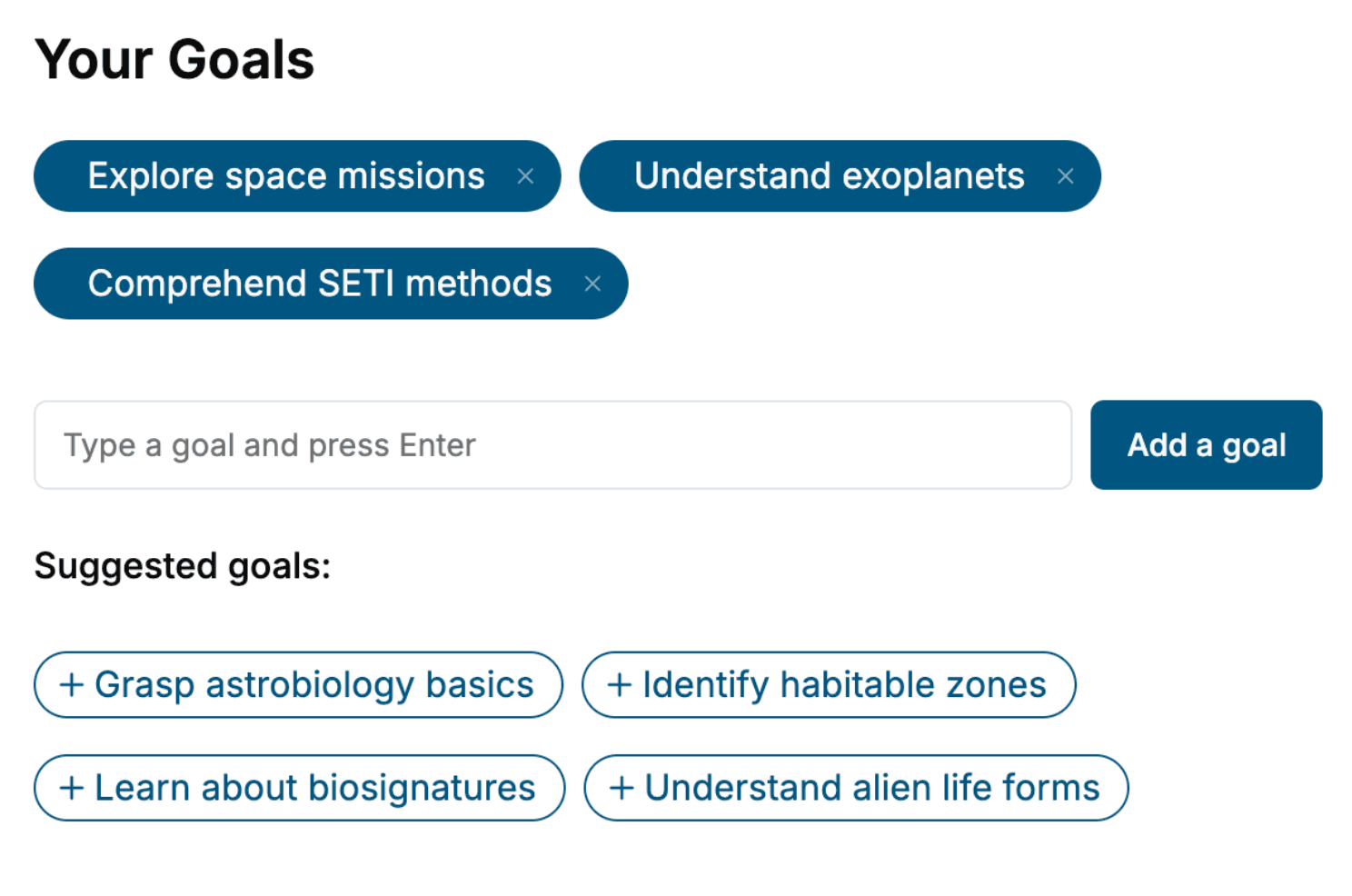
Tell us your goals and background, and get your own version of this book, tailored by AI to you.


Benefits of AI-tailored books
- Read one book, not ten:
- all the Civil Engineering knowledge you need, gathered into a single book.
- Save days of learning:
- tell us your goals, choose your topics, and the whole book is built around them.
- Learn effortlessly:
- Civil Engineering book written for your specific background and expertise.
- Understand at a glance:
- includes charts, tables, timelines, checklists, decision trees, and more.
- Stay current:
- written the day you order it, not years ago.
- Trust what you read:
- every book is checked for accuracy, with real research when your subject needs it.
Create your unique book in 3 steps
- 1. Select your focus
Select the focus of your Civil Engineering book and share your background
- 2. Personalize your book
Specify your goals and choose sub-topics to include
- 3. Get your tailored book
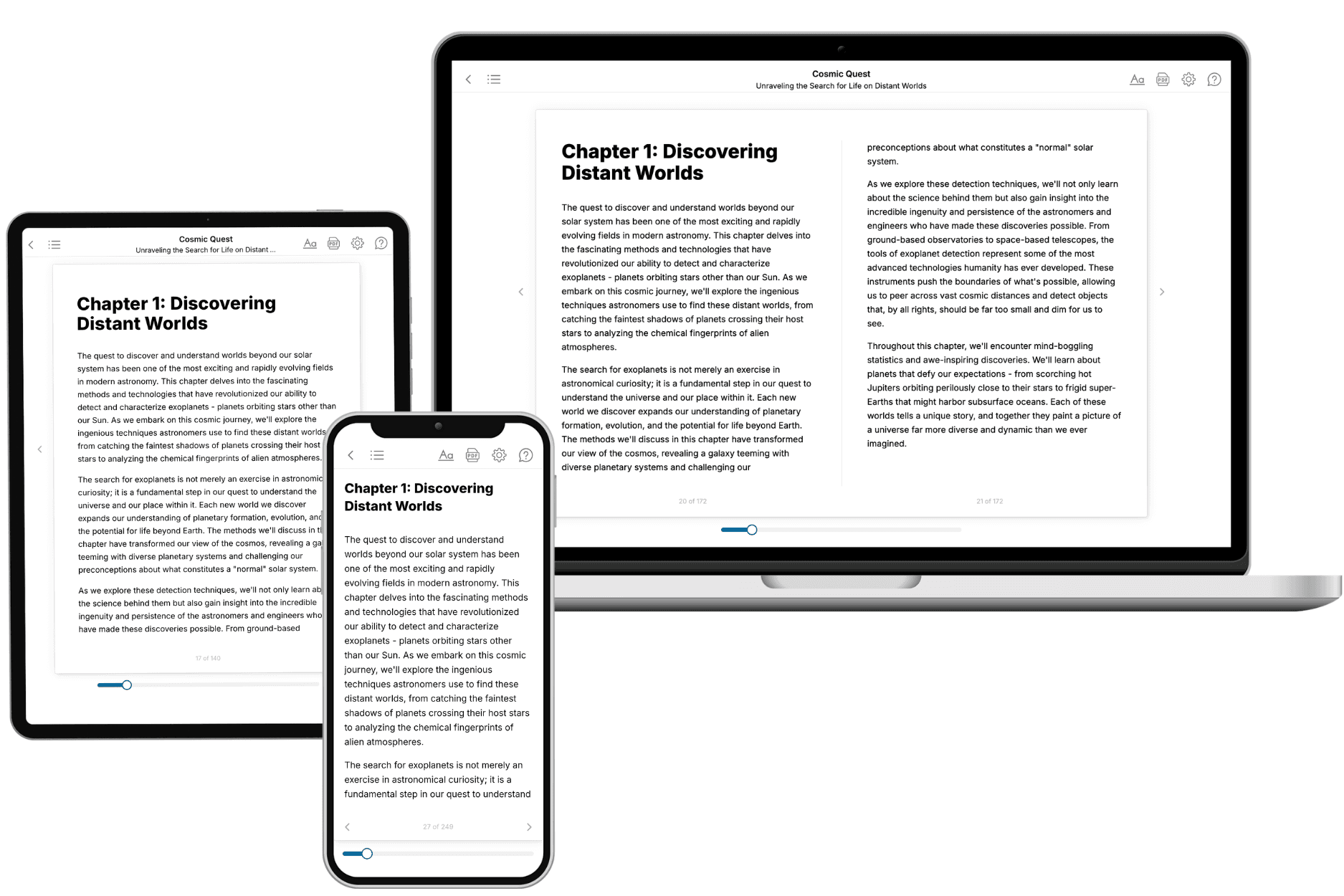
Your book is ready in 10 minutes. Read it online, download as EPUB or PDF, or send to Kindle.

Frequently asked questions
- What is TailoredRead?
TailoredRead creates complete, full-length nonfiction ebooks, written specifically for you. Tell us what you want to learn and why, and TailoredRead writes you a complete ebook on it, with charts, tables, and diagrams throughout. Read it online, on Kindle, or on any e-reader, or download it as a PDF or EPUB. Every book is written fresh the day you order it.
- How is the book tailored to me?
Before anything is written, you answer a few short questions about your goals, your background, and the topics you care about. Your book is then planned around your answers: written at your level, focused on your goals, and covering the topics you chose, instead of the one-size-fits-all book a store sells everyone.
- Will it read like generic AI content?
No. Your book isn't a chat transcript: it's planned chapter by chapter before a single word is written, told in a clear book voice, and explains ideas visually with charts, tables, and diagrams. After writing, every book goes through an editorial pass that polishes chapters so the book reads consistent from start to finish. Judge for yourself: browse thousands of sample books on our Explore Books page.
- How accurate is the content?
Our AI first checks whether your subject needs live research. Niche and fast-moving subjects are researched before writing, and the book plan and chapters are grounded in what it finds. After writing, every book goes through a quality pass that checks its facts and consistency, and researched books list their sources in a Notes section at the back.
- How long is the book?
You choose the length: Comprehensive (250-300 pages), Detailed (150-200 pages), Essential (70-100 pages), or Short (30-50 pages).
- Does the book include visuals?
Yes. Every book includes visual elements such as timelines, checklists, step-by-step guides, decision trees, comparison tables, and matrices, and many include bar charts. A typical book includes dozens of these visual elements.
- Can I read it on Kindle? What formats can I download?
Yes. Every book can be read in our online reader or downloaded as a PDF or EPUB. The EPUB can be opened with Kindle, Apple Books, Kobo, and any e-reader. The Commercial and Author licenses also include an editable Word (DOCX) and Markdown download.
- How much does it cost?
About the price of a regular ebook. The exact price depends on your book's length and complexity, from $2 for the shortest books to $35 for the most comprehensive, and it's shown when you review your book, before you commit to anything. Each book is a one-time purchase, yours to keep, no subscription. Licenses that let you share, teach, or publish your book range from $35.99 to $49.99.
- Can I preview the book before purchasing?
Before you pay, you'll see what your book will cover: the title, a detailed description, the estimated length, and the complete chapter-by-chapter table of contents, so you know what you're getting before you decide. The full text itself is written after you purchase.
- How long does it take to create a book?
About 10 minutes. You can start reading the opening chapters while the rest is still being written.