ISTP Personality Type Explained
Traits, cognitive functions and growth paths for the Virtuoso
Dive into the fascinating world of the ISTP personality type with "The ISTP Enigma: Unraveling the Complexities of the Virtuoso Personality." This insightful exploration takes you on a journey through the unique traits, cognitive functions, and behavioral patterns that define the ISTP individual.
269 pages13 chaptersDec 5, 2024Psychology
About this book
Discover how ISTPs navigate the world with their distinctive blend of logic, creativity, and hands-on approach. You'll gain a deep understanding of their problem-solving abilities, their need for independence, and their uncanny talent for mastering practical skills. This book also delves into the challenges ISTPs may face in relationships, career choices, and personal growth, offering valuable insights for both ISTPs and those who interact with them. Whether you're an ISTP seeking self-discovery or someone looking to better understand the ISTPs in your life, this book provides a comprehensive guide to appreciating and harnessing the potential of this intriguing personality type. Unlock the secrets of the ISTP mind and learn how to leverage their unique strengths in various aspects of life.
Table of contents
- IntroductionUnderstanding the ISTP Personality Type, The Myers-Briggs Type Indicator: A Brief Overview, How to Use This BookRead below
- Chapter 1: The ISTP at a GlanceKey Traits and Characteristics, ISTP Strengths and Talents, Common Challenges for ISTPs, Dispelling Myths and Misconceptions
- Chapter 2: ISTP Cognitive FunctionsDominant Function: Introverted Thinking (Ti), Auxiliary Function: Extraverted Sensing (Se), Tertiary Function: Introverted Intuition (Ni), Inferior Function: Extraverted Feeling (Fe), How These Functions Work Together
- Chapter 3: The ISTP ChildRecognizing ISTP Traits in Children, ISTP Learning Styles and Educational Needs, Common Challenges for ISTP Children, Nurturing the ISTP Child's Potential
- Chapter 4: ISTPs in RelationshipsISTP Approach to Romantic Relationships, ISTP Friendships and Social Dynamics, ISTPs in Family Relationships, ISTP Communication Style, Conflict Resolution for ISTPs
- Chapter 5: ISTP Career Paths and Work EnvironmentIdeal Career Paths for ISTPs, Optimal Work Environments, ISTP Leadership Style, Overcoming Career Challenges, ISTPs and Entrepreneurship
- Chapter 6: The ISTP Approach to Problem-SolvingLogical Analysis and Reasoning, The ISTP's Hands-On Approach, Excellence in Crisis Management, Finding Creative and Practical Solutions
- Chapter 7: Stress and the ISTPCommon Stress Triggers for ISTPs, Typical ISTP Responses to Stress, Effective Stress Management Techniques, Preventing and Overcoming Burnout
- Chapter 8: Personal Growth and Development for ISTPsDeveloping Emotional Intelligence, Improving Long-Term Planning Skills, Enhancing Social Skills and Empathy, The Importance of Self-Reflection, Finding Balance Between Adventure and Stability
- Chapter 9: ISTP Hobbies and InterestsPhysical and Outdoor Activities, Mechanical and Technical Pursuits, Artistic and Creative Outlets, Extreme Sports and Adventure
- Chapter 10: ISTP Creativity and InnovationThe ISTP's Practical Approach to Creativity, Innovation Through Problem-Solving, Hands-On Creation and Craftsmanship, ISTPs in Technology and Innovation
- Chapter 11: ISTP Values and EthicsCore Values of the ISTP Personality, Ethical Decision-Making Process, The Importance of Personal Integrity, ISTP Approach to Social Responsibility
- Chapter 12: Effective Communication for ISTPsImproving Verbal Communication Skills, Understanding and Using Nonverbal Cues, Enhancing Written Expression, Developing Active Listening Skills, Balancing Assertiveness and Tact
- Chapter 13: ISTPs and Other Personality TypesISTPs and Other Introverted Types, ISTPs and Extraverted Types, ISTPs and Other Sensing Types, ISTPs and Intuitive Types, Identifying Complementary Personality Types
- ConclusionEmbracing Your ISTP Nature, The Path of Continuous Growth and Self-Discovery
- Glossary
- Further Reading
Introduction
Welcome to "The ISTP Enigma: Unraveling the Complexities of the Virtuoso Personality." This book is your comprehensive guide to understanding one of the most intriguing and dynamic personality types in the Myers-Briggs Type Indicator (MBTI) system: the ISTP, often referred to as "The Virtuoso" or "The Craftsman." Whether you are an ISTP yourself, seeking to understand your own personality better, or someone who interacts with ISTPs in your personal or professional life, this book will provide you with valuable insights into the inner workings of this fascinating personality type.
Throughout this book, you will explore the unique traits, cognitive functions, and behavioral patterns that define the ISTP individual. You'll gain a deep understanding of their problem-solving abilities, their need for independence, and their uncanny talent for mastering practical skills. We'll delve into the challenges ISTPs may face in relationships, career choices, and personal growth, offering valuable insights and strategies for overcoming these obstacles.
The ISTP personality type is known for its logical thinking, adaptability, and hands-on approach to problem-solving. These individuals are often described as quiet observers with an intense ability to focus on the task at hand. They possess a unique combination of creativity and practicality, allowing them to come up with innovative solutions to real-world problems. As you journey through this book, you'll discover how these traits manifest in various aspects of an ISTP's life, from childhood through adulthood, in personal relationships, and in professional settings.
One of the key aspects of the ISTP personality that we'll explore in depth is their cognitive function stack. This includes their dominant function of Introverted Thinking (Ti), which gives them their logical and analytical nature, and their auxiliary function of Extraverted Sensing (Se), which contributes to their acute awareness of their physical environment and their ability to respond quickly to changing situations. Understanding these cognitive functions and how they interact will provide you with a framework for comprehending the ISTP's decision-making processes and behavioral tendencies.
Throughout this book, we'll also address some of the common challenges that ISTPs face. These may include difficulties in long-term planning, struggles with emotional expression, and potential conflicts in structured environments. By understanding these challenges, you'll be better equipped to navigate them, whether you're an ISTP yourself or someone who interacts with ISTPs regularly.
As we progress through the chapters, you'll find that this book is not just about understanding ISTPs, but also about appreciating their unique strengths and learning how to harness their potential. We'll explore how ISTPs can thrive in various career paths, excel in crisis situations, and contribute their innovative problem-solving skills in different areas of life. You'll also discover strategies for personal growth and development that are tailored specifically to the ISTP personality type.
Understanding the ISTP Personality Type
The ISTP personality type is one of the sixteen personality types identified by the Myers-Briggs Type Indicator (MBTI). The acronym ISTP stands for Introverted, Sensing, Thinking, and Perceiving. Each of these letters represents a key aspect of the ISTP personality and contributes to their unique way of perceiving and interacting with the world around them. Let's break down each component to gain a deeper understanding of what it means to be an ISTP.
Introverted (I): The 'I' in ISTP indicates that these individuals are primarily introverted. This doesn't mean they're shy or antisocial, but rather that they derive their energy from internal sources and often need time alone to recharge. ISTPs are typically quiet observers, preferring to take in information and process it internally before responding. They may appear reserved at first, but those who know them well often discover a playful and adventurous side beneath their calm exterior. This introversion also contributes to their ability to focus intensely on tasks that interest them, often losing track of time when engrossed in a project or activity[1].
Sensing (S): The 'S' represents the ISTP's preference for concrete, tangible information over abstract concepts. ISTPs are highly attuned to their physical environment and excel at gathering and processing sensory data. They have a natural ability to notice details that others might miss and are often described as having keen observational skills. This sensing preference also contributes to their practical nature and their tendency to focus on the present moment rather than dwelling on past experiences or future possibilities. ISTPs are typically more interested in what is happening now and how they can interact with their immediate surroundings.
Thinking (T): The 'T' in ISTP indicates a preference for logical, objective decision-making. ISTPs tend to approach problems and situations with a cool, rational mindset, prioritizing facts and data over emotions or personal values. This doesn't mean they lack emotions, but rather that they prefer to set feelings aside when making decisions or solving problems. Their thinking preference is introverted (Ti), which means they have a rich inner world of analysis and logic. They often enjoy taking things apart (both literally and figuratively) to understand how they work, and they have a knack for identifying inconsistencies or flaws in systems and arguments.
Perceiving (P): The final letter, 'P', indicates that ISTPs prefer a flexible, adaptable approach to life. They tend to keep their options open and resist rigid structures or detailed long-term plans. This contributes to their spontaneous nature and their ability to think on their feet. ISTPs are often comfortable with ambiguity and can easily adapt to changing circumstances. They prefer to gather information and keep their options open rather than rushing to judgments or decisions. This flexibility, combined with their keen observational skills, makes ISTPs excellent problem-solvers, particularly in crisis situations where quick thinking and adaptability are crucial.
Together, these four preferences create a personality type that is known for its practical intelligence, adaptability, and hands-on approach to life. ISTPs are often described as "doers" rather than "planners." They have a natural affinity for understanding how things work and are typically skilled at manipulating their physical environment. This could manifest in various ways, from mechanical aptitude and craftsmanship to athletic prowess or tactical skills in emergency situations.
One of the defining characteristics of ISTPs is their love for action and their ability to remain calm under pressure. They often excel in high-stress situations where their ability to think clearly and act decisively is invaluable. This trait, combined with their natural curiosity and problem-solving skills, makes them well-suited for careers in fields such as emergency services, military, engineering, or any profession that requires quick thinking and practical solutions[2].
However, like all personality types, ISTPs also face unique challenges. Their preference for the present moment and dislike of long-term planning can sometimes lead to difficulties in areas that require extensive preparation or commitment. They may struggle with tasks that involve abstract theories or concepts that don't have immediate practical applications. Additionally, their logical approach to decision-making can sometimes come across as insensitive to others, particularly in emotional situations.
Understanding these core aspects of the ISTP personality type provides a foundation for the deeper exploration we'll undertake in the following chapters. As we delve into various aspects of ISTP life - from childhood development to career choices, from relationships to personal growth - we'll continually refer back to these fundamental traits and how they shape the ISTP experience. By the end of this book, you'll have a comprehensive understanding of what it means to be an ISTP, the unique strengths and challenges associated with this personality type, and how to harness the full potential of the ISTP's practical, adaptable, and innovative nature.
The Myers-Briggs Type Indicator: A Brief Overview
Before we delve deeper into the specifics of the ISTP personality type, it's essential to understand the framework from which this classification arises: the Myers-Briggs Type Indicator (MBTI). The MBTI is one of the most widely used personality assessment tools in the world, utilized in various settings from career counseling to team building in corporate environments. To fully appreciate the nuances of the ISTP type, it's crucial to have a basic understanding of the MBTI system and its origins.
The Myers-Briggs Type Indicator was developed by Katharine Cook Briggs and her daughter, Isabel Briggs Myers, based on the psychological theories of Carl Jung. Jung, a Swiss psychiatrist and psychoanalyst, proposed that human behavior, which might seem random and unpredictable, actually follows patterns. He suggested that these patterns stem from differences in the way people prefer to use their minds, particularly in how they perceive information and make decisions[3]. Briggs and Myers took Jung's theories and developed them into a practical system that could be used to understand and categorize personality types.
The MBTI is based on four dichotomies, or pairs of opposing preferences. These dichotomies represent different ways in which people naturally prefer to focus their energy, take in information, make decisions, and orient themselves to the external world. The four dichotomies are:
- Extraversion (E) vs. Introversion (I): This dichotomy focuses on where individuals prefer to direct their energy. Extraverts are energized by the outer world of people and things, while Introverts draw energy from their inner world of thoughts and ideas.
- Sensing (S) vs. Intuition (N): This pair relates to how people prefer to take in information. Sensing types focus on concrete, tangible data and details, while Intuitive types prefer to focus on patterns, possibilities, and the big picture.
- Thinking (T) vs. Feeling (F): This dichotomy concerns how people prefer to make decisions. Thinking types tend to make decisions based on logic and objective analysis, while Feeling types prioritize personal and social values in their decision-making process.
- Judging (J) vs. Perceiving (P): This final pair relates to how people prefer to organize their lives. Judging types prefer structure, planning, and closure, while Perceiving types prefer flexibility, spontaneity, and keeping options open.
Each individual is thought to have a natural preference in each of these four dichotomies. The combination of these preferences results in one of sixteen possible personality types, each denoted by a four-letter code. For example, ISTP stands for Introverted, Sensing, Thinking, Perceiving. It's important to note that everyone uses all eight preferences to some degree, but the four-letter type indicates which preferences are typically dominant or most natural for an individual.
The MBTI is not meant to be a definitive categorization of personality or a predictor of success in any area of life. Instead, it's a tool for self-understanding and personal growth. By understanding their preferences, individuals can gain insights into their strengths, potential areas for development, and how they might differ from others in their approach to various situations. This understanding can be particularly valuable in improving communication, enhancing relationships, and making more informed decisions about career paths and personal development.
It's also crucial to understand that the MBTI is not about putting people into boxes or limiting their potential. All types are considered equal, each with its own set of strengths and challenges. Moreover, type is not destiny - individuals can and do develop skills and behaviors outside their natural preferences. The MBTI simply suggests that certain ways of thinking and behaving may come more naturally to some types than others.
In the context of understanding ISTPs, the MBTI framework provides a valuable lens through which to examine their typical preferences and behaviors. For instance, the ISTP's preference for Introversion (I) suggests they may need time alone to recharge, while their Sensing (S) preference indicates a focus on concrete facts and details. Their Thinking (T) preference points to a logical, objective approach to decision-making, and their Perceiving (P) preference suggests a flexible, adaptable approach to life.
However, it's important to remember that while the MBTI provides a useful framework, individual ISTPs will vary in how strongly they exhibit these preferences. Factors such as upbringing, culture, personal experiences, and individual development can all influence how an ISTP's personality manifests. Throughout this book, we'll explore not just the typical ISTP traits as defined by the MBTI, but also the variations and nuances that make each ISTP a unique individual.
As we proceed through the following chapters, we'll continually refer back to these MBTI concepts, particularly the cognitive functions that underlie the ISTP type. Understanding these functions - Introverted Thinking (Ti), Extraverted Sensing (Se), Introverted Intuition (Ni), and Extraverted Feeling (Fe) - will provide deeper insights into how ISTPs process information, make decisions, and interact with the world around them.
By grounding our exploration of the ISTP personality in the context of the MBTI system, we can gain a more comprehensive and nuanced understanding of this fascinating personality type. This understanding will serve as a foundation as we delve into various aspects of ISTP life, from childhood development to career choices, from relationships to personal growth strategies. Whether you're an ISTP yourself or someone seeking to understand ISTPs better, this framework will provide valuable insights into the unique strengths, challenges, and potential of the ISTP personality type.
How to Use This Book
"The ISTP Enigma: Unraveling the Complexities of the Virtuoso Personality" is designed to be a comprehensive resource for understanding the ISTP personality type. Whether you're an ISTP yourself, someone who works or lives with ISTPs, or simply someone interested in personality psychology, this book offers valuable insights and practical advice. To get the most out of this book, it's helpful to understand its structure and how you can best utilize the information presented.
The book is organized into several key sections, each focusing on a different aspect of the ISTP personality. We begin with an overview of the ISTP type, exploring their core traits, strengths, and challenges. From there, we delve into more specific areas such as cognitive functions, relationships, career paths, and personal growth. Each chapter builds on the previous ones, providing a progressively deeper understanding of the ISTP personality.
As you read through the book, you'll find that each chapter is designed to be both informative and practical. We don't just describe ISTP traits and behaviors; we also explore the reasons behind them and provide actionable advice for leveraging strengths and addressing challenges. Throughout the book, you'll find several features designed to enhance your understanding and application of the material:
- Case Studies: Real-life examples of ISTPs in various situations, helping to illustrate key points and show how ISTP traits manifest in everyday life.
- Practical Tips: Actionable advice for ISTPs and those interacting with them, offering strategies for personal growth, improved communication, and better relationships.
- Self-Reflection Questions: Prompts to help you relate the information to your own experiences and gain deeper insights into yourself or the ISTPs in your life.
- Expert Insights: Quotes and perspectives from psychologists, researchers, and other experts in personality theory, providing additional depth and context to the discussion.
- Comparative Analysis: Sections comparing ISTPs to other personality types, helping to highlight the unique aspects of the ISTP personality.
To get the most out of this book, consider the following approaches:
1. Sequential Reading: If you're new to the MBTI or have limited knowledge about the ISTP type, it's recommended to read the book from start to finish. Each chapter builds on the previous ones, providing a comprehensive understanding of the ISTP personality.
2. Targeted Exploration: If you're already familiar with MBTI basics and are looking for information on specific aspects of the ISTP personality, feel free to jump to the chapters that interest you most. The table of contents and chapter summaries will help you navigate to the most relevant sections.
3. Interactive Engagement: Don't just passively read the information. Engage with the self-reflection questions, try out the practical tips, and consider how the case studies relate to your own experiences. The more you actively engage with the material, the more insights you'll gain.
4. Application and Observation: As you learn about ISTP traits and behaviors, try to observe them in yourself (if you're an ISTP) or in the ISTPs you know. Look for opportunities to apply the strategies and tips provided in real-life situations.
5. Reference and Review: Keep this book as a reference. You may find it helpful to revisit certain chapters as you encounter new situations or challenges related to ISTP personality traits.
Remember, while this book provides a wealth of information about the ISTP personality type, it's important to approach this knowledge with flexibility. Every individual is unique, and while the ISTP framework can provide valuable insights, it shouldn't be seen as a rigid categorization. Use the information in this book as a guide to better understanding and appreciation, not as a set of inflexible rules.
For ISTPs reading this book, you may find some sections particularly enlightening in terms of self-understanding. You might recognize patterns in your behavior that you hadn't previously considered, or gain insights into why you approach certain situations the way you do. Use this knowledge for personal growth, but remember that your personality type doesn't define or limit you - it's simply a tool for understanding your natural preferences and tendencies.
For those who aren't ISTPs but are seeking to understand this personality type better, this book can serve as a valuable guide to improving your interactions and relationships with the ISTPs in your life. Whether you're a parent, partner, friend, or colleague of an ISTP, the insights provided here can help you appreciate their unique perspective and find more effective ways to communicate and collaborate.
Lastly, it's worth noting that while this book focuses on the ISTP personality type, many of the insights and strategies discussed can be valuable for personal growth regardless of your personality type. The underlying principles of self-awareness, effective communication, and leveraging personal strengths are universally applicable.
As you embark on this exploration of the ISTP personality type, approach the journey with an open mind and a willingness to challenge your preconceptions. Whether you're seeking self-understanding or looking to improve your relationships with others, "The ISTP Enigma" offers a wealth of insights and practical strategies. By actively engaging with the material and applying what you learn, you can gain a deeper appreciation for the unique strengths and perspectives of the ISTP personality type.
Notes
Introduction
- 1. Isabel Briggs Myers and Peter B. Myers, Gifts Differing, Davies-Black Publishing, 1995
- 2. Otto Kroeger and Janet M. Thuesen, Type Talk at Work: How the 16 Personality Types Determine Your Success on the Job, Dell, 2002
- 3. C. G. Jung, Psychological Types (Collected Works of C.G. Jung, Volume 6), Princeton University Press, 1971
This is the end of the free sample. The full book has 13 chapters.
Want this book written for you?
Tell us your goals and background, and get your own version of this book, tailored by AI to you.


Benefits of AI-tailored books
- Read one book, not ten:
- all the Psychology knowledge you need, gathered into a single book.
- Save days of learning:
- tell us your goals, choose your topics, and the whole book is built around them.
- Learn effortlessly:
- Psychology book written for your specific background and expertise.
- Understand at a glance:
- includes charts, tables, timelines, checklists, decision trees, and more.
- Stay current:
- written the day you order it, not years ago.
- Trust what you read:
- every book is checked for accuracy, with real research when your subject needs it.
Create your unique book in 3 steps
- 1. Select your focus
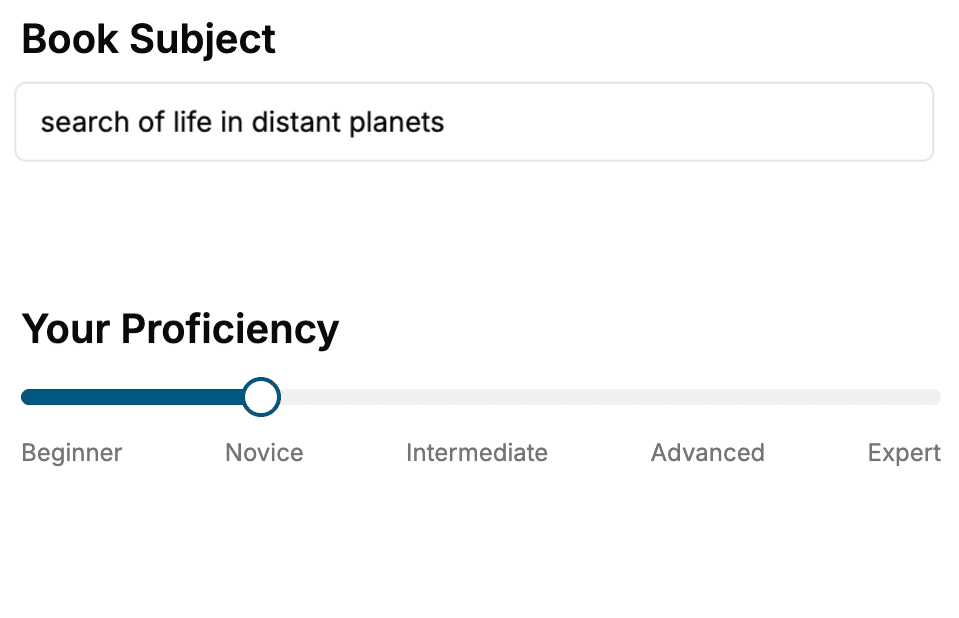
Select the focus of your Psychology book and share your background
- 2. Personalize your book
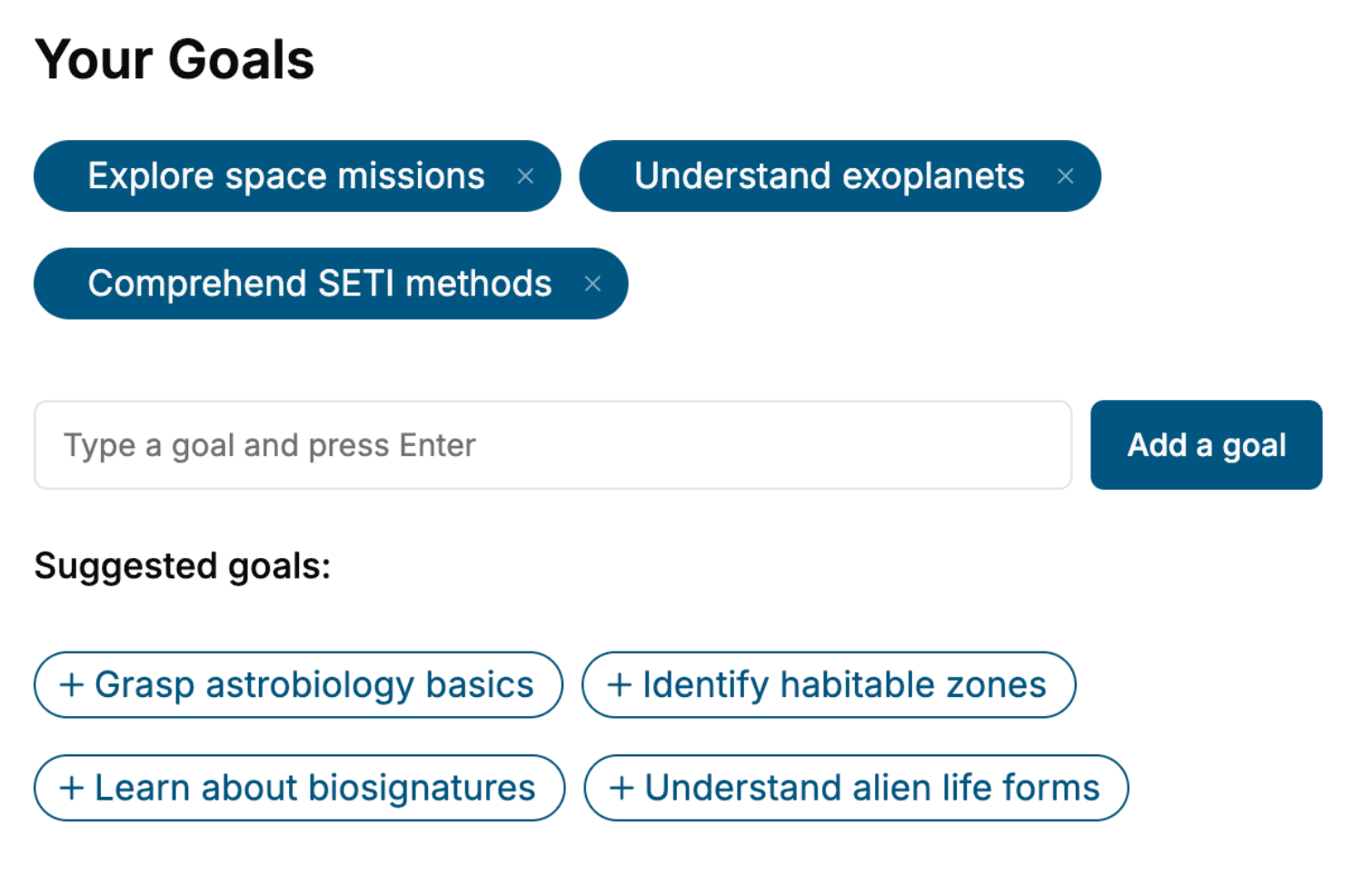
Specify your goals and choose sub-topics to include
- 3. Get your tailored book
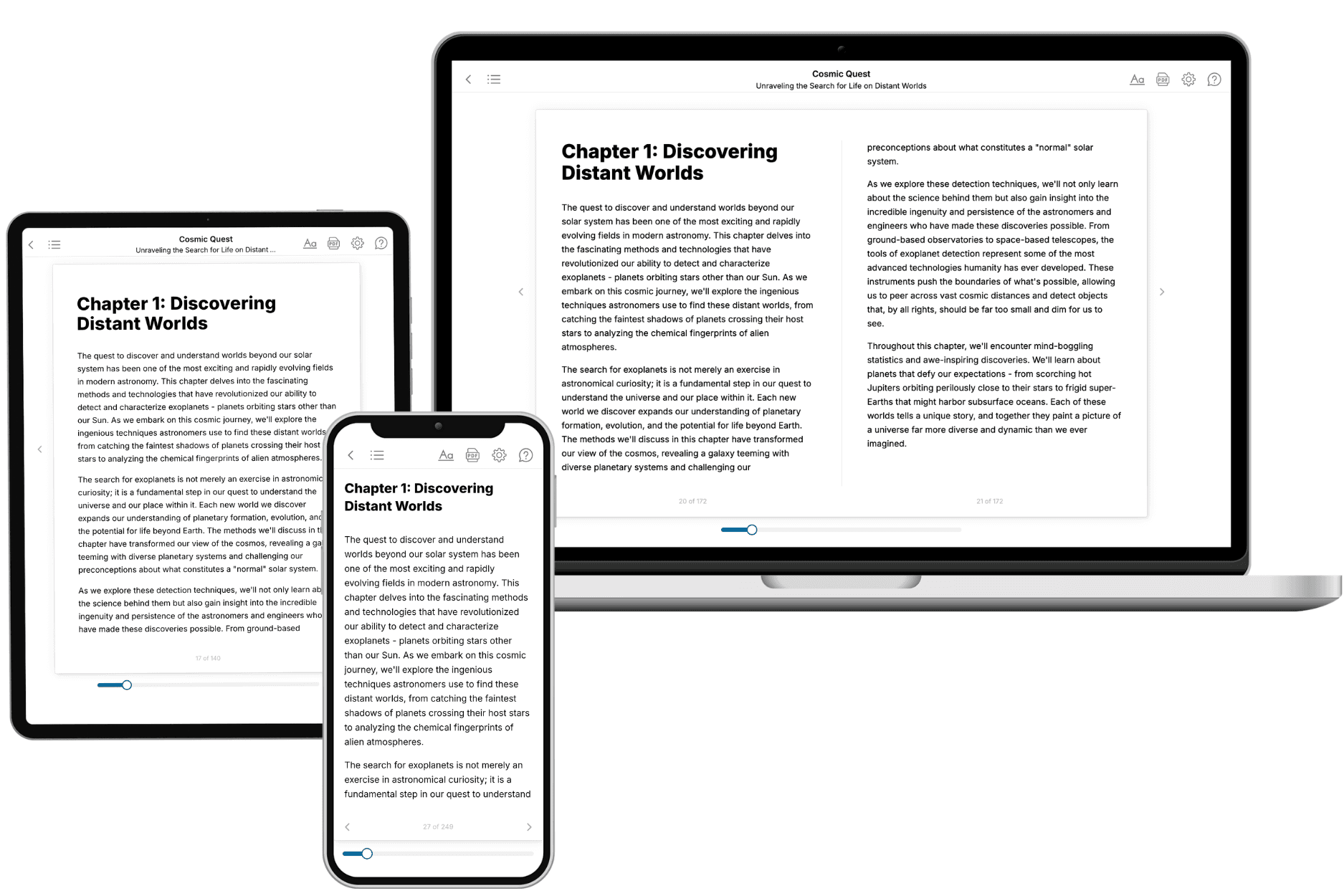
Your book is ready in 10 minutes. Read it online, download as EPUB or PDF, or send to Kindle.
Frequently asked questions
- What is TailoredRead?
TailoredRead creates complete, full-length nonfiction ebooks, written specifically for you. Tell us what you want to learn and why, and TailoredRead writes you a complete ebook on it, with charts, tables, and diagrams throughout. Read it online, on Kindle, or on any e-reader, or download it as a PDF or EPUB. Every book is written fresh the day you order it.
- How is the book tailored to me?
Before anything is written, you answer a few short questions about your goals, your background, and the topics you care about. Your book is then planned around your answers: written at your level, focused on your goals, and covering the topics you chose, instead of the one-size-fits-all book a store sells everyone.
- Will it read like generic AI content?
No. Your book isn't a chat transcript: it's planned chapter by chapter before a single word is written, told in a clear book voice, and explains ideas visually with charts, tables, and diagrams. After writing, every book goes through an editorial pass that polishes chapters so the book reads consistent from start to finish. Judge for yourself: browse thousands of sample books on our Explore Books page.
- How accurate is the content?
Our AI first checks whether your subject needs live research. Niche and fast-moving subjects are researched before writing, and the book plan and chapters are grounded in what it finds. After writing, every book goes through a quality pass that checks its facts and consistency, and researched books list their sources in a Notes section at the back.
- How long is the book?
You choose the length: Comprehensive (250-300 pages), Detailed (150-200 pages), Essential (70-100 pages), or Short (30-50 pages).
- Does the book include visuals?
Yes. Every book includes visual elements such as timelines, checklists, step-by-step guides, decision trees, comparison tables, and matrices, and many include bar charts. A typical book includes dozens of these visual elements.
- Can I read it on Kindle? What formats can I download?
Yes. Every book can be read in our online reader or downloaded as a PDF or EPUB. The EPUB can be opened with Kindle, Apple Books, Kobo, and any e-reader. The Commercial and Author licenses also include an editable Word (DOCX) and Markdown download.
- How much does it cost?
About the price of a regular ebook. The exact price depends on your book's length and complexity, from $2 for the shortest books to $35 for the most comprehensive, and it's shown when you review your book, before you commit to anything. Each book is a one-time purchase, yours to keep, no subscription. Licenses that let you share, teach, or publish your book range from $35.99 to $49.99.
- Can I preview the book before purchasing?
Before you pay, you'll see what your book will cover: the title, a detailed description, the estimated length, and the complete chapter-by-chapter table of contents, so you know what you're getting before you decide. The full text itself is written after you purchase.
- How long does it take to create a book?
About 10 minutes. You can start reading the opening chapters while the rest is still being written.