Java by Rail
Your Ultimate Guide to Exploring Indonesia's Cultural Heartland
Are you ready to discover the hidden gems of Java from the comfort of a train carriage?
160 pages6 chaptersDec 29, 2024Travel Guide
About this book
"Java by Rail: Your Ultimate Guide to Exploring Indonesia's Cultural Heartland" is your ticket to an unforgettable journey through one of Southeast Asia's most captivating islands. This comprehensive guide takes you on a virtual tour from the eastern tip of Banyuwangi to the cultural capitals of Yogyakarta and Solo, and back again. You'll find everything you need to plan your perfect rail adventure, from detailed train routes and timetables to insider tips on the most scenic stops along the way. Discover the differences between train classes and learn how to choose the one that best suits your travel style and budget. Uncover the secrets of Java's most picturesque railway views and find out where to stay near key stations for the ultimate convenience. Whether you're a first-time visitor to Indonesia or a seasoned traveler looking to explore Java in a new way, this guide equips you with the knowledge to navigate local transport options with ease. Immerse yourself in the island's rich culture, stunning landscapes, and warm hospitality as you glide along Java's iron veins. Get ready to embark on a rail journey that will leave you with memories to last a lifetime.
Table of contents
- IntroductionWhy Travel Java by Train?, How to Use This Book, A Brief Overview of JavaRead below
- Chapter 1: Understanding Java's Rail NetworkOverview of Java's Train Routes, Train Classes and Services, How to Book Tickets, A Brief History of Java's Railways
- Chapter 2: The Eastern Route: Banyuwangi to YogyakartaStarting Your Journey in Banyuwangi, Highlights of East Java by Rail, Transitioning to Central Java, Arriving in Yogyakarta: What to Expect
- Chapter 3: Cultural Capitals: Yogyakarta to SoloExploring Yogyakarta by Local Transport, The Yogyakarta to Solo Train Journey, Solo's Must-See Attractions
- Chapter 4: The Return Journey: Solo to BanyuwangiAlternative Routes and Stops, The Night Train Experience, The Final Leg to Banyuwangi
- Chapter 5: Scenic Railway Views of JavaEast Java's Volcanic Vistas, Central Java's Rice Paddy Landscapes, Coastal Views Along the Southern Route, Photography Tips for Train Travel
- Chapter 6: Practical Tips for Java Train TravelPacking Essentials for Train Journeys, Food and Drinks on Java Trains, Cultural Etiquette on Java Trains, Safety Tips for Rail Travel in Java
- Conclusion
- Appendix
- Glossary of Train Travel Terms
Introduction
Welcome to an extraordinary journey through the heart of Indonesia's most populous and culturally rich island - Java. As you embark on this rail adventure, you're about to discover a unique way of exploring this diverse and captivating land. Java's extensive railway network offers not just a means of transportation, but a window into the soul of the island, its people, and its ever-changing landscapes. This introduction will set the stage for your upcoming adventure, providing you with the essential context and practical information you'll need to make the most of your Java rail experience.
Java, often referred to as the cultural and economic powerhouse of Indonesia, is a land of contrasts. From bustling modern cities to tranquil rural villages, from mist-shrouded volcanoes to sun-drenched beaches, the island presents a tapestry of experiences that can be best appreciated through the unique perspective offered by train travel. As you journey from Banyuwangi in the east to the cultural capitals of Yogyakarta and Solo in central Java, you'll witness the island's diversity unfold before your eyes, all from the comfort of your train carriage.
This book is designed to be your comprehensive companion for exploring Java by rail. It will guide you through the intricacies of the island's railway system, help you plan your itinerary, and provide insights into the cultural and natural wonders you'll encounter along the way. Whether you're a seasoned traveler or embarking on your first Indonesian adventure, this guide will equip you with the knowledge and confidence to navigate Java's iron veins with ease and enthusiasm.
In the following chapters, you'll find detailed information on train routes, classes, and booking procedures. You'll learn about the most scenic stretches of railway and discover how to capture the perfect photograph from your train window. We'll explore the cultural etiquette of train travel in Java and provide practical tips to ensure your journey is comfortable and enriching. Most importantly, this guide will help you connect with the heart of Java - its people, its traditions, and its breathtaking landscapes - in a way that only train travel can offer.
So, fasten your seatbelt (metaphorically speaking, as most Java trains don't have them), and prepare for an unforgettable journey through one of Southeast Asia's most fascinating destinations. Let's begin our exploration of Java by rail!
Why Travel Java by Train?
As you contemplate your journey through Java, you might wonder why train travel stands out as an exceptional choice for exploration. The answer lies in a combination of practicality, comfort, and the unparalleled opportunity for immersion in Java's landscapes and culture. Train travel in Java offers a unique vantage point from which to experience the island's diversity, providing a blend of efficiency, affordability, and authenticity that other modes of transport struggle to match.
First and foremost, Java's extensive railway network covers a significant portion of the island, connecting major cities and traversing through diverse terrains. This comprehensive coverage allows you to access a wide range of destinations with ease. From the eastern tip of Banyuwangi to the cultural heartlands of Yogyakarta and Solo, and even to the bustling capital of Jakarta, the train network serves as an efficient artery pulsing through the island. This connectivity not only saves time but also reduces the stress often associated with navigating unfamiliar roads or dealing with the complexities of domestic air travel.
One of the most compelling reasons to choose train travel in Java is the unparalleled scenic beauty you'll encounter along the way. As you glide along the tracks, you'll be treated to a constantly changing panorama of Java's diverse landscapes. Picture yourself gazing out the window at emerald rice terraces cascading down hillsides, mist-shrouded volcanoes looming in the distance, and dense tropical forests giving way to expansive coastal views. These vistas are not just fleeting glimpses; train travel allows you to absorb the scenery at a leisurely pace, providing ample opportunities for photography and quiet contemplation. The journey becomes an integral part of your travel experience, rather than just a means to reach your destination.
Moreover, train travel offers a level of comfort and spaciousness that's hard to find in other modes of transport. Unlike the cramped conditions often experienced in buses or the clinical environment of airplanes, trains provide room to move, stretch, and relax. Depending on the class of service you choose, you can enjoy comfortable seating, air conditioning, and even dining options. This comfort is particularly appreciated on longer journeys, allowing you to arrive at your destination feeling refreshed and ready to explore.
Another significant advantage of train travel in Java is its cost-effectiveness. When compared to domestic flights or private car rentals, train tickets often offer better value for money, especially for longer distances. This affordability doesn't come at the expense of experience; in fact, it enhances it by allowing you to allocate more of your budget to experiences at your destinations. Additionally, the predictable nature of train schedules and the absence of road traffic concerns make it easier to plan your itinerary with confidence.
Perhaps one of the most enriching aspects of train travel in Java is the opportunity for cultural immersion and social interaction. Trains serve as a microcosm of Javanese society, bringing together people from all walks of life. As you share your journey with locals, you'll have the chance to observe and participate in the daily rhythms of Javanese life. You might find yourself engaging in conversations with fellow passengers, sharing snacks, or simply observing the interactions around you. These authentic encounters provide insights into local culture, customs, and perspectives that are often missed when traveling in more isolated modes of transport.
Furthermore, train travel in Java aligns well with principles of sustainable tourism. Trains are generally more environmentally friendly than cars or planes, producing fewer emissions per passenger. By choosing rail travel, you're contributing to the reduction of your carbon footprint while exploring the island. This eco-friendly approach to travel is increasingly important in preserving the natural beauty and cultural heritage of destinations like Java for future generations.
The historical significance of Java's railways adds another layer of interest to your journey. The network, largely established during the Dutch colonial period, has played a crucial role in the island's development. As you travel these historic routes, you're not just moving through space but also through time, tracing the paths that have shaped Java's economy, society, and landscape for over a century. This historical context adds depth to your travel experience, connecting you with the island's past as you explore its present.
Lastly, train travel offers a unique rhythm to your journey, one that allows for both excitement and relaxation. The gentle sway of the carriage, the changing landscapes outside your window, and the intermittent stops at stations along the way create a pace that's conducive to reflection and appreciation. This rhythm encourages a mindful approach to travel, where the journey itself becomes as meaningful as the destinations you're visiting.
In choosing to explore Java by train, you're opting for a mode of travel that combines practicality with romance, efficiency with adventure. You're setting the stage for a journey that will not only take you through Java's diverse landscapes but also into the heart of its culture and history. As you'll discover in the chapters that follow, train travel in Java is more than just a way to get from point A to point B; it's an integral part of the island experience, offering a perspective and a set of experiences that no other form of transport can match. So, as you prepare to embark on your rail adventure through Java, know that you're choosing a path that promises rich rewards in terms of comfort, scenery, cultural insights, and unforgettable memories.
How to Use This Book
This comprehensive guide to exploring Java by rail has been meticulously crafted to serve as your indispensable companion throughout your journey. To ensure you extract maximum value from its pages, it's essential to understand how the book is structured and how best to utilize the wealth of information it contains. This section will walk you through the organization of the book and provide tips on how to leverage its contents effectively, whether you're in the planning stages of your trip or already on the ground in Java.
The book is organized into logical sections that follow the natural progression of planning and executing a rail journey through Java. It begins with foundational information about Java's rail network and gradually moves into more specific details about routes, destinations, and practical travel tips. This structure allows you to build your knowledge systematically, starting with the basics and progressing to more nuanced aspects of train travel in Java.
Chapter 1, "Understanding Java's Rail Network," serves as your introduction to the island's train system. Here, you'll find an overview of the major routes, explanations of different train classes and services, and guidance on how to book tickets. This chapter is crucial for laying the groundwork of your trip planning. Pay particular attention to the section on train classes, as this will significantly impact your travel experience and budget. The historical context provided in this chapter will also enrich your journey, giving you a deeper appreciation for the railways you'll be traveling on.
Chapters 2, 3, and 4 form the core of the book, detailing the journey from Banyuwangi to Yogyakarta, from Yogyakarta to Solo, and the return journey to Banyuwangi. These chapters are designed to be read sequentially if you're planning to follow the entire route, but they can also stand alone if you're only interested in specific segments. Each chapter includes detailed information about the train journey itself, as well as highlights and attractions at key stops along the way. Use these chapters to plan your itinerary, deciding where to break your journey and what to see at each stop.
Chapter 5, "Scenic Railway Views of Java," is a visual feast that complements the route-specific information in the preceding chapters. This section highlights the most picturesque stretches of the journey, providing tips on which side of the train to sit on for the best views and when to have your camera ready. Consider reading this chapter in conjunction with the route chapters to enhance your appreciation of the landscapes you'll be passing through.
The final chapter, "Practical Tips for Java Train Travel," is your go-to resource for ensuring a smooth and enjoyable journey. From packing essentials to cultural etiquette, this chapter covers a wide range of practical considerations. While it's beneficial to read this chapter in its entirety before your trip, you may also want to refer back to specific sections as needed during your journey.
Throughout the book, you'll find various features designed to enhance your understanding and enrich your travel experience. Sidebars provide quick tips, historical anecdotes, or cultural insights relevant to the main text. These can be read alongside the main content or skimmed for quick takeaways. Boxed text often highlights specific attractions, recommended accommodations, or local experiences that are worth noting in your travel plans.
Maps are interspersed throughout the book, illustrating train routes, city layouts, and points of interest. These visual aids are invaluable for orientation and planning. Take time to study these maps in conjunction with the text to get a clear picture of your journey's geography.
The book also includes several practical appendices, including a glossary of train travel terms, a list of useful phrases in Bahasa Indonesia, and a quick reference guide to train schedules. Familiarize yourself with these sections before your trip, and consider bookmarking them for easy access during your journey.
To make the most of this guide, it's recommended to read through the entire book once before your trip to get a comprehensive overview. This initial read-through will help you grasp the big picture of train travel in Java and inform your overall trip planning. As you delve into the specifics of planning your itinerary, you can then return to relevant chapters and sections for more detailed information.
During your actual journey, the book can serve as both a reference guide and a source of inspiration. Keep it handy to look up information about upcoming destinations, check practical tips, or read about the history and culture of the areas you're passing through. The book is designed to be a flexible tool, accommodating both detailed advance planning and spontaneous decision-making on the go.
Remember that while this book provides comprehensive information, it's also meant to inspire your own exploration and discovery. Use it as a foundation, but don't hesitate to deviate from suggested itineraries or seek out experiences beyond those mentioned in these pages. Java is a diverse and dynamic island, and some of your most memorable experiences may come from unplanned detours or spontaneous interactions.
Lastly, consider this book as a starting point for your engagement with Java's culture and landscapes. It provides a wealth of information, but your own observations, interactions, and reflections will be what truly bring your journey to life. As you travel, take time to absorb the sights, sounds, and flavors around you. Engage with fellow travelers and locals, ask questions, and remain open to the serendipitous moments that often define the most memorable trips.
By approaching this guide with an open mind and a spirit of adventure, you'll be well-equipped to navigate Java's rail network with confidence and curiosity. Whether you're meticulously planning each leg of your journey or allowing for spontaneity along the way, this book will serve as your trusted companion, offering insights, practical advice, and inspiration as you explore the cultural heartland of Indonesia by rail.
A Brief Overview of Java
Before embarking on your rail journey through Java, it's essential to have a foundational understanding of this remarkable island, its significance within Indonesia, and the diverse tapestry of landscapes, cultures, and histories you'll encounter along the way. Java, the world's most populous island, is a land of stark contrasts and rich traditions, where ancient customs coexist with rapid modernization, and where natural wonders provide a stunning backdrop to a complex and vibrant society.
Geographically, Java is the 13th largest island in the world, stretching approximately 1,000 kilometers from east to west and 190 kilometers from north to south at its widest point. Despite its relatively modest size compared to some of Indonesia's other islands, Java is home to more than half of the country's population, with over 140 million inhabitants. This dense population has led to a highly developed infrastructure, including the extensive rail network you'll be exploring, as well as a dynamic economy that serves as the engine of Indonesia's growth.
The island's geological history has played a crucial role in shaping both its physical landscape and its cultural development. Java is part of the Pacific Ring of Fire, a region characterized by significant volcanic and seismic activity. This geological positioning has resulted in a chain of volcanoes running along the island's spine, many of which remain active. While this volcanic activity poses certain risks, it has also blessed Java with incredibly fertile soil, supporting lush forests, productive agriculture, and breathtaking landscapes that you'll witness from your train window.
Java's climate is tropical, with two distinct seasons: a dry season from April to October and a wet season from November to March. This climatic pattern has historically dictated agricultural cycles and continues to influence daily life and travel patterns across the island. As you plan your rail journey, consider how these seasonal variations might affect your experience, particularly in terms of scenery and outdoor activities at your various stops.
Culturally, Java is a melting pot of influences, reflecting its long history of trade, colonization, and internal migration. The island has been shaped by Hindu-Buddhist kingdoms, Islamic sultanates, European colonization (primarily Dutch), and the post-independence era of modern Indonesia. This rich historical tapestry is evident in the island's architecture, arts, religions, and social customs. As you travel by rail, you'll have the opportunity to observe how these various influences manifest in different regions of Java.
The Javanese people, who form the majority of the island's population, have a distinct culture known for its refinement, complex social etiquette, and artistic traditions. However, Java is also home to other ethnic groups, including the Sundanese in West Java and the Madurese in the east. This cultural diversity is reflected in the variety of languages spoken across the island. While Bahasa Indonesia serves as the national language and lingua franca, you'll likely hear Javanese, Sundanese, and other local languages spoken in different regions.
Religiously, Java presents an interesting case study in Indonesian diversity. While Indonesia as a whole is predominantly Muslim, Java showcases a unique blend of Islamic practices with older Hindu, Buddhist, and animist traditions. This syncretic approach to religion is particularly evident in central Java, where you'll visit on your journey. The island is also home to significant Christian, Hindu, and Buddhist minorities, contributing to its religious tapestry.
Economically, Java is the powerhouse of Indonesia, contributing the lion's share of the country's GDP. The island's economy is diverse, encompassing everything from traditional agriculture to high-tech manufacturing and services. This economic diversity is reflected in the stark contrasts you'll observe between rural areas and major urban centers. Cities like Jakarta, Surabaya, and Bandung are hubs of modernity, while much of the countryside retains a more traditional way of life.
As you travel from east to west on your rail journey, you'll witness the changing face of Java. Eastern Java, where you'll begin in Banyuwangi, is characterized by its volcanic landscapes, including the famous Mount Bromo, and its blend of Javanese and Madurese cultures. As you move into Central Java, you'll enter the heartland of traditional Javanese culture, exemplified by the royal cities of Yogyakarta and Solo (Surakarta). This region is renowned for its batik crafts, traditional performing arts, and ancient temples, including the magnificent Borobudur and Prambanan complexes.
Java's natural environment is as diverse as its culture. From the savanna-like landscape of Baluran National Park in the east to the mist-shrouded volcanoes of central Java, and from the terraced rice fields that cascade down hillsides to the rugged southern coastline, the island offers a stunning variety of ecosystems. This natural diversity not only provides breathtaking views from the train but also supports a rich array of flora and fauna, including several endemic species.
The island's long history of human habitation has left an indelible mark on its landscape. Ancient temples stand as testaments to past kingdoms, colonial-era buildings in cities like Semarang and Surabaya recall the Dutch presence, and modern skyscrapers in Jakarta symbolize Indonesia's rapid development. This layering of historical periods creates a fascinating architectural palimpsest that you'll observe as you travel across the island.
Java's significance extends beyond its borders, playing a central role in shaping Indonesian national identity and politics. The island has been the seat of power for various kingdoms and governments throughout history, and today it remains the center of Indonesian political and economic life. This centrality has sometimes led to tensions with other regions of Indonesia, a complex dynamic that underlies much of the country's modern political discourse.
As you prepare for your rail journey through Java, keep in mind that you're not just traversing geographical distance, but also moving through layers of history, culture, and ecology. Each leg of your trip will reveal new facets of this complex and fascinating island. From the window of your train, you'll have a unique vantage point from which to observe Java's diverse landscapes and bustling communities. This overview serves as a foundation, but the true depth of Java's character will reveal itself to you gradually as you make your way across the island, engaging with its people, tasting its cuisine, and immersing yourself in its rhythms of life.
Your rail journey through Java is more than just a means of transportation; it's a gateway to understanding the heart of Indonesia. As you read through the subsequent chapters and embark on your adventure, let this overview serve as a context for the more detailed explorations to come. Keep an open mind, be prepared for surprises, and allow yourself to be captivated by the endless fascinations that Java has to offer. Your train journey is about to begin, and with it, an unforgettable exploration of one of the world's most intriguing islands.
This is the end of the free sample. The full book has 6 chapters.
Want this book written for you?
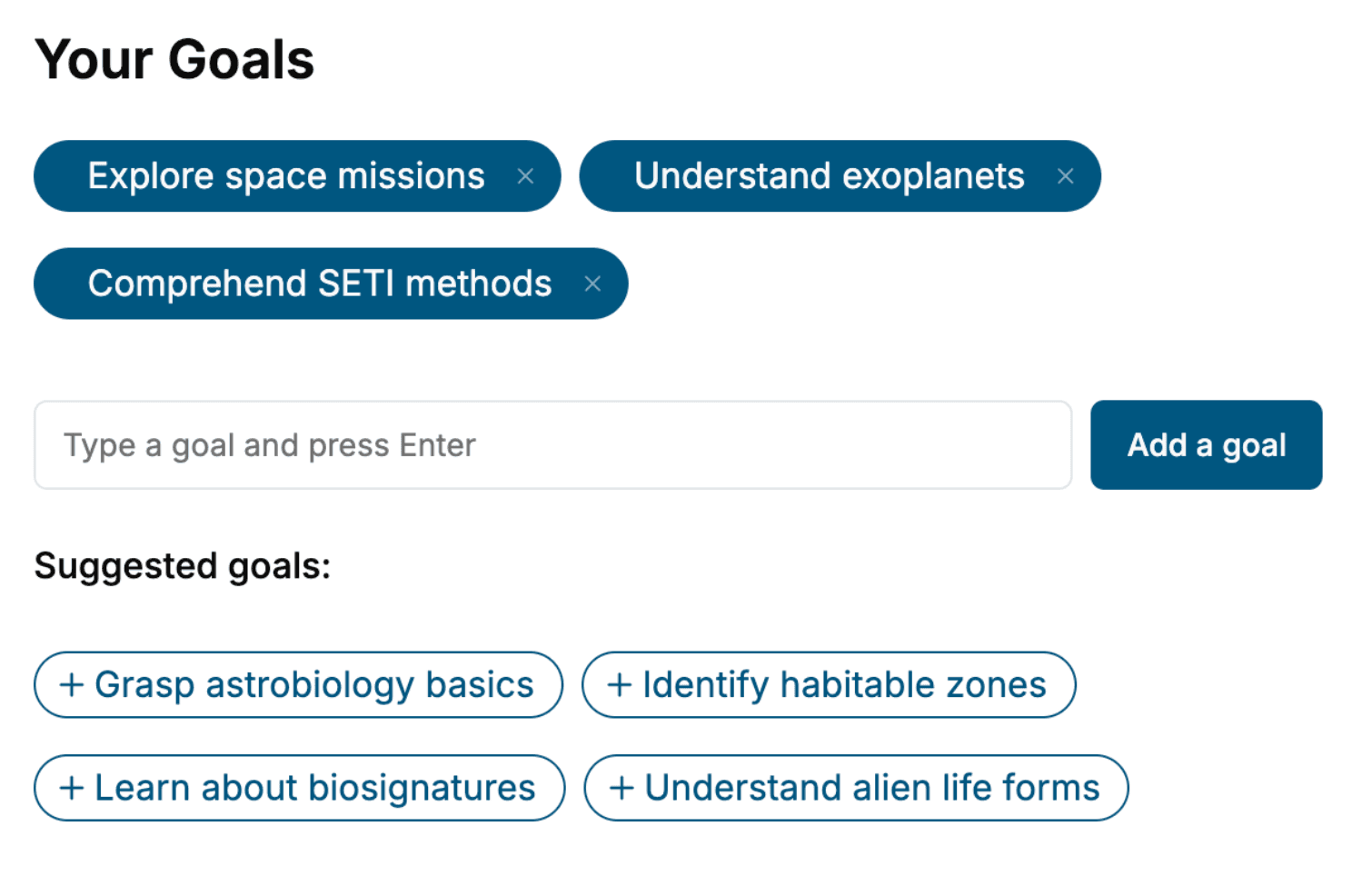
Tell us your goals and background, and get your own version of this book, tailored by AI to you.


Benefits of AI-tailored books
- Read one book, not ten:
- all the Travel Guide knowledge you need, gathered into a single book.
- Save days of learning:
- tell us your goals, choose your topics, and the whole book is built around them.
- Learn effortlessly:
- Travel Guide book written for your specific background and expertise.
- Understand at a glance:
- includes charts, tables, timelines, checklists, decision trees, and more.
- Stay current:
- written the day you order it, not years ago.
- Trust what you read:
- every book is checked for accuracy, with real research when your subject needs it.
Create your unique book in 3 steps
- 1. Select your focus
Select the focus of your Travel Guide book and share your background
- 2. Personalize your book
Specify your goals and choose sub-topics to include
- 3. Get your tailored book
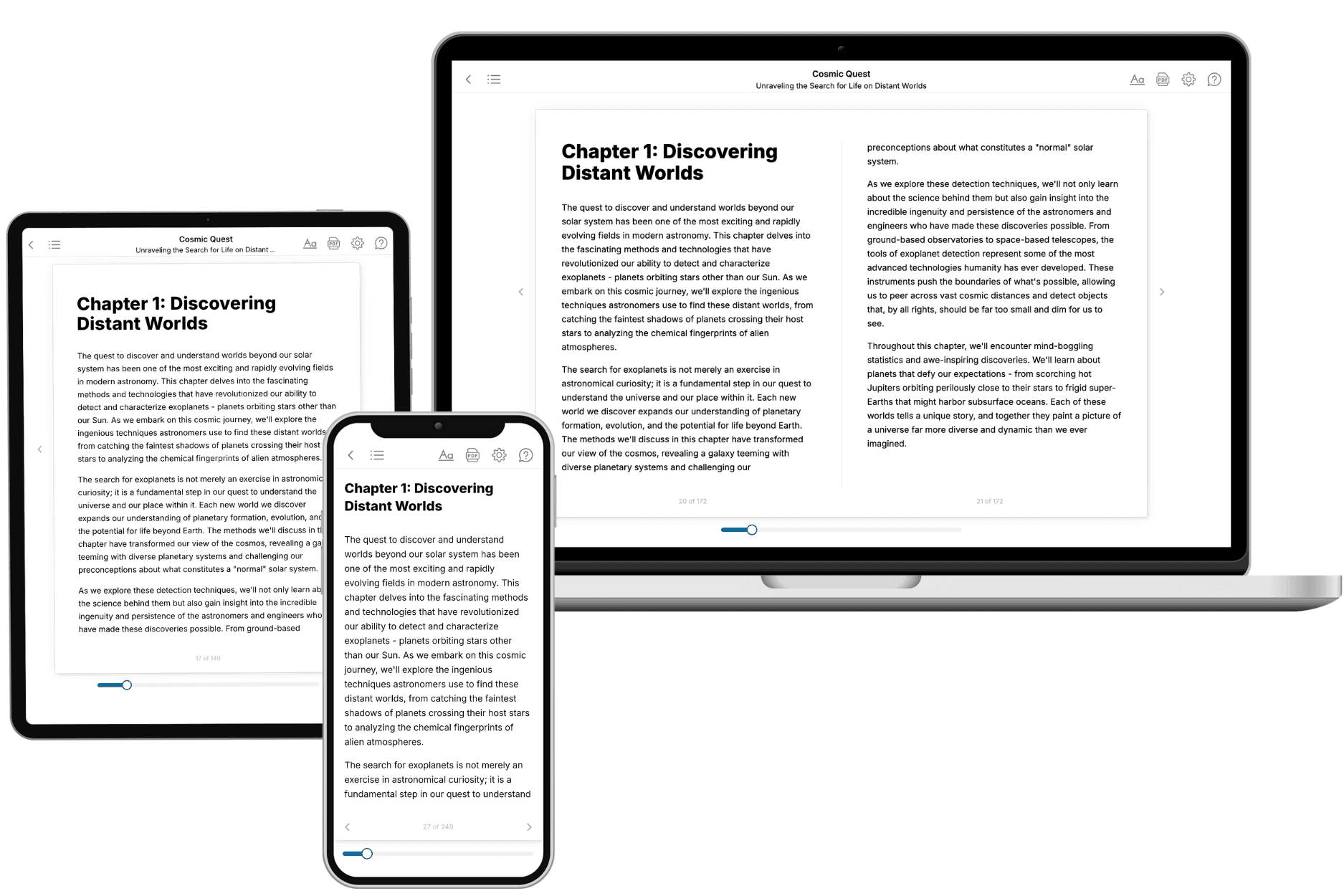
Your book is ready in 10 minutes. Read it online, download as EPUB or PDF, or send to Kindle.

Frequently asked questions
- What is TailoredRead?
TailoredRead creates complete, full-length nonfiction ebooks, written specifically for you. Tell us what you want to learn and why, and TailoredRead writes you a complete ebook on it, with charts, tables, and diagrams throughout. Read it online, on Kindle, or on any e-reader, or download it as a PDF or EPUB. Every book is written fresh the day you order it.
- How is the book tailored to me?
Before anything is written, you answer a few short questions about your goals, your background, and the topics you care about. Your book is then planned around your answers: written at your level, focused on your goals, and covering the topics you chose, instead of the one-size-fits-all book a store sells everyone.
- Will it read like generic AI content?
No. Your book isn't a chat transcript: it's planned chapter by chapter before a single word is written, told in a clear book voice, and explains ideas visually with charts, tables, and diagrams. After writing, every book goes through an editorial pass that polishes chapters so the book reads consistent from start to finish. Judge for yourself: browse thousands of sample books on our Explore Books page.
- How accurate is the content?
Our AI first checks whether your subject needs live research. Niche and fast-moving subjects are researched before writing, and the book plan and chapters are grounded in what it finds. After writing, every book goes through a quality pass that checks its facts and consistency, and researched books list their sources in a Notes section at the back.
- How long is the book?
You choose the length: Comprehensive (250-300 pages), Detailed (150-200 pages), Essential (70-100 pages), or Short (30-50 pages).
- Does the book include visuals?
Yes. Every book includes charts, tables, and diagrams: timelines, checklists, step-by-step guides, decision trees, comparison tables, matrices, and bar charts. A typical book includes dozens of these visual elements.
- Can I read it on Kindle? What formats can I download?
Yes. Every book can be read in our online reader or downloaded as a PDF or EPUB. The EPUB can be opened with Kindle, Apple Books, Kobo, and any e-reader. The Commercial and Author licenses also include an editable Word (DOCX) and Markdown download.
- How much does it cost?
About the price of a regular ebook. The exact price depends on your book's length and complexity, from $2 for the shortest books to $35 for the most comprehensive, and it's shown when you review your book, before you commit to anything. Each book is a one-time purchase, yours to keep, no subscription. Licenses that let you share, teach, or publish your book range from $35.99 to $49.99.
- Can I preview the book before purchasing?
Before you pay, you'll see what your book will cover: the title, a detailed description, the estimated length, and the complete chapter-by-chapter table of contents, so you know what you're getting before you decide. The full text itself is written after you purchase.
- How long does it take to create a book?
About 10 minutes. You can start reading the opening chapters while the rest is still being written.