Johannesburg Botanical Gardens
Your Complete Guide to Exploring Nature's Oasis in the Heart of the City
Many visitors to Johannesburg overlook the Botanical Gardens, assuming it's just a quiet park with a few plants.
222 pages10 chaptersMar 28, 2026South Africa Travel Guide
About this book
In reality, this 125-hectare urban oasis is one of South Africa's most significant botanical destinations, featuring rare plant species, stunning landscapes, and world-class facilities. This guide reveals what makes the gardens truly special and how to experience it fully. You'll discover the best times to visit for specific plants and wildlife, navigate the distinct themed zones efficiently, and uncover hidden gems that most casual visitors miss. Whether you're seeking peaceful nature walks, photography opportunities, educational experiences, or family-friendly activities, this guide provides everything you need to plan a memorable visit. Learn insider tips on avoiding crowds, maximizing seasonal highlights, and combining your gardens visit with nearby Johannesburg attractions for a complete travel experience.
Table of contents
- IntroductionWhy the Johannesburg Botanical Gardens Matters, What to Expect from This Guide, How to Use This Book for Your VisitRead below
- Chapter 1: Getting Started: Essential InformationLocation, Hours, and How to Get There, Admission Fees and Ticket Options, Facilities and Amenities Available, Accessibility and Special Accommodations
- Chapter 2: Planning Your Perfect VisitBest Times to Visit: Seasons and Weather, How Long to Stay and Sample Itineraries, Avoiding Crowds and Finding Solitude, What to Bring and How to Prepare
- Chapter 3: Exploring the Garden ZonesThe Rose Garden and Formal Collections, Woodland Areas and Shade Gardens, The Succulent Garden and Arid Plants, Water Features, Ponds, and Wetland Areas
- Chapter 4: Understanding the Plant CollectionsIndigenous South African Plants and Conservation, Rare and Endangered Species, Seasonal Flowering and Plant Highlights, How to Identify and Learn About Plants
- Chapter 5: Wildlife and Natural EcosystemsBird Watching and Avian Species, Insects, Butterflies, and Pollinators, Mammals, Reptiles, and Other Wildlife, Understanding Garden Ecosystems and Biodiversity
- Chapter 6: Activities and ExperiencesWalking Trails and Scenic Routes, Photography Opportunities and Best Spots, Family-Friendly Activities and Children's Areas, Educational Programs and Guided Tours
- Chapter 7: Dining, Shopping, and ServicesRestaurants, Cafes, and Picnic Areas, Gift Shop and Plant Sales, Special Services and Rentals
- Chapter 8: Conservation and the Gardens' MissionConservation Projects and Research Initiatives, Environmental Impact and Sustainability Practices, Community Programs and Educational Outreach
- Chapter 9: Combining Your Visit with Nearby AttractionsMust-See Johannesburg Attractions Nearby, Day Trip Combinations and Multi-Day Itineraries, Local Restaurants, Markets, and Cultural Experiences
- Chapter 10: Practical Tips and Insider AdviceSafety, Etiquette, and Garden Rules, Weather Preparation and Seasonal Considerations, Insider Secrets and Hidden Gems
- ConclusionMaking the Most of Your Visit, Planning Return Visits and Seasonal Exploration
- Glossary of Botanical and Garden Terms
- Further Reading and Resources
Introduction
There is a moment, usually just a few steps past the entrance gate, when the noise of Johannesburg fades behind you. The traffic, the construction, the constant hum of one of Africa's largest cities — it all softens into something quieter. What replaces it is the sound of birdsong, rustling leaves, and the occasional splash of water from a nearby pond. That moment is the Johannesburg Botanical Gardens introducing itself, and it rarely fails to surprise first-time visitors who expected something far more ordinary.
Most people who have heard of the gardens picture a pleasant but modest green space, the kind of park you might stroll through on a Sunday afternoon without giving it much thought. The reality is something altogether different. Spread across 125 hectares in the suburb of Emmarentia, the gardens represent one of South Africa's most significant botanical destinations. They contain thousands of plant species, carefully curated themed zones, functioning wetland ecosystems, and a biodiversity that supports hundreds of bird and insect species. This is not simply a park. It is a living, breathing scientific and cultural institution that has been quietly enriching Johannesburg for decades.
Yet despite all of this, the gardens remain underappreciated by many visitors to the city. Travelers often fill their Johannesburg itineraries with the Apartheid Museum, Constitution Hill, and the Cradle of Humankind, all of which are genuinely worth your time. But the Botanical Gardens offer something those experiences cannot: a chance to slow down, breathe deeply, and connect with the natural world in the middle of a metropolitan area of nearly six million people. This guide exists to make sure you do not miss what the gardens have to offer, and more importantly, to help you experience them fully rather than just scratching the surface.
Whether you are visiting Johannesburg for the first time or you have lived here for years without ever making the trip to Emmarentia, this book is designed to be your practical companion. It covers everything from the best time of year to visit specific plant collections, to where to find a quiet bench when the weekend crowds arrive, to how to combine a morning in the gardens with an afternoon exploring the surrounding neighborhood. The goal is simple: to help you have the best possible experience in one of the city's most rewarding but often overlooked destinations.
Why the Johannesburg Botanical Gardens Matters
The Johannesburg Botanical Gardens was established in 1964 and has grown steadily into a destination of genuine national importance. Administered by the City of Johannesburg and supported by the Friends of the Johannesburg Botanical Garden, the site functions simultaneously as a public park, a conservation facility, a research institution, and an educational resource. That combination of roles is rare, and it is what gives the gardens their distinctive character and depth.[1]
From a conservation standpoint, the gardens play a meaningful role in preserving South African plant heritage. The country is one of the world's most botanically diverse nations, home to the Cape Floristic Region, which is recognized as one of the six floral kingdoms on Earth. While the gardens are located far from the Cape, they maintain significant collections of indigenous South African plants, including species that face pressure in their natural habitats. Walking through the indigenous plant sections is not just a pleasant experience; it is an encounter with plants that represent a living conservation effort.
The ecological value of the gardens extends well beyond the plants themselves. The Emmarentia Dam, which sits within the garden boundaries, creates a wetland habitat that attracts a remarkable variety of birdlife. Over 180 bird species have been recorded in and around the gardens, making it one of the better urban birding spots in Gauteng.[2] On any given morning, you might spot African fish eagles, various kingfisher species, herons, and dozens of smaller birds moving through the trees and reeds. For birdwatchers, this alone justifies a visit.
Culturally, the gardens have become woven into the fabric of Johannesburg life in ways that go beyond tourism. Families use the lawns for weekend picnics. Joggers complete their morning circuits along the paths. School groups arrive for educational programs. Couples get married in the rose garden. The gardens serve as a communal space where the city's diverse population comes together around a shared appreciation for green space and natural beauty. Understanding this cultural dimension helps explain why the gardens feel so alive and purposeful, rather than simply preserved.
For visitors specifically, the gardens offer a quality of experience that is difficult to replicate elsewhere in the city. Johannesburg is a dynamic, energetic place, but it can also be intense and demanding. The gardens provide genuine respite. Research consistently shows that time spent in natural environments reduces stress, improves mood, and enhances cognitive function.[3] A few hours among the trees and flowering plants of Emmarentia is not just enjoyable; it is genuinely restorative in ways that a museum visit or a shopping trip simply cannot match.
The gardens also matter because they are constantly evolving. New plantings, restoration projects, and seasonal changes mean that no two visits are identical. The rose garden looks completely different in October, when thousands of blooms are at their peak, compared to June, when the winter pruning has stripped the bushes back to bare canes. The succulent garden transforms after summer rains. The woodland areas shift through subtle seasonal changes in light and leaf cover. This dynamic quality rewards repeat visits and gives the gardens a vitality that static attractions cannot offer.
Finally, the gardens matter because they represent something increasingly precious in modern urban life: a large, accessible, and genuinely natural space that belongs to everyone. Entry is free or very low cost depending on the area you access, which means the gardens are available to all residents and visitors regardless of budget. In a city where economic inequality remains a significant challenge, that open-access quality carries real social importance. When you visit, you are participating in something that the city has chosen to protect and share with its people.
What to Expect from This Guide
This guide is built around a single practical goal: helping you make the most of your time at the Johannesburg Botanical Gardens. It is not an academic botanical text, and it does not assume you have any prior knowledge of plants, ecology, or South African natural history. What it does assume is that you are curious, that you want to experience the gardens meaningfully rather than just walk through them, and that you appreciate having reliable, specific information rather than vague generalities.
The book is organized to follow the natural arc of planning and experiencing a visit. The early chapters cover the essential logistics you need before you arrive: location, hours, admission, facilities, and accessibility. These are the practical foundations that make everything else possible. If you are the kind of person who likes to have all the details sorted before you leave home, these chapters will give you exactly that.
The middle chapters dive into the substance of the gardens themselves. You will find detailed coverage of the major garden zones, from the formal rose garden to the wilder woodland areas and the fascinating succulent collection. There are dedicated chapters on the plant collections and what makes them significant, as well as a full chapter on the wildlife you can expect to encounter. These sections are designed to deepen your appreciation of what you are seeing, so that a walk through the gardens becomes an informed and enriching experience rather than a pleasant but somewhat anonymous stroll.
The later chapters shift toward activities and experiences. Whether you are interested in photography, family-friendly outings, guided educational programs, or simply finding the best picnic spot, you will find specific, actionable guidance. There is also coverage of dining and shopping options within the gardens, which are more varied and interesting than many visitors expect. A dedicated chapter on conservation and the gardens' broader mission provides context for understanding why the place is managed the way it is.
Toward the end of the book, you will find chapters on combining your gardens visit with nearby Johannesburg attractions, along with practical tips and insider advice that did not fit neatly into earlier sections. The insider tips chapter in particular contains the kind of specific, experience-based guidance that you would normally only get from someone who has visited many times and knows the place well. Hidden corners, optimal photography times, crowd patterns, and seasonal secrets are all covered there.
Throughout the guide, you will find specific examples, practical checklists, and concrete recommendations rather than general advice. The aim is always to give you something you can act on, not just something interesting to read.
One important note about the information in this guide: botanical gardens are living places, and details like opening hours, admission fees, and specific facilities can change. Always verify current operational details directly with the gardens before your visit, particularly if you are traveling from outside Johannesburg or planning a special occasion. Contact information and official resources are provided in the Further Reading and Resources section at the back of the book.
The guide also includes a glossary of botanical and garden terms at the back. If you encounter a word in the text that is unfamiliar, the glossary is there to help. The goal has been to keep technical language to a minimum throughout, but some botanical terminology is genuinely useful for understanding and identifying plants, so a working vocabulary is worth having.
How to Use This Book for Your Visit
Different visitors will use this guide in different ways, and that is entirely intentional. The book is structured so that you can read it cover to cover before your visit, use it as a reference tool while you are in the gardens, or dip into specific chapters based on your particular interests. There is no single correct way to engage with it, but a few approaches tend to work especially well depending on your situation.
If this is your first visit to the gardens, the recommended approach is to read Chapters 1 and 2 before you go. These cover the essential logistics and planning information that will shape your entire experience. Knowing the best time of day to arrive, what to bring, and how long to allocate will make a significant difference to how your visit unfolds. First-time visitors who arrive without this context often spend their first hour figuring out things they could have known in advance, which is time better spent exploring.
For visitors with specific interests, the guide is designed to let you navigate directly to what matters most to you. The following overview shows which chapters are most relevant for different visitor types:
- Families with children: Focus on Chapter 6 (Activities and Experiences), particularly the family activities section, and Chapter 7 (Dining and Services) for picnic and catering options.
- Photography enthusiasts: Chapter 6 contains a dedicated photography section, but also pay close attention to the seasonal highlights in Chapter 4 and the garden zone descriptions in Chapter 3.
- Birdwatchers and wildlife observers: Chapter 5 is your primary resource, but the water features section in Chapter 3 provides important habitat context.
- Plant enthusiasts and botanists: Chapters 3 and 4 together provide the most detailed coverage of the collections, with Chapter 4 going deeper into species significance and identification.
- Casual visitors and first-timers: Chapters 1, 2, and 10 form the most practical foundation, with Chapter 3 providing a useful orientation to the garden layout.
- Travelers combining the gardens with broader Johannesburg exploration: Chapter 9 is specifically designed for you, with day-trip combinations and multi-day itinerary suggestions.
If you are visiting during a specific season, the seasonal information is distributed throughout the book rather than confined to a single chapter. This is deliberate, because seasonal changes affect everything from plant flowering to bird activity to crowd levels and weather preparation. The planning chapter provides a seasonal overview, but the deeper seasonal detail lives in the chapters on plant collections, wildlife, and practical tips. A quick scan of those sections before a seasonal visit will pay dividends.
For repeat visitors who already know the gardens reasonably well, the most valuable sections are likely the insider tips chapter and the conservation chapter. The insider tips contain specific details about lesser-known areas and optimal visiting conditions that even regular visitors sometimes overlook. The conservation chapter provides context that transforms familiar spaces into something more meaningful, because understanding why a particular plant collection exists changes how you experience walking through it.
The sample itineraries in Chapter 2 deserve special mention. Three different itineraries are provided, covering a two-hour quick visit, a half-day exploration, and a full-day immersive experience. These are not rigid schedules but flexible frameworks that you can adapt to your own pace and interests. They are based on realistic walking times and account for the natural flow of the gardens, so they serve as useful starting points even if you end up deviating from them significantly.
One practical suggestion: if you are visiting with a smartphone, consider bookmarking the key sections of this guide for offline access before you enter the gardens. Mobile data coverage within the gardens is generally reliable, but having the guide accessible without depending on a connection means you can consult it freely without interruption. The photography tips section and the garden zone descriptions are particularly useful to have on hand while you are actually walking through the space.
Finally, approach the gardens with a spirit of openness and flexibility. The best experiences at the Johannesburg Botanical Gardens often come from unexpected moments: a bird you did not expect to see, a plant in bloom that was not on your radar, a quiet corner that turns out to be the most peaceful spot you have found in months. This guide will help you plan and navigate, but the gardens themselves will do the rest. Trust the place to surprise you, because it almost certainly will.
Notes
Introduction
- 1. City of Johannesburg Metropolitan Municipality. Johannesburg Botanical Garden official records and history. Johannesburg: City Parks and Zoo, 2020.
- 2. BirdLife South Africa. Urban Bird Monitoring Report: Gauteng Region. Johannesburg: BirdLife South Africa, 2022.
- 3. G. N. Bratman and others, "Nature and mental health," Science Advances, 2019
This is the end of the free sample. The full book has 10 chapters.
Want this book written for you?
Tell us your goals and background, and get your own version of this book, tailored by AI to you.


Benefits of AI-tailored books
- Read one book, not ten:
- all the South Africa Travel Guide knowledge you need, gathered into a single book.
- Save days of learning:
- tell us your goals, choose your topics, and the whole book is built around them.
- Learn effortlessly:
- South Africa Travel Guide book written for your specific background and expertise.
- Understand at a glance:
- includes charts, tables, timelines, checklists, decision trees, and more.
- Stay current:
- written the day you order it, not years ago.
- Trust what you read:
- every book is checked for accuracy, with real research when your subject needs it.
Create your unique book in 3 steps
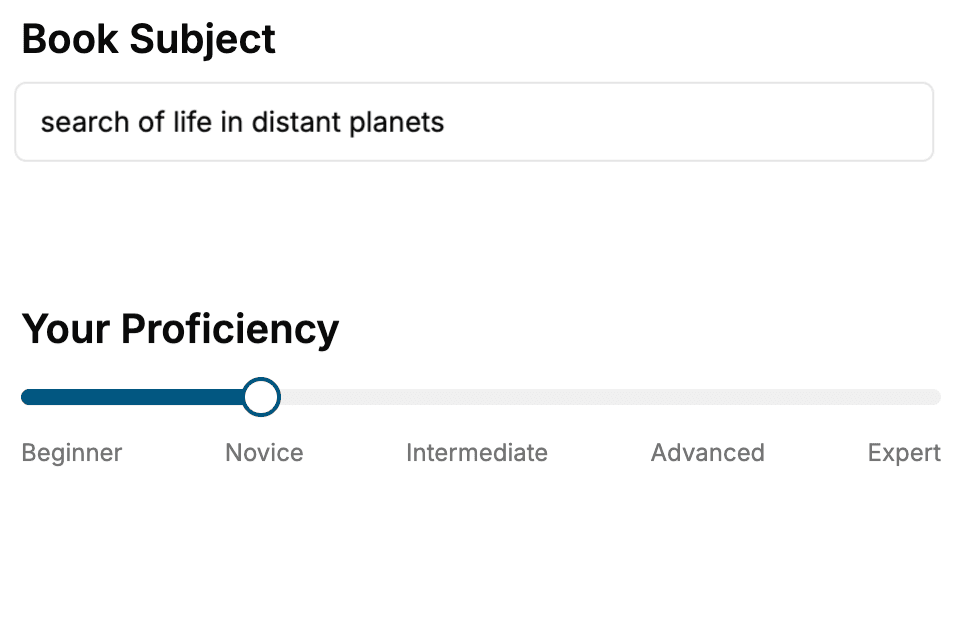
- 1. Select your focus
Select the focus of your South Africa Travel Guide book and share your background
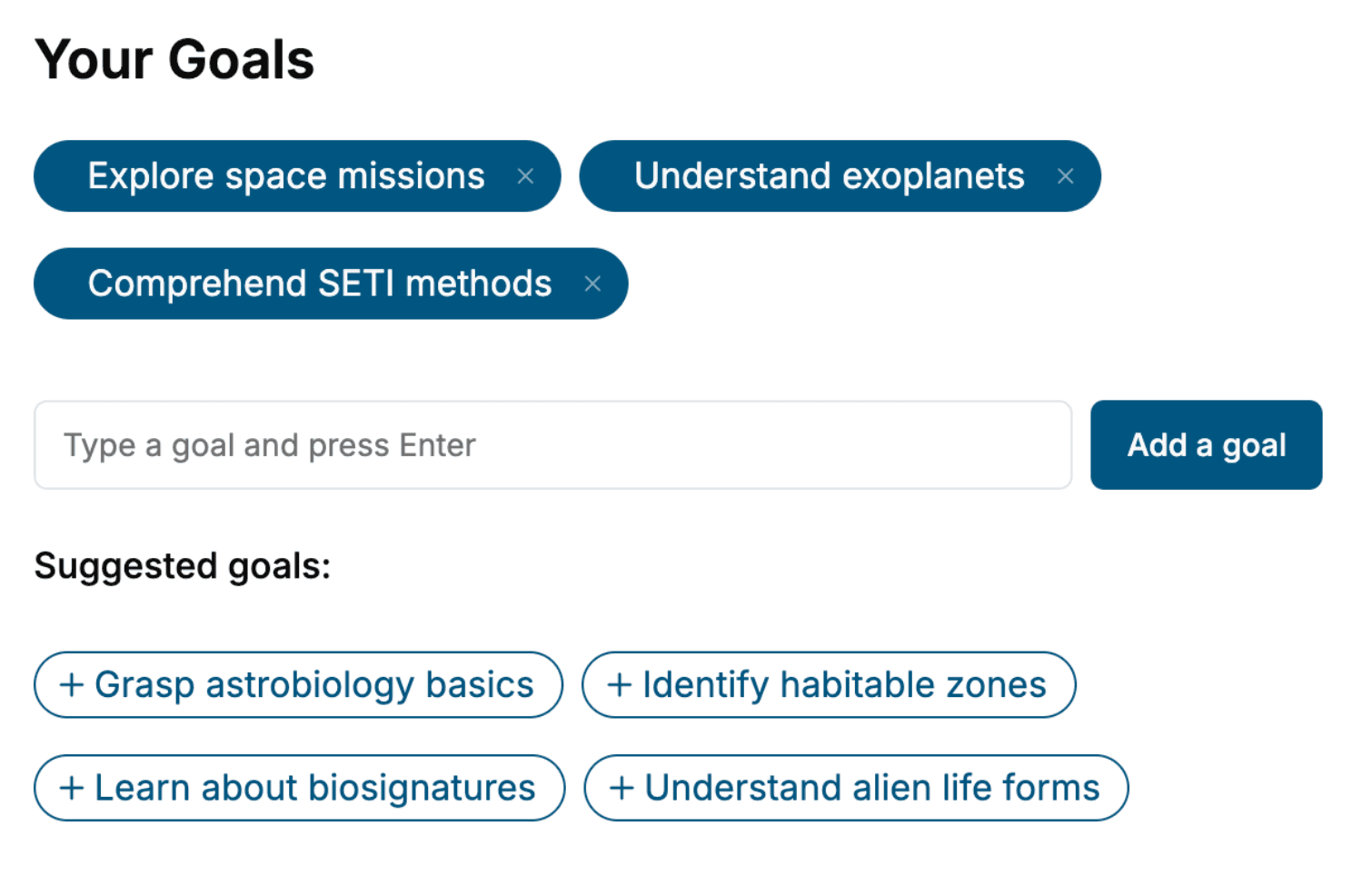
- 2. Personalize your book
Specify your goals and choose sub-topics to include
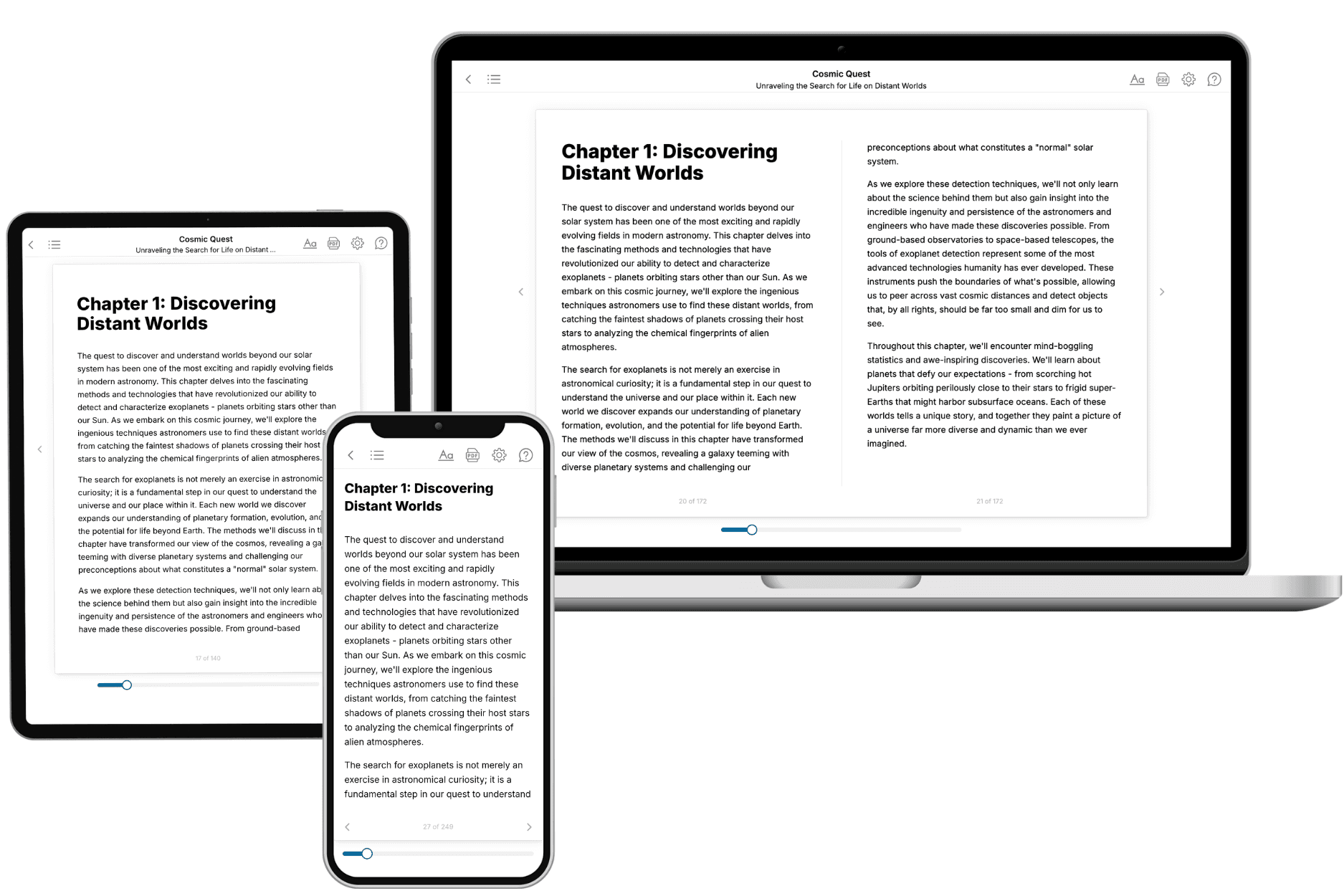
- 3. Get your tailored book
Your book is ready in 10 minutes. Read it online, download as EPUB or PDF, or send to Kindle.
Frequently asked questions
- What is TailoredRead?
TailoredRead creates complete, full-length nonfiction ebooks, written specifically for you. Tell us what you want to learn and why, and TailoredRead writes you a complete ebook on it, with charts, tables, and diagrams throughout. Read it online, on Kindle, or on any e-reader, or download it as a PDF or EPUB. Every book is written fresh the day you order it.
- How is the book tailored to me?
Before anything is written, you answer a few short questions about your goals, your background, and the topics you care about. Your book is then planned around your answers: written at your level, focused on your goals, and covering the topics you chose, instead of the one-size-fits-all book a store sells everyone.
- Will it read like generic AI content?
No. Your book isn't a chat transcript: it's planned chapter by chapter before a single word is written, told in a clear book voice, and explains ideas visually with charts, tables, and diagrams. After writing, every book goes through an editorial pass that polishes chapters so the book reads consistent from start to finish. Judge for yourself: browse thousands of sample books on our Explore Books page.
- How accurate is the content?
Our AI first checks whether your subject needs live research. Niche and fast-moving subjects are researched before writing, and the book plan and chapters are grounded in what it finds. After writing, every book goes through a quality pass that checks its facts and consistency, and researched books list their sources in a Notes section at the back.
- How long is the book?
You choose the length: Comprehensive (250-300 pages), Detailed (150-200 pages), Essential (70-100 pages), or Short (30-50 pages).
- Does the book include visuals?
Yes. Every book includes charts, tables, and diagrams: timelines, checklists, step-by-step guides, decision trees, comparison tables, matrices, and bar charts. A typical book includes dozens of these visual elements.
- Can I read it on Kindle? What formats can I download?
Yes. Every book can be read in our online reader or downloaded as a PDF or EPUB. The EPUB can be opened with Kindle, Apple Books, Kobo, and any e-reader. The Commercial and Author licenses also include an editable Word (DOCX) and Markdown download.
- How much does it cost?
About the price of a regular ebook. The exact price depends on your book's length and complexity, from $2 for the shortest books to $35 for the most comprehensive, and it's shown when you review your book, before you commit to anything. Each book is a one-time purchase, yours to keep, no subscription. Licenses that let you share, teach, or publish your book range from $35.99 to $49.99.
- Can I preview the book before purchasing?
Before you pay, you'll see what your book will cover: the title, a detailed description, the estimated length, and the complete chapter-by-chapter table of contents, so you know what you're getting before you decide. The full text itself is written after you purchase.
- How long does it take to create a book?
About 10 minutes. You can start reading the opening chapters while the rest is still being written.