Keszthely Festetics Palace
A Complete Guide to Hungary's Most Enchanting Lakeside Estate
Imagine stepping through the grand entrance of one of Central Europe's most magnificent estates, where centuries of history unfold through ornate rooms, priceless collections, and architectural splendor.
176 pages7 chaptersAug 24, 2026Hungary Travel Guide
About this book
Keszthely Festetics Palace awaits your discovery. This comprehensive guide takes you beyond the typical tourist experience, revealing the stories behind the palace's stunning Baroque façade, the influential Festetics family who shaped Hungarian history, and the treasures housed within its walls. Whether you're an architecture enthusiast, history buff, or curious traveler, you'll gain deep insights into how this lakeside palace reflects the grandeur of the Austro-Hungarian Empire. From practical visitor tips to detailed room-by-room exploration, this guide equips you with everything needed to fully appreciate one of Hungary's most captivating destinations and understand its lasting impact on the region's cultural landscape.
Table of contents
- IntroductionWhy Keszthely Festetics Palace Matters, What to Expect from This Guide, How to Use This BookRead below
- Chapter 1: Historical FoundationsThe Festetics Family: Architects of Influence, Origins and Early Development, The Palace in the Austro-Hungarian Empire
- Chapter 2: Architectural SplendorBaroque Design and Influences, Exterior Features and Façade, Interior Layout and Room Organization, Gardens and Surrounding Grounds
- Chapter 3: Collections and TreasuresArt and Paintings, Furniture and Decorative Arts, Manuscripts and Library Holdings
- Chapter 4: Room-by-Room ExplorationThe State Rooms and Reception Areas, Private Quarters and Family Spaces, Ceremonial and Entertainment Spaces, Service Areas and Household Functions
- Chapter 5: Cultural Significance and LegacyRole in Hungarian Cultural Heritage, Preservation and Restoration Efforts, Contemporary Importance and Tourism
- Chapter 6: Planning Your VisitHours, Admission, and Accessibility, Guided Tours and Experiences, Best Times to Visit and Seasonal Highlights, Insider Tips for an Optimal Experience
- Chapter 7: Exploring the Balaton RegionNearby Attractions and Landmarks, Keszthely Town and Local Culture, Suggested Regional Itineraries
- ConclusionLasting Impressions and Reflections, Planning Your Journey
- Glossary of Terms
- Further Reading and Resources
Introduction
A visitor standing on the gravel forecourt of Festetics Palace on a quiet weekday morning will notice something unusual: the building seems too large and too refined for a town the size of Keszthely. Keszthely has never had more than about twenty thousand residents, yet it holds one of the most extensive aristocratic residences in Central Europe, with over one hundred rooms and a library wing that rivals those found in national capitals. That contrast between a modest lakeside town and a residence of imperial ambition is the first clue to understanding what makes this place worth a dedicated visit rather than a rushed stop between beach days.
This guide exists because Festetics Palace rewards preparation. A person who walks through the state rooms without knowing who commissioned them, why the library was built to hold tens of thousands of volumes, or how the Festetics family used marriage and land management to climb the ranks of Hungarian nobility, will still see beautiful ceilings and gilded furniture. But they will miss the reasons those rooms look and feel the way they do. Context transforms decoration into meaning. A ceiling fresco becomes a political statement. A writing desk becomes evidence of a family's investment in education and science. This book supplies that context in a structured, digestible way.
The chapters ahead move from history to architecture, from collections to room-by-room experience, and finally to the practical matters of tickets, timing, and travel logistics. Each section stands largely on its own, so a reader planning a trip in two days can skip ahead to the practical chapters, while someone reading at home months in advance can start from the family history and work forward. The structure mirrors how most visitors actually engage with a historic site: curiosity first, planning second, and reflection afterward.
Lake Balaton draws millions of visitors each year for its beaches and vineyards, but Keszthely offers something the lake alone cannot: a direct, walkable connection to Hungary's aristocratic past. Festetics Palace anchors that connection. Understanding it well means understanding a slice of Hungarian and Central European history that stretches from local estate management to the corridors of the Austro-Hungarian Empire. The following subchapters lay out why that story matters, what this guide will deliver, and how to get the most out of reading it.
Why Keszthely Festetics Palace Matters
Festetics Palace matters first because of scale and survival. Many aristocratic residences across Central Europe were destroyed, nationalized into disrepair, or stripped of their contents during the upheavals of the twentieth century. Festetics Palace survived with much of its original furniture, art, and library intact, largely because it was converted into a museum relatively early and treated as a cultural asset rather than left to decay[1]. That survival means a visitor today can see period rooms with authentic furnishings rather than empty shells or reconstructions, a rarity among palaces of comparable size in the region.
The palace also matters because of what it reveals about social mobility in Hungarian history. The Festetics family did not begin as titled nobility of the highest rank. They rose through careful land acquisition, strategic marriages, and loyal service to the Habsburg crown, eventually earning a count's title and building an estate that rivaled older, more established dynasties. That rise is a case study in how wealth and influence were built in eighteenth-century Hungary, not through inherited grandeur alone but through active management and calculated positioning within an empire that rewarded usefulness to the crown.
Beyond the family story, the palace matters as an architectural document. Its baroque core, later expanded with neo-baroque wings in the nineteenth century, shows how Hungarian aristocratic taste absorbed and adapted styles from Vienna, Italy, and France. A visitor who has already seen palaces in Vienna or Prague will notice both the similarities and the distinctly regional choices made here, from the layout of the state rooms to the way local materials were used alongside imported decorative elements. Architecture chapters later in this guide unpack this in detail.
The Helikon Library deserves particular attention as a reason the palace stands out even among other Hungarian estates. Named after the Helikon Festival, a gathering of poets and scholars that the Festetics family hosted, the library reflects an unusual commitment to intellectual life among the Hungarian nobility of its time. Many aristocratic families collected art or built impressive facades. Fewer built libraries meant to support genuine scholarship and hosted literary gatherings that drew writers from across the country. That commitment gives Festetics Palace a cultural weight that goes beyond its physical grandeur.
There is also a regional argument for why this palace matters. Lake Balaton tourism tends to focus on recreation: swimming, sailing, wine tasting in the hills above the shore. Festetics Palace offers a counterpoint, a reason to treat the region as a place with deep historical layers rather than only a summer playground. For travelers seeking a fuller picture of Hungary, one that connects natural beauty with cultural and political history, the palace functions as an anchor point that makes the whole region more interesting to explore, a theme this guide returns to when covering the broader Balaton area.
What to Expect from This Guide
This guide is organized as a progression from background to experience to logistics. The historical foundations section covers the Festetics family's rise, the founding and expansion of the palace, and its position within the Austro-Hungarian Empire. Readers who want to understand who built this place and why should start there. The architecture section that follows examines the baroque design language, the exterior façade, the interior layout, and the formal palace garden as a connected aesthetic system rather than isolated features.
A dedicated section covers the palace's collections in depth: paintings, furniture, decorative arts, and the manuscripts held in the Helikon Library. These holdings are treated as distinct categories because each tells a different part of the story. Paintings reveal artistic taste and family portraiture traditions. Furniture and decorative arts show how the family lived day to day and displayed status through objects. The library's manuscripts and printed volumes demonstrate the intellectual ambitions that set this family apart from many of its aristocratic peers.
Following the collections, a room-by-room exploration walks through the physical experience of visiting: the state rooms and reception areas where formal business and entertaining took place, the private quarters that housed the family day to day, the ceremonial and entertainment spaces used for larger gatherings, and the service areas that kept the household running. This section is designed to mirror the actual visitor route through the palace, so it can be read either before a visit as preparation or during one as a companion.
A section on cultural significance places the palace within the larger story of Hungarian heritage preservation, covering how the building survived political upheaval and how it functions today as both a museum and a symbol of regional identity. This is followed by the most immediately practical section of the book: hours, admission prices, guided tour options, accessibility considerations, and advice on timing a visit to avoid crowds or catch seasonal events like the Helikon Festival's modern successor celebrations.
The final content section widens the lens to the surrounding Balaton region, covering nearby attractions, the character of Keszthely town itself, and suggested itineraries for travelers who want to combine the palace visit with a broader regional trip. A glossary and further reading list close out the book for readers who want quick reference to unfamiliar terms or want to continue researching topics that caught their interest. Every section is written to stand on its own while still connecting to the larger narrative of the palace's history and importance.
What this guide does not attempt is an exhaustive academic history of every Festetics family member or every architectural modification made over three centuries. Instead, it focuses on the details that shape a meaningful visit and a solid working understanding of the palace's importance. Specialists seeking archival-level depth on estate records or construction contracts will find pointers toward further reading, but the core text is built for travelers and history enthusiasts who want clarity and depth without being buried in minor details that do not change the overall picture.
How to Use This Book
Reading this guide cover to cover before a trip is one valid approach, and it will give the fullest picture of how the family history, architecture, collections, and modern visitor experience connect to one another. Someone with a week or two before departure benefits most from this method, since the historical and architectural chapters build vocabulary and context that make the later, more practical chapters easier to apply on the ground. A reader who understands the layout logic behind the state rooms, for instance, will navigate the actual palace with far more confidence and curiosity.
For travelers with less lead time, a targeted approach works just as well. Jump directly to the planning chapter for admission details, guided tour formats, and timing advice, then skim the room-by-room chapter the night before a visit to know what to look for in each space. This shortcut sacrifices some depth but still delivers a well-prepared visit. The book's section structure was built specifically to support this kind of selective reading, with each subchapter written to make sense without requiring the ones before it.
Consider keeping a short list of personal interests before diving in. A reader drawn to art history might spend extra time in the collections chapter and revisit the paintings subsection while walking through the actual galleries. Someone more interested in political history might linger on the Austro-Hungarian context subchapter and the family's dynastic strategies. The book is dense enough to reward this kind of selective focus, and cross-referencing between chapters (for example, connecting a room's function to the objects displayed within it) helps deepen understanding without requiring a linear read.
Footnotes throughout the book point to specific sources for verifiable claims, such as historical dates, named studies, or direct quotations. These are meant as an option for readers who want to dig deeper into a particular claim, not as required reading. Skipping them entirely will not diminish the guide's usefulness for a standard visit, but following a few during pre-trip research can add satisfying depth for history enthusiasts who like to verify what they read.
Finally, treat this guide as a companion rather than a strict itinerary. Palace opening hours, ticket prices, and tour offerings can change, so the practical planning chapter should be checked against current official information close to the date of travel. The historical and architectural sections, by contrast, hold their value indefinitely, since the family's story and the building's design do not change from one season to the next. Used this way, alongside verified current logistics, this book aims to make a visit to Festetics Palace not just informed but genuinely memorable.
Notes
Introduction
- 1. György Rácz, "The Festetics Family and Keszthely," Hungarian National Museum, 2009
This is the end of the free sample. The full book has 7 chapters.
Want this book written for you?
Tell us your goals and background, and get your own version of this book, tailored by AI to you.


Benefits of AI-tailored books
- Read one book, not ten:
- all the Hungary Travel Guide knowledge you need, gathered into a single book.
- Save days of learning:
- tell us your goals, choose your topics, and the whole book is built around them.
- Learn effortlessly:
- Hungary Travel Guide book written for your specific background and expertise.
- Understand at a glance:
- includes charts, tables, timelines, checklists, decision trees, and more.
- Stay current:
- written the day you order it, not years ago.
- Trust what you read:
- every book is checked for accuracy, with real research when your subject needs it.
Create your unique book in 3 steps
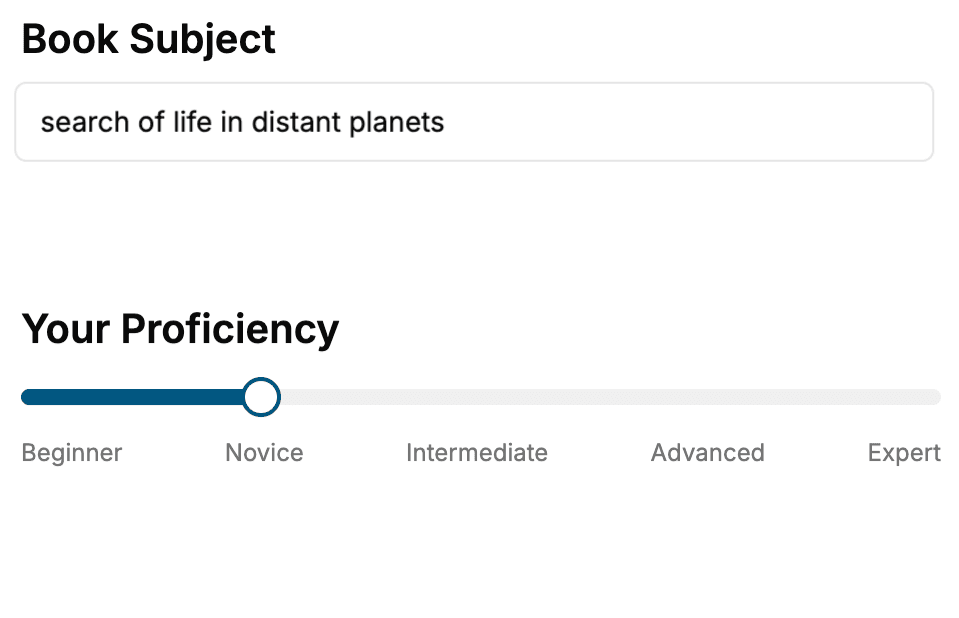
- 1. Select your focus
Select the focus of your Hungary Travel Guide book and share your background
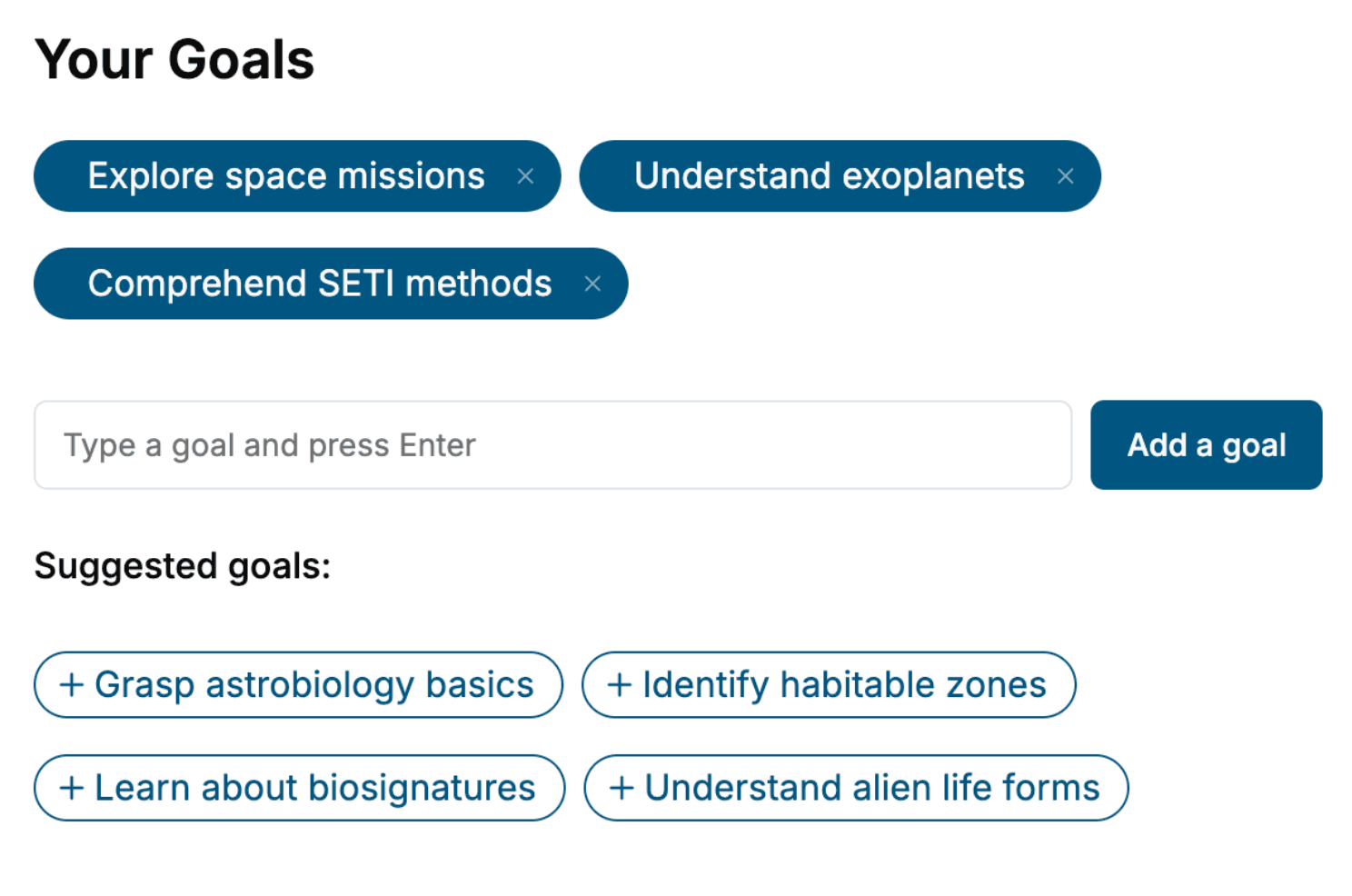
- 2. Personalize your book
Specify your goals and choose sub-topics to include
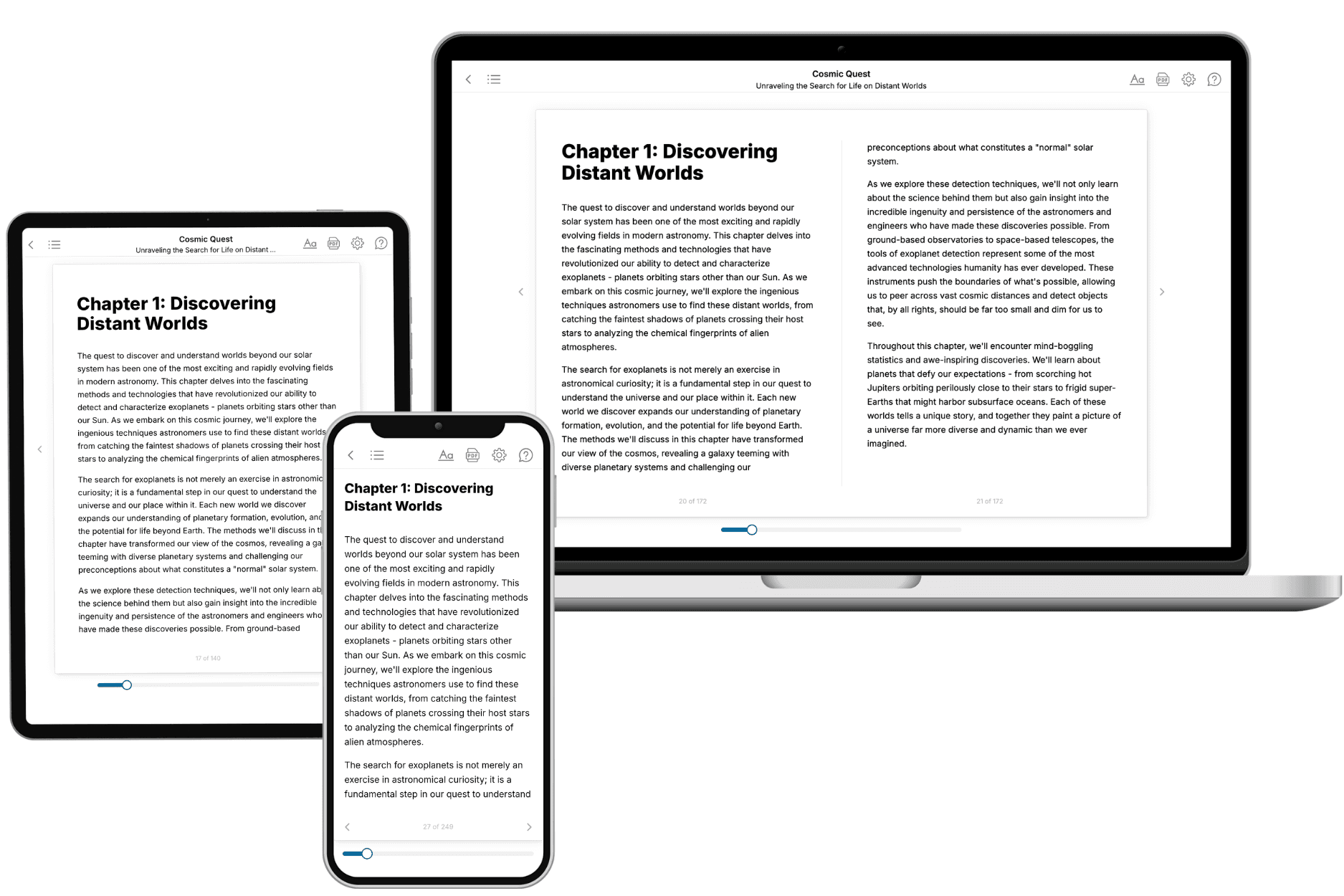
- 3. Get your tailored book
Your book is ready in 10 minutes. Read it online, download as EPUB or PDF, or send to Kindle.
Frequently asked questions
- What is TailoredRead?
TailoredRead creates complete, full-length nonfiction ebooks, written specifically for you. Tell us what you want to learn and why, and TailoredRead writes you a complete ebook on it, with charts, tables, and diagrams throughout. Read it online, on Kindle, or on any e-reader, or download it as a PDF or EPUB. Every book is written fresh the day you order it.
- How is the book tailored to me?
Before anything is written, you answer a few short questions about your goals, your background, and the topics you care about. Your book is then planned around your answers: written at your level, focused on your goals, and covering the topics you chose, instead of the one-size-fits-all book a store sells everyone.
- Will it read like generic AI content?
No. Your book isn't a chat transcript: it's planned chapter by chapter before a single word is written, told in a clear book voice, and explains ideas visually with charts, tables, and diagrams. After writing, every book goes through an editorial pass that polishes chapters so the book reads consistent from start to finish. Judge for yourself: browse thousands of sample books on our Explore Books page.
- How accurate is the content?
Our AI first checks whether your subject needs live research. Niche and fast-moving subjects are researched before writing, and the book plan and chapters are grounded in what it finds. After writing, every book goes through a quality pass that checks its facts and consistency, and researched books list their sources in a Notes section at the back.
- How long is the book?
You choose the length: Comprehensive (250-300 pages), Detailed (150-200 pages), Essential (70-100 pages), or Short (30-50 pages).
- Does the book include visuals?
Yes. Every book includes visual elements such as timelines, checklists, step-by-step guides, decision trees, comparison tables, and matrices, and many include bar charts. A typical book includes dozens of these visual elements.
- Can I read it on Kindle? What formats can I download?
Yes. Every book can be read in our online reader or downloaded as a PDF or EPUB. The EPUB can be opened with Kindle, Apple Books, Kobo, and any e-reader. The Commercial and Author licenses also include an editable Word (DOCX) and Markdown download.
- How much does it cost?
About the price of a regular ebook. The exact price depends on your book's length and complexity, from $2 for the shortest books to $35 for the most comprehensive, and it's shown when you review your book, before you commit to anything. Each book is a one-time purchase, yours to keep, no subscription. Licenses that let you share, teach, or publish your book range from $35.99 to $49.99.
- Can I preview the book before purchasing?
Before you pay, you'll see what your book will cover: the title, a detailed description, the estimated length, and the complete chapter-by-chapter table of contents, so you know what you're getting before you decide. The full text itself is written after you purchase.
- How long does it take to create a book?
About 10 minutes. You can start reading the opening chapters while the rest is still being written.