Kick It Like You Talk It
A Student's Playbook to Soccer Slang and Idioms in English
Dive into the vibrant world of soccer language with "Kick It Like You Talk It: A Student's Playbook to Soccer Slang and Idioms in English." This engaging guide is tailored for English language learners and soccer enthusiasts alike, offering a comprehensive exploration of the colorful expressions that bring the beautiful game to life.
114 pages6 chaptersSep 18, 2024Learning English
About this book
From the pitch to the commentary box, this book covers all angles of soccer lingo. You'll learn to navigate the verbal plays of soccer pitch lingo, goal celebration slang, and match day expressions with the agility of a star midfielder. Unlock the secrets of locker room talk, decipher tactical terms, and master the art of soccer commentary quips. Whether you're looking to understand the referee's whistle talk or want to expand your striker's vocabulary, this playbook has you covered. With sections dedicated to every position on the field, from goalkeeper jargon to defensive dialect, you'll build a comprehensive soccer lexicon that will impress fans and players alike. By the final whistle, you'll have boosted your speaking confidence, grasped the nuances of soccer banter, and developed a deeper appreciation for the language that shapes the world's most popular sport. Get ready to score big in your next soccer conversation!
Table of contents
- Introduction: The Language of the Beautiful GameThe Importance of Soccer Lingo in English, How to Use This Book, Setting Your Language GoalsRead below
- Chapter 1: On the Pitch: Essential Soccer VocabularyThe Pitch Layout and Its Lingo, Player Positions and Nicknames, Basic Actions and Moves, Equipment and Gear Talk
- Chapter 2: Tactical Talk: Strategies and FormationsFormation Lingo: From 4-4-2 to Tiki-Taka, Tactical Terms and Their Meanings, Coach Speak: Motivational Phrases and Instructions, Game Plan Vocabulary
- Chapter 3: Match Day Madness: Expressions and AtmospherePre-Match Buildup and Anticipation, In-Game Intensity and Drama, Goal Celebration Slang, Post-Match Reactions and Analysis
- Chapter 4: In the Commentary Box: The Art of Soccer NarrationPlay-by-Play Action Words, Color Commentary and Anecdotes, Statistical Speak and Performance Metrics, Memorable Calls and Catchphrases
- Chapter 5: Fan Culture: Chants, Banter, and Supporter SpeakTerrace Talk: Stadium Atmosphere, Popular Chants and Songs, Rivalry Banter and Trash Talk, Social Media Lingo in Soccer
- Chapter 6: Beyond the Pitch: Soccer Idioms in Everyday LifeSoccer Metaphors in the Business World, Incorporating Soccer Slang in Daily Conversations, The Cultural Impact of Soccer Language, Future Trends in Soccer Communication
Introduction: The Language of the Beautiful Game
Welcome to the captivating world of soccer language! As you embark on this linguistic journey through "Kick It Like You Talk It: A Student's Playbook to Soccer Slang and Idioms in English," you're about to discover a whole new dimension of the beautiful game. Soccer, or football as it's known in many parts of the world, is more than just a sport—it's a global phenomenon that has developed its own rich and colorful language. This introduction will set the stage for your exploration of soccer-specific English, helping you understand why mastering this unique vocabulary is so important and how it can enhance your overall language skills and cultural appreciation.
Throughout this book, we'll dive deep into the vibrant lexicon that surrounds soccer, from the pitch to the stands, and even beyond into everyday life. You'll learn how the language of soccer reflects the passion, creativity, and spirit of the game itself. Whether you're a devoted fan looking to understand commentary better, a player aiming to communicate more effectively on the field, or simply an English language enthusiast fascinated by sports culture, this book is your comprehensive guide to scoring big in soccer conversations.
As we kick off this linguistic match, it's important to recognize that soccer language is constantly evolving. New terms emerge with every season, reflecting innovations in tactics, changes in fan culture, and the global nature of the sport. By the end of this book, you'll not only have a solid grasp of current soccer lingo but also the tools to keep up with its dynamic nature. So lace up your boots, warm up your vocal cords, and get ready to play with language in ways you never imagined!
The Importance of Soccer Lingo in English
Soccer's global popularity has made its language a significant part of English communication, especially in sports contexts. Understanding soccer lingo is crucial for several reasons, extending far beyond the pitch. Firstly, it enhances your ability to fully engage with the sport, whether you're watching a match, discussing tactics, or participating in the game itself. The rich vocabulary of soccer allows for nuanced expression of complex ideas, strategies, and emotions that are integral to the sport's culture.
Moreover, soccer language often serves as a bridge between cultures. As an international language of its own, soccer terminology can help you connect with people from diverse backgrounds who share a passion for the game. This linguistic common ground can be invaluable in social and professional settings, particularly in countries where soccer is a central part of the cultural fabric. By mastering soccer lingo, you're not just learning words; you're gaining access to a global community.
In the realm of language learning, soccer vocabulary offers a unique advantage. It provides a context-rich environment for acquiring new words and phrases, making the learning process more engaging and memorable. Many soccer terms and expressions have metaphorical uses that extend beyond the sport, enriching your overall English vocabulary. For instance, phrases like "moving the goalposts" or "on the back foot" have found their way into business and everyday conversation, illustrating how soccer language permeates various aspects of English communication.
Understanding soccer lingo also significantly improves your comprehension of sports media. From live commentary to post-match analysis, soccer coverage is filled with specialized terms, idiomatic expressions, and cultural references. Without a solid grasp of this language, you might miss out on the subtleties and excitement that make soccer commentary so engaging. As you develop your soccer vocabulary, you'll find yourself not just understanding the words, but truly appreciating the artistry of how the game is described.
Furthermore, soccer language reflects and shapes cultural values. The way people talk about soccer often mirrors broader societal attitudes and norms. By studying soccer lingo, you gain insight into the cultures where the sport is popular, understanding not just the game, but the people who love it. This cultural literacy can be invaluable in both personal and professional contexts, especially if you're interacting with people from soccer-loving nations.
Lastly, mastering soccer language can boost your confidence in English communication. As you become more fluent in discussing the intricacies of the game, you'll find that this confidence spills over into other areas of language use. The ability to engage in passionate debates about soccer tactics or to understand the humor in fan chants can be empowering, making you feel more at home in English-speaking environments. This increased confidence can open doors to new friendships, opportunities, and experiences centered around the beautiful game.
As we progress through this book, keep in mind that each new term or expression you learn is another tool in your linguistic toolkit. These tools will help you navigate the world of soccer with greater ease and enjoyment, while also enhancing your overall English language skills. So, let's dive in and explore the fascinating world of soccer lingo—a world where language and sport come together in a beautiful dance of words and action.
How to Use This Book
"Kick It Like You Talk It" is designed to be your comprehensive playbook for mastering soccer-specific English. To get the most out of this linguistic journey, it's important to understand how the book is structured and how to effectively use its contents. This section will guide you through the book's layout, features, and best practices for learning and retaining the wealth of soccer language you're about to encounter.
The book is organized into thematic chapters, each focusing on a different aspect of soccer language. We start with essential vocabulary and progressively move into more specialized areas of soccer communication. Each chapter is further divided into subsections that explore specific topics in depth. This structure allows you to either read the book from cover to cover for a comprehensive learning experience or to jump to specific sections that interest you most.
Throughout the book, you'll find various features designed to enhance your learning:
- Key Terms: Important words and phrases are highlighted and defined within the context of soccer.
- Example Sentences: Each term is accompanied by example sentences to illustrate its usage in real-life situations.
- Cultural Notes: These provide insights into the cultural significance of certain expressions or how they're used in different English-speaking countries.
- Practice Exercises: At the end of each section, you'll find exercises to test your understanding and help reinforce what you've learned.
- Idiom Spotlights: Special boxes highlight idiomatic expressions, explaining their meanings and origins.
To make the most of your learning experience, consider the following strategies:
- Active Reading: Don't just passively read the text. Engage with it by underlining key terms, making notes, and trying to come up with your own examples.
- Regular Practice: Set aside time regularly to review what you've learned. Consistent exposure is key to retaining new vocabulary.
- Real-World Application: Look for opportunities to use the new terms you've learned. Watch soccer matches, read sports articles, or engage in conversations about soccer to practice your new vocabulary.
- Create Your Own Dictionary: Keep a notebook or digital document where you can record new terms, their definitions, and example sentences. This personal dictionary will be a valuable resource for review.
- Use the Exercises: Don't skip the practice exercises at the end of each section. They're designed to reinforce your learning and help you apply the new language in context.
- Explore Further: Use the book as a springboard for further exploration. Follow the suggested resources for additional learning opportunities.
Remember, language learning is a process, and mastering soccer lingo is no exception. Don't be discouraged if you don't understand or remember everything immediately. The goal is to gradually build your vocabulary and understanding over time. Celebrate small victories, like understanding a new phrase during a match commentary or successfully using soccer slang in a conversation.
As you progress through the book, you'll notice that many soccer terms and expressions have applications beyond the sport. Keep an eye out for these crossover uses, as they can enrich your general English vocabulary. For example, understanding how "to be on the ball" is used in soccer can help you grasp its meaning in business contexts.
Lastly, don't hesitate to get creative with the language you learn. Soccer commentary and fan culture often involve wordplay and humor. As you become more comfortable with soccer lingo, try creating your own puns or clever phrases. This playful approach can make learning more enjoyable and help the new vocabulary stick in your memory.
By following these guidelines and fully engaging with the content, you'll be well on your way to becoming fluent in the language of soccer. So, let's get started—the kickoff to your soccer language journey begins now!
Setting Your Language Goals
Before diving into the rich world of soccer language, it's crucial to establish clear and achievable language goals. Setting goals will not only help you stay motivated throughout your learning journey but also provide a framework for measuring your progress. In this section, we'll explore how to set effective language goals specifically tailored to mastering soccer lingo and how these goals can align with your broader English language learning objectives.
First and foremost, it's important to understand that language learning is a personal journey, and your goals should reflect your individual needs, interests, and current level of English proficiency. Whether you're a beginner looking to grasp basic soccer terminology or an advanced learner aiming to understand complex tactical discussions, your goals should be challenging yet attainable. Let's explore some key considerations and strategies for setting your soccer language goals:
1. Assess Your Current Level: Begin by honestly evaluating your current knowledge of soccer vocabulary and expressions. Consider how comfortable you feel discussing different aspects of the game in English. This self-assessment will help you identify areas for improvement and set realistic goals. You might find it helpful to take a quick quiz or have a conversation about soccer in English to gauge your starting point.
2. Define Your Primary Motivation: Clarify why you want to learn soccer-specific English. Are you looking to understand match commentary better? Do you want to engage in discussions with fellow fans? Or perhaps you're aiming to write about soccer professionally? Your motivation will shape your goals and help you focus on the most relevant aspects of soccer language for your needs.
3. Set SMART Goals: Use the SMART criteria to formulate your language goals. This means making them Specific, Measurable, Achievable, Relevant, and Time-bound. For example, instead of a vague goal like "improve soccer vocabulary," you might set a SMART goal such as "Learn and correctly use 50 new soccer-specific terms in conversation within the next three months."
4. Break Down Your Goals: Large goals can be overwhelming, so break them down into smaller, manageable objectives. If your overall goal is to understand soccer commentary fluently, you might set sub-goals like mastering positional terms, learning common idiomatic expressions used by commentators, and understanding tactical jargon.
5. Align with Language Skills: Consider how your soccer language goals align with broader language skills—listening, speaking, reading, and writing. For each goal, think about how you can improve across all these areas. For instance, if you're focusing on tactical vocabulary, you might set goals to understand it in commentary (listening), use it in discussions (speaking), comprehend it in match reports (reading), and employ it in your own match analysis (writing).
6. Set Both Short-term and Long-term Goals: While it's important to have an overarching long-term goal, short-term goals provide immediate targets to work towards and help maintain motivation. A long-term goal might be to confidently discuss soccer tactics in English within a year, while a short-term goal could be to learn five new tactical terms each week.
7. Make Your Goals Measurable: Include concrete ways to measure your progress. This could involve regular self-assessments, keeping a log of new terms learned, or recording yourself speaking about soccer to track improvement over time. Measurable goals help you stay accountable and provide a sense of achievement as you progress.
8. Be Flexible: As you progress in your learning, be prepared to adjust your goals. You might find certain areas easier or more challenging than anticipated, or your interests within soccer language might evolve. Regularly review and revise your goals to ensure they remain relevant and motivating.
9. Incorporate Cultural Understanding: Remember that language learning goes hand in hand with cultural understanding. Set goals that include grasping the cultural context of soccer expressions, understanding regional differences in soccer terminology, or recognizing the historical significance of certain phrases.
10. Challenge Yourself: While goals should be achievable, they should also push you out of your comfort zone. Include some ambitious targets that excite and inspire you, such as being able to follow a live match commentary without subtitles or engaging in a debate about soccer tactics with native speakers.
By setting thoughtful and structured goals, you're laying the foundation for a successful journey into the world of soccer language. Remember, the aim is not just to memorize words and phrases, but to truly internalize the language so that you can use it naturally and confidently. As you progress through this book, regularly refer back to your goals, celebrate your achievements, and don't be afraid to set new challenges for yourself.
With your goals set, you're now ready to kick off your learning adventure. The beautiful game awaits, not just on the pitch, but in the rich tapestry of language that surrounds it. So, lace up your linguistic boots, and let's get started on this exciting journey through the world of soccer English!
This is the end of the free sample. The full book has 6 chapters.
Want this book written for you?
Tell us your goals and background, and get your own version of this book, tailored by AI to you.


Benefits of AI-tailored books
- Read one book, not ten:
- all the Learning English knowledge you need, gathered into a single book.
- Save days of learning:
- tell us your goals, choose your topics, and the whole book is built around them.
- Learn effortlessly:
- Learning English book written for your specific background and expertise.
- Understand at a glance:
- includes charts, tables, timelines, checklists, decision trees, and more.
- Stay current:
- written the day you order it, not years ago.
- Trust what you read:
- every book is checked for accuracy, with real research when your subject needs it.
Create your unique book in 3 steps
- 1. Select your focus
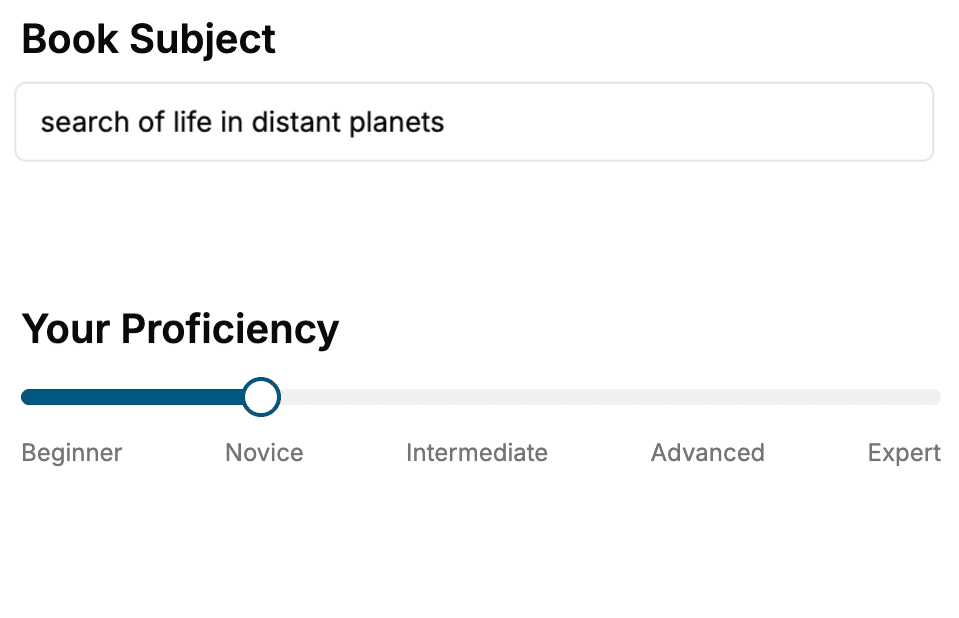
Select the focus of your Learning English book and share your background
- 2. Personalize your book
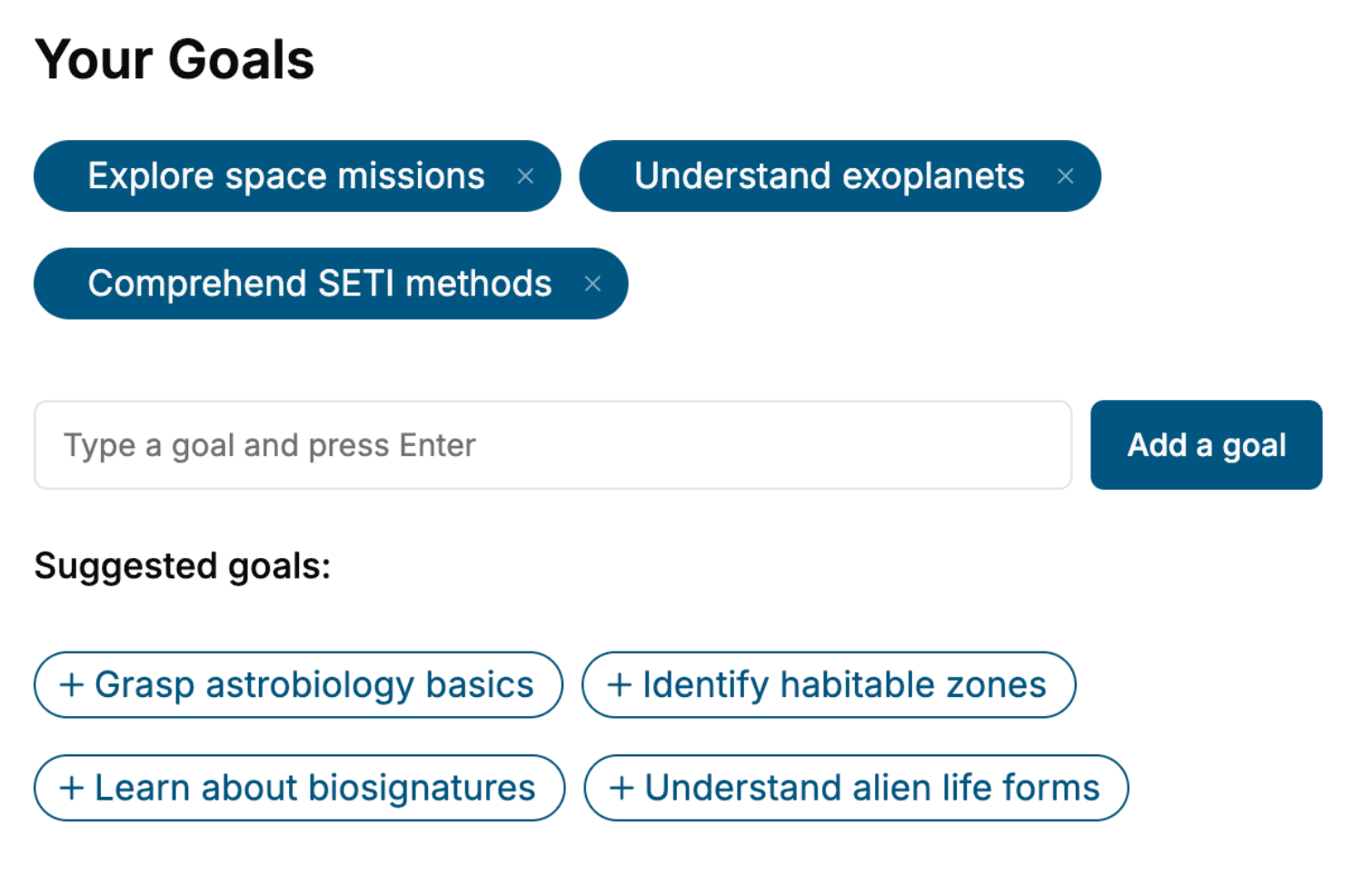
Specify your goals and choose sub-topics to include
- 3. Get your tailored book
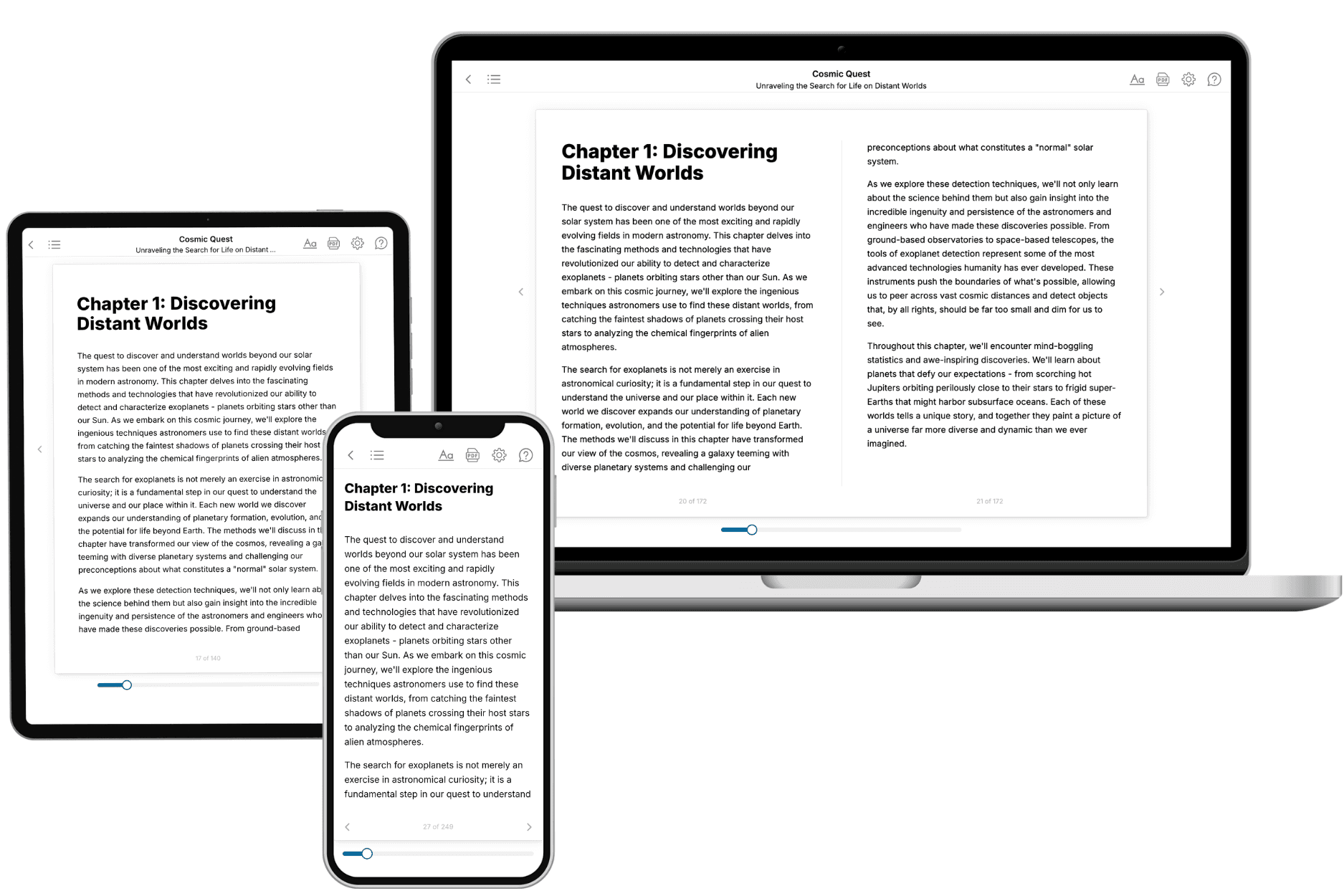
Your book is ready in 10 minutes. Read it online, download as EPUB or PDF, or send to Kindle.
Frequently asked questions
- What is TailoredRead?
TailoredRead creates complete, full-length nonfiction ebooks, written specifically for you. Tell us what you want to learn and why, and TailoredRead writes you a complete ebook on it, with charts, tables, and diagrams throughout. Read it online, on Kindle, or on any e-reader, or download it as a PDF or EPUB. Every book is written fresh the day you order it.
- How is the book tailored to me?
Before anything is written, you answer a few short questions about your goals, your background, and the topics you care about. Your book is then planned around your answers: written at your level, focused on your goals, and covering the topics you chose, instead of the one-size-fits-all book a store sells everyone.
- Will it read like generic AI content?
No. Your book isn't a chat transcript: it's planned chapter by chapter before a single word is written, told in a clear book voice, and explains ideas visually with charts, tables, and diagrams. After writing, every book goes through an editorial pass that polishes chapters so the book reads consistent from start to finish. Judge for yourself: browse thousands of sample books on our Explore Books page.
- How accurate is the content?
Our AI first checks whether your subject needs live research. Niche and fast-moving subjects are researched before writing, and the book plan and chapters are grounded in what it finds. After writing, every book goes through a quality pass that checks its facts and consistency, and researched books list their sources in a Notes section at the back.
- How long is the book?
You choose the length: Comprehensive (250-300 pages), Detailed (150-200 pages), Essential (70-100 pages), or Short (30-50 pages).
- Does the book include visuals?
Yes. Every book includes visual elements such as timelines, checklists, step-by-step guides, decision trees, comparison tables, and matrices, and many include bar charts. A typical book includes dozens of these visual elements.
- Can I read it on Kindle? What formats can I download?
Yes. Every book can be read in our online reader or downloaded as a PDF or EPUB. The EPUB can be opened with Kindle, Apple Books, Kobo, and any e-reader. The Commercial and Author licenses also include an editable Word (DOCX) and Markdown download.
- How much does it cost?
About the price of a regular ebook. The exact price depends on your book's length and complexity, from $2 for the shortest books to $35 for the most comprehensive, and it's shown when you review your book, before you commit to anything. Each book is a one-time purchase, yours to keep, no subscription. Licenses that let you share, teach, or publish your book range from $35.99 to $49.99.
- Can I preview the book before purchasing?
Before you pay, you'll see what your book will cover: the title, a detailed description, the estimated length, and the complete chapter-by-chapter table of contents, so you know what you're getting before you decide. The full text itself is written after you purchase.
- How long does it take to create a book?
About 10 minutes. You can start reading the opening chapters while the rest is still being written.