The Kidney Explained
Master Renal Physiology and Understand How Your Body Filters and Balances
Gain a complete understanding of how your kidneys work at every level—from the microscopic nephron to whole-body fluid regulation.
207 pages9 chaptersJan 9, 2026Human Physiology
About this book
This book breaks down renal physiology into clear, manageable concepts that build on each other, starting with kidney anatomy and progressing through filtration, reabsorption, and secretion. You'll discover how the kidney's elegant design enables it to filter 180 liters of fluid daily while conserving what your body needs and eliminating waste. Learn how hormones fine-tune kidney function, how the renin-angiotensin system controls blood pressure, and how kidneys maintain the precise balance of water, electrolytes, and pH that keeps you alive. Whether you're studying for exams, preparing for clinical practice, or simply curious about this vital organ, this book provides the knowledge and context you need to truly understand renal physiology and appreciate the kidney's remarkable role in maintaining homeostasis.
Table of contents
- IntroductionWhy Kidneys Matter: The Foundation of Life, What You'll Learn in This Book, How to Use This GuideRead below
- Chapter 1: Kidney Anatomy and StructureGross Anatomy: The Big Picture, The Nephron: Functional Unit of the Kidney, Blood Supply and Vascular Architecture, The Collecting System and Urine Transport
- Chapter 2: Glomerular Filtration: The First StepThe Filtration Barrier: Structure and Function, Forces Driving Filtration, Glomerular Filtration Rate (GFR) and Measurement, Regulation of Glomerular Filtration
- Chapter 3: Tubular Reabsorption: Reclaiming What You NeedThe Proximal Tubule: Selective Recovery, The Loop of Henle: Concentrating the Filtrate, The Distal Tubule and Collecting Duct: Fine-Tuning, Active and Passive Transport Mechanisms
- Chapter 4: Tubular Secretion: Removing Excess WasteOverview of Tubular Secretion, Secretion of Organic Compounds, Ion Secretion and Regulation, Drug and Toxin Secretion
- Chapter 5: Water and Electrolyte BalanceOsmotic Regulation and ADH, Sodium and Potassium Balance, Calcium and Phosphate Regulation, Integrated Water and Electrolyte Homeostasis
- Chapter 6: Hormonal Control of Kidney FunctionAntidiuretic Hormone (ADH): Water Conservation, Aldosterone: Sodium and Potassium Control, Other Hormonal Influences on Renal Function
- Chapter 7: The Renin-Angiotensin-Aldosterone SystemRAAS Overview and Components, Renin Release and Regulation, The Angiotensin Cascade, RAAS Integration with Blood Pressure Control
- Chapter 8: Acid-Base Balance and pH RegulationpH Fundamentals and Buffer Systems, Renal Acid Excretion Mechanisms, Bicarbonate Reabsorption and Generation, Acid-Base Disorders and Renal Compensation
- Chapter 9: Kidney Dysfunction and Clinical ImplicationsAcute Kidney Injury: Causes and Consequences, Chronic Kidney Disease: Progression and Management, Clinical Assessment of Kidney Function
- ConclusionIntegrating Your Knowledge of Renal Physiology, Continuing Your Learning Journey
- Glossary of Key Terms
- Further Reading and Resources
Introduction
Your kidneys are working right now. As you read these words, two fist-sized organs tucked against your back wall are filtering your entire blood volume roughly every thirty minutes. They're making split-second decisions about what to keep and what to discard, maintaining the precise chemical balance that keeps every cell in your body functioning. Most people never think about their kidneys until something goes wrong, yet these remarkable organs perform some of the most sophisticated regulatory work in your entire body. Understanding how kidneys work isn't just academic curiosity—it's insight into one of the fundamental processes that makes complex life possible.
The kidney represents one of nature's most elegant engineering solutions. Every day, your kidneys filter approximately 180 liters of fluid from your blood, yet you only produce about 1.5 liters of urine. This means your kidneys recover more than 99% of the filtered fluid, along with essential nutrients, electrolytes, and other substances your body needs. This recovery process isn't random or passive—it's a highly regulated system involving dozens of transport proteins, hormonal signals, and feedback mechanisms. The kidney doesn't just remove waste; it actively sculpts the composition of your blood, adjusting levels of sodium, potassium, calcium, hydrogen ions, and countless other substances to maintain homeostasis.
This book takes you inside the kidney to understand exactly how this filtration and regulation happens. You'll learn the anatomy that makes it possible, the forces that drive filtration, the mechanisms that recover essential substances, and the hormonal systems that fine-tune kidney function in response to your body's changing needs. Whether you're a student preparing for exams, a healthcare professional seeking deeper understanding, or simply someone fascinated by human physiology, this book will give you a comprehensive, practical grasp of renal function. By the end, you'll understand not just what the kidneys do, but how they do it—and why that matters for health and disease.
Why Kidneys Matter: The Foundation of Life
The kidneys are often called the body's filtration system, but this description barely scratches the surface of what they actually do. Yes, they remove waste products like urea and creatinine from your blood, but they're simultaneously regulating fluid volume, controlling blood pressure, maintaining electrolyte balance, adjusting blood pH, producing hormones, and activating vitamin D. When you consider that every major organ system depends on the chemical stability the kidneys provide, you begin to appreciate why kidney failure is so devastating. Without functioning kidneys, waste accumulates, fluid balance collapses, blood pressure becomes uncontrollable, and the blood's pH shifts toward fatal acidosis within days.
Consider what happens when you drink a large glass of water. Within minutes, your kidneys detect the dilution of your blood and respond by reducing water reabsorption, producing dilute urine to restore normal osmolarity. Conversely, if you become dehydrated during exercise, your kidneys conserve water by producing concentrated urine, sometimes reducing urine output to just a few hundred milliliters per day. This dynamic regulation happens continuously, adjusting to your fluid intake, diet, activity level, and environmental conditions. The kidneys don't wait for conscious commands—they monitor blood composition directly and respond in real-time through sophisticated sensing and feedback systems.
The kidney's role extends far beyond simple filtration. Through the renin-angiotensin-aldosterone system (RAAS), kidneys are central players in blood pressure regulation. When blood pressure drops, specialized cells in the kidney release renin, triggering a cascade that ultimately increases blood volume and constricts blood vessels. The kidneys also produce erythropoietin, the hormone that stimulates red blood cell production, which is why kidney disease often causes anemia. They activate vitamin D into its functional form, making them essential for calcium absorption and bone health. These endocrine functions mean that kidney disease affects not just waste elimination, but also blood pressure, oxygen-carrying capacity, and skeletal integrity.
Understanding kidney function is particularly important for healthcare professionals because kidney disease is remarkably common and often silent in its early stages. Chronic kidney disease affects approximately 10% of the global population, and many people don't know they have it until significant damage has occurred[1]. Diabetes and hypertension are the leading causes of kidney failure, making renal physiology essential knowledge for managing these common conditions. Additionally, because the kidneys eliminate many medications, understanding renal function is critical for proper drug dosing, especially in elderly patients or those with compromised kidney function.
The kidneys also serve as an excellent model system for understanding fundamental physiological principles. Studying renal function teaches you about:
- Pressure gradients and filtration: How hydrostatic and osmotic forces drive fluid movement across membranes
- Active and passive transport: How cells move substances against and with concentration gradients
- Hormonal regulation: How chemical messengers coordinate organ function across the body
- Feedback systems: How the body senses and responds to deviations from normal conditions
- Countercurrent mechanisms: How clever anatomical arrangements create concentration gradients
These principles apply throughout physiology, making the kidney an ideal teaching organ. Master renal physiology, and you'll have a framework for understanding how other organs maintain homeostasis. The kidney demonstrates how structure enables function—how the arrangement of blood vessels, tubules, and cells creates the conditions necessary for selective filtration and reabsorption. This structure-function relationship is a central theme in biology, and nowhere is it more elegantly displayed than in the nephron.
From an evolutionary perspective, the kidney represents a solution to one of the fundamental challenges of terrestrial life: maintaining internal fluid balance in an environment where water is scarce and variable. Marine animals can rely on the surrounding ocean to stabilize their internal environment, but land animals must create their own internal ocean and defend it against constant perturbation. The mammalian kidney, with its ability to produce urine far more concentrated than blood, enables survival in diverse environments from deserts to rainforests. Understanding this organ means understanding one of the key innovations that made complex terrestrial life possible.
Finally, kidney function matters because it's modifiable. Unlike some organs that operate largely on autopilot, kidney function responds to diet, hydration, medications, and lifestyle factors. Understanding how your kidneys work empowers you to make informed decisions about fluid intake, dietary sodium, protein consumption, and medication use. For healthcare providers, this knowledge enables targeted interventions to protect kidney function in at-risk patients. The kidneys are resilient organs with substantial reserve capacity, but they're also vulnerable to cumulative damage from diabetes, hypertension, and nephrotoxic substances. Knowledge of renal physiology is the foundation for both prevention and treatment of kidney disease.
What You'll Learn in This Book
This book is structured to build your understanding systematically, starting with anatomy and progressing through increasingly complex physiological processes. Each chapter builds on previous ones, creating a comprehensive picture of how the kidney maintains homeostasis. You'll begin with the structures that make kidney function possible, then explore the three fundamental processes—filtration, reabsorption, and secretion—before examining the regulatory systems that coordinate these processes with whole-body needs. By the final chapters, you'll understand how kidneys integrate multiple functions to maintain the stable internal environment that complex life requires.
Chapter 1: Kidney Anatomy and Structure establishes the foundation by exploring kidney architecture from the whole organ down to the cellular level. You'll learn how the kidney's external structure relates to its internal organization, how blood vessels are arranged to enable filtration, and how the nephron—the kidney's functional unit—is structured. This chapter introduces the different nephron segments and explains how their anatomical features enable their specific functions. Understanding this anatomy is essential because kidney function emerges directly from kidney structure. You'll see how the glomerulus is designed for filtration, how the proximal tubule is optimized for reabsorption, and how the loop of Henle creates the conditions for urine concentration.
Chapter 2: Glomerular Filtration examines the first step in urine formation: the passive filtration of blood plasma through the glomerular capillaries. You'll learn about the three-layered filtration barrier that allows small molecules to pass while retaining proteins and blood cells. The chapter explains the forces that drive filtration—hydrostatic pressure pushing fluid out of capillaries and osmotic pressure pulling it back—and how these forces determine the glomerular filtration rate (GFR). You'll discover how the kidney regulates GFR through autoregulation, maintaining stable filtration despite fluctuations in blood pressure. This chapter also covers how GFR is measured clinically and why it's the most important indicator of kidney function.
Chapter 3: Tubular Reabsorption explores how the kidney recovers the vast majority of filtered substances. You'll learn how the proximal tubule reabsorbs about 65% of filtered sodium and water, along with essentially all filtered glucose and amino acids. The chapter explains the transport mechanisms—both active and passive—that move substances from tubular fluid back into blood. You'll discover how the loop of Henle uses a countercurrent multiplier system to create an osmotic gradient in the kidney medulla, enabling water reabsorption and urine concentration. The chapter concludes by examining how the distal tubule and collecting duct fine-tune reabsorption in response to hormonal signals, adjusting final urine composition to match body needs.
Chapter 4: Tubular Secretion covers the third fundamental process: the active transport of substances from blood into tubular fluid. While less celebrated than filtration and reabsorption, secretion is essential for eliminating certain waste products, drugs, and toxins that aren't efficiently filtered. You'll learn how organic anion and cation transporters in the proximal tubule secrete a wide range of substances, including many medications. The chapter explains how secretion of hydrogen ions and potassium in the distal nephron contributes to acid-base balance and potassium homeostasis. Understanding secretion is particularly important for healthcare professionals because it affects drug elimination and potential drug-drug interactions.
Chapter 5: Water and Electrolyte Balance integrates the previous chapters to show how filtration, reabsorption, and secretion work together to regulate body fluid composition. You'll learn how the kidney maintains sodium balance, which determines extracellular fluid volume and blood pressure. The chapter explains potassium regulation, including why the kidney must carefully balance potassium excretion to avoid dangerous hyperkalemia or hypokalemia. You'll discover how calcium and phosphate balance is maintained through coordinated renal and hormonal mechanisms. This chapter emphasizes that the kidney doesn't regulate each substance in isolation—it must balance competing demands and maintain multiple parameters simultaneously.
Chapter 6: Hormonal Control of Kidney Function examines how hormones fine-tune renal function in response to changing body conditions. You'll learn how antidiuretic hormone (ADH) regulates water reabsorption by controlling aquaporin channels in the collecting duct, enabling the kidney to produce either dilute or concentrated urine as needed. The chapter explains how aldosterone increases sodium reabsorption and potassium secretion in the distal nephron, affecting both electrolyte balance and blood pressure. You'll also discover how other hormones—including atrial natriuretic peptide, parathyroid hormone, and prostaglandins—influence kidney function. This chapter shows how the kidney serves as an effector organ for multiple endocrine systems.
Chapter 7: The Renin-Angiotensin-Aldosterone System provides an in-depth look at one of the body's most important regulatory systems. You'll learn how specialized cells in the kidney detect low blood pressure or low sodium and respond by releasing renin, initiating a cascade that produces angiotensin II and aldosterone. The chapter explains how this system increases blood pressure through multiple mechanisms: vasoconstriction, increased sodium reabsorption, increased water retention, and stimulation of thirst. You'll understand why RAAS is a major target for blood pressure medications and how drugs like ACE inhibitors and angiotensin receptor blockers work. This chapter demonstrates how the kidney is both a sensor and effector in blood pressure regulation.
Chapter 8: Acid-Base Balance and pH Regulation explores one of the kidney's most critical functions: maintaining blood pH within the narrow range compatible with life. You'll learn how the kidney reabsorbs filtered bicarbonate, preventing loss of this crucial buffer. The chapter explains how the kidney generates new bicarbonate to replace what's consumed in buffering metabolic acids, and how it secretes hydrogen ions to eliminate acid from the body. You'll discover how the kidney compensates for respiratory acid-base disorders and how renal dysfunction leads to metabolic acidosis. This chapter includes practical information about interpreting acid-base disorders and understanding the kidney's role in pH homeostasis.
Chapter 9: Kidney Dysfunction and Clinical Implications applies your physiological knowledge to understanding what happens when kidneys fail. You'll learn about acute kidney injury—its causes, consequences, and potential for recovery. The chapter explains chronic kidney disease, including how it progresses through stages and how declining kidney function affects multiple body systems. You'll discover how kidney function is assessed clinically through blood tests, urine tests, and imaging studies. This chapter connects physiology to pathophysiology, showing how understanding normal kidney function enables you to predict and understand the consequences of kidney disease. It emphasizes that kidney disease is often preventable and that early detection and intervention can slow progression.
How to Use This Guide
This book is designed for active learning, not passive reading. To get the most from it, engage with the material rather than simply reading through it. As you encounter new concepts, pause to visualize the structures and processes being described. Draw diagrams of nephron segments, sketch the forces acting on the glomerular filtration barrier, or map out the steps in the renin-angiotensin cascade. Creating your own visual representations forces you to process information more deeply than simply reading someone else's diagrams. When you encounter a transport mechanism, ask yourself: Is this active or passive? What's the energy source? What's being transported and why? This active questioning transforms reading into learning.
The chapters are arranged in a logical sequence, with each building on previous ones. If you're new to renal physiology, work through the chapters in order. The anatomy chapter provides essential context for understanding the functional chapters that follow. The filtration, reabsorption, and secretion chapters establish the fundamental processes before the later chapters explore their regulation and integration. However, if you're using this book as a reference or review, you can jump to specific chapters as needed. Each chapter is relatively self-contained, with cross-references to related material in other chapters. The glossary at the end provides quick definitions of key terms if you need to refresh your memory.
Pay special attention to the examples and clinical applications throughout the book. These aren't just illustrations—they're opportunities to apply concepts to real situations. When you read about how ADH increases water reabsorption, think about what happens in diabetes insipidus when ADH is deficient. When you learn about glomerular filtration rate, consider how you would interpret a GFR of 45 mL/min/1.73m² in a patient with diabetes. These clinical connections make the physiology more memorable and more meaningful. If you're a healthcare professional, relate the material to patients you've encountered. If you're a student, use these examples to prepare for clinical scenarios you'll face in the future.
Use the following strategies to maximize your learning:
- Create concept maps: Draw connections between different kidney functions, showing how they relate to each other and to whole-body homeostasis
- Teach someone else: Explaining concepts to another person reveals gaps in your understanding and reinforces what you know
- Work through problems: Calculate filtration rates, predict the effects of hormone changes, or trace the path of a filtered molecule through the nephron
- Connect to other systems: Link kidney function to cardiovascular physiology, endocrine regulation, and acid-base chemistry
- Review regularly: Renal physiology involves many interconnected concepts that benefit from spaced repetition and review
Don't be discouraged if some concepts seem complex at first. Renal physiology has a reputation for being challenging because it involves multiple simultaneous processes, numerous transport mechanisms, and several regulatory systems that interact in complex ways. The key is to build understanding gradually. Master the basics before tackling the complexities. Understand simple diffusion before studying secondary active transport. Grasp how ADH works before trying to understand how it interacts with the RAAS. Complexity becomes manageable when you build it up from simpler components. This book is structured to support that progressive building of understanding.
Take advantage of the book's structure to support different learning styles. If you're a visual learner, focus on creating and studying diagrams of kidney structures and processes. If you learn best through reading and writing, take detailed notes and write summaries of each chapter in your own words. If you're a kinesthetic learner, use physical models or gestures to represent processes—trace the path of filtrate through a nephron with your finger, or use your hands to represent the forces acting on the glomerular membrane. The more ways you engage with the material, the more thoroughly you'll understand it.
Consider supplementing this book with additional resources to deepen your understanding. Watch videos of kidney function to see processes animated. Examine histological slides of kidney tissue to connect microscopic anatomy with function. Read research papers about recent discoveries in renal physiology. Use online resources to explore interactive models of nephron function. The "Further Reading and Resources" section at the end of this book provides curated recommendations for extending your learning. However, use this book as your foundation—it provides the comprehensive, integrated understanding that scattered resources often lack.
Finally, remember that understanding kidney function is not just an academic exercise. This knowledge has practical applications for health, disease prevention, and clinical care. As you learn about sodium regulation, you'll understand why reducing dietary sodium helps control blood pressure. As you study drug secretion, you'll appreciate why medication doses must be adjusted in kidney disease. As you explore acid-base balance, you'll be able to interpret blood gas results and understand metabolic disorders. This practical relevance should motivate your learning and help you retain information. The kidneys are working in your body right now, applying the principles you're about to learn. Understanding them means understanding a fundamental part of how your body maintains the stable internal environment that makes life possible.
Notes
Introduction
- 1. GBD Chronic Kidney Disease Collaboration, "Global, regional, and national burden of chronic kidney disease, 1990-2017," The Lancet, 2020
This is the end of the free sample. The full book has 9 chapters.
Want this book written for you?
Tell us your goals and background, and get your own version of this book, tailored by AI to you.


Benefits of AI-tailored books
- Read one book, not ten:
- all the Human Physiology knowledge you need, gathered into a single book.
- Save days of learning:
- tell us your goals, choose your topics, and the whole book is built around them.
- Learn effortlessly:
- Human Physiology book written for your specific background and expertise.
- Understand at a glance:
- includes charts, tables, timelines, checklists, decision trees, and more.
- Stay current:
- written the day you order it, not years ago.
- Trust what you read:
- every book is checked for accuracy, with real research when your subject needs it.
Create your unique book in 3 steps
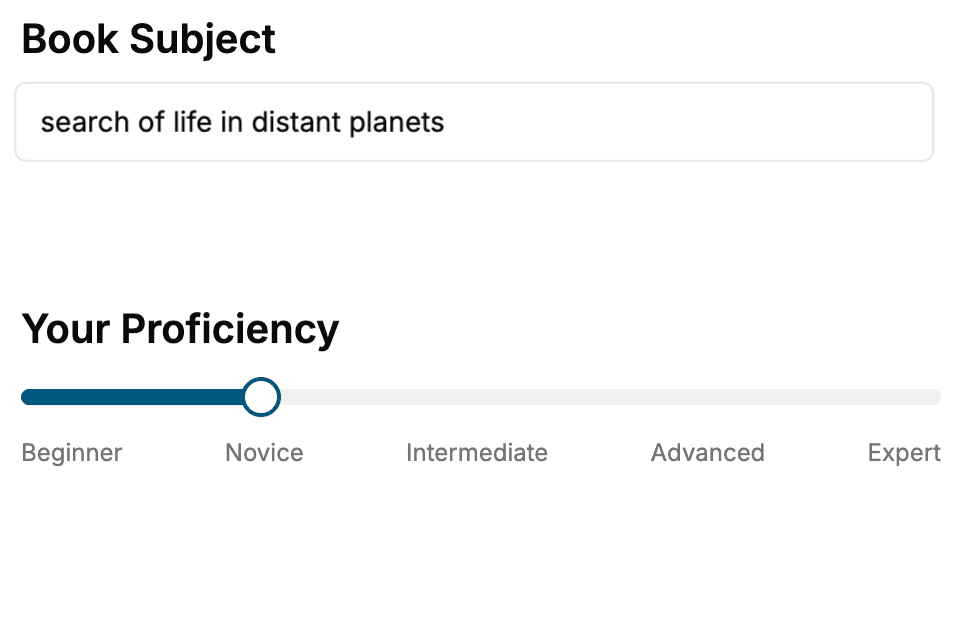
- 1. Select your focus
Select the focus of your Human Physiology book and share your background
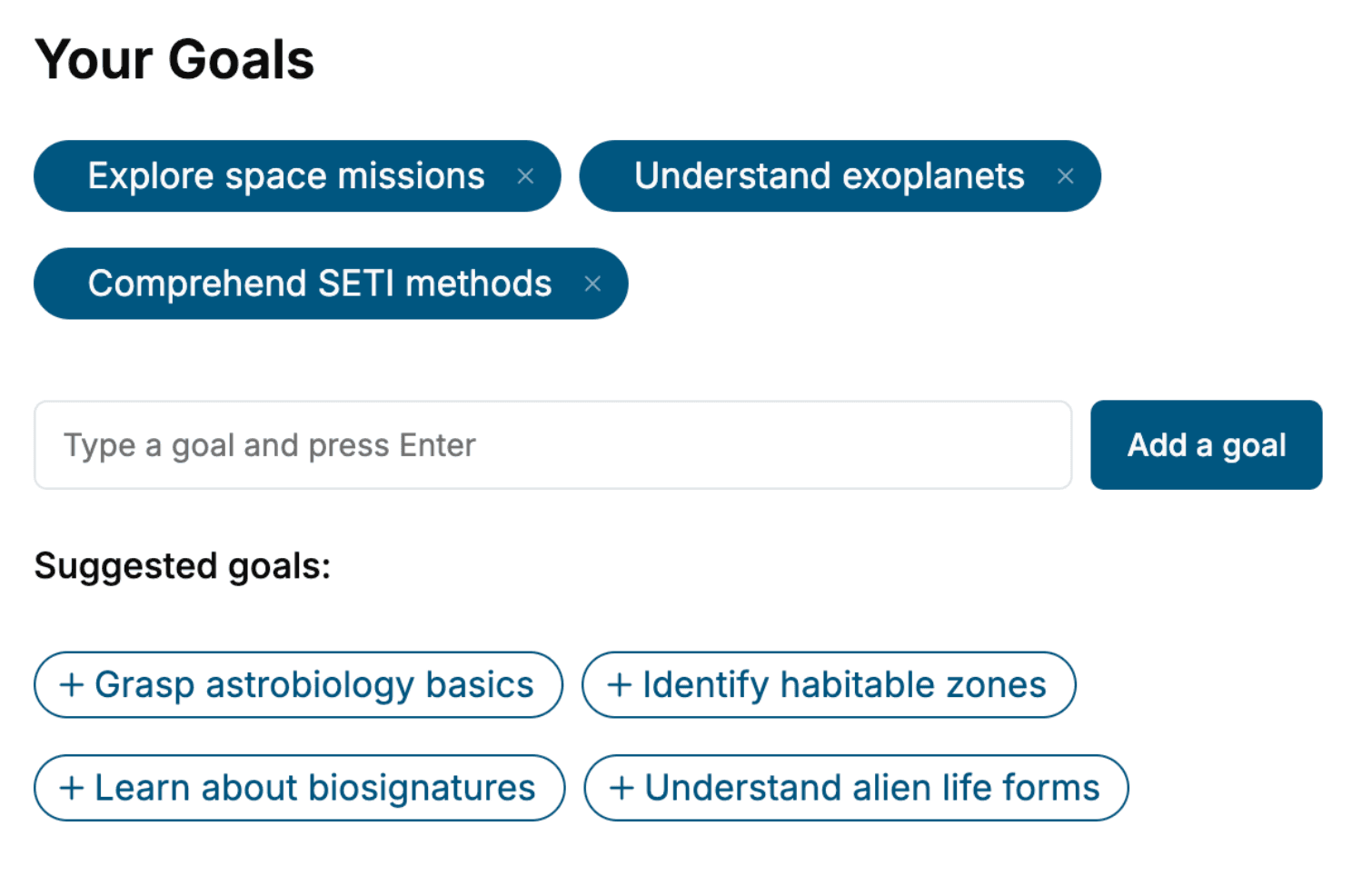
- 2. Personalize your book
Specify your goals and choose sub-topics to include
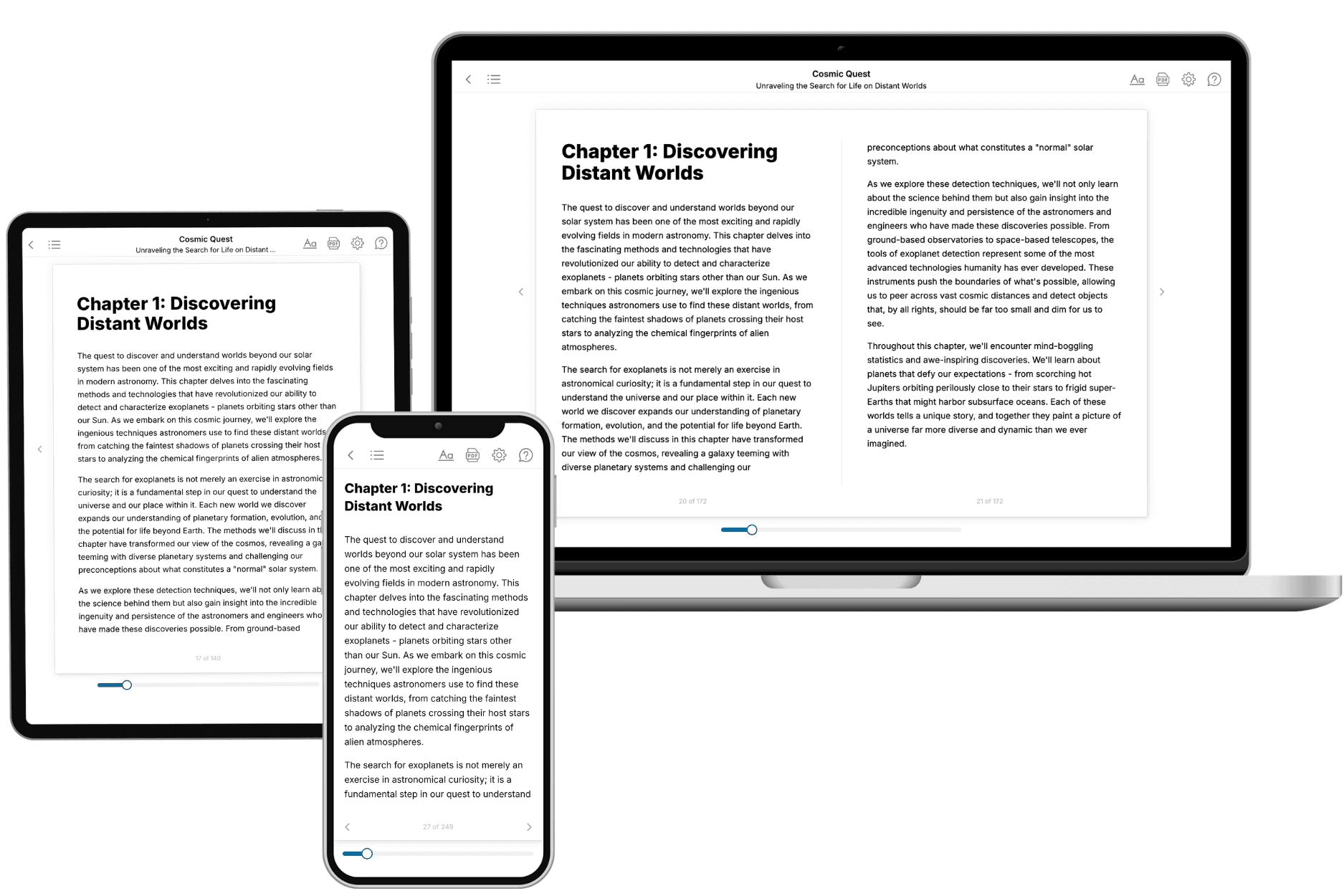
- 3. Get your tailored book
Your book is ready in 10 minutes. Read it online, download as EPUB or PDF, or send to Kindle.
Frequently asked questions
- What is TailoredRead?
TailoredRead creates complete, full-length nonfiction ebooks, written specifically for you. Tell us what you want to learn and why, and TailoredRead writes you a complete ebook on it, with charts, tables, and diagrams throughout. Read it online, on Kindle, or on any e-reader, or download it as a PDF or EPUB. Every book is written fresh the day you order it.
- How is the book tailored to me?
Before anything is written, you answer a few short questions about your goals, your background, and the topics you care about. Your book is then planned around your answers: written at your level, focused on your goals, and covering the topics you chose, instead of the one-size-fits-all book a store sells everyone.
- Will it read like generic AI content?
No. Your book isn't a chat transcript: it's planned chapter by chapter before a single word is written, told in a clear book voice, and explains ideas visually with charts, tables, and diagrams. After writing, every book goes through an editorial pass that polishes chapters so the book reads consistent from start to finish. Judge for yourself: browse thousands of sample books on our Explore Books page.
- How accurate is the content?
Our AI first checks whether your subject needs live research. Niche and fast-moving subjects are researched before writing, and the book plan and chapters are grounded in what it finds. After writing, every book goes through a quality pass that checks its facts and consistency, and researched books list their sources in a Notes section at the back.
- How long is the book?
You choose the length: Comprehensive (250-300 pages), Detailed (150-200 pages), Essential (70-100 pages), or Short (30-50 pages).
- Does the book include visuals?
Yes. Every book includes charts, tables, and diagrams: timelines, checklists, step-by-step guides, decision trees, comparison tables, matrices, and bar charts. A typical book includes dozens of these visual elements.
- Can I read it on Kindle? What formats can I download?
Yes. Every book can be read in our online reader or downloaded as a PDF or EPUB. The EPUB can be opened with Kindle, Apple Books, Kobo, and any e-reader. The Commercial and Author licenses also include an editable Word (DOCX) and Markdown download.
- How much does it cost?
About the price of a regular ebook. The exact price depends on your book's length and complexity, from $2 for the shortest books to $35 for the most comprehensive, and it's shown when you review your book, before you commit to anything. Each book is a one-time purchase, yours to keep, no subscription. Licenses that let you share, teach, or publish your book range from $35.99 to $49.99.
- Can I preview the book before purchasing?
Before you pay, you'll see what your book will cover: the title, a detailed description, the estimated length, and the complete chapter-by-chapter table of contents, so you know what you're getting before you decide. The full text itself is written after you purchase.
- How long does it take to create a book?
About 10 minutes. You can start reading the opening chapters while the rest is still being written.