Koh Nang Yuan Unveiled
Your Complete Guide to Thailand's Hidden Island Paradise
Planning a trip to Koh Nang Yuan but unsure where to start?
191 pages10 chaptersDec 30, 2025Thailand Travel Guide
About this book
Many travelers arrive at this stunning Thai island without understanding its unique three-island geography, optimal visiting times, or how to navigate the complex ferry systems to get there. This guide cuts through the confusion and provides everything you need to make the most of your visit. You'll discover the best times to visit based on weather and crowds, learn exactly how to reach the island from various Thai locations, explore accommodation options that fit your budget and style, and uncover the island's most rewarding experiences beyond the famous viewpoint. Whether you're planning a quick day trip or an extended stay, this guide equips you with insider knowledge about snorkeling spots, local dining, cultural considerations, and practical logistics. Navigate Koh Nang Yuan with confidence and create memories that match the island's breathtaking reputation.
Table of contents
- IntroductionWhy Koh Nang Yuan Matters, What to Expect from This Guide, How to Use This BookRead below
- Chapter 1: Understanding Koh Nang Yuan's GeographyThe Three Islands and Sandbars, Island Layout and Zones, Natural Features and Landmarks
- Chapter 2: Planning Your Visit: Seasons and TimingDry Season: November to April, Monsoon Season: May to October, Shoulder Seasons and Crowd Patterns, Weather Considerations and Best Days
- Chapter 3: Getting to Koh Nang Yuan: Transportation GuideFrom Bangkok and Major Cities, Ferry Routes and Operators, Speedboat and Private Boat Services, Costs and Booking Strategies
- Chapter 4: Where to Stay: Accommodation OptionsLuxury Resorts and High-End Options, Mid-Range Hotels and Bungalows, Budget Accommodations and Hostels, Booking Tips and Seasonal Availability
- Chapter 5: Must-See Attractions and ActivitiesThe Famous Viewpoint and Hiking Trail, Snorkeling and Marine Life, Beaches and Swimming Areas, Water Sports and Adventure Activities
- Chapter 6: Food and Dining: Local FlavorsIsland Restaurants and Dining Options, Local Thai Cuisine and Specialties, Dietary Restrictions and Alternatives
- Chapter 7: Local Culture and Environmental ResponsibilityLocal Customs and Respectful Behavior, Marine Conservation and Sustainable Tourism, Minimizing Your Environmental Impact
- Chapter 8: Budgeting Your Trip: Costs and Money ManagementDaily Expense Breakdown, Money-Saving Strategies, Payment Methods and Currency
- Chapter 9: Day Trip vs. Overnight: Planning Your DurationOptimal Day Trip Itinerary, Benefits of Staying Overnight, Extended Stays and Multi-Day Experiences
- Chapter 10: Practical Tips and LogisticsWhat to Pack and Bring, Health, Safety, and Medical Considerations, Internet, Phone Service, and Connectivity
- ConclusionMaking the Most of Your Visit, Next Steps in Planning Your Journey
Introduction
Imagine standing on a narrow sandbar with turquoise water lapping at your feet from both sides, three lush islands connected by nature's own bridges stretching before you. This is Koh Nang Yuan, one of Thailand's most photographed yet surprisingly misunderstood destinations. While thousands of travelers add this island to their Thai itineraries each year, many arrive unprepared for its unique characteristics, logistical challenges, and hidden opportunities. The difference between a frustrating visit and an unforgettable experience often comes down to understanding what makes this destination special and planning accordingly.
Koh Nang Yuan sits just off the northwest coast of Koh Tao in the Gulf of Thailand, but it operates under entirely different rules than its larger neighbor. The island's distinctive three-part geography creates both stunning visual appeal and practical considerations that affect everything from where you can swim to how you navigate between beaches. Unlike typical Thai islands where you can explore freely, Koh Nang Yuan has specific entry requirements, environmental restrictions, and limited facilities that catch unprepared visitors off guard. Understanding these factors before you arrive transforms potential obstacles into manageable details.
This guide exists because generic Thailand travel advice doesn't adequately address Koh Nang Yuan's specific needs. You won't find the same accommodation variety as Phuket, the nightlife of Koh Phi Phi, or the infrastructure of Koh Samui. What you will find is a compact paradise that rewards informed planning with experiences unavailable elsewhere in Thailand. Whether you're debating between a day trip or overnight stay, wondering which ferry company to trust, or trying to determine if the famous viewpoint hike is worth the effort, this book provides answers based on the island's actual conditions rather than generic travel platitudes.
Why Koh Nang Yuan Matters
Koh Nang Yuan represents a specific type of Thai island experience that's becoming increasingly rare. While development has transformed many Gulf of Thailand destinations into resort-heavy tourist zones, this small island maintains a more controlled environment due to its size and single-resort ownership model. The entire island spans less than one square kilometer, yet within that compact space you'll find multiple distinct beaches, excellent snorkeling sites, hiking opportunities, and that iconic sandbar viewpoint that appears in countless travel photographs. This concentration of experiences makes it possible to genuinely explore the entire destination in a single visit, unlike larger islands where you might miss significant areas.
The island's significance extends beyond its physical beauty to its role in Thailand's marine conservation efforts. Koh Nang Yuan sits within a protected marine area, and the waters surrounding the three islands host diverse coral formations and tropical fish populations that have recovered significantly since conservation measures were implemented. When you snorkel here, you're not just seeing pretty fish—you're witnessing the results of deliberate environmental management that balances tourism with ecosystem health. This makes Koh Nang Yuan an important case study in sustainable island tourism, though as you'll discover in later chapters, the balance remains imperfect and ongoing.
For travelers building a Thai itinerary, Koh Nang Yuan serves as either a perfect day trip from Koh Tao or a destination worthy of dedicated overnight stays. Its proximity to Koh Tao means you can easily combine both islands in a single trip, but the experiences differ substantially. Koh Tao offers diving certification courses, varied nightlife, and extensive accommodation options, while Koh Nang Yuan provides a more contained, nature-focused experience with stricter environmental rules. Understanding this distinction helps you allocate your time appropriately rather than expecting one island to provide what the other specializes in.
The island matters particularly for intermediate travelers who have moved beyond basic tourist circuits but aren't yet ready for truly remote destinations. If you've already visited Thailand's major islands and want something more distinctive without venturing into difficult-to-reach territory, Koh Nang Yuan hits an ideal middle ground. You'll need more planning than a trip to Phuket requires, but you won't face the logistical challenges of reaching islands in the Andaman Sea's outer archipelagos. This accessibility combined with uniqueness makes it valuable for travelers seeking to deepen their Thailand experience without dramatically increasing complexity.
What makes Koh Nang Yuan especially relevant now is its vulnerability to overtourism and climate change impacts. The sandbar that creates the island's famous connected appearance changes with tides and seasons, and rising sea levels pose long-term questions about its future configuration. Day-tripper crowds during peak season can overwhelm the island's limited space, creating experiences that differ dramatically from quieter periods. Visiting Koh Nang Yuan today means witnessing a destination at a crossroads between preservation and tourism pressure, making your choices about when to visit, how to behave, and which operators to support more consequential than at more developed destinations.
The island also matters as a photography destination that has shaped Thailand's visual identity in travel media. That aerial view of three islands connected by white sandbars has become shorthand for Thai island paradise in marketing materials worldwide. However, capturing that image yourself requires specific timing, viewpoint access, and weather conditions that many visitors don't achieve. Understanding the gap between promotional imagery and on-ground reality helps set appropriate expectations while still appreciating what makes the location genuinely special beyond its photogenic qualities.
Finally, Koh Nang Yuan matters because it demonstrates how small-scale destinations can offer complete experiences. You don't need weeks to feel you've thoroughly explored this island—a well-planned visit of one to three days allows you to experience everything it offers. For travelers with limited vacation time who want to add a distinctive island experience without committing to extended stays, this efficiency makes Koh Nang Yuan particularly valuable. The key is understanding what "everything" actually includes and planning your time to match the island's rhythm rather than fighting against its constraints.
What to Expect from This Guide
This guide takes a practical, logistics-focused approach to Koh Nang Yuan rather than offering generic inspiration or philosophical travel musings. You'll find specific information about ferry schedules, accommodation price ranges, viewpoint hiking times, and snorkeling site locations—the concrete details that determine whether your visit succeeds or disappoints. Each chapter addresses a specific planning question, from "When should I visit?" to "How much will this cost?" to "Should I stay overnight or take a day trip?" The structure allows you to read cover-to-cover for comprehensive understanding or jump directly to chapters addressing your immediate concerns.
The transportation chapter provides detailed breakdowns of getting to Koh Nang Yuan from various starting points in Thailand, including Bangkok, Koh Samui, and Koh Phangan. You'll learn which ferry companies operate which routes, how speedboat services differ from standard ferries, what private boat options cost, and how to book transportation that aligns with your schedule and budget. This goes beyond simple "take a ferry from Koh Tao" advice to address the actual decision points you'll face when comparing options, including considerations like seasickness susceptibility, time constraints, and cost-benefit tradeoffs between different transportation modes.
The accommodation chapter recognizes that Koh Nang Yuan's lodging situation differs fundamentally from typical Thai islands. With only one resort actually on the island and limited nearby options on Koh Tao, your accommodation choice significantly impacts your entire experience. You'll learn what staying on the island itself provides versus basing yourself on Koh Tao and day-tripping, how seasonal pricing fluctuates, what facilities different accommodation tiers include, and how to book during high-demand periods. This chapter also addresses the practical question of whether overnight stays justify their premium cost compared to day trips.
The activities and attractions chapters move beyond listing "things to do" to provide strategic guidance on experiencing each element optimally. For the famous viewpoint, you'll learn the best times to hike for photographs, crowd avoidance strategies, physical difficulty levels, and what to do if the trail is closed for maintenance. For snorkeling, you'll discover which sites offer what types of marine life, how tides and visibility affect conditions, whether you need to bring equipment or can rent on-site, and how to snorkel responsibly around coral formations. This level of detail helps you prioritize activities based on your interests and physical capabilities.
The budgeting chapter provides realistic cost breakdowns across different traveler types and spending levels. You'll see actual price ranges for accommodation, meals, transportation, activities, and incidentals, allowing you to build a realistic budget before committing to the trip. This includes money-saving strategies that don't compromise experience quality, such as optimal booking timing, where to eat affordably, and which expenses are worth splurging on versus where budget options suffice. The chapter also addresses payment methods, currency exchange considerations, and how to handle the limited ATM access on small islands.
Throughout the guide, you'll find specific examples and scenarios rather than vague generalizations. When discussing weather, you'll see month-by-month breakdowns of typical conditions rather than just "dry season is better." When covering dining, you'll learn about specific restaurant options with price ranges and menu types rather than generic "Thai food is available" statements. When explaining the three-island geography, you'll get clear descriptions of which island is which and how the sandbars connect them, addressing the confusion many first-time visitors experience when trying to orient themselves.
The guide also addresses common mistakes and misconceptions that trip up Koh Nang Yuan visitors. These include arriving without understanding the entrance fee structure, expecting extensive facilities that don't exist, underestimating how quickly you can explore the island, bringing prohibited items like plastic bottles, and failing to account for tide timing when planning beach activities. By highlighting these pitfalls explicitly, the guide helps you avoid frustrations that diminish other travelers' experiences. You'll also find troubleshooting advice for when things don't go according to plan, such as weather disruptions, ferry cancellations, or accommodation issues.
Environmental and cultural considerations receive substantial attention because they directly affect both your experience and the island's long-term sustainability. You'll learn specific behaviors that protect coral reefs while snorkeling, understand why certain rules exist and how to follow them, and discover how your choices as a visitor impact local communities and ecosystems. This isn't presented as guilt-inducing moralizing but as practical information that helps you travel more effectively while supporting the destination's preservation. The guide recognizes that responsible tourism and enjoyable tourism aren't opposing concepts but complementary approaches that enhance each other.
How to Use This Book
Start by reading the geography chapter even if you think you understand Koh Nang Yuan's layout. The three-island configuration creates specific implications for where you can access beaches, how you move between areas, and which parts of the island offer which experiences. Understanding this geography upfront prevents confusion when you're actually on the island trying to navigate between locations. The chapter includes clear descriptions of each island's characteristics and how the connecting sandbars function, giving you a mental map that makes all subsequent planning more effective.
Next, tackle the timing and seasons chapter to determine when you should visit based on your priorities. This decision affects everything else—accommodation availability, transportation options, crowd levels, and weather conditions all vary significantly by season. The chapter helps you weigh tradeoffs between perfect weather with heavy crowds versus acceptable weather with fewer tourists. If your travel dates are flexible, this chapter might lead you to shift your timing by a few weeks to dramatically improve your experience. If your dates are fixed, it helps you understand what conditions to expect and plan accordingly.
Once you've established when you're visiting, move to the transportation chapter to understand how you'll actually reach the island. This chapter works best when you know your starting point in Thailand and your approximate travel dates, as ferry schedules and availability vary seasonally. Use this chapter to compare different transportation options and book your tickets, keeping in mind that some routes require advance booking while others allow same-day purchases. The chapter also helps you coordinate transportation timing with accommodation check-in times and activity plans.
The accommodation chapter should be read in conjunction with the day trip versus overnight chapter, as these decisions interconnect closely. Some travelers assume they must stay overnight to fully experience Koh Nang Yuan, while others don't realize overnight stays offer significant advantages beyond just more time. Read both chapters together to make an informed decision about your visit duration and where you'll base yourself. This combined reading helps you understand not just where to stay but whether staying on the island versus nearby Koh Tao better serves your goals.
After establishing your basic logistics—when you're going, how you're getting there, and where you're staying—dive into the activities and attractions chapters. These chapters work best when you already know your visit duration, as they help you prioritize experiences based on available time. If you're day-tripping, you'll need to be more selective about activities than if you're staying multiple nights. Use these chapters to build a rough itinerary that sequences activities logically based on location, timing, and your energy levels throughout the day.
The dining chapter becomes relevant once you understand your accommodation situation, as where you're staying affects your meal options significantly. If you're staying on the island, you'll have limited dining choices compared to basing yourself on Koh Tao. This chapter helps you set realistic expectations about food quality, variety, and pricing while identifying the best options within the available choices. Use it to plan your meal budget and decide which meals to eat on the island versus elsewhere if you're day-tripping from Koh Tao.
Read the culture and environment chapter before your trip rather than during it. Understanding environmental rules, cultural expectations, and conservation considerations beforehand allows you to pack appropriately and arrive with correct behavioral expectations. This chapter explains why certain rules exist, making them easier to follow than if they seem like arbitrary restrictions. It also helps you make advance decisions about equipment, supplies, and activities that align with environmental best practices.
The budgeting chapter works best as a planning tool early in your process, but revisit it after reading other chapters to refine your estimates. Initial budget calculations help you determine if Koh Nang Yuan fits your financial constraints, while later revisions incorporate specific choices about accommodation, dining, and activities. Use the chapter's cost breakdowns to build a realistic budget that includes contingency funds for unexpected expenses or opportunities that arise during your visit.
The practical tips chapter serves as a final checklist before departure. Read it a few days before your trip to ensure you've packed appropriately, arranged necessary health precautions, and handled logistical details like phone service and connectivity. This chapter catches items that might slip through the cracks of your planning, from sunscreen strength to waterproof bag needs to medication considerations. Keep it accessible during your trip as a reference for troubleshooting unexpected situations.
Throughout your reading, pay attention to cross-references between chapters, as Koh Nang Yuan planning involves interconnected decisions where one choice affects others. Your accommodation decision impacts your dining options, your visit timing affects transportation availability, your activity plans influence what you need to pack, and your budget constraints shape all of these choices. The guide's structure acknowledges these connections while keeping each chapter focused on its primary topic. Use the cross-references to jump between related sections as you refine your plans.
Finally, recognize that this guide provides frameworks and information rather than prescriptive itineraries. Your ideal Koh Nang Yuan experience depends on your specific interests, physical capabilities, budget, travel style, and priorities. Use the guide's detailed information to make informed decisions that align with your preferences rather than following a one-size-fits-all plan. The goal is equipping you with enough knowledge to create your own optimal experience, whether that means a relaxed beach day, an active adventure itinerary, a photography-focused visit, or a marine life exploration trip.
This is the end of the free sample. The full book has 10 chapters.
Want this book written for you?
Tell us your goals and background, and get your own version of this book, tailored by AI to you.


Benefits of AI-tailored books
- Read one book, not ten:
- all the Thailand Travel Guide knowledge you need, gathered into a single book.
- Save days of learning:
- tell us your goals, choose your topics, and the whole book is built around them.
- Learn effortlessly:
- Thailand Travel Guide book written for your specific background and expertise.
- Understand at a glance:
- includes charts, tables, timelines, checklists, decision trees, and more.
- Stay current:
- written the day you order it, not years ago.
- Trust what you read:
- every book is checked for accuracy, with real research when your subject needs it.
Create your unique book in 3 steps
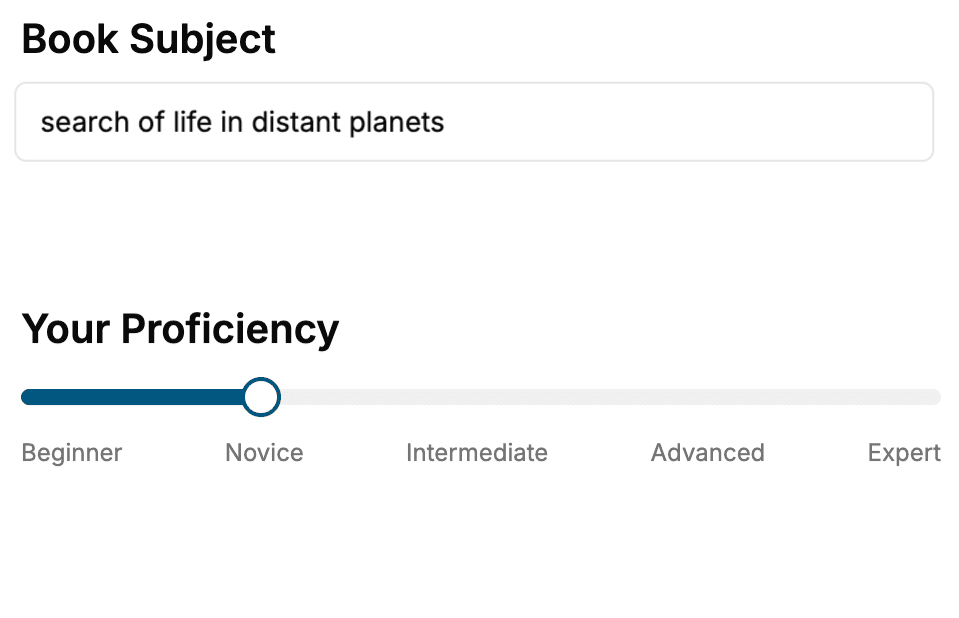
- 1. Select your focus
Select the focus of your Thailand Travel Guide book and share your background
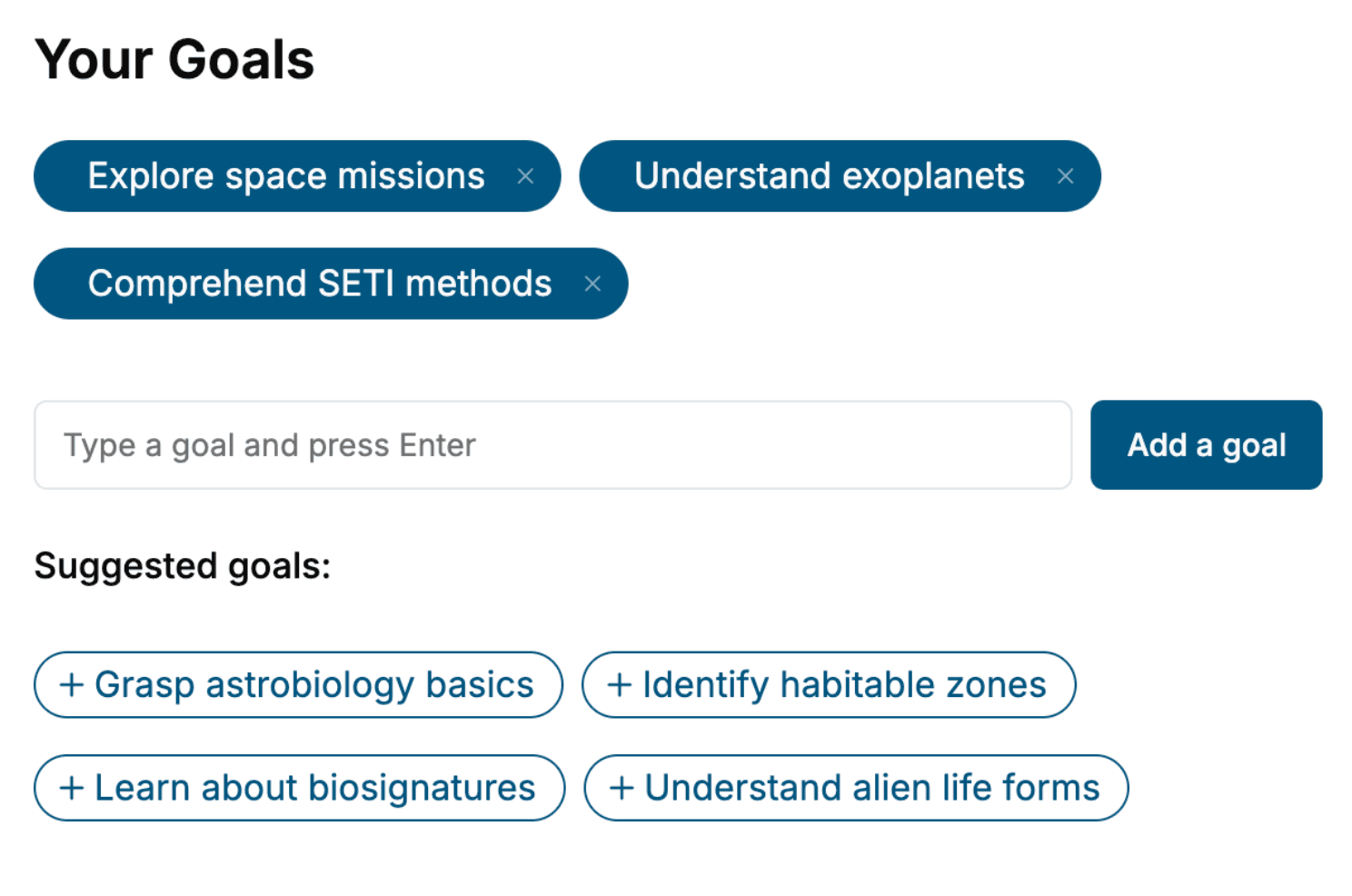
- 2. Personalize your book
Specify your goals and choose sub-topics to include
- 3. Get your tailored book
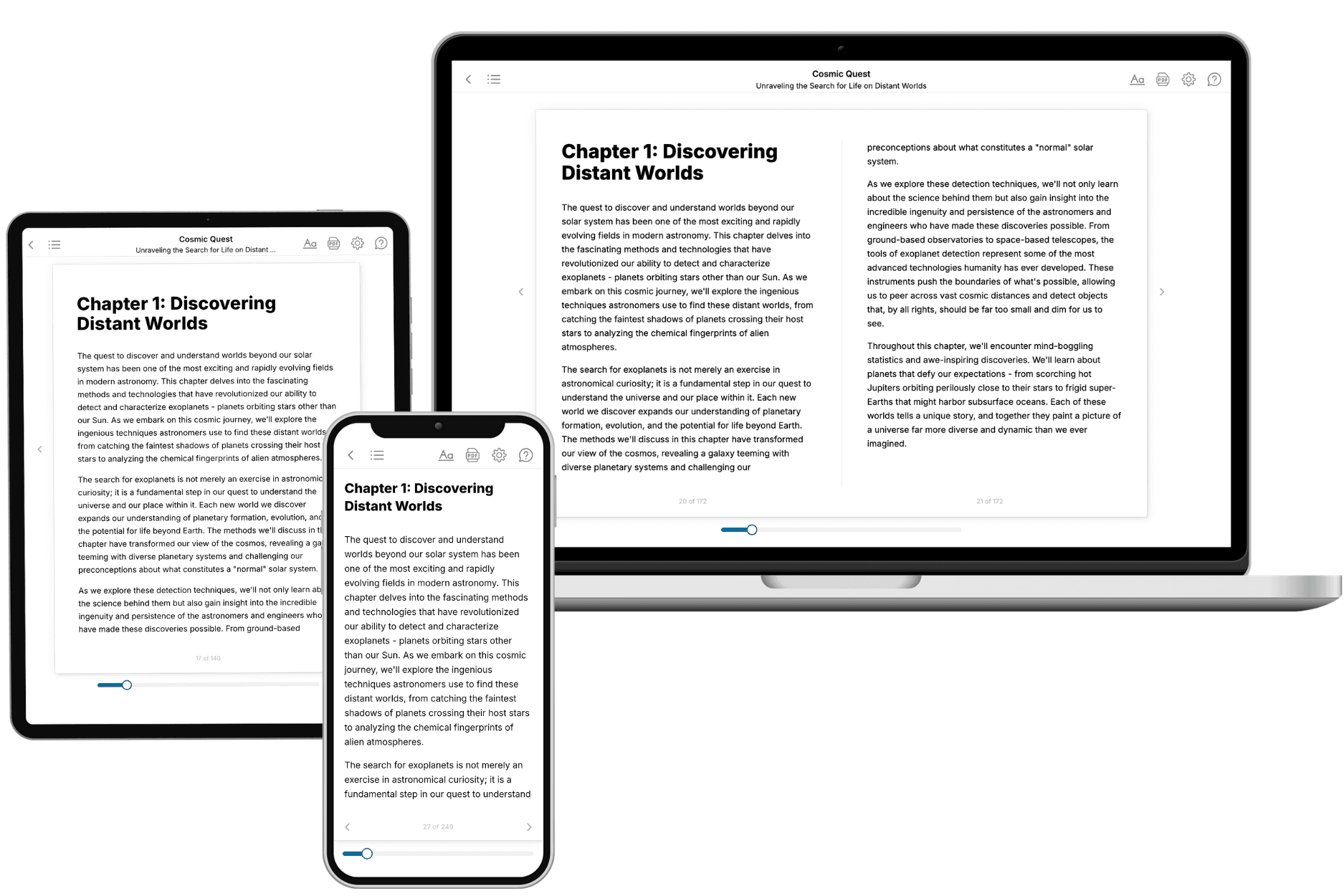
Your book is ready in 10 minutes. Read it online, download as EPUB or PDF, or send to Kindle.
Frequently asked questions
- What is TailoredRead?
TailoredRead creates complete, full-length nonfiction ebooks, written specifically for you. Tell us what you want to learn and why, and TailoredRead writes you a complete ebook on it, with charts, tables, and diagrams throughout. Read it online, on Kindle, or on any e-reader, or download it as a PDF or EPUB. Every book is written fresh the day you order it.
- How is the book tailored to me?
Before anything is written, you answer a few short questions about your goals, your background, and the topics you care about. Your book is then planned around your answers: written at your level, focused on your goals, and covering the topics you chose, instead of the one-size-fits-all book a store sells everyone.
- Will it read like generic AI content?
No. Your book isn't a chat transcript: it's planned chapter by chapter before a single word is written, told in a clear book voice, and explains ideas visually with charts, tables, and diagrams. After writing, every book goes through an editorial pass that polishes chapters so the book reads consistent from start to finish. Judge for yourself: browse thousands of sample books on our Explore Books page.
- How accurate is the content?
Our AI first checks whether your subject needs live research. Niche and fast-moving subjects are researched before writing, and the book plan and chapters are grounded in what it finds. After writing, every book goes through a quality pass that checks its facts and consistency, and researched books list their sources in a Notes section at the back.
- How long is the book?
You choose the length: Comprehensive (250-300 pages), Detailed (150-200 pages), Essential (70-100 pages), or Short (30-50 pages).
- Does the book include visuals?
Yes. Every book includes charts, tables, and diagrams: timelines, checklists, step-by-step guides, decision trees, comparison tables, matrices, and bar charts. A typical book includes dozens of these visual elements.
- Can I read it on Kindle? What formats can I download?
Yes. Every book can be read in our online reader or downloaded as a PDF or EPUB. The EPUB can be opened with Kindle, Apple Books, Kobo, and any e-reader. The Commercial and Author licenses also include an editable Word (DOCX) and Markdown download.
- How much does it cost?
About the price of a regular ebook. The exact price depends on your book's length and complexity, from $2 for the shortest books to $35 for the most comprehensive, and it's shown when you review your book, before you commit to anything. Each book is a one-time purchase, yours to keep, no subscription. Licenses that let you share, teach, or publish your book range from $35.99 to $49.99.
- Can I preview the book before purchasing?
Before you pay, you'll see what your book will cover: the title, a detailed description, the estimated length, and the complete chapter-by-chapter table of contents, so you know what you're getting before you decide. The full text itself is written after you purchase.
- How long does it take to create a book?
About 10 minutes. You can start reading the opening chapters while the rest is still being written.